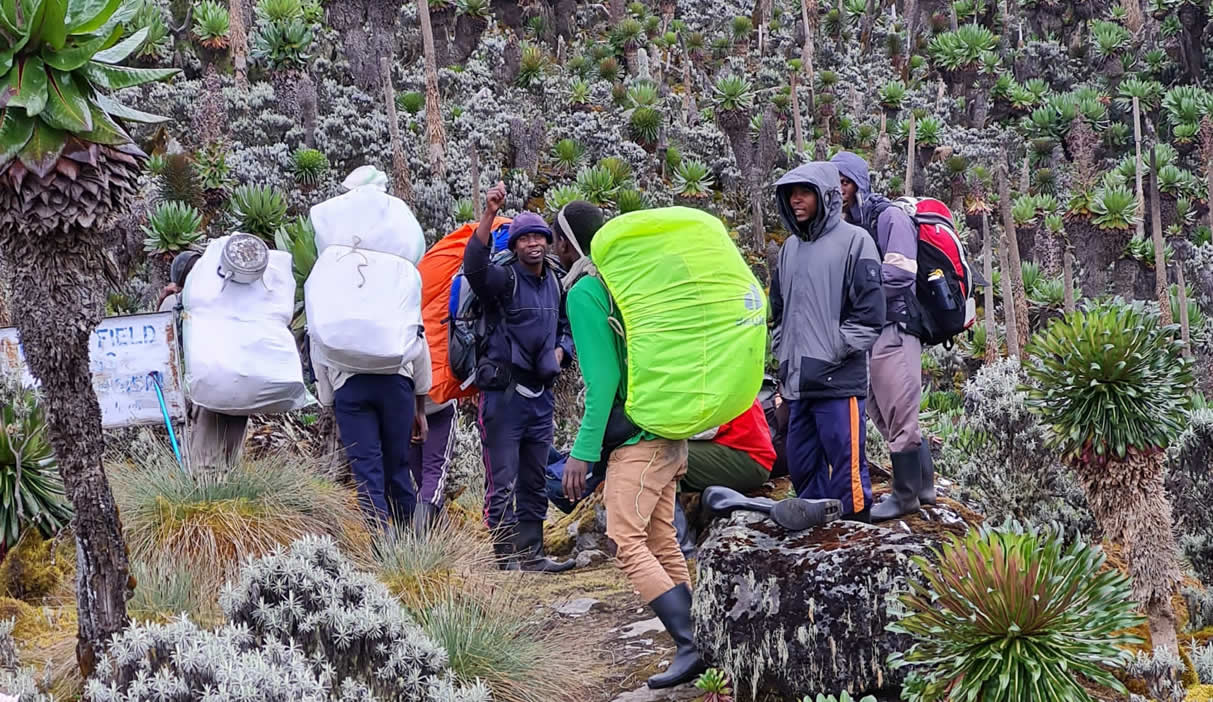
Yes, you can absolutely combine both adventures. This "Mountains of the Moon" and jungle safari combination is one of the most rewarding expeditions in Uganda. Because both activities are physically demanding, itineraries typically span 10 to 14 days and involve a scenic drive (4–5 hours) between the Rwenzoris and gorilla parks
15-days-rwenzori-hiking-safari-and-mountain-gorilla-trekking-vacation
11-days-best-rwenzori-mountain-hike-to-margherita-peak
7-days-mountain-rwenzori-mountain-climbing-active-adventure-to-margherita-peak
5-days-rwenzori-hike-to-either-mountain-sepeke-baker-or-luig-di-savoia
2-days-rwenzori-trek-to-nyabitaba-camp
combined Mountain gorilla trekking and Mountain Rwenzori hike tour packages
. The Short & Sweet Combo (8 Days)
Designed specifically for travelers who are constrained by time but unwilling to compromise on experiencing Uganda’s two most iconic adventures, this 8-day itinerary offers an incredibly efficient, high-impact circuit. By swapping out a grueling multi-day summit push for the beautiful and lower-altitude Lake Mahoma trail, this route significantly reduces the physical toll on your body while still delivering a true alpine mountaineering experience. You avoid the extreme hazards of glacial trekking while still immersing yourself in the surreal, moss-covered bamboo forests and unique Afro-alpine vegetation zones that make the Rwenzoris famous.
The journey kicks off with a swift transfer from Entebbe to the base of the mountains, setting up an immediate start to your trek the following morning. Over the next three days, you follow the scenic paths from Nyakalengija up to Omuka Kiiza Camp, eventually reaching the tranquil shores of Lake Mahoma at  . Here, you are rewarded with sweeping, pristine views of the surrounding ridges before making your descent back to basecamp.
Refusing to let the momentum slow, Day 5 transitions you southward from Kasese straight into the ancient canopy of Bwindi Impenetrable National Park. Day 6 is dedicated to the standard gorilla trek, granting you that unforgettable hour with a wild mountain gorilla family. To elevate this short safari into something truly exceptional, Day 7 features an immersive Gorilla Habituation Experience in the southern Rushaga sector. Unlike standard treks, habituation allows you to spend up to four full hours tracking and observing a gorilla group alongside the researchers who are actively training them to tolerate human presence. This brings your total jungle immersion to an elite level before you embark on the final drive back to Entebbe on Day 8.
2. The Margherita Peak Summit (12 Days)
Tailor-made for high-endurance mountaineers and passionate peak-baggers, this 12-day expedition targets Africa’s third-highest point: the majestic, snow-capped Margherita Peak ( ) on Mount Stanley. Utilizing the renowned Kilembe trekking route, this itinerary is intentionally structured to maximize safe acclimatization as you push through five distinct ecological zones. The first week of the journey demands intense physical focus, requiring climbers to cross dramatic valleys, navigate deep, muddy bogs, and traverse steep vertical rock faces.
By Day 7, you make your final pre-dawn push to the summit, requiring the technical use of ropes, harnesses, and crampons to conquer the permanent glacial ice. Standing on the peak offers an unparalleled view across the Albertine Rift, a reward well worth the grueling ascent. The following two days are dedicated to a controlled descent back to the trailhead, culminating in a vital, well-deserved rest day at basecamp to dry your gear, soothe tired muscles, and celebrate your mountaineering achievement.
With the intense alpine challenge successfully completed, the second phase of your safari shifts into a deeply rewarding active recovery. On Day 10, you transfer down to the misty ridges of Bwindi Impenetrable National Park. Tracking gorillas on Day 11 feels remarkably effortless after conquering the thin air and steep terrain of the Rwenzoris, turning your hour with the gentle giants into a profoundly peaceful, celebratory encounter. Finally, Day 12 offers excellent logistical flexibility: travelers can opt for the classic drive back to Entebbe, or choose a shorter, highly scenic cross-border transfer to Kigali International Airport in neighboring Rwanda, drastically minimizing road time at the end of an epic expedition.
3. The Ultimate Primate & Wildlife Safari (12 Days)
For those seeking a comprehensive, multi-dimensional exploration of western Uganda’s natural wonders, this 12-day itinerary seamlessly bridges the gap between rugged alpine mountaineering, classic big-game savanna viewing, and deep-jungle primate tracking. The primary advantage of this route is its brilliant logistical pacing; it intentionally inserts a classic wildlife safari directly between the two most physically demanding trekking activities, allowing your body a natural window to rest and recover without losing any travel momentum.
The adventure begins with a 5-day taste of the Rwenzori’s famous Central Circuit, leading you along the stunning Mobuku River valley and up into the giant lobelia zones to experience the raw magic of the mountains without a technical summit push. On Day 6, you descend to Nyakalengija and take a short, highly scenic drive straight into Queen Elizabeth National Park. Day 7 is entirely focused on relaxation and wildlife viewing: an early morning game drive across the Kasenyi plains reveals lions, leopards, and elephants, while an afternoon boat cruise along the famous Kazinga Channel lets you glide past thousands of wallowing hippos, Nile crocodiles, and vibrant bird colonies.
Rejuvenated by the savanna, you head south on Day 8 to Bwindi Impenetrable National Park. Days 9 and 10 provide an elite double-primate experience, combining a standard gorilla trek on the first day with an exclusive, 4-hour gorilla habituation walk in Rushaga on the second. To perfectly round out the circuit, Day 11 takes you to Lake Mburo National Park for an intimate evening walking safari among zebras and impalas, followed by a final morning game drive and a smooth transit back to Entebbe on Day 12.
Key Details for Your Combination Safari
Gorilla Trekking
Gorilla trekking in Uganda represents one of the most profound wildlife encounters on Earth, centered within two premier sanctuaries: Bwindi Impenetrable National Park and Mgahinga Gorilla National Park. Hidden within southwestern Uganda’s rugged, mist-shrouded ridges, these parks protect roughly half of the world’s remaining mountain gorilla population. For travelers seeking this life-changing experience, standard gorilla trekking permits for Foreign Non-Residents are priced at $800 USD per person. This permit acts as a direct contribution toward the extensive monitoring, anti-poaching initiatives, and community-led conservation efforts that keep these gentle giants safe.
The trek itself is an exhilarating physical adventure. It begins early in the morning with a comprehensive safety briefing by Uganda Wildlife Authority (UWA) rangers, who then group trackers based on fitness levels. Led by expert trackers and armed rangers, you venture into the dense, ancient undergrowth, navigating steep slopes, tangled vines, and muddy trails. The search can last anywhere from one to six hours, depending on where the habituated gorilla families moved the previous night.
Once your designated family is located, the clock begins, granting you exactly one magical hour in their presence. Watching a massive silverback protectively survey his family, observing mothers grooming their infants, and witnessing juveniles playfully tumbling out of trees is an intimate, deeply humbling experience. The strict one-hour limit and a compulsory 7-meter viewing distance are rigidly enforced to minimize human impact and protect the primates from potential cross-species illnesses. This brief encounter leaves an indelible mark on every traveler, perfectly blending raw physical challenge with deep ecological appreciation.
Mountain Rwenzori Hike
The Rwenzori Mountains, famously known as the "Mountains of the Moon," offer one of Africa's most demanding and rewarding alpine mountaineering experiences. Located within Rwenzori Mountains National Park—a UNESCO World Heritage Site along the border of Uganda and the Democratic Republic of Congo—this dramatic range boasts the continent's third-highest point, Margherita Peak on Mount Stanley, towering at . Unlike freestanding volcanic mountains like Kilimanjaro, the Rwenzoris are a massive block of non-volcanic, glaciated peaks, offering a highly technical and wildly diverse terrain.
A full expedition to the snow-capped summit of Margherita Peak typically requires a rigorous 9 to 12-day commitment. This extended timeframe is vital for safe acclimatization as climbers transition through five distinct vegetation zones: from lush montane forests and giant bamboo zones into surreal, Afro-alpine moorlands dominated by alien-like giant lobelias and groundsels, and finally onto rock and permanent glacial ice. The final push to the summit often necessitates the use of ropes, harnesses, and crampons, demanding both high physical endurance and basic technical proficiency.
For travelers who prefer not to tackle the extreme heights of the high peaks, the range features highly flexible trekking alternatives. Shorter 3 to 5-day itineraries focus on lower circuits, taking hikers through pristine valley systems, over scenic ridges, and around stunning alpine lakes. These shorter paths offer an exceptional taste of the range’s unique biodiversity, striking moss-draped forests, and jagged skylines without the grueling physical demands of a summit push, making the Rwenzoris accessible to a broader spectrum of outdoor enthusiasts.
Planning Your Route
Designing an optimal itinerary that seamlessly combines a high-altitude mountaineering expedition with a deep-jungle gorilla trek requires careful attention to pacing, physical recovery, and travel logistics. Because both activities demand high levels of physical fitness, the sequence of your circuit drastically shapes the overall rhythm of your African adventure.
The most popular strategy is to confront the Rwenzori Mountains first. Initiating your trip with a grueling 9 to 12-day alpine climb allows you to tackle the most intense physical hurdle of the journey while your energy levels are at their peak. After spending over a week navigating steep mud, boggy trails, and freezing summit temperatures, descending from the mountains sets up a perfect transition. Following this up with a 3 to 4-day gorilla trek serves as an active recovery phase. Walking through the humid, oxygen-rich lower elevations of Bwindi or Mgahinga feels significantly easier after conquering the thin air of the Rwenzoris, transforming the gorilla encounter into a deeply rewarding, relaxing grand finale.
Alternatively, some travelers prefer to complete the gorilla trek first, using the forest walks as a functional warm-up to test their gear and wake up their hiking legs before hitting the mountains. However, this approach means carrying the residual muscle fatigue of the dense jungle directly into a multi-day summit push. Whichever sequence you choose, building in a dedicated rest day between the two major highlights is vital. This structural buffer allows your body time to reset, lets you wash and dry damp gear, and ensures you remain fresh enough to fully absorb the distinct magic of both ecosystems.
Best Time to Go
Timing is everything when organizing a successful dual-adventure safari in western Uganda, as the weather directly impacts trail safety, visibility, and overall comfort. The region experiences a tropical climate shaped by its equatorial location and dramatic altitude variations, resulting in two distinct dry seasons and two wet seasons annually. To get the absolute best out of both alpine climbing and jungle trekking, planning your trip during the dry months—from June to September and December to February—is highly recommended.
During these optimal dry windows, clear blue skies are much more common, providing climbers with breathtaking, unobstructed views of the jagged Rwenzori peaks and making technical navigation across rock and ice significantly safer. Lower down in the valleys and rainforests, the trails in Bwindi and Mgahinga become firmer and less muddy. This makes the steep mountain slopes far more manageable, reducing the physical strain of tracking gorillas through dense, slippery undergrowth. Furthermore, wildlife is generally easier to spot during dry periods, as animals congregate around predictable water sources.
Conversely, the wet seasons—running from March to May and October to November—present substantial logistical hurdles. Heavy tropical downpours can turn mountain routes into deep mud, cause water levels in alpine bogs to rise dangerously, and shroud the high peaks in dense, persistent fog that ruins visibility. While gorilla trekking remains open year-round during these wet months, the dense jungle canopy traps moisture, making the steep climbs exceptionally slippery and physically taxing. Choosing the dry windows ensures a safer, more predictable, and infinitely more enjoyable journey across Uganda's most wild terrains.
Local Logistics
The seamless execution of a western Uganda combination safari relies heavily on understanding the geographic layout and regional transit hubs. The historic, bustling town of Kasese serves as the primary operational gateway for the Rwenzori Mountains, positioned right at the base of the range. Kasese is exceptionally well-equipped for mountaineers, offering accessible trailheads like Nyakalengija and Kilembe, essential supply centers, equipment rental facilities, and an airfield that connects the region directly to Entebbe International Airport via quick domestic bush flights.
What makes this region incredibly unique for route planning is Kasese’s immediate proximity to Queen Elizabeth National Park. The park boundary sits right next to the town, providing an ideal logistical bridge. Instead of enduring a long, exhausting road transfer immediately after descending from a grueling mountain expedition, you can smoothly transition into a classic savannah safari. Spending a day or two driving through the Kasenyi plains to spot lions and leopards, or taking a relaxing boat cruise along the Kazinga Channel, serves as an effortless way to break up the journey while resting your muscles.
From the southern sectors of Queen Elizabeth National Park, the transition down to the gorilla lands of Bwindi Impenetrable National Park or Mgahinga Gorilla National Park is remarkably straightforward. Travelers can take a scenic drive south through the Ishasha sector—famous for its unique tree-climbing lions—before ascending into the terraced Kigezi highlands. Utilizing this natural, interconnected corridor allows you to completely eliminate dead travel time, transforming necessary transit days into vibrant, wildlife-filled highlights of your overall Ugandan journey.
When is the best time to combine Mountain gorilla trekking and Mountain Rwenzori hike tour
The absolute best windows to combine these two epic adventures are during Uganda’s primary dry seasons: from June to September and December to February. Coordinating your safari during these months is critical because both activities are highly weather-dependent. In the Rwenzori Mountains, dry weather ensures clearer skies, offering spectacular, unobstructed alpine vistas and significantly safer, less slippery conditions for traversing steep rock faces and high-altitude glaciers.
Down in the dense rainforests of Bwindi or Mgahinga, the dry season makes the steep jungle ridges much more manageable. While it can still rain at any time in a tropical forest, the trails are firmer, reducing the physical strain of tracking the gorillas. Furthermore, wildlife viewing in nearby savanna parks is optimal during these months, making any transit stops incredibly rewarding. Traveling in the dry season guarantees the most predictable logistics and comfortable trekking conditions.
Where to stay combined Mountain gorilla trekking and Mountain Rwenzori hike tour
For a seamless combination tour, your accommodation choices should balance rustic alpine preparation with luxurious jungle recovery. At the base of the Rwenzoris near Kasese, Equator Snow Lodge offers an exceptional upscale mountain experience, constructed from local river stones and featuring warm fireplaces perfect for chilly evenings. For standard circuits starting at Nyakalengija, cozy options like Rwenzori Turaco View Camp provide excellent local hospitality and quick trailhead access.
When transitioning to the gorilla trekking sectors of Bwindi, the accommodation should focus on deep relaxation to soothe tired muscles. In the northern Buhoma sector, ultra-luxury lodges like Sanctuary Gorilla Forest Camp or Bwindi Lodge offer massage treatments and private chalets overlooking the canopy. If trekking in the southern Rushaga or Nkuringo sectors, Clouds Mountain Gorilla Lodge and Four Gorillas Lodge provide stunning volcanic views and top-tier hospitality, perfectly capping off a grueling expedition.
What to pack on combined Mountain gorilla trekking and Mountain Rwenzori hike tour
Packing for this dual expedition requires preparing for two entirely different ecosystems: sub-zero alpine peaks and humid, dense tropical rainforests. For the Rwenzori mountaineering portion, you need heavy technical gear. This includes moisture-wicking base layers, thick thermal fleece, a high-quality waterproof summit jacket, crampons, a climbing harness, and sturdy, broken-in alpine boots capable of handling deep mud and ice. A high-altitude sleeping bag and a reliable headlamp are also non-negotiable.
For the gorilla trek, the focus shifts to protection against thick undergrowth and insects. You will need lightweight, breathable long-sleeved shirts and long trousers to protect against stinging nettles. Sturdy hiking shoes with good grip, tough gardening gloves to hold onto thorny branches, long socks to tuck your trousers into (safeguarding against safari ants), a wide-brimmed hat, insect repellent, and a lightweight, packable poncho will keep you comfortable in the jungle.
Booking combined Mountain gorilla trekking and Mountain Rwenzori hike tour with us Roads of Adventure safaris
Booking your combined expedition with Roads of Adventure Safaris ensures a flawless, meticulously planned African journey from start to finish. Seamlessly blending a technical high-altitude mountaineering climb with a delicate, deep-jungle primate tracking safari requires intricate logistics, precise timing, and deep local expertise. We take complete care of the complex moving parts—from securing highly competitive gorilla trekking and habituation permits in the correct sectors to coordinating mandatory Uganda Wildlife Authority rangers, porters, and specialized alpine guides.
Our professional, local safari guides handle all ground transfers in comfortable 4x4 safari vehicles, ensuring you transition smoothly between the mountains, savanna parks, and rainforests without dead travel time. By trusting us with your itinerary, you get a custom-tailored, safely paced adventure designed to maximize your comfort, physical recovery, and overall immersion into the absolute best wild spaces Uganda has to offer.
