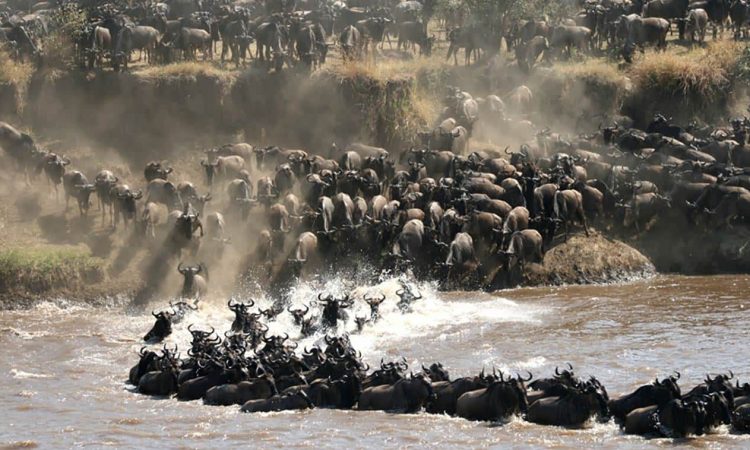
Yes, a 6-day safari is absolutely enough time to see the Great Wildebeest Migration. However, because the herds are constantly moving across the vast Serengeti ecosystem, your success depends entirely on timing your visit to the right region for that specific month
6-days-best-northern-circuit-tanzania-safari-to-best-tanzania-safari-parks
6-days-best-kilimanjaro-climb-via-marangu-route
6-days-best-of-tanzania-safari-to-nyerere-mikumi-and-udzungwa-mountains
6-days-lake-manyara-ngorongoro-crater-and-serengeti-tour-package
6-days-kilimanjaro-climb-via-umbwe-route
6-days-family-zanzibar-beach-holiday-tour-and-out-door-activities
6-days-ndutu-migration-and-tanzania-safari-itinerary
6-days-ultimate-kilimanjaro-climb-via-machame-route
6-days-ultimate-budget-tanzania-safari-tour-holiday-vacation
6-days-perfect-zanzibar-beach-holiday-tour-package-itinerary
1. December to March: The Calving Season (Ndutu Area)
Choosing a 6-day window during these winter months means anchoring your itinerary in the Ndutu region, which straddles the border of the Southern Serengeti and the Ngorongoro Conservation Area. Driven by seasonal rains, the wildebeest columns descend onto these specific short-grass plains because the volcanic soil is exceptionally rich in phosphorus and calcium—vital nutrients for pregnant and lactating mothers. Over a highly synchronized two-to-three-week window, usually in February, roughly 8,000 wildebeest calves are born every single day.
For safari travelers, this concentrated abundance creates an unparalleled wildlife spectacle. Because the plains are open and largely devoid of thick vegetation, visibility is exceptional. The sudden influx of vulnerable newborns acts as a massive dinner bell for Africa’s apex predators. You are highly likely to witness cheetahs, lions, leopards, and spotted hyenas coordinating hunts right in the open.
With only six days, you can split your time evenly: spend three nights in a mobile tented camp around Ndutu to track the nurseries, then spend your remaining nights moving slightly north into the Central Serengeti or exploring the Ngorongoro Crater floor to round out your classic Big Five viewing.
2. April to June: The Rut & Transition (Western Corridor)
As the southern pastures dry out in April, the herds begin their massive northward march, morphing into columns that stretch for miles. This period is a dramatic transitional phase where the wildebeest congregate in the Central Serengeti (Seronera) before pushing heavily west into the narrow strip of land known as the Western Corridor. May also marks the peak of the annual rut, or mating season, transforming the plains into a noisy, high-energy theater of territorial bulls grunting, charging, and competing for mates.
The ultimate highlight of a late May or June itinerary is the Grumeti River. While not as famous as the Mara River, the Grumeti presents the herd's first major water obstacle. Deep channels and massive, prehistoric Nile crocodiles await the herds. Witnessing these frenzied crossings requires patience, but the rewards are spectacular.
For a 6-day strategy, base yourself in the Seronera valley for the first two nights to catch the trailing edges of the migration, then spend three nights at a lodge or camp deep in the Western Corridor. This minimizes your driving time and places you right on the pulse of the moving columns before they make their final push north.
3. July to October: The Mara River Crossings (Northern Serengeti)
This is arguably the most famous and action-packed window of the Great Migration. By July, the herds have reached the dry northern reaches of the Serengeti, facing their most lethal obstacle: the treacherous Mara River. To survive, millions of wildebeest and zebras must cross back and forth between Tanzania and Kenya’s Maasai Mara in search of green grass, braving steep, crumbling banks and enormous, hungry crocodiles.
Because a 6-day trip leaves zero room for lengthy cross-country transit, your strategy must be aggressive. You should skip the southern and western regions entirely. Fly directly into a northern airstrip like Kogatende or Lamai, or take a dedicated express drive straight to the north on day one.
Spend four full nights stationed at a mobile camp near the riverbanks. River crossings are entirely unpredictable; herds can gather on the banks for hours, only to turn back in panic, or suddenly plunge into the water in a chaotic, dust-filled rush. Dedicating multiple consecutive days to tracking the river loops gives you the best statistical chance of witnessing a mega-crossing, leaving your final night for a quick transit back through the central valleys.
4. November: The Southern Return (Central Serengeti)
November is a dynamic "shoulder" month characterized by the arrival of the short rains, which trigger a rapid U-turn. Having exhausted the pastures of the Maasai Mara, the herds sense the rain falling to the south and begin a swift, determined march back down through the Serengeti's eastern and central corridors to reach the calving grounds by December.
Because the animals are moving rapidly in long, undulating lines, their positioning changes day by day. This makes the Central Serengeti (Seronera) your absolute best strategic headquarters. Seronera acts as a natural bottleneck and geographical crossroads; no matter which specific path the eastern or western columns take, they almost always converge through these central valleys.
A 6-day November itinerary benefits from a split-base approach. Spend three nights in a central camp to intercept the moving columns as they sweep through the acacia woodlands. Then, spend your remaining two nights slightly further south or east (such as the Namiri Plains or the Ngorongoro highlands). This layout keeps you highly flexible, allowing your safari guide to react to real-time satellite tracking and radio reports so you can intercept the fast-moving vanguard of the migration.
6 Days Tanzania wildlife safari & wildebeest migration
The 6 Days Tanzania wildlife safari & wildebeest migration is the ultimate African adventure, precisely engineered to witness nature’s greatest spectacle within a compact timeframe. Because the Serengeti ecosystem spans a massive 30,000 square kilometers, a successful short safari requires absolute strategic focus. This itinerary eliminates unnecessary, exhausting overland driving by targeting the exact location of the herds based on the season—whether that means tracking the high-stakes calving season in the southern plains or the dramatic river crossings in the north. By combining the vast, predator-rich savannahs of the Serengeti with the breathtaking, wildlife-dense volcanic caldera of the Ngorongoro Crater, this journey offers an uncompromised, front-row seat to Africa’s iconic Big Five and the thundering columns of over a million migrating animals. It is an efficient, action-packed immersion into the very heart of the wild.
Day 1: Arrival in Arusha
Your 6 Days Tanzania wildlife safari & wildebeest migration begins the moment you touch down at Kilimanjaro International Airport (JRO). A private safari guide will warmly welcome you and transfer you to your comfortable lodge nestled in Arusha, Tanzania's vibrant safari capital. As the gateway to the northern circuit, Arusha sits under the majestic shadow of Mount Meru, offering cool mountain air and lush, green landscapes. The remainder of this first day is dedicated to relaxation, recovery from your international flight, and preparation. In the evening, your professional guide will conduct a comprehensive safari briefing, detailing the current movements of the wildebeest herds and what to expect on the plains. Enjoy a delicious dinner featuring local and international flavors, then rest up for the early morning departure into the wilderness.
Day 2: Transfer/flight from Arusha to the targeted Serengeti region
To maximize your wildlife viewing during this 6 Days Tanzania wildlife safari & wildebeest migration, you will take an early morning scenic flight or an express transfer from Arusha directly into the heart of the Serengeti ecosystem. Flying over the Great Rift Valley saves precious time and provides stunning aerial views of the African landscape. You will land directly at the airstrip closest to the seasonal migration herds—whether that is Ndutu in the south, Seronera in the center, or Kogatende in the remote north. Upon landing, a 4x4 safari vehicle will pick you up for an introductory afternoon game drive. As you head toward your luxury tented camp, you will immediately encounter diverse wildlife, from grazing gazelles to prides of lions lounging under acacia trees, perfectly setting the stage for the intense tracking days ahead.
Day 3 & 4: Full-day game drives tracking the exact location of the migration herds
These two days form the absolute pinnacle of your 6 Days Tanzania wildlife safari & wildebeest migration. With sunrise departures and picnic lunches packed, you will spend consecutive, uninterrupted hours tracking the massive herds. Your expert guide will use real-time radio networks and tracking skills to position your vehicle right alongside the thunderous columns of over 1.5 million wildebeest and zebras. Depending on the time of year, you will witness the frantic energy of the birthing season, the dust-choked chaos of a dramatic river crossing, or the endless moving lines of the migration. Because predators closely follow these moving nurseries, you have a high probability of witnessing apex predators like lions, cheetahs, and leopards actively hunting on the open plains, offering a raw, unforgettable look at the circle of life in its purest form.
Day 5: Transfer to the Ngorongoro Conservation Area for a crater tour
After breakfast, your 6 Days Tanzania wildlife safari & wildebeest migration transitions from the endless plains of the Serengeti to the breathtaking highlands of the Ngorongoro Conservation Area. You will descend 600 meters down into the world’s largest intact, unfilled volcanic caldera. The Ngorongoro Crater floor acts as a self-contained ecosystem harboring roughly 30,000 resident animals. This enclosed space offers some of the easiest and most reliable wildlife viewing in Africa. Within a matter of hours, you can expect to check off the complete Big Five, including the highly endangered black rhino, which roams the crater’s open grasslands. You will enjoy a memorable picnic lunch by the hippo pool before ascending back up to the crater rim in the late afternoon to witness a spectacular sunset over the prehistoric landscape.
Day 6: Final morning drive and return transfer to Arusha
On the final day of your 6 Days Tanzania wildlife safari & wildebeest migration, you will enjoy a relaxed breakfast on the rim of the crater or a short morning game drive through the lush highland forest. As you begin the smooth overland journey back toward Arusha, you will pass through vibrant Maasai villages and local farming towns like Karatu, offering a glimpse into Tanzania's rich cultural heritage. You will arrive back in Arusha by mid-afternoon, giving you ample time to shop for authentic Tanzanian souvenirs, such as Maasai beadwork or Tanzanite gemstones. Your guide will transfer you to a day-use room to freshen up or drop you directly at Kilimanjaro International Airport for your evening departure flight home, concluding an extraordinary and deeply unforgettable wildlife expedition.
When is the best time for 6 Days Tanzania wildlife safari & wildebeest migration
The best time for this specific itinerary depends entirely on what seasonal spectacle you wish to witness. For the action-packed, high-stakes Mara River crossings, book your safari between July and October, when millions of animals risk their lives against giant crocodiles in the Northern Serengeti. If you want to see the calving season, plan your trip between December and March in the Southern Serengeti’s Ndutu area, where 8,000 newborns are birthed daily, attracting intense predator action. The transition months of April to June bring the dramatic mating rut and Grumeti River crossings in the Western Corridor, while November offers a fast-paced journey as the herds march back south through the Central Serengeti. Because a 6-day window leaves no time for error, aligning your dates with these distinct seasonal zones ensures you fly or drive directly into the heart of the movement.
Where to stay on 6 Days Tanzania wildlife safari & wildebeest migration
To minimize transit times and keep you close to the action, your accommodation choice must mirror the herd's coordinates. Luxury and mid-range mobile tented camps (such as Chaka Camps, Tented Camp, or Ranger Luxury Camps) are the ultimate choice because they physically move twice a year between the north and south to follow the animals. For fixed luxury lodges, the Central Serengeti (Seronera) offers world-class hubs like Four Seasons Safari Lodge or Serengeti Serena Safari Lodge, providing central access to moving columns. When your 6 Days Tanzania wildlife safari & wildebeest migration transitions to the Ngorongoro Conservation Area on Day 5, stay at a lodge perched directly on the volcanic caldera's rim—such as the Ngorongoro Crater Lodge or Ngorongoro Serena Safari Lodge. These rim properties offer breathtaking, prehistoric views at sunset and allow you to descend into the crater ahead of the crowds.
Booking 6 Days Tanzania wildlife safari & wildebeest migration with us Roads of Adventure safaris
Booking your 6 Days Tanzania wildlife safari & wildebeest migration with Roads of Adventure Safaris guarantees a seamless, deeply authentic, and expertly managed expedition. As a highly reputable ground operator specializing in tailor-made East African wildlife adventures, we understand that a short, 6-day itinerary requires precision planning. Our expert team eliminates guesswork by utilizing real-time satellite tracking and local ranger networks to map the exact location of the herds before you arrive. We provide custom-designed, off-road 4x4 safari Land Cruisers equipped with pop-up roofs, charging ports, and fridges, driven by elite, English-speaking guides who possess an intimate knowledge of predator behavior. At Roads of Adventure Safaris, we prioritize your safety, comfort, and flexibility, balancing luxury or mid-range bush hospitality with responsible tourism that actively supports local communities and conservation. Let us handle the logistics so you can experience the raw majesty of Tanzania effortlessly.
