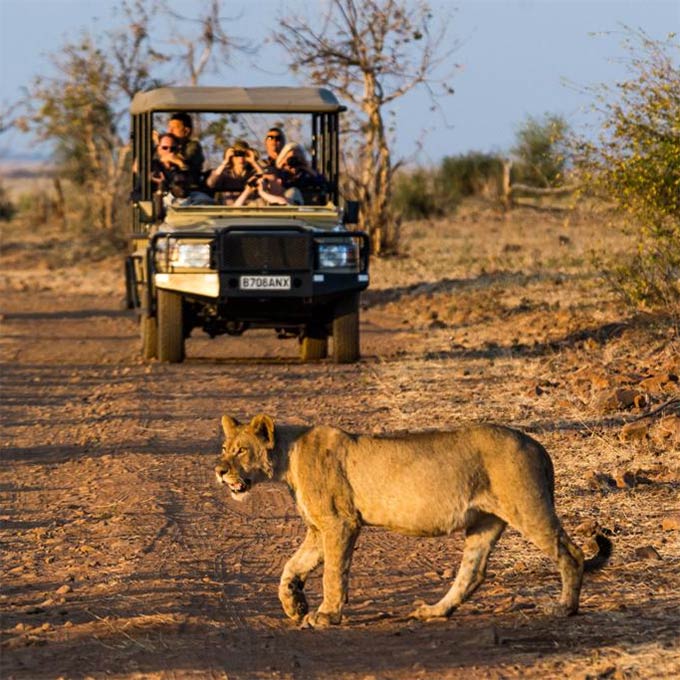
The best time for a Chobe safari is the dry season, from May to October, when animals are concentrated around the Chobe River, making wildlife viewing excellent. The peak months for game viewing are from August to October, but these months also bring the hottest temperatures. The wet season, from November to March, is ideal for birdwatching, witnessing newborn animals, and the lush green scenery
Popular Botswana safari tours itineraries to Chobe national park
3-days-chobe-national-park-safari-itinerary
3-days-chobe-national-park-botswana-safari-tour-package-from-victoria-falls-town
5-days-classic-botswana-safari-tour-in-chobe-river-and-okavango-delt
6-days-affordable-chobe-and-delta-budget-botswana-safari
7-days-best-botswana-safari-to-makgadikgadi-pans-okavango-delta-and-chobe
7-days-best-africa-big-cats-botswana-safari-itinerary
7-days-ultimate-botswana-safari-to-makgadikgadi-pans-okavango-delta-and-chobe
7-days-exclusive-luxury-botswana-safari-tour-package
8-days-best-zimbabwe-botswana-safari-all-inclusive-tour-package-from-victoria-falls
9-days-best-safari-in-botswana-and-victoria-falls-tour-zimbabwe-side
11-days-un-comparable-best-botswana-safari-itinerary-and-optional-victoria-falls-tour
10-days-best-of-botswana-safari-all-inclusive-tour-package
12-days-best-of-hwange-victoria-falls-chobe-and-okavango-delta-botswana-safari
Dry Season (May to October) Best time to Visit Chobe national park on Botswana safari
The dry season, spanning from May to October, is widely regarded as the optimal time for visiting Chobe National Park, especially for wildlife enthusiasts. One of the most significant advantages of this period is the exceptional wildlife viewing opportunities. As water sources become scarce, large herds of elephants and other animals congregate along the Chobe River, providing spectacular sightings. This is particularly true for elephants, as Chobe is home to one of the largest populations in Africa. Visitors can expect to see a diverse array of wildlife, including buffalo, lechwe, and various bird species, all drawn to the river for hydration.
Temperatures during the dry season are generally comfortable, especially from May through August, when daytime highs hover around 25-30°C (77-86°F). However, September and October can become quite hot, with temperatures soaring to 40°C (104°F). This heat can create some challenges, but it also drives animals to the water, making sightings more frequent.
Another advantage of visiting during this season is the sparse vegetation, which enhances visibility and makes it easier to spot wildlife. However, it's crucial to note that this is peak tourist season, so accommodations and tours tend to fill up quickly, and prices may be higher. Thus, early booking is recommended to secure your ideal safari experience.
Visiting during the wet Season (November to March) worst time to visit Chobe
The wet season in Botswana, from November to March, brings a unique charm and vibrant life to the landscape, making it an intriguing time to visit. Birdwatching reaches its peak during this period, as migratory birds flock to the region. The influx of colorful species adds a delightful aspect to the birding experience, attracting ornithologists and nature enthusiasts alike. This is the perfect season for spotting species like the European bee-eater and various storks.
Additionally, this season marks the arrival of baby animals, particularly during the impala birthing season, which typically occurs in December and January. Witnessing newborns taking their first steps amidst their protective mothers is a heartwarming sight that many travelers cherish.
The scenery transforms dramatically as the landscape becomes lush and green, creating a picturesque backdrop for your safari adventures. However, visitors should prepare for heavy afternoon downpours, although mornings generally remain dry, offering ideal conditions for early game drives.
Wildlife movement is also notable during the wet season, with animals, especially the Savuti zebras, dispersing to the interior pans. This behavior creates excellent opportunities for sightings in these less-visited regions. Overall, the wet season offers a rich tapestry of experiences, making it a captivating time to explore Botswana’s natural wonders.
Best time to Visit Chobe national park on Botswana safari month by month
January
January is part of the wet season in Chobe National Park, characterized by lush landscapes and vibrant wildlife. This month is ideal for birdwatching, as migratory species abound. Expect to see a variety of colorful birds, including bee-eaters and storks. The scenery is stunning, with greenery flourishing from the recent rains. However, heavy afternoon downpours can occur, making mornings the best time for game drives. January also marks the beginning of the impala birthing season, providing opportunities to witness adorable baby animals taking their first steps. Wildlife movement is active, but some areas may be more challenging to access due to muddy roads.
February
February continues the wet season, with similar conditions to January. Birdwatching remains exceptional, and the park is alive with migratory birds. The lush environment creates fantastic photographic opportunities. The impala birthing season is in full swing, with many newborns visible. While mornings are typically dry and suitable for game drives, afternoon rains can lead to temporary road closures. Wildlife sightings are still good, particularly near water sources, where animals congregate. February is a fantastic month for those seeking a vibrant, green landscape and the thrill of new life in the wild.
March
March marks the end of the wet season, transitioning to the dry season. Birdwatching remains excellent, with many migratory birds still present. The scenery is lush and green, providing stunning contrasts with the wildlife. As the rains taper off, mornings are generally dry and perfect for early game drives. Wildlife movement is active, as animals begin to disperse, but they are still easily spotted near water sources. The park is less crowded than in peak season, allowing for a more intimate experience. March offers a unique blend of vibrant landscapes and solid wildlife viewing before the dry season fully sets in.
April
April is a shoulder month, representing a transition from the wet to the dry season. Birdwatching remains excellent, with many migratory birds still present, while the scenery retains its lushness. This month marks a decrease in rainfall, leading to drier conditions and improved accessibility to various park areas. Early mornings are great for game drives as animals become more active. While wildlife sightings may start to decline slightly, elephants and other large herbivores are still visible, particularly near rivers. April offers a perfect balance of green landscapes and decent wildlife viewing, making it an attractive time to visit.
May
May is another shoulder month that marks the official start of the dry season. The landscape remains relatively green, but the rains have significantly decreased, making for more manageable road conditions. Wildlife sightings improve as animals congregate around water sources. This month is excellent for game drives, especially in the early mornings and late afternoons when animals are most active. Birdwatching is still rewarding, with many migratory species lingering. Fewer tourists visit during this time, allowing for a more intimate experience with nature. May is a fantastic month for both wildlife enthusiasts and photographers looking to capture the beauty of Chobe.
June
June signals the start of the dry season, making it one of the best months to visit Chobe National Park. Wildlife viewing is at its peak, especially for elephants, as they flock to the Chobe River. The cooler temperatures make for comfortable game drives. The vegetation begins to thin, providing excellent visibility for spotting wildlife. Morning and evening game drives are particularly rewarding, as animals are more active during these times. Birdwatching remains good, although many migratory species have begun their journey back home. June is an excellent time for photographers and wildlife enthusiasts eager to witness the abundance of life in the park.
July
July continues the dry season, offering some of the best wildlife viewing opportunities in Chobe National Park. Elephants are particularly prevalent, often seen in large herds near the river. The cooler temperatures and reduced vegetation enhance visibility, making it easier to spot wildlife. Morning and evening game drives are optimal, as animals remain active during these cooler hours. Birdwatching is still enjoyable, with resident species readily visible. July is a peak month for tourism, so it’s wise to book accommodations and activities in advance. The combination of abundant wildlife and pleasant weather makes July a highlight for many safari-goers.
August
August remains firmly in the dry season, providing excellent conditions for wildlife viewing. The Chobe River attracts a variety of animals, including large herds of elephants and buffalo, making it an ideal time for boat safaris. The cooler temperatures continue to make for comfortable game drives, especially in the early morning and late afternoon. Birdwatching is also rewarding, with resident species easily spotted. As August is part of the peak tourist season, expect more visitors in the park. However, the spectacular wildlife encounters and stunning scenery make it a popular choice for travelers seeking an unforgettable experience in Chobe.
September
September is one of the driest months in Chobe National Park, offering exceptional wildlife viewing opportunities. Animals are highly concentrated around the Chobe River, making it easier to spot large herds of elephants, buffalo, and various antelope species. The mild temperatures are perfect for early morning and late afternoon game drives. Birdwatching remains favorable, with both resident and migratory species present. September is an excellent time for photographers, as the clear skies and stunning sunsets provide perfect lighting conditions. As the peak season continues, be sure to secure your accommodations and activities well in advance for the best experience.
October
October is the final month of the dry season and often regarded as one of the best times to visit Chobe National Park. Wildlife viewing is at its peak, with elephants and other animals gathering around remaining water sources. The temperatures begin to rise, making early morning and late afternoon game drives essential for avoiding the heat. Birdwatching remains rewarding, and the scenery is breathtaking as the landscape transitions from green to a golden hue. October is busy with tourists, so early booking is advisable. The combination of abundant wildlife and stunning landscapes makes October a fantastic month for safari enthusiasts.
November
November marks the beginning of the wet season, with the landscape starting to transition back to lush greenery. Wildlife sightings remain good, particularly early in the month, as animals are still concentrated around water sources. Birdwatching is exceptional, as migratory birds return, adding color and vibrancy to the park. However, as the month progresses, the chances of afternoon rain increase, which can lead to muddy roads. Morning game drives are still productive, offering opportunities to see newborn animals as the birthing season begins. November is a great time for those looking to experience the changing landscape and the return of migratory species.
December
December officially ushers in the wet season, transforming Chobe National Park into a lush paradise. Birdwatching is at its peak, with a variety of migratory species present, making it an exciting time for ornithologists and photographers. The scenery is vibrant, providing a stunning backdrop for wildlife viewing. As the rains begin, expect heavy afternoon downpours, although mornings are typically dry and ideal for game drives. This month also marks the impala birthing season, offering the chance to see adorable baby animals. While some areas may become challenging to access due to muddy conditions, December provides a unique and beautiful experience for those willing to embrace the wet season's charm.
Where to Sleep in Chobe National Park on a Botswana Safari
Chobe National Park offers a variety of accommodation options to suit different preferences and budgets. Luxury lodges like Chobe Game Lodge and Sanctuary Chobe Chilwero provide upscale amenities and stunning views, often including private plunge pools and gourmet dining. For those seeking a more intimate experience, tented camps such as Ghoha Hills Savuti Lodge offer a unique blend of comfort and adventure, allowing guests to immerse themselves in nature. Mid-range options like Muchenje Safari Lodge cater to travelers looking for comfort without breaking the bank, featuring cozy lodges with spectacular views. Whether you prefer a lavish stay or a more rustic experience, accommodations in and around Chobe cater to all. Many lodges also provide guided game drives and boat safaris, enhancing your safari experience. Early booking is recommended, especially during peak seasons, to secure your desired accommodation and ensure a memorable stay in this wildlife-rich area.
How to Get to Chobe National Park on a Botswana Safari
Reaching Chobe National Park is generally straightforward, with multiple options available depending on your starting point. The closest major airport is Kasane International Airport (BBK), which is well-connected to regional flights from cities like Johannesburg and Victoria Falls. From the airport, you can easily access the park via a short transfer, with many lodges offering shuttle services. Alternatively, if you’re traveling from Livingstone or Victoria Falls, organized tours often include transport to Chobe, making it convenient to combine destinations. Road access is also available, with self-drive options for those looking to explore at their own pace. Major highways connect to the park’s entrance, and various rental car agencies operate in the area. Once inside the park, guided game drives and boat safaris are popular ways to explore the wildlife and breathtaking landscapes. Regardless of your choice of transport, getting to Chobe is an exciting part of your Botswana safari adventure.
Booking Chobe Safari with Us at Roads of Adventure Safaris
Booking your Chobe safari with Roads of Adventure Safaris ensures a seamless and personalized experience tailored to your preferences. Our expert team specializes in crafting customized itineraries that highlight the best of Chobe National Park, from thrilling game drives to relaxing boat safaris. We understand that every traveler has unique interests, whether it's wildlife photography, cultural experiences, or luxury accommodations. By choosing us, you benefit from our extensive knowledge of the region, ensuring you visit during the best wildlife viewing times. We handle all logistics, including accommodations, transport, and guided tours, allowing you to focus on enjoying your adventure. Our commitment to responsible tourism means your safari will support local communities and conservation efforts. With Roads of Adventure Safaris, you can explore the wonders of Botswana with confidence, knowing that your trip is well-organized and catered to your needs. Let us help you create unforgettable memories on your Chobe safari
