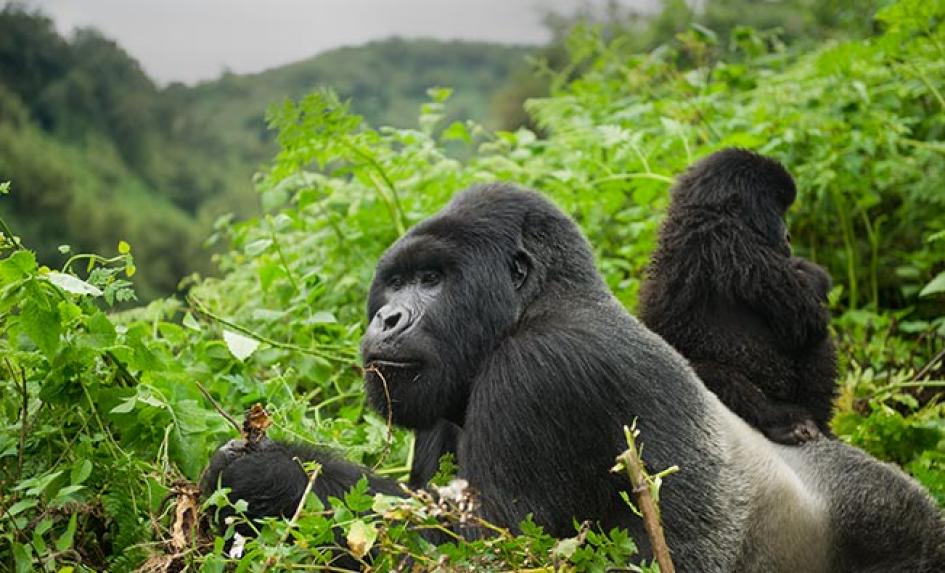
The best time for gorilla trekking in Bwindi Impenetrable National Park is during the dry seasons of June to August and December to February, offering easier-to-navigate, less muddy trails, and clearer conditions for tracking and photography. However, the wet seasons (March to May and September to November) can be attractive for budget-conscious travelers due to fewer crowds and lower accommodation rates, although the trekking will be more challenging with slippery paths and denser vegetation.
Popular Uganda gorilla trekking safari tour packages
3-days-fly-in-uganda-gorilla-habituation-africa-safari-tour-package
2-days-best-gorilla-trekking-safari-tour-via-kigali-to-bwindi-impenetrable-forest-park
3-days-gorilla-trekking-safari-and-lake-bunyonyi-relaxation-itinerary
3-days-bwindi-gorilla-trekking-tour-and-batwa-forest-dweller-cultural-visit
3-days-affordable-uganda-budget-gorilla-trekking-via-kigali
4-days-uganda-gorilla-safari-with-golden-monkey-tracking-from-rwanda
4-days-ultimate-gorilla-and-uganda-safari-and-chimpanzee-tracking
5-days-gorilla-and-uganda-safari-and-golden-monkey-trekking-tour-from-kigali
4-days-luxury-gorilla-trekking-safari-in-bwindi-fly-in-all-inclusive-tour
5-days-best-gorilla-habituation-and-chimp-trekking-safari-tour-package
5-days-un-matched-uganda-gorilla-safari-and-chimpanzee-tour-itinerary
6-days-gorilla-and-uganda-safari-to-see-big-five
5-days-bwindi-gorilla-trekking-and-uganda-safari-queen-elizabeth-park
7-days-best-uganda-safari-tour-to-popular-safari-parks
Dry Seasons (June–August & December–February)
The dry seasons in Uganda, from June to August and December to February, are considered the prime times for safari adventures and gorilla trekking. These months offer several advantages that greatly enhance the overall experience for travelers.
Easier Trekking
During the dry seasons, the trails in Bwindi Impenetrable National Park become significantly drier and less slippery. This improvement makes hiking much more comfortable, especially for those who may be less experienced or not in peak physical condition. The reduced mud and moisture mean that trekkers can focus on their surroundings and enjoy the journey rather than struggling with challenging conditions. Easier trekking not only enhances the comfort of the experience but also allows for a more enjoyable connection with the stunning landscape and wildlife.
Better Visibility
Clearer forest conditions during these months improve visibility, which is essential for both tracking gorillas and photographing wildlife. With fewer leaves and branches obscuring your view, you have a better chance of spotting animals in their natural habitat. The improved lighting conditions also make it easier to capture stunning photographs, allowing you to document your adventures and create lasting memories.
Better Road Conditions
Access to and within the national parks is substantially improved during the dry seasons. Well-maintained roads make traveling between locations easier, reducing travel time and enhancing the overall efficiency of your itinerary. This means you can maximize your time spent exploring the breathtaking landscapes and diverse wildlife of Uganda. With better road conditions, your safari experience becomes more seamless, allowing for more opportunities to engage with the rich biodiversity that Uganda has to offer.
Cons of Dry Seasons (June–August & December–February)
While the dry seasons in Uganda offer numerous advantages for safari and gorilla trekking, there are also some drawbacks to consider that can impact your experience.
Peak Tourist Season
July and August are particularly popular months for tourism in Uganda, attracting many visitors from around the world. This surge in demand can lead to crowded trails and a bustling atmosphere in the parks. While many travelers enjoy meeting others and exchanging stories, the increased foot traffic may detract from the solitude and immersive experience that many seek in nature. Additionally, the popularity of these months can lead to longer wait times for activities and a more commercialized feel in certain areas.
Higher Costs
During the dry seasons, accommodation rates typically rise due to high demand. Lodges and hotels may charge premium prices, which can significantly increase the overall cost of your trip. For budget-conscious travelers, this can be a deterrent, as they may need to adjust their expectations or compromise on the quality of their accommodations. While the investment may be worthwhile for the experiences offered, it’s essential to plan your budget accordingly.
Permit Availability
Gorilla trekking permits are in high demand during the dry season, particularly in July and August. These permits sell out quickly, requiring travelers to book months in advance to secure their spot. This can lead to challenges for those who are unable to commit early or who prefer more spontaneous travel plans. Failing to secure a permit can significantly impact your ability to participate in one of the most iconic experiences in Uganda, making advance planning crucial for a successful trip.
Considering these cons is essential when planning your Uganda safari. While the dry seasons provide numerous benefits, being aware of the potential challenges will help you prepare for a rewarding adventure.
Wet Seasons (March–May & September–November)
The wet seasons in Uganda, from March to May and September to November, offer a different but equally rewarding experience for safari enthusiasts and those interested in gorilla trekking. While these months come with their own set of challenges, they also provide unique advantages that can enhance your adventure.
Fewer Crowds
One of the most significant benefits of traveling during the wet seasons is the reduced number of tourists. With fewer visitors in the parks, you can enjoy a more intimate and peaceful experience while trekking in the forests. This tranquility allows for a deeper connection with nature and the opportunity to observe wildlife without the distractions of larger groups. Encountering gorillas in a quieter setting can enhance the magic of the moment, making it feel even more special.
Lower Prices
Traveling during the wet seasons often means lower accommodation rates and more affordable tour packages. Many lodges and hotels offer discounts to attract visitors during these months, allowing budget-conscious travelers to stretch their dollars further. This cost-effectiveness can make it possible to indulge in higher-quality accommodations or additional activities that might otherwise be out of reach during peak seasons.
Lush Environment
The wet seasons transform Uganda into a lush paradise, with vibrant greenery and blooming flora. The forests become teeming with life, making it an ideal time for birdwatching, as many migratory species are present. The rich biodiversity during this time creates stunning landscapes, providing excellent opportunities for photography. The vibrant colors of the environment, combined with the sounds of nature, create a captivating atmosphere that enhances the overall experience.
While the wet seasons may present challenges such as muddy trails and occasional rain, the benefits of fewer crowds, lower costs, and a lush environment can make it a rewarding time to explore Uganda. By embracing the unique characteristics of these seasons, you can enjoy a memorable and enriching safari adventure.
Cons of Wet Seasons (March–May & September–November)
While the wet seasons in Uganda offer several advantages, there are also considerable challenges that travelers should be aware of when planning their safari and gorilla trekking adventures.
Challenging Trekking
One of the primary drawbacks of visiting during the wet seasons is the condition of the trails. Rainfall makes paths slippery and muddy, increasing the difficulty of treks, especially for those who may not be physically prepared. This can lead to more strenuous and tiring hikes, which may detract from the enjoyment of the experience. Travelers should be aware that the challenging conditions may require additional physical effort and a greater level of stamina.
Dense Vegetation
The lush environment during the wet seasons, while beautiful, also brings dense vegetation. This increased foliage can make it slightly harder to track gorillas, as the thick underbrush may obscure visibility. While experienced guides are adept at navigating these conditions, trekkers may find it more challenging to spot wildlife and fully enjoy their encounters. The dense greenery can also affect photography opportunities, as it may be difficult to capture clear images of the gorillas in their natural habitat.
Increased Rainfall
Frequent rain is characteristic of the wet seasons, and while downpours often don’t last long, they can be common. This weather pattern necessitates preparation with proper waterproof gear, including jackets, boots, and bags. Travelers who are unprepared for the wet conditions may find their comfort compromised, impacting their overall enjoyment of the safari experience. It’s essential to pack strategically to ensure you remain dry and comfortable while navigating the unpredictable weather.
Considering these cons is crucial when planning your Uganda safari. While the wet seasons offer unique benefits, being prepared for the challenges will help ensure a rewarding and enjoyable adventure.
Best Time to Visit Bwindi Impenetrable National Park month by month
January
January marks the beginning of the dry season in Bwindi Impenetrable National Park. This month offers excellent conditions for gorilla trekking, with drier trails that make hiking much more manageable. The weather is typically warm and sunny, providing optimal visibility for wildlife viewing and photography. The lush greenery from the wet months still remains, creating a picturesque backdrop for your adventures.
However, January also attracts a fair number of tourists eager to experience the vibrant landscapes and unique wildlife. This means that accommodations may fill up quickly, leading to higher prices and more crowded trails. To ensure a smooth experience, it's advisable to book your permits and lodgings well in advance.
February
February continues the dry season, making it one of the best months for trekking in Bwindi. The trails are generally in good condition, and the chances of encountering gorillas are high, as they are often more active during this time. The clear skies provide excellent lighting for photography, allowing you to capture stunning images of both the gorillas and the surrounding landscape.
Despite the favorable conditions, February can see a spike in tourist numbers, particularly around the Valentine’s Day holiday. As a result, securing accommodations and permits early is crucial to avoid disappointment. While the vibrant atmosphere is enjoyable, it can be less intimate than during the quieter months.
March
March marks the transition into the wet season, bringing about a mix of advantages and challenges for visitors. As the rainfall begins, the lush vegetation returns, creating a vibrant environment that attracts a variety of wildlife. This is also a great time for birdwatching, as migratory species are prevalent. The cooler temperatures can be refreshing, making hikes more comfortable.
However, the onset of rain can lead to muddy and slippery trails, making trekking more difficult, particularly for less experienced hikers. While you may encounter fewer tourists during this month, the challenging conditions require good preparation, including appropriate gear and a readiness for changing weather.
April
April is typically the peak of the wet season in Bwindi, characterized by consistent rainfall and dramatic scenery. The park transforms into a lush paradise, with vibrant greenery and blooming flora that enhance the beauty of the landscape. This month is ideal for birdwatchers, as many species are active, and the environment is alive with sounds and colors.
On the downside, April presents significant trekking challenges due to muddy trails and slippery conditions. While the fewer crowds may offer a more intimate experience, the increased rainfall can hinder visibility and make it harder to spot gorillas. Travelers should be well-equipped with waterproof gear and be prepared for the physical demands of navigating the slippery paths.
May
May serves as a transition month, where the wet season gradually begins to recede, and conditions start to improve. The park remains lush and vibrant, offering excellent opportunities for wildlife sightings, including gorillas, who are still active. The cooler temperatures and occasional sun make for enjoyable trekking conditions, particularly towards the end of the month.
While the trails may still be muddy at the beginning of May, they become increasingly navigable as the month progresses. The reduction in tourist numbers means that you can enjoy a more peaceful experience in the park. However, it’s essential to remain prepared for wet conditions and to expect occasional rainfall.
June
June marks the official start of the dry season, and conditions in Bwindi begin to improve significantly. The trails dry out, making trekking easier and more enjoyable. This month is an excellent time for photographers, as the clear skies enhance visibility and provide stunning backdrops for capturing the beauty of gorillas and the surrounding landscapes.
However, as June progresses, more tourists flock to the park, particularly in late June and July. This increased demand can lead to higher accommodation rates and limited availability for permits. To ensure a successful trip, planning and booking your accommodations and permits well in advance is crucial.
July
July is one of the peak months for gorilla trekking in Bwindi, characterized by excellent weather conditions and high visibility. The dry trails make hiking more comfortable, and the chances of encountering gorillas are significantly increased during this time. The warm, sunny days are perfect for exploring the park and engaging in photography.
However, the popularity of July means that the park can become quite crowded, especially around popular trekking routes. With many visitors eager to experience the thrill of seeing gorillas, it’s essential to book permits early to secure your place. While the bustling atmosphere can be enjoyable, some travelers may prefer the solitude found in the quieter months.
August
August continues the dry season and remains one of the best months for gorilla trekking. With dry trails and favorable weather, this month offers prime conditions for wildlife viewing and photography. The park is alive with activity, and trekkers can enjoy the stunning scenery and the chance to observe gorillas in their natural habitat.
However, the peak tourist season means that accommodations fill up quickly, often at higher rates. The increased foot traffic can lead to a more commercialized experience, which may detract from the intimate connection some visitors seek with nature. Advanced bookings are essential to ensure an enjoyable experience during this busy time.
September
September marks the transition from the dry season to the wet season, with conditions still favorable for trekking. The trails remain relatively dry, and the weather is generally pleasant, making it a good time for wildlife encounters. The reduced number of tourists compared to the peak months of July and August allows for a more tranquil experience in the park.
However, as September progresses, occasional rain showers begin to occur, and the trails can start to become slippery. While the lush landscape is beautiful, trekkers should prepare for changing conditions. This month offers a unique opportunity to experience the park as it transitions into the wet season while still enjoying the benefits of drier trails.
October
October is typically the peak of the wet season, characterized by increased rainfall and lush vegetation. The park is transformed into a vibrant landscape, making it an excellent time for birdwatching and photography. The sounds of nature are amplified with the rich biodiversity that comes alive during this time.
On the downside, the wet conditions can lead to muddy and challenging trekking paths. While the fewer crowds may provide a more intimate experience, the increased rainfall can hinder visibility and make it harder to spot gorillas. Travelers should be prepared with waterproof gear and an adaptable mindset to navigate the challenges of trekking in these conditions.
November
November serves as a transition month back to the dry season, with conditions gradually improving. The park remains lush and vibrant, offering excellent opportunities for wildlife sightings. The reduced number of tourists can make for a more peaceful experience, allowing for a deeper connection with nature.
Nevertheless, the trails may still be muddy at the beginning of the month, necessitating proper preparation for trekking. As the month progresses, conditions improve, making it a more accessible time for visitors. Planning ahead and being prepared for variable weather will enhance your experience in this beautiful national park.
Key Considerations for Your Uganda Safari
Permit Booking
One of the most critical aspects of planning your Uganda safari, particularly for gorilla trekking, is the booking of permits. Regardless of the season, these permits are limited and can sell out quickly, especially during the peak dry season (June to August). Therefore, it's essential to book your permits well in advance to secure your spot. Advance planning not only guarantees your opportunity to trek with the gorillas but also helps in organizing your itinerary effectively. This proactive approach ensures that you won’t miss out on this once-in-a-lifetime experience.
Year-Round Destination
Uganda is a destination that can be enjoyed year-round, with each season bringing its own unique charm. The wet seasons transform the landscape into a lush paradise, while the dry seasons offer easier trekking conditions and clearer visibility. Each time of year provides different opportunities for wildlife viewing, photography, and cultural experiences. Whether you visit during the vibrant greens of the wet season or the sunny days of the dry months, Uganda's beauty and diversity can be appreciated at any time, making it a versatile travel destination.
Gorilla Trekking is the Highlight
While Uganda offers a variety of activities, such as birdwatching and cultural encounters, the primary focus for most visitors is the gorilla trekking experience. The weather conditions play a crucial role in this activity, as they can significantly affect the difficulty of the trek and the overall experience. During the dry seasons, trekking is generally easier, while the wet seasons present unique challenges. Regardless of the time of year, the opportunity to encounter mountain gorillas in their natural habitat remains the highlight of any safari, making it essential to consider weather conditions when planning your trip.
By keeping these key considerations in mind, you can ensure a well-planned and rewarding Uganda safari experience that maximizes your chances of enjoying the incredible wildlife and stunning landscapes the country has to offer.
Other Activities in Bwindi Impenetrable National Park
Besides gorilla trekking, Bwindi Impenetrable National Park offers a variety of activities that allow visitors to explore its rich biodiversity. Birdwatching is a highlight, as the park is home to over 350 bird species, including several endemic species unique to the region. Nature walks and hiking trails provide opportunities to explore the park's lush landscapes and encounter various wildlife, including primates, butterflies, and diverse plant life. Cultural encounters with local communities, such as the Batwa people, offer insights into their traditional lifestyles and customs, enriching your experience. Additionally, visitors can engage in community-based tourism activities, supporting local economies while enjoying authentic cultural experiences. Each of these activities enhances your visit, showcasing the natural beauty and cultural richness of Bwindi.
Best Accommodations in Bwindi Impenetrable National Park
Bwindi Impenetrable National Park offers a range of accommodations to suit various budgets and preferences. Luxury lodges like Mahogany Springs and Gorilla Forest Camp provide upscale amenities, stunning views, and proximity to trekking starting points. Mid-range options such as Silverback Lodge and Buhoma Lodge offer comfortable stays with quality service and beautiful surroundings. For budget travelers, lodges like Buhoma Community Rest Camp provide basic amenities and a chance to connect with the local community. Many accommodations prioritize eco-friendliness and sustainable tourism practices, allowing guests to enjoy their stay while supporting conservation efforts. Regardless of your choice, staying near the park ensures easy access to trekking and other activities, enhancing your overall experience.
What to Pack for Gorilla Trekking in Bwindi Impenetrable National Park
Packing appropriately for gorilla trekking in Bwindi Impenetrable National Park is essential for a successful and enjoyable experience. Start with sturdy hiking boots that provide ankle support and grip on slippery trails. Lightweight, moisture-wicking clothing is recommended, ideally in earthy tones to blend with the environment. Bring a lightweight rain jacket for unexpected showers, as the weather can be unpredictable. Gloves and a hat can protect against thorns and sun. Don’t forget to pack insect repellent and sunscreen to safeguard against bugs and sunburn. A daypack is useful for carrying water, snacks, and a camera. Finally, ensure you have your gorilla trekking permit, as it is essential for participation. Being well-prepared will enhance your trekking experience while ensuring your comfort and safety in the lush, dense forest.
Cost of Bwindi Gorilla Trekking Permit
The cost of a gorilla trekking permit in Bwindi Impenetrable National Park is currently $700 per person. This fee grants access to the park for one day of trekking and includes a guided experience to observe the endangered mountain gorillas in their natural habitat. It's important to note that permits are limited and can sell out quickly, especially during peak seasons (June to August and December to February). Therefore, advance booking is highly recommended to ensure availability. The permit fee contributes directly to conservation efforts and local community development, making your visit impactful. Additionally, there may be extra costs for accommodation, transportation, and other activities, so budgeting accordingly is advisable for a well-planned trip.
Booking Uganda Gorilla Trekking with Roads of Adventure Safaris
Booking your Uganda gorilla trekking experience with Roads of Adventure Safaris ensures a seamless and memorable adventure. Our team specializes in crafting personalized itineraries tailored to your preferences, including gorilla trekking permits, accommodations, and transportation. We prioritize customer satisfaction and provide expert guidance throughout the booking process. With extensive knowledge of Bwindi Impenetrable National Park, we can recommend the best trekking times, accommodations, and additional activities to enrich your experience. We handle all logistical details, allowing you to focus on the incredible journey ahead. Our commitment to responsible tourism means that your visit supports conservation and local communities. Contact us today to start planning your unforgettable gorilla trekking safari in Uganda
