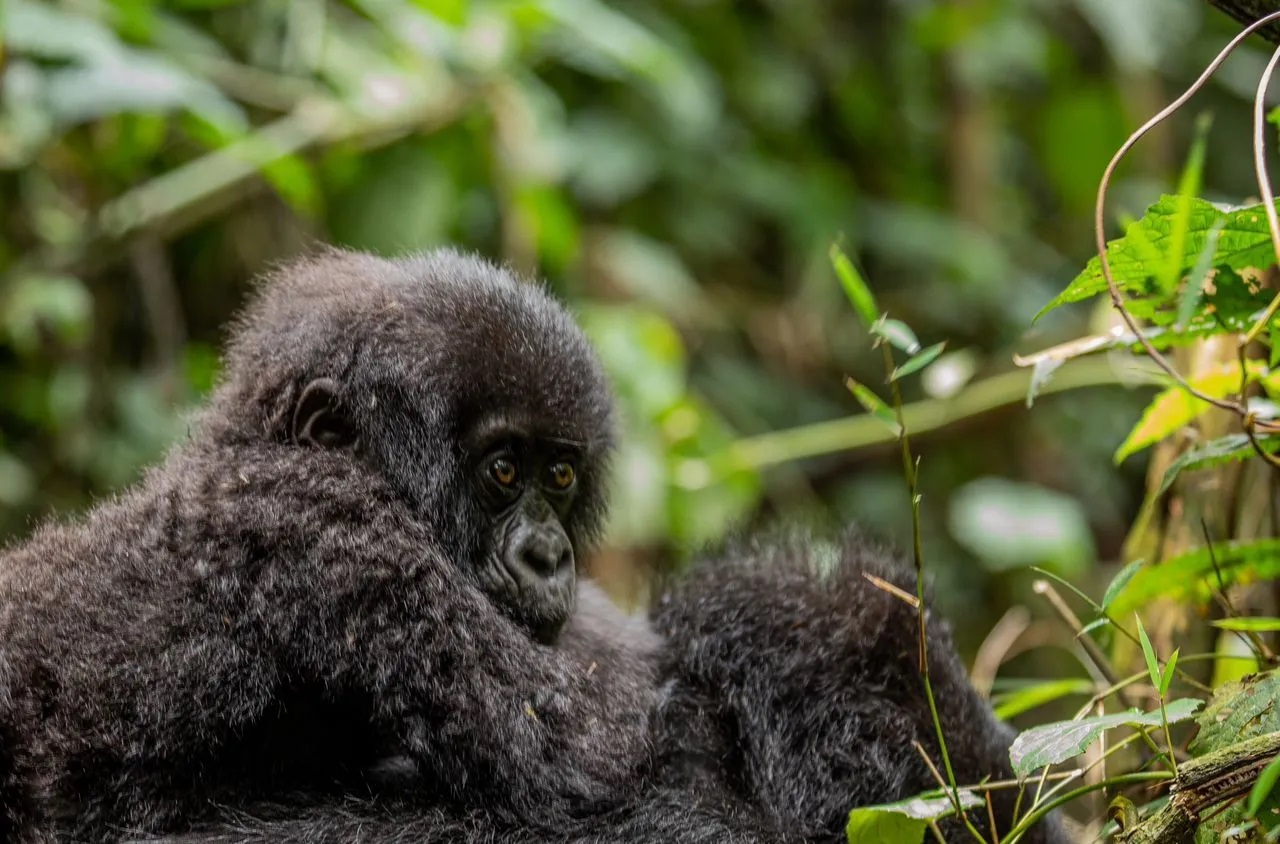
A safari in Uganda offers unique wildlife experiences, centered around gorilla trekking in Bwindi Impenetrable Forest, chimpanzee tracking in Kibale Forest National Park, and classic game drives in parks like Queen Elizabeth National Park (tree-climbing lions) and Murchison Falls for the Big Five, alongside river cruises on the Nile. Known as the "Pearl of Africa," Uganda combines lush rainforests, savannahs, and volcanic mountains, making it a diverse adventure with walking safaris, cultural encounters (Batwa), and opportunities to see abundant birdlife and primates.
3-days-murchison-falls-via-ziwa-rhino-sanctuary-uganda-wildlife-safari
1-day-intimate-ziwa-rhino-sanctuary-uganda-safari-tour
4-days-luxury-murchison-falls-and-jinja-uganda-safari-vacation
4-days-murchison-falls-and-chimpanzee-tracking-in-budongo-forest
5-day-best-safaris-to-uganda-kidepo-and-murchison-falls-national-parks
6-days-best-of-murchison-and-kidepo-uganda-safari-via-ziwa
7-days-africa-big-five-safari-in-uganda-and-gorilla-trekking-and-chimpanzee-tracking
8-days-exclusive-gorilla-trekking-chimpanzee-and-big-five
8-days-best-africa-big-five-safari-in-uganda-and-primate-safari-experience
9-days-luxury-gorilla-and-uganda-safari-tour-package
10-days-uganda-safari-all-big-five-gorilla-and-chimpanzee-tracking-adventure
15-days-africa-big-five-safari-in-uganda-and-primate-vacation
Is It Possible to See the Big Five on a Safari in Uganda?
Yes, a safari in Uganda provides a unique opportunity to see all of the Big Five: lions, elephants, buffalo, leopards, and rhinos. While Uganda is not as renowned as some of its neighbors for the Big Five, it has several parks where visitors can spot these magnificent animals.
Murchison Falls National Park is particularly famous for its diverse wildlife. Here, you can find both lions and elephants roaming the savannah, and if you venture to the northern section of the park, you may also spot leopards nestled amid the trees. The Nile River running through the park provides a breathtaking backdrop for game drives, where you can also see hippos and crocodiles.
Queen Elizabeth National Park is another excellent location to spot the Big Five. Known for its tree-climbing lions located in the Ishasha sector, this park also boasts a healthy population of elephants and buffalo. The landscape varies from savanna to wetlands, making it a more dynamic environment for wildlife observation.
While Uganda does not have a natural population of black rhinos, the Uganda Wildlife Authority is working on reintroduction efforts in protected areas. As such, sightings may become possible over time. Visiting these parks on guided tours offers a chance to see these species while learning about conservation efforts, making a safari in Uganda a fulfilling experience for wildlife enthusiasts.
How Do I Get Around During a Safari in Uganda?
Transport during a safari in Uganda primarily occurs via road in 4WD vehicles, which are well-suited for navigating the country’s often rugged terrain. Most tour operators provide these vehicles, equipped with pop-up roofs to facilitate better wildlife viewing during game drives. The vehicles offer comfort and safety, making your safari experience enjoyable, especially during longer travel times between parks.
For those with limited time, domestic flights are an excellent option to reduce travel time between distant parks, such as flying from Entebbe to Murchison Falls or Queen Elizabeth National Park. Several domestic airlines offer scheduled flights that can significantly cut down the hours spent on the road. This is particularly beneficial for visitors with tight itineraries who wish to maximize their wildlife experiences.
The combination of road and air travel allows tourists to experience Uganda’s breathtaking landscapes and diverse wildlife easily. Guided tours often include transfers to and from the airport, ensuring seamless travel from one destination to the next.
Moreover, drivers are usually knowledgeable about the parks, enhancing the experience by sharing insights about the wildlife and ecosystems. Plenty of stops are often made at scenic viewpoints or local communities, giving tourists a richer understanding of Uganda beyond just its wildlife.
Overall, the transport options available during a safari make it relatively easy for visitors to explore Uganda’s magnificent natural beauty and wildlife richness.
Are There Tree-Climbing Lions in Uganda?
Yes, tree-climbing lions are one of the special highlights of a safari in Uganda, specifically located in the Ishasha sector of Queen Elizabeth National Park. This unique behavior of lions resting in trees, a rarity in the animal kingdom, provides exceptional wildlife viewing opportunities for tourists.
The Ishasha region features a unique landscape of fig trees, offering a perfect environment for these incredible cats to relax and evade ground-level threats. During game drives, visitors often marvel at the sight of these majestic lions lounging on the branches, sometimes even sleeping in the sun. The tree-climbing habit is thought to help them escape the heat, avoid insects, and have a broader view of their surroundings, aiding in hunting and predator awareness.
Seeing these lions in their elevated positions is a memorable experience for any wildlife enthusiast. The area is also home to a variety of other wildlife, including elephants, buffalo, and various bird species, making it a focal point for safaris in Uganda.
Guided tours often include dedicated time in Ishasha to specifically seek out these lions, allowing for ample opportunities to capture stunning photographs and observe their behavior. The presence of tree-climbing lions adds an extra layer of excitement to a safari, making it a beautifully unique aspect of exploring Uganda's rich wildlife heritage.
Is Drinking Water and Food Safe During a Safari in Uganda?
When embarking on a safari in Uganda, it is crucial to be mindful of water and food safety. It is generally recommended to drink bottled mineral water throughout your time in Uganda, as tap water is usually not safe for consumption. Bottled water is widely available in supermarkets, lodges, and restaurants, making it accessible for tourists.
Many reputable lodges and dining establishments offer safe food options. Eating at established locations helps minimize the risk of foodborne illnesses. Meals prepared in these settings are typically made with fresh, safe ingredients, making them more reliable than roadside options. Travelers are encouraged to avoid street food or food from unknown sources, as this can lead to gastrointestinal issues.
When participating in activities such as gorilla trekking or chimpanzee tracking, it is also advisable to carry water and snacks. Keeping hydrated and maintaining energy levels is essential during these physically demanding activities.
Travelers should also take precautions such as washing hands regularly, especially before meals, and using hand sanitizer when soap and water are unavailable. Following these guidelines will enable visitors to enjoy their safari experience thoroughly without the worry of health concerns related to food and water safety.
Ultimately, being cautious about what you eat and drink will contribute to a more enjoyable and worry-free safari adventure in Uganda.
Can I Use Credit Cards During a Safari in Uganda?
Credit cards are indeed accepted in many hotels, restaurants, and retail establishments in larger cities and tourist areas in Uganda, with Visa being the most widely recognized card. However, it is important to carry cash—particularly US dollars—when embarking on a safari, especially in rural areas or national parks where cash transactions are the norm.
For daily expenses such as park fees, tips, and local purchases, cash is preferred. It is advisable to bring US dollar bills that are from the 2003 series or later, as older notes may not be accepted due to anti-counterfeiting measures. Locals often transact in Ugandan Shillings (UGX), and visitors can exchange currency at airports, banks, or authorized exchange centers.
Using cash can enhance the overall experience, allowing you to engage more fully with local vendors, purchase souvenirs, and tip guides or drivers. It also ensures you are prepared for any situation where electronic payments might not be possible.
To summarize, while credit cards can offer convenience in urban settings, carrying cash is crucial for a smooth and enjoyable safari experience in Uganda. Travelers should plan accordingly to ensure they have sufficient funds while navigating different locations throughout their journey.
What Is the Best Way to Fly to Uganda for a Safari?
Entebbe International Airport (EBB) serves as the primary gateway for a safari in Uganda. It is located near the capital city, Kampala, and is well-connected to various major international airlines, making it relatively easy for travelers to find flights from different parts of the world. Many airlines operate regular services to and from Entebbe, including major carriers from Europe, the Middle East, and other regions.
Upon arrival at Entebbe, travelers have several transport options to reach various safari destinations, such as car rentals, private transfers, or guided tour packages that include airport pickup. A notable advantage of flying into Entebbe is its proximity to attractions like Lake Victoria and the nearby town of Jinja, making it a convenient starting point for extending your trip.
In addition to international flights, there are domestic flight options available for those who wish to travel more quickly to locations such as Murchison Falls or Queen Elizabeth National Park. This can significantly reduce travel time on the road, making it an appealing choice for tourists with time constraints.
When booking flights, it’s wise to consider connecting options and ensure your arrival times align with local transport schedules, especially if embarking on a guided safari immediately upon landing. Planning ahead will make the transition from air travel to safari adventures smooth and enjoyable, setting the stage for an unforgettable experience in Uganda.
What to Expect from Chimpanzee Tracking on a Safari in Uganda?
Chimpanzee tracking in Uganda is one of the most exciting activities for wildlife enthusiasts and offers a unique opportunity to observe these highly intelligent primates in their natural habitat. Kibale Forest National Park, known for its high density of chimpanzees, is the premier location for this activity.
During a typical chimpanzee tracking excursion, participants are led by experienced guides who provide insights about chimpanzee behavior, habitat, and conservation efforts. After a briefing on safety protocols and chimpanzee tracking etiquette, groups set off into the forest, where the chances of success in finding the chimps are remarkably high.
The excitement builds as trekkers move through lush vegetation, often witnessing not just chimpanzees but various other wildlife, including monkeys and unique bird species. Once the chimps are located, visitors can observe their social interactions, vocalizations, and behaviors from a safe distance, allowing for both memorable moments and incredible photo opportunities.
While tracking chimps involves some physical activity and walking, the effort is well worth it for the chance to see these captivating animals up close. The experience also fosters a deeper appreciation for primate conservation and the efforts being made to protect these endangered species.
Ultimately, chimpanzee tracking is a must-do activity on a safari in Uganda, providing unforgettable encounters in one of Africa's most biodiverse forests. It serves as a reminder of the importance of preserving natural habitats and the species that call them home.
Is a Safari in Uganda Good for Bird Watching?
Absolutely! Uganda is renowned as one of the best bird-watching destinations in Africa, boasting over 1,000 bird species. This rich biodiversity makes birding exceptional, especially in key locations such as Queen Elizabeth National Park and Mabamba Swamp.
Queen Elizabeth National Park offers diverse habitats, including savannah, wetlands, and forests, which attract a wide variety of bird species. Birders can expect to encounter not only colorful sunbirds and kingfishers but also the magnificent shoebill stork, known for its unique appearance and behavior. Early morning and late afternoon are particularly rewarding times for birdwatching, as many species are most active during these hours.
Mabamba Swamp, located near Entebbe, is another hotspot for bird enthusiasts. This wetland area is particularly famous for its population of shoebills and other aquatic birds. Birdwatching tours in Mabamba often include canoe rides, allowing visitors to navigate the swamp while observing birds in their natural habitat.
Whether you are a seasoned bird watcher or simply an admirer of nature, Uganda provides ample opportunities to see rare and endemic species. Experienced guides make a significant difference in spotting and identifying birds, enriching the experience further by sharing valuable knowledge about the avian ecology.
In summary, a safari in Uganda presents an extraordinary opportunity for birdwatchers of all levels, with diverse landscapes and abundant species making it an essential part of the experience. Whether immersed in the forests or by the shores of a swamp, birdwatching in Uganda is sure to be a highlight of your safari adventure.
Do I Need to Tip My Guide on a Safari in Uganda?
Tipping is an important part of the service industry in Uganda and is expected and appreciated during a safari. For many guides and staff members, tips form a significant portion of their income, especially in tourist-focused roles where base salaries may be modest.
When it comes to tipping guides, it is customary to offer between $10 and $20 per day, depending on the level of service provided and the overall satisfaction of your experience. For specialized activities like gorilla tracking, where the guide plays a crucial role in ensuring a safe and educational encounter, higher tips may be considered appropriate. Ultimately, the amount you choose to tip is a personal decision and should reflect your experience and the effort your guide has put into making your trip memorable.
Besides guides, consider tipping other staff members who assist during your safari, such as cooks, lodge staff, and drivers. This practice not only shows appreciation for their hard work but also enhances your overall experience and fosters goodwill within the local community.
Tips should ideally be given in cash, as they are often more convenient for staff who may not have access to banking facilities or credit card payment options. When you prepare for your safari, it’s a good idea to set aside some cash specifically for tips to make the process smooth and straightforward.
To summarize, tipping is an esteemed custom during safaris in Uganda. It demonstrates gratitude for the services rendered and helps support local guides and staff, enriching not just your experience but also the livelihoods of those who work to ensure your adventure is enjoyable.
What Is the Weather Like on a Safari in Uganda?
Uganda experiences a tropical climate characterized by moderate temperatures year-round, making it generally pleasant for safaris. The country's geographical diversity contributes to different weather patterns, with elevations ranging from lowland areas to mountainous regions.
During the day, temperatures typically range from 20°C to 30°C (68°F to 86°F), depending on the location and time of year. The highland areas can be cooler, especially in mornings and evenings, where temperatures may drop to around 10°C (50°F). This variance makes it essential for travelers to pack layers of clothing for different climate conditions.
Uganda has two main rainy seasons: the long rains from March to May and the short rains from October to November. While these periods can lead to muddy conditions and occasional disruptions in travel, they also bring lush landscapes and vibrant wildlife. Animals are usually more active during these cooler, rainy conditions, making it an ideal time for certain sightings.
In contrast, the dry seasons—June to September and December to February—offer stable weather conditions, making it easier to explore national parks and engage in wildlife activities. Roads are generally more accessible during these months, and wildlife congregation near water sources enhances animal visibility.
Overall, understanding the weather characteristics of Uganda aids in planning your safari, ensuring visitors maximize their wildlife experiences while staying comfortable amid varying climates.
What Is the Official Language in Uganda?
The official language of Uganda is English, and it is widely spoken throughout the country, especially in the tourism industry. This makes communication relatively easy for international visitors, as most guides, hotel staff, and other service providers are fluent in English.
In addition to English, Uganda is home to several local languages, including Luganda, which is the most commonly spoken among the Baganda people in the central region. Other languages include Runyankore, Rukiga, and Luo, reflecting the rich cultural diversity of the nation. However, proficiency in these local languages may vary, particularly in rural areas.
For tourists on safari, interactions with guides and local staff often involve English, making it convenient for asking questions, understanding wildlife behaviors, and learning about cultural practices. Many guides take pride in sharing their knowledge of Uganda's rich natural resources and history with visitors, enhancing the educational aspect of the safari experience.
Being familiar with a few basic phrases in local languages can enrich your interactions with local communities and demonstrate respect for Ugandan culture. Simple greetings or expressions of gratitude can go a long way in fostering goodwill and connection during your travels.
Ultimately, the widespread use of English in Uganda allows for clear and effective communication, making it easier for tourists to navigate their safari experiences and fully immerse themselves in the beauty of the country.
Are There Laundry Services at Lodges on a Safari in Uganda?
Most mid-range and luxury lodges in Uganda offer laundry services, although this is often provided at an additional cost. These services are convenient for travelers, especially those on extended safaris, as they can maintain clean clothing throughout their trips.
Typically, lodges will have designated laundry days, and guests are informed about the process upon check-in. Guests can usually place their clothing in designated bags or complete a laundry form indicating what items need cleaning. Lodges often use professional laundry services, ensuring garments are cleaned properly and returned in a timely manner.
Packing light is a common strategy for safari travelers, making laundry services particularly valuable. By having the option to wash clothes during the trip, travelers can bring fewer items, reducing the weight of their luggage and making travel more manageable.
While laundry services are common in higher-end accommodations, it is advisable to check with budget lodges about their offerings, as facilities may vary. Additionally, some less expensive lodges may provide laundry options through local businesses at reasonable rates.
Overall, the availability of laundry services at lodges adds convenience to safari experiences in Uganda, allowing guests to keep their wardrobes fresh and maintain comfort while exploring the country's stunning landscapes and wildlife.
Can I Combine a Safari in Uganda with a Beach Holiday?
Yes, combining a safari in Uganda with a beach holiday is a fantastic option for travelers seeking a diverse vacation experience. Uganda’s location offers access to beautiful beach destinations, particularly on Lake Victoria and the coastlines of neighboring countries.
One popular choice is the Ssese Islands, a stunning archipelago on Lake Victoria that is reachable by ferry from Entebbe. The islands offer pristine beaches, opportunities for swimming, and activities such as kayaking and fishing, making them a wonderful way to relax after an adventurous safari. Many lodges and resorts on the islands cater to tourists, providing comfortable accommodations and dining options.
Alternatively, travelers can choose to extend their holiday by traveling to the coastal areas of Kenya or Tanzania. Destinations such as Mombasa or Zanzibar are easily accessible via direct flights from Entebbe, providing opportunities for idyllic beach stays in conjunction with a wildlife safari in Uganda.
When planning a combined safari and beach holiday, it is essential to allow sufficient time for both experiences to ensure that neither feels rushed. Tailoring itineraries through reputable tour operators can help travelers seamlessly incorporate both elements, maximizing enjoyment while minimizing logistics.
Combining a safari with a beach vacation not only enhances the overall travel experience but also allows visitors to immerse themselves in Uganda's stunning landscapes and abundant wildlife, followed by relaxation by the tranquil shores of the lake or ocean.
What Is the Currency in Uganda?
The official currency of Uganda is the Ugandan Shilling (UGX). However, US dollars are also widely accepted, especially in tourist areas, major hotels, and for significant services like park fees and many lodges.
When traveling in Uganda, it's important to carry both currencies. Smaller establishments and services may only accept UGX, so having cash on hand for daily expenses, such as food, souvenirs, and tips, is crucial. It's advisable to bring US dollar bills that are from the 2003 series or later, as older notes may not be accepted by locals due to anti-counterfeiting measures.
Currency exchange facilities are available at the airport, banks, and authorized currency exchange bureaus. ATMs can also be found in larger towns, although travelers should confirm that their bank cards are compatible with local ATM networks to avoid issues.
Understanding the exchange rate and converting money before your safari can help in budgeting effectively. When paying for park fees, accommodation, or local purchases, always ensure you know the local prices to avoid being overcharged.
In summary, being familiar with Uganda's currency system and having a mix of cash on hand will facilitate a smoother and enjoyable safari experience, enabling travelers to engage freely with local vendors and services while exploring the rich landscapes and wildlife of Uganda.
Booking Safaris in Uganda with us Roads of Adventure safaris
Book your unforgettable Uganda safari with Roads of Adventure Safaris, a premier operator specializing in tailored primate trekking, thrilling savannah game drives in Queen Elizabeth/Murchison Falls, and scenic birding tours. They offer expert-guided, customized itineraries including gorilla and chimpanzee tracking, luxury or budget camping, and cultural experiences across Uganda and Rwanda. Known for top-notch service and seamless planning, they ensure memorable wildlife encounters in the Pearl of Africa. Book today for a personalized journey through Uganda's incredible national parks.
