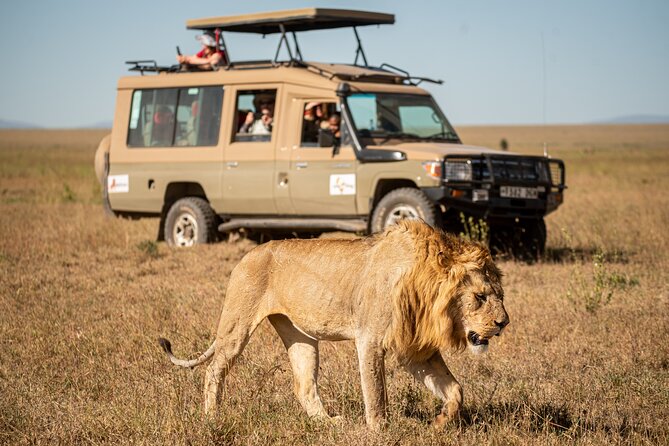
Yes, children are allowed on 10-day Kenya wildlife safaris, and it is a popular, educational family destination. While some high-end camps have minimum age restrictions (often 6–12 years), many lodges and operators offer tailored, child-friendly 10-day itineraries featuring shorter game drives, fenced accommodations, and cultural activities
10-days-samburu-amboseli-nakuru-naivasha-maasai-mara-safari-tour
10-days-luxury-kenya-safari-holiday-vacation
10-days-best-maasai-mara-lake-nakuru-and-amboseli-safari-and-diani-beach-holiday-escape
10-day-luxury-kenya-wildlife-safari-holiday
10-days-kenya-wildlife-safari-diani-beach-holiday-round-trip-to-all-best-parks-in-kenya
10-days-ultimate-budget-kenya-tanzania-wildlife-safari-holiday-tour-package
10-days-perfect-kenya-tanzania-photographic-safari-tour
10-days-best-kenya-tanzania-safari-itinerary-tour
10-days-best-kenya-tanzania-honeymoon-safari-with-zanzibar-beach-holidays
10-days-kenya-wildlife-safari-and-gorilla-safari-in-uganda
10-days-kenya-safari-to-mombasa-beach-escape
1. Accommodation: Tailored Spaces and Services
The modern safari lodge has moved far beyond the "single tent" model to accommodate family units. Many lodges now offer purpose-built family suites or interconnected tents that allow parents to have their own space while remaining physically connected to their children—a vital comfort when sleeping in an unfenced wilderness. These suites often feature shared living areas and private decks, providing a safe "home base" between game drives.
Beyond the physical structure, the hallmark of a family-friendly lodge is its service. High-end camps often provide specialized children’s menus (moving beyond just chicken nuggets to healthy, kid-approved local flavors) and adjusted meal times. Furthermore, many lodges offer professional babysitting or "child-minder" services. This allows parents to enjoy a romantic sundowner or a more intensive night game drive while their children are safely entertained back at the lodge with nature-themed crafts, storytelling, or educational star-gazing.
2. Age Limits: Understanding the Boundaries
Age limits on safari are not meant to be exclusionary; they are strictly a matter of safety and environmental psychology. While many lodges welcome children of all ages, others—particularly smaller, intimate luxury camps—enforce a minimum age of 6, 8, or 12. This is because children need to be at a developmental stage where they can follow instructions to remain quiet and seated in an open-sided vehicle when near large predators.
The restrictions become tighter for walking safaris. Because walking in the bush places you at eye level with wildlife, most operators require participants to be at least 12 to 16 years old. Younger children may unintentionally trigger a "prey response" in predators due to their size or sudden movements. When planning your 10-day trip, it is essential to verify these limits with each specific lodge to ensure your children can participate in the activities you’ve prioritized.
3. Itinerary Adjustment: The Power of the Private Safari
The greatest mistake families make is trying to mirror a high-intensity adult itinerary. A 10-day duration is ideal because it allows for a "Slow Safari" pace. Instead of moving every two nights, staying for three or four nights in one location reduces "travel fatigue" and allows children to form a bond with the lodge staff and their surroundings.
The most critical recommendation for families is to book a Private Safari Vehicle. While more expensive, the flexibility is priceless. On a shared safari, you are beholden to the group's schedule; on a private safari, if your toddler needs a nap or becomes restless after two hours, you can return to the lodge immediately without affecting other guests. You can start your game drives later, stop more frequently for "bush bathroom" breaks, and focus the guide’s attention on things that fascinate children, such as animal dung, tracks, or colorful insects, rather than spending hours waiting for a sleeping lion to wake up.
4. Safety & Logistics: Fences and Health
Safety on safari is twofold: wildlife safety and health logistics. When traveling with younger children, it is highly recommended to choose lodges with fenced perimeters. While "unfenced" camps offer a raw, authentic thrill, they require children to be under constant, 24/7 adult supervision. A fenced camp provides a much-needed "safety zone" where children can run around the gardens or play near the pool without the risk of a wandering hyena or elephant entering the grounds.
Logistically, the biggest concern for parents is often malaria. While most of Kenya and Rwanda are malaria-endemic, you can mitigate risk by choosing higher-altitude lodges or focusing on "low-risk" areas. In South Africa, there are entirely malaria-free zones (like Madikwe or the Eastern Cape), but in East Africa, the best approach is a combination of pediatrician-approved prophylaxis, DEET-based repellents, and ensuring children wear long sleeves and trousers at dawn and dusk. Always check the nearest "medevac" and clinic locations relative to your lodges for peace of mind.
5. Discounts: Maximizing the Value
The financial side of a family safari is often more accessible than people realize due to significant child discounts. Most safari operators categorize children aged 4 to 12 as "child travelers," often charging them roughly 50% of the adult rate when sharing a room with two adults. Some lodges even extend "teen rates" for those up to 16 or 17, recognizing that families are a core part of their business.
These discounts often extend beyond just the accommodation. Park entry fees for children are significantly lower than adult rates (often a fraction of the cost), and domestic flight operators frequently offer child fares. During the "Green Season" (the rainy season), many luxury lodges run "Kids Stay Free" promotions to attract families. By strategically timing your 10-day trip and taking advantage of these tier-based pricing structures, a high-end safari can become a much more manageable investment for a family of four or five.
10-day Kenya wildlife safari
A 10-day Kenya wildlife safari is an immersive journey through the "cradle of humanity," offering a profound connection to the raw, untamed spirit of Africa. This expansive circuit is meticulously designed to showcase the full spectrum of Kenya’s ecological diversity, moving from the urban sanctuaries of Nairobi to the monumental shadow of Mount Kilimanjaro and down to the legendary golden plains of the south. Throughout this odyssey, you will navigate the dramatic landscapes of the Great Rift Valley, witness the prehistoric scale of elephant herds in Amboseli, and explore the high-stakes predator territory of the Maasai Mara. It is a logistical masterpiece that prioritizes maximum wildlife exposure, ensuring that every sunrise brings a new opportunity to encounter the "Big Five." Whether you are a photographer, a birder, or a first-time explorer, this itinerary provides a life-altering experience, blending rugged adventure with the sophisticated charm of luxury bush camps and world-class conservation efforts.
Days 1–2: Nairobi and the Gateway to the Wild
Your 10-day Kenya wildlife safari begins in Nairobi, the vibrant "Green City in the Sun." After arriving, you will visit the Sheldrick Wildlife Trust to witness the rehabilitative care of orphaned elephants and the Giraffe Centre for an up-close encounter with endangered Rothschild’s giraffes. These urban sanctuaries provide essential context for the conservation efforts you will see throughout your journey. On day two, you depart the city for the arid northern frontiers of Samburu or the volcanic plains of Tsavo West. If heading north, the landscape shifts into a beautiful, sun-parched wilderness where the life-giving Ewaso Nyiro River attracts unique species like the reticulated giraffe and Grevy’s zebra. This initial leg introduces the dramatic geographical shifts that define Kenya, balancing educational city tours with the raw, high-energy exploration of the northern wild and its specialized desert-adapted wildlife.
Days 3–4: The Majesty of Amboseli National Park
The next phase of your 10-day Kenya wildlife safari takes you south to the iconic Amboseli National Park, situated at the base of Mount Kilimanjaro. This park is world-renowned for its "tusker" elephants, which roam in massive family herds against the backdrop of Africa's highest peak. As you traverse the open plains and emerald-green swamps, you will observe these prehistoric giants silhouetted against the snow-capped mountain—a quintessential image of the African savanna. Beyond elephants, Amboseli is a sanctuary for lions, cheetahs, and over 400 species of birds. The clarity of the air here makes it a photographer’s paradise, particularly during the early morning when the mountain often emerges from its cloud cover. These two days offer a serene yet high-impact wildlife experience, balancing the monumental presence of elephants with the grand, sweeping scale of the East African landscape.
Days 5–6: Great Rift Valley Lakes and Rhinos
Descending into the Great Rift Valley, your 10-day Kenya wildlife safari focuses on the shimmering lakes that define this tectonic wonder. First, you will explore Lake Nakuru National Park, a premier sanctuary for both black and white rhinoceroses. The park’s yellow-fever acacia forests provide a stunning contrast to the soda lake, where thousands of flamingos occasionally paint the shoreline pink. Next, you move to Lake Naivasha for a tranquil boat safari. Gliding past pods of yawning hippos and watching African fish eagles hunt offers a refreshing change of pace from traditional 4x4 game drives. You may even take a walking safari on Crescent Island, allowing you to walk among giraffes and zebras without the confines of a vehicle. This segment provides a crucial opportunity to see the rare rhino and appreciate the incredible aquatic biodiversity of the Rift Valley.
Days 7–9: The Legendary Maasai Mara
The crescendo of your 10-day Kenya wildlife safari is the world-famous Maasai Mara National Reserve. This is the stage for the Great Wildebeest Migration and boasts the highest predator density in East Africa. Over three intensive days, you will follow the movements of the "Big Three" cats—lions, leopards, and cheetahs—as they navigate the vast, rolling grasslands. Whether you are witnessing a dramatic river crossing (seasonal) or watching a pride of lions guarding a kill, the Mara delivers the raw intensity of nature in its most concentrated form. You will also have the chance to visit a Maasai village, gaining a deeper understanding of the cultural heritage and ancient traditions of the people who have coexisted with these predators for centuries. From the adrenaline of the hunt to the quiet beauty of a savanna sunrise, the Mara is the emotional heart of your journey.
Day 10: Final Savanna Sunrise and Departure
The final day of your 10-day Kenya wildlife safari begins with a sunrise game drive, offering one last chance to spot a leopard in the morning mist or a family of elephants beginning their trek across the plains. After a hearty "bush breakfast" in the middle of the savanna, you begin the scenic drive back to Nairobi, climbing out of the Great Rift Valley with stops at viewpoints overlooking the dramatic escarpment. Back in the capital, you can enjoy a farewell dinner at a local landmark, reflecting on the incredible biodiversity and landscapes you have encountered. This journey concludes where it began, but you leave with a transformed perspective on nature and a collection of memories that will last a lifetime. As you head to the airport for your departure, the spirits of the savanna remain with you as a testament to Kenya's magic.
1. Are children truly allowed or is it too dangerous?
Children are absolutely welcome on a 10-day Kenya wildlife safari. The "danger" factor is a common misconception; in reality, the safari environment is highly controlled. Professional guides are trained to read animal behavior and maintain a safe distance, while the vehicles are sturdy, high-sided 4x4s that act as a secure mobile viewing platform.
Furthermore, reputable lodges employ 24-hour security guards (often local Maasai warriors) who patrol the grounds to ensure no wildlife wanders too close to guest areas. The primary safety focus for families is not the animals, but rather sun protection and hydration. By following the "house rules"—such as staying inside the vehicle and not feeding animals—a safari is a safe and profoundly educational experience for any child.
2. What is the minimum age for children?
While there is no government-mandated "minimum age" to enter Kenya's national parks, many individual lodges and activity operators set their own limits. Generally, you will find that many lodges accept children of all ages, but some luxury or "boutique" camps require children to be at least 6 or 12 years old.
This is particularly true for activities like walking safaris or night game drives, where the ability to remain quiet and follow strict safety instructions is vital. For gorilla trekking (if you cross into neighboring Rwanda or Uganda), the age limit is strictly 15. For a standard 10-day Kenya wildlife safari, children aged 6 and up tend to get the most out of the experience, as they are old enough to use binoculars and engage with the guide’s stories.
3. Are game drives suitable for young kids?
Game drives can be the highlight of a child's life, but they require a strategic approach. Standard game drives can last 4 to 6 hours, which is a long time for a young child to be confined to a vehicle. To make these suitable, it is essential to focus on "quality over quantity."
Short, 2-hour morning and afternoon drives are often more effective for younger children than full-day excursions. Bringing along "bush bingo" cards, sketchbooks, or a child-friendly camera can keep them engaged during the quieter moments of the drive. The key is to find a balance between the excitement of a lion sighting and the inevitable "downtime" when searching for elusive leopards.
4. Are malaria-free zones available?
While most of Kenya’s top safari destinations (like the Maasai Mara and Amboseli) are in malaria-endemic regions, parents can still manage the risk effectively. To minimize exposure, you can choose higher-altitude lodges where mosquito activity is significantly lower.
While Kenya doesn't have the same vast "malaria-free" parks found in South Africa (like Madikwe), areas like the Laikipia Plateau are considered lower-risk due to their elevation. For a 10-day Kenya wildlife safari, the most effective strategy is a combination of pediatrician-prescribed prophylaxis, using DEET-based repellents, and ensuring children wear long sleeves and trousers at dawn and dusk when mosquitoes are most active.
5. Do children get discounts on park fees?
Yes, Kenya is very generous with child-specific pricing. Most national parks and reserves have a tiered entry fee structure. Children under the age of 3 often enter for free, while those between 3 and 17 years old typically pay a "Child" or "Student" rate, which is often 50% to 70% cheaper than the adult fee.
Additionally, many nationalities find that children under 16 can obtain their Electronic Travel Authorization (eTA) for Kenya at a reduced rate or even for free in certain visa categories (though you must check the latest 2026 immigration updates). These savings can add up significantly over a 10-day itinerary, making the "all-in" price of a family safari more manageable.
6. Are there child-friendly accommodations?
Absolutely. Many lodges in Kenya specifically target the family market. These "family-friendly" properties often feature fenced perimeters, which provide parents with immense peace of mind, and swimming pools, which are essential for burning off energy between game drives.
Many lodges also run "Junior Ranger" programs. These kids' clubs go beyond simple babysitting; they teach children how to track animals by their dung, how to make traditional fire using sticks, and the basics of African beadwork. Properties like Giraffe Manor in Nairobi or certain camps in the Mara even offer family suites with interconnected rooms, ensuring everyone has their own space while staying under one roof.
7. Is a 10-day safari too long for children?
Ten days is actually the "sweet spot" for a family safari because it allows for a slower, more flexible pace. A shorter 3-day trip can feel like a frantic race between parks, whereas a 10-day Kenya wildlife safari allows you to spend 3 or 4 nights in a single location.
This "slow safari" approach prevents "safari fatigue." You can take a full day off from game drives to lounge by the pool or visit a local school. Many families choose to spend 7 days in the bush and the final 3 days on the Diani or Watamu coast. This "Bush and Beach" combination is the perfect way to reward children for their patience in the vehicle with some unstructured time in the Indian Ocean.
8. Can families use private vehicles?
Using a private vehicle is the single best piece of advice for families. On a shared safari, you are at the mercy of the group’s interests; if another guest wants to spend two hours watching a sleeping lion, your children have to wait as well.
With a private vehicle, your guide is yours alone. If your child gets hungry, needs a bathroom break, or simply wants to head back to the lodge to swim, you can do so without apologizing to anyone. It also allows the guide to tailor their language and teaching style to the children’s ages, making the experience much more interactive and less like a lecture.
9. What activities can children enjoy?
Beyond the traditional game drives, a 10-day Kenya wildlife safari offers a wealth of "off-vehicle" activities. Children often find cultural visits to Maasai or Samburu villages fascinating, as they get to meet local children and see how they live, play, and attend school.
Other highlights include the Sheldrick Elephant Orphanage in Nairobi, where they can see baby elephants being bottle-fed, or guided nature walks within the lodge grounds to look for "the Little Five" (Ant Lion, Rhino Beetle, Elephant Shrew, Leopard Tortoise, and Buffalo Weaver). These activities provide a tactile, hands-on connection to nature that a vehicle-based drive cannot match.
10. Are child seats or restraints available?
In Kenya, standard safari vehicles are not typically fitted with ISOFIX points or child seats as a default. However, most professional tour operators can provide booster seats or child restraints if requested well in advance.
If you have a specific car seat you trust, many families choose to bring their own, as long as it can be secured with a standard lap or shoulder belt. It is important to remember that safari driving is usually done at very low speeds (under 20km/h), but the terrain can be bumpy, so having a secure seat for a younger child is more about comfort and stability than high-speed collision safety.
11. Do children pay full price?
On a 10-day Kenya wildlife safari, children rarely pay the full adult price. Most lodges have a "Child Policy" where kids under 12 receive a 30% to 50% discount when sharing a room with two adults. Some lodges even offer "Family Rates" that cover two adults and two children in a specialized suite.
Once a child reaches the age of 12, many lodges categorize them as "Adults" for accommodation purposes, though park fees often remain at the "Child" rate until they are 16 or 18. When requesting a quote, always provide the exact ages of your children at the time of travel to ensure the operator applies all possible tier-based discounts.
12. Is the food suitable for children?
Safari lodges are very accustomed to international palates and dietary requirements. Most offer buffet-style meals, which are perfect for picky eaters who want to see the food before they try it. You will find plenty of fresh fruit, pasta, grilled chicken, and familiar vegetables.
If your child has specific allergies or a very limited palate, the lodge chefs are usually more than happy to whip up a simple grilled cheese, a bowl of plain pasta, or a plate of fries. It is a good idea to bring a few of your child’s favorite "comfort snacks" from home (like granola bars or crackers) for the game drives, as the gaps between meals can sometimes be long.
13. Are there health concerns?
The primary health concerns are malaria, sun exposure, and stomach upsets. Malaria risk is managed through prophylaxis and prevention (nets and sprays). To avoid stomach issues, reputable lodges provide "bottled or treated water" for both drinking and brushing teeth—this is a standard safety protocol in all high-end camps.
Sunburn is a real risk on the equator, so high-SPF sunscreen and wide-brimmed hats are mandatory. Before you leave, consult a travel clinic to ensure your children are up to date on routine vaccinations like Hepatitis A and Typhoid. Carrying a basic first-aid kit with rehydration salts, antiseptic cream, and children’s paracetamol is also highly recommended for peace of mind.
14. Is it better to do a private safari?
Without a doubt, a private safari is the superior choice for families. While group tours are more budget-friendly, they lack the flexibility that children require. A private guide becomes a mentor to your kids, often teaching them Swahili words or how to identify birds by their song.
A private 10-day Kenya wildlife safari also means you have control over the vehicle’s "vibe." You can play music, talk loudly, or stop whenever you see something cool—like a dung beetle or a colorful lizard—that a group of adult birdwatchers might want to skip. The "premium" you pay for a private vehicle is often the best money spent on the entire trip, as it ensures the children remain happy and engaged.
15. Are beaches accessible?
Yes, and they are highly recommended. Kenya’s coast—specifically Diani Beach, Watamu, and Malindi—is world-class. A popular way to structure a 10-day Kenya wildlife safari is to spend 6 or 7 days in the bush (Maasai Mara and Naivasha) and the last 3 or 4 days at a beach resort.
The beaches offer white sand, shallow turquoise water, and a range of activities like glass-bottom boat tours, snorkeling, and camel rides. Transitioning from the early-morning wake-up calls of the safari to the "island time" of the coast allows the whole family to decompress. Many lodges on the coast are all-inclusive resorts with dedicated kids' clubs, providing a perfect, relaxing finale to your African adventure.
Booking 10 days Kenya wildlife safari with us Roads of Adventure safaris
Book a 10-day Kenya wildlife safari with Roads of Adventure Safaris for personalized, expert-led itineraries covering top destinations like Masai Mara and Amboseli, featuring 4x4 transport and tailored accommodation from luxury to budget. Packages typically include expert guides, park fees, and meals, offering a seamless experience, including options for combined Kenya-Tanzania tours.
