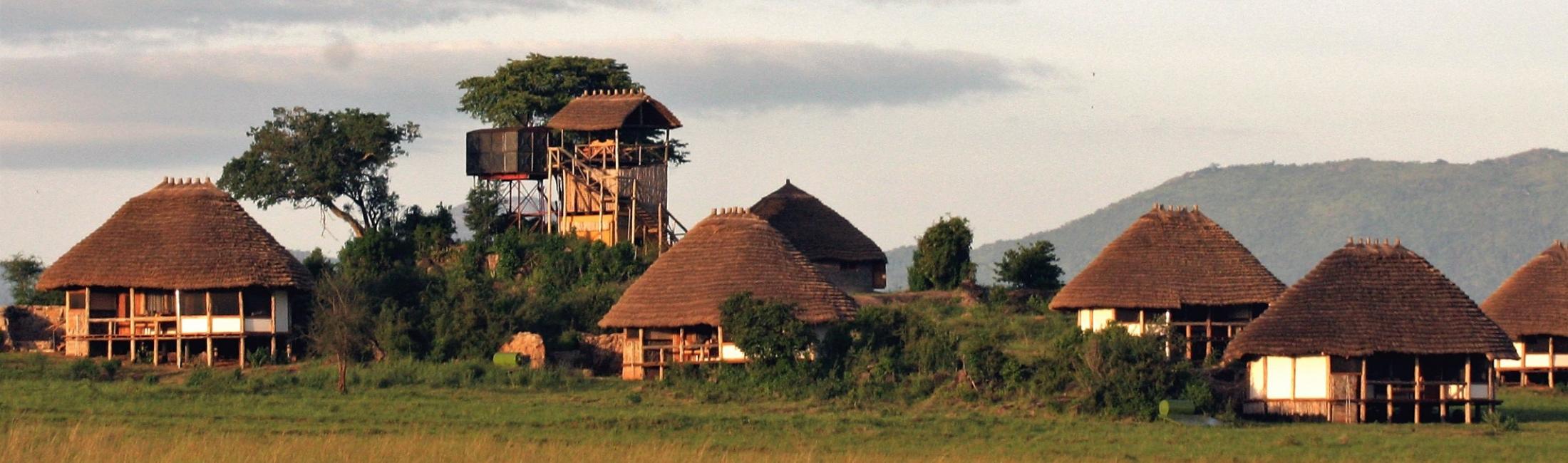
Deep within northeDays Kidepo Luxury Uganda safari Apoka safari loge or Mara safari lodge astern Uganda, Kidepo Valley National Park spans over 1,442 square kilometers of untouched wilderness, framed by the towering Morungole and Napore mountain ranges. This exclusive 6 Days Kidepo Luxury Uganda safari Apoka safari loge or Mara safari lodge expedition curated by Roads of Adventure Safaris Ltd transports you far from conventional tourist circuits into isolated acacia-dotted savannahs. Here, ancient traditions persist, and prolific wildlife roams undisturbed across pristine river valleys. Your private journey pairs bespoke ground transportation with premier accommodation, delivering absolute seclusion, refined comfort, and authentic encounters in one of Africa's most remote sanctuaries.
🚗 Tour Highlights
• ✅ Private luxury safari in Kidepo Valley National Park
• ✅ Entebbe → Apoka airstrip charter/air transfer (morning schedule)
• ✅ Dedicated Roads of Adventure Safaris Ltd guide throughout
• ✅ Exclusive stay: Apoka Safari Lodge / Mara Safari Lodge
• ✅ Narus Valley game drives with expert tracker guidance
• ✅ Cultural immersion near Kidepo park boundaries (Karamojong manyatta visit)
• ✅ Kanangorok Hot Springs experience + mineral-rich thermal waters
• ✅ Guided wilderness walking safari (armed UWA ranger + naturalist guide)
• ✅ Private candlelit dining & sundowner moments in the bush
• ✅ Smooth return transfer to Apoka airstrip + charter flight back to Entebbe
🌹 Detailed Itinerary
Day 1: 📍Private Air Transfer to Kidepo Valley + Apoka Lodge arrival + sunset relaxation
Day 2: 📍Narus Valley Morning & Afternoon Game Drives
Day 3: 📍Kidepo River + Kanangorok Hot Springs Expedition
Day 4: 📍Cultural Immersion with the Karamojong People
Day 5: 📍Guided Wilderness Walking Safari + Wilderness Sundowner
Day 6: 📍Return Flight to Entebbe + Departure Support
Day 1: Private Air Transfer to Kidepo Valley
Depart Entebbe International Airport aboard a scheduled morning charter flight, ascending over the dramatic topography of the Albertine Rift Valley toward the rugged northeast. Upon touching down at the Apoka airstrip, your dedicated Roads of Adventure Safaris Ltd guide welcomes you with chilled refreshments before conducting a private transfer through the sweeping golden plains. Check into Apoka Safari Lodge, perched on a rocky kopje overlooking the Narus River basin. Unwind on your private wooden veranda, observing elephants and buffaloes descending to drink from the nearby watering hole as the sun dips below the horizon.
Day 2: Narus Valley Morning and Afternoon Game Drives
Awake to a silver dawn over the savannah before setting out on an early morning game drive across the Narus Valley. Accompanied by an expert tracker, navigate through rolling grasslands where lions rest upon ancient rock outcrops and elusive leopards survey their domain from acacia branches. Return to the lodge for a gourmet Pan-African lunch served above the plains. Spend the midday hours relaxing beside the natural rock-hewn swimming pool. In the late afternoon, resume your exploration to track herds of Rothschild giraffes, Burchell's zebras, and side-striped jackals against a painted evening sky.
Day 3: Kidepo River and Kanangorok Hot Springs Expedition
Following breakfast, journey northward toward the semi-arid Sudanese border along the seasonal Kidepo Riverbed. En route, observe massive herds of migrating buffaloes and keep watch for cheetahs stalking through the tall golden flora. Arrive at the Kanangorok Hot Springs, where mineral-rich thermal waters bubble up amid striking mountain backdrops. Enjoy a private gourmet bush lunch set under the shade of indigenous acacia trees. Return to your luxury chalet in the late afternoon for quiet reflection, reading, and a private candlelit dinner served under an expansive canopy of southern stars.
Day 4: Cultural Immersion with the Karamojong People
Dedicate the morning to a deeply respectful cultural exchange within a traditional Karamojong manyatta village located near the park boundaries. Engage directly with local elders and pastoralists to learn about ancient cattle-herding traditions, intricate beadwork, and homestead architecture. Return to the lodge for a refined lunch paired with fine South African wines. The afternoon remains entirely at your leisure to enjoy personalized spa treatments, indulge in quiet reading on your private viewing deck, or photograph resident bird species, including the striking Abyssinian ground hornbill.
Day 5: Guided Wilderness Walking Safari
Embark on a specialized sunrise walking safari accompanied by an experienced armed Uganda Wildlife Authority ranger and your naturalist guide. Approach zebras, waterbucks, and birdlife on foot, gaining an intimate, grounded perspective of the intricate ecosystem. Spend the afternoon reviewing photographic captures and enjoying high tea on the main lodge's elevated wooden platform. Conclude your final evening in the wilderness with a bespoke sundowner cocktail overlooking the uninterrupted expanse of the Narus Valley.
Day 6: Return Flight to Entebbe and Departure
Savor a final quiet morning meal overlooking the misty savannah landscape before checking out of your accommodations. Your guide transfers you swiftly to the Apoka airstrip for your return charter flight to Entebbe International Airport. Upon arrival, a Roads of Adventure Safaris Ltd representative coordinates your seamless transition toward your connecting international departure flight or a day-room hotel reservation in Kampala
Where is Kidepo Valley National Park located?
Kidepo Valley National Park occupies the extreme northeastern corner of Uganda within the Karamoja sub-region, sharing an international border with South Sudan and lying close to Kenya. It sits approximately 520 to 700 kilometers from Kampala, making it Uganda's most isolated yet most dramatic protected wilderness. Because of this remote positioning, Roads of Adventure Safaris Ltd arranges swift domestic charter flights out of Entebbe International Airport to eliminate long, arduous overland driving times, ensuring you arrive rested at the Apoka airstrip ready to enjoy pristine wilderness plains, towering mountain backdrops, and complete seclusion away from conventional tourist circuits.
What is the total size of Kidepo Valley National Park?
The park covers an expanse of exactly 1,442 square kilometers (557 square miles) of rugged savannah, seasonal riverbeds, and dramatic rocky kopjes. Designated as a national park in 1962, its vast terrain ranges in altitude from 914 meters up to 2,750 meters above sea level. This immense acreage supports a remarkably diverse ecosystem containing over 77 mammal species and approximately 475 distinct bird species. Despite its grand scale, tourism is concentrated primarily in the fertile southern Narus Valley, where permanent water sources draw dense populations of resident wildlife throughout the dry seasons.
How do travelers reach Kidepo Valley National Park from Entebbe?
Travelers journeying with Roads of Adventure Safaris Ltd can access Kidepo via a scheduled or private morning charter flight departing from Entebbe International Airport, landing at the Apoka airstrip in roughly two hours. Alternatively, an overland road expedition takes approximately 10 to 12 hours, traversing northern Uganda's changing landscapes through Gulu and Kitgum. Given the vast distance, flying remains the preferred luxury choice, providing guests with magnificent aerial panoramas over the Albertine Rift Valley, cascading waterfalls, and rolling Karamojong hills before touching down directly in the heart of the wilderness.
What luxury amenities are featured at Apoka Safari Lodge?
Apoka Safari Lodge features ten expansive, thatched cottages constructed on stilts from rough-hewn wood and natural stone, blending seamlessly into the rocky kopjes of the Narus Valley. Each suite provides artisan-crafted furniture, hand-woven carpets, plush bathrobes, en-suite bathrooms with rock-lined shower stalls, and private outdoor stone bathtubs overlooking the open savannah. The main lodge area houses an elevated dining deck and a stunning rock-hewn swimming pool carved directly into the stone, where guests can lounge while watching elephants, buffaloes, and antelopes visit the nearby watering hole.
What makes the Narus Valley the primary wildlife viewing hub?
The Narus Valley is characterized by broad savannah plains and permanent water wetlands that sustain wildlife when seasonal rivers dry up. This specific valley acts as the biological heartbeat of Kidepo, drawing massive herds of buffaloes, Rothschild giraffes, Burchell's zebras, and defassa waterbucks. Predators such as lions, leopards, and cheetahs frequently utilize the adjacent rocky kopjes and acacia thickets as vantage points. Because permanent moisture is concentrated here, morning and afternoon game drives led by Roads of Adventure Safaris Ltd guarantee high-density animal sightings within a remarkably scenic natural arena.
What large mammal species inhabit Kidepo Valley National Park?
Kidepo hosts over 77 mammal species, several of which are entirely unique to this corner of East Africa. Visitors frequently encounter massive herds of up to a thousand Cape buffaloes, side-striped jackals, bat-eared foxes, cheetahs, leopards, lions, spotted hyenas, and elephants. Specialized herbivores such as the greater and lesser kudu, elands, Bohor reedbucks, oribis, and Rothschild giraffes also roam freely across the grasslands. The exceptional mix of dry-country and typical savannah fauna provides a distinct safari experience unavailable in Uganda's southern parks.
Which bird species can be observed during a Kidepo safari?
Recognized as one of Africa's premier birding destinations, Kidepo boasts approximately 475 recorded avian species. Enthusiasts can spot the striking common ostrich—found nowhere else in Uganda—alongside secretary birds, Abyssinian ground hornbills, Jackson's hornbills, red-and-yellow barbets, golden pipits, and Karamoja apalis. The diverse habitats, ranging from acacia woodlands to dry riverbeds, allow birdwatchers to check off rare regional endemics effortlessly from their private lodge verandas or during guided bush walks.
What are the Kanangorok Hot Springs, and where are they located?
Situated in the extreme northern reaches of the park near the South Sudan border, the Kanangorok Hot Springs lie approximately 30 to 40 kilometers north of Apoka. Derived from deep underground geological fault lines associated with the East African Rift system, these mineral-rich thermal waters bubble up amid striking mountain vistas. The name Kanangorok translates in the local Karamojong dialect to "a place of black stones". Visiting the springs offers a wonderful half-day excursion across the sandy Kidepo Riverbed, flanked by the majestic Morungole range.
What wildlife can be seen near the Kanangorok Hot Springs?
The northern plains surrounding the Kanangorok Hot Springs support specialized dry-country wildlife species that thrive in arid semi-desert conditions. Visitors exploring this remote sector frequently spot wild ostriches striding across the flats, secretary birds hunting in the grasslands, and herds of graceful greater and lesser kudu moving through dense acacia thickets. It is also common to encounter majestic elands and roving groups of Rothschild giraffes against the dramatic backdrop of the border mountains, offering exceptional photographic opportunities far from standard tourist tracks.
Who are the Karamojong people, and what is their cultural heritage?
The Karamojong are a pastoralist ethnic group inhabiting northeastern Uganda, having migrated centuries ago from the Ethiopian highlands. Renowned for their fierce independence and traditional lifestyle, they place supreme cultural value on cattle, viewing livestock as the ultimate measure of wealth, prestige, and divine blessing from their creator, Akuj. Rejecting many modern conveniences, the community preserves ancient customs, intricate beadwork, minimalist attire adorned with feather headdresses, and a vibrant oral history passed down through generations of elders.
What is a traditional Karamojong Manyatta village?
A manyatta is a traditional, semi-permanent homestead constructed by pastoralist clans for communal protection and social cohesion. Built in circular formations, these settlements feature concentric defensive barriers woven from dense, sharp thorn-bush branches to keep predators and rival rustlers away from cattle pens located in the center. Guests visiting a manyatta on a cultural excursion gain rare insight into domestic architecture, food preparation, traditional song and dance performances, and daily pastoral routines unchanged for centuries.
How does Roads of Adventure Safaris Ltd facilitate cultural visits?
Roads of Adventure Safaris Ltd arranges respectful, community-led cultural excursions to neighboring manyattas, ensuring interactions directly benefit local villagers through sustainable tourism fees. Travelers are accompanied by expert guides who facilitate meaningful dialogues with village elders, allowing visitors to learn about indigenous livestock management, craftsmanship, and folklore without intruding upon personal privacy. This ethical approach fosters authentic cross-cultural appreciation while preserving the integrity of indigenous Karamojong traditions.
What can guests expect during a guided bush walking safari?
Conducted early in the morning alongside an experienced, armed Uganda Wildlife Authority ranger and a professional naturalist guide, a walking safari delivers an intimate perspective of the wilderness. Participants track smaller ecological details—such as animal tracks, dung beetles, reptile habitats, and medicinal flora—while safely approaching grazing zebras, waterbucks, and birdlife on foot. This sensory immersion highlights the interconnected rhythms of the ecosystem, heightening awareness of sounds, scents, and microscopic life missed during vehicle-based game drives.
What makes the dry season the optimal time to visit Kidepo?
During the dry months spanning from September through March, surface water across the park evaporates almost entirely, forcing resident wildlife to concentrate heavily around the permanent wetlands and waterholes of the Narus Valley. This seasonal concentration simplifies game viewing, making predators and herbivores highly visible along predictable routes. Furthermore, dry weather ensures that park tracks remain firm and easily navigable, allowing seamless exploration from the southern valleys up to the northern Kidepo River basin.
What weather conditions characterize Kidepo Valley National Park?
As a semi-arid savannah region, Kidepo experiences high daytime temperatures that frequently exceed 30°C (86°F), accompanied by low relative humidity and refreshing evening breezes cooled by surrounding mountain elevations. Rainfall is sparse and erratic, typically concentrated in two wet seasons occurring from April to May and July to August, during which sudden afternoon storms can temporarily soften dirt tracks. Travelers are advised to pack lightweight, neutral-colored clothing, sun protection layers, and sturdy footwear for comfortable outdoor exploration.
What photographic opportunities are unique to Kidepo Valley?
Kidepo offers exceptional photography due to its vast, uncrowded landscapes, dramatic rocky kopjes, and striking light quality during sunrise and sunset. Photographers capture dramatic images of lions resting atop granite boulders, towering giraffes silhouetted against golden acacia trees, and sweeping mountain panoramas stretching into South Sudan. The absence of crowds and power lines ensures pristine, wilderness-focused compositions that capture raw, untouched African natural beauty.
How does Apoka Safari Lodge handle eco-sustainability and power?
Apoka Safari Lodge operates on an eco-conscious model that harmonizes modern luxury with rigorous environmental conservation. Power is generated via advanced solar panels combined with backup generators to supply clean energy for lighting and device charging, while water heating relies on solar thermal arrays to reduce carbon footprints. The lodge actively manages waste recycling programs and sources local organic produce, ensuring that high-end hospitality directly supports ecological preservation and regional employment.
What dining experiences are provided at Apoka Safari Lodge?
The in-house culinary team prepares gourmet meals combining refined international gastronomy with authentic Pan-African flavors, utilizing fresh local ingredients. Dining takes place on the open-air veranda or main deck, where guests enjoy multi-course breakfasts, plated lunches, and candlelit dinners while watching elephants and buffaloes drink from nearby watering holes. Special dietary requirements, private bush breakfasts, and romantic sundowner setups are seamlessly accommodated upon request.
What is the historical background of Kidepo Valley National Park?
Originally inhabited by the IK hunter-gatherer tribe and pastoralist Karamojong clans, the valley was designated as a game reserve by the British colonial administration in 1958 to curb unchecked hunting. It was officially gazetted as a national park in 1962 under the leadership of conservationist Ian Grimwood. Despite decades of political instability in Uganda during the late 20th century, Kidepo's remote sanctuary status protected its core wildlife populations, allowing them to rebound into the thriving ecosystem witnessed today.
Are night game drives permitted within Kidepo Valley National Park?
Specialized night game drives are organized under strict Uganda Wildlife Authority regulations, utilizing spotlights operated by authorized park rangers. These nocturnal excursions offer travelers a rare opportunity to observe elusive nocturnal predators—such as leopards, spotted hyenas, serval cats, side-striped jackals, and white-tailed mongooses—active under the cover of darkness. The cool night air and star-filled skies create an atmospheric backdrop for tracking the secretive hunters of the savannah.
What clothing and packing essentials are recommended for Kidepo?
Travelers should pack lightweight, breathable clothing in neutral earth tones (khaki, beige, olive) to blend into the natural environment and deter biting insects. Sturdy, broken-in walking boots are essential for guided bush walks, alongside a wide-brimmed sun hat, polarized sunglasses, and high-SPF sunscreen. Evenings can experience a sudden drop in temperature due to altitude and dry air, making a warm fleece, light jacket, or sweater necessary for early morning game drives and stargazing sessions.
What medical and health preparations are required before traveling?
Visitors traveling to Uganda must possess a valid Yellow Fever vaccination certificate and should consult their healthcare provider regarding recommended malaria prophylaxis well in advance of departure. It is wise to carry personal prescription medications, a comprehensive first-aid kit, and high-deet insect repellent. Apoka Safari Lodge and high-end camps provide mosquito nets over all beds and maintain basic medical emergency protocols in coordination with local evacuation services.
What currency and payment methods are accepted during the safari?
Uganda operates using the Ugandan Shilling (UGX), though US Dollars printed after 2013 are widely accepted at lodges, parks, and craft markets. High-end properties like Apoka Safari Lodge accept major credit cards (Visa and Mastercard) for incidental expenses, bar tabs, and curio purchases, though transaction fees may apply. Carrying a modest amount of cash in small US dollar denominations or local currency is highly recommended for tipping guides, rangers, and purchasing authentic artisanal crafts in remote villages.
What is the significance of the seasonal Kidepo and Narus Rivers?
The Kidepo and Narus Rivers are quintessential lifeline arteries that define the park's physical geography and biological behavior. During the heavy wet seasons, these watercourses rush with torrential runoff, but as the dry months progress, surface flows vanish entirely beneath broad, sandy riverbeds. Subsurface water remains trapped in deep pools along the Narus Valley, creating vital oases where thousands of animals congregate, while the dry sandy bed of the northern Kidepo River offers unique scenic tracks for exploration.
How do professional guide services enhance the Kidepo safari experience?
Professional naturalist guides employed by Roads of Adventure Safaris Ltd possess extensive ecological knowledge, tracking expertise, and intimate familiarity with Kidepo's complex topography. They interpret subtle animal behaviors, identify obscure bird calls, and navigate unmarked savannah tracks safely. Their expertise transforms a simple animal sighting into an educational narrative, enriching the traveler's comprehension of conservation dynamics, predator-prey relationships, and regional botanical uses.
What steps does Roads of Adventure Safaris Ltd take to ensure client safety?
Safety is paramount across all operations managed by Roads of Adventure Safaris Ltd. The company utilizes meticulously maintained 4x4 luxury safari vehicles equipped with communication radios, first-aid kits, and emergency recovery gear. All park activities involving close wildlife encounters are strictly conducted under the supervision of armed, highly trained Uganda Wildlife Authority rangers. Furthermore, remote airstrips and lodges maintain reliable communication links to coordinate emergency medical evacuation services if ever required.
Can dietary restrictions and special occasions be catered for on this luxury itinerary?
Lodges in Kidepo excel at personalized hospitality, effortlessly accommodating strict dietary requirements—including vegetarian, vegan, gluten-free, and halal preferences—when communicated prior to arrival. For milestone celebrations such as anniversaries, honeymoons, or birthdays, Roads of Adventure Safaris Ltd coordinates bespoke touches including private candlelit bush dinners, celebratory champagne sundowners, and personalized dessert presentations set against the dramatic African sunset.
What distinguishes Kidepo Valley National Park from Queen Elizabeth or Murchison Falls?
Unlike Murchison Falls or Queen Elizabeth National Park, which experience higher visitor volumes and busier tourist circuits, Kidepo remains a remote frontier wilderness receiving a fraction of the annual foot traffic. This profound isolation guarantees absolute exclusivity, undisturbed wildlife viewing, and expansive, uninterrupted vistas of rugged mountain ranges. Additionally, Kidepo hosts specialized arid-zone species—such as ostriches, cheetahs, and greater kudus—that are entirely absent from Uganda's southern and western safari parks.
What sustainable tourism practices protect Kidepo's fragile ecosystem?
Conservation in Kidepo relies on strict carrying-capacity limits, park entry fees that directly fund anti-poaching patrols, and eco-lodge designs featuring solar power and minimal footprint construction. Roads of Adventure Safaris Ltd partners exclusively with certified lodges that employ local community members, source provisions regionally, and support community empowerment initiatives. This closed-loop economic model ensures that high-value tourism actively preserves wildlife habitats while improving the livelihoods of indigenous pastoralists.
How does a 6-day luxury itinerary optimize the Kidepo travel experience?
A six-day duration provides the ideal temporal balance, eliminating travel fatigue by incorporating private charter flights while granting four full days of unhurried wildlife exploration. Guests can seamlessly alternate between early morning predator tracking, relaxed afternoons by the infinity pool, cultural immersion with the Karamojong, and scenic expeditions to the Kanangorok Hot Springs without feeling rushed. This measured pace ensures a deeply restorative, immersive, and unforgettable luxury wilderness journey.
Booking 6 Days Kidepo Luxury Uganda safari with us Roads of Adventure safaris
Booking a 6-day luxury safari to Kidepo Valley National Park with Roads Of Adventure Safaris features exclusive 4x4 transport, high-end stays like Apoka Safari Lodge, and immersive game drives across Uganda’s most remote and spectacular northern wilderness
