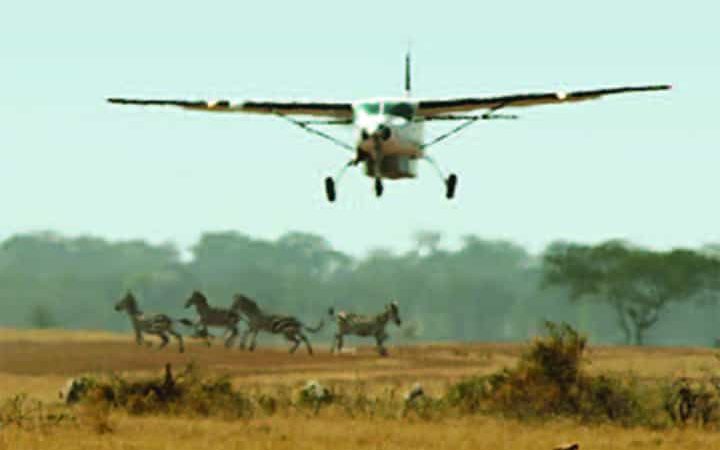
Kidepo Valley National Park cover its remote location in Uganda's arid northeast, best visited dry season (Sept-Mar) for game drives or wet (Apr-May, Oct-Nov) for birding, offering unique wildlife (cheetahs, unique antelope) and cultural visits (Karamojong, Ik people), accessible by road (4x4 needed) or domestic flight, with activities like game drives (Narus Valley), nature walks, hiking (Mt. Morungole), birding, and hot springs visits Where is Kidepo Valley National Park located?
Kidepo Valley National Park is situated in the Karamoja region of northeastern Uganda, a remote area characterized by its stunning landscapes and diverse wildlife. The park borders South Sudan to the north and Kenya to the east, making it one of Uganda's most geographically unique national parks. It covers an area of roughly 1,442 square kilometers, encompassing various ecosystems, including savanna, mountains, and rivers.
The park’s remoteness significantly contributes to its allure, as it is far less visited compared to more famous Ugandan parks like Murchison Falls and Queen Elizabeth. This relative isolation offers visitors the chance to experience a truly wild and unspoiled environment, where wildlife roams freely across vast plains and rugged hills.
Accessing Kidepo Valley National Park requires some planning, given its distance from major cities. It is approximately 520 kilometers from Kampala, the capital of Uganda, making it a challenge to reach. Travelers can undertake a long drive, typically taking around 10 to 12 hours, which can be both adventurous and rewarding, offering views of the captivating landscapes of eastern Uganda. Alternatively, there are domestic flights available from Entebbe to the park's Apoka airstrip, significantly reducing travel time and providing a scenic aerial view of the region.
Kidepo Valley National Park is an exceptional destination for those seeking adventure away from the crowds, where visitors can immerse themselves in the beauty of Uganda’s wilderness and witness remarkable wildlife in their natural habitat.
3-days-luxury-fly-in-kidepo-valley-national-park-tour-package
14-days-complete-uganda-safari-tour-and-primate-safari-experience
11-days-uganda-wildlife-safari-jinja-kidepo-valley-tour-package
11-days-uganda-wildlife-safari-to-off-beaten-path-unique-tour-including-kidepo-valley
7-days-murchison-falls-uganda-safari-trip-via-ziwa-rhinos-kidepo-valley-and-jinja
6-days-best-of-murchison-and-kidepo-uganda-safari-via-ziwa
7-days-murchison-falls-uganda-safari-trip-via-ziwa-rhinos-kidepo-valley-and-jinja
What makes Kidepo Valley National Park unique?
Kidepo Valley National Park is renowned for its extreme remoteness, untouched wilderness, and spectacular scenery that collectively rank it among the best national parks in Africa. Unlike popular tourist spots, Kidepo offers a sense of isolation and tranquility, allowing visitors to connect with nature in a profound way. The park's unique geographical features include rolling hills, vast grasslands, and a stunning valley that provides habitat for a diverse array of wildlife.
One of its defining characteristics is the biodiversity present within its boundaries. Kidepo is home to over 77 mammal species, including some rare and endangered species such as the cheetah, which can be spotted particularly in its open plains. Additionally, it hosts the only population of ostriches in Uganda, bringing a unique appeal to bird watchers and wildlife enthusiasts.
The park encompasses different ecosystems, from the grassland plains in the south to mountainous areas in the north. The seasonal rivers, including the Kidepo and Narus Rivers, further enhance its diversity. The dramatic scenery, which includes hot springs and diverse vegetation, makes Kidepo aesthetically appealing, while its remote location promises less human disturbance, creating a more authentic wildlife experience.
Furthermore, Kidepo's cultural significance cannot be overlooked, as it is located in a region inhabited by the Karamojong people, known for their rich traditions and resilient way of life. This cultural heritage complements the natural beauty, making Kidepo Valley National Park a unique and well-rounded destination for travelers seeking both adventure and cultural insight.
How do I get to Kidepo Valley National Park?
Getting to Kidepo Valley National Park requires some planning due to its remote location in northeastern Uganda. Visitors can choose between two main transportation options: a long drive from the capital, Kampala, or domestic flights from Entebbe.
Driving is a popular choice, though it is time-consuming. The journey typically spans approximately 520 kilometers and can take around 10 to 12 hours depending on road conditions and traffic. The drive can be an adventure in itself, as it offers views of rural Uganda’s landscapes, traditional villages, and wildlife along the way. Travelers should be prepared for varying road conditions, particularly as some routes may be unpaved. It's advisable to start the journey early in the day to arrive in daylight.
For those looking to save time and enjoy a more scenic route, domestic flights are available. Several airlines operate flights between Entebbe International Airport and the Apoka airstrip, located within the park. This option significantly reduces travel time to about an hour, allowing travelers to experience stunning aerial views of Uganda’s beautiful countryside.
Regardless of the method of travel, it’s crucial to plan ahead and prepare adequately. Those driving should ensure they have a reliable vehicle, preferably a 4x4, especially during the rainy season when roads can be challenging. Overall, whether by road or air, reaching Kidepo Valley National Park promises a rewarding experience that sets the stage for incredible adventures in one of Uganda's most remarkable wilderness areas.
What is the best time to visit Kidepo Valley National Park?
The best time to visit Kidepo Valley National Park for wildlife viewing is during the dry season, which occurs from December to March and June to September. During these months, the weather is usually drier, making wildlife easier to spot as they gather around water sources. The vegetation is less dense, further aiding visibility, and animals are more active during the daytime, providing excellent opportunities for viewing and photography.
Visiting in the dry season also has practical benefits: roads are more accessible, making it easier to navigate the park and its remote areas. Many lodges and camps are fully operational during this time, ensuring visitors have a variety of accommodation options. Additionally, guided tours and game drives are more enjoyable without the challenges posed by heavy rains, and there are fewer mud-related obstacles.
Conversely, the rainy season, from April to May and October to November, can present challenges due to heavy rainfall. While the park is vibrant and lush during this time, making it a photographer’s dream, animal movements may be less predictable, and accessing certain areas may be more difficult. However, the rainy season also attracts many migratory birds, making it an ideal time for birdwatchers.
Ultimately, the best time to visit Kidepo Valley National Park depends on individual preferences and interests. Those focused on wildlife viewing should plan their trips during the dry months, while those interested in birdwatching or experiencing a more tranquil landscape may find the wet season equally rewarding.
Can I see cheetahs in Kidepo Valley National Park?
Yes, Kidepo Valley National Park is the only place in Uganda where visitors have a high chance of spotting cheetahs. Renowned for its expansive short grass plains, the park provides an ideal habitat for these elusive predators. Cheetahs thrive in open areas where they can use their remarkable speed and agility to hunt prey, making Kidepo's landscape particularly favorable for them.
The likelihood of encountering cheetahs is highest during early morning and late afternoon when they are most active. Guided game drives led by experienced rangers enhance the chances of spotting these magnificent animals, as they are knowledgeable about the best locations and times for viewing wildlife. Rangers have a keen understanding of cheetah behavior, guiding visitors toward areas where these animals have been sighted recently.
In addition to cheetahs, Kidepo Valley National Park boasts a diverse array of wildlife, including other big cats such as lions and leopards. These predators play an essential role in the ecosystem, and witnessing them in their natural habitat is a thrilling experience for any visitor.
The presence of cheetahs adds to the allure of Kidepo Valley National Park, making it a must-visit destination for wildlife enthusiasts. This unique opportunity to see cheetahs in the wild, combined with the park's breathtaking landscapes and biodiversity, creates unforgettable memories and contributes to Kidepo's reputation as one of Africa's premier wildlife parks.
Are there ostriches in Kidepo Valley National Park?
Yes, Kidepo Valley National Park is the only park in Uganda where visitors can see common ostriches in the wild. These large, flightless birds thrive in the park's unique ecosystem, particularly in the open savannahs where they can roam freely. Kidepo's expansive grasslands and minimal human interference create an ideal environment for ostriches, allowing them to establish breeding populations.
Ostriches are known for their impressive size and distinctive appearance, making them a popular attraction among wildlife enthusiasts and photographers. When observing these remarkable birds, visitors can appreciate their unique behaviors, such as running at high speeds and foraging for food. The presence of ostriches enhances the biodiversity of Kidepo Valley National Park, attracting birdwatchers eager to view or photograph this fascinating species.
In addition to ostriches, Kidepo Valley National Park hosts an impressive range of other bird species, boasting over 470 recorded species. This diversity includes both resident and migratory birds, further enhancing the park's rich avian population. Consequently, Kidepo is a paradise for birdwatchers and nature lovers alike.
Visitors interested in seeing ostriches are encouraged to join guided tours or birdwatching excursions, as rangers are adept at locating these birds in their natural habitat. Overall, the opportunity to encounter common ostriches in Kidepo Valley National Park is a unique and rewarding experience, underscoring the park's importance as a conservation area for Uganda's wildlife.
How much are the entrance fees for Kidepo Valley National Park?
The entrance fees for Kidepo Valley National Park are structured to accommodate different visitors and are as follows: USD 40 for foreign non-residents, USD 30 for foreign residents, and UGX 20,000 for East African citizens. These fees contribute to the park's management, conservation efforts, and support the surrounding communities, playing a crucial role in preserving the natural environment and wildlife within the park.
Visitors are advised to check for any changes in fee structures or special tariffs that may apply during certain periods. The fees typically provide access to the park's various attractions, including wildlife viewing, game drives, hiking trails, and visitor facilities. It’s important to note that these fees are often separate from costs related to guided tours, accommodation, or other adventure activities guests may wish to pursue while in the area.
Paying the entrance fee also supports local conservation initiatives aimed at protecting the park's diverse flora and fauna. The funds help maintain the park's infrastructure, ensuring it remains a safe and enjoyable destination for wildlife enthusiasts and travelers.
Travelers should plan to carry cash in Uganda’s local currency or US dollars to facilitate the payment of entrance fees and any additional services. Overall, the entrance fees to Kidepo Valley National Park reflect the investment in a remarkable conservation area that captivates visitors with its stunning beauty and abundant wildlife.
What kind of accommodation is available in Kidepo Valley National Park?
Kidepo Valley National Park offers a range of accommodation options to cater to various budgets and preferences, ensuring that every visitor can find suitable lodging during their stay. Options range from luxurious lodges to more budget-friendly accommodations, allowing guests to experience the park's beauty in comfort.
One of the premier accommodations is the Apoka Safari Lodge, a luxury establishment that offers stunning views of the surrounding savannah and mountains. This lodge provides a blend of comfort and wildlife experience, featuring elegantly furnished rooms, gourmet dining, and guided tours. Its high-quality service and amenities make it a sought-after choice for those looking for an upscale safari experience.
For travelers seeking a more budget-conscious option, the UWA bandas at Apoka Rest Camp provide basic but comfortable lodging. These self-contained bandas are managed by the Uganda Wildlife Authority, making them an affordable choice for those interested in immersing themselves in nature without sacrificing essential comforts. Staying at the rest camp allows guests to enjoy the authentic atmosphere of the park while maintaining access to necessary facilities.
In addition to these options, visitors may also find campgrounds available for those wishing to experience a more adventurous stay. Camping within the park offers a unique opportunity to connect with nature closely, listening to the sounds of wildlife at night.
Regardless of the choice of accommodation, Kidepo Valley National Park ensures guests have a memorable experience amidst its captivating landscapes and diverse wildlife, allowing everyone from luxury travelers to budget backpackers to enjoy the beauty of this incredible destination.
Can I go on a night game drive in Kidepo Valley National Park?
Yes, night game drives in Kidepo Valley National Park are available, providing a unique and thrilling opportunity to observe nocturnal wildlife in their natural habitat. These drives are usually guided by experienced rangers who understand animal behavior and know the best spots for potential sightings during the night.
Nighttime reveals a completely different side of the park, where species such as leopards, hyenas, and various antelopes become more active. Observing these animals under the cover of darkness offers a distinctive and exhilarating safari experience, presenting opportunities to witness behaviors not typically seen during the day.
The night game drives are conducted in specialized vehicles equipped with spotlights, enhancing visibility while minimizing disturbances to the wildlife. These drives generally take place after sunset, allowing guests to experience the serenity of the park in the quiet evening hours. As part of the budget-friendly options, these nighttime excursions are often included in packages or available for separate booking.
In addition to the thrill of seeing nocturnal species, night game drives also offer a chance to enjoy the sounds of nature at night, from the calls of various mammals to the choruses of insects and birds. This immersive experience deepens the connection to the natural world and provides an unforgettable component to a visit to Kidepo Valley National Park.
Overall, night game drives serve as both an adventurous and enlightening experience, showcasing the park's biodiversity and further enriching the visitor's safari journey in this remarkable Ugandan destination.
What bird species are found in Kidepo Valley National Park?
Kidepo Valley National Park is a haven for bird lovers, boasting over 470 recorded bird species that call the park home. This impressive avian diversity is one of the many reasons Kidepo is celebrated as an exceptional birding destination in Uganda. The park’s varied ecosystems, including grasslands, forests, and wetlands, create different habitats that attract a wide range of birdlife.
Among the notable species found in Kidepo is the Karamoja Apalis, a rare bird that holds significant interest for ornithologists and birdwatchers alike. The park is also known for several types of vultures, including the white-headed vulture and the Egyptian vulture, which can often be seen soaring in the skies.
In addition to these unique species, birdwatchers can look forward to spotting hornbills, outlandish bustards, and some exceptional raptors, such as the black-shouldered kite and the African fish eagle. The wetland areas within the park host a diversity of waterbirds, making Kidepo an ideal destination for those interested in diverse avian fauna.
Kidepo’s remote location and relative isolation contribute to its status as a birding paradise, with lesser human activity allowing birds to thrive. Birdwatching enthusiasts can explore the park through guided walks and specialized birding trips, enhancing their chances of encountering rare and unique species.
Overall, Kidepo Valley National Park offers bird enthusiasts a unique opportunity to immerse themselves in Uganda's rich avifauna, making it an essential stop for anyone passionate about birds and wildlife observation.
Are there hot springs in Kidepo Valley National Park?
Yes, Kanangorok Hot Springs are a popular natural attraction located in the northern part of Kidepo Valley National Park. These hot springs are significant for both their natural beauty and cultural importance, attracting visitors seeking a unique experience within the park's stunning landscapes.
The Kanangorok Hot Springs are characterized by their steaming waters, which emerge from the earth at high temperatures. This geothermal phenomenon creates a serene and picturesque environment where visitors can relax and take in the surrounding beauty. The hot springs are often visited after a day of wildlife viewing, offering a refreshing way to rejuvenate.
The hot springs are not only appealing for their aesthetic qualities but also hold cultural significance to the local Karamojong people. Historically, these springs have been important for local communities, serving as a source of water and a place of social gathering. They symbolize the natural resources available in the area and are often intertwined with local customs and practices.
Visiting the Kanangorok Hot Springs provides an opportunity to blend adventure with cultural insights, making it a worthwhile addition to any trip to Kidepo Valley National Park. Besides enjoying the scenic views and natural wonder, guests can learn about the significance of the hot springs within the local culture.
Overall, the Kanangorok Hot Springs are a captivating attraction that enriches the experience of visiting Kidepo Valley National Park, offering a chance to connect with the natural and cultural heritage of this remarkable region.
Is it safe to visit Kidepo Valley National Park?
Yes, Kidepo Valley National Park is generally safe for tourists, provided they follow park regulations and the guidance of Uganda Wildlife Authority (UWA) rangers. Like many national parks, Kidepo maintains protocols to ensure visitor safety while minimizing human-wildlife conflicts.
Security measures are in place, and UWA employs trained rangers to monitor the park’s wildlife and assist visitors during their stay. Engaging with knowledgeable guides enhances the safety and experience of exploring the park, as they are familiar with the terrain and sensitive to variances in animal behavior. Following their instructions during game drives and walking tours greatly contributes to a safe experience.
While the park itself is safe, travelers are encouraged to exercise general caution during their visit, including safeguarding personal belongings and being vigilant about belongings in their vehicles. When venturing outside of the park, it is wise to stay informed and updated on regional conditions, as they may change.
Travelers should also be aware of the park’s terrain, as some areas can be challenging to navigate, especially during the rainy season. Having a 4x4 vehicle is advisable for those driving.
Overall, Kidepo Valley National Park is recognized for its stunning wilderness and wildlife, and with reasonable precautions and adherence to safety guidelines, visitors can enjoy a fulfilling and secure experience, contributing to the park’s reputation as a rewarding destination in Uganda.
Do I need a 4x4 vehicle for Kidepo Valley National Park?
Yes, a 4x4 vehicle is highly recommended for accessing Kidepo Valley National Park, especially during the rainy season. The remoteness of the park means that many roads are unpaved, and conditions can vary dramatically based on recent weather. A 4x4 vehicle provides the necessary power and traction to navigate the challenging terrains often encountered on the way to and within the park.
Travelers opting to drive from Kampala to Kidepo can expect a journey that involves a mix of well-maintained and less-developed roads. During the rainy season, these roads can become muddy and difficult to navigate without a vehicle capable of handling rough conditions. A 4x4 not only ensures better mobility but also enhances safety during the journey.
Once inside the park, a 4x4 vehicle is essential for exploring various wildlife viewing areas. Many of the best game tracks require a capable vehicle to reach, particularly in remote sections of the park where wildlife is abundant. The elevated position of a 4x4 also provides better visibility for spotting animals during game drives.
For those traveling without a 4x4, guided tours and safaris offered by local operators often include the use of suitable vehicles throughout the trip, making it a hassle-free option. This arrangement allows visitors to enjoy the incredible wildlife and landscapes without the stress of navigating the challenging terrain on their own
What cultural experiences are near Kidepo Valley National Park?
Visitors to Kidepo Valley National Park have the unique opportunity to engage in cultural tours with the neighboring Karamojong and Ik communities. These communities offer a glimpse into the rich traditions, lifestyles, and histories that define the region. The Karamojong, a semi-nomadic pastoralist group, are known for their vibrant culture and unique customs, including their colorful attire adorned with beads and intricate jewelry.
Participating in cultural experiences often involves visiting Karamojong homesteads, where tourists can witness traditional dances, music, and rituals that highlight the community's social structure. The performances often feature traditional songs accompanied by the rhythmic drumming familiar to many African cultures. Guests may also have the opportunity to learn about local culinary practices, including traditional dishes prepared from locally sourced ingredients, enhancing their understanding of the Karamojong way of life.
In contrast, the Ik people, who live on the slopes of Mount Morungole, have a distinct culture shaped by their unique environment. They are known for their farming and foraging techniques. Guided visits to the Ik villages reveal their daily activities, craftsmanship, and communal heritage, allowing visitors to engage directly with local artisans and participate in traditional crafts.
These cultural interactions not only provide enriching experiences but also promote responsible tourism by ensuring that local communities benefit directly from visitor engagement. Participants leave with a deeper appreciation of Uganda's cultural diversity and an understanding of the challenges these communities face. Overall, cultural experiences near Kidepo Valley National Park enhance the travel itinerary, allowing visitors to connect with the rich heritage and resilient spirit of the people in this remarkable region.
Can I do a walking safari in Kidepo Valley National Park?
Yes, guided walking safaris are a top activity available in Kidepo Valley National Park, offering visitors a closer and more immersive look at the park's diverse flora and smaller fauna. Walking safaris provide an opportunity to traverse the park’s unique landscapes on foot, allowing guests to experience the natural world from a different perspective and connect with the environment in a more intimate way.
Typically led by experienced rangers, these guided nature walks take visitors through various ecosystems within the park, including savannahs, riverbanks, and vibrant grasslands. The knowledgeable guides share insights about local plant species, animal tracks, and bird calls, enriching the educational aspect of the experience. This careful attention to detail allows visitors to appreciate the subtle nuances of the park's ecosystem often overlooked during traditional game drives.
Walking safaris can vary in length and intensity, accommodating different fitness levels and interests. They may range from short, leisurely strolls to more challenging hikes. Spotting smaller wildlife, such as antelopes, birds, and insects, becomes more accessible on foot, creating unique photographic opportunities and firsthand encounters with nature.
In addition to wildlife observation, walking safaris also provide a chance to learn about traditional uses of plants and the cultural significance of the landscape. Visitors can engage with local history through storytelling and the shared experiences of the guides, who often belong to the same communities as the indigenous people of the region.
Ultimately, a walking safari in Kidepo Valley National Park enhances the exploration experience, enabling participants to forge deeper connections with the landscape and its inhabitants in a way that a vehicle may not allow.
How long should I stay in Kidepo Valley National Park?
Given the remote location of Kidepo Valley National Park, it is typically recommended to spend at least 3 to 4 days in the park to fully enjoy the experience and explore all that it has to offer. The time spent allows visitors to immerse themselves in the stunning scenery, diverse wildlife, and unique cultural experiences available within and around the park.
Traveling to Kidepo is a significant journey, and many visitors opt for the longer road trip from Kampala, which often takes around 10 to 12 hours. As such, it’s beneficial to allocate sufficient time once you arrive to ensure that the effort put into reaching the park pays off with fulfilling experiences.
During a 3- to 4-day stay, guests can engage in a variety of activities, including several game drives to see the abundant wildlife, such as elephants, lions, and the rare cheetah. This schedule allows for different times of the day for optimal wildlife viewing while providing opportunities for guided nature walks and cultural visits to local communities.
Additionally, staying multiple days lets visitors experience the park at a leisurely pace, allowing for rest periods in between adventures. Guests can explore various areas of the park, including the scenic Narus Valley and the Kanangorok hot springs, without feeling rushed.
Overall, a 3- to 4-day visit to Kidepo Valley National Park offers the perfect balance of exploration, relaxation, and cultural engagement, enabling visitors to create lasting memories in one of Uganda's most scenic and remote national parks.
What is the climate like in Kidepo Valley National Park?
Kidepo Valley National Park experiences a semi-arid climate, characterized by distinct wet and dry seasons that influence wildlife behavior and vegetation growth. Temperatures can soar during the day, often reaching up to 40°C (104°F), particularly in the dry season. The high temperatures coupled with low humidity contribute to the park's arid environment, making it essential for visitors to stay hydrated and protect themselves from the sun while exploring.
The dry season runs from December to March and June to September, during which wildlife viewing is at its peak. Animals are more concentrated around water sources, making them easier to spot, and vegetation is less dense. This period offers ideal conditions for outdoor activities and safaris, with clear skies and warm weather enhancing the overall experience.
Conversely, during the rainy season, which generally occurs from April to May and October to November, Kidepo receives significant rainfall, contributing to a lush and vibrant landscape. While the rains can make some areas muddy and challenging to navigate, this season also attracts various migratory birds and stimulates vegetation growth, creating a beautiful setting for photography. Visitors during this time may enjoy fewer crowds and unique opportunities to observe behaviors in animals that are less active during the heat of the day.
Overall, the climate in Kidepo Valley National Park plays a critical role in determining the best times for visits, activities, and experiences. Understanding these climatic dynamics helps travelers prepare appropriately for their adventure in this diverse and beautiful Ugandan wilderness.
Are there elephants in Kidepo Valley National Park?
Yes, large herds of elephants are frequently seen around the Narus Valley within Kidepo Valley National Park. These majestic creatures are a significant part of the park’s wildlife and are often among the main attractions for visitors. The Narus Valley provides an ideal habitat for elephants due to its abundant grasses and water sources, making it a prime area for wildlife viewing.
Elephants are usually seen in groups, known as herds, which commonly consist of females and their young. Adult male elephants are often found wandering alone or in smaller bachelor groups. Observing these social structures can provide fascinating insights into their behaviors and interactions within the herd.
Kidepo Valley National Park is one of Uganda's lesser-known elephant habitats, yet the presence of these iconic animals contributes to the park's biodiversity. Watching elephants as they graze, play, or bathe in waterholes is a thrilling experience for safari-goers and highlights the park’s role in conservation efforts for these remarkable animals.
The best chances of encountering elephants occur during the early morning or late afternoon, as they are more active during these cooler parts of the day. Tourists are advised to embark on guided game drives during these times to maximize their opportunities for sightings.
In summary, the presence of elephants in Kidepo Valley National Park enriches the wildlife experience, offering unforgettable moments and contributing to the park's ecological diversity. A visit to this remote park promises ample opportunities to observe these fascinating creatures in their natural environment.
What are the main rivers in Kidepo Valley National Park?
Kidepo Valley National Park is home to two primary rivers: the Narus River and the Kidepo River. These rivers are vital to the park's ecosystems, providing essential water sources for wildlife and facilitating a rich diversity of plant and animal life.
The Narus River, which flows through the park, is particularly significant during the dry season. It acts as a crucial lifeline for many animals, drawing them toward its banks for drinking water. This river also sustains various habitats, including wetlands, where bird species flourish, making it an excellent spot for birdwatching and observing wildlife. Elephant herds, antelopes, and other animals are commonly seen in the vicinity of the Narus River, especially during the warm months when water is scarce in the surrounding areas.
In contrast, the Kidepo River runs along the park's northern boundary. Although it typically dries up in the dry season, its seasonal nature contributes to the area’s ecological balance, creating diverse habitats. The Kidepo River also features picturesque landscapes, with steep valleys and rocky outcrops that provide stunning backdrops for photography and exploration.
Both rivers play an essential role in the overall health of Kidepo Valley National Park by supporting a wide range of wildlife. Their importance extends beyond just the animals, as they are interwoven into the local communities and agricultural practices that rely on the water they provide.
Overall, the Narus and Kidepo Rivers are not only key ecological features of Kidepo Valley National Park but also enhance the experiences of visitors keen to explore the diverse wildlife, breathtaking scenery, and natural beauty of this remarkable Ugandan wilderness.
Can I visit Kdepo Valley National Park during the rainy season?
Yes, you can visit Kidepo Valley National Park during the rainy season, which typically occurs from April to May and October to November. While the dry season is the most popular time for wildlife viewing, the rainy season offers its own unique advantages for visitors seeking a different experience.
Visiting during the rainy season can be rewarding due to the park's lush green landscapes, which dramatically transform the scenery. The rains spark rejuvenation in the environment, bringing vibrant colors and luxurious vegetation. This flourishing landscape not only enhances the aesthetic appeal but also supports various wildlife species that thrive during this time. Birdwatching enthusiasts especially benefit, as many migratory birds flock to the park, bringing an exciting variety of species to observe.
It's essential, however, to be prepared for varying weather conditions during the rainy season. Heavy downpours can make certain roads muddy and challenging, especially for those driving. Having a 4x4 vehicle is recommended to navigate the park’s unpaved roads safely.
While wildlife may not be as concentrated around water sources like during the dry season, visitors can still have the chance to see numerous animals, albeit with less predictability. The park's fewer visitors during rainy months allow for a more serene experience and opportunities for wildlife interactions without the crowd.
Booking Uganda wildlife safari to Kidepo with us Roads of Adventure safaris
Booking a Uganda wildlife safari to Kidepo Valley National Park with Roads of Adventure Safaris offers a seamless and unforgettable journey into "Africa's hidden treasure". The team specializes in crafting customized, all-inclusive itineraries that cover essential logistics, including transportation (both road and scenic flights), accommodation from budget to luxury, and all necessary park fees. Their knowledgeable local guides enhance the experience by offering insights into the park's diverse wildlife—including lions, elephants, and cheetahs—and rich Karamojong culture. This personalized service, combined with a commitment to sustainable tourism, ensures a hassle-free and enriching adventure that supports local communities and creates lifelong memories. To start planning, simply contact them via their website.
.
