Uganda does gorillas and safaris exceptionally well—but the real magic often happens somewhere quieter. Most travelers focus on big-name parks like Bwindi, leaving many incredible places unexplored. And that’s exactly where you’ll find Uganda at its most beautiful: serene landscapes, rare wildlife moments, and local communities you can genuinely connect with.
If you’re ready to explore beyond the classic safari circuit, you’ll find untouched ecosystems, dramatic geography, and traditions that are still deeply rooted in everyday life. These five overlooked locations showcase the quieter, more authentic side of Uganda—perfect for travelers who want a journey that feels personal, calm, and truly unforgettable
Ssese Islands 🇺🇬🏝️
The Ssese Islands sit out in the northwest of Lake Victoria and include 84 islands, most of them still quiet and lightly visited. If you’re looking for white-sand beaches, forest walks, and slow lake days rather than nonstop wildlife schedules, this is a great choice. Bugala Island is usually the easiest starting point, with ferries running from Nakiwogo near Entebbe.
On the islands, people often spend their time exploring shaded forest paths where you may spot black-and-white vervet monkeys, along with lots of birdlife. The lake itself is perfect for calm boat trips, sunset views, and fishing with local fishermen who target Nile perch.
There’s also a cultural side here. The Ssese area is tied closely to the Buganda Kingdom, with sacred places and local stories that have been passed down for generations. After a few intense days elsewhere in Uganda, the islands feel like a natural reset.
Kidepo Valley National Park 🦁🌾
Kidepo Valley National Park is far from Uganda’s main tourist routes, which is exactly why many travelers love it. It’s located in the rugged, semi-arid northeast, and the distance from Kampala means fewer vehicles make the journey. That translates to fewer crowds and a more peaceful atmosphere in the park.
Kidepo’s scenery is dramatic: open savannah plains spread out toward Mount Morungole, with rocky hills and wide horizons everywhere you look. Wildlife viewing is strong here—lions, elephants, leopards, cheetahs, and large herds of Cape buffalo can be found, and in some areas it feels like you’re watching nature at a slower pace.
A special place inside Kidepo is the Narus Valley, where animals gather around the remaining water sources during drier months. It’s one of the reasons game drives often feel unhurried and personal.
Kidepo also offers cultural encounters nearby, including visits connected to the Ik and Karamojong communities. It’s a great option if you want a safari that feels spacious and quiet.
Semuliki National Park 🌿🔥
Semuliki National Park is known for protecting one of Uganda’s most interesting environments: lowland tropical rainforest. It’s a forest pocket on the western side of the Rwenzori Mountains, and it supports a wide mix of plants and animals compared to the savannah areas most people expect.
For birdwatchers, this park is a big deal. The forest holds hundreds of bird species, including many that don’t show up in other parts of Uganda. It’s also a strong destination for guided walks where you can search for primates and other rainforest wildlife.
One of Semuliki’s most memorable features is the Sempaya Hot Springs. Visitors can see geothermal areas where mineral-rich water comes up from the ground. Local guides explain the area, and some experiences are built around testing how hot the water can be by carefully preparing simple items in the mineral water (always following the guidance given on-site).
If you want something different from the usual “plain and grass” safari scenery, Semuliki gives you a greener, denser Uganda side.
Mount Elgon National Park 🥾🌋
Mount Elgon National Park stretches along the Uganda–Kenya border and is built around an extinct volcano. Many people focus on Uganda’s better-known mountain areas, but Elgon is a strong pick for travelers who prefer long hikes, cultural stops, and scenic viewpoints without needing technical climbing gear.
Elgon’s trails move through different landscape zones as you go higher. You’ll pass through areas with dense vegetation, bamboo zones, and eventually reach higher moorlands. The mountain is also tied to local life—especially through coffee. Along the way, communities may show visitors how coffee is grown, processed, and prepared.
There are also caves in the park, including places like Kapkwai and Kitum, where animals sometimes travel to reach mineral sources. And if you enjoy waterfalls, Sipi Falls is a highlight. The falls create great scenery and are also linked to local activities and views from different points.
Mount Elgon is a good option when you want Uganda’s nature and culture in the same trip.
Lake Bunyonyi 🌫️🚣
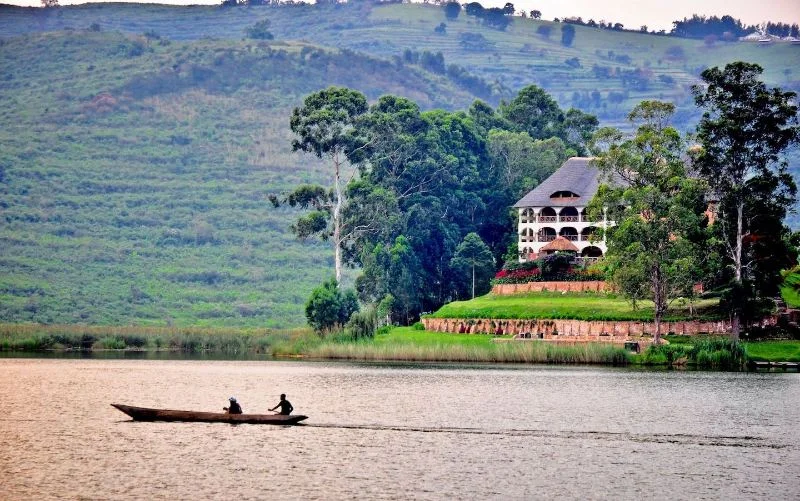
Lake Bunyonyi sits in the terraced hills of southwestern Uganda and is a favorite for travelers who want calm days and beautiful landscapes. The lake is high in altitude and dotted with 29 islands. It’s formed from volcanic activity long ago, and many visitors describe it as one of the most scenic water areas in the region.
One of the reasons people feel comfortable here is that Lake Bunyonyi is known for being safe for swimming and boating compared with some other nearby lakes. It’s also known for having fewer of the risks people worry about in parts of East Africa—so it’s a relaxing stop after trekking days.
Each island has its own story. For example, Akampene is sometimes referred to as “Punishment Island,” while Bwama Island is linked to a history of leprosy care in the past. Visitors can travel between islands using traditional canoes and visit communities such as the Bakiga and Batwa.
When is the best time for Uganda safari?
Best time for an Uganda safari is during the dry seasons: June–September and December–February. These months offer easier roads, clearer trails for gorilla trekking, and improved wildlife viewing. For fewer crowds and lush scenery, January is ideal. March–May can be great for birding and waterfalls, though roads may be muddy.
What to pack for Uganda safari?
Pack for comfort and safety: light layers, long trousers, comfortable walking shoes, rain jacket/poncho, sunscreen, and insect repellent. Bring a hat, binoculars, water bottle, and a small daypack. For gorilla trekking, include long sleeves, gloves, and waterproof bags. Don’t forget passport/permits and cash for services.
Booking Uganda safari with us Roads of Adventure Safaris
Booking your Uganda safari with Roads of Adventure Safaris ensures a smooth, well-organized experience. We help you plan the best parks for your interests—gorilla trekking, chimpanzees, safari game drives, and culture. From permits and transport to guided experiences, we tailor itineraries to your budget and travel style, giving you a safe, memorable journey across Uganda’s top destinations.
