The best time for a 10-day Uganda safari trip is during the dry seasons from June to August and December to February. During these months, there is less rain, making roads and trekking paths easier to navigate. Wildlife is also easier to spot as animals tend to gather around waterhole
Popular 10 Days Uganda safari tour packages
10-days-best-uganda-big-five-safaris-and-primate-experience
10-days-uganda-rwanda-primate-safari-vacation-and-game-drive-safari
10-days-uganda-safari-all-big-five-gorilla-and-chimpanzee-tracking-adventure
Benefits of traveling during the dry season
Easier Game Viewing
One of the significant benefits of traveling during the dry season on your 10 days Uganda safari trip is the ease of game viewing. During this time, animals congregate around limited water sources, making them easier to spot. As the vegetation thins out, it becomes less dense, providing clearer sightlines for wildlife enthusiasts. This is particularly advantageous in national parks such as Murchison Falls and Queen Elizabeth, where elephants, buffaloes, and other species can often be seen gathering near rivers and lakes.
This increased visibility means you can capture stunning photographs of animals in their natural habitats, enhancing your overall experience. Moreover, since many animals are more active during the dry season, you have better chances of witnessing exciting behaviors, such as hunting, grazing, or social interactions. Additionally, the dry season attracts a variety of migratory birds, enriching your birdwatching experience. Overall, the ease of game viewing during the dry season significantly enhances the quality of your 10 days Uganda safari trip, ensuring memorable encounters with Uganda's iconic wildlife.
Better Trekking Conditions
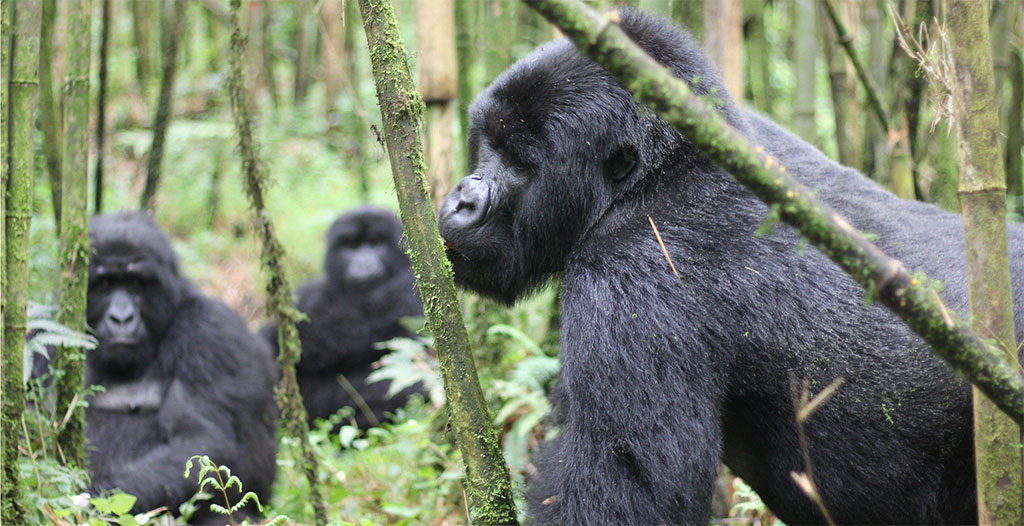
Traveling during the dry season also offers better trekking conditions for gorilla and chimpanzee trekking on your 10 days Uganda safari trip. The trails in national parks like Bwindi Impenetrable Forest and Kibale Forest become drier and less slippery, making hikes more manageable and enjoyable. This is especially important when trekking to see mountain gorillas, as the terrain can be challenging, with steep inclines and dense vegetation.
Dry trails mean you can focus more on the experience rather than navigating muddy paths, allowing for a more immersive adventure. Additionally, less rain reduces the likelihood of rain interruptions during your trek, giving you more time to spend with the gorillas or chimpanzees. The likelihood of encountering these incredible primates in their natural habitat is heightened in favorable conditions, making your trek even more rewarding.
Overall, trekking during the dry season enhances both safety and enjoyment, allowing you to fully appreciate the beauty of Uganda’s forests and the incredible wildlife they harbor during your 10 days Uganda safari trip.
Clearer Photography
Another advantage of traveling during the dry season on your 10 days Uganda safari trip is the opportunity for clearer photography. With less rainfall and drier conditions, the visibility and lighting are typically much better, allowing for vibrant and stunning images of Uganda’s diverse landscapes and wildlife. The absence of rain means you can capture animals in bright, natural light, making it easier to shoot high-quality photos without worrying about raindrops or overcast skies.
Moreover, the lush greenery of Uganda’s national parks stands out beautifully against the blue skies typical of the dry season, providing a picturesque backdrop for your wildlife encounters. Whether photographing the majestic mountain gorillas in Bwindi or the playful chimpanzees in Kibale, the clarity of the atmosphere enhances the overall quality of your images, making them more memorable.
For birdwatchers, this season also allows for better shots of the numerous bird species that inhabit Uganda, as they are often more active during dry conditions. In summary, clearer photography during the dry season greatly enriches your 10 days Uganda safari trip, enabling you to capture and cherish the beauty of Uganda’s wildlife and landscapes.
Wet Season (March to May and October to November)
Traveling during the wet season on your 10 days Uganda safari trip offers a unique set of considerations. This period, which spans from March to May and October to November, is considered the low season for tourism, meaning you’ll encounter fewer visitors and, often, lower prices for accommodations and activities. This can result in a more intimate experience with nature, as you’ll have the parks largely to yourself.
The landscape during this time is lush and green, creating stunning backdrops for photography and wildlife viewing. Many animals, particularly birds, are more active, making it an excellent time for birdwatching. However, the downside is that rain can complicate game drives and trekking. Trails may become muddy and slippery, making trekking to see gorillas and chimpanzees more challenging. Some roads in remote areas may also become impassable, affecting your travel plans. Ultimately, while there are advantages to visiting during the wet season, it’s essential to prepare for the potential challenges to fully enjoy your 10 days Uganda safari trip.
Year-Round Travel
One of the great aspects of a 10 days Uganda safari trip is that Uganda can be visited year-round. The tropical climate means that while rain is more likely during the wet seasons, it can still occur in the so-called "dry" months. This unpredictability means travelers should be prepared for varying weather conditions regardless of when they visit.
Year-round travel offers flexibility for those looking to avoid crowds, as the wet season typically sees fewer tourists. The lush, green landscapes during this time provide a beautiful setting for wildlife photography and exploration. Additionally, many species of animals, including migratory birds, thrive during the wet months, making it a good time for birdwatchers.
However, visitors should be aware that the weather can impact activities. Rain may lead to muddy trails and difficult conditions for trekking or game drives. Overall, whether you choose to travel during the wet or dry season, your 10 days Uganda safari trip promises unique experiences and opportunities for wildlife encounters.
When is the Best Time for Gorilla Trekking in Uganda
The best time for gorilla trekking in Uganda is during the dry seasons, which run from December to February and June to September. During these months, trails in Bwindi Impenetrable National Park are less muddy and more navigable, making the trek easier and more enjoyable. Additionally, dry weather increases the chances of clear visibility, allowing for better observation of the mountain gorillas. The dry season also coincides with the peak tourist period, meaning more trekkers are present, but the experience is well worth it due to the increased likelihood of successful encounters with these magnificent primates. Although gorilla trekking can occur year-round, scheduling your 10 days Uganda safari trip during these optimal months will enhance your experience, ensuring that you can fully appreciate the beauty of the forest and the thrill of meeting these incredible creatures in their natural habitat.
When is the Best Time for Chimpanzee Tracking in Uganda
The ideal time for chimpanzee tracking in Uganda is similar to gorilla trekking, with the best months being from December to February and June to September. These dry seasons provide favorable weather conditions, making trails in Kibale Forest National Park easier to navigate. During this time, the chances of spotting chimpanzees are higher, as they are more active and visible. The drier conditions also minimize the risk of slippery paths, allowing for a more enjoyable trekking experience. While chimpanzee tracking is possible throughout the year, the dry months are particularly popular due to the increased comfort and accessibility. Visitors should be prepared for sudden rain showers even in the dry season, so packing appropriate gear is essential. Ultimately, planning your chimpanzee tracking adventure during these peak months will increase your chances of memorable encounters during your 10 days Uganda safari trip.
What is the Best Time to Spot Wildlife on a Uganda Safari
The best time to spot wildlife on a Uganda safari is during the dry seasons, from December to February and June to September. During these months, animals congregate around water sources, which makes them easier to observe. The vegetation is also less dense, providing better visibility for game drives. This period coincides with the peak tourist season, offering excellent opportunities for wildlife photography and sightings of iconic species such as elephants, lions, and buffaloes.
However, the wet season, from March to May and October to November, also has its advantages. The lush green landscapes can enhance photography, and birdwatching is particularly rewarding due to increased migratory species. While wildlife may be less active during heavy rains, the overall experience can still be enriching. Ultimately, whether you choose to travel in the dry or wet season, careful planning will enhance your chances of enjoying a successful and memorable 10 days Uganda safari trip.
How to Plan a Uganda Safari Trip
Planning a 10 days Uganda safari trip involves several key steps to ensure a smooth and enjoyable experience. First, determine the duration and specific interests, whether it’s gorilla trekking, wildlife viewing, or cultural experiences. Research the best time to visit, focusing on the dry seasons for optimal wildlife encounters. Next, choose the national parks and activities that align with your interests, such as Murchison Falls for wildlife or Kibale for primates.
Booking accommodations is crucial; options range from budget lodges to luxury safari camps. Consider working with a reputable tour operator, like Roads of Adventure Safaris, to help with logistics and itineraries. They can assist with permits, transportation, and guided tours. Don’t forget to prepare necessary travel documents, including visas and vaccinations. Finally, make a packing list that includes appropriate clothing, gear for trekking, and essentials like sunscreen and insect repellent. With thorough planning, your 10 days Uganda safari trip will be a memorable adventure.
What to Pack for a Uganda Safari Trip
Packing for a 10 days Uganda safari trip requires careful consideration of the activities you’ll be participating in and the climate. Essential items include comfortable, lightweight clothing suited for both warm days and cooler evenings. Long-sleeved shirts and long pants are advisable to protect against sun and insects. A good pair of binoculars and a camera with ample storage will enhance your wildlife viewing and photography experiences.
Don’t forget a light rain jacket, as weather can be unpredictable, especially during the wet season. Sturdy hiking shoes are crucial for trekking activities, particularly when gorilla and chimpanzee tracking. Additionally, bring insect repellent to protect against bugs and sunscreen to shield your skin from the sun. A reusable water bottle is also important for staying hydrated. Lastly, make sure to pack any necessary medications and personal items. Being well-prepared will ensure a comfortable and enjoyable 10 days Uganda safari trip.
Booking a Uganda Safari Trip with Us at Roads of Adventure Safaris
Booking a 10 days Uganda safari trip with Roads of Adventure Safaris ensures a well-organized and enriching experience tailored to your interests. We specialize in creating customized itineraries that include gorilla trekking, chimpanzee tracking, and wildlife viewing across Uganda's stunning national parks. Our knowledgeable guides are experts in Ugandan wildlife and culture, providing valuable insights throughout your journey.
We handle all logistical details, including transportation, accommodations, and park entry permits, allowing you to focus on enjoying your adventure. Our commitment to sustainable tourism means that your travel will also support local communities and conservation efforts. With flexible options to suit various budgets, we strive to make your 10 days Uganda safari trip memorable and hassle-free. Contact us to start planning your adventure, and experience the best that Uganda has to offer.
