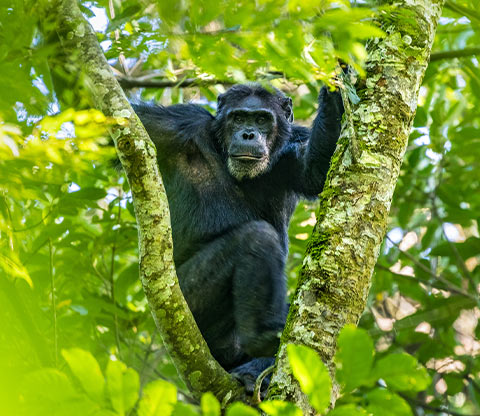
3-Day Nyungwe National Park tours in Rwanda typically focus on combining chimpanzee trekking with canopy walks, with packages ranging from budget to luxury based on accommodation and activity speed. Best options include quick chimpanzee/canopy combos, cultural-focused itineraries, nature-heavy hiking, and luxury, all starting from Kigali.
2-days-nyungwe-luxury-fly-in-to-trek-with-chimpanzee
2-days-nyungwe-chimpanzee-tracking-and-canopy-walk
3-days-luxury-honeymoon-chimpanzee-tracking-and-canopy-walk-in-nyungweb
3-days-budget-chimpanzee-tracking-in-nyungwe-forest-park
3-days-nyungwe-chimpanzee-tracking-and-lake-kivu-relaxation
3-days-best-rwanda-canopy-walk-and-nyungwe-chimpanzee-tracking-adventure
3-day-chimpanzee-trekking-tour-package-canopy-and-lake-kivu
4-days-nyungwe-chimpanzee-trekking-canopy-walk-and-lake-kivu-relaxation
3 days Classic Chimpanzee & Canopy Tour (Fast-Paced)
This three-day "Classic" circuit is meticulously designed for the spirited traveler who wishes to capture the quintessential essence of Nyungwe National Park within a focused timeframe. This 3 day itinerary bridges the gap between Rwanda's sophisticated urban energy and the primordial whispers of one of the world’s oldest montane rainforests. You will transition from the winding "thousand hills" of the countryside to the high-altitude ridges of the Albertine Rift, where biodiversity reaches its zenith. The journey centers on two of Africa’s most iconic wilderness experiences: an intimate dawn encounter with habituated chimpanzee communities and a thrilling walk across a suspension bridge high above the forest floor. By weaving in the emerald beauty of the Gisakura tea estates, this tour provides a sensory-rich overview of the region's natural wonders and agricultural heritage. It is a high-energy, high-reward expedition that ensures every moment in the "Land of a Thousand Hills" is spent in awe of its wild heart.
Day 1: The Scenic Gateway to the Southwest
Your adventure begins with a morning departure from Kigali, setting out on a picturesque five-to-six-hour drive that showcases the architectural beauty of Rwanda’s terraced agriculture. As you head southwest, the urban landscape gives way to endless rolling hills and vibrant trading centers. You may choose to stop in Huye for a cultural interlude at the Ethnographic Museum or enjoy a local lunch overlooking the valley. As you approach the borders of Nyungwe National Park, the air turns noticeably cooler and the vegetation becomes denser and more prehistoric. Upon arrival at your lodge, you will be greeted by the dramatic sight of the forest-draped ridges. The evening is yours to relax and prepare for the early start tomorrow, perhaps enjoying a cup of world-class Rwandan tea as the forest mist begins to roll over the canopy, signaling the start of your rainforest immersion.
Day 2: Primate Encounters & Aerial Horizons
Today is the pulse of your safari, beginning with a 5:00 AM briefing before you head into the deep woods. Whether tracking in the Uwinka sector or the lush Cyamudongo fragment, you will follow expert scouts to find our closest relatives—the chimpanzees. Spending an hour witnessing their complex social interactions and hearing their thunderous "pant-hoot" calls is a life-altering experience. After a midday break to refuel, the adrenaline continues with the Canopy Walkway. Suspended 70 meters above a deep, verdant ravine, this 160-meter bridge offers a spectacular "bird’s-eye" view of the ancient treetops. You’ll stand level with rare orchids and soaring turacos, gaining a true sense of the forest’s immense scale. It is a day of profound contrasts, moving from the shaded mysteries of the forest floor to the sun-drenched heights of the majestic canopy.
Day 3: Emerald Estates & The Journey Home
On your final morning, the pace softens as you visit the Gisakura Tea Estate, located on the fringes of the park. A guided walk through these meticulously manicured, bright-green fields offers a fascinating look at Rwanda’s "green gold." You will learn about the picking process and how the unique high-altitude climate contributes to the tea's renowned flavor, all while enjoying the sight of forest-dwelling monkeys that often frequent the estate's edges. Following this refreshing morning air, you will begin the return journey to Kigali. The drive back offers a final opportunity to admire the dramatic landscapes and perhaps pick up some local crafts along the way. You will arrive in the capital by late afternoon, perfectly timed for your evening flight or hotel drop-off, concluding a fast-paced but comprehensive odyssey through the most legendary rainforest in East Africa.
3 days Cultural & History Enrichment Tour
This three-day "Cultural & History Enrichment" itinerary is designed for the traveler who seeks to understand Rwanda’s soul through its storied past and its vibrant natural landscapes. The journey serves as a living bridge between the regal history of the Nyanza King’s Palace and the ancient biological wonders of Nyungwe National Park. By prioritizing stops at the country’s most prestigious museums and engaging in the "crop-to-cup" traditions of the Gisakaura Tea Estate, this tour offers a profound educational dimension to the traditional safari. You will witness the transition from the sophisticated courts of pre-colonial monarchy to the mist-covered ridges where our closest primate relatives reside. This circuit is more than a wildlife viewing opportunity; it is a deep dive into the traditions, archaeological treasures, and rural community life that define the "Land of a Thousand Hills," ensuring every mile traveled adds a layer of meaning to your Rwandan experience.
Day 1: The Road to the Royal Heart
Your journey begins with a morning pick-up in Kigali, heading south toward the historical and cultural center of Rwanda. Your first major stop is the King’s Palace Museum in Nyanza, a beautifully reconstructed beehive-shaped residence that offers an intimate look into the lives of the Rwandan monarchy. Here, you will encounter the Inyambo, the royal long-horned cattle, and learn about the traditional poems sung to them. After a midday break, continue to Huye to explore the Ethnographic Museum, widely considered one of Africa’s finest. Its seven galleries house a vast collection of archaeological artifacts, traditional clothing, and historical tools that provide a comprehensive overview of the region's social and cultural evolution. As the sun begins to set, you will complete the scenic drive into the cool, high-altitude air of Nyungwe, settling into your lodge for an evening of quiet reflection amidst the ancient woods.
Day 2: Primate Majesty & The Hanging Bridges
The second day shifts the focus to the raw beauty of the Albertine Rift, starting with an early morning chimpanzee trek. Following a 5:00 AM briefing, you will enter the forest to track one of the park’s two habituated groups. The thrill of hearing the first "pant-hoot" echoes through the mahogany trees is matched only by the sight of the chimps swinging through the high canopy or socializing on the forest floor. After returning to the lodge for a well-earned lunch and a brief rest, the afternoon is spent on the Canopy Walkway. This 160-meter-long suspension bridge hangs 70 meters above a lush ravine, offering a relaxed but exhilarating perspective of the forest. It is an ideal time for birdwatching and photography, as the afternoon light illuminates the emerald ridges and the distant peaks of the Congo-Nile Divide before you return for a peaceful evening at the lodge.
Day 3: Tea Traditions & The Return to Kigali
On your final day, you will immerse yourself in the agricultural heritage of the region with a visit to the Gisakura Tea Estate. Walking through the emerald-green rows of tea bushes, you will learn about the meticulous picking process and how the park’s unique microclimate produces some of Africa’s finest black teas. This community-focused experience often includes a traditional tea tasting, where you can savor the final product while learning about the estate’s role in supporting local livelihoods. Following this cultural immersion, you will begin the drive back toward Kigali. The return journey allows for a final appreciation of the terraced hillsides and vibrant roadside markets that characterize the Rwandan countryside. You will arrive back in the capital by late afternoon, carrying with you a holistic understanding of Rwanda’s royal history, its environmental treasures, and the industrious spirit of its people.
3 days Ultimate Primate & Nature Hike Experience
This "Ultimate Primate & Nature Hike" is a curated three-day odyssey designed for the active traveler who craves deep immersion in the rugged, untamed landscapes of the Albertine Rift. This itinerary moves beyond the traditional tourist path, focusing on the raw physical beauty and the profound silence of Nyungwe National Park. Your journey begins with a stop at the enigmatic Kamegeri Rock, a site steeped in local legend that serves as a gateway to the mysteries of the southwest. The heart of the experience lies in the high-stakes thrill of chimpanzee trekking, where the forest’s ancient rhythms dictate the pace of the day. The adventure reaches its crescendo with a dedicated hike through the park’s interior to witness its hidden aquatic wonders—the thundering Nyungwe waterfalls. This safari is an invitation to test your stamina against the forest’s steep ridges and be rewarded with unparalleled birdwatching opportunities and panoramic vistas that few ever witness.
Day 1: Legends of the Rock and the Forest Edge
Your expedition departs from Kigali in the morning, heading toward the verdant southwestern highlands. En route, you will visit the historic Kamegeri Rock (Urutare rwa Kamegeri) near Ruhango. This massive boulder is tied to a dramatic chapter of Rwanda’s royal history, and standing upon it offers a poignant connection to the folklore of the "Land of a Thousand Hills." After a local lunch, the drive continues as the road climbs into the high-altitude reaches of the Congo-Nile Divide. As the cultivated terraces give way to the towering hardwoods and giant ferns of Nyungwe National Park, you will feel the temperature drop and the air thicken with the scent of damp earth and moss. Upon arrival at your lodge, you’ll have the evening to prepare your gear and consult with your guides, enjoying a final moment of stillness before the physical challenges of the forest begin tomorrow.
Day 2: The Thrill of the Chimpanzee Chase
The day starts under the cover of darkness with a 5:00 AM briefing, as the forest’s nocturnal symphony begins to fade. You will join expert trackers and head into the deep foliage of either the Uwinka or Cyamudongo sectors. This is a high-energy pursuit; you will navigate steep, often slippery trails, following the distant, thunderous "pant-hoots" of the park’s habituated chimpanzee communities. The reward is a rare hour in the presence of these intelligent primates as they forage, play, and navigate the high canopy with effortless grace. After the trek, you return to the lodge for a well-earned late breakfast and a period of recovery. The afternoon is kept flexible for a gentle nature walk or birding along the lodge’s periphery, allowing your muscles to rest while you remain immersed in the sights of endemic turacos and playful blue monkeys.
Day 3: Waterfall Vistas & The Scenic Descent
Your final morning is dedicated to the Isumo Waterfall Trail, one of the park’s most visually stunning hiking routes. The trail winds through fragrant tea plantations before plunging into the cool, dark heart of the rainforest. As you descend into the ravine, the sound of rushing water grows until you reach the magnificent 25-meter cascade, surrounded by prehistoric tree ferns and mist-loving orchids. This is an elite birdwatching opportunity, as the spray and lush vegetation attract unique species like the Great Blue Turaco and the Ross's Turaco. After soaking in the primordial atmosphere of the falls, you will hike back to the trailhead for a final forest lunch. In the afternoon, you begin the return transfer to Kigali, winding back through the mountain passes and arriving in the capital by late evening, carrying the indelible spirit of Rwanda’s wild interior with you.
3 Days Short & Direct "Quick Fix" Trip (Best for Business/Short Time)
This "Quick Fix" three-day itinerary is the definitive choice for professionals, business travelers, or those on a tight schedule who refuse to leave Rwanda without witnessing its natural crown jewel. Designed for maximum efficiency, this route eliminates lengthy cultural detours to prioritize direct immersion into the heart of Nyungwe National Park. By synchronizing your arrival with the late afternoon mist, you experience the forest’s transition from day to dusk from the height of the Canopy Walkway, followed by the high-stakes adrenaline of chimpanzee trekking the very next morning. This safari provides a high-impact "reset" from the pace of the city, offering the profound silence and biological intensity of the Albertine Rift without the need for an extended leave of absence. It is a streamlined, expertly timed journey that ensures every hour away from Kigali is spent in the presence of Rwanda’s most extraordinary wildlife and landscapes.
Day 1: Kigali to the Clouds
Your expedition begins with an early morning departure from Kigali, heading southwest on a direct drive through the heart of the "Land of a Thousand Hills." With a focus on arrival time, you will navigate the winding mountain roads with efficiency, reaching the Uwinka Visitor Center in time for the 3:00 PM Canopy Walk departure. This timing is strategic; as the midday heat fades, the forest often comes alive with activity. You will walk 70 meters above the forest floor on the 160-meter-long suspension bridge, catching the golden afternoon light as it illuminates the ancient mahogany trees and distant ridges. After this exhilarating introduction to the park’s scale, you will transfer to your nearby lodge for a seamless check-in and dinner, falling asleep to the rhythmic sounds of the deep rainforest just hours after leaving the capital.
Day 2: The Chimpanzee Encounter
The second day is dedicated to the park’s most iconic residents. Following a 5:00 AM briefing, you will join expert trackers for an intensive morning of chimpanzee trekking. Because you have reached the forest edge early, you are perfectly positioned to enter the Uwinka or Cyamudongo sectors just as the primates begin their morning vocalizations. Following the echoes of "pant-hoots" through the foliage, you will spend a privileged hour observing a habituated community as they socialise and forage in the canopy. After the trek concludes around midday, the afternoon is reserved for pure relaxation at the lodge. This deliberate pause allows you to process the morning’s encounter, catch up on work if necessary, or simply enjoy the panoramic views of the forest-draped valleys, ensuring you are refreshed for the journey back.
Day 3: Morning Serenity & Return to Kigali
After a final breakfast overlooking the mist-filled ravines, you will begin the return journey to Kigali. Because the primary highlights were completed on the previous days, the drive back can be handled with a steady, direct pace, or you may choose a brief stop in Huye for a quick lunch. The route provides a final look at the vibrant agricultural life and terraced hills that define rural Rwanda. You will arrive back in the capital or be dropped off directly at Kigali International Airport by early afternoon, perfectly timed for evening flight departures or late-day meetings. This "Quick Fix" trip proves that even a brief window of time is enough to experience a life-changing connection with Rwanda’s wild heritage, leaving you with lasting memories of the primates and the primordial green of Nyungwe.
3 Days Luxury & Relaxation Experience (One&Only Focus)
This three-day "Luxury & Relaxation" retreat is designed for the discerning traveler who seeks a profound connection with nature without compromising on world-class refinement. The journey centers on the prestigious One&Only Nyungwe House, a sanctuary nestled within the emerald-green rows of a working tea plantation on the very edge of the rainforest. This itinerary transcends the traditional safari, blending the high-stakes adventure of chimpanzee tracking with the restorative power of high-altitude wellness and private, curated experiences. From the moment you arrive via private transfer, the focus shifts to a deliberate, soulful pace. Whether you are finding your center during a sunrise yoga session overlooking the mist-filled valley or surrendering to a spa treatment inspired by local botanicals, this experience is a celebration of Rwanda’s "Green Heart." It is an invitation to witness the raw majesty of the Albertine Rift while enveloped in an atmosphere of total tranquility and understated luxury.
Day 1: Arrival at the Emerald Estate
Your journey begins with a seamless private transfer from Kigali, winding through the spectacular terraced landscapes of the Rwandan highlands in a premium vehicle. As you approach the fringes of Nyungwe National Park, the scenery shifts into the vibrant, manicured beauty of the Gisakura tea plantations. Upon arrival at One&Only Nyungwe House, you will be greeted by the breathtaking sight of sleek, modern villas integrated into the ancient landscape. After a personalized check-in, the afternoon is dedicated to your well-being. You may choose to unwind with an evening spa session that utilizes indigenous ingredients or simply enjoy a signature cocktail on your private deck as the forest’s nocturnal chorus begins. The evening concludes with a gourmet dining experience featuring farm-to-table Rwandan flavors, providing a sophisticated prelude to the wilderness adventures that await you in the morning.
Day 2: Private Encounters and Soaring Heights
The morning is dedicated to an exclusive chimpanzee tracking experience. Guided by expert trackers, you will head into the misty forest interior to find one of the park’s habituated communities. Watching these intelligent primates from a respectful distance offers a rare window into the wild, made even more comfortable by the premium service and expert insights of your dedicated guides. After returning to the lodge for a refined lunch and a period of relaxation among the tea trees, the afternoon features a private canopy walk. You will traverse the 160-meter-long suspension bridge 70 meters above the forest floor, enjoying a tranquil "bird’s-eye" view of the mahogany canopy without the rush of larger groups. As the sun begins to set over the Congo-Nile Divide, you return to the sanctuary of the lodge for an evening of fireside relaxation and world-class hospitality.
Day 3: Morning Mindfulness and the Scenic Return
Your final day begins with a sense of total serenity. You may opt for an early morning yoga session on a pavilion overlooking the forest-draped ridges or join a light, guided nature walk along the lodge’s private trails to spot L’Hoest’s monkeys and vibrant turacos. Following a leisurely, multi-course breakfast, you will have a final opportunity to soak in the panoramic views of the emerald estate before your high-end transport arrives. The return journey to Kigali is handled with the same attention to detail and comfort as your arrival, allowing you to reflect on the profound beauty of the rainforest while passing through the picturesque mountain villages of the southwest. You will arrive back in the capital or at the airport by late afternoon, carrying with you the restorative energy of the forest and memories of a truly elevated Rwandan odyssey.
1. What is the best itinerary for a 3-day Nyungwe tour?
The most highly-rated 3-day itinerary is a "Classic Highlights" circuit that balances Rwanda’s rich cultural history with its intense natural beauty. Day One typically begins with an early departure from Kigali, heading south. To break up the five-to-six-hour drive, a stop is usually made in Huye (formerly Butare) to visit the Ethnographic Museum. This world-class institution provides vital context regarding Rwanda’s social and cultural evolution, making the subsequent entry into the ancient forest feel more profound. After a local lunch, the drive continues into the high-altitude reaches of Nyungwe, where you check into your lodge as the evening mist settles over the ridges.
Day Two is the core of the adventure, requiring a 5:00 AM start. The morning is dedicated to chimpanzee tracking in either the Uwinka or Cyamudongo sectors. Following the vocalizations of our closest relatives through the canopy is an exhilarating physical and sensory experience. After returning for a midday rest, the afternoon features the Canopy Walkway. Suspended 70 meters above a deep ravine, this experience offers a "bird’s-eye view" of the rainforest that is completely different from the shaded perspective of the morning trek. Day Three focuses on the emerald-green Gisakura Tea Estate. A morning walk through the plantations allows you to learn about Rwanda’s "green gold" and spot forest-edge primates like L’Hoest’s monkeys before beginning the return journey to Kigali. This structure is favored because it maximizes wildlife viewing while ensuring you experience the diverse landscapes of the southern province, from royal heritage sites to primordial woods.
2. Which activities are included in standard packages?
Standard 3-day Nyungwe packages are designed to be "turnkey" experiences, ensuring that all logistics in this remote region are handled by experts. The primary inclusion is always chimpanzee tracking, which covers the mandatory permit, the services of Rwanda Development Board (RDB) rangers, and expert trackers who head into the forest ahead of the group to locate the primates. Additionally, standard packages include the Canopy Walkway adventure, a guided excursion that remains one of the most sought-after experiences in East Africa. These two activities form the "must-see" pillars of any short-duration visit to the southwest.
Beyond the activities themselves, a standard package includes transportation in a 4x4 safari vehicle. Given the winding, mountainous terrain of the Congo-Nile Divide, a robust vehicle and a professional English-speaking driver-guide are essential for both safety and comfort. Your guide serves as more than just a driver; they are often skilled at spotting roadside primates and birds that an untrained eye might miss. The package typically covers two nights of accommodation and all meals (breakfast, lunch, and dinner). Most operators also include bottled water throughout the journey and park entrance fees. It is important to note that while the "heavy lifting" of the trip is covered, standard packages usually exclude personal items such as tips for porters and guides, alcoholic beverages, and travel insurance. By bundling these core elements, standard packages allow travelers to focus entirely on the immersive beauty of the rainforest rather than the complexities of mountain logistics.
3. What is the difference between budget and luxury packages?
The distinction between budget and luxury packages in Nyungwe is defined primarily by the exclusivity of the experience and the standard of accommodation. Budget packages are tailored for the cost-conscious adventurer or backpacker. These typically utilize the Gisakura Guest House or similar modest lodges located just outside the park boundaries. While clean and welcoming, these options offer basic amenities, communal or simple private bathrooms, and standard local meals. Transportation in budget tiers might involve a well-maintained but older safari van, and groups are often larger, though the core wildlife experiences—the chimp trek and canopy walk—remain identical to luxury tiers because they are managed by the park authorities.
Luxury packages, by contrast, focus on the One&Only Nyungwe House or high-end boutique lodges like Nyungwe Top View Hill Hotel. A stay at the One&Only is a world-class experience where guests stay in private villas nestled within tea plantations, featuring high-end amenities like heated infinity pools, spa treatments inspired by forest botanicals, and gourmet "farm-to-table" dining. Luxury transfers are conducted in premium, late-model 4x4 Land Cruisers with enhanced suspension and air conditioning. Furthermore, luxury packages often provide a higher degree of private guiding, where the driver-guide is exclusively at your disposal for customized stops. While a budget traveler enjoys the thrill of the forest from a functional base, a luxury traveler experiences the rainforest as a refined retreat, where the physical demands of the trek are balanced by total evening relaxation and personalized service that anticipates every need.
4. Can I combine a Nyungwe tour with a Lake Kivu experience?
Yes, combining Nyungwe with Lake Kivu is one of the most popular ways to enhance a 3-day or 4-day itinerary, as it provides a refreshing "water and woods" contrast. Because Nyungwe National Park is located just an hour's drive from the lakeside town of Cyangugu (Rusizi), it is geographically seamless to incorporate the lake into your return journey. Many travelers opt to spend their final night or a portion of their third day on the shores of Lake Kivu, which is one of Africa’s Great Lakes and is famous for its emerald-green islands and "singing fishermen."
A common addition is a boat trip to Napoleon Island, named for its shape resembling the emperor’s hat. The island is home to a massive colony of fruit bats, and a short hike to its summit offers breathtaking panoramic views across the water toward the mountains of the Democratic Republic of the Congo. This blend of nature allows you to go from the dense, humid interior of a montane rainforest to the cool, breezy expanse of the lake in a single afternoon. Adding Lake Kivu also softens the long drive back to Kigali. Instead of a direct six-hour return, you can enjoy a morning boat cruise or a swim in the bilharzia-free waters before heading back to the capital. This combination is particularly recommended for those who find the physical intensity of two days of forest hiking a bit draining; the serenity of the lake acts as the perfect restorative finish to a high-energy primate safari.
5. How far is Nyungwe Forest from Kigali?
Nyungwe National Park is located approximately 225 kilometers (about 140 miles) southwest of Kigali. While this distance might seem short by international standards, the transit time is significant due to the country’s dramatic "thousand hills" topography. A direct drive typically takes between 5 and 6 hours. The route follows the main tarmac road through the southern province, passing through major towns like Muhanga, Ruhango, and Huye. The road is well-maintained but characterized by continuous curves, steep inclines, and speed limits designed to protect the many pedestrians and cyclists who use the road shoulders in this densely populated country.
The journey is far from a "wasted" day, as it serves as a scenic introduction to Rwandan life. You will see vibrant local markets, meticulously terraced hillsides that resemble green staircases, and traditional brick-making kilns. As you cross the Congo-Nile Divide, the landscape transforms from cultivated farmland into the dark, towering silhouettes of the ancient rainforest. For those who wish to avoid the long drive, there is the option of a 30-minute domestic flight from Kigali International Airport to Kamembe Airport in Rusizi. From Kamembe, the park’s western entrance at Gisakura is only a 45-minute drive away. However, most safari-goers prefer the road trip at least once, as it allows for the essential cultural stops at the Nyanza King's Palace or the Huye Ethnographic Museum, which are bypassed if you choose the aerial route.
6. Is the Canopy Walk included in the Chimpanzee tracking permit?
No, the Canopy Walkway is a separate activity and is not included in the price of a chimpanzee tracking permit. In Rwanda’s national park system, each specialized activity requires its own specific permit and fee. The chimpanzee tracking permit covers the specific logistics of locating and spending one hour with the habituated primate groups, including the essential trackers and armed park rangers who accompany you for safety. The Canopy Walk permit, however, covers the guided hike along the Igishigishi Trail and access to the 160-meter-long suspension bridge system managed by the Rwanda Development Board.
When booking a 3-day tour, it is vital to ensure your operator has secured both permits in advance. Because both activities have strictly limited daily capacities to prevent overcrowding and environmental stress, they often sell out independently. Usually, the Canopy Walk is scheduled for the afternoon of Day Two, following the morning chimp trek. This separation allows the park to manage the flow of visitors at the Uwinka Visitor Center effectively. While they are separate costs, they are highly complementary; the chimp trek is a "ground-level" immersive experience focused on a specific species, while the Canopy Walk is a "landscape-level" experience focused on the forest's architecture and avian life. Bundling them in your itinerary ensures you see the rainforest from every possible angle, from the root-tangled floor to the sun-drenched emerging canopy.
7. When is the best time for chimpanzee trekking in Nyungwe?
While Nyungwe is an evergreen rainforest and can be visited year-round, the dry seasons—from June to September and December to February—are widely considered the best times for chimpanzee trekking. During these months, the forest trails are significantly less muddy and slippery. Given that Nyungwe is characterized by steep ridges and deep valleys, the improved traction makes the physical aspect of the trek much more manageable and safer for visitors. Furthermore, the reduced rainfall often means the canopy is slightly less dense, which can improve visibility when trying to spot chimps moving high in the mahogany trees.
However, the "wet seasons" (March to May and October to November) have a distinct advantage: food availability. During the rains, many of the forest’s wild fruit trees ripen, which often keeps the chimpanzee groups in lower, more accessible elevations as they congregate around these food sources. In the dry season, chimps may wander much further and higher into the interior in search of water and specific fruits, sometimes making the treks longer and more strenuous. For photographers, the misty, atmospheric light of the rainy season creates a stunning, primordial look, though it requires high-quality waterproof gear for both the hiker and the camera. Ultimately, if you prefer easier hiking conditions, stick to the dry months; if you are an experienced hiker looking for a more "lush" atmosphere and potentially shorter (though muddier) treks, the shoulder seasons can be equally rewarding.
8. What should I pack for a 3-day Nyungwe safari?
Packing for Nyungwe requires a focus on protection and practicality. The most important item is a pair of sturdy hiking boots with deep tread and good ankle support; the trails are often wet and uneven, and standard sneakers will not provide the necessary grip. You should pack long-sleeved shirts and long trousers made of lightweight, breathable material. This is not just for the cool mountain air, but to protect your skin from stinging nettles, thorny branches, and biting insects. It is a common "pro-tip" to tuck your trousers into your socks to prevent safari ants from crawling up your legs during the trek.
A lightweight, high-quality raincoat or poncho is mandatory, regardless of the season, as downpours can occur at any time in the rainforest. A small waterproof daypack is essential for carrying your water (at least 2 liters), packed lunch, and camera gear. Speaking of cameras, bring a lens with a good zoom, as chimps are often high in the canopy, but remember that flash is strictly forbidden. Other essentials include a wide-brimmed hat, insect repellent with DEET, and a pair of lightweight gardening gloves, which are incredibly helpful for gripping wet vines or branches when navigating steep slopes. Finally, consider bringing a pair of binoculars; Nyungwe is a world-class birding destination, and you will often spot stunning turacos or hornbills while waiting for the chimpanzees to move into a better viewing position.
9. Are there other primates to see besides chimpanzees?
Nyungwe National Park is often called a "Primate Capital" because it hosts 13 different species, making it one of the most biodiverse primate sanctuaries in Africa. While the chimpanzees are the primary draw, you are very likely to encounter several other species during your treks. The most famous "secondary" sighting is the Ruwenzori colobus monkey. In Nyungwe, these monkeys form massive "supergroups" that can number up to 400 individuals—one of the largest arboreal primate groupings in the world. Seeing a "waterfall" of black-and-white fur moving through the green canopy is a visual spectacle that rivals the chimp encounter itself.
Other species frequently seen along the trails or even from the lodge balconies include the L’Hoest’s monkey, which is endemic to the Albertine Rift and easily identified by its white "beard" and chestnut back. You might also spot grey-cheeked mangabeys, blue monkeys, red-tailed monkeys, and vervet monkeys. For the truly dedicated nature lover, the park is home to rarer species like the owl-faced monkey and the golden monkey, though these are much harder to find. Even if the chimpanzees are being elusive on a particular day, the sheer density of other primates ensures that you are almost never alone in the forest. Your guide will help identify the different calls and rustles in the leaves, turning every hike into a masterclass in primate social behavior and forest ecology.
10. What is the "Tea Plantation Tour" in the itinerary?
The Tea Plantation Tour is a relaxing, sensory-focused activity that typically takes place on the fringes of the park in the Gisakaura sector. The highlands surrounding Nyungwe provide the perfect acidic soil and cool, misty climate for growing high-quality black tea, which is one of Rwanda’s most important exports. These estates create a stunning visual contrast to the wild, tangled rainforest—the tea bushes are meticulously pruned into a vast, undulating emerald-green carpet that follows the contours of the hills.
During the tour, you will walk through the rows of tea with a local guide who explains the "crop-to-cup" process. You’ll see the "tea pickers"—often local community members—skilfully harvesting the top two leaves and a bud. The experience often includes a visit to the Gisakura Tea Factory, where you can see the withering, fermenting, and drying processes that transform the green leaves into the aromatic black tea found in markets worldwide. The tour usually concludes with a tasting session, allowing you to sample the fresh brew while enjoying views of the forest edge. This activity is highly valued because it provides a bridge between the "wild" park and the "human" landscape, showing how the local community lives in harmony with the forest. It is also a great time to spot L’Hoest’s monkeys, which often emerge from the woods to play among the tea bushes.
11. Is a 3-day, 2-night trip enough to see everything?
A 3-day, 2-night trip is sufficient to see the core highlights of Nyungwe—specifically the chimpanzees and the Canopy Walk—but it is a fast-paced and physically demanding itinerary. Because the drive from Kigali takes up most of Day One and the return takes up Day Three, you essentially have one full "active" day in the park. This leaves little room for error if the weather is exceptionally poor or if the chimpanzees prove difficult to track on that specific morning. It also means you will likely miss out on some of the park’s deeper secrets, such as the Isumo Waterfall hike or dedicated birding trails.
If you are a deep nature enthusiast, a birder, or someone who prefers a more relaxed pace, a 4-day itinerary is often recommended. An extra day allows you to spread out the physical exertion, perhaps tracking the Colobus monkeys on a separate morning or taking a guided night walk to find nocturnal primates like pottos and bushbabies. However, for most general travelers or those on a tight schedule, the 3-day "Quick Fix" is the standard for a reason: it captures the two "bucket list" items effectively. To make the most of a 3-day trip, it is vital to be in reasonably good physical condition and to ensure your logistics (permits and transport) are handled by a professional operator to avoid any delays that could eat into your limited time in the forest.
12. Can I visit the King's Palace Museum on this trip?
Yes, visiting the King’s Palace Museum (Urukari) in Nyanza is a standard and highly recommended inclusion for the first day of a Nyungwe tour. Since Nyanza is located directly on the main road between Kigali and the forest, it serves as the perfect mid-way stopping point. The museum is a meticulously maintained reconstruction of a 19th-century royal residence, designed in the traditional "beehive" style with intricate thatch work. It offers a fascinating window into pre-colonial Rwandan society, showcasing the architectural brilliance and social hierarchy of the monarchy.
The highlight for many visitors is the presence of the Inyambo cattle. These are sacred, long-horned cows descended from the king’s herd. They are remarkably calm and are tended to by traditional keepers who sing to them—a practice that has been maintained for centuries. Beyond the traditional palace, the site also includes a more modern, European-style residence built for King Mutara III Rudahigwa in the 1930s, offering a look at the transition into the colonial era. Including this stop adds a vital "human" dimension to your safari; by the time you reach the ancient trees of Nyungwe, you will have a better understanding of the people and the history that have shaped this landscape. It turns a long drive into a cultural journey, ensuring your 3-day tour is as intellectually stimulating as it is adventurous.
13. What is the maximum age for chimpanzee tracking?
There is no official maximum age for chimpanzee tracking in Nyungwe National Park. The park welcomes travelers of all ages, provided they are in good health and have a reasonable level of physical fitness. However, it is important to be realistic about the terrain. Nyungwe is a high-altitude montane rainforest (elevations range from 1,600 to 2,900 meters) with steep, muddy slopes and thick undergrowth. The trek to find the chimps can last anywhere from two to five hours and involves significant climbing and descending. For seniors or those with mobility concerns, the physical exertion can be a challenge.
To assist older travelers or those with physical limitations, the park highly recommends hiring a porter. For a small fee (approx. $10–$15), a porter will carry your daypack and, more importantly, provide a steadying hand or a "push" on slippery sections of the trail. For those who feel the deep-forest trek might be too much, the Canopy Walkway is often a more accessible alternative, as the trail leading to it (Igishigishi) is well-maintained, though it still has some inclines. On the other end of the spectrum, the minimum age for chimp tracking is 15 years, a rule strictly enforced by the Rwanda Development Board to protect the primates from childhood diseases and to ensure that all participants can follow safety protocols during an encounter with wild animals.
14. What are the best options for accommodation?
Accommodation at Nyungwe is strategically located near the park's main visitor centers (Uwinka and Gisakura) and ranges from basic to ultra-luxury. For luxury seekers, the One&Only Nyungwe House is the undisputed top choice. Located on a working tea plantation, it offers a "once-in-a-lifetime" experience with private decks, high-end dining, and spa facilities. It is designed for those who want to experience the wildness of the forest from a base of absolute comfort and elegance.
For mid-range travelers, the Nyungwe Top View Hill Hotel is the most popular option. As the name suggests, it sits atop a high ridge and offers staggering 360-degree views of the rainforest and Lake Kivu. The rooms are large, circular stone cottages with fireplaces—essential for the chilly mountain nights—and the service is warm and professional. For budget-conscious travelers, the Gisakura Guest House is the standard choice. It is located very close to the park entrance and the tea estates, making it incredibly convenient for early-morning treks. While the rooms are basic, it is a clean and safe base used by many researchers and budget tour groups. Recently, several new boutique guesthouses and eco-lodges have also opened in the region, providing more "mid-budget" options that feature modern amenities and great views at a more accessible price point than the luxury tier.
15. Can I start the 3-day tour from Huye instead of Kigali?
Yes, starting your 3-day tour from Huye (Butare) is an excellent logistical choice, especially if you are already in the southern part of the country for business or other travels. Huye is located about two to three hours closer to Nyungwe than Kigali. By starting there, you significantly reduce the driving time on your first day, allowing for a much more relaxed entry into the park. This often means you can fit in a midday canopy walk or a nature trail on Day One that would be impossible if you were coming all the way from the capital.
Starting from Huye also allows you to spend more time at the Ethnographic Museum or visit the nearby University of Rwanda campus and the local cathedral before heading to the forest. Many tour operators are flexible with pick-up locations and can easily arrange to meet you at a hotel in Huye. This approach is particularly popular for "slow travelers" who might spend a night in Huye to soak in the town’s intellectual and historical atmosphere before plunging into the wilderness of the Albertine Rift. It essentially turns a "fast-paced" 3-day trip into a more "deliberate" one, as you’ve already bypassed the longest leg of the journey from Kigali, giving you more daylight hours to enjoy the actual sights and sounds of the rainforest.
Booking 3 Days Nyungwe with us Roads of Adventure safaris
To book your 3-day Nyungwe safari with Roads of Adventure Safaris, you can contact them directly through their enquiry page, via email at info@roadsofadventuresafaris.com, or by calling/WhatsApp at +256 701041637
