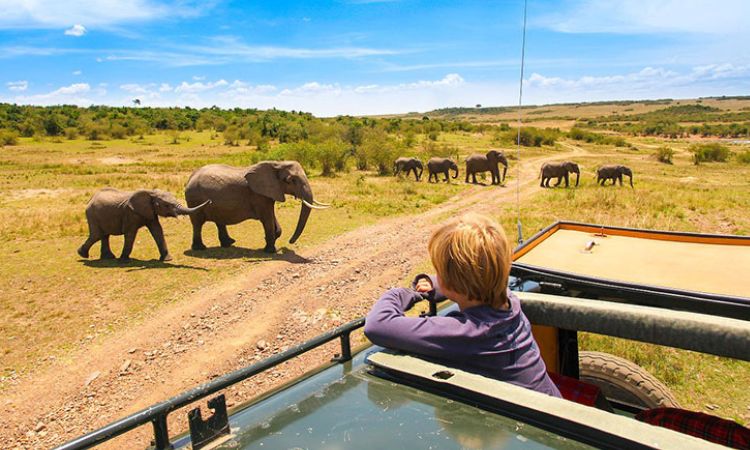
If you are dreaming of the ultimate African adventure, a 5-day Africa safari in Kenya strikes the absolute perfect balance between wild action and serene landscapes. This classic route masterfully weaves the iconic, predator-packed savanna of the Masai Mara together with the breathtaking Great Rift Valley lakes, Nakuru and Naivasha. By opting for a private, all-inclusive tour in a robust 4x4 Land Cruiser with a dedicated driver-guide, you swap all the logistical stress of African travel for pure, unadulterated exploration. You won't just be standard tourists watching wildlife through a glass window; instead, you will live and breathe the rhythms of the bush, traveling with an expert who knows exactly how to avoid the crowds, track elusive leopards, and introduce you to the warm, living culture of East Africa. It is a compact yet profoundly moving journey that proves you can witness the absolute best of Kenya’s natural wonders in under a week.
5-days-masai-mara-safari-lake-nakuru-and-hells-gate-national-park-kenya-tour
5-days-best-northern-circuit-kenya-wildlife-safari-less-explored-destinations
5-day-kenya-tanzania-safari-tour-from-masai-mara-to-serengeti-and-ngorongoro-crater
5-days-mombasa-beach-holidays-and-zanzibar-beach-holiday-tour-combo
5-days-kenya-safari-holiday-to-diani-beach-kenya-beach-holiday
5-day-best-luxury-kenya-safari-to-amboseli-lake-nakuru-and-maasai-mara-safari-tour
5-days-best-of-kenya-wildlife-safari-to-masai-mara-lake-nakuru-and-amboseli-national-park
5-days-best-of-amboseli-tsavo-and-mombasa-beach-holidays
5-days-masai-mara-safari-tour-to-zanzibar-beach-vacation-tour
Your Ultimate 5-Day Africa Safari in Kenya
Day 1: Nairobi to Masai Mara
Your adventure kicks off the moment you touch down at Jomo Kenyatta International Airport or get picked up from your Nairobi hotel. You will embark on a scenic 5-to-6-hour drive, descending into the breathtaking Great Rift Valley, or choose a quick 45-minute flight to a dusty bush airstrip. The human excitement builds as you arrive at your lodge just in time for an afternoon game drive. For example, as the harsh midday sun dips, predators shake off their lethargy; this is your first real chance to spot massive prides of lions waking up to hunt or elephants silhouetted against the iconic, golden East African sunset.
Day 2: The Magic of the Masai Mara
Spend a thrilling, full day completely immersed in the legendary Masai Mara plains, charting a course along the winding Mara River. If you travel during the peak migration months between July and October, your driver-guide can position your Land Cruiser right near key river crossing points to witness the raw drama of thousands of wildebeests braving the waters. You can beautifully round out the day by visiting an authentic, local Maasai village (manyatta), where you can jump alongside the warriors, tour their traditional mud-walled homes, and directly support the community through their handmade beadwork.
Day 3: Masai Mara to Lake Nakuru
Bid farewell to the Mara savanna and take a 5-hour drive north to Lake Nakuru National Park, an incredibly unique sanctuary famed for its compact size and dense wildlife population. The human connection here is deeply rooted in conservation success, as this park serves as a heavily guarded stronghold for endangered species. You will explore the fever-tree forests and alkaline shores, which act as a vital habitat for both black and white rhinoceroses. It is common to spot an elusive leopard resting in an acacia tree or a striking pink line of thousands of lesser flamingos feeding along the shallow water's edge.
Day 4: Lake Nakuru to Lake Naivasha
After breakfast, a quick, easy 1-hour drive brings you to the tranquil shores of Lake Naivasha, Kenya’s highest Great Rift Valley lake. The pace transitions beautifully from dusty game drives to a peaceful, open-air boat safari, where you will glide past massive pods of yawning hippos and watch African fish eagles swoop down to catch fish. The highlight of the day is landing on Crescent Island Game Sanctuary for a guided walking safari. Because there are no predators on the island, you can experience the thrilling, grounding sensation of walking on foot alongside wild giraffes, zebras, and waterbucks.
Day 5: Lake Naivasha to Nairobi
Your final morning invites you to soak in the last peaceful moments of the Rift Valley with an optional early morning nature walk or a relaxed breakfast overlooking the lake. You will then make the comfortable 2-to-3-hour drive back into the bustling capital of Nairobi. Your guide will drop you off for a celebratory, farewell lunch at a local hotspot—like the famous Carnivore Restaurant—where you can toast to your incredible journey before heading to the airport for your flight home, concluding an unforgettable Africa safari in Kenya.
How do I choose between luxury lodges and budget camps?
Planning your stay is all about balancing your personal comfort style with the raw emotion of the bush. If you lean toward absolute indulgence, luxury options like Angama Mara treat you to fine dining, private plunge pools, and floor-to-ceiling glass walls where you can watch elephants glide across the plains from your bed. On the flip side, budget-friendly choices like Talek Bush Camp offer a rustic, beautifully authentic charm that strips away the glitz to focus on the soul of the wilderness. Instead of marble bathrooms, you get cozy canvas walls, hot bucket showers, and the unmatched joy of swapping stories with local guides around a crackling campfire. Both styles bring you front-row seats to the wildlife, so your decision really rests on whether you want to unwind in a high-end, resort-style sanctuary or drift off to sleep listening to the unfiltered chorus of howling hyenas and grunting hippos right outside your canvas zip-up door.
What should I pack for a classic Kenyan safari?
Packing for the savanna is an art form that requires you to prioritize comfort, practicality, and the unpredictable rhythms of nature. The golden rule is to dress in breathable, lightweight layers because a typical day transitions rapidly from shivering dawn game drives to sweltering midday heat. You will want to leave bright whites and dark blues at home—whites instantly get ruined by the swirling red dust of the roads, and dark blues notoriously attract pesky tsetse flies. Instead, pack neutral earth tones like khakis, olives, and tans that help you blend seamlessly into the brush. Make sure to throw in a sturdy pair of closed-toe walking shoes for guided bush walks, a wide-brimmed hat to shield your eyes from the equatorial sun, high-factor sunscreen, and a reliable power bank to keep your camera charged. Most importantly, bring a quality pair of binoculars; having your own lens means you won't miss the subtle twitch of a leopard's tail hidden deep within an acacia tree.
Is it safe to travel with young children on safari?
Taking your little ones out into the wild can be an incredibly rewarding, core-memory-building experience, provided you choose the right properties and maintain a flexible mindset. Many family-oriented properties, like Mara Intrepids Tented Camp, are fully enclosed by 24-hour electric fences to keep large wildlife out, and they even host specialized kids' clubs where local Maasai guides teach children bush survival skills and traditional archery. When traveling with kids, it is best to avoid exhausting, marathon game drives; instead, look for lodges with swimming pools where they can burn off energy during the hot afternoon hours. You should also consider booking a private 4x4 vehicle so you have the freedom to head back to camp the moment a toddler meltdown strikes without worrying about disrupting other travelers. As long as you follow your guide’s safety rules, stay inside the vehicle, and pack plenty of familiar snacks, a family safari can transform into a beautiful, real-world classroom.
When can I see the legendary Great Migration crossings?
If your lifelong dream is to witness the thundering drama of millions of wildebeests and zebras braving the crocodile-infested waters, you need to target the dry winter months between July and October. This is the peak window when the massive herds completely blank the golden plains of the Masai Mara after journeying north from the Serengeti. The river crossings themselves are the ultimate test of patience; you might sit in your vehicle along the banks of the Mara River for hours, watching a nervous herd gather on the ridge, waiting for one brave leader to make the initial leap. It is a raw, heart-pounding spectacle of nature that requires a bit of luck and a highly skilled driver-guide who knows how to read the animals' behavior. Because this is the most famous wildlife show on earth, the main reserve gets incredibly busy, making it essential to book your accommodations up to a year in advance to secure a prime spot.
Why should I choose a private 4x4 Land Cruiser safari?
Stepping into your own private 4x4 Land Cruiser completely changes the dynamic of your trip, upgrading it from a standard, rigid tour into a deeply personalized, unhurried adventure. Kenya's dirt roads can be notoriously bumpy and unforgiving, and the heavy-duty suspension, high clearance, and customized pop-up roof of a classic safari vehicle make a massive difference in your physical comfort. Traveling privately means you are the absolute boss of your itinerary; if you want to spend three straight hours sitting quietly in a valley watching a cheetah teach her playful cubs how to stalk prey, you can do exactly that without anyone else complaining. You get to build a beautiful, personal connection with your dedicated driver-guide, who will quickly learn your specific interests, whether you are a die-hard birdwatcher or a photographer chasing the perfect morning light, ensuring every single detour is tailored precisely to your dreams.
How do private conservancies differ from the main reserve?
The choice between the public reserve and a private conservancy comes down to how much you value personal space and exclusive freedom. The national reserve is open to the general public, meaning that when a rare animal like a leopard is spotted, dozens of minivans can quickly swarm the area, creating noisy tourist traffic jams. Private conservancies, like Mara North or Naboisho, are privately leased from Maasai landowners and strictly limit the number of guest beds and vehicles allowed on the land. This low-density model ensures you can enjoy rare wildlife viewings in total, breathtaking solitude. Furthermore, because conservancies operate outside the strict national park regulations, they allow you to experience thrilling adventures that are banned in the main reserve. You can head out on night game drives to watch predators hunt under the stars, go off-road to trail elusive animals through the thick brush, and embark on intimate walking safaris.
What wildlife can I expect to see at Lake Nakuru?
Lake Nakuru National Park is a jewel of the Great Rift Valley that offers an incredibly compact, diverse wildlife experience that contrasts beautifully with the wide-open plains of the Mara. The park is world-renowned as a heavily fortified sanctuary for endangered species, making it one of the absolute best places in East Africa to spot both prehistoric-looking black rhinoceroses and massive white rhinoceroses grazing along the lakeshore. As you drive through the park’s enchanting, yellow-barked fever-tree forests, you will want to keep your eyes trained upward; these specific branches are a favorite resting spot for territorial leopards. The lake's alkaline waters also host a spectacular array of birdlife, where you can watch thousands of pink flamingos shifting like a living ribbon along the water’s edge, alongside majestic African fish eagles and pelicans, creating a paradise for photographers looking to capture rich colors and diverse species in a single day.
What makes a guided walking safari so incredibly special?
Stepping out of the safety of a steel safari vehicle and placing your boots directly onto the African soil is a profoundly humbling experience that awakens all of your senses. Led by a trained Maasai warrior who carries a wealth of generational knowledge, a walking safari allows you to slow down and appreciate the intricate, hidden details of the bush that you would completely miss from a car window. You will learn how to read the text of the earth—identifying the fresh footprint of a passing hyena, decoding the warning calls of local birds, and discovering how native plants are used for traditional medicine. There is an undeniable, heart-racing thrill to walking through a landscape where wild animals roam completely free, turning a simple stroll into a deeply grounding connection with nature that reminds you just how beautiful it is to coexist with the wild.
How much tipping is expected for my safari driver guide?
Tipping is a deeply ingrained and warmly appreciated part of safari culture across East Africa, serving as a direct way to thank the hardworking individuals who keep you safe and comfortable. Your driver-guide is your teacher, protector, and constant companion throughout your journey, often working grueling 14-hour days to track down elusive wildlife and navigate difficult terrain. The standard custom is to tip your guide roughly $10 to $20 USD per day, presented in a sealed envelope at the very end of your trip. For the indoor lodge staff—including the chefs, housekeepers, and watchmen who work tirelessly behind the scenes—most properties provide a communal "staff tip box" located in the main reception area, where contributing $5 to $10 USD per day is a wonderful way to ensure your gratitude is shared equally among the entire team.
Can I visit an authentic Maasai village during my trip?
Visiting a traditional Maasai manyatta is a beautiful, eye-opening cultural exchange that allows you to step directly into a lifestyle that has coexisted harmoniously with wildlife for centuries. When you enter the circular mud-walled village, you are typically welcomed by a vibrant display of traditional singing and the famous adumu jumping dance, where young warriors showcase their strength. You will get to tour their homes, learn how they start fires using simple sticks, and chat with community elders about their pastoral customs. To ensure your visit is respectful and ethical, it is always best to coordinate the trip through a reputable tour operator or a lodge that maintains direct partnerships with the local community. Purchasing handmade, vibrant beadwork directly from the village women is a fantastic way to ensure your tourist dollars directly fund local education, healthcare, and clean water initiatives.
Booking 5 Days Africa safari in Kenya with us Roads of Adventure safaris
To help our team tailor the perfect 5-day Africa safari in Kenya for you, we would love to learn a little more about your personal travel style. Sharing your preferred travel dates helps us align your itinerary with major seasonal events, like the thundering river crossings of the Great Migration. It is also incredibly helpful to know the size of your group and if you are celebrating a special occasion, so we can handpick accommodations that feel completely right. Whether you crave a high-energy photography trek or a relaxed family getaway, your unique inputs allow us to bring your dream trip to life.
