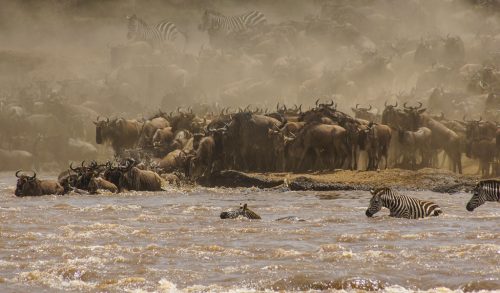
For the ultimate Kenya safari, aim for July to October to witness the Great Migration River crossings and track the Big Five (lion, leopard, elephant, rhino, and buffalo) in the Masai Mara. Expect to pay between $3,200 to $4,800 per person for a mid-range private tour, or up to $10,000+ for luxury fly-in packages
16-day-classic-kenya-wildlife-safari-and-diani-beach-life-itinerary
14-days-2-week-exclusive-kenya-tanzania-safari-tour-holiday-combined-vacation
13-days-samburu-ol-pejeta-lake-nakuru-masai-mara-lake-naivasha-and-amboseli-kenya-safari
12-days-lake-nakuru-masai-mara-central-serengeti-ngorongoro-crater-amboseli-kenya-tanzania-safari
10-days-best-maasai-mara-lake-nakuru-and-amboseli-safari-and-diani-beach-holiday-escape
9-days-photography-kenya-tanzania-safari-holiday-vacation
9-days-budget-kenya-wildlife-safari-holiday-vacation-trip
8-days-masai-mara-lake-nakuru-amboseli-tsavo-west-taita-sanctuary-tsavo-east-kenya-wildlife-safari
7-days-best-of-kenya-wildlife-safaris-itinerary
6-days-mid-range-kenya-wildlife-safari-all-inclusive-tour-package
4-days-best-luxury-kenya-safari-to-lake-nakuru-and-masai-mara-safari-tour
4-days-amboseli-and-tsavo-salt-lick-lodge-keny-safari-from-the-coast
1. Choose your dates
Timing is everything when planning a Kenyan safari, as the movements of wildlife are deeply intertwined with seasonal weather patterns. The dry season, spanning from July to October, is universally recognized as the prime window for witnessing the legendary Great Migration. During these months, millions of wildebeest, zebras, and gazelles brave the treacherous crocodile-infested waters of the Mara River, offering one of the most dramatic wildlife spectacles on earth. The lack of rain also causes vegetation to thin out and water sources to shrink, forcing animals to congregate around permanent waterholes, which drastically improves your chances of spotting elusive predators.
Alternatively, the period from December through March presents another spectacular window for general wildlife viewing. The weather is beautifully warm and dry, making it an excellent time for elite photography and birdwatching, as migratory birds fill the skies. This season also coincides with the calving period for many herbivores, attracting big cats in large numbers and creating high-intensity predator-prey interactions. Choosing your dates precisely allows you to align your safari goals—whether capturing the raw chaos of a river crossing or enjoying intimate, crowd-free wildlife encounters—with the exact rhythm of the African bush.
2. Select your parks
Crafting the perfect East African itinerary requires selecting ecosystems that complement each other to deliver a comprehensive wildlife experience. The crown jewel of this selection is the Masai Mara National Reserve, an absolute must-visit destination. The Mara offers an unparalleled density of wildlife, serving as the stage for the Great Migration and providing a reliable home to the iconic Big Five—lions, leopards, elephants, buffaloes, and rhinos. Its sweeping, classic savannah landscapes provide the quintessential backdrop for high-impact photography and dramatic wildlife tracking.
To build a truly robust Kenya Circuit, the Masai Mara should be paired with contrasting environments. Incorporating Amboseli National Park rewards travelers with striking, unobstructed views of Mount Kilimanjaro serving as a backdrop to massive herds of tusker elephants. Adding a stop at Lake Nakuru National Park or Lake Naivasha introduces vibrant birdlife, including thousands of flamingos, alongside crucial sanctuaries for both black and white rhinos. By carefully selecting and combining these distinct parks, your itinerary transforms from a basic game-viewing trip into a diverse, multi-layered expedition that showcases the very best of East Africa's varied landscapes and ecosystems.
3. Determine travel style
Your travel style dictates the rhythm, comfort level, and logistical efficiency of your entire African journey, making it a pivotal decision during the planning phase. If minimizing travel time and maximizing hours spent in the field is your priority, a luxury fly-in circuit is the gold standard. Utilizing chartered bush flights allows you to bypass bumpy overland roads, soaring directly over the spectacular rift valley and landing right on remote wilderness airstrips. This style grants you immediate access to opulent, high-end tented camps that offer top-tier amenities, exquisite fine dining, and exclusive, uncrowded night game drives.
Conversely, for those seeking an authentic, grounded adventure, a classic 4x4 road safari offers an immersive connection to the changing landscapes. Traveling in a customized, pop-up roof safari vehicle allows you to experience the authentic pulse of local towns and rural scenery between destinations. Accommodation styles can be tailored within this framework, ranging from comfortable mid-range eco-lodges that support community-inclusive tourism to immersive under-canvas camping. Deciding on your travel style early ensures that the pace of the journey aligns perfectly with your physical comfort preferences, photographic goals, and budget.
4. Initiate contact with an operator
Turning a dream safari into a seamless reality requires the logistical expertise of a dedicated, on-the-ground Destination Management Company. Initiating contact with a trusted local operator like Roads of Adventure Safaris stands as the critical first step in bridging the gap between a conceptual itinerary and a flawless execution. By navigating to their official digital contact forms, you can establish a direct line of communication with experienced regional specialists who understand the complex terrain, wildlife movements, and seasonal nuances of East Africa.
Reaching out directly to local experts allows you to bypass international middlemen, ensuring clearer communication and more competitive pricing. This initial touchpoint is where you share the foundational vision of your trip, including your desired travel dates, party size, and overall expectations. A reputable operator treats this initial inquiry not just as a booking request, but as the beginning of a collaborative partnership. They will immediately begin assessing park availability, lodge partnerships, and vehicle logistics to ensure your upcoming African journey is built on a solid foundation of local expertise and exceptional service.
5. Discuss customized itinerary
No two travelers share the exact same vision of the African wilderness, which is why discussing a highly customized itinerary is essential. This collaborative phase is your opportunity to voice your specific passions and niche interests directly to your tour specialist. If you are an avid photographer, you can request an itinerary designed around elite photography expeditions, which prioritize optimal early-morning and late-afternoon lighting conditions, extended field time at specific sightings, and vehicles specially modified for steady camera mounts.
For those wishing to experience the full spectrum of East Africa's ecological diversity, you can discuss building a comprehensive Kenya Circuit that seamlessly blends various habitats. This is also the ideal moment to weave in sustainable, regenerative tourism elements, such as impactful community-inclusive encounters or primate tracking excursions. Whether your focus is ticking off a professional birdwatching checklist, undertaking technical mountaineering challenges, or enjoying a slow-paced family holiday, detailing these preferences ensures the final program reflects your personal identity rather than a rigid, mass-produced tour package.
6. Request a quote
Once your customized route is outlined, requesting a transparent, line-by-line pricing proposal is crucial for financial clarity and peace of mind. A professional safari quote should leave no room for guesswork, clearly detailing exactly what is included and excluded. The proposal will break down the substantial fixed costs of East African travel, including mandatory conservation and park entrance fees, which vary significantly depending on the reserve and the season.
Furthermore, the quote will outline your specific accommodation tiers—whether featuring mid-range eco-lodges focused on community support or ultra-luxury tented camps—and the associated meal plans. Crucially, it must clarify the transport logistics, specifying the use of a reliable, customized 4x4 safari land cruiser equipped with pop-up roofs, charging ports, and unlimited mileage for game drives. Receiving a comprehensive proposal allows you to review the financial investment thoroughly, make informed adjustments to accommodation or duration if necessary, and ensure that every dollar spent directly enhances your comfort and wilderness experience.
7. Finalize booking with Roads of Adventure Safaris
With the itinerary perfected and the quote approved, the transition from planning to reality occurs when you finalize your booking with Roads of Adventure Safaris. Formally accepting the detailed proposal signals the operator to immediately secure your specific lodge rooms, highly sought-after park permits, and dedicated professional safari guides. Because elite wilderness accommodations and peak-season permits are strictly limited, securing your arrangements well in advance is essential for successful travel in 2026 or 2027.
To legally bind and lock in these reservations, you will make an initial booking deposit, which typically ranges from 30% to 50% of the total safari value. This financial commitment allows the local agency to pay non-refundable deposits to remote lodges and government wildlife authorities on your behalf. Once the transaction is processed, you will receive official booking confirmations and vouchers. Finalizing this step provides immense peace of mind, knowing that your custom-tailored African expedition is officially locked into the calendar and guarded by expert local ground handlers.
8. Book international flights
With your land arrangements officially secured, the next logical step is to book your international flights to serve as the structural bookends of your adventure. For a classic Kenyan safari, you will want to secure round-trip tickets into Jomo Kenyatta International Airport (NBO) in Nairobi. As a major East African aviation hub, Nairobi is well-connected to global destinations across the Americas, Europe, Asia, and the Middle East, allowing you to select routes that minimize layovers and travel fatigue.
When selecting your flights, it is vital to coordinate your arrival time closely with your safari's official start date. Arriving late in the evening usually requires booking an initial overnight stay in a Nairobi hotel before your safari guide picks you up the following morning. Alternatively, landing early in the morning can allow you to head straight out to the bush. Double-checking that your flight dates perfectly match your confirmed safari itinerary prevents costly rescheduling fees and guarantees a stress-free transition from global air travel to the untamed African wilderness.
9. Arrange domestic flights or transfers
Smooth regional logistics are the backbone of a successful safari, requiring careful synchronization between your international arrival and your internal bush travel. If you have opted for a high-efficiency fly-in safari, this is the time to confirm your internal bush flights. These scenic flights typically depart from Nairobi’s domestic hub, Wilson Airport (WIL), utilizing specialized bush planes to transport you directly to remote wilderness airstrips like Mara Serena or Keekorok. Securing these seats early is vital due to strict luggage weight limits and small aircraft capacities.
Conversely, if your itinerary utilizes a classic road-based travel style, you must double-check and confirm your 4x4 road transfers with your tour operator. This involves verifying the exact pickup locations—whether from a specific residential neighborhood, a central city hotel, or directly from the airport arrivals terminal—and confirming the assignment of your professional safari guide. Ensuring these internal travel links are meticulously arranged guarantees that you never experience awkward logistical gaps, moving effortlessly from the urban bustle right into the heart of wildlife country.
10. Apply for Kenya eTA
International travel requires strict adherence to border entry regulations, making the immigration process a vital checklist item. All travelers journeying to Kenya must obtain authorization prior to boarding their flights. Kenya utilizes the digital Electronic Travel Authorisation (eTA) portal, an automated system that replaces traditional paper visas. This application should be submitted online at least two to four weeks before departure to allow ample time for official government processing.
The eTA application process requires you to upload digital copies of your passport (valid for at least six months beyond your planned departure date), your round-trip international flight itineraries, and an official invitation letter or detailed safari itinerary provided by your tour operator. There is a processing fee associated with the application, and once approved, the eTA is sent digitally via email. Printing out a physical copy of this authorization alongside keeping a digital version on your mobile device ensures a swift, hassle-free clearance through customs upon landing at Jomo Kenyatta International Airport.
11. Secure travel insurance
The unpredictable nature of wilderness travel makes purchasing a comprehensive travel insurance policy an absolute necessity rather than an optional afterthought. A robust policy provides a vital financial and logistical safety net against unexpected disruptions that can occur before or during your trip. First and foremost, your insurance must feature extensive medical emergency and evacuation coverage. Safaris frequently take you into remote, isolated ecosystems far from advanced medical facilities; in the rare event of a severe illness or injury, emergency medical evacuation via airlift to a top-tier regional hospital can cost tens of thousands of dollars out of pocket if uninsured.
Additionally, your policy should guard against trip cancellations and interruptions. Because safaris require significant upfront investments for non-refundable lodge bookings and permits, having coverage for unforeseen events—such as personal illness, family emergencies, or airline bankruptcies—safeguards your hard-earned capital. Ensuring your policy also covers baggage delays or damage to expensive items gives you the freedom to explore the bush with complete peace of mind.
12. Final payment & preparation
The final phase of your safari journey involves closing out administrative details and preparing your physical gear. Typically, your final safari balance payment is due 30 to 45 days prior to departure, allowing the operator to finalize all logistics with field camps and guides. Once the financial balances are settled, your focus can shift entirely to personal preparation and packing, which requires a thoughtful strategy tailored to the unique conditions of the African bush.
Packing for a safari means selecting lightweight, breathable clothing in neutral earth tones like khaki, olive, and tan, while strictly avoiding bright colors or dark blue and black, which can attract unwanted insects. Given the significant temperature swings between chilly dawn game drives and hot midday sun, layering is key. Equally important is preparing your specialized gear: ensure your camera equipment features telephoto lenses capable of capturing distant wildlife, pack high-quality binoculars for crisp birdwatching, and don't forget essential sun protection, insect repellent, and any personal medications. Taking the time to prepare thoroughly ensures you step off the plane fully equipped and ready to immerse yourself in the adventure of a lifetime.
Booking wildebeest migration and big five safari in Kenya with us Roads of Adventure safaris
Booking a Big Five and wildebeest migration safari in Kenya with Roads of Adventure Safaris is an excellent choice for an East African wildlife adventure. They offer highly rated, expertly guided itineraries ranging from 3 to 10 days to maximize your time in Masai Mara National Reserve
