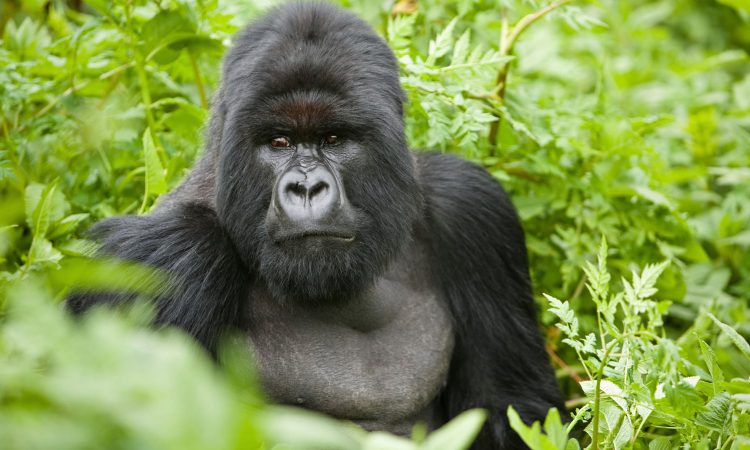
A 16-day Rwanda wildlife safari offers an in-depth experience of the "Land of a Thousand Hills," focusing on primates (gorillas, chimps), savanna big game, and lake relaxation. Top itineraries include covering Akagera, Nyungwe, Lake Kivu, and Volcanoes NP, combined with deep cultural immersion, hiking, and extensive photography opportunities across the country.
16-days-exclusive-rwanda-safari-tour-and-gorilla-trekking-tour-package
16-days-rwanda-birding-safari-primates-and-photography-safari
16 Days Ultimate "Gorillas & Big Five" Explorer
This 16-day Ultimate “Gorillas & Big Five” Explorer is a complete loop through Rwanda’s diverse landscapes, wildlife and culture, designed for travelers who want the full spectrum of East African wilderness and primate encounters in a single, seamless journey. Beginning in Kigali, the itinerary moves east to Akagera National Park for classic Big Five game drives, then west into the montane rainforests of Nyungwe for chimp tracking and a thrilling canopy walk. A restful interlude on the shores of Lake Kivu allows time to recharge before heading north to Volcanoes National Park for multiple primate highlights: mountain gorilla trekking, golden monkey tracking and scenic volcano hikes. The final days return to cultural immersion—visiting Ibyiwacu and Kigali’s museums—so visitors leave with not only unforgettable wildlife memories but a richer understanding of Rwanda’s history and community-led conservation. This trip balances adventure, relaxation, and meaningful cultural exchange, ideal for travelers seeking depth and variety.
Day 1 — Kigali & Arrival
Arrive into Kigali International Airport where you’ll be greeted and transferred to your hotel. After check-in and a short rest, enjoy an orientation walk or light city drive to get your first impressions of Rwanda’s capital—its rolling hills, modern neighborhoods and tidy streets. In the afternoon, visit the Kigali Genocide Memorial for a thoughtful, contextual introduction to recent Rwandan history; the memorial offers powerful exhibits and respectful spaces for reflection. Depending on arrival time, explore Kigali’s craft markets for weaving, paintings and locally made souvenirs, or relax at your lodge with a welcome briefing from your guide covering the itinerary, permit logistics and practical tips for gorilla and chimp treks. Overnight in Kigali, with an early dinner and a good night’s rest to prepare for travel to Akagera tomorrow.
Day 2 — Kigali City Tour & Travel to Akagera
Begin with a fuller Kigali city tour: a guided visit to local neighborhoods, the bustling Kimironko market, and an optional stop at the Inema Arts Center or a craft shop to meet local artists. Your guide will discuss Rwanda’s culture, development and conservation successes. After lunch, depart east toward Akagera National Park, a scenic drive through Rwanda’s ‘land of a thousand hills.’ Arrive at your lodge bordering the park, check in, and enjoy late-afternoon tea. As evening falls, meet the lodge naturalist for a briefing on the Big Five game drives planned for the next days. A sundowner overlooking savanna or lake margins is a perfect prelude to your first wildlife encounters. Overnight at an Akagera lodge with dinner and rest.
Day 3 — Akagera National Park: Morning & Afternoon Game Drives
Today you head into Akagera for full-day game viewing with morning and afternoon drives to maximize sightings. Rise early for a dawn game drive when predators and grazers are most active—search for lions, leopards, elephants, buffalo, and if fortunate, rhino in areas where reintroductions have taken place. Akagera’s mosaic of savanna, wetlands and lakes provides diverse birdlife and scenic vistas, ideal for photography. Midday returns to the lodge allow lunch and a short rest; in the afternoon, drive toward lakes and papyrus swamps to spot waterbirds, hippos and reed-dwelling species. Knowledgeable rangers and guides will interpret animal behavior, conservation efforts and community partnerships. Finish with a sunset game drive or a boat trip (season permitting) on Lake Ihema for water-based wildlife viewing. Overnight at lodge.
Day 4 — Akagera: Optional Morning Drive & Transfer to Nyungwe
Enjoy an early optional game drive to catch any missed sightings and soak in sunrise over the park’s lakes. After breakfast, depart Akagera and drive southwest across Rwanda’s scenic hills toward Nyungwe Forest National Park. The route traverses changing ecosystems and rural communities, offering glimpses into Rwandan life. Arrive in the Nyungwe area in the late afternoon and check into your forest lodge. Use the remaining time to relax, attend the guide’s briefing on tomorrow’s chimpanzee tracking and canopy walk logistics, and prepare gear for forest trekking—good boots, rainproofs and insect repellent. Dine at the lodge and rest early; Nyungwe’s elevation and early starts make an early night sensible. Overnight adjacent to Nyungwe Forest.
Day 5 — Nyungwe Forest: Chimpanzee Tracking
Rise before dawn for briefing and transfer to the Nyungwe park headquarters for chimpanzee tracking. After a short briefing and grouping by fitness level, enter the ancient montane rainforest with experienced trackers who read prints and vocalizations to locate chimp troops. The trek can vary in duration and difficulty—expect steady uphill and downhill paths, muddy patches and dense vegetation—but rewards include intimate chimp behavior and superb bird and primate sightings. Spend permitted time observing and photographing chimps while following park rules to minimize disturbance. Return to the lodge for lunch and a well-earned rest. In late afternoon consider a short guided nature walk near the lodge to spot other primates, butterflies and endemic plants. Overnight in Nyungwe.
Day 6 — Nyungwe: Canopy Walk & Cultural/Conservation Visit
Today’s highlight is Nyungwe’s canopy walk—an exhilarating suspended walkway offering a treetop perspective over the rainforest and spectacular views across the canopy. After an early breakfast, head to the canopy platform and cross the bridge with your guide, watching for colobus monkeys, birds of prey and treetop primates. Later, visit a local community or conservation project to learn about research, forest protection and community-based livelihoods tied to the park. Afternoon options include an additional short hike to see waterfalls or a relaxed forest walk to spot more wildlife. Evening at the lodge includes a debrief on the next leg to Lake Kivu and packing for a restorative lakeside stay. Overnight near Nyungwe.
Day 7 — Travel to Lake Kivu (Kibuye) & Relaxation
After breakfast, depart Nyungwe for the lakeside town of Kibuye on Lake Kivu (often called Kivu). The drive is scenic, descending from montane forest to rolling lakeshore landscapes. Upon arrival check into a serene lakeside lodge or villa and enjoy lunch with panoramic views. The afternoon is reserved for relaxation and light activities: a boat cruise on Lake Kivu, swimming, or strolling along palm-lined shores. This restful interlude is designed to recharge before the upcoming mountain adventures and primate treks. For sunset, take a lakeshore walk or a short boat trip to catch warm colors over the water. Dinner at the lodge and overnight on the shores of Lake Kivu.
Day 8 — Lake Kivu: Leisure & Optional Activities
Spend a leisurely day at Lake Kivu with optional activities tailored to your energy level. You might enjoy a guided boat trip to small islands, snorkeling, kayaking, or visiting local fishing villages to observe daily life and sample fresh fish dishes. Alternatively, relax with spa treatments, read by the water, or take gentle shoreline walks. For culture and history, visit nearby coffee farms or markets to taste Rwandan coffee and crafts. Late afternoon, photography enthusiasts can capture the dramatic interplay of light and lake reflections. Your guide will review the Volcanoes National Park schedule and gorilla permit logistics so you’re ready for the transfer north. Overnight at your Lake Kivu lodge.
Day 9 — Transfer to Volcanoes National Park; Village Visit
After breakfast, depart Lake Kivu and drive north toward Musanze and Volcanoes National Park. The scenic journey climbs into the Virunga foothills; watch the landscape change to terraced hills and volcano silhouettes. Arrive at your lodge near the park and settle in before a brief village visit—meet local community members, learn about conservation-linked projects and preview Ibyiwacu cultural experiences for later in the trip. Attend the park briefing about gorilla trekking rules, health requirements and logistics; ensure all paperwork and permits are ready. Enjoy a relaxed evening at the lodge with clear views of the nearby volcanoes, and rest in preparation for the gorilla trek. Overnight in Musanze.
Day 10 — Volcanoes: Gorilla Trekking Day 1
Rise early for the gorilla trekking briefing at Volcanoes National Park headquarters—park staff assign groups of up to eight and outline strict rules to protect the gorillas. With trackers and rangers you’ll head into montane forest to locate a habituated family. Treks vary from short hikes to several hours depending on gorilla movements; terrain can be steep and muddy, so expect a rigorous but rewarding hike. Once you find the group, you may spend one hour at a respectful distance (often 3 meters) observing silverbacks, females, juveniles and infants—an intimate chance to witness complex social behavior. After the encounter, return to the lodge for relaxation, lunch and time to process the experience. Optional afternoon: visit Dian Fossey’s grave or research center.
Day 11 — Volcanoes: Golden Monkey Tracking & Volcano Hike
Begin with golden monkey tracking—these smaller primates inhabit bamboo zones on the volcano slopes and offer lively, colorful encounters. The morning trek is typically less strenuous than gorilla trekking but still involves forest paths and occasional bamboo thickets. Afterward, enjoy a picnic lunch and prepare for a guided volcano hike in the afternoon—options include a moderate climb on one of the Virunga foothills for panoramic views and vivid photo opportunities. Return to the lodge for a restorative evening, perhaps with a community performance or a cultural talk about conservation and livelihoods in the volcano region. Overnight near Volcanoes National Park.
Day 12 — Volcanoes: Optional Second Gorilla Trek or Hike
Today you have the option for a second gorilla trek (subject to permit availability) to visit another habituated group or to rejoin the first family—an opportunity to spend more time with different individuals and deepen your understanding of their behavior. If you choose a lighter day instead, opt for a guided nature walk through mountain forest or a village immersion to learn traditional crafts and farming practices. Either choice complements the primate encounters and allows you to experience more of the Virunga ecosystem. Evening at the lodge includes a celebratory dinner and time to reflect on your mountain gorilla experiences. Overnight in Musanze.
Day 13 — Volcanoes: Hirwa/Ugyenda/Bwenge Visits & Community Experiences
Spend the day exploring more of Volcanoes National Park’s varied offerings. With a guide, visit different habituated gorilla families (dependent on permits), or enjoy a botanically focused walk to learn about endemic flora and medicinal plant use. In the afternoon engage in deeper community experiences—visit the Ibyiwacu Cultural Village for traditional dance, storytelling and demonstrations of local crafts, or participate in a community-led conservation project such as tree planting or a school visit. These activities highlight how tourism revenue supports local livelihoods and gorilla protection. Wind down at your lodge, share photos with guides, and prepare for your return to Kigali tomorrow. Overnight near Volcanoes.
Day 14 — Volcanoes: Relaxed Morning & Departure to Kigali
Enjoy a relaxed morning with a late breakfast and time for a short final walk or souvenir shopping in Musanze town. After checkout, drive south back toward Kigali, taking in the lush countryside one last time. On arrival in Kigali, check into your hotel and have lunch. Use the afternoon for last-minute cultural visits—choose the Campaign Against Genocide museum, the Inema Arts Center or additional craft markets for gifts. Your guide will confirm departure logistics and help with packing. Conclude with a farewell dinner in Kigali to toast the journey—an ideal moment to reflect on wildlife encounters, landscapes and cultural exchanges. Overnight in Kigali.
Day 15 — Ibyiwacu Cultural Village & Community Immersion
This day centers on an in-depth cultural immersion at Ibyiwacu Cultural Village near Volcanoes (or a Kigali-based cultural center if you prefer). Travel time depends on your base; once there, participate in hands-on activities: traditional cooking demonstrations, local craft workshops, storytelling, drumming and dance sessions led by community members. Learn about agricultural practices, social customs, and how tourism revenues fund education and health projects in neighboring villages. The experience is both educational and participatory—photographs and gentle interactions are welcomed, while respecting local etiquette. Conclude with a shared meal and the chance to purchase locally made crafts. Return to Kigali in the late afternoon or stay nearby depending on your preferences. Overnight in Kigali.
Day 16 — Final Kigali Sightseeing & Departure
On your final day, enjoy a relaxed morning in Kigali with optional last visits depending on your flight schedule: the Kimironko market for souvenirs, the Inema Arts Center for contemporary Rwandan art, or a final museum stop for context on the country’s recent transformation. Your guide will ensure timely transfer to Kigali International Airport, assist with check-in and offer farewell recommendations for future travel in the region. Reflect on two weeks of dramatic contrasts—savanna and forest, the Big Five and mountain gorillas, lakeside relaxation and deep cultural encounters. With luggage loaded and memories made, depart Rwanda with a certificate for gorilla trekking and a deeper appreciation for conservation and community-led tourism.
16 Days Primates & Cultural Immersion Safari
This 16-day Primates & Cultural Immersion Safari is crafted for travelers who want to delve deeply into Rwanda’s primate-rich forests and rich cultural heritage. The itinerary prioritizes extended time in Nyungwe’s ancient canopy and Volcanoes’ volcanic slopes, allowing multiple primate encounters—chimpanzees, golden monkeys and mountain gorillas—with options for repeat treks to enhance wildlife understanding. Interwoven with these natural highlights are curated cultural experiences: visits to the Ibyiwacu Cultural Village, Rwanda’s Ethnographic Museum in Huye, the royal King’s Palace at Nyanza, and poignant stops at genocide memorials that illuminate Rwanda’s history and resilience. This journey balances scientific conservation insights, intimate wildlife viewing, and immersive exchanges with local communities, offering a layered understanding of how culture, history and conservation intersect. Ideal for curious travelers, researchers and conservation-minded visitors, this tour fosters lasting connections with Rwanda’s people and primates.
Day 1 — Arrival in Kigali & Introductory City Tour
Arrive at Kigali International Airport and transfer to your hotel. After settling in, embark on an introductory city tour to familiarize yourself with Rwanda’s capital—take in leafy avenues, lively markets and modern developments. Visit the Kigali Genocide Memorial to gain a sober and essential contextual understanding of the nation’s recent past; the museum’s exhibits are deeply informative and help frame the themes of reconciliation and community rebuilding you’ll encounter throughout the trip. If time allows, visit an art center or meet with a local conservationist for an informal briefing on Rwanda’s primate protection programs. Return to your hotel for a welcome briefing with your guide, who will outline permits, multiple trek options, and the cultural itinerary. Overnight in Kigali.
Day 2 — Transfer to Nyungwe: Scenic Drive & Orientation
After breakfast, depart Kigali for Nyungwe Forest National Park. The scenic drive passes terraced hills, coffee and tea plantations, and rural villages—an ideal introduction to Rwanda’s agricultural heartland. On arrival at your forest lodge, receive an orientation about Nyungwe’s biodiversity, chimp tracking logistics, and safety briefings. Enjoy a guided short nature walk or relax before dinner; the lodge offers talks on regional ecology and conservation initiatives. Use the evening to prepare trekking gear and confirm permits. This travel day sets the stage for concentrated time in Nyungwe, allowing you to conserve energy for early starts and multiple days of primate tracking. Overnight near Nyungwe.
Day 3 — Nyungwe: Chimpanzee Tracking Day 1
Begin with an early briefing and head into Nyungwe’s dense montane forest to track chimpanzees. Led by experienced trackers, you’ll follow subtle signs and calls to locate moving troops. The trek may be physically varied but offers rewarding close observations of chimp behavior—grooming, feeding and social interactions—within an ancient forest habitat. You’ll be briefed on safe viewing protocols and spend the allowed observation time capturing photos and taking notes if desired. Return to the lodge for lunch and rest. In the afternoon, attend a ranger talk or research presentation to learn about long-term primate monitoring, habituation challenges, and how tourism supports scientific work. Overnight at Nyungwe.
Day 4 — Nyungwe: Second Chimp Track or Canopy Walk
Today choose between a second chimp tracking session—useful for researchers or keen observers who want to compare group behavior—or the famous Nyungwe canopy walk for an elevated view of the rainforest. The canopy walk exposes you to treetop wildlife and broad vistas, great for birding and photography. If you opt for the second chimp day, you’ll experience another troop or a different encounter dynamic. Afternoon options include a guided primate survey, a visit to a research station or a community project illustrating how local livelihoods link to forest conservation. These immersive choices deepen your understanding of primate ecology and conservation strategies. Overnight in Nyungwe.
Day 5 — Nyungwe: Forest Hikes & Community Visit
Spend the morning on guided forest hikes to spot endemic birds, colobus monkeys and rare plant species; your naturalist guide will highlight ecological relationships and medicinal uses of plants. After lunch, visit a nearby community to learn about sustainable farming, coffee production and how the Nyungwe ecosystem influences local life. Engage with community members through demonstrations, coffee tastings or craft-making sessions, and hear how tourism revenue supports schools and conservation programs. Evening offers time for reflective discussion with your guide about primate protection, ecosystem services and the research projects you’ve encountered. Overnight near Nyungwe.
Day 6 — Transfer to Huye (Butare): Ethnographic Museum & Local Culture
Depart Nyungwe after breakfast and drive to Huye (Butare), Rwanda’s cultural and academic center. Your main stop is the Ethnographic Museum—one of East Africa’s finest—where exhibits present Rwanda’s pre-colonial and colonial history, traditional crafts, and cultural artifacts. Explore displays on the kingdom era and see objects that illuminate daily life and customs. In the afternoon visit local artisans or the King’s Palace site (Nyanza) if time permits, to experience traditional architecture, royal regalia and living cultural demonstrations. Overnight in Huye or Nyanza, with an evening talk about the intersections of culture, heritage and conservation.
Day 7 — Nyanza: King’s Palace & Cultural Workshops
Spend the day in Nyanza exploring the King’s Palace and historical sites that tell the story of Rwanda’s monarchy and traditional leadership. Tour reconstructed royal houses, ceremonial regalia and nearby craft centers where traditional weaving and pottery are demonstrated. Participate in hands-on workshops—learn to weave, prepare local dishes or try traditional dances—guided by community hosts who explain cultural meanings and social traditions. The immersive day deepens appreciation for Rwandan heritage, and offers context for community-based tourism projects you’ll visit later. Return to Huye for dinner, reflecting on how historical identity informs modern conservation and community resilience. Overnight in the region.
Day 8 — Transfer to Lake Kivu (Kibuye): Relax & Village Visits
Drive from Huye to the shores of Lake Kivu, arriving in Kibuye for a restorative lakeside stay. After checking in, enjoy lunch with lakeside views and take a gentle boat trip to nearby islands or fishing villages to observe local livelihoods and traditional boat-building. Afternoon options include a coffee farm visit, village walks, or simply unwinding at your lodge with time for reading or photography. Your guide will brief you on the upcoming Volcanoes leg and gorilla trekking requirements. The lakeside pause offers cultural exchange opportunities—meet local hosts, sample freshly caught fish and experience the gentle pace of lakeshore life. Overnight on Lake Kivu.
Day 9 — Transfer to Musanze/Volcanoes: Orientation & Community Encounter
Depart Lake Kivu for Musanze and the Volcanoes National Park region. On arrival, check in and attend an orientation about gorilla trekking logistics and health requirements. Visit a nearby community project that benefits from gorilla tourism—schools, handmade craft cooperatives or conservation outreach programs—to see how revenue from primate permits supports local development. This community encounter underscores the link between responsible tourism and livelihoods. In the evening, enjoy a cultural performance or storytelling session at your lodge, where guides and hosts will discuss Virunga ecosystems and the role of indigenous knowledge in conservation. Prepare for gorilla tracking in the days ahead. Overnight near Volcanoes National Park.
Day 10 — Volcanoes: First Gorilla Trek
Begin your primate-focused time in Volcanoes with an early briefing and the much-anticipated first gorilla trek. Rangers and trackers will lead you into the montane forest to find a habituated family; treks vary in duration and intensity but reward you with up-close observation of silverbacks, adult females and playful infants. During the permitted one-hour encounter, practice quiet observation and respectful photography under ranger guidance. After returning to base, reflect on the experience during a lodge debrief and consider a short visit to the Dian Fossey Grave or Karisoke Research Center to learn about historical conservation efforts. Overnight in Musanze.
Day 11 — Volcanoes: Golden Monkey Tracking & Cultural Exchange
This morning track golden monkeys in bamboo zones on the volcano slopes—fast-moving and comical, they provide a vibrant counterpoint to the calmer gorilla encounters. After the trek, participate in an extended cultural exchange: visit Ibyiwacu Cultural Village (or a similar community program) to learn traditional crafts, songs, and daily practices. Engage in hands-on activities like weaving or cooking, and discuss how the community benefits from primate tourism. Evening conversation with your guide will cover gorilla conservation policies, habituation challenges and the socio-economic impacts of tourism. Overnight in the Volcanoes area.
Day 12 — Volcanoes: Optional Second Gorilla Trek or Conservation Visit
Choose a second gorilla trek if you have another permit—this allows observation of different gorilla families or fresh angles on social behavior, useful for photography or research notes. If you prefer a lighter day, visit a conservation project or the park’s research center to learn directly from rangers and scientists about monitoring techniques, anti-poaching patrols and veterinary interventions used in gorilla care. Afternoon options include guided hikes, cultural workshops, or time for personal reflection and journaling about ethical wildlife tourism. The day deepens your primate knowledge and appreciation for multidisciplinary conservation efforts. Overnight near Volcanoes.
Day 13 — Volcanoes: Hikes, Village Projects & Education Visits
Devote today to exploring the broader community-conservation nexus: take a guided volcano hike for sweeping views, then visit local schools or health projects funded partly by tourism revenue. Engage with teachers, students or project coordinators to hear first-hand how conservation dollars translate into education, water and healthcare initiatives. You may join a tree-planting activity or a workshop that illustrates sustainable farming practices aimed at reducing habitat pressure. These hands-on experiences highlight long-term partnerships between parks and communities and the importance of ethical tourism. Spend the evening processing these encounters with your guide. Overnight in the Volcanoes region.
Day 14 — Return to Kigali via Cultural Sites
After a final morning in the Volcanoes area, drive back to Kigali with stops at cultural sites en route as time allows—perhaps revisiting a market or stopping at an arts center. In Kigali, schedule a visit to a museum or a final conversation with a conservation NGO to consolidate the themes of the trip: primate protection, community development and Rwanda’s cultural heritage. Enjoy a farewell dinner featuring Rwandan cuisine and cultural performances if available. Your luggage will be organized and your guides will help prepare for departure or onward travel the next day. Overnight in Kigali.
Day 15 — Extended Kigali Cultural Day: Museums & Market
Use this day to dive deep into Kigali’s cultural scene: visit the Campaign Against Genocide Museum, the Inema Arts Center, and the Kimironko market to interact with artisans and purchase ethically sourced crafts. Consider a meeting with a local historian or visit community-based tourism organizations to discuss post-conflict reconciliation and cultural revival. Afternoon options include a cooking class to learn traditional Rwandan dishes or a guided city walk highlighting urban development, public art and memorial sites. This extended cultural day cements your understanding of Rwanda beyond wildlife, emphasizing resilience, creativity and the role of culture in national identity. Overnight in Kigali.
Day 16 — Departure: Final Reflections & Transfer to Airport
On your final morning, enjoy a relaxed breakfast and, time permitting, one last short visit to a gallery or market for final purchases. Your guide will handle airport transfer logistics and ensure all permits and certificates are in order. During the drive to Kigali International Airport, reflect on the rare primate encounters, the layered cultural experiences from king’s palaces to village life, and the conservation conversations you’ve shared with rangers and community members. Bid farewell to Rwanda with a deeper appreciation for primate conservation and grassroots cultural resilience. Arrive at the airport with time for check-in and clear memories of an immersive, ethically minded safari.
16 Days — "Rwanda–Uganda Gorilla & Savannah Adventure"
This 16‑day Rwanda–Uganda Gorilla & Savannah Adventure blends two of East Africa’s greatest wildlife experiences: intimate mountain gorilla encounters and classic savannah game viewing. Beginning in Kigali, the trip moves quickly to Volcanoes National Park for gorilla trekking amid misty afro‑montane forests, then crosses the border into Uganda to track a second habituated gorilla family in Bwindi Impenetrable National Park — offering a rare chance to compare tracking styles, habitat and ranger interpretation across two countries. After these primate highlights, the journey continues west and south to Queen Elizabeth National Park where varied ecosystems support tree‑climbing lions, playful hippos, and prolific birdlife along the Kazinga Channel. The final stage returns to Rwanda’s Nyungwe Forest for chimpanzee tracking and canopy walk experiences amid ancient rainforest. Designed for travellers who want depth and variety, the itinerary combines expert local guides, comfortable lodges strategically located near park entrances, seamless cross‑border logistics, and time to appreciate cultural encounters in Kigali and local communities en route.
Day 1 — Arrival and Kigali Orientation
Arrival and Kigali orientation. Land in Kigali and transfer to your hotel for check‑in and a welcome briefing with your Roads of Adventure guide. After freshening up, take a short city orientation including a visit to the Genocide Memorial for a reflective introduction to Rwanda’s history. Enjoy a relaxed lunch at a local restaurant, followed by a walking tour of Kigali’s artisan markets and a stop at an art gallery to meet local creatives. Your guide will review permits, confirm gorilla trek timing, and answer practical questions about packing and health precautions. In the evening, enjoy a welcome dinner featuring Rwandan cuisine and a briefing of tomorrow’s early transfer to Volcanoes National Park. Overnight in Kigali to rest before the trek.
Day 2 — Transfer to Volcanoes and Acclimatisation
Transfer to Volcanoes National Park and acclimatisation. Early departure from Kigali for the scenic drive to Musanze (Ruhengeri), the gateway to Volcanoes National Park. Check into your lodge, then attend the park briefing to review gorilla etiquette and logistics. Spend the afternoon at leisure visiting local community initiatives such as the Iby’iwacu Cultural Village or doing a short nature walk to acclimatize to elevation. Your guide will confirm permit times and the following day’s meeting point. Use the afternoon to prepare gear—waterproofs, gloves and camera protection—and have an early dinner to rest for the gorilla trek. Overnight near the park headquarters to ensure a prompt start.
Day 3 — Gorilla Trekking in Volcanoes
Gorilla trekking in Volcanoes National Park. Rise pre‑dawn for transfer to the park headquarters for the ranger briefing and group allocation. With your allocated ranger, begin the trek into dense montane forest searching for a habituated gorilla family. Trek duration varies from one to several hours depending on gorilla movements. On locating the group, enjoy the regulated one‑hour encounter under ranger supervision—observe family dynamics, take photographs, and learn from your guide about gorilla behavior and conservation efforts. After the trek, return to the lodge for lunch and a debrief. Optional late‑afternoon visit to twin lakes or relaxation at the lodge. Dinner and overnight near Volcanoes.
Day 4 — Border Transfer to Uganda and Bwindi Approach
Transfer to the Uganda border and Kisoro / Bwindi approach. After breakfast, drive northwest toward the Cyanika/Cyanika border crossing into Uganda, with scenic views of the Virunga volcanic chain. Complete immigration formalities then continue to Kisoro or a Bwindi approach lodge. En route, enjoy landscapes dotted with terraced farmland and rural communities; stop for short cultural interactions or photography. Check in at your lodge and attend a briefing for the Bwindi gorilla experience—permit confirmation, health checks and guide introductions. Use the afternoon to relax or take a village walk to meet local residents involved in community‑based conservation. Dinner and overnight near Bwindi in preparation for tomorrow’s trek.
Day 5 — Gorilla Trekking in Bwindi Impenetrable National Park
Gorilla trekking in Bwindi Impenetrable National Park. Early morning transfer to the appointed trailhead for your Bwindi gorilla trek and ranger briefing. Bwindi’s tracking conditions differ from Volcanoes—thick, ancient forest and steep, muddy slopes can make the trek more strenuous but incredibly rewarding. Rangers guide you through prime gorilla habitat as you search for a habituated family. When the group is found, spend the allocated hour observing and learning from ranger interpretation about clan structure, foraging and conservation challenges. Return to the lodge for a restorative lunch and optional community visit to see local conservation projects. Evening at leisure and overnight near Bwindi.
Day 6 — Scenic Drive to Queen Elizabeth National Park
Transfer to Queen Elizabeth National Park — scenic travel and wildlife arrival. After breakfast depart Bwindi and drive north toward Queen Elizabeth National Park, passing through changing landscapes — from montane forests to open savannah and wetlands. Stop en route for a picnic lunch and short nature stops or birding. Arrive at Queen Elizabeth in the afternoon with time for an initial game drive along park tracks to scout for elephants, buffalo and antelope. Check into your lodge in the Mweya or Kasenyi area and enjoy sundowner views before dinner. Evening at leisure with the option for a night game drive or a brief cultural exchange with nearby communities. Overnight in Queen Elizabeth area.
Day 7 — Kazinga Channel Boat Cruise and Afternoon Game Drive
Kazinga Channel boat cruise and game drive. Morning boat cruise along the Kazinga Channel—a wildlife spectacle where hippos and large numbers of water birds congregate and elephants come to drink. The cruise offers close views of aquatic life and prime photographic opportunities. After lunch, continue with an afternoon game drive across Kasenyi plains seeking lions, buffalo, Uganda kob and large herds of elephants. Guides interpret sightings and discuss park ecology, including human–wildlife coexistence. Return to the lodge as the sun sets over the Rwenzori foothills. Optional evening briefing about tomorrow’s tree‑climbing lion search and birding walks. Overnight in the park.
Day 8 — Tree‑Climbing Lions and Savanna Game Drive
Tree‑climbing lions and morning game drive. Set out early for a guided morning game drive focusing on the Ishasha sector (if itinerary includes it) or known lion‑climbing areas—seek prides that habitually rest in fig and acacia trees. Spend focused time locating and photographing these unique lions, learning about their behavior and the ecological reasons behind tree‑climbing. After the drive, return to the lodge for lunch and relaxation. Afternoon free for lodge activities—swimming, spa, or cultural visits. Late afternoon game drive or guided nature walk to explore birdlife and smaller mammals. Dinner and overnight in Queen Elizabeth region.
Day 9 — Cross Back Toward Rwanda and Nyungwe Transfer
Drive back toward Rwanda border and transfer to Nyungwe region. Depart Queen Elizabeth after breakfast for the journey back to the Rwanda border, crossing near Cyanika or Katuna depending on routing. Complete immigration formalities and continue toward Nyungwe Forest region. Enjoy the scenic transition from savannah to montane rainforest and stop for picnic lunch and short birding breaks. Arrive in Nyungwe in the late afternoon and settle into your lodge. Attend an evening briefing about chimpanzee tracking and canopy walk logistics. Relax with dinner and overnight in the Nyungwe area to prepare for the next day’s rainforest activities.
Day 10 — Chimpanzee Tracking and Canopy Walk
Chimpanzee tracking and evening cultural activity in Nyungwe. Begin with an early transfer to the park headquarters for a chimpanzee tracking briefing and allocation. Guided by skilled trackers, enter Nyungwe’s ancient rainforest to find habituated chimpanzee groups; trek lengths vary depending on chimp movements. On encounter, observe and photograph these intelligent primates as they forage and socialize. After the trek, return for lunch and an optional canopy walk in the afternoon—experience the rainforest from an elevated perspective and admire colobus monkeys and birdlife. In the evening, visit a local community or cultural performance to learn about indigenous traditions connected to forest living. Overnight in Nyungwe.
Day 11 — Biodiversity Walks and Research Centre Visit
Forest walks, birding and research centre visit. Today focuses on Nyungwe’s biodiversity: guided forest walks highlight endemic bird species, colobus monkeys and diverse plant life. Spend the morning with a specialist birding guide visiting key points known for Ruwenzori turaco, mountain‑masked apalis and other highland endemics. After lunch visit a research or conservation centre to learn about ongoing primate and bird studies, reforestation projects and community engagement. The afternoon can include a relaxed nature walk or time at the lodge to review photographic highlights. Evening briefing about the final Rwanda segment and travel logistics back to Kigali or departure arrangements. Overnight in Nyungwe.
Day 12 — Scenic Return to Kigali with Cultural Stops
Return to Kigali via scenic route — cultural stops. After breakfast depart Nyungwe for the drive back to Kigali. Stop en route for cultural visits such as tea plantations, local markets, or artisan cooperatives, providing a window into rural Rwandan life and livelihoods. Enjoy lunch in a scenic town and, if time permits, brief stops for photography of rolling hills and traditional homesteads. Arrive in Kigali mid to late afternoon, check into your hotel and have time for personal exploration or relaxation. That evening enjoy a farewell dinner with your guide team, recap the trip’s highlights and receive departure assistance information for your onward travel. Overnight in Kigali.
Day 13 — Leisure Day in Kigali or Optional Activities
Optional Kigali day‑trip or leisure — museum, markets and coffee tours. Use this day flexibly depending on flight schedules or onward plans: choose a deeper Kigali exploration or a relaxed rest day. Options include a full tour of the Kigali Genocide Memorial (if not previously visited), a culinary and coffee tour sampling Rwanda’s burgeoning specialty coffee scene, or visits to boutique art centres and local markets like Kimironko. For a cultural immersion, meet community entrepreneurs or visit a women’s cooperative supported by conservation tourism. Your guide can arrange a short city hike to nearby viewpoints for panoramic city views. Evening free to enjoy Kigali’s restaurants before overnight in the city.
Day 14 — Flexible Extension or Cross‑Border Birding
Cross‑border transfer back to Uganda for optional birding or community projects (alternative routing). If your itinerary allocates additional Uganda time, today can be used to cross back into Uganda for specialized birding areas or community‑based conservation projects near the border. Drive to selected sites, meet local conservation practitioners and take guided birding walks focused on species of regional interest. Alternatively, use the day to relax in Kigali and prepare for the final rainforest day in Rwanda—confirm permits and pack for Nyungwe or nearby reserves. This flexible day ensures logistical comfort and offers the chance to add tailored experiences such as a photographic workshop or a visit to a nearby historical site. Overnight according to routing choice.
Day 15 — Final Rainforest Experience
Final rainforest experience — canopy walk or extended tracking. Spend your penultimate day immersing in Nyungwe or an adjacent forest reserve for a final primate or birding experience. Choose between an early canopy walk to photograph the rainforest from above, an extended tracking session for colobus or lesser‑seen primates, or a guided ecological walk focusing on medicinal plants and forest regeneration. The day is designed to deepen appreciation for the region’s biodiversity and to consolidate the interpretive insights gained earlier in the trip. Return to the lodge for a reflective dinner, share favourite sightings with your guide, and prepare for departure logistics tomorrow. Overnight in the rainforest region.
Day 16 — Return to Kigali and Departure
Return to Kigali and departure. After breakfast, depart for Kigali with scenic photo stops and a final cultural visit if timing permits. Arrive in Kigali with time to transfer to the international airport for your scheduled flight or to a hotel for late departures. Your Roads of Adventure guide will assist with check‑in, luggage handling and any last‑minute logistics such as domestic connections or visa matters. If your flight is later in the day, consider a short city lunch or last‑minute souvenir shopping with your guide’s recommendations. This final day consolidates travel documents, ensures comfortable transfers, and leaves you with a curated summary of the trip’s conservation and wildlife highlights before you depart.
16 Days — "Conservation & Hidden Gems Safari"
This 16‑day Conservation & Hidden Gems Safari focuses on lesser‑known protected areas and conservation initiatives across Rwanda, offering deeper insight into habitat restoration, community stewardship, and targeted wildlife research. Rather than repeating mainstream highlights, the route visits newly established reserves and understudied corridors — including specialized trekking in the recently expanded Gishwati‑Mukura National Park where reforestation and primate recovery projects are active. Nyungwe receives concentrated attention for comprehensive birding and primate studies, while Akagera’s savannah and wetland habitats are explored through habitat‑specific surveys and guided birding walks. The itinerary integrates conservation workshops and meetings with park managers and local NGOs in Kigali, delivering context about anti‑poaching, rewilding, and ecotourism’s role in livelihoods. This trip appeals to travelers who want to contribute to conservation awareness while enjoying private‑group flexibility, expert naturalists, and curated lodge stays that prioritize sustainability. Expect immersive learning, rare sightings, and behind‑the‑scenes access to projects shaping the region’s ecological future.
Day 1 — Arrival and Conservation Briefing
Arrival in Kigali and conservation briefing. Arrive in Kigali where your guide meets you at the airport for transfer to your hotel. After settling in, attend an introductory briefing focused on the safari’s conservation theme: an overview of protected area expansion, reforestation initiatives and community programmes you will visit. A guided city tour includes the Genocide Memorial for historical context, and an early meeting with a local NGO representative to introduce current conservation priorities. In the evening, enjoy a welcome dinner featuring regional cuisine and a detailed rundown of the next day’s departure to Gishwati‑Mukura. Overnight in Kigali, prepared for an early start and field visits.
Day 2 — Gishwati‑Mukura Visit and Project Orientation
Travel to Gishwati‑Mukura National Park and project orientation. Depart Kigali early for the drive northwest to the newly established Gishwati‑Mukura National Park. On arrival meet park rangers and conservation staff for an orientation about reforestation, primate recovery and anti‑poaching strategies. Take guided trail walks through restored forest patches, observe evidence of habitat recovery and, time permitting, search for primates such as golden monkeys or chimpanzee signs. Visit adjacent community nurseries where saplings are grown for restoration projects and speak with local staff about livelihood alternatives tied to conservation. End the day with a lodge debrief on project impacts and overnight near the park.
Day 3 — Community Engagement and Restoration Work
Restoration activities and community engagement in Gishwati‑Mukura. Spend the day engaged with hands‑on conservation activities and community programmes: assist (where appropriate) with tree‑planting demonstrations, visit a community agroforestry project that reduces pressure on natural forest, and meet local farmers participating in sustainable practices. Attend a workshop or talk by ecologists about the park’s recovery strategy, wildlife corridors, and monitoring protocols. Afternoon guided walk focuses on the park’s birdlife and signs of returning small mammals. Evening includes a village meeting where you learn how tourism revenue supports conservation and local education. Overnight in the Gishwati‑Mukura area.
Day 4 — Transfer to Nyungwe with En‑route Birding
Transfer to Nyungwe — birding en route. Depart Gishwati‑Mukura for Nyungwe Forest, stopping at key birding and cultural sites along the route. Experienced bird guides join for targeted birding breaks that search for regional endemics and migrants reoccupying restored habitats. Lunch at a scenic stop and then continue into Nyungwe, checking into a rainforest lodge. Afternoon orientation with a Nyungwe ecologist introduces the park’s biodiversity, primate populations and research priorities. Night walk option to spot nocturnal mammals and frogs, with expert guides explaining species’ roles in the forest ecosystem. Overnight in Nyungwe.
Day 5 — Full Day Specialist Birding in Nyungwe
Comprehensive birding in Nyungwe with specialist guide. Today is devoted to intensive birding with a specialist guide covering Nyungwe’s montane and mid‑elevation zones: search for Ruwenzori turaco, Albertine Rift endemics, and resident migrant species. Walks focus on mixed flock dynamics, canopy species, and understory specialists. Your guide interprets bird distribution in relation to habitat gradients and recent conservation efforts. Midday break and optional refreshments at a canopy viewpoint. Afternoon continues with targeted species searches or a visit to research points where mist‑netting or banding studies may be discussed (if available and permitted). Evening review of sightings and overnight in Nyungwe.
Day 6 — Research Centre and Canopy Walk
Nyungwe research centre and canopy walk. Morning visit to a Nyungwe research or monitoring centre to meet scientists and learn about long‑term primate and avifauna studies, including data collection methods and community science initiatives. After lunch, experience the famous canopy walk to observe forest structure from above and spot colobus monkeys and fruiting trees. Guides explain ecological layers and discuss the importance of intact canopy for species’ survival. Late afternoon return to the lodge for a conservation‑focused presentation and discussion on visitor impact mitigation strategies and local employment through tourism. Overnight in Nyungwe.
Day 7 — Transition to Akagera: Wetland and Savannah Ecology
Transfer to Akagera National Park — savannah systems. Depart Nyungwe and drive east toward Akagera National Park, transitioning from rainforest to savannah and wetland ecosystems. En route stop to study land‑use change and meet community members involved in human–wildlife conflict mitigation. On arrival at Akagera, settle into lakeside accommodation before an introductory game drive focusing on wetland ecology and birdlife. Evening briefing with park rangers about anti‑poaching measures, reintroduction successes (including lions) and community wildlife revenue‑sharing programs. Overnight in Akagera.
Day 8 — Habitat Surveys and Boat Trip on Lake Ihema
Full‑day Akagera exploration — habitat studies and game drives. Spend the day with park ecologists and rangers exploring Akagera’s mosaic of lakes, papyrus swamps and open grassland. Conduct habitat‑focused drives to observe grazers, predators and wetland specialists; attention is paid to species’ habitat preferences and the park’s water management strategies. Include a guided boat trip on Lake Ihema for close views of hippos, waterbirds and aquatic ecology. Midday picnic and a late afternoon drive to seek elusive predators and photograph sunset over the savannah. Evening discussion of translocation and conservation financing initiatives. Overnight in Akagera.
Day 9 — Community Workshops and Livelihood Projects
Community conservation workshops and livelihood visits. Focus today on community conservation: attend workshops where park staff and NGOs present on alternative livelihoods, beekeeping, and sustainable agriculture that reduce forest and savannah pressure. Visit community projects that benefit from tourism fees and meet local entrepreneurs selling crafts and honey. Discuss monitoring systems and how local knowledge is integrated into park planning. Afternoon returns to park edge for a short guided nature walk that demonstrates ecosystem services, such as pollination and soil protection. Evening conservation Q&A and overnight near Akagera.
Day 10 — Volcanoes Region: Cultural Conservation Links
Drive to Ruhengeri / Volcanoes region — cultural immersion. After breakfast depart for the Volcanoes region, crossing varied landscapes back toward northern Rwanda. On arrival, engage in cultural immersion activities such as visiting the Iby’iwacu Cultural Village to learn traditional dance, medicine and community conservation stories. Meet program managers for gorilla guardian initiatives and hear how local communities collaborate on anti‑poaching. Afternoon at leisure to prepare for upcoming field activities—pack checks and permit confirmation. Evening presentation about species recovery efforts and overnight near Volcanoes National Park.
Day 11 — Gorilla Guardian Programme and Short Trek
Gorilla guardian program and optional short trek. Spend the morning visiting a Gorilla Guardian community project to learn about ranger‑community partnerships and revenue sharing that protect gorillas and their habitat. Participate in a short guided nature walk with local trackers to understand animal monitoring techniques and habitat indicators. The afternoon can be used for a short acclimatization hike or an optional educational session at the park headquarters about habituation and monitoring protocols. Evening conservation briefing and dinner with local conservationists. Overnight near Volcanoes.
Day 12 — Participatory Conservation Activity
Volunteer or participatory conservation activity. Today is structured as a participatory conservation day: join a supervised activity such as tree planting, trail restoration, or community education sessions led by NGOs or park staff. Learn practical conservation techniques, contribute to seedling nurseries, and understand post‑planting maintenance. These hands‑on experiences connect you directly to restoration outcomes and provide tangible benefits to local projects. Afternoon debrief and time for reflection or a short nature walk. Overnight in the Volcanoes area.
Day 13 — Kigali Policy Sessions and NGO Meetings
Transfer to Kigali and conservation policy workshop. Travel back to Kigali for a full day of meetings and workshops with conservation practitioners, researchers or NGO representatives. Sessions examine policy frameworks, funding mechanisms for protected areas, and how tourism supports conservation objectives. Visit a conservation education centre to observe community outreach programmes and discuss challenges such as poaching, habitat fragmentation and climate resilience. Evening networking dinner with local experts (subject to availability) and overnight in Kigali.
Day 14 — Field Follow‑Up or Optional Excursion
Gishwati‑Mukura follow‑up or optional field trip. Today revisit key findings and, time permitting, return to Gishwati‑Mukura for an extended field visit or choose an optional trip to a nearby restoration site. Engage with field staff to review data, observe seedling survival plots, and evaluate corridor restoration progress. Alternatively, if logistics prefer, undertake a day for independent birding or photographic work guided by a specialist. Late afternoon return to Kigali for wrap‑up discussions and overnight.
Day 15 — Community Exchange and Final Field Review
Final conservation wrap and community exchange. Spend the penultimate day in a structured exchange with a community that directly benefits from conservation tourism. Sit in on a village meeting, visit school programmes funded by park revenue, and discuss livelihood pathways with local leaders. This immersive day highlights socio‑economic outcomes of protection measures and allows for meaningful dialogue with beneficiaries. Afternoon reserved for final birding or a short guided walk in nearby natural areas. Evening farewell dinner where guides and conservation partners recap outcomes, share recommendations for visitor contributions, and present certificates of participation if applicable. Overnight in Kigali.
Day 16 — Departure and Next‑Step Actions
Departure and legacy actions. On the final day, consolidate your conservation journey: attend a short closing session with your guide to summarize sightings, lessons learned and actionable steps travellers can take to support conservation (donations, citizen science, responsible travel practices). Transfer to Kigali airport with time to shop for ethically made souvenirs and confirm onward travel. Your Roads of Adventure team will assist with check‑in and departure formalities and, if requested, provide follow‑up materials and contacts for staying involved with projects you visited. Leave with a deeper understanding of Rwanda’s restoration efforts and practical ways to contribute to the region’s ecological future.
16 Days — "Adventure, Hiking & Wildlife Safari"
This 16‑day Adventure, Hiking & Wildlife Safari is tailored for active travellers who prefer to explore on foot. The itinerary emphasises hiking and walking experiences with minimal long drives, combining Rwanda’s most inspiring treks and wildlife encounters: a visit to Dian Fossey’s grave and research sites in Volcanoes National Park, a challenging climb of Mount Bisoke with views into its crater lake, extended sections of the scenic Congo Nile Trail along Lake Kivu (hiking or optional biking), and Nyungwe’s canopy and forest walks for primate and bird encounters. Each day balances strenuous activity with comfortable lodge stays chosen for proximity to trailheads, so you maximise time outdoors. Expert local guides and experienced porters support safety and logistics, while ranger‑led treks and park briefings provide conservation context. This trip suits fit travellers seeking immersive, active experiences—rewarding panoramas, close primate encounters and varied terrain from volcanic highlands to rainforest canopies.
Day 1 — Arrival in Kigali and Orientation
Arrival and briefing. Touch down in Kigali and meet your Roads of Adventure guide at the airport for transfer to your hotel. After check‑in and a brief rest, attend an orientation covering the week’s activities, fitness expectations, safety protocols and permit logistics for upcoming treks. If time permits, a short city walk or visit to a local café introduces Rwanda’s urban culture and coffee scene. Final gear checks with your guide—boots, waterproofs, headlamp and layered clothing—ensure you’re ready for early starts. Enjoy a welcome dinner and an early night to prepare for the transfer to Volcanoes National Park tomorrow.
Day 2 — Transfer to Volcanoes and Short Acclimatisation Hike
Drive to Volcanoes and warm‑up walk. Depart Kigali after breakfast for the scenic drive to Musanze near Volcanoes National Park. After lodge check‑in and park briefing, undertake a short acclimatisation hike on nearby trails to loosen legs and adjust to altitude. This guided walk covers local flora, birdlife and basic trail technique for the steeper climbs ahead. Afternoon time to rest, final pack adjustments and a presentation on gorilla etiquette and the Fossey legacy. Early dinner and overnight near the park.
Day 3 — Dian Fossey Trail and Research Sites
Dian Fossey’s grave and Karisoke visit. Today’s guided trek follows the historic paths used by Dian Fossey to reach Karisoke Research Centre. Visit her grave and the surrounding research sites while learning about her work and ongoing gorilla conservation. The hike passes through montane forest and bamboo zones; terrain can be steep and muddy so good boots and gloves are essential. Rangers and local trackers provide interpretation on gorilla monitoring and habituation. Return to the lodge for relaxation and a conservation debrief in the evening.
Day 4 — Volcanoes Gorilla Trek or Rest Day (optional)
Gorilla trek or recovery. For those with gorilla permits, rise early for a full gorilla trek in Volcanoes National Park—an unforgettable, regulated one‑hour encounter with a habituated family. Trek lengths vary according to gorilla movements. If you prefer rest or a lighter day, choose a village walk, cultural visit to Iby’iwacu, or a guided nature walk to recover from previous hikes. Afternoon at leisure with optional massage or lodge activities to prepare for the upcoming Bisoke climb.
Day 5 — Ascent of Mount Bisoke — Summit and Crater Lake
Mount Bisoke climb. Begin the challenging ascent of Mount Bisoke with experienced guides and porters assisting with gear. The hike traverses montane forest into afro‑alpine heath; the final ridge reveals Bisoke’s turquoise crater lake. Expect steep sections and variable weather—layered clothing and waterproofs are essential. Time at the crater provides spectacular photo opportunities and panoramic views of the Virunga chain. Descend carefully and return to the lodge for a well‑earned rest and hearty meal. Overnight near Volcanoes.
Day 6 — Transfer to Lake Kivu and Congo Nile Trail Intro
Drive to Lake Kivu and trail briefing. After breakfast, transfer to the Lake Kivu region and check into a lakeside lodge. Meet your local hiking/biking guide for an introduction to the Congo Nile Trail—its terrain, route options and logistics. Enjoy an easier afternoon hike along the lakeshore, visiting fishing villages and viewpoints. Options for an evening boat ride on the lake or a relaxed lakeside dinner. Prepare lightweight daypacks for multi‑day trail sections ahead.
Day 7 — Congo Nile Trail — Hiking or Biking Section
Congo Nile Trail day 1. Embark on a full day on the Congo Nile Trail—choose to hike or bike a scenic section that hugs Lake Kivu’s shoreline and climbs through terraced hills and coffee plantations. Stops include small villages, local markets and panoramic viewpoints. Packed lunch en route and opportunities to meet community cooperatives growing coffee and fruit. Transfer back to your lakeside lodge in the late afternoon for dinner and rest, reflecting on the day’s vistas.
Day 8 — Congo Nile Trail — Extended Hike and Cultural Stops
Congo Nile Trail day 2. Continue along the trail with another immersive day of walking or cycling through varied landscapes—plantations, secondary forest fragments and ridge top views. Enjoy a picnic lunch with lake vistas and visit an artisan village to observe traditional crafts. The guided route emphasises low‑impact travel and community benefits, with options to shorten the day if preferred. Return to the lodge for an evening by the lake and optional cultural performance.
Day 9 — Leisure and Optional Activities at Lake Kivu
Lakeside recovery and optional activities. A lighter day to rest: choose boat excursions, kayaking, community visits, or additional short hikes along the trail. For cyclists, an optional longer loop is available; walkers can explore coffee farm trails and meet producers. Afternoon free to relax by the lake, enjoy the lodge amenities, or prepare for the transfer to Nyungwe and canopy experiences. Evening lakeside dinner and overnight.
Day 10 — Transfer to Nyungwe Forest and Evening Orientation
Drive to Nyungwe and briefings. Depart Lake Kivu after breakfast for the short scenic drive into the Nyungwe Forest region. Check into a nearby lodge and attend an orientation covering canopy walk logistics, chimpanzee tracking options and birding priorities. Take a short guided walk to stretch legs and spot early bird species. Early dinner and gear check for early‑start rainforest activities.
Day 11 — Nyungwe Canopy Walk and Forest Trails
Canopy walk and rainforest exploration. Experience Nyungwe’s famous canopy walk early to benefit from morning bird activity. The elevated walkway offers unique perspectives on forest structure and is excellent for photography. After, take guided forest trails to encounter colobus monkeys, butterflies and endemic birds. Guides provide interpretation on forest ecology and primate behavior. Afternoon free for rest or additional guided walks. Overnight near Nyungwe.
Day 12 — Chimpanzee Tracking and Extended Hike
Chimpanzee tracking and deep forest trek. Early briefing and depart with skilled trackers to locate habituated chimpanzee groups. Trek durations vary; expect dense forest and variable terrain. On encounter, observe chimp behavior under ranger guidance. After the trek, extend with a longer forest hike focusing on lesser‑seen trails, medicinal plants, and birding hotspots. Return to the lodge for dinner and well‑deserved rest.
Day 13 — High‑Altitude Hike or Colobus Tracking
High‑altitude ridge hike. Today offers a full‑day high‑altitude hike exploring Nyungwe’s ridgelines and montane grasslands. The route provides sweeping views and opportunities to track primates such as Angola colobus and spot highland bird species. The trail can be strenuous but rewards hikers with varied ecosystems and photo opportunities. Picnic lunch on the ridge and a measured descent to the lodge for recovery. Evening debrief and overnight.
Day 14 — Return Toward Kigali with Scenic Stops
Return toward Kigali and cultural engagements. After breakfast, depart Nyungwe for Kigali with en‑route stops at tea plantations, scenic viewpoints and small towns for cultural interaction. Enjoy lunch at a scenic spot and brief visits to local cooperatives. Arrive in Kigali mid‑afternoon for hotel check‑in and a final gear check and packing session. Farewell dinner where guides recap highlights and provide departure assistance. Overnight in Kigali.
Day 15 — Kigali Urban Highlights and Optional Short Hike
City exploration and short hike. Use this flexible day for a Kigali city tour—visit the Genocide Memorial if desired, explore artisan markets, and sample local coffee. For those still eager for a short walk, a nearby hill or urban trail offers a final gentle hike with city panoramas. Afternoon free for last‑minute shopping or museum visits. Evening farewell drinks and overnight in Kigali.
Day 16 — Departure from Kigali
Departure and transfer. After breakfast, your Roads of Adventure guide transfers you to Kigali International Airport for your scheduled flight. Time permitting, stop for a last coffee or souvenir shop recommended by your guide. Final check‑out and assistance with airline procedures ensure a smooth departure. Leave with rewarding memories of Rwanda’s volcanoes, lake shores, rainforest canopy and active trail experiences.
When is the best time for a 16‑day Rwanda wildlife safari vacation
The best time for a 16‑day Rwanda wildlife safari is during the dry seasons—June to September and December to February—when trails are firmer, roads are more reliable and visibility for photography is at its best. These months are ideal for gorilla and chimpanzee treks (Volcanoes and Nyungwe) because trails are less slippery and ranger teams operate with fewer weather interruptions. Dry-season boat safaris and game drives in Akagera also offer excellent wildlife encounters around water sources. Traveling in shoulder months (late February–March or September–October) can still be rewarding: you’ll encounter fewer tourists, lush landscapes and active birdlife, though brief showers may occur. The wet seasons (March–May, October–November) bring dramatic green scenery and migrant bird peaks but can slow travel and make some hikes demanding. For a full 16‑day itinerary combining multiple parks and activities, prioritize the dry months to maximize comfort, safety and the range of experiences.
Where to stay on a 16‑day Rwanda wildlife safari vacation
Select lodgings that minimise transfer time and enhance your wildlife experiences. Near Volcanoes National Park, choose lodges like Bisate, Singita Kwitonda or mid‑range options in Musanze for proximity to gorilla trek starts. Around Nyungwe Forest, consider One&Only Nyungwe House or comfortable rainforest lodges that place you close to canopy walk and chimp tracking points. In Akagera National Park, lakeside tented camps such as Magashi Camp or Ruzizi Tented Lodge provide excellent game access and views. For Bwindi (if included via cross‑border extensions), choose lodges near trailheads to reduce pre‑trek travel. In Kigali, central boutique hotels or the Kigali Marriott offer convenience for arrival/departure and cultural visits. Mix luxury and well‑located mid‑range properties to balance budget with time on the ground—staying near each park entrance maximises activity time and reduces overland driving fatigue.
Booking a 16‑day Rwanda wildlife safari vacation with Roads of Adventure Safaris
Booking with Roads of Adventure Safaris guarantees local expertise, seamless logistics and conservation‑minded experiences. We manage gorilla and chimpanzee permits, private transfers, cross‑border arrangements (if applicable), domestic bookings and carefully chosen lodgings to match your preferences and budget. Our itineraries are tailored: we time park visits for optimal wildlife viewing, arrange experienced guides and porters, and provide pre‑departure advice on visas, vaccinations and packing. We prioritise small groups, ethical wildlife encounters and community partnerships that benefit local conservation. Once you share preferred travel dates, accommodation level and special interests (birding, photography, hiking), we’ll confirm permit availability, produce a detailed day‑by‑day itinerary and provide a transparent cost estimate. Our team remains available throughout your trip for support, ensuring a smooth, memorable 16‑day safari.
