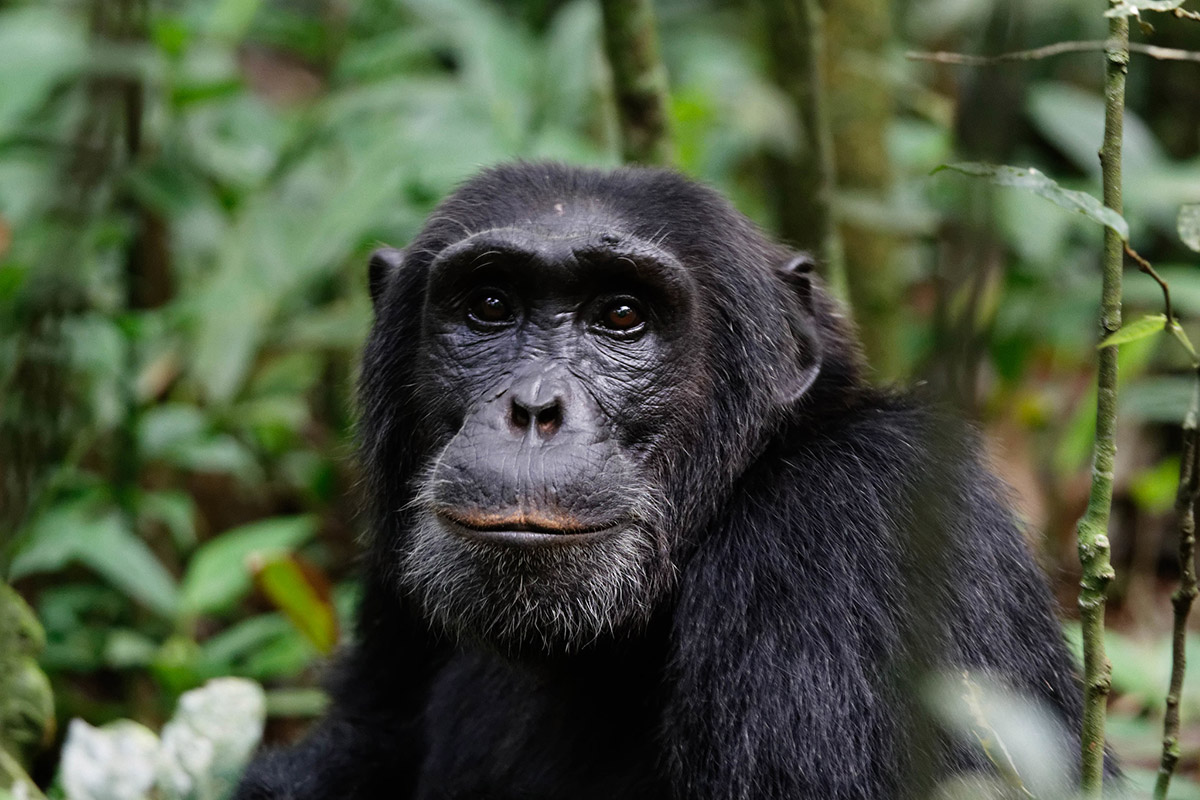
An 11-day Uganda safari offers the ultimate "Pearl of Africa" experience, seamlessly combining savannah wildlife viewing with immersive primate tracking. This classic itinerary covers the highlights: trekking endangered mountain gorillas, encountering wild chimpanzees, and spotting the Big Five across Uganda's premier national parks.
11-days-uganda-birding-safari-and-primate-experience
11-days-budget-uganda-gorilla-trekking-chimpanzee-and-wildlife-vacation
11-days-uganda-wildlife-safari-to-off-beaten-path-unique-tour-including-kidepo-valley
11-Day Classic Western Circuit
Welcome to the 11-Day Classic Western Circuit, Uganda’s most quintessential safari experience. This journey is masterfully crafted for first-time explorers seeking a profound connection with the "Pearl of Africa." Over eleven days, you will traverse a kaleidoscopic landscape—moving from the thunderous, sun-drenched savannas of the north to the misty, ancient heights of the southern rainforests. This circuit is the definitive "Big Game" and primate odyssey, offering the rare privilege of tracking both endangered mountain gorillas in Bwindi and charismatic chimpanzees in Kibale. Along the way, the shimmering waters of the Nile and the tranquil, island-dotted expanse of Lake Bunyonyi provide a serene backdrop to your adventure. You will witness the raw power of Murchison Falls, the unique tree-climbing lions of Queen Elizabeth, and the elegant zebras of Lake Mburo. This itinerary isn't just a tour; it is an immersive dive into the heart of Africa’s most diverse ecosystems.
Day 1: Arrival in Entebbe
Your journey begins at the gateway to Uganda, Entebbe. Nestled on the shores of Lake Victoria, this lush peninsula offers a gentle introduction to the country's vibrant energy. Upon arrival at Entebbe International Airport, you will be greeted by your guide and transferred to your hotel. Depending on your arrival time, you can spend the afternoon unwinding in the botanical gardens or taking a sunset boat cruise on Africa’s largest freshwater lake. The air here is fresh, filled with the scent of tropical blooms and the calls of Great Blue Turacos. This first evening is about acclimatizing and preparing for the grand circuit ahead. Enjoy a quiet dinner at your lodge, perhaps sampling fresh tilapia, while your guide briefs you on the incredible experiences awaiting you in the northern savannas tomorrow. It is the calm before an exhilarating eleven-day storm of nature and wildlife.
Day 2: Transfer to Murchison Falls via Ziwa Rhino Sanctuary
Leaving the lakeside behind, you head north toward Murchison Falls National Park. The drive takes you through vibrant small towns and lush green countryside. The highlight of today is a stop at the Ziwa Rhino Sanctuary, the only place in Uganda where you can track wild southern white rhinos on foot. Accompanied by expert rangers, you will walk through the bush to observe these prehistoric giants at close range—a vital conservation success story. After this heart-pounding encounter and a hearty lunch, you continue to Murchison Falls, Uganda’s largest and oldest conservation area. As you enter the park, the landscape shifts into expansive savanna dotted with Borassus palms. You will arrive at your lodge in time to watch the sun dip below the horizon, painting the sky in shades of violet and gold, signaling the start of your "Big Game" adventure.
Day 3: Game Drive and Boat Cruise to the Base of the Falls
Today is dedicated to the wonders of the Nile. Your morning begins with a game drive across the northern tracks, where you’ll search for lions, leopards, giant African elephants, and the rare Rothschild’s giraffe. The park’s biodiversity is staggering, with Cape buffalo and various antelopes grazing in the golden light. In the afternoon, you board a boat for a three-hour cruise up the Victoria Nile. This is a premier birdwatching and wildlife experience; you’ll pass massive pods of hippos and enormous Nile crocodiles basking on the banks. The climax of the cruise is the view of the "Devil's Cauldron," where the world’s longest river forces itself through a narrow eight-meter gorge. For the adventurous, a hike to the "Top of the Falls" offers a visceral experience of the spray and roar as the water plunges 43 meters into the abyss below.
Day 4: Transfer to Kibale Forest National Park
Say goodbye to the savanna as you embark on a scenic drive south toward the foothills of the Rwenzori Mountains. This journey is a visual feast, passing through the verdant tea plantations of Fort Portal and rural homesteads where children often wave at passing travelers. You are heading into the heart of the "Primate Capital of the World," Kibale Forest National Park. As you approach the forest, the air becomes cooler and the vegetation more dense. Kibale is home to the highest density of primates in Africa, including 1,300 chimpanzees. You will check into your lodge, which is often nestled right at the forest edge, allowing you to fall asleep to the mysterious hoots and whistles of the jungle. It is a transition from the wide-open plains to the secretive, shadowed world of the tropical rainforest, setting the stage for tomorrow’s primate encounter.
Day 5: Chimpanzee Trekking and Bigodi Wetland Walk
Today brings you face-to-face with our closest living relatives. After a morning briefing, you enter the thick canopy of Kibale Forest with an expert ranger. The trek can be fast-paced as you follow the vocalizations of the chimpanzees. Finding a troop is an electric experience; you’ll spend an hour watching them play, groom, and swing through the mahogany trees. The forest also hosts Red-tailed monkeys and Grey-cheeked mangabeys. In the afternoon, you visit the Bigodi Wetland Sanctuary, a community-run project. A guided walk through this swampy paradise is a highlight for birders, with the chance to see the Great Blue Turaco and several species of primates not easily seen in the main forest. This day beautifully balances the high-energy thrill of the chimp trek with the tranquil, intricate beauty of the wetlands and local community culture.
Day 6: Transfer to Queen Elizabeth National Park
Your journey continues south to Queen Elizabeth National Park, a UNESCO Biosphere Reserve. The drive offers stunning views of the "Mountains of the Moon" (the Rwenzoris) on a clear day. As you enter the park, you’ll cross the equator—a perfect photo opportunity. Queen Elizabeth is famous for its diverse habitats, from crater lakes to open plains. Upon arrival, you will head out for an evening game drive in the Kasenyi sector, a lekking ground for the Uganda Kob and a favorite haunt for lions. The landscape here is dramatic, framed by the shadows of distant volcanoes. You might spot elephants silhouetted against the sunset or a leopard beginning its nightly hunt. Dinner at your lodge overlooking the park provides a moment of reflection on the incredible variety of landscapes you have already crossed in just six days.
Day 7: Game Drive and Kazinga Channel Boat Cruise
Start the day with a sunrise game drive to catch the predators while they are still active. The park’s vast plains are home to over 600 bird species and 95 mammal species. After lunch, you’ll experience one of the safari’s absolute highlights: a boat cruise on the Kazinga Channel. This natural waterway connects Lake Edward and Lake George and boasts the highest concentration of hippos in the world. From the safety of the boat, you can observe elephants and buffaloes coming down to the water to drink, while African Fish Eagles soar overhead and Malachite Kingfishers dart along the banks. The proximity to the wildlife is extraordinary, offering unparalleled photographic opportunities. It is a relaxing yet thrilling way to see the "Big Five" dynamics play out along the water’s edge before returning to the comfort of your lodge.
Day 8: Ishasha Sector (Tree-Climbing Lions) to Bwindi
Today you head to the southern sector of the park, Ishasha, world-renowned for its unique population of tree-climbing lions. Seeing these majestic cats sprawled across the limbs of ancient fig trees is a rare and surreal sight found in only a few places in Africa. After searching for the lions and observing the park's Topi antelopes, you continue the drive toward the misty heights of Bwindi Impenetrable National Park. The terrain changes dramatically as you climb into the Kigezi Highlands, often called the "Switzerland of Africa" due to its steep, terraced hills and cool climate. Bwindi is an ancient, biologically rich rainforest and the sanctuary for half of the world’s remaining mountain gorillas. Arriving at your lodge, you’ll feel the anticipation building for the life-changing trek scheduled for tomorrow morning in this UNESCO World Heritage site.
Day 9: Gorilla Trekking in Bwindi Impenetrable Forest
This is the pinnacle of the Western Circuit. After an early breakfast and a briefing by UWA rangers, you will be assigned a gorilla family and begin your trek into the "Impenetrable" forest. The hike can be challenging, involving steep slopes and thick undergrowth, but the reward is incomparable. When you finally find the gorillas, all fatigue vanishes. You have one hour to sit quietly and observe these gentle giants. Watching a silverback protect his family or a juvenile gorilla play just meters away is a profound, soulful experience that stays with you forever. The forest itself is a wonderland of ferns and ancient trees. After the trek, you will receive your "Gorilla Tracking Certificate." In the late afternoon, you’ll transfer to the nearby Lake Bunyonyi, where you can relax your muscles and process the day's emotions overlooking the water.
Day 10: Lake Bunyonyi to Lake Mburo National Park
The morning at Lake Bunyonyi is for serenity. As the deepest lake in Uganda, it is free of bilharzia, hippos, and crocodiles, making it perfect for a morning swim or a dugout canoe exploration of its 29 islands. Each island has a story, including the infamous "Punishment Island." After a leisurely morning, you begin the drive to Lake Mburo National Park, the smallest of Uganda’s savanna parks but rich in personality. Unlike the other parks, Lake Mburo is the best place to see Impalas, Elands, and Burchell’s Zebras. As you arrive in the late afternoon, you’ll take a sunset game drive. The park’s rolling hills and acacia woodlands offer a different aesthetic from the northern plains. The evening often concludes with a night game drive, providing a chance to see nocturnal creatures like bushbabies, pottos, and perhaps even a leopard on the prowl.
Day 11: Nature Walk and Return to Entebbe
On your final day, you trade the vehicle for your own two feet. Lake Mburo is one of the few parks where you can take a guided nature walk, allowing you to get incredibly close to zebras and giraffes without the barrier of a car. Walking through the savanna at dawn, accompanied by the smell of wild herbs and the sound of birdsong, is a grounding way to end your safari. Afterward, you begin the return journey to Entebbe. You will stop at the Equator Crossing for a final souvenir shopping session and lunch. As you drive back through the bustling outskirts of Kampala, the 11-day loop is completed. Your guide will drop you at the airport or your hotel, marking the end of a comprehensive journey through the diverse, wild, and breathtaking landscapes of the Western Circuit
11 Days Uganda’s "Primate & Adventure Intensive
Uganda’s "Primate & Adventure Intensive" is the ultimate pilgrimage for those who want to look deep into the eyes of our closest living relatives. This 11-day journey is not for the faint of heart; it is a high-energy expedition designed for active hikers and primate enthusiasts who crave more than just a passing glimpse of the forest’s residents. You will trade the typical safari vehicle for sturdy trekking boots as you navigate the emerald depths of Kibale, Bwindi, and the volcanic slopes of Mgahinga. From the high-octane energy of a chimpanzee habituation experience to the silent, soulful encounter with mountain gorillas, this itinerary offers a profound connection with nature. Along the way, you will traverse the savanna of Queen Elizabeth National Park and unwind by the mystical waters of Lake Bunyonyi. Prepare for an immersive, sweat-inducing, and heart-stirring adventure that showcases the very best of Uganda’s wild, mountainous soul.
Day 1: Arrival in Entebbe
Your journey begins on the shores of Lake Victoria. Upon arrival at Entebbe International Airport, you will be met by your guide and transferred to your boutique hotel. Entebbe is a lush, tropical peninsula that offers a gentle introduction to Uganda. Depending on your arrival time, you can visit the Entebbe Botanical Gardens, where you might spot black-and-white colobus monkeys and a variety of hornbills, or take a sunset boat cruise on the lake to see local fishermen at work. The air is warm, the pace is slow, and the excitement for the upcoming trek is palpable. Dinner will be a briefing on the adventure ahead, ensuring you are packed and ready for the early start tomorrow. It is the perfect evening to rest, hydrate, and prepare your gear for the rugged terrain of the primate forests that await you in the west.
Day 2: Journey to the Primate Capital
After an early breakfast, you leave the lakeside behind and head west toward Fort Portal. The drive is a scenic six-hour journey through vibrant green tea plantations, bustling market towns, and rolling hills. As you approach the Kibale Forest area, the landscape transforms into a dense canopy of ancient trees. Kibale National Park is famously known as the "Primate Capital of the World," home to 13 different species. You will check into your lodge, often nestled right at the forest’s edge, where the sounds of red-tailed monkeys and great blue turacos provide a natural soundtrack. In the afternoon, take a guided walk through the Bigodi Wetland Sanctuary. This community-run project is a birdwatcher’s paradise and offers sightings of rare primates like the Ugandan red colobus and the grey-cheeked mangabey, all while supporting local conservation and development initiatives.
Day 3: Chimpanzee Habituation Experience (CHEX)
Today is a highlight for many: the Chimpanzee Habituation Experience. Unlike standard tracking, which lasts one hour, habituation allows you to spend a significant portion of the day following a chimp community as they wake up, hunt, patrol, and build nests. Accompanied by researchers and rangers, you enter the forest before dawn. You will witness the raw energy of the troop as they scream through the canopy and swing from branch to branch. It is an intense, fast-paced day that requires physical stamina but rewards you with a deep understanding of chimpanzee social dynamics and individual personalities. You’ll see them grooming, nursing their young, and perhaps even engaging in a coordinated hunt. By the time you emerge from the forest in the late afternoon, you will have a newfound respect for these complex, intelligent creatures that share 98% of our DNA.
Day 4: Crater Lakes and Queen Elizabeth Park
Leaving the rainforest behind, you take a scenic drive through the Kasenda Crater Lakes region. This area features dozens of stunning "explosion craters" filled with turquoise water, surrounded by steep, cultivated slopes. It is a photographer's dream. You will then descend into the Great Rift Valley, entering Queen Elizabeth National Park. The landscape shifts dramatically to open savanna, punctuated by euphorbia trees and ancient volcanic cones. After checking into your lodge, head out for an evening game drive. Keep your eyes peeled for elephants, Cape buffalo, and the elusive leopard. The park is a mosaic of habitats, and the transition from the dense forest of Kibale to the wide-open plains of Queen Elizabeth offers a refreshing change of pace and a chance to see Uganda’s diverse "Big Game" before returning to the primates in the mountains.
Day 5: Kazinga Channel and Ishasha Lions
The morning begins with a game drive across the Kasenyi plains, a prime mating ground for Uganda kob and a favorite hunting territory for lions. Afterward, you will head to the Kazinga Channel for a two-hour boat safari. This is arguably the best place in Africa to see hippos and Nile crocodiles at close range, while elephants often come to the water’s edge to bathe and drink. In the afternoon, you drive south toward the Ishasha sector. This remote area is world-famous for its tree-climbing lions. Look up into the sprawling branches of ancient fig trees, where these majestic cats lounge to escape the midday heat and biting insects. Seeing a pride of lions draped over tree limbs like oversized house cats is a surreal and rare sight, making Ishasha a mandatory stop for any serious wildlife enthusiast.
Day 6: Into the Bwindi Impenetrable Forest
Today you head further south, watching the savanna give way to the steep, terraced hills of the Kigezi Highlands, often called the "Switzerland of Africa." Your destination is Bwindi Impenetrable National Park, a UNESCO World Heritage site and home to roughly half of the world’s remaining mountain gorillas. The drive itself is spectacular, winding through mountain passes and local villages where children wave as you pass. Bwindi is a massive, ancient forest that has survived for over 25,000 years, creating a biological diversity that is almost unparalleled. As you arrive at your lodge, which likely overlooks the misty forest canopy, the air becomes crisp and cool. The atmosphere is quiet and reverent; you are now in the heart of gorilla territory. Tonight is about final gear checks—waterproof layers, gardening gloves, and sturdy boots—as you prepare for tomorrow’s life-changing encounter.
Day 7: Gorilla Trekking in Bwindi
This is the day you have been waiting for. After a briefing at the park headquarters, you are assigned to a gorilla family and a team of expert trackers and rangers. The trek can take anywhere from two to seven hours, depending on where the gorillas nested the previous night. The terrain is steep, tangled, and muddy, but the struggle vanishes the moment you find them. You have one precious hour to observe the family. You might see a massive Silverback guarding his troop, juveniles play-fighting, or a mother cradling her infant. The gorillas are remarkably peaceful and habituated to human presence, often going about their business just a few meters away. It is a profound, silent exchange between species that leaves most travelers moved to tears. Afterward, return to the lodge to celebrate and reflect on one of the world's greatest wildlife experiences.
Day 8: Mgahinga’s Volcanic Peaks
You continue your journey to the southernmost tip of Uganda, where the borders of Uganda, Rwanda, and the DRC meet. Mgahinga Gorilla National Park is the smallest in the country but arguably the most dramatic, sitting on the slopes of three extinct volcanoes: Mt. Gahinga, Mt. Muhabura, and Mt. Sabinyo. The park offers a completely different "vibe" than Bwindi, with its bamboo forests and alpine vegetation. Spend the afternoon on the Batwa Trail. This is a unique cultural experience led by the indigenous Batwa pygmies, who were the original inhabitants of the forest. They will demonstrate how they used to live, hunt, and gather medicine in the woods before it became a national park. It is a poignant look at a vanishing way of life and provides vital context to the conservation efforts that protect the gorillas and the forest today.
Day 9: Golden Monkeys or Double Gorilla Trek
Today offers a choice of "High Adventure." Most travelers opt for golden monkey tracking. These striking, orange-tinted primates are endemic to the Albertine Rift and are found almost exclusively in the bamboo zones of the Virunga Volcanoes. They are fast-moving and playful, leaping through the bamboo stalks in a blur of gold. For those who can't get enough of the great apes, a second gorilla trek is possible here. Mgahinga is home to the Nyakagezi gorilla family, a group known for its high number of silverbacks. Alternatively, for the truly fit, you can attempt a climb of Mt. Sabinyo. The "Sabinyo Hike" takes you to a point where you can stand in three countries—Uganda, Rwanda, and the DRC—simultaneously. Whatever you choose, the day is defined by the rugged, high-altitude beauty of the volcanoes and the unique species that call them home.
Day 10: Relaxation at Lake Bunyonyi
After days of intense trekking, it is time to rest your legs at Lake Bunyonyi. Known as the "Place of Many Little Birds," this is the deepest lake in Uganda and is famously bilharzia-free and safe for swimming. The lake is dotted with 29 islands, each with its own story, including the infamous "Punishment Island." You will spend the day at a slower pace. You can take a dugout canoe or a motorized boat to explore the islands, visit a local school, or simply sit on your balcony and watch the mist roll over the hills. It is the perfect place to journal about your primate encounters and soak in the tranquility of the Ugandan countryside. As the sun sets over the terraced hills, enjoy a final "Sundowner" drink and a traditional meal, reflecting on the incredible distance you’ve covered and the memories you’ve made.
Day 11: Return to Entebbe and Departure
The final leg of your journey is a long but beautiful drive back to Entebbe. You will pass through Mbarara and stop at the Equator crossing in Kayabwe for a photo opportunity and some last-minute souvenir shopping. The transition from the quiet mountains back to the bustling outskirts of Kampala is a reminder of how diverse Uganda is. You will have a day-room or a farewell dinner in Entebbe to freshen up before your late-evening flight. As you head to the airport, your luggage might be heavier with crafts and coffee, but your heart will be full of the sounds of the rainforest and the memory of a Silverback’s gaze. This 11-day intensive has taken you through the toughest terrain and the most rewarding encounters, leaving you with a lifelong connection to the "Pearl of Africa" and its primate kin.
11 Days Birding & Wildlife Enthusiast
Uganda is a premier destination for birders, boasting over 1,000 species packed into a country the size of Great Britain. This 11-day "Birding & Wildlife Enthusiast" itinerary is a high-yield circuit designed to maximize sightings of rare endemics and the "Big Five." From the prehistoric swamps of Lake Victoria to the mist-shrouded ancient ferns of Bwindi, you will traverse a staggering variety of ecosystems. This journey focuses on the "must-see" avian targets—chiefly the elusive Shoebill Stork and the Albertine Rift endemics—while ensuring spectacular mammalian encounters in the savanna. Whether you are a professional photographer with a long lens or a hobbyist with binoculars, this route offers a kaleidoscopic view of Africa’s biodiversity. You will move through papyrus swamps, tropical rainforests, and acacia woodlands, guided by experts who know every call and plumage. Prepare for an immersive experience where the "Pearl of Africa" reveals its most colorful and rare treasures.
Day 1: Arrival and Entebbe Birding
Your birding odyssey begins on the lush Entebbe peninsula. After arriving at the airport, you will settle into your lakeside lodge. Entebbe is an excellent "soft" start for birders; the Entebbe Botanical Gardens offer an immediate introduction to Uganda’s feathered residents. Here, you can easily spot the Great Blue Turaco, Ross’s Turaco, and the Double-toothed Barbet. In the tall trees along the Lake Victoria shore, look for the African Grey Parrot and various sunbirds. The gardens are also home to the Black-and-white Casqued Hornbill, whose heavy wings can be heard from a distance. Spend the afternoon strolling the shaded paths, adjusting to the tropical heat, and ticking off your first fifty species. As the sun sets over the water, you might see Pied Kingfishers hovering and diving, setting the stage for the specialized swamp expedition scheduled for tomorrow morning.
Day 2: Mabamba Swamp and the Shoebill
Today features the ultimate prize for any birder: the Shoebill Stork. You will head to Mabamba Swamp, a RAMSAR site, and board a traditional wooden canoe to navigate the narrow papyrus channels. The Shoebill is a prehistoric-looking giant that stands motionless for hours, and Mabamba is one of the best places in the world to see it. While searching for this "living fossil," you will also encounter the Lesser Jacana, Blue-breasted Bee-eater, African Marsh Harrier, and the Malachite Kingfisher. The quiet gliding of the boat allows for incredible photography without disturbing the wildlife. After the swamp, you begin the journey north toward Ziwa Rhino Sanctuary. This stop offers a chance to see the Southern White Rhino on foot, as well as the White-crested Turaco and the Grey-crowned Crane—Uganda’s national bird—frequently seen dancing in the nearby marshy grasslands.
Day 3: Murchison Falls Savanna Birding
You enter Murchison Falls National Park, Uganda’s largest protected area, where the Nile squeezes through a seven-meter gap. The birding here is spectacular, particularly in the dry savanna and along the riverbanks. Early morning game drives across the northern delta will reveal the Abyssinian Ground Hornbill, Denham's Bustard, and the Secretary Bird. The park is a stronghold for raptors, including the Martial Eagle and various vultures. In the afternoon, a boat cruise toward the base of the falls offers a different perspective. You will see colonies of Red-throated Bee-eaters nesting in the cliffs, while the African Fish Eagle keeps a watchful eye from the treetops. Keep your binoculars ready for the Rock Pratincole and the Wire-tailed Swallow. Between bird sightings, you will see massive herds of Rothschild’s giraffes, elephants, and hippos lounging in the river.
Day 4: The Royal Mile and Kibale Forest
Leaving Murchison, you head toward the Budongo Forest, specifically the "Royal Mile." This is one of the most famous birding spots in Africa, featuring a wide, flat road through ancient mahogany trees that provides excellent visibility. Target species here include the Chocolate-backed Kingfisher, African Dwarf Kingfisher, and the elusive Ituri Batis. The canopy is alive with the calls of the Western Black-headed Oriole and various illadopses. After a productive morning, you continue the drive south to Kibale National Park. The scenery shifts from open plains to rolling tea estates and dense rainforest. Kibale is home to 335 bird species and 13 primates. As you arrive at your lodge, listen for the shrieks of the African Grey Parrot and the honking of the Crowned Hornbill, marking your arrival in the "Primate Capital of the World."
Day 5: Green-breasted Pitta and Chimps
An early start is essential today to search for the "Holy Grail" of African birding: the Green-breasted Pitta. This rare bird is known for its incredible dawn display and is notoriously difficult to find, but Kibale is its most reliable habitat. Accompanied by specialized guides, you will head into the forest while it is still dark to listen for its distinctive "brrrrt" call. After the pitta search, you transition to chimpanzee tracking. While the chimps are the stars, the forest floor and mid-canopy are bustling with activity. Look for the Black-bee-eater, Yellow-spotted Barbet, and the White-naped Pigeon. In the afternoon, visit the Bigodi Wetland Sanctuary. This community-led boardwalk trek is excellent for spotting the Great Blue Turaco, Papyrus Gonolek, and various monkey species, all while contributing directly to local conservation and community health projects.
Day 6: Queen Elizabeth Park & Kazinga Channel
You drive toward Queen Elizabeth National Park, crossing the equator with the Rwenzori Mountains as a backdrop. This park boasts one of the highest bird diversities in the world, with over 600 species recorded. The morning game drive across the Kasenyi plains offers sightings of the Verreaux’s Eagle-Owl and the African Wattled Plover. In the afternoon, the boat safari on the Kazinga Channel provides a world-class birding experience. The banks are crowded with Great White and Pink-backed Pelicans, Yellow-billed Storks, and Saddle-billed Storks. You will see hundreds of African Skimmers (if in season) and various species of gulls and terns. The proximity to the water allows for stunning close-up photography of kingfishers and herons against a backdrop of hippos and buffaloes. It is a dense, high-energy birding session that rarely fails to impress.
Day 7: Ishasha and Bwindi’s High Altitudes
You travel south through the Ishasha sector, famous for its tree-climbing lions. While scanning the fig trees for lions, look for the Broad-billed Roller and the Grey Kestrel. The journey then climbs steeply into the Kigezi Highlands toward Bwindi Impenetrable National Park. As the altitude increases, the bird life changes dramatically. Bwindi is the most important area in Africa for "Albertine Rift Endemics"—species found nowhere else on earth. You will stay in either the Buhoma or Ruhija sector, both of which offer access to high-altitude forest specialties. The evening air is cool, and the forest is a wall of green. Listen for the Black-billed Turaco and the African Broadbill, which perform a unique circular display flight. Tonight, you prepare for a day of "Double Duty"—trekking for gorillas while keeping a keen eye on the canopy.
Day 8: Gorilla Trekking and Forest Endemics
Today is a once-in-a-lifetime experience. While your primary goal is to find a family of mountain gorillas, the trek through the ancient forest is a birding event in itself. As you hike through the dense undergrowth, keep your binoculars ready for the Regal Sunbird, Blue-headed Sunbird, and the Strange Weaver. The gorillas themselves are often found in clearings where bird activity is high. After the one-hour encounter with the gorillas, you can spend the afternoon birding along the park's main trails. Target species include the Short-tailed Warbler and the Kivu Ground Thrush. The "Impenetrable" forest lives up to its name, with thick vegetation that requires patience and a good ear, but the reward is seeing some of the rarest birds on the continent in a truly primordial setting.
Day 9: Ruhija and the African Green Broadbill
For the dedicated birder, today is focused on the Ruhija sector of Bwindi, which provides access to the Mubwindi Swamp. This is the best place to find the African Green Broadbill, a tiny, stunningly green bird that is one of the most sought-after species in Africa. The hike down to the swamp is steep but passes through prime habitat for the Grauer’s Rush Warbler and the Archer’s Robin-Chat. You may also see the Handsome Francolin and the Mountain Masked Apalis. The mist-covered valleys of Ruhija are a hotspot for biodiversity, and the silence of the high-altitude forest is only broken by the specialized calls of these endemic beauties. It is a day of deep forest birding that requires stamina but offers the chance to complete your Albertine Rift checklist in a spectacular mountain setting.
Day 10: Lake Mburo’s Acacia Woodlands
You descend from the mountains and head to Lake Mburo National Park, the only place in southern Uganda to see zebras and impalas. The park is characterized by acacia woodlands and wetlands, creating a unique habitat for birding. The star attraction here is the African Finfoot, often seen on a boat trip along the quiet shores of the lake. You will also search for the Red-faced Barbet, a localized endemic, and the Long-tailed Cisticola. The park is excellent for seeing the Tabora Cisticola and the Emerald-spotted Wood-dove. In the evening, a night game drive offers a chance to see the Fiery-necked Nightjar and the Pennant-winged Nightjar (seasonal). Lake Mburo’s compact size makes it easy to see a high volume of species in a short time, providing a perfect "final chapter" to your Ugandan wildlife story.
Day 11: Return to Entebbe via the Equator
On your final morning, enjoy a walking safari—a unique feature of Lake Mburo—where you can get close to giraffes and zebras on foot, offering a different perspective for photography. Afterward, begin the drive back to Entebbe. You will stop at the Equator for a celebratory lunch and a chance to buy some local crafts. The drive through the central Ugandan countryside offers a final look at the "Long-horned" Ankole cattle and the vibrant roadside markets. Depending on your flight schedule, you can stop at various wetlands along the highway to look for any missing waterbirds or simply relax in Entebbe. As you head to the airport, your memory cards will be full of images of storks, eagles, and primates, marking the end of a truly comprehensive Ugandan safari.
11 Days Luxury Fly-in Safari
Uganda’s "Luxury Fly-in Safari" is the gold standard for travelers who value time, comfort, and breathtaking aerial perspectives. By swapping long, dusty drives for private charters and scheduled bush flights, you bypass the "African massage" of bumpy roads and gain precious hours to lounge by infinity pools or embark on extra game drives. This 11-day journey links Uganda’s most iconic landscapes—from the thunderous Murchison Falls and the crater-dotted foothills of the Rwenzoris to the mist-shrouded Bwindi Impenetrable Forest—using a network of scenic flight paths. You will stay in the country’s most exclusive lodges, where world-class service meets raw wilderness. This itinerary is about "effortless exploration," ensuring you arrive at each destination refreshed and ready to witness the mountain gorillas, chimpanzees, and the Big Five. It is an elevated way to experience the "Pearl of Africa," offering a bird’s-eye view of the Great Rift Valley before touching down in the heart of the action.
Day 1: Arrival in Entebbe
Your luxury escape begins at Entebbe International Airport, where a private representative will meet you on the tarmac and fast-track you through customs. A short-chauffeured drive takes you to a premier boutique hotel, such as Hotel No.5 or The Protea Entebbe, nestled in a quiet, leafy suburb. Spend your afternoon relaxing in the spa or enjoying a chilled glass of wine on a terrace overlooking Lake Victoria. If you feel adventurous, a private boat cruise at sunset offers a peaceful introduction to the local birdlife and the vastness of the lake. Dinner is a fine-dining affair, featuring fresh tilapia or international cuisine. Tonight is about acclimatization and deep rest, ensuring you are prepared for your first flight into the wilderness tomorrow morning.
Day 2: Flight to Murchison Falls
After a gourmet breakfast, you will be transferred to the Entebbe domestic terminal for your flight to Murchison Falls National Park. As you soar north, the landscape transforms from the blue of Lake Victoria to the winding Victoria Nile. Upon landing at the bush airstrip, your private guide will be waiting in a luxury 4x4 to whisk you to a high-end lodge like Nile Safari Lodge or Baker’s Lodge. These properties offer eco-luxury suites with private decks overlooking the river. After a sumptuous lunch, head out for an afternoon game drive. The park is a sanctuary for Rothschild’s giraffes, lions, and elephants. End the day with a "sundowner" cocktail in the savanna, watching the sky turn purple over the Albert Nile before returning for a multi-course dinner under the stars
Day 3: The Nile and the Delta
Start the day with a private sunrise boat cruise toward the Nile Delta, where the river enters Lake Albert. This is a prime spot for seeing the rare Shoebill stork and hippos basking in the morning light. After a decadent brunch back at the lodge, you will take a private boat to the base of the Murchison Falls. For the best views, take the short, guided hike to the "Top of the Falls" to feel the ground tremble as the Nile forces itself through a narrow gorge. Your vehicle will meet you at the top for a scenic drive back to the lodge. The evening is yours to enjoy—perhaps a massage or a dip in the infinity pool while watching elephants graze on the opposite bank.
Day 4: Fly to the Chimpanzee Forest
A morning flight takes you south from Murchison to Kasese or Fort Portal airstrip. The flight offers stunning views of the Albertine Rift Valley and the tea-covered foothills of the Rwenzori Mountains. Upon arrival, a short drive brings you to the edge of Kibale National Park. Stay at a luxury lodge like Kyaninga Lodge, perched on the rim of a volcanic crater lake, or Ndali Lodge. After lunch, visit the Bigodi Wetland Sanctuary for a private guided walk. This is a chance to see primates like the Red Colobus and the Great Blue Turaco. Return to your lodge for a sunset swim in the crater lake or a cocktail by the fire, soaking in the cooler mountain air.
Day 5: Chimpanzee Tracking & Luxury Leisure
Today is dedicated to the chimpanzees of Kibale. You will have a private ranger to guide you through the forest in search of these intelligent primates. Listening to their pant-hoots echoing through the canopy is a spine-tingling experience. Once you find them, you will spend an hour observing their social interactions and acrobatic displays. After the trek, return to your lodge for a leisurely afternoon. Luxury fly-in guests often appreciate this downtime to enjoy the lodge's amenities—be it a guided walk through the surrounding tea estates or a private yoga session with a mountain view. The focus is on a relaxed pace, allowing the morning’s forest encounter to truly sink in.
Day 6: Into Queen Elizabeth Park
A short, scenic drive (or a quick "hop" flight if preferred) takes you into Queen Elizabeth National Park. Check into a premier property like Kyambura Gorge Lodge or Elephant Plains. The lodge architecture often reflects the local volcanic landscape, providing an immersive yet sophisticated atmosphere. In the afternoon, embark on a private boat safari on the Kazinga Channel. In a luxury boat, you can enjoy appetizers and drinks while drifting past one of the world’s highest concentrations of hippos and crocodiles. The birdlife is equally staggering. Return to your lodge for a "bush dinner," where a private chef prepares a meal in a secluded spot illuminated by lanterns and the African moon.
Day 7: Ishasha’s Tree-Climbing Lions
Head south to the Ishasha sector of the park], famous for its tree-climbing lions. Staying at Ishasha Wilderness Camp, you are positioned right on the Ntungwe River. This camp defines "glamping" with its spacious canvas tents and hot "bush showers." Spend the day on a private game drive searching for the lions draped over the branches of ancient sycamore fig trees. It is a unique photographic opportunity. Between drives, enjoy the tranquility of the camp, where elephants often cross the river just meters from your tent. The sounds of the wilderness are your soundtrack for the night, with the river providing a soothing background as you drift off to sleep.
Day 8: Fly to the Gorilla Highlands
Bid farewell to the savanna as you board a flight from Ishasha to Kisoro or Kihihi airstrip. This flight is a highlight, offering a "God’s-eye view" of the terraced hills and the dense, dark green canopy of the Bwindi Impenetrable Forest. You will be transferred to a top-tier lodge like Sanctuary Gorilla Forest Camp (the only camp located inside the park) or Clouds Mountain Gorilla Lodge. These lodges offer personal butlers, cozy fireplaces, and panoramic views of the Virunga Volcanoes. Spend the afternoon relaxing or taking a gentle walk to a local community project. The high altitude means the air is crisp, and the atmosphere is one of quiet, luxurious seclusion.
Day 9: The Ultimate Gorilla Encounter
Today is the centerpiece of your safari. After an early breakfast, you will be escorted to the park headquarters. With a private porter to carry your gear and a lead ranger, you will enter the ancient forest in search of mountain gorillas. The trek is physically demanding but the reward is unparalleled—sitting just meters away from a 400-pound Silverback. Your luxury lodge will provide a gourmet packed lunch to enjoy in the forest. After your one-hour encounter, return to the lodge for a "gorilla foot massage" and a warm bath prepared by your butler. Celebrate the day’s success with a fine bottle of wine and a celebratory dinner, sharing stories of the encounter by the roaring fire.
Day 10: Second Trek or Forest Spa Day
You have the luxury of choice today. Many guests opt for a second gorilla trek in a different sector to see a different family, or perhaps a Golden Monkey trek in nearby Mgahinga. Alternatively, you may choose to enjoy the lodge’s "Slow Safari" offerings. This could be a guided birding walk, a visit to the Batwa indigenous community, or a full day of spa treatments overlooking the forest canopy. The goal is to fully absorb the magic of the Albertine Rift at your own pace. As this is your final night in the mountains, a special farewell dinner is arranged, often featuring local cultural performances and a retrospective of your journey through the "Pearl of Africa."
Day 11: Flight to Entebbe and Departure
After a final breakfast overlooking the misty forest, you will be transferred to the airstrip for your flight back to Entebbe. This 90-minute journey saves you an 8-hour drive, allowing you to enjoy one last look at the craters and lakes of western Uganda from above. Upon arrival in Entebbe, you will have access to a day-room at a luxury hotel to freshen up and enjoy a final lunch. A private vehicle will then transfer you to the international terminal for your evening departure. You leave Uganda having seen the very best of its wildlife and landscapes, all while enjoying the seamless ease and refinement that only a fly-in safari can provide. [1, 2, 3, 4, 5]
11 Days Grand Scenic" Relaxed Route
Uganda’s "Grand Scenic Relaxed Route" is designed for those who believe the journey should be as rejuvenating as the destination. While most safaris are a race against the clock, this 11-day itinerary prioritizes "slow travel," offering extra nights in Uganda’s most picturesque locations to ensure you aren't just ticking boxes, but truly soaking in the atmosphere. Perfect for families with children or couples on a romantic escape, this path balances the thrill of big-game tracking with peaceful afternoons overlooking volcanic crater lakes and the emerald islands of Lake Bunyonyi. You will still witness the power of Murchison Falls and the majesty of mountain gorillas, but you will do so with a schedule that allows for late breakfasts, photography stops, and genuine relaxation. It is a scenic tapestry of savanna, rainforest, and alpine lakes, woven together at a pace that honors the natural rhythm of the "Pearl of Africa."
Day 1: Arrival and Lakeside Living
Your journey begins in Entebbe, a leafy town set on a peninsula in Lake Victoria. Upon arrival, you will be transferred to a quiet guesthouse or boutique hotel. Instead of rushing into a long drive, this relaxed route gives you the afternoon to recover from your flight. You can stroll through the Entebbe Botanical Gardens, where the breeze from the lake keeps the air cool, or visit the Ngamba Island Chimpanzee Sanctuary office to learn about local conservation. Dinner is served on a terrace overlooking the water, often featuring fresh-caught tilapia. The goal for today is simple: decompress, hydrate, and enjoy the tropical sunset as you prepare for the northern savanna tomorrow.
Day 2: The Journey North to Ziwa
After a leisurely breakfast, you begin the drive toward Murchison Falls National Park. To keep the pace relaxed, you will stop halfway at the Ziwa Rhino Sanctuary. This 70-square-kilometer reserve is the only place in Uganda where you can see wild rhinos. You will take a guided walk on foot to see these prehistoric giants, which is a thrilling yet peaceful experience. Instead of pushing all the way into the park, you will spend the night at a lodge near the sanctuary or just inside the park gates. This break in the journey makes the travel feel like part of the adventure rather than a chore, allowing for plenty of wildlife spotting along the way.
Day 3: Murchison Falls & The Mighty Nile
Today is dedicated to the world’s most powerful waterfall. In the morning, you will take a gentle game drive across the Borassus palm-dotted savanna, where giraffes and elephants are common sights. In the afternoon, instead of a cramped vehicle, you will board a boat for a private cruise up the Victoria Nile. The boat provides a steady, cool platform for viewing hippos, crocodiles, and colorful bee-eaters. The highlight is the view of Murchison Falls from the base, where the entire Nile River explodes through a tiny gap. For those who want a bit of activity, a guided walk to the top of the falls offers stunning views without being overly strenuous.
Day 4: Drive to Fort Portal’s Crater Lakes
Leaving the savanna behind, you head south toward the town of Fort Portal. This drive is one of the most scenic in Uganda, passing through traditional villages and vast tea estates that carpet the hills in vibrant green. You will arrive in the "Crater Lakes Region" in the late afternoon. This area is home to over 50 explosion craters, some filled with turquoise water and surrounded by steep, forested slopes. You will check into a lodge perched right on the rim of a crater, such as Kyaninga or Ndali. The evening is yours to sit on your balcony, watch the mist settle over the water, and enjoy the cool mountain air.
Day 5: A Day of Craters and Culture
Today is a "no-drive" day, a key feature of the relaxed route. After a late breakfast, you can take a guided walk around the rim of the crater lake or hike to a local viewpoint known as the "Top of the World," which offers 360-degree views of the Rwenzori Mountains and the surrounding lakes. Alternatively, visit a local tea plantation to learn how the region’s most famous export is grown and processed. For families, this is a great day for a swim in the (bilharzia-free) crater lakes or a community visit to a nearby primary school. It’s a day to breathe deeply and enjoy the stillness of the Ugandan countryside.
Day 6: Savanna Vistas in Queen Elizabeth Park
A short two-hour drive brings you to Queen Elizabeth National Park. Because the drive is short, you arrive in time for a relaxed lunch overlooking the Kazinga Channel. In the afternoon, you will take a boat safari—a favorite for relaxed travelers because it requires zero hiking. You’ll drift past buffaloes, elephants, and hundreds of hippos. The park’s unique geography, with the "Mountains of the Moon" as a backdrop, makes every angle a photo opportunity. You will spend the night at a lodge overlooking the Edward or George lakes, where the sounds of the African night provide a natural lullaby.
Day 7: Ishasha’s Tree-Climbing Lions
You head to the southern sector of the park, Ishasha, famous for its lions that lounge in fig trees. This area is much quieter than the northern sector, offering a more "exclusive" safari feel. The game drives here are slow and steady; you’ll spend your time scanning the wide branches of the ancient trees. Between drives, you’ll enjoy a "bush lunch" under the shade of a tree. The pace is unhurried, focusing on quality sightings rather than quantity. You’ll stay at a riverside camp where you can watch elephants crossing the water from the comfort of your veranda, truly immersing yourself in the wilderness.
Day 8: Into the Gorilla Highlands
Today you move toward Bwindi Impenetrable National Park. As the road winds upward into the Kigezi Highlands, the temperature drops and the scenery becomes increasingly dramatic. You will reach your lodge by mid-afternoon, giving you time to settle in and prepare for tomorrow’s trek. Bwindi’s lodges are designed for comfort, often featuring fireplaces in the rooms to ward off the evening chill. You can take a short, guided walk through the local village to see how the community lives alongside the forest or simply enjoy the view of the ancient "Impenetrable" canopy as the sun dips below the horizon.
Day 9: The Gorilla Encounter
This is the most active day of the trip, but the reward is worth every step. You will head into the forest with expert rangers to find a family of mountain gorillas. While the hike can be challenging, the "Relaxed Route" ensures you have a private porter to help with your bags and steady your footing. Once you find the gorillas, you have one hour to sit quietly and observe them. The experience is peaceful and profound. After the trek, you return to the lodge for a massage and a celebratory dinner. There are no other activities planned for the afternoon, allowing you to rest and process the magnitude of the encounter.
Day 10: The Magic of Lake Bunyonyi
After the physical exertion of gorilla trekking, you will head to Lake Bunyonyi, often called the most beautiful lake in Africa. You will check into an island resort or a lakeside lodge for a two-night stay. Lake Bunyonyi is exceptionally deep and free of dangerous animals, making it perfect for swimming and canoeing. Your first afternoon is for pure relaxation—perhaps a book on the deck or a gentle paddle in a traditional dugout canoe. The lake is surrounded by 29 islands and steep terraced hills, creating a landscape that looks more like a painting than reality.
Day 11: Island Exploration and Return
Your final full day is spent exploring the secrets of Lake Bunyonyi. You can take a boat trip to "Punishment Island" to learn about local history or visit a local market. In the afternoon, you will begin the journey back toward Entebbe, stopping overnight in Mbarara or Lake Mburo to break up the drive, or taking a domestic flight if you prefer. You’ll stop at the Equator for a final photo and some souvenir shopping. You return to Entebbe feeling refreshed rather than exhausted, having seen the best of Uganda’s wildlife and landscapes without ever feeling rushed.
What does an 11-day itinerary usually include?
An 11-day Uganda itinerary is meticulously designed to provide a 360-degree view of the "Pearl of Africa," moving from the northern savanna to the southern rainforests. It typically begins in Entebbe or Kampala, heading first to the Ziwa Rhino Sanctuary for white rhino tracking, the only place in the country to see these giants. From there, you journey to Murchison Falls National Park, where the Victoria Nile explodes through a narrow gorge. The itinerary includes game drives to see elephants, giraffes, and lions, alongside a boat cruise to the base of the falls.
Moving south, the trip transitions into the primate capital of the world, Kibale National Park. Here, the focus shifts from open plains to dense tropical rainforest for chimpanzee tracking. The journey continues to Queen Elizabeth National Park, offering a classic savanna safari experience with a twist—the Kazinga Channel boat cruise, which hosts one of the world's highest concentrations of hippos. The southern sector of this park, Ishasha, is included for its famous tree-climbing lions.
The emotional and physical peak of the trip is Bwindi Impenetrable National Park, where you spend a day trekking for mountain gorillas. To balance the intensity of the forest, the itinerary usually winds down at Lake Bunyonyi or Lake Mburo National Park. Lake Mburo is unique as it is the only place in southern Uganda to see zebras and impalas, and it offers walking safaris that allow you to stand just meters from wildlife. By the time you return to Entebbe, you have traversed five distinct ecosystems, seen the "Big Five," and spent time with two of the world's most endangered great apes, making it the most comprehensive wildlife circuit in East Africa.
Is Gorilla trekking included in the 11-day itinerary?
Yes, gorilla trekking is the crown jewel of any 11-day Ugandan safari and is a guaranteed inclusion in the "Best of Uganda" packages. Generally, the tour operator handles the complex process of securing the Gorilla Permit, which currently costs $800 USD for foreign non-residents. This permit is your "golden ticket" into Bwindi Impenetrable National Park or Mgahinga Gorilla National Park. It covers the cost of the park entry for that day, the expert trackers who head into the forest at dawn to find the family, and the armed rangers who accompany you for safety and educational purposes.
The inclusion of the permit in the package price is vital because these permits are limited in number and often sell out months in advance. Including it in your itinerary ensures that your trekking date is reserved and synchronized with the rest of your travel route. The permit grants you exactly one hour of face-to-face time with a habituated gorilla family once they are located. This hour is strictly timed to minimize human impact on the animals' natural behavior.
In some specialized "Primate Intensive" itineraries, you might even find a "Double Trek" option, which includes two separate permits for two different days, allowing you to visit two different gorilla families. However, the standard 11-day package includes one trek, providing a life-changing encounter with these gentle giants. It is important to note that the permit fee also contributes significantly to the conservation of the forest and the protection of the gorillas from poaching, as well as funding community projects for the people living around the park boundaries.
When is the best time for this 11-day safari?
Timing is everything when planning a Ugandan safari, primarily due to the impact of rainfall on road conditions and trekking trails. The absolute best times to visit are during the two dry seasons: June to September and December to February. During these months, the weather is generally sunny with minimal rainfall, which is crucial for several reasons. First, the savanna grass in parks like Murchison Falls and Queen Elizabeth is shorter and thinner, making it much easier to spot lions, leopards, and other wildlife that might otherwise be hidden in tall, lush vegetation.
Second, the dry season is the gold standard for gorilla and chimpanzee trekking. While Bwindi is a rainforest and can receive rain at any time, the trails are significantly less muddy and slippery during the dry months. Hiking up steep volcanic slopes is physically demanding enough; doing it in deep mud adds a layer of difficulty that most travelers prefer to avoid. Furthermore, wildlife tends to congregate around permanent water sources like the Nile and the Kazinga Channel during the dry season, leading to spectacular boat safari sightings.
The "wet seasons" (March–May and October–November) are known as the low seasons. While the landscape is a stunning, vibrant green and birdwatching is at its peak with migratory species present, some lodges close down and unpaved roads can become impassable for even the best 4x4 vehicles. However, the wet season offers the advantage of lower prices and fewer crowds. If you choose the dry season, you get the "classic" experience with clear blue skies and easier logistics, but it is essential to book at least 6 to 10 months in advance, as permits and luxury lodges fill up quickly during these peak windows.
Can I see chimpanzees and gorillas on the same trip?
Absolutely—the ability to see both mountain gorillas and chimpanzees in their natural habitats is exactly why the 11-day itinerary is so highly regarded. Uganda is one of the few places on Earth where this "Primate Double" is geographically and logistically feasible. In a standard 11-day circuit, you will visit Kibale National Park for the chimpanzees and Bwindi Impenetrable National Park for the gorillas. While both are primates and live in forests, the experiences are remarkably different.
In Kibale, the chimpanzee tracking is often fast-paced and high-energy. Chimps are extremely vocal and mobile; you will likely hear their deafening "pant-hoots" long before you see them. They spend much of their time in the canopy, swinging with incredible speed, though they do descend to the ground to socialize and groom. The habituation here is world-class, and the forest is relatively flat compared to the gorilla highlands, making the trek more about horizontal distance than vertical climbing.
In Bwindi, the gorilla trekking is a more "soulful" and quiet encounter. Gorillas are ground-dwelling giants that move slowly and deliberately. The trek to find them involves navigating thick, tangled undergrowth and steep mountain ridges, often at high altitudes. Once you find a family, the atmosphere is peaceful. You might find a Silverback munching on wild celery or juveniles play-fighting just a few meters away. Seeing both on one trip allows you to appreciate the vast differences in social structure, temperament, and biology between our two closest living relatives. This "duality" of the primate world is the backbone of the Ugandan safari experience.
What is the accommodation like?
Accommodation on an 11-day Uganda safari is diverse, catering to every budget while maintaining a high standard of hospitality. Most tour operators categorize their stays into three tiers: Luxury, Mid-range, and Budget.
Luxury Lodges (e.g., Mahogany Springs, Paraa Safari Lodge, or Clouds Mountain Gorilla Lodge) offer an experience comparable to five-star hotels but in remote wilderness settings. You can expect spacious stone cottages or "glamping" tents with private decks, en-suite bathrooms with claw-foot tubs, and world-class dining. Many of these lodges are built with local materials to blend into the environment and offer amenities like swimming pools, spas, and personal butlers. They are often located in prime positions, such as overlooking the Nile or the misty canopy of the Bwindi forest.
Mid-range Accommodations (e.g., Ishasha Wilderness Camp or Primate Lodge) strike a balance between comfort and cost. These are typically high-quality safari camps or hotels with clean, comfortable rooms, hot showers, and good on-site restaurants. They provide a "true" safari feel without the exorbitant price tag of the top-tier lodges. You get the authentic experience of sleeping under canvas or in a thatched banda, often with great views and very hospitable staff.
Budget Options include basic guesthouses, stationary tents with shared facilities, or community-run campsites. While simple, they are usually clean and safe, located just outside the park boundaries. Regardless of the tier you choose, almost all safari accommodations in Uganda are "full board," meaning your breakfast, lunch, and dinner are included in the price. The hospitality in Uganda is legendary; even at the budget level, you are likely to be met with warm smiles and a high level of personal attention.
Are park entry fees and permit fees included?
When booking a reputable 11-day safari package, the general rule is that all statutory fees and permits are included in the total price. This is a critical point for travelers to verify before making a payment. A comprehensive package should cover:
- Gorilla Permits ($800): This is the most expensive single item and is almost always included.
- Chimpanzee Permits ($200–$250): These cover your tracking experience in Kibale Forest.
- Park Entry Fees: Each national park (Murchison, Queen Elizabeth, Lake Mburo, etc.) charges a daily entry fee for the vehicle and the passengers.
- Activity Fees: This includes the boat cruises on the Nile and Kazinga Channel, as well as ferry crossings.
Including these fees in the package protects the traveler from "sticker shock" upon arrival. Since many of these fees must be paid in advance to the Uganda Wildlife Authority (UWA) to secure bookings, the tour operator handles the logistics of collecting and paying these taxes on your behalf. This is especially important for gorilla and chimp permits, which are physical or electronic cards that must be presented at the park gate.
However, it is always wise to double-check the "Inclusions and Exclusions" section of your quote. Some very low-cost operators might exclude the gorilla permit to make their base price look more attractive, requiring you to pay for it separately. A truly "all-inclusive" 11-day safari means you should only need your wallet for "personal" expenses like alcoholic beverages, tips for your guide, and souvenirs. By having these fees pre-paid, you ensure a seamless journey where your guide handles all the paperwork at every park gate, allowing you to focus entirely on the wildlife.
What is the maximum number of people in a group?
Ugandan safaris are typically designed as small-group experiences. Unlike some mass-tourism destinations where you might see 50-person buses, Uganda focuses on intimacy and personalization. Most standard group tours range from 2 to 6 people. This specific number is dictated by the design of the safari vehicles—the classic 4x4 Land Cruisers or Safari Vans have six window seats plus a seat for the driver-guide. By capping the group at six, every traveler is guaranteed a window seat and easy access to the pop-up roof for unobstructed wildlife viewing and photography.
Small groups are also essential for the trekking portions of the trip. The Uganda Wildlife Authority strictly limits gorilla trekking groups to 8 people per gorilla family per day. If you are traveling in a small group of 2 to 6, your group will simply be joined by a few other travelers at the park headquarters to reach the 8-person limit. This keeps the impact on the forest low and ensures that everyone can hear the ranger’s instructions and see the primates clearly.
If you prefer more privacy, many operators offer private tours for solo travelers, couples, or families. This allows for a completely flexible schedule—if you want to spend an extra hour watching a lion pride or skip a morning drive to sleep in, you have the power to do so. Whether you are in a scheduled small group or a private tour, the low ratio of guests to guides ensures that you get personalized attention, in-depth answers to your questions about flora and fauna, and a much quieter, more respectful encounter with nature than you would in a large crowd.
Will we see the Big Five?
Yes, an 11-day itinerary provides a very high probability of seeing the "Big Five" (lion, leopard, elephant, buffalo, and rhino), though it requires visiting specific locations across the country. Uganda is unique because its Big Five are spread across different environments, making the journey to find them a true cross-country adventure.
- Rhinos: These are found exclusively at the Ziwa Rhino Sanctuary on the way to Murchison Falls. Since they are tracked on foot with rangers who monitor them 24/7, you have a nearly 100% success rate of seeing them.
- Elephants & Buffaloes: These are abundant in both Murchison Falls and Queen Elizabeth National Parks. You will likely see massive herds of both, especially near the water during afternoon boat cruises.
- Lions: Murchison Falls and Queen Elizabeth are the best spots for lions. In Queen Elizabeth, you have the added bonus of the Ishasha sector, where lions have the rare habit of climbing trees. While they are wild and move freely, an experienced guide knows their favorite haunts.
- Leopards: These are the most "elusive" of the five. They are solitary and nocturnal, often hiding in thickets or high in trees. Your best chances are during early morning game drives in Murchison Falls or Queen Elizabeth, or a night game drive in Lake Mburo.
By including the Ziwa Sanctuary and the major savanna parks, the 11-day itinerary is specifically built to tick off all five. Beyond the Big Five, this route also guarantees "The Big Two" of the primate world (gorillas and chimps), making it one of the most diverse wildlife checklists available on a single African trip.
What kind of vehicle is used?
The vehicle is your "mobile home" for 11 days, and in Uganda, the standard is a specialized 4x4 Safari Vehicle. Depending on the operator and the budget, this is usually a Toyota Land Cruiser or a Customized Safari Van.
The 4x4 Land Cruiser is the gold standard. It is rugged, capable of navigating muddy mountain roads and rough savanna tracks, and offers a high level of comfort. These vehicles are modified specifically for safaris with heavy-duty suspension and extra-large windows. The Safari Van is a more budget-friendly option; while it also has 4WD and a pop-up roof, it may not handle extremely muddy "off-road" conditions as smoothly as the Land Cruiser.
The most important feature of both vehicles is the pop-up roof. During game drives, the roof is raised, allowing you to stand up and have a 360-degree, unobstructed view of the wildlife. This is crucial for photography and for spotting animals hidden in the grass. Inside, you will find charging points for your camera batteries and phones, a cooler box for bottled water, and often a pair of binoculars for communal use.
Safety is a priority, so these vehicles undergo rigorous maintenance before every trip. They are driven by Professional Driver-Guides who are not only expert mechanics and drivers but also trained naturalists. Because you will be spending several hours a day in the vehicle traveling between parks, these 4x4s are designed with "legroom" and comfort in mind, ensuring that the long transit days are as enjoyable as the game drives themselves.
What are the physical requirements for the trip?
An 11-day safari in Uganda is an active holiday that requires a moderate level of physical fitness. While the savanna game drives and boat cruises are very relaxing, the primate trekking is physically demanding.
Gorilla Trekking is the most strenuous activity. Bwindi Impenetrable National Park is mountainous, with altitudes ranging from 1,160 to 2,607 meters. There are no paved paths in the forest; you will be hiking through thick undergrowth, over fallen logs, and up steep, slippery slopes. A trek can last anywhere from 2 to 7 hours. You don't need to be an athlete, but you should be comfortable walking on uneven terrain for several hours. If you have mobility issues, "sedan chair" services are available where porters can carry you into the forest for an extra fee.
Chimpanzee Tracking in Kibale is generally easier as the terrain is flatter, but it can involve "off-trail" bushwhacking at a brisk pace if the chimps are moving quickly through the canopy. You need to be able to keep up with the group to ensure you don't miss the encounter.
For the rest of the trip, the physical requirements are minimal. However, the long driving distances (4–7 hours) can be tiring for some, and the tropical heat in the savanna parks can be draining. We recommend a bit of "pre-trip" walking or light hiking to build up your stamina. It is also vital to communicate any health issues or physical limitations to your tour operator in advance so they can assign you to a "closer" gorilla family or adjust the pace of the safari to suit your needs.
Do I need special vaccinations?
Yes, there are mandatory and recommended health precautions for Uganda. The most critical requirement is the Yellow Fever Vaccination. You must present an international certificate of vaccination (the "Yellow Card") upon entry at Entebbe Airport. Without this, you may be denied entry or forced to get the vaccine on-site at the airport. It is recommended to get this at least 10 days before travel.
Malaria Precautions are also essential. Uganda is a high-risk malaria zone. You should consult a travel clinic to get a prescription for anti-malarial tablets (such as Malarone or Doxycycline). In addition to medication, the best defense is prevention: use insect repellent containing DEET, wear long sleeves and trousers in the evenings, and always sleep under the mosquito nets provided by the lodges.
Other recommended but usually non-mandatory vaccinations include Hepatitis A & B, Typhoid, and Tetanus. Some travelers also consider the Rabies vaccine, though contact with domestic animals is rare on a safari. Because you will be trekking for primates, you must be in good health; gorillas and chimps are highly susceptible to human respiratory diseases. If you have a cold, flu, or stomach bug on the day of your trek, you may be prohibited from joining to protect the animals. Finally, ensure you have comprehensive Travel Insurance that covers medical evacuation, especially given the remote nature of the national parks. Always consult a healthcare professional at least 6 weeks before your departure to ensure you have the most up-to-date medical advice.
Is it safe to travel in Uganda?
Uganda is widely considered one of the safest and most welcoming countries for travelers in East Africa. The tourism industry is a major pillar of the national economy, and the government takes the safety of visitors very seriously. The national parks are patrolled by the Uganda Wildlife Authority (UWA) Rangers, who are well-trained and often armed. These rangers accompany every trekking group (gorillas and chimps) and are stationed at park gates and lodges to ensure total security.
In terms of general safety, Ugandans are known for their exceptional hospitality and "Kiganda" warmth. While petty crime like pickpocketing can occur in crowded areas of Kampala, the safari circuit is very secure. Your Driver-Guide acts as your local "guardian," handling all logistics, navigating the roads, and ensuring you are safe at all times. They are in constant radio or phone contact with their home office and the park authorities.
Travelers are advised to follow standard safety common sense: don't flash large amounts of cash, keep your valuables in the lodge safe, and avoid walking alone in large cities at night. When in the parks, "safety" also refers to wildlife. You will be given strict briefings on how to behave around wild animals (e.g., staying in the vehicle, keeping a 7-meter distance from gorillas). As long as you follow the instructions of your guide and the park rangers, the risk is minimal. Uganda has successfully hosted hundreds of thousands of tourists over the last two decades, maintaining a reputation as a peaceful and secure destination.
What should I pack for the 11 days?
Packing for an 11-day safari requires a balance between "savanna chic" and "jungle rugged." Because you will be moving between different climates—from the hot savanna to the chilly mountains—layering is key.
For Trekking (Gorillas/Chimps):
- Sturdy Hiking Boots: Waterproof with good ankle support. Break them in before you arrive!
- Long-Sleeved Shirts & Trousers: To protect against stinging nettles and "safari ants." Tuck your trousers into your socks.
- Gardening Gloves: Helpful for grabbing onto branches or vines during steep climbs.
- Rain Poncho/Light Jacket: It can rain at any time in the rainforest.
For Game Drives:
- Lightweight, Neutral-Colored Clothing: Khaki, tan, or green. Avoid blue and black (which attract Tsetse flies) and bright white (which gets dusty quickly).
- Sun Protection: A wide-brimmed hat, polarized sunglasses, and high-SPF sunscreen.
Gear:
- Binoculars: Essential for birding and spotting distant predators.
- Camera with Extra Batteries: You will take more photos than you think, and charging can sometimes be limited in remote camps.
- Daypack: A small waterproof bag to carry your water, lunch, and camera gear during treks.
- Insect Repellent: With a high DEET concentration.
Don't forget a basic Personal Med-Kit with Band-Aids, rehydration salts, and any personal prescriptions. Most lodges offer laundry services, so you don't need 11 unique outfits—packing for 4 or 5 days and doing laundry midway is the most efficient way to travel.
How far are the driving distances between parks?
One of the most important things to manage is your expectation regarding travel time. Uganda is a beautiful country, but its infrastructure and "African roads" mean that distances that look short on a map can take several hours. Over 11 days, you will spend a significant amount of time in your 4x4.
The typical driving segments are:
- Entebbe to Murchison Falls: 6–7 hours (including the rhino stop).
- Murchison Falls to Kibale: 6–8 hours. This is the "longest" day, often called the "transfer day," but it takes you through stunning tea plantations and traditional villages.
- Kibale to Queen Elizabeth: 2–3 hours. A very easy and scenic drive.
- Queen Elizabeth to Bwindi: 4–6 hours (depending on which sector of Bwindi you are staying in).
- Bwindi to Lake Mburo: 5–6 hours.
- Lake Mburo to Entebbe: 4–5 hours.
While these times might seem long, the drives are an integral part of the safari. You aren't just sitting in a car; you are passing through vibrant "equatorial" landscapes, bustling market towns, and incredible mountain passes. Your guide will stop for "leg stretches," local fruit tastings, and photo ops at the Equator. Many people call this the "Roadside Safari," where you see the real life of Uganda outside the park gates. If the driving sounds too daunting, you can opt for a Fly-in Safari, which uses small bush planes to cut these 6-hour drives down to 45-minute flights, though this significantly increases the cost.
Are there any hidden costs?
A well-structured 11-day safari package is remarkably inclusive, but there are always "out-of-pocket" expenses that you should budget for. Typically, the "Base Price" excludes:
- International Flights: Your flight from your home country to Entebbe.
- Uganda Entry Visa ($50): Most nationalities must apply for an e-Visa online before arrival.
- Tips/Gratuities: This is a big part of the safari culture. You should budget for tips for your main driver-guide (approx. $10–$15 per day per group), park rangers ($5–$10 per trek), and lodge staff ($5–$10 per stay via the communal tip box).
- Alcoholic Beverages: Most lodges include water, tea, and coffee, but sodas, beers, and spirits are usually extra.
- Porters for Trekking: We highly recommend hiring a porter for your gorilla trek ($20 USD). They carry your bag and literally pull/push you up the hills. It is also a great way to support the local economy directly.
- Souvenirs: Uganda has beautiful wood carvings, baskets, and world-class coffee that you will likely want to buy.
- Personal Insurance: As mentioned, this is a separate cost but a mandatory one for your own safety.
There shouldn't be "hidden" surprises like unexpected park fees or fuel surcharges if you book with a professional. Always ask for a detailed "Price Includes" list. By budgeting an extra $300–$500 per person for these incidentals, you can enjoy your 11-day adventure without ever having to worry about your bank balance during the trip.
Booking 11 Days Uganda safari with us Roads of Adventure safaris
Booking your 11-day Uganda safari with Roads of Adventure Safaris offers a comprehensive journey through the "Pearl of Africa," combining premier primate encounters with classic savanna game drives.
