20 Top amazing activities you can do in Kidepo valley national park on Uganda wildlife safari, Kidepo Valley National Park is Uganda’s most remote and rugged wilderness, boasting a pristine savanna teeming with big game. The top highlights include game drives in the Narus Valley, searching for cheetahs, hiking Mount Morungole to visit the IK tribe, observing Ostriches, bird watching, and experiencing Karamojong cultural dances
Popular Uganda safari tour packages to Kidepo valley national park
3-days-uganda-safari-itinerary-to-kidepo-valley-national-park
5-day-best-safaris-to-uganda-kidepo-and-murchison-falls-national-parks
5-days-kidepo-valley-uganda-safari-via-ziwa-rhino-sanctuary
6-days-best-of-murchison-and-kidepo-uganda-safari-via-ziwa
7-days-murchison-falls-uganda-safari-trip-via-ziwa-rhinos-kidepo-valley-and-jinja
1. Narus Valley Game Drives
The classic game drive is the cornerstone of any traditional African wilderness adventure, utilizing custom-designed 4x4 safari vehicles to cover vast terrain. These drives are carefully timed to coincide with the periods when the African bush is most alive—typically during the cool, early morning hours as the sun breaches the horizon, and late in the afternoon when predators prepare for the evening hunt. Sitting in an elevated vehicle provides an exceptional vantage point for scanning the tall grasses and acacia clusters for movement, allowing you to witness wild animals behaving naturally in their native habitats. When designing an immersive itinerary, game drives through the Narus Valley stand out as the definitive wildlife highlight of a remote Uganda safari. The Narus Valley is the lifeblood of Kidepo Valley National Park, containing the park's only permanent water sources that persist even through the peak of the dry season. Because water is scarce elsewhere, this lush oasis serves as a natural magnet, drawing an incredible concentration of animals directly to your vehicle's path.
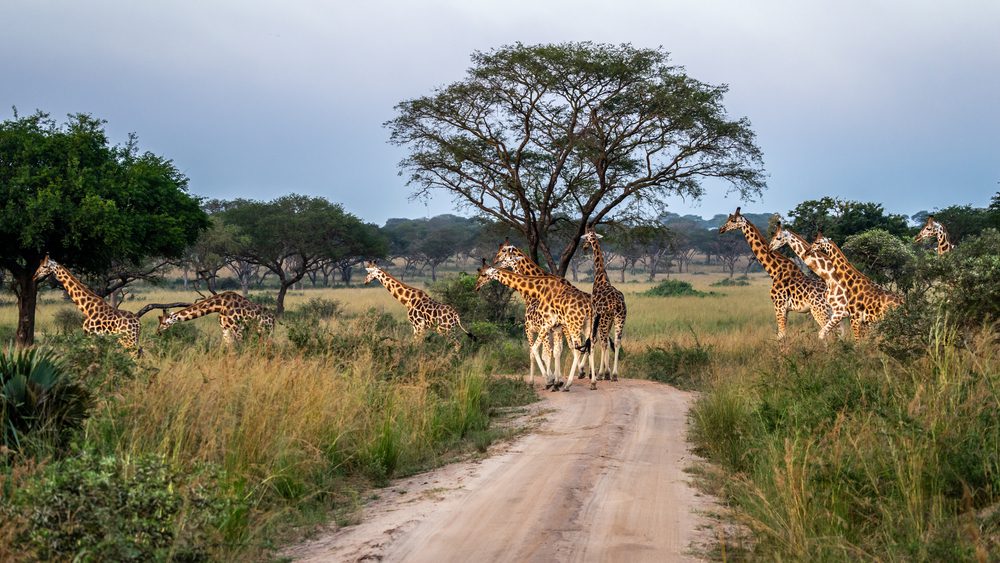
As you navigate the valley's established dirt tracks, you will look out over rolling golden plains framed by dramatic mountain backdrops. This is your absolute best opportunity to search for lions resting on flat granite kopjes (rocky outcrops), spot elusive cheetahs scanning the plains from termite mounds, and observe leopards resting in the branches of sausage trees. The valley floor is also home to massive, dust-kicking herds of Cape buffalo—often numbering in the thousands—alongside towering giraffes, elephants, zebras, and an array of plains antelopes like the Jackson's hartebeest. The pure volume of wildlife condensed within this stunning valley offers an unforgettable, raw window into Africa's ancient ecosystem.
2. Kidepo River Sandbed Strolls
Walking along a dry riverbed is a highly specialized, tactile wilderness activity that completely flips the traditional vehicle safari on its head. When a seasonal river dries up, it leaves behind a wide, smooth highway of fine sand that offers an incredibly unique and unhindered path through dense bush terrain. This activity is defined by the crunch of sand beneath your boots, the vast open spaces created by the river's path, and the opportunity to explore a wilderness area from a completely grounded, foot-based perspective.
A walk across the Kidepo River sandbed is a deeply atmospheric experience that adds a touch of pure magic to a Uganda safari. During the dry season, the Kidepo River dries out completely, transforming into a striking, 50-meter-wide ribbon of pristine white sand that winds elegantly through the arid northern sector of the park. Stepping out of your vehicle onto this soft sandbed feels like stepping onto a hidden desert highway tucked away in the middle of the African bush.
Flanked on both sides by spectacular, towering Borassus palms that rustle gently in the hot wind, you can enjoy a leisurely stroll across the wide riverbed with a park ranger. The experience is intensely sensory; the open sand offers magnificent, uninterrupted views of the distant mountain ranges, while the surrounding palm trees create cool pockets of shade. As you walk, your guide will point out animal tracks cleanly pressed into the smooth sand—revealing where elephants, hyenas, or lions crossed the dry riverbed just hours before you arrived. It is a peaceful, beautifully surreal excursion that highlights the park's dramatic, water-shifting landscapes.
3. Bird Watching
Bird watching is a rewarding outdoor pursuit that turns any wilderness journey into an active, highly focused treasure hunt. This activity demands that you slow down your pace, steady your breathing, and train your senses on the subtle movements within tree canopies, thickets, and open skies. Armed with a pair of high-quality binoculars and a field guide, you quickly learn to appreciate the incredible diversity of life through the complex melodies, brilliant plumage variations, and fascinating behavioral traits of the avian world.
Kidepo is a legendary wonderland for birding enthusiasts, boasting a rich, specialized checklist of over 476 recorded species that makes it an absolute must-visit destination on any comprehensive Uganda safari. The park’s unique geographical position—where the dry East African savanna meets the semi-arid landscapes bordering South Sudan—creates a specialized ecosystem that supports species found nowhere else in the country.
Accompanied by a passionate, expert local birding guide, you can scan the open plains and acacia woodlands to spot an array of iconic, heavy-bodied savannah birds. You will have the thrilling chance to see massive common ostriches—the world’s largest birds—striding across the golden plains, alongside magnificent Kori bustards and elegant, long-legged secretary birds marching through the grass in search of reptiles. From the bright flashes of color displayed by little bee-eaters to the dramatic, prehistoric silhouettes of abyssinian ground hornbills flying overhead, the park's skies and trees are constantly alive with movement, offering an overwhelming and deeply satisfying experience for both casual observers and hardcore twitchers alike.
4. Kanangorok Hot Springs
Visiting natural thermal springs introduces a soothing, geothermal element to a classic wilderness journey, allowing you to explore the fascinating volcanic forces that continue to shape the African continent. This activity invites travelers to step away from active game tracking to admire bubbling waters, unique mineral formations, and the specialized, resilient plant life that thrives in highly heated soils, providing a peaceful, grounding interlude in nature.
Tucked away in the extreme northern reaches of the reserve, a visit to the Kanangorok Hot Springs offers an enchanting, off-the-beaten-path excursion for anyone embarking on a northern Uganda safari. These natural, bubbling hot springs are located just a stone's throw away from the South Sudan border, situated in a ruggedly beautiful valley where the earth's crust vents heat directly to the surface. Water temperatures here can reach a piping hot 50°C (122°F), and you can watch the clean, mineral-rich water bubble right out of the rocky ground.
The true magic of Kanangorok, however, lies in its spectacular visual setting. The springs are framed by a dramatic, ring-like backdrop of the towering Lotukei Mountains, creating a striking contrast between the bubbling water and the jagged, blue-hued peaks in the distance. Local communities have long held these waters in high spiritual regard, believing they possess powerful healing and cleansing properties for the skin. Sitting along the edge of the springs, watching the steam rise gently into the crisp air while listening to the wind rustle through the surrounding bush, gives you a profound sense of standing at the rugged, untouched edge of the world.
5. Night Game Drives
The entire mood and energy of the African wilderness shifts dramatically the moment the sun drops below the horizon and darkness blankets the plains. A night game drive is a thrilling sensory adventure that relies on powerful, hand-held spotlights to pierce the shadows, narrowing your focus down to a single beam of light cutting through the bush. It is an experience defined by heightened anticipation, the cool night air, and the mysterious sounds of nocturnal creatures waking up to hunt and forage under the cover of darkness.
Participating in a guided night game drive is one of the most exhilarating and exclusive activities you can experience on a Uganda safari within this remote park. Led by an expert park ranger who expertly handles a heavy spotlight, your vehicle sets out into the quiet savannas after dark, looking for the bright, fiery glint of light reflecting off predatory eyes.
This nocturnal safari provides your absolute best opportunity to track the park's most elusive predators when they are at their most active and lethal. You can watch spotted hyenas slinking through the shadows, listen to their eerie, echoing laughs, and look for leopards stealthily stalking their prey through the tall grass. Night drives also reveal a fascinating cast of smaller, highly secretive nocturnal specialists that are completely invisible during the day, such as wide-eyed bushbabies bounding through acacia branches, bat-eared foxes, jackals, and the incredibly rare, dog-like aardwolf foraging for termites. It is a raw, heart-pounding journey that offers a rare glimpse into the secretive survival dramas that rule the night.
6. Cheetah Tracking
Specialized predator tracking is an intensive, highly focused wildlife activity that goes far beyond a standard game drive, transforming a simple ride into an active, educational scientific pursuit. Guided by a specialized ranger, this activity focuses entirely on the unique behavior, specific territories, and distinct footprints of a single carnivore species. It offers a fascinating look at tracking methodology, combining traditional bushcraft skills with an understanding of animal psychology to find highly camouflaged cats.
For big cat enthusiasts, embarking on a specialized cheetah tracking drive is an extraordinary highlight that makes a Uganda safari in Kidepo uniquely rewarding. This park is the absolute best place in the entire country to see cheetahs, as its expansive, flat savannas provide the perfect open racing tracks these magnificent sprinters need to hunt their prey.
Accompanied by an experienced park ranger who understands the specific territories and movement patterns of individual cats, you will set out early in the morning to scan the plains. Your guide will teach you how to look for subtle clues—such as fresh, clawed footprints in the dirt or the frantic alarm calls of startled Jackson's hartebeests and zebras. Finding a cheetah resting gracefully on top of a low termite mound, its sleek, spotted coat blending seamlessly with the golden grass as its amber eyes scan the horizon for movement, is an unforgettable sight. Watching these rare, elegant cats interact with their cubs or crouch low to prepare for a lightning-fast sprint offers a deeply intimate appreciation for Africa's most specialized feline hunter.
7. Lonyiri Circuit Drive
Navigating mountainous safari routes and elevated ridge circuits offers a dramatic, highly scenic alternative to flat valley driving, expanding your wilderness perspective through sweeping, panoramic views. This activity involves tackling winding, rocky tracks that ascend high into rugged hills, providing an exhilarating sense of altitude, changing vegetation zones, and the unique opportunity to spot specialized, rock-dwelling wildlife species that are never seen on the open plains.
Relating to the Park
To truly appreciate the raw, wild geography of the park's northern frontier, the Lonyiri Circuit Drive is an essential addition to a comprehensive Uganda safari. This rugged track breaks away from the flat valley floors, winding its way northward through steep, rocky hillsides and dense montane woodlands toward the South Sudan border. Driving along this elevated circuit rewards you with some of the most dramatic, jaw-dropping panoramic views found anywhere in East Africa, looking out over a vast landscape of jagged mountain peaks and deep, untouched valleys.
The Lonyiri Circuit is also the premier place in the park to spot specialized, high-altitude wildlife. As your vehicle navigates the rocky ridges, you can scan the steep granite rock faces to spot klipspringers—small, highly adapted antelopes that bounce effortlessly across vertical stone cliffs on their specialized, rubbery hooves. You might also encounter troops of olive baboons foraging along the track, or spot soaring birds of prey riding the thermal wind currents right outside your window, offering a ruggedly beautiful, high-altitude safari experience.
8. Namamukweny Valley Hikes
Walking through isolated, wild valleys allows you to slow down your travel pace completely, trading the speed and noise of a safari truck for a quiet, intimate foot-based journey. Valley walks are characterized by a sense of deep enclosure, where high ridges frame your path, and the presence of natural springs or thick vegetation creates a sheltered sanctuary that feels entirely cut off from the rest of the world, fostering a deep connection to the earth.
For travelers looking to stretch their legs and immerse themselves in a peaceful, untouched landscape, taking a scenic guided hike through the Namamukweny Valley is a brilliant addition to a Uganda safari. The name "Namamukweny" translates locally to "a place without birds"—a beautifully ironic name given that this green, sheltered valley is actually one of the most active, bird-rich habitats in the entire park.
Led by an armed park ranger, this scenic one-hour walk takes you through a beautiful landscape of dense riverine woodlands and lush green hollows. Walking quietly along the valley floor, your ears will be filled with a constant, beautiful symphony of bird calls echoing off the surrounding hillsides. You will have excellent opportunities to spot vibrant green turacos, elegant hornbills, and noisy cuckoos flitting through the canopy. The valley's rich, shaded vegetation also serves as a favorite hideout for beautiful antelopes like the lesser kudu and eland, which graze peacefully in the quiet meadows. It offers a beautifully grounded, sensory walk that rewards you with an intimate look at the park’s hidden, sheltered ecosystems.
9. Mount Morungole Trek
Trekking up rugged mountain slopes is a physically demanding outdoor pursuit that tests your endurance while rewarding your efforts with a profound sense of personal accomplishment. This activity goes far beyond standard hiking, requiring you to navigate steep, uneven switchbacks, conquer significant elevation gains, and adapt to changing alpine climates, culminating in breathtaking panoramic views and deeply meaningful, cross-cultural encounters at the roof of the world.
The Mount Morungole trek is widely regarded as one of the most physically challenging and culturally profound excursions you can undertake on a Uganda safari. Rising dramatically to an altitude of over 2,700 meters along the park's eastern border, Mount Morungole dominates the local skyline with its rugged, mist-shrouded peaks. The steep, full-day trek takes you up rocky pathways and through beautiful montane forests, pushing your physical limits as you ascend into the crisp mountain air.
The ultimate reward of this challenging trek, however, is the extraordinary opportunity to spend time with the indigenous Ik people. The Ik are one of Uganda's smallest, most isolated, and traditional tribes, living in beautifully constructed, fortified villages high on the mountain ridges. Reaching their mountain homes opens a window into a fascinating, ancient way of life; you can sit with the village elders, learn about their unique, click-based language, and discover how they have successfully adapted to farming and honey-gathering on these steep slopes for centuries. Standing on the high ridges of Morungole, looking out over the vast plains of Karamoja while sharing a laugh with an Ik host, creates a powerful, unforgettable human connection.
10. Lomej Mountain Hikes
Embarking on a guided half-day mountain hike bridges the gap between a casual stroll and a strenuous mountain climb, offering a fantastic physical workout without requiring specialized expedition gear. This activity allows you to leave the valley floor behind for a morning, ascending through distinct vegetation zones and rocky trails to gain a fresh, elevated perspective on the surrounding wilderness while enjoying the crisp, clean air of the high hills.
For active travelers based near the heart of the reserve, a guided 4-hour morning hike up the Lomej Mountains is a phenomenal way to inject some athletic energy into a Uganda safari. The Lomej Mountains rise steeply right outside the main Apoka Tourism Centre, acting as a dramatic, rocky backdrop to the park's headquarters. Setting out in the cool, crisp air of the early morning before the equatorial sun grows too intense, you will follow a ranger up winding, single-track paths that cut through the rugged hillsides.
The physical effort of the steady uphill climb is continually rewarded as the trees break, revealing increasingly spectacular, birds-eye views of the expansive Narus Valley stretching out below you like a massive golden carpet. Walking quietly through the mountain thickets, you have great chances of encountering specialized hill-dwelling wildlife, such as mountain reedbucks and troops of agile vervet monkeys leaping through the branches. Reaching the high ridges just as the morning light illuminates the vast plains below provides an exhilarating, high-altitude perspective on this wild African landscape.
11. Apoka Airstrip Walking Trails
Strolling along short, well-established nature trails provides a gentle, highly accessible introduction to foot-based wilderness exploration. This activity is designed for travelers of all fitness levels, offering a low-impact, relaxing way to step outside the metal frame of a safari vehicle and walk directly through the environment. It focuses on gentle paths around base camps and tourism hubs, ensuring a safe, comfortable, and highly educational stroll through nature.
If you are looking for a relaxing, low-impact way to experience the wild savannas on foot, the walking trails around the Apoka Airstrip are a perfect addition to your Uganda safari. These short, guided nature walks loop gently around the open grasslands immediately surrounding the Apoka Tourism Centre and the main park runway. Because the park headquarters maintain a constant human presence, many of the local animals have become beautifully relaxed and habituated to seeing walkers, making this an incredibly safe yet intimate environment for a foot-based safari.
Accompanied by an informative park guide, you will stroll along flat, easy dirt paths cutting through the short grass. It is a wonderfully interactive experience where you can walk surprisingly close to grazing zebras, warthogs, and pairs of elegant Jackson's hartebeests that look up curiously as you pass. Your guide will use the slow pace to teach you about the smaller details of the bush—pointing out the tracks of nocturnal predators left in the dirt road, explaining the social structure of resident baboon troops, and identifying the beautiful wildflowers blooming along the path. It offers a gentle, refreshing breath of fresh air right on the doorstep of your lodge.
12. East Kakine Plains Walking Safaris
Embarking on a true savanna walking safari is an immersive, raw wilderness experience that reconnects you to the ancient origins of human exploration. Walking through wide-open, boundless grasslands without the protection of a vehicle forces you to engage all five senses completely. You become acutely aware of the direction of the wind, the rustle of the grass, and the distant alarm calls of animals, turning a simple walk into an active, heart-pounding journey through prime big-game country.
For those seeking a deeper, more thrilling connection to the African wilderness, a longer walking safari through the East Kakine Plains is an unmissable highlight of an adventurous Uganda safari. Located in the eastern sector of the park, these vast, open grasslands are completely untouched by vehicle tracks, offering a pure, wild landscape where you can walk for miles without seeing any signs of modern civilization.
Accompanied by a highly trained, armed park ranger, you will set out across the open, wildlife-rich eastern plains, feeling the wild earth beneath your boots and the warm savanna wind on your face. Without the barrier of a vehicle, encounters with large mammals become incredibly intense and memorable. You might track a small herd of giraffes as they move gracefully between acacia trees, watch a group of zebras gallop across the horizon, or observe a nervous herd of eland watching you from a safe distance. Walking across these massive, golden plains makes you feel small in the best possible way, offering a deep, unforgettable appreciation for the pure, uninhibited scale of the African wild.
13. Kidepo Peak Scrambling
Rock and peak scrambling introduces an exciting, hands-on climbing element to an outdoor itinerary, appealing directly to travelers who love to use both their hands and feet to conquer a landscape. This activity bridges the gap between strenuous hiking and technical mountaineering, requiring you to navigate steep rocky slopes, balance across granite boulders, and pick your way up rugged foothills to stand triumphantly on top of dramatic rocky peaks.
For high-energy thrill-seekers looking to push their physical boundaries, peak scrambling up the rugged foothills bordering South Sudan is an extraordinary adventure to include on a northern Uganda safari. The extreme northern boundary of the park is defined by a series of jagged, rocky outcrops and dramatic granite peaks that rise like ancient stone sentinels above the dry Kidepo Valley floor.
Led by an experienced mountain ranger, this challenging activity requires you to trade standard dirt paths for steep, rocky slopes, scrambling over giant granite boulders and navigating narrow, stone-strewn gullies. As you use your hands and feet to pick your way up the rugged foothills, the physical exertion rewards you with an exhilarating sense of pure adventure. Standing triumphantly on the high, windy crest of Kidepo Peak, you are treated to a jaw-dropping, uninterrupted view that stretches across the invisible international border straight into the vast, wild expanses of South Sudan. It is a raw, heart-pounding climbing excursion that feels like exploring a truly wild and forgotten frontier.
14. Karamojong Manyatta Visits
Visiting a traditional homestead offers a profound, deeply humanizing window into the ancient domestic rhythms and architectural traditions of an indigenous community. This activity allows you to step directly inside the private living spaces of a local family, moving beyond superficial tourist interactions to understand how a community constructs their homes, manages their livestock, and preserves their unique cultural identity in the face of modern change.
An immersive visit to a traditional Karamojong homestead, known locally as a Manyatta, is a culturally rich and eye-opening experience that adds immense depth to any Uganda safari. The Karamojong are a proud, fiercely traditional pastoralist people who have inhabited the rugged plains surrounding the park for centuries, maintaining a lifestyle deeply connected to their beloved cattle.
Taking a guided tour of a Manyatta allows you to step inside a beautifully constructed, fortified village. These homesteads are architectural marvels, surrounded by a thick, concentric outer wall made of tightly interwoven thorny branches designed to keep out predators and cattle rustlers. Inside, the village is a fascinating labyrinth of narrow dirt pathways, small family courtyards, and neatly thatched mud huts. As you walk through the Manyatta, the local residents will warmly share their daily routines—showing you how they grind grain using flat stones, explaining the intricate social hierarchy of the clan, and demonstrating how they secure their precious livestock in the central kraal at night. It provides a fascinating, deeply authentic look at a culture that has beautifully preserved its ancient identity.
15. IK Tribe Interactions
Engaging with deeply isolated, minority indigenous tribes provides a rare and profoundly educational window into human history, language preservation, and cultural resilience. This activity focuses on meaningful dialogue and mutual respect, allowing travelers to sit with a community that has faced extreme geographic and historical isolation, learning directly from their oral histories, unique social structures, and traditional survival techniques.
For travelers seeking a deeply meaningful and rare anthropological experience, spending time interacting with the Ik tribe is a standout highlight of a culturally focused Uganda safari. The Ik are a tiny, highly specialized indigenous community living in extreme isolation high on the remote mountain ridges of Mount Morungole. With a total population numbering just a few thousand, they are recognized as one of the smallest and most vulnerable ethnic groups in East Africa, having survived centuries of displacement and harsh environmental conditions.
Sitting down with the Ik villagers in their high-altitude homesteads offers an incredibly moving and educational experience. You will have the unique privilege of listening to the village elders share their fascinating oral histories, learning about their highly complex, click-based language that is entirely distinct from neighboring tribes, and discovering their traditional methods for tracking wild honey and gathering mountain plants. The Ik are warm, welcoming hosts who are deeply proud of their resilient heritage, and engaging in genuine conversation with them offers a profound, thought-provoking perspective on human survival, adaptability, and the enduring strength of community.
16. Traditional Cultural Performances
Experiencing traditional music, storytelling, and dance around an open campfire is a timeless, universally unifying activity that brings the history and spirit of a culture to life through rhythm and movement. This activity invites travelers to step away from the daytime adventures, gather in a circle of warmth, and celebrate the creative expressions, historical legends, and energetic athletic traditions of a local community under the open night sky.
Concluding an exciting day of wildlife viewing by gathering around a roaring campfire for a traditional Karamojong cultural performance is a joyful, high-energy experience that lights up any Uganda safari. As the darkness settles over the savanna, members of the local community gather at the tourism centre or your safari lodge to share their rich heritage through the universal language of music and dance.
The performance is an incredible spectacle of sound and movement; the air fills with the powerful, rhythmic chanting of male and female vocalists, accompanied by the deep, steady beat of traditional drums. You will be treated to the spectacular adumu—the famous jumping dance—where young Karamojong warriors form a semi-circle, take turns stepping into the center, and leap astonishingly high into the air with straight legs, displaying their incredible physical strength and agility. Between the dances, elders will share fascinating historical stories and local legends around the crackling fire. The performers love to invite guests to join the circle, and laughing as you try to match their high-jumping rhythms under the starry sky creates a beautiful, shared moment of pure celebration.
17. Craft Shopping
Engaging in craft shopping directly within local communities transforms a simple souvenir hunt into a powerful tool for sustainable tourism and economic empowerment. This activity allows you to bypass generic gift shops and buy handmade, culturally authentic pieces directly from the artisans who created them, ensuring that your travel spend goes directly into the pockets of local families to support their livelihoods and education.
For travelers looking to bring home a tangible piece of their journey while making a positive local impact, craft shopping directly from the community women's cooperatives is a wonderful addition to a Uganda safari. Outside the park gates and within the local villages, talented Karamojong and Ik women have formed creative craft markets to display their exceptional, handmade artistry.
As you browse the colorful displays, you will find an array of stunning, intricate beadwork, including vibrant multi-colored necklaces, bracelets, and headpieces that the Karamojong wear to signify status and marriage. You can also purchase beautifully hand-woven storage baskets, unique clay pottery, handmade jewelry, and even miniature, traditionally carved wooden stools and decorative spears. Buying these beautiful items directly from the artisans allows you to engage in wonderful, smiling conversations about the creative techniques passed down through generations of women. Every purchase you make provides vital, independent income that directly supports local households, turning a beautiful souvenir into a meaningful investment in the community's future.
18. Apoka Pool Swimming
Relaxing poolside at a luxury safari camp offers a beautifully indulgent, peaceful interlude that balances out the active, dusty hours spent exploring rough dirt tracks. This activity allows you to slow down your travel pace completely, trade your safari boots for swimwear, and unwind in cool, refreshing waters while still soaking in the magnificent sights and ambient sounds of the surrounding wilderness from a position of absolute comfort.
After a warm, dusty morning spent exploring the dry savannas, escaping to the Apoka Pool for a refreshing swim is an incredibly luxurious and memorable experience on a premium Uganda safari. Located at the exclusive Apoka Safari Lodge, this unique swimming pool has been beautifully carved directly out of a giant granite rock outcrop, blending seamlessly into the natural contours of the surrounding landscape.
The true highlight of this pool, however, is its spectacular, elevated design that looks right out over the expansive savannah plains. As you float lazily in the cool, crystal-clear water or relax on a comfortable poolside sun lounger with a cold drink, the wildlife viewing effectively continues without you ever having to leave the deck. It is completely common to look over the edge of the pool to see a family of warthogs trotting past the rocks, a herd of zebras grazing just yards away in the short grass, or a lone elephant quietly feeding from a nearby acacia tree. It offers a wonderfully peaceful, front-row seat to the natural world, combining high-end relaxation with unforgettable wildlife encounters.
10. Photography Tours
A dedicated photography tour transforms a standard journey into an artistic, highly focused visual exploration, appealing directly to anyone who loves to capture the world through a camera lens. This activity focuses entirely on tracking the perfect light, understanding optimal camera positioning, and slowing down the itinerary to wait patiently for a striking wildlife interaction or a dramatic sunset, ensuring you come home with stunning, professional-grade images.
The dramatic, visually striking geography of this reserve provides an incredible, uncrowded canvas for professional and amateur shutterbugs alike, making a dedicated photography tour an absolute dream on a Uganda safari. The park is famous for its stunning landscapes, characterized by sweeping, golden savanna plains that are broken up by massive, weathered granite kopjes and framed by the jagged, blue silhouettes of distant mountain ranges.
Because the park is exceptionally remote and sees fewer tourist vehicles than other East African reserves, you enjoy the luxury of absolute time and space to compose your shots without any pressure. Your camera lens can capture the dramatic shadows of a solitary acacia tree silhouetted against a fiery, blood-orange sunrise, frame a pride of lions resting majestically on top of a smooth granite rock face, or capture the intense, golden textures of the afternoon light hitting a massive herd of buffalo. Whether you are focusing on the intricate details of a cheetah's coat or capturing vast landscape panoramas, the park offers an endless, visually overwhelming display of raw natural beauty.
20. Stargazing Camping
Sleeping under canvas in a designated wilderness campsite is the ultimate way to experience the raw, unfiltered essence of the African night. This activity strips away the modern barriers of concrete walls and air conditioning, allowing you to immerse yourself completely in the natural environment. It is an experience defined by the crackle of a campfire, the wide-open night sky, and falling asleep to the wild, ancient soundtrack of the bush.
For true adventurers looking to experience the raw, magical soul of the African night, spending a evening stargazing at a wilderness campsite is the ultimate conclusion to an authentic Uganda safari. Because the park is situated in an exceptionally remote, undeveloped corner of northeastern Uganda, it suffers from absolutely zero light pollution, resulting in one of the most brilliantly clear, dark night skies found anywhere on the planet.
Setting up your tent at a designated park campsite, you can sit around a crackling campfire, listen to the wild night sounds—the distant, eerie laugh of a hyena or the deep, territorial roar of a lion echoing off the hills—and look up at the sky in absolute awe. The dark canopy above transforms into a dazzling, brilliant carpet of millions of twinkling stars, where the Milky Way arches vividly from horizon to horizon, and shooting stars frequently cut through the darkness. Falling asleep inside your tent to the gentle nighttime breeze and the raw soundtrack of the bush creates a deeply grounding connection to the earth, offering an unforgettable, primitive safari experience.
1. What are the best activities to do in Kidepo Valley National Park?
Kidepo Valley National Park stands out as one of Africa’s premier wilderness destinations, offering visitors a profound sense of isolation and raw adventure. The cornerstone of any itinerary here is the classic game drive. Conducted in the early mornings and late afternoons, these drives navigate open savannah tracks to reveal an astonishing concentration of predators and herbivores. For those who want to experience the wilderness on foot, guided nature walks and trekking excursions around the Apoka region and the Lomej Hills provide an intimate perspective on the smaller ecosystems, tracking animal footprints and identifying local plant life.
Bird watching is another world-class activity, given the park’s unique positioning between the East African savannah and the semi-arid Sahelian climate zone. Enthusiasts can check off rare, dry-country species that cannot be spotted anywhere else in the country. Beyond the wildlife, the rugged terrain invites adventurous travelers to take part in mountain hiking, notably the rigorous climb up Mount Morungole.
Finally, cultural encounters offer an invaluable layer of depth to your itinerary. Visiting the local Karamojong communities in their traditional fortified homesteads, known as manyattas, allows travelers to learn about a fiercely preserved pastoralist culture. For a truly unique anthropological perspective, pre-arranged treks visit the isolated Ik people high in the mountains. Together, these diverse activities ensure that every day spent on a Uganda wildlife safari in Kidepo is filled with distinct, multi-dimensional adventures.
2. What makes wildlife game drives in Kidepo so special?
The game drives in Kidepo Valley National Park offer an unparalleled sense of exclusivity that is becoming increasingly rare across East Africa’s major safari circuits. Because of the park's remote location in the far northeastern corner of the country, it receives a fraction of the visitor numbers seen in more accessible reserves. This means that when you track a pride of lions or watch a herd of elephants cross the plains, you are often the only vehicle in sight. The lack of minibus congestion preserves the authentic, untamed atmosphere of the wild, allowing for quiet, unhurried observation.
The landscape itself enhances every drive. Sprawling golden savannahs are punctuated by dramatic granite inselbergs—kopjes that serve as elevated lookout points for leopards and lions. Kidepo's biodiversity is immense, serving as a stronghold for massive buffalo herds that frequently number in the thousands.
Game viewing here also provides a unique opportunity to cross paths with rare carnivores. It is the best place in the country to spot cheetahs, which rely on the flat, open terrain to hunt, alongside side-striped jackals and bat-eared foxes. Watching these predators operate within an undisturbed ecosystem makes every morning and evening game drive a highlight of a professional Uganda wildlife safari, delivering raw, cinematic wildlife encounters without the crowds.
3. Which is the best valley for game viewing in Kidepo?
When planning game drives, the park is geographically divided into two main drainage systems: the Kidepo Valley and the Narus Valley. Without question, the Narus Valley is the undisputed crown jewel for year-round game viewing. The defining feature of this southern sector is its permanent water supply. While the northern Kidepo River completely dries up into a sandy bed during the dry season, the Narus swamp and its network of water points retain moisture throughout the entire year, acting as an oasis for the region's wildlife.
Because water is scarce in the surrounding semi-arid landscape, massive concentrations of herbivores are drawn to the Narus Valley from January to March. As you traverse well-maintained loops like the Kakine or Katurum circuits, you will encounter thousands of Cape buffaloes wallowing in the mud, alongside large herds of elephants, Burchell's zebras, Jackson's hartebeests, and Rothschild's giraffes.
This dense concentration of prey naturally draws in apex predators. The valley is famous for its healthy lion prides, which are frequently seen lounging majestically on the smooth granite kopjes that dot the plains. Spotted hyenas and elusive leopards are also regular fixtures here. For any traveler embarking on a Uganda wildlife safari, spending the majority of their tracking time within the vibrant loops of the Narus Valley guarantees a high density of dramatic wildlife spectacles.
Can I go bird watching in Kidepo Valley?
Kidepo is a legendary paradise for birders, boasting an expansive checklist of over 470 recorded bird species. What makes bird watching here so extraordinary is the park’s distinct geographical location, which attracts a unique mix of East African savannah species, migratory birds, and localized northern Somali-Masai biome specials that cannot be found anywhere else in the country. The park is particularly renowned for its high concentration of raptors, with 56 species on record, including the pygmy falcon, dark chanting goshawk, and the majestic bateleur eagle.
The primary birding hot spots span the diverse habitats around the Apoka Tourism Centre, the fringes of the Narus swamp, and the specialized dry acacia woodlands of the Namamukweny Valley. Walking or driving through these zones allows birders to spot the iconic Common Ostrich—the world’s largest living bird—as it runs across the open plains.
Other highly sought-after species include the formidable Kori Bustard, the Abyssinian Roller, the Northern Carmine Bee-eater, and the colorful Red-and-yellow Barbet. The park is also home to the rare and localized Karamoja Apalis, a species that draws professional ornithologists from around the world. Whether you are an experienced lister or a casual nature enthusiast, dedicating a portion of your Uganda wildlife safari to exploring Kidepo’s skies and acacia canopies reveals an astonishingly colorful and diverse avian world.
What unique wildlife can I see in Kidepo?
While western reserves are celebrated for their dense rainforests and primates, Kidepo Valley National Park is celebrated for its unique dry-country fauna. The park protects an impressive lineup of roughly 28 mammal species that are completely absent from all other national parks in the country. This regional endemism stems from Kidepo's unique semi-arid climate and its ecological connectivity to the vast, dry ecosystems of neighboring South Sudan and Kenya.
Among the standout carnivores, the cheetah reigns supreme, utilizing the flat, unobstructed plains of the northern valley to showcase its incredible speed. Visitors can also spot the unusual bat-eared fox, the striped hyena, the caracal, and the elusive aardwolf. The ungulate population is equally distinct; Kidepo is home to the striking Beisa Oryx, the lesser and greater kudu, the bright gazelle, and Chandler’s mountain reedbuck.
Furthermore, a monumental conservation milestone occurred in early 2026 when the Uganda Wildlife Authority successfully translocated the first Southern White Rhinos from the Ziwa Rhino Sanctuary into a secure, specially prepared sanctuary within Kidepo. This historic initiative aims to restore a species wiped out from the region by poaching in 1983. For travelers seeking a truly comprehensive Uganda wildlife safari, Kidepo offers the exclusive opportunity to witness these newly returned giants alongside a remarkable suite of unique mammals found nowhere else in the country.
6. Are there guided nature walks and hiking trails?
Step out of the safari vehicle and experience the raw African bush on foot through Kidepo’s excellent guided nature walks and hiking trails. Exploring the park on foot engages all your senses—allowing you to hear the rustle of the wind through the whistling thorns, smell the dry savannah earth, and examine the subtle intricacies of the ecosystem that are easily missed while driving. All walking safaris are strictly regulated and accompanied by highly trained, armed rangers from the Uganda Wildlife Authority to ensure absolute safety.
For a gentle introduction, short nature walks can be taken directly around the Apoka Tourism Centre, where gentle herbivores like zebras, warthogs, and Jackson’s hartebeests frequently graze calmly within sight of the accommodations. For a slightly more active excursion, visitors can take an energetic hike up the scenic Lomej Hills, located just a short distance from the park headquarters.
Longer, more immersive treks take adventurers through the open floodplains of East Kakine or along the sandy banks of the seasonal Kidepo River, winding through beautiful forests of Borassus palms. Along these paths, rangers share their expert knowledge of tracking wildlife by print, identifying birdsong, and explaining the medicinal properties of local flora. Incorporating a walking trail into your Uganda wildlife safari adds a thrilling layer of physical adventure and deep ecological connection.
7. What is involved in the Mount Morungole hike?
For those seeking a physically challenging and culturally profound expedition, the hike up Mount Morungole is an unforgettable addition to an itinerary. Rising from the plains northeast of Apoka to an elevation of nearly 2,750 meters, this rugged mountain range dominates the northern horizon of the park. The trek is a strenuous, full-day excursion that requires a good level of physical fitness, navigating steep, rocky paths, narrow ridges, and dense montane vegetation under the guidance of experienced park rangers.
The primary objective of this challenging climb is to reach the high slopes where the isolated Ik people reside. The Ik are one of the smallest and most marginalized ethnic groups in the country, having retreated into these mountain fastnesses decades ago when the national park was gazetted.
Reaching their villages offers a rare, highly rewarding anthropological insight into a unique way of life. Visitors can learn about their traditional customs, which include paying bride prices in beehives and goats rather than cattle, and discover their expert skills in honey harvesting and subsistence farming on steep terraces. Combined with the breathtaking panoramic views of the sweeping Kidepo landscape stretching all the way to the South Sudanese border, the Mount Morungole hike stands out as an exceptionally powerful and holistic highlight of a custom Uganda wildlife safari.
8. Can I visit the local communities near the park?
A trip to this remote region is incomplete without exploring the rich cultural heritage of the communities that border the park. The primary ethnic group inhabiting the surrounding Karamoja sub-region is the Karamojong, a fiercely proud group of traditional pastoralists whose lives have historically revolved around their cattle. Organized cultural visits take travelers just outside the park boundaries into traditional, fortified villages known as manyattas. These circular homesteads are enclosed by thick barriers of thorny brush and wood, designed to protect their families and livestock from predators and cattle rustlers.
Stepping inside a manyatta offers an authentic look into their daily routines. Visitors can observe how the women construct their thatched mud huts with intentionally low entrances for security, grind sorghum for local meals, and craft intricate, colorful beadwork. The men often demonstrate their traditional woodwork, creating small hand-carved stools and walking sticks.
The highlight of these cultural encounters is undoubtedly the vibrant music and dance performance, featuring the iconic Edonga dance where youth leap remarkably high into the air to rhythmic singing. Supporting these community-led initiatives provides direct economic benefits to the local hosts and adds an invaluable human element to your Uganda wildlife safari, highlighting the delicate balance of coexistence between the local population and the surrounding wilderness.
9. What are the hot springs known for?
The Kanangorok Hot Springs represent one of the most distinctive and visually captivating geological features within the park. Located approximately 30 kilometers north of the Apoka tourism hub, reaching the hot springs requires an adventurous one-hour drive that ventures deep into the northern Kidepo Valley, crossing the wide, sandy bed of the seasonal Kidepo River. The springs are situated very close to the international border with South Sudan, surrounded by a dramatic backdrop of towering mountain ranges that frame the semi-arid plains.
Geologically, the water at Kanangorok bubbles up from deep underground fractures, reaching temperatures of approximately 50 degrees Celsius—hot enough to boil an egg. Local communities have long held the belief that the mineral-rich waters possess natural healing properties, capable of curing skin ailments and soothing physical fatigue.
Beyond the scientific and cultural interest, the journey to the hot springs is highly prized for its scenic beauty. The northern valley features a vast, open landscape lined with striking Borassus palm forests, offering an entirely different atmosphere compared to the southern wetlands. The area serves as a fantastic vantage point for landscape photography and provides a peaceful spot for a picnic on the clean river sands, making it an excellent exploratory drive during a Uganda wildlife safari.
10. When is the best time to visit Kidepo on a safari?
Timing your visit correctly is key to maximizing your wildlife viewing, and the dry season is widely considered the absolute best time to plan an expedition. The region experiences its primary dry periods from December to February, with a secondary dry window occurring between June and September. During these dry months, the semi-arid landscape undergoes a dramatic transformation as the golden grass withers away, significantly improving visibility and making it much easier to spot elusive predators tracking their prey across the open plains.
The defining advantage of a dry-season safari is the concentration of wildlife. As smaller, seasonal water holes across the park evaporate, animals are forced to migrate en masse toward the permanent pools of the Narus Valley. This predictable animal behavior means that travelers can park near a watering hole and watch a steady parade of elephants, buffaloes, giraffes, and various antelopes come down to drink, closely watched by nearby prides of lions.
Additionally, the dirt access roads and internal game tracks are dry and easily passable for standard 4x4 safari vehicles during these months. If your primary goal on a Uganda wildlife safari is to witness dense, high-impact big game interactions with optimal photography conditions, planning your trip during the dry season is highly recommended.
Is the wet season good for a Kidepo wildlife safari?
While casual holidaymakers tend to avoid the rains, the wet season offers a spectacular, highly rewarding alternative for specific types of travelers. The region experiences its wet season from April to May, with a shorter rainy period in October and November. During these months, the parched, dusty plains are instantly revitalized by the rains, turning the semi-arid park into a stunning, vibrant green landscape with clean, dust-free air that offers beautiful conditions for landscape photography.
For passionate bird watchers, the wet season is actually the ultimate time to visit. The arrival of the rains triggers an abundance of insects and fresh seeds, prompting local bird species to display their vibrant breeding plumage. This period also coincides with the arrival of thousands of palearctic migratory birds from Europe and northern Africa, significantly boosting the park's already impressive avian diversity.
Furthermore, because the wet season is considered the low tourist season, luxury lodges often offer reduced rates, and you will experience an even greater sense of absolute solitude. While tracking large mammals requires more patience as they disperse away from the valleys to feed on the fresh vegetation, a wet-season Uganda wildlife safari rewards adventurous travelers with lush scenery, unparalleled birding, and exceptional exclusivity.
Where can I stay during my safari in Kidepo?
Despite its remote and isolated location, Kidepo Valley National Park offers an excellent selection of accommodation options tailored to suit varying budgets and travel styles. For travelers seeking high-end luxury, the famous Apoka Safari Lodge is the premier choice. Built into a granite kopje in the heart of the prime game-viewing sector, this lodge features expansive canvas cottages with private outdoor stone bathtubs, high-end amenities, and a swimming pool carved out of the rock, offering panoramic views of the wildlife frequently grazing right below the deck.
For a fantastic mid-range experience, options like Kidepo Savannah Lodge, located just outside the Kalokudo park gate, offer comfortable safari tents with en-suite bathrooms and private verandas that look out over the sweeping Narus Valley. Another excellent choice is Nga Moru Wilderness Camp, which provides cozy stone chalets perched on a hill, offering great hospitality and frequent visits from resident wildlife.
Budget-conscious travelers and independent adventurers can utilize the basic self-catering bandas and campsites managed directly by the Uganda Wildlife Authority at Apoka, providing clean facilities and a true, immersive wilderness experience. Ensuring comfortable lodging enhances the overall experience, making your remote Uganda wildlife safari both adventurous and deeply relaxing.
How do I get to Kidepo Valley National Park?
Reaching Kidepo Valley National Park is an adventure in itself, and travelers can choose between two main modes of transport depending on their available time, budget, and preference for rugged overland travel. The first option is a scenic but long road journey from Kampala, which typically takes around 12 hours of driving. This overland route can be split over two days, traveling via Gulu and Kitgum, or taking the eastern highway through Jinja, Mbale, and the rugged Karamoja plains, providing a fascinating look at the changing landscapes and rural communities of the country.
For travelers who prefer to maximize their time in the wild and minimize transit fatigue, domestic aviation is the ideal choice. Daily scheduled and charter flights are operated by regional carriers like AeroLink and Fly Zanzibar, departing from Entebbe International Airport or the Kajjansi Airstrip.
These flights utilize light aircraft to fly directly to the Apoka Airstrip, located right in the center of the park, reducing a grueling 12-hour drive to a smooth, incredibly scenic 2-hour flight over the Nile River and northern plains. Utilizing a domestic flight allows you to step off the plane and be on a game drive within minutes, maximizing every precious hour of your luxury Uganda wildlife safari.
Is it safe to do activities in Kidepo?
Safety is a top priority for the management of Kidepo Valley National Park, and visitors can rest assured that participating in safari activities here is highly secure. Historically, the surrounding Karamoja region experienced periods of instability related to traditional cattle raiding, but decades of successful government disarmament programs have transformed the area into a peaceful, stable, and welcoming environment for international tourism. Today, the park operates like a finely tuned conservation zone under the strict oversight of the Uganda Wildlife Authority.
Every single activity that takes place out of a vehicle—whether it is a short nature walk around Apoka, a trek through the palm forests, or a rigorous hike up Mount Morungole—is strictly conducted in the company of professional, armed UWA park rangers. These rangers are not only well-trained in security protocols, but they are also expert bush guides who understand animal behavior perfectly, ensuring safe viewing distances from large mammals.
The park gates and boundaries are closely monitored, and rangers maintain constant radio contact with the head office. This comprehensive security infrastructure ensures that you can fully immerse yourself in the wild beauty of your Uganda wildlife safari with complete peace of mind.
Are there restrictions on park activities?
To preserve the pristine, untamed nature of Kidepo and protect both its diverse wildlife populations and its visitors, the Uganda Wildlife Authority enforces a strict set of regulations. A fundamental rule is that independent walking within the park boundaries is completely prohibited. Visitors are never allowed to step out of their vehicles or wander away from their lodges without the direct accompaniment of an official, armed park ranger, as wild animals—including camouflaged predators—roam freely through all sectors of the reserve.
Vehicle movement is also regulated. Off-road driving is strictly forbidden to protect the fragile savannah soils and vegetation from degradation, and all safari vehicles must stick to the designated game viewing loops. Furthermore, standard night game drives are strictly prohibited unless they are pre-arranged and organized directly through the park headquarters.
These official night safaris must use authorized UWA spotlight vehicles and be accompanied by a designated ranger guide to safely view nocturnal species like serval cats and leopards without disrupting their natural hunting patterns. Adhering to these professional guidelines ensures a sustainable, responsible, and highly rewarding Uganda wildlife safari experience for generations to come.
Booking Kidepo valley activities with us Roads of Adventure safaris
Booking Kidepo Valley activities with Roads of Adventure Safaris guarantees a tailored off-the-beaten-path experience. They handle all logistics—from transportation to lodging—and ensure your itinerary perfectly matches your desired blend of wildlife viewing and cultural immersion
