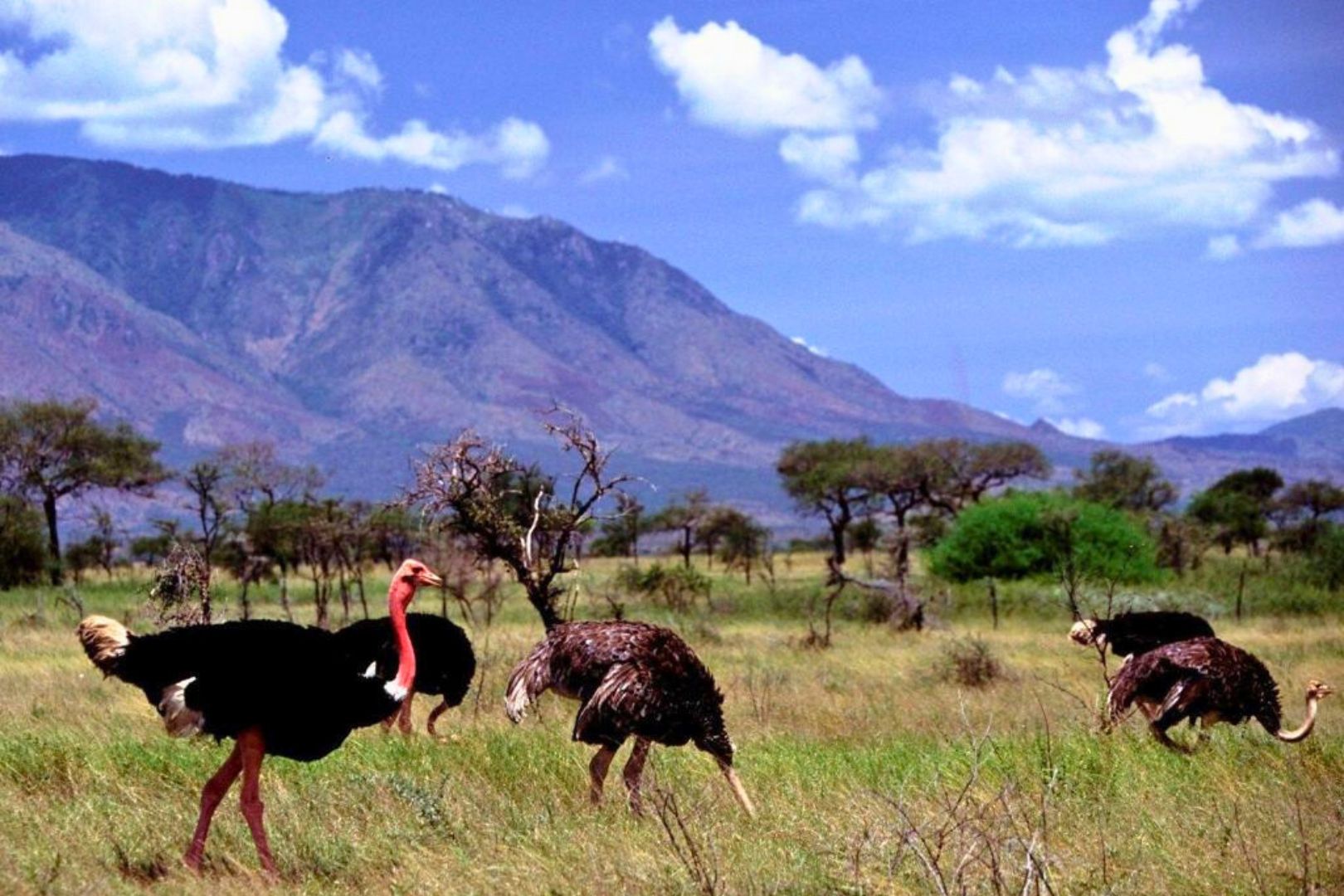
Kidepo Valley National Park, located in remote northeastern Uganda, offers a premier, off-the-beaten-path birding safari with over 475 species, the second-highest concentration in any Ugandan park. March to April is ideal for spotting migrants and specials, though birding is excellent year-round. Key highlights include ostriches, raptors, and unique Karamoja endemics
25-days-complete-uganda-birding-safari-extravaganza-with-wildlife-viewing
22-days-best-uganda-primate-and-birding-safari-adventure
21-days-uganda-birding-safari-extravaganza-to-best-uganda-safari-parks
20-days-uganda-birding-safari-to-uganda-national-park
20-days-uganda-birding-safari-wildlife-gorilla-and-chimpanzee-tracking
14-days-classic-uganda-birding-safari-expedition
12-days-uganda-birding-tour-looking-for-rift-valley-endemic-birds-west-circuit
10-days-best-uganda-birding-safari-and-wildlife-experience
Endemics & Specials
Kidepo Valley National Park is a gem for birdwatchers, particularly because it hosts several endemic and special bird species that cannot be found in other parts of Uganda. Among these is the Clapperton's Francolin, making Kidepo the only place in the country to observe this elusive bird. The Clapperton's Francolin resides in the park’s grassland and scrub habitats, where it can often be spotted foraging for seeds and insects. This species is a true highlight for any serious birder.
Another noteworthy species is the African Rose-ringed Parakeet, which is frequently seen perched in trees and along the edges of wooded areas throughout the park. Its bright coloration and distinctive calls make it a delightful sight for birdwatchers. Moreover, Kidepo is home to the rare Karamoja Apalis, a small, secretive bird that flits through the underbrush. Its rarity makes it a prized observation for birders, representing the unique biodiversity of this isolated region.
These endemic and special species are often accompanied by a wealth of other avifauna, making every outing a unique experience filled with opportunities for observation and photography. The chance to encounter these unique species not only adds to the excitement of birding in Kidepo but also highlights the park’s importance as a conservation area. Birdwatchers can plan tailored excursions focusing on these species to maximize their chances of sightings.
Raptors
Kidepo Valley National Park stands out as a premier destination for birdwatching, especially for raptor enthusiasts. With over 56 species of birds of prey in the region, the park offers exceptional opportunities to encounter various raptors in their natural habitats. Among the highlights is the Pygmy Falcon, a small but striking bird of prey often found in arid environments. Its diminutive size and unique hunting style make it an exciting sight for observers.
The Egyptian Vulture is another key species that can be found soaring in the thermals above Kidepo. Known for its distinctive appearance, including a yellow face and white plumage, this bird is not only fascinating to watch but also plays an essential role in the ecosystem through its scavenging habits.
The Secretary Bird is another highlight. Recognizable by its long legs and unique hunting behavior, this bird primarily feeds on snakes and is an exciting find for any birder. Likewise, Verreaux's Eagle, with its impressive wingspan and striking white feathers, is often spotted in the rocky outcrops of the park.
To fully appreciate these raptors, early morning outings or late afternoons provide the best conditions, as raptors become active during these cooler times of day. Observing these magnificent birds, whether they are soaring high or perched on a branch, adds a thrilling dimension to any birding expedition in Kidepo, making it a must-visit for raptor enthusiasts.
Other Notable Species
Kidepo Valley National Park is renowned for its diverse avifauna, which includes several notable bird species that enhance the birdwatching experience. Among these is the Common Ostrich, the world's largest bird, which roams freely in the park’s expansive savannahs. These flightless birds can be seen grazing in groups, offering birdwatchers unique photographic opportunities against the stunning backdrop of Kidepo's landscapes.
The Kori Bustard, another remarkable species, is often spotted in open grasslands. This large bird is known for its impressive size and elaborate courtship displays. Observing a male Kori Bustard during the breeding season can be a breathtaking experience, showcasing this species' unique behavior.
Additionally, birdwatchers should keep an eye out for brightly colored Red-throated Bee-eaters, whose aerial acrobatics while hunting insects make them irresistible to watch. The Abyssinian Ground Hornbill is another highlight, known for its striking appearance and distinctive calls. This large ground-dwelling bird prefers more open habitats where it forages for insects and small vertebrates.
Lastly, the Golden Pipit, a beautiful and frequently overlooked species, can often be found on grassy plains. Its vibrant coloration and delightful song add to the rich tapestry of birdlife in Kidepo. The presence of these notable bird species enhances the birdwatching experience, making Kidepo a paradise for avian enthusiasts seeking to discover the richness of Uganda's ornithological diversity.
Birding Hotspots
Kidepo Valley National Park is home to several prime birding hotspots that draw enthusiasts and experts alike. The Narus Valley is a particularly favored area, noted for its rich biodiversity and stunning landscapes. The valley presents savannah habitats that host a variety of bird species, including raptors and ground-feeding birds. Its open grasslands offer opportunities to spot the Common Ostrich and Kori Bustard, while the surrounding acacia trees provide perches for authentic birdwatching experiences.
Equally important is the Namamukweny Valley, which features diverse habitats, including wetlands and scrubs that attract a wide range of avian species. This area boasts both endemic birds and migratory species, making it a vital location for birdwatchers seeking to expand their life lists.
Another notable hotspot is the Apoka Rest Camp water hole, which serves as a magnet for birds. The water source draws an array of species, from raptors soaring above to ground-nesting birds visiting for hydration. Birders are often rewarded with stunning views of birds as they congregate around this essential water resource, making the water hole a fantastic place for observation.
Planning birdwatching outings in these hotspots allows enthusiasts to maximize their chances of encountering a variety of species, further establishing Kidepo Valley National Park as a must-visit destination for birding in Uganda. The diversity of habitats and species in these areas makes every visit an exciting venture into the world of birds.
What is the best time for a Uganda birding safari in Kidepo Valley National Park?
While birding in Kidepo Valley National Park is possible year-round, the ideal time to visit is during the months of March to April. This period marks the end of the rainy season, and many bird species are actively breeding, making them more vocal and visible. During this time, birdwatchers can enjoy the spectacle of various birds engaging in courtship displays and feeding their young.
Additionally, migratory birds are prevalent from November to April, when numerous species arrive to take advantage of the favorable conditions. These migratory patterns enhance the diversity of birdlife in the park, offering unique opportunities to observe species that are not present at other times of the year.
However, visiting during the dry season, which spans from May to October, also presents excellent birdwatching opportunities. As water sources become scarce, birds frequently gather around the remaining waterholes, making them easier to spot.
Overall, the best time for a birding safari in Kidepo is influenced by the enthusiasm of breeding activities during the late rainy season and the influx of migratory species, providing birdwatchers with a rich and varied experience throughout the year.
How many bird species can be spotted on a Uganda birding safari in Kidepo Valley National Park?
Kidepo Valley National Park is a rich avian paradise, boasting over 476 bird species. This remarkable diversity makes the park one of Uganda's top birdwatching destinations. Among these species, approximately 60 are unique to the region, meaning they cannot be found elsewhere in Uganda. This is a significant draw for ornithologists and bird enthusiasts alike.
The park's varied habitats, including grasslands, savannahs, wetlands, and rocky outcrops, contribute to its high biodiversity. Each of these environments supports different bird species, ensuring that birdwatchers will have plenty of opportunities to encounter a variety of avifauna.
The presence of unique species such as the Common Ostrich, the endemic Karamoja Apalis, and the Black-breasted Barbet further enhances birding expeditions in Kidepo. Rare birds like the Secretary Bird and various raptors, including the Verreaux's Eagle and Egyptian Vulture, can also be found here, showcasing the park's significance as a critical habitat for avian life.
With a mix of resident and migratory birds, Kidepo Valley is a true treasure for bird lovers, offering a unique chance to observe and appreciate a wide array of species in their natural settings.
Are there unique or endemic birds on a Uganda birding safari in Kidepo Valley National Park?
Yes, Kidepo Valley National Park is renowned for its unique and endemic bird species, making it a premier destination for birdwatching in Uganda. One of the most notable birds you can encounter is the Common Ostrich, which is the only place in Uganda where this largest bird species can be observed in its natural habitat. Their impressive size and unique behavior make them a highlight for any birdwatcher visiting the park.
Additionally, Kidepo is home to the endemic Karamoja Apalis, a small and elusive bird that often relates closely to areas with substantial grassland. Its rarity in Uganda elevates its significance in the eyes of birdwatchers, making a successful sighting particularly rewarding. Another endemic species that visitors may encounter is the Black-breasted Barbet. This colorful bird can often be seen in the park’s acacia trees, adding to the visual splendor of the environments they inhabit.
Beyond these endemics, Kidepo hosts an impressive array of species that contribute to its rich biodiversity. The combination of unique avian inhabitants and the park's scenic vistas creates an unforgettable experience for birdwatchers. The chance to observe these special birds in their natural habitats not only enhances the excitement of a safari but also underscores the ecological significance of Kidepo Valley National Park in Uganda’s overall biodiversity landscape.
What are the must-see raptors on a Uganda birding safari in Kidepo Valley National Park?
Kidepo Valley National Park is famed for its impressive collection of raptors, making it an excellent location for enthusiasts interested in these magnificent birds of prey. Among the must-see raptors in the park are the striking Egyptian Vulture, known for its distinctive yellow face and white body. This scavenger plays a vital role in the ecosystem by feeding on carrion, and spotting it in flight or perched can be an exhilarating experience.
Another highlight is the regal Verreaux's Eagle, which is often seen soaring high above the park's rocky outcrops. With its impressive wingspan and striking coloration, this eagle is a true spectacle. Birdwatchers are often captivated by its hunting skills, as it expertly navigates the rugged terrain in search of prey.
The Pygmy Falcon is another exciting find. Although small in size, this falcon exhibits remarkable agility and hunting prowess. Typically found in arid regions, spotting this agile bird swiftly maneuvering is always a delight for birdwatchers.
Other important raptors to look for include the Secretary Bird, renowned for its unique appearance and snake-hunting abilities. Kidepo Valley’s diverse habitats and abundant small mammals and birds provide a thriving environment for these raptors, making each outing a potential opportunity for thrilling sightings. Birdwatchers in Kidepo can expect to create lasting memories through these encounters with some of Africa's most magnificent raptors.
What is the cost of birding in Kidepo Valley National Park?
The cost of birding in Kidepo Valley National Park is generally very reasonable, making birdwatching accessible for various travelers. As of now, the fees for bird watching typically start at $30 for non-residents. This nominal fee not only contributes to the maintenance and conservation efforts within the park but also grants you access to high-quality birding opportunities provided by the park's scenic landscapes and diverse avifauna.
It's essential to note that these fees may change, so it’s advisable for visitors to check current rates beforehand when planning their trip. The cost might also vary depending on whether you choose to employ a local guide, whose expertise can greatly enhance the birding experience by helping to locate elusive species and enrich your understanding of the park’s ecology.
Additionally, if you opt for organized birding tours, which might include accommodations, meals, and additional activities, the overall cost can increase depending on the level of service you choose. However, many operators can tailor packages to fit various budgets, ensuring a birding experience that suits your needs.
The investment in time and resources for a birding safari in Kidepo Valley National Park is well worth it, as it opens the door to an extraordinary adventure filled with memorable wildlife encounters amid Uganda’s stunning natural beauty.
Where are the top spots for a Uganda birding safari in Kidepo Valley National Park?
Kidepo Valley National Park features several prime birding spots that are highly recommended for birdwatching enthusiasts. The Narus Valley stands out as one of the premier locations in the park, offering a blend of habitats that attract a rich variety of bird species. Here, the expansive grasslands and open savannah are perfect for spotting distinctive ground-feeding birds, including the Common Ostrich and Kori Bustard. Birdwatchers will also find a range of raptors soaring above, making Narus Valley a must-visit destination.
Another important birding hotspot is the Kidepo Valley itself. Known for its stunning landscapes and diverse ecosystems, this valley provides excellent opportunities to observe migratory species, especially during the peak months from November to April. Exploring this area helps birders discover various starlings, hornbills, and other notable species.
The Apoka Rest Camp waterhole is also a key location to consider, as it attracts numerous birds seeking hydration. The waterhole creates opportunities for sightings of water-loving birds and provides a chance to see larger game congregating, enhancing the overall safari experience.
Moving around these locations allows birdwatchers to fully immerse themselves in the unique environments and rich biodiversity of Kidepo Valley National Park. Each hotspot offers a unique combination of species and habitats, creating unforgettable adventures for birdwatchers eager to explore Uganda’s avian treasures.
Is it safe to do a Uganda birding safari in Kidepo Valley National Park?
Yes, it is generally safe to embark on a birding safari in Kidepo Valley National Park. However, due to the park's remote nature and wildlife presence, it is mandatory for visitors to move with a ranger while birdwatching. This requirement is in place to ensure the safety of guests, offering security and guidance in navigating the park’s diverse and sometimes challenging terrain.
The presence of experienced ranger-guides greatly enhances the overall birding experience. They are well-versed in the local environment and wildlife behavior, allowing visitors to explore the park safely while maximizing their chances of spotting various bird species. Guides not only provide important information about the avifauna but also help identify potentially dangerous wildlife, ensuring that birders observe from a safe distance.
Moreover, while Kidepo is generally safe for tourists, it is always wise to adhere to the advice of your guides and stay aware of your surroundings. Taking standard precautions, such as not wandering off on your own and avoiding interactions with wildlife, contributes to a safe and enjoyable experience.
Overall, birding safaris in Kidepo Valley National Park are an exciting and safe way to explore Uganda's remarkable biodiversity while enjoying the beauty of its unique landscapes.
What should I wear on a Uganda birding safari in Kidepo Valley National Park?
When preparing for a birding safari in Kidepo Valley National Park, dressing appropriately is crucial for both comfort and utility. It is advisable to wear neutral-colored clothing, such as khaki or olive green, to blend into the environment. This helps prevent startling the birds and increases your chances of observing them without drawing attention.
Opting for long-sleeved shirts and trousers is essential for protection against insects, such as mosquitoes and tsetse flies, as well as scratches from plants during forest hikes. Lightweight, breathable fabrics are ideal, as they allow for comfortable movement in the warm weather of Kidepo.
Additionally, layering is advisable. The temperature can fluctuate, especially in the early morning or late evening, so wearing a light jacket or a fleecy layer can help manage temperature changes.
Good hiking boots are also important, offering ankle support and grip for the uneven terrain you may encounter while exploring the park. Comfortable footwear enhances the overall birding experience, allowing you to focus on the task of spotting various birds without discomfort.
Finally, don’t forget to bring a hat and sunglasses for sun protection, as well as sunscreen to guard against UV exposure during your outdoor activities. By dressing appropriately for a birding safari in Kidepo Valley National Park, visitors can enhance their comfort and the overall quality of their birdwatching experience.
Can I combine a Uganda birding safari in Kidepo Valley National Park with game drives?
Yes, birding in Kidepo Valley National Park can easily be combined with game drives, creating a well-rounded wildlife experience. The park is renowned not only for its avifauna but also for its remarkable diversity of terrestrial wildlife. While you focus on spotting birds, the park is also home to impressive mammals, including lions, cheetahs, buffalo, and zebras.
Game drives provide an excellent opportunity to explore the park’s stunning landscapes while searching for these large mammals. Many safari packages offer a combination of guided bird watching during the day alongside scheduled game drives. This dual focus allows visitors to maximize their time spent in the park, enjoying both the excitement of birding and the thrill of spotting big game.
The varied habitats in Kidepo make it possible to encounter a rich tapestry of wildlife, enhancing the overall safari experience without the need to choose between birding or animal viewing. Guides can skillfully navigate the best spots for both birds and mammals, tailoring each outing to ensure that each guest’s interests are accommodated.
Ultimately, combining birding with game drives in Kidepo Valley National Park makes for an unforgettable experience, showcasing the rich biodiversity of Uganda while providing satisfying encounters with both avian and terrestrial wildlife.
Does a Uganda birding safari in Kidepo Valley National Park require a 4x4 vehicle?
Yes, a birding safari in Kidepo Valley National Park requires a 4x4 vehicle due to the park's remote location and the often rough terrain that features rocky outcrops and unpaved roads. The rugged nature of Kidepo necessitates the use of a 4x4 to ensure safe and comfortable travel, particularly during the rainy season when certain paths can become muddy and challenging to navigate.
Opting for a 4x4 vehicle allows for more flexibility in exploring the park, as knowledgeable drivers can access less-visited areas that might yield unique birdwatching opportunities. These vehicles often come equipped with ample space for birdwatching equipment, including binoculars and cameras, making it easier for travelers to prepare for sightings during their journeys.
Additionally, hiring a vehicle with a local guide or ranger enhances the experience, as they possess critical knowledge of the terrain and the best routes to maximize bird observations while keeping guests safe.
Venturing through Kidepo Valley in a 4x4 also offers a chance to connect with the park’s stunning natural beauty, making travel within Kidepo an integral part of the overall adventure. Whether traversing open grasslands or climbing rocky hills, the right vehicle ensures that you enjoy the diverse surroundings while actively pursuing the park’s incredible avian population.
Are migratory birds common on a Uganda birding safari in Kidepo Valley National Park?
Yes, migratory birds are quite common during a Uganda birding safari in Kidepo Valley National Park. The park serves as a crucial transit point for migratory avifauna, with peak numbers typically observed from November to April. During this period, both long-distance migratory species and those moving shorter distances are present, enriching the diversity of birdlife you can observe.
Many birds migrate to Kidepo Valley in search of suitable feeding and breeding grounds during the region’s rainy season, which brings forth an abundance of insects, seeds, and other food sources crucial for these species. The park’s varied habitats provide ideal conditions for migratory birds, offering ample opportunities for birdwatchers to encounter a wide array of species.
Notably, some migratory species may include the gorgeous Yellow-billed Shrike, which can be spotted near waterholes, and various species of starlings and sandgrouse that thrive during this season. Birders will find that the presence of migratory birds adds an additional excitement and unpredictability to their birdwatching experience, as species may arrive in varying numbers each year.
Engaging in birding during the migration season not only allows for unique sightings but also adds to the overall richness of your safari experience. The chance to witness these vibrant, transient visitors enhances the allure of Kidepo Valley National Park as a premier birding destination in Uganda.
Which special birds should I look for in the Narus Valley?
The Narus Valley in Kidepo Valley National Park is a top birdwatching location renowned for its unique avifauna. Birdwatchers venturing into this area should actively seek out several special birds that thrive in its diverse habitats. One particularly notable species is the Silverbird, known for its striking plumage and melodic song. This bird is often spotted flying low above the grasslands, adding a splash of color to the savannah landscape.
Another special bird to look for is the Yellow-billed Shrike, a charismatic bird that is frequently found near waterholes and in open areas within the valley. Its vibrant yellow bill and distinctive call make it a highlight for any birding excursion.
Narus Valley is also home to various starlings, which are often seen foraging in groups or well-camouflaged among grasses and shrubs. Observing these social birds can be quite entertaining as they engage in their typical foraging behavior.
Additionally, keep an eye out for the Gabar Goshawk, a small and agile raptor that can be frequently seen soaring or perched in trees within the valley. This hawk is known for its sharp eyesight and hunting skills, making it an exciting find for birders.
Finally, don’t overlook the unique habitats around the waterholes, which attract a plethora of birds. The Narus Valley provides an excellent backdrop for birdwatching, with the variety of species present making each visit a rewarding experience filled with memorable observations.
Is it easy to find a guide for a Uganda birding safari in Kidepo Valley National Park?
Yes, finding a guide for a Uganda birding safari in Kidepo Valley National Park is quite easy and highly recommended. The park headquarters offers expert ranger guides who are knowledgeable about the local avifauna, ecosystems, and the best birdwatching routes within the park. These guides are invaluable, enhancing the overall birding experience by helping visitors locate elusive species and providing insights into their behaviors and habitats.
Local guides are trained in conservation practices and have in-depth knowledge of the park's ecology, ensuring that visitors engage with nature in a responsible manner. By hiring a guide, birdwatchers not only benefit from their expertise but also contribute to the local economy, supporting sustainable tourism initiatives.
Moreover, advance booking or arranging for a guide upon arrival at the park is generally straightforward. Many tour operators also offer packages that include guiding services as part of their trips, ensuring a seamless experience for travelers.
Having a knowledgeable guide enhances the chances of successful sightings, particularly of rare and endemic species, making for a rich and fulfilling birdwatching experience. Overall, securing an expert guide in Kidepo Valley is a straightforward process that significantly enriches any birding safari.
What is the climate like during a Uganda birding safari in Kidepo Valley National Park?
The climate in Kidepo Valley National Park is characterized as semi-arid, with distinct wet and dry seasons that influence the biodiversity and birding experiences in the park. This unique climate is shaped by its geographical location, which results in hot, dry conditions prevailing for much of the year.
During the dry season, which typically runs from May to October, temperatures can rise significantly, making it an excellent time for game drives and birdwatching as animals and birds congregate around the remaining water sources. Early mornings and late afternoons are particularly favorable for birding, as temperatures are more comfortable, and birds are more active.
The rainy season, spanning from November to April, brings about cooler temps and lush vegetation, promoting an increase in food availability for both resident and migratory birds. This period is marked by short, intense bursts of rain followed by sunshine. The rains provide crucial water and nutrients to the ecosystems, allowing breeders to thrive.
Despite being semi-arid, Kidepo Valley's climate supports an impressive array of habitats and species, contributing to its status as a premier birdwatching destination. Birdwatchers can enjoy diverse sightings during different seasons, making it a continually rewarding location to explore throughout the year.
What other wildlife can I see on a Uganda birding safari in Kidepo Valley National Park?
In addition to its impressive avian population, Kidepo Valley National Park is teeming with diverse wildlife that birders may encounter during their safari. As you explore the park's varied habitats, you can expect to see large herds of buffalo, which often graze in the savannah areas. Their social behavior and large numbers make them a common sight, adding to the wildlife experience
Booking Uganda safari with us Roads of Adventure safaris
Fantastic — thank you for choosing Roads of Adventure Safaris! We’ll handle every detail to create your ideal Uganda birding and wildlife experience. Please tell us your preferred travel dates, group size, duration, must-see species (e.g., shoebill, tree-climbing lions, papyrus specialists), budget range, and any special requests (comfort level, photography focus, dietary needs). Once we have these details we’ll propose a tailored itinerary with accommodations, transport, guiding, permits, and a transparent price quote. Ready to proceed? Reply with your dates and preferences and we’ll prepare your personalized Uganda safari proposal.
