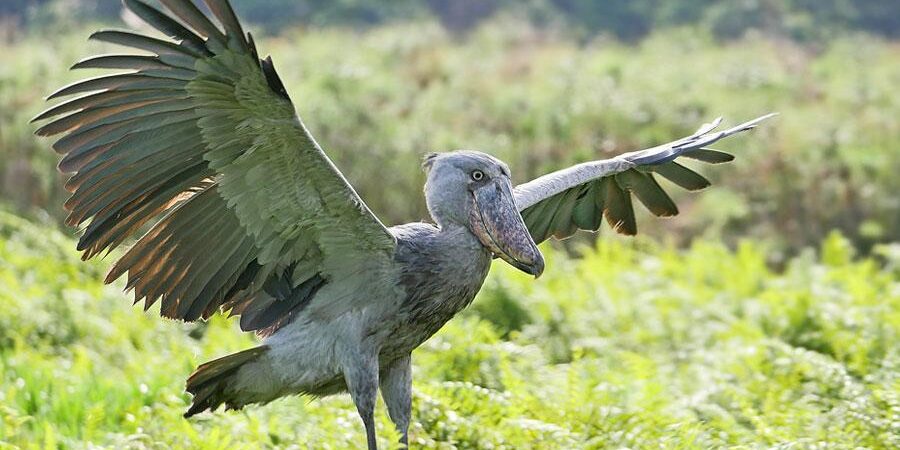
Mabamba Swamp, a stunning 2,424-hectare Ramsar site on Lake Victoria, is Uganda's premier spot for witnessing the remarkable Shoebill Stork. Nestled near Entebbe, this unique wetland is home to about 26 shoebills, making it a must-visit for bird enthusiasts. Visitors can enjoy year-round canoe trips to track these elusive birds, with the best chances of spotting them occurring from September to March.
The experience goes beyond the shoebills; nature lovers can also expect to see the vibrant Papyrus Gonolek and majestic African Fish Eagle, along with a variety of migratory birds. Exploring this enchanting habitat not only offers unforgettable wildlife encounters but also a chance to connect with the serene beauty of Uganda’s wetlands, creating lasting memories for all who visit.
25-days-complete-uganda-birding-safari-extravaganza-with-wildlife-viewing
20-days-uganda-birding-safari-to-uganda-national-park
10-days-best-uganda-birding-safari-and-wildlife-experience
8-day-africa-big-five-safari-in-uganda-and-mabamba-swamp-shoebill
5-days-uganda-bird-watching-safari-lake-victoria-shores-and-lake-mburo
1-day-perfect-mabamba-swamp-shoebill-stork-uganda-birding-safari
Where is Mabamba Swamp Located?
Mabamba Swamp is situated on the northwest shores of Lake Victoria, near Entebbe in Wakiso District, Uganda. This unique wetland area is recognized for its rich biodiversity and is particularly celebrated among birdwatchers. Its strategic location, relatively close to the urban centers of Kampala and Entebbe, makes it easily accessible for both local and international tourists seeking natural adventure.
Spanning a vast expanse of marshland, the swamp is teeming with vibrant flora, including tall papyrus reeds that provide essential habitat for a variety of wildlife. The ecological significance of Mabamba cannot be overstated; it serves as a crucial breeding and feeding ground for numerous bird species. Most notably, it is home to the Shoebill Stork, which attracts birdwatchers from all parts of the globe.
Beyond its ecological importance, Mabamba also plays a vital role in the local economy, supporting fishing and craft activities among nearby communities. The swamp's waterways and eco-friendly tourism initiatives contribute to both conservation efforts and the livelihoods of local residents. As a destination, Mabamba Swamp combines breathtaking scenery with ecological value, inviting visitors to explore its natural beauty and engage in activities like boat rides and birdwatching.
How do I Get to Mabamba from Entebbe?
To reach Mabamba Swamp from Entebbe, the most efficient method is via a motorized boat from the Nakiwogo Landing Site. This journey typically takes between 20 to 45 minutes, depending on the boat speed and weather conditions. Taking a boat allows travelers to experience the scenic beauty of Lake Victoria while navigating through lush wetlands, enhancing the excitement of the trip.
Alternatively, you can drive to Mabamba using the Kampala-Kasanje-Mabamba route, which takes about an hour from either Kampala or Entebbe. This option offers a different perspective of the surrounding landscapes, showcasing Uganda's rural charm. While driving provides a level of convenience, especially for families or larger groups, it lacks the immediate immersion into nature that a boat ride offers.
Regardless of the mode of transport, both options lead to the beautiful Mabamba Swamp, where visitors can enjoy the remarkable biodiversity and calming environment. As a popular destination for birdwatching and ecological tours, ensuring your travel arrangements are made in advance can enhance the experience, allowing for a seamless entry into this tranquil paradise.
How Long is a Typical Boat Trip?
A typical canoe experience at Mabamba Swamp usually lasts between 3 to 4 hours, during which visitors can explore the intricate papyrus channels that weave through this vibrant ecosystem. The journey is not just about reaching a destination, but rather a full immersion into the picturesque surroundings and a chance to observe the diverse wildlife that inhabits the swamp.
As you paddle through these tranquil waters, knowledgeable local guides lead the way, sharing insights about the flora and fauna that define Mabamba's unique ecosystem. This guided experience enhances the opportunity for birdwatching, allowing visitors to spot various species in their natural habitats, including the sought-after Shoebill.
A 3- to 4-hour trip allows for a leisurely exploration, giving participants time to absorb the serene beauty of the wetlands. The gentle sound of the water combined with the rustling of the reeds, creates a calming atmosphere that contrasts with busy urban life. This highlight of the visit to Mabamba provides an unparalleled experience for nature lovers, leaving them with lasting memories of Uganda’s rich biodiversity.
Is it Possible to Visit for Only Half a Day?
Yes, it is absolutely feasible to embark on a half-day visit to Mabamba Swamp, making it an attractive option for those with limited time. The half-day excursion is especially popular among visitors from Kampala or Entebbe, as it allows them to enjoy the swamp's beauty and wildlife without a full-day commitment.
Most half-day trips start early in the morning, optimizing the opportunity to see various bird species when they are most active. This period, typically between 6:30 AM and 8:00 AM, enhances the chances of spotting the elusive Shoebill and other birdlife, making it an exhilarating experience for birdwatchers.
Local tour operators usually offer flexible itineraries for half-day visits, which can include a canoe ride guided by experienced locals who provide insights about the swamp's ecosystems and wildlife. This shorter time frame still enables visitors to engage with nature while providing ample opportunities to take photographs and enjoy the unique sights and sounds of the wetlands.
For travelers seeking a quick yet impactful connection with nature, a half-day trip to Mabamba Swamp serves as a fantastic option, promising rich experiences within a limited timeframe.
Are the Canoes Safe?
Yes, the traditional wooden canoes used in Mabamba Swamp are considered safe and are guided by experienced local experts. These canoes are specifically designed for navigating through the calm waters and narrow channels of the swamp, ensuring that visitors can explore the area without concerns.
The local guides possess extensive knowledge of both the swamp and safe boating practices. Their experience allows them to handle the canoe with expertise, providing a smooth and secure experience throughout the journey. Furthermore, the guides are familiar with the ecosystem, which enhances safety by ensuring minimal disturbance to wildlife and the natural environment.
Using traditional canoes also contributes positively to the ecology of the conservation area. Unlike motorized boats, which can create noise pollution and disturb wildlife, these quiet wooden vessels allow for an intimate experience with nature. This environmentally friendly approach not only enhances safety but also encourages sustainable tourism, making boating an exceptional way to appreciate the rich biodiversity of Mabamba Swamp.
Visitors can focus on enjoying the tranquil beauty of their surroundings, knowing that the canoes are equipped for a safe and enjoyable outing.
What is a Shoebill?
The Shoebill is a remarkable bird characterized by its impressive size and distinctive shoe-shaped bill, making it look somewhat prehistoric. Standing over four feet tall, the Shoebill is a striking figure in the wetlands of Mabamba Swamp, where it thrives. Its scientific name, Balaeniceps Rex, highlights its royal stature among the avian community.
Primarily found in marshy regions, the Shoebill is known for its unique hunting style, often standing still for long periods while watching for prey, such as fish and amphibians. This patient hunting technique, combined with its impressive stature, captivates birdwatchers and nature enthusiasts alike. With its striking blue-grey plumage and large bill, the Shoebill is not just a bird but a spectacle to behold.
Mabamba Swamp has become one of the premier locations for Shoebill spotting, thanks to the bird’s territorial nature, which means they often stay within the same area. Spotting a Shoebill in its natural habitat is an exhilarating experience, facilitating a deep connection with nature that many other birds may not provide.
The continued conservation of Mabamba Swamp is vital for maintaining this remarkable species’ habitat, ensuring that both locals and tourists can cherish the presence of the Shoebill for generations to come.
What Are the Chances of Seeing a Shoebill?
The chances of seeing a Shoebill at Mabamba Swamp are exceptionally high—nearly 100% when guided by local experts. This remarkable success rate is attributed to the Shoebill’s territorial behavior; these birds often remain in the same area, offering consistent opportunities for observant birdwatchers.
Local guides are intimately familiar with the swamp’s intricacies, knowing exactly where to locate these majestic birds. Their knowledge is invaluable, ensuring that visitors can maximize their chances of spotting a Shoebill, particularly during the early morning hours when the birds are most active.
The excitement of seeing a Shoebill in the wild is heightened by its striking physical appearance and unique behavior. As they stand motionless, often camouflaged within the papyrus reeds, the thrill of spotting one becomes a memorable highlight of the visit.
Bird enthusiasts traveling to Mabamba can expect not just a greater chance of encountering the Shoebill, but also to learn about its ecological role and conservation significance. The expert guides enhance the experience by discussing the bird’s behavior and habitat, turning a simple sighting into an enriching educational moment.
What is the Best Time to See the Shoebill?
The best time to see the Shoebill at Mabamba Swamp is early in the morning, typically between 6:30 AM and 8:00 AM. During these hours, Shoebills are most active, engaging in crucial behaviors such as hunting and nesting, making sightings more likely. The calm and stillness of the early morning provide an ideal setting for both observing and photographing these magnificent birds.
Visiting during this time not only enhances the chances of seeing the Shoebill but also allows birdwatchers to appreciate the overall ambiance of the swamp as it wakes up. The soothing sounds of waterfowl, the rustle of reeds, and the gentle morning light create a magical atmosphere perfect for wildlife enthusiasts.
Local guides emphasize the importance of timing, recommending early morning excursions to optimize your chances of encountering a Shoebill. Their expertise in the behavior patterns of the bird ensures visitors are led to the best observation points during this peak activity window.
Moreover, these early trips contribute to a rewarding experience, allowing visitors to soak in the serene beauty of Mabamba Swamp. The tranquility of the morning paired with the potential for stunning wildlife sightings makes it a must-visit destination for anyone passionate about nature.
What Other Birds Can I See in Mabamba?
Mabamba Swamp is a treasure trove for birdwatchers, boasting over 260 species of birds. In addition to the famed Shoebill, the swamp is home to a diverse range of avian life that offers a delightful experience for bird enthusiasts.
Among the notable species are the Papyrus Gonolek, recognized for its vibrant colors and melodious song. This bird often frequents areas rich in papyrus, making it a common sight in the swamp. The Lesser Jacana is another interesting species, known for its unique walking behavior on floating vegetation, while the African Marsh Harrier, a skilled hunter, can often be seen soaring overhead.
Add to this the dazzling Malachite Kingfisher, whose striking blue and orange plumage makes it a jewel of the wetlands. These species, along with many others, create a rich tapestry of biodiversity that attracts both novice and seasoned birdwatchers.
The wetlands of Mabamba provide essential habitats for around 260 bird species, presenting various opportunities for observation and photography. Engaging with local guides enhances the experience further, as they lead visitors to prime spots for witnessing these beautiful creatures in their natural environments. Whether you are a committed birder or simply appreciate nature, Mabamba Swamp promises a remarkable birdwatching adventure that is both enriching and unforgettable.
Do I Need a Local Guide?
Yes, hiring a local guide is crucial when visiting Mabamba Swamp, particularly for navigating its intricate and maze-like channels. The swamp's complex network of waterways is best explored with someone who possesses expert knowledge of the area. Local guides have years of experience navigating the swamp and are skilled in locating the diverse bird species that inhabit this rich ecosystem.
The expertise of a guide enhances the overall experience, providing valuable insights about the flora and fauna of the region. They can point out hidden wildlife, share fascinating stories about the swamp’s ecology, and help visitors understand the significance of various bird species, especially the elusive Shoebill. Moreover, local guides are familiar with the best observation spots and the ideal times to view specific birds, which can be critical for birdwatching enthusiasts hoping to make the most of their trip.
Additionally, engaging a local guide contributes to the community, ensuring that tourism revenue benefits those who live in the surrounding areas. This approach fosters sustainable tourism practices, protecting the delicate ecosystem while promoting awareness about conservation efforts. Whether you're aiming to observe the Shoebill or simply enjoy the serene beauty of the swamp, having a knowledgeable local guide significantly enriches your visit, making it both enjoyable and educational.
What is the Best Time of Year to Visit?
Mabamba Swamp is open year-round, but the best time to visit for birdwatching is from September to March. This period marks the arrival of migratory birds, enhancing the biodiversity within the swamp and making it an attractive destination for bird enthusiasts. During these months, the swamp's ecosystems are bustling with activity, as various species settle in to breed and feed.
In addition to migratory birds, visiting during this time offers the chance to observe local species engaging in their natural behaviors. The arrival of warmer weather also coincides with the flowering of various plants in the swamp, creating a visual feast alongside the auditory symphony of bird calls.
However, while the September to March window is ideal for certain species, Mabamba Swamp has its unique charm year-round. Regardless of the season, the chances of spotting iconic birds like the Shoebill remain high, thanks to the swamp's diverse habitats. Therefore, even off-peak months can offer rewarding experiences for those who are patient and willing to explore.
To make the most of your visit, it is advisable to check local birdwatching reports and consult with guides. These insights can help tailor your trip to maximize your birdwatching opportunities, ensuring a memorable adventure in this beautiful wetland.
How Much Does a Mabamba Trip Cost?
Costs for a trip to Mabamba Swamp can vary depending on several factors, including the mode of transport, type of tour, and specific activities planned. Generally, boat hire and guided tours start from around $50 USD per person, often shared between 2 to 3 individuals. This makes it an attractive option for both solo travelers and small groups looking to immerse themselves in the region's natural beauty.
The pricing typically includes a canoe trip guided by local experts who are well-versed in the swamp's ecology and the various bird species inhabiting it, such as the Shoebill. Depending on the services you opt for, additional costs may arise, such as entrance fees to specific areas, meals, or any extras.
Given that Mabamba is a naturally rich environment, visitors may also want to budget for binoculars, cameras, or specialized birdwatching gear. To maximize your experience without overspending, it’s wise to plan ahead by researching available tours, package deals, and potential discounts.
Overall, visitors will find that Mabamba Swamp offers value for money, especially when considering the unique opportunity it presents for birdwatching and exploring Uganda's stunning wetlands.
What Should I Pack for the Trip?
When preparing for a visit to Mabamba Swamp, packing wisely can significantly enhance your experience. Key items to include are binoculars and a camera with a good zoom lens—both essential for birdwatching and wildlife photography. The unique vantage points offered by the swamp's waterways create fantastic opportunities for capturing stunning images of birds, particularly the famed Shoebill.
Additionally, it’s recommended to bring sunscreen and a hat to protect yourself from the sun, as you'll likely spend several hours outdoors. Insect repellent is crucial, too, as the swamp environment can be home to mosquitoes and other insects. A light rain jacket is also advisable, given the unpredictable weather patterns that can occur in wetland areas.
Clothing should focus on comfort and protection. Opt for light, long-sleeved shirts and trousers to safeguard against sunburn and bug bites. Neutral colors such as greens and browns help you blend into the natural environment, making it easier for wildlife to appear close.
While Mabamba offers an immersive eco-tourism experience, being well-prepared can ensure comfort and enjoyment throughout your journey. Ultimately, the items you pack will help facilitate an engaging exploration of this remarkable wetland.
What Should I Wear?
Dress appropriately for your visit to Mabamba Swamp to ensure comfort and protection during your outdoor activities. It is advisable to wear light, long-sleeved shirts and trousers, as this attire not only shields your skin from the sun but also offers defense against insects, particularly mosquitoes that may be prevalent in the wetland areas.
Choosing breathable fabrics is essential, given the humid environment. Materials such as cotton or moisture-wicking fabrics can keep you cool and comfortable throughout your canoe trip. Earth tones or neutral colors, like greens and browns, are recommended as they help you blend into the natural surroundings, minimizing disturbances to wildlife.
Footwear should be practical, with sturdy, waterproof shoes or sandals ideal for navigating both the wet and dry areas of the swamp. Closed-toe shoes offer more protection against potential hazards. A wide-brimmed hat can also provide additional sun protection, while a pair of sunglasses may help reduce glare when out on the water.
Overall, dressing mindfully enhances your experience, allowing you to focus on the stunning birdlife and natural beauty of Mabamba Swamp without discomfort. A well-considered wardrobe will contribute positively to your adventure, ensuring that you enjoy the captivating sights and sounds of this unique ecosystem.
Are There Accommodation Options Nearby?
Yes, there are several accommodation options near Mabamba Swamp, which cater to the diverse needs of visitors. Entebbe, located only a short distance away, offers a variety of hotels, guesthouses, and lodges suitable for different budgets. Among the popular choices is Lake Heights Hotel, known for its scenic views and comfortable amenities. The hotel provides easy access to the swamp and Lake Victoria, making it an excellent base for exploring the area.
Another option is UWEC Leisure Gardens, which offers a more relaxing atmosphere, providing facilities for both local and international visitors. This spot is ideal for enjoying nature while still being close to the swamp, permitting spontaneous visits to Mabamba.
Staying in Entebbe grants easy access to various attractions, including the Uganda Wildlife Education Centre and the tranquil beaches along Lake Victoria. Moreover, many establishments offer arrangements for guided tours to Mabamba Swamp, ensuring a seamless transition from accommodation to adventure.
Choosing the right accommodation can enhance your experience by providing comfort and convenience while allowing you to fully explore the diverse wildlife and natural beauty of Mabamba Swamp. Thus, planning ahead for your lodging options can help ensure a fulfilling stay.
Is the Mabamba Swamp a National Park?
Mabamba Swamp is not classified as a national park, but it is a protected wetland recognized as a Ramsar site. This designation highlights its ecological significance and the rich biodiversity it harbors. Managed primarily by local communities and nature agencies, Mabamba Swamp serves as an essential habitat for various bird species, including the iconic Shoebill.
While it may not have the status of a national park, the swamp is crucial for conservation efforts in Uganda. Its protected status embodies the community’s commitment to sustainably managing the wetlands while promoting eco-tourism. This collaborative approach encourages local residents to engage actively in conservation initiatives, ensuring that the ecological integrity of the swamp is preserved for future generations.
The Ramsar designation emphasizes the importance of wetlands in maintaining biodiversity, providing habitat for wildlife, and supporting local livelihoods. Efforts to protect Mabamba Swamp reflect broader trends towards community-led conservation. These initiatives ensure that the swamp continues to be an inviting destination for birdwatchers, hikers, and nature lovers, while also safeguarding the area’s ecological health.
Visiting Mabamba contributes to raising awareness about wetland conservation, underscoring the vital role such ecosystems play in our planet's ecological balance.
Why Are Shoebills Rare?
Shoebills are considered rare due to several factors, one of the most significant being their slow breeding rate. These remarkable birds typically raise only one chick per year, which makes population recovery a slow process. Their specific breeding requirements, such as nesting in isolated marsh habitats, further complicate their survival.
Additionally, the loss of habitat due to human activities—including deforestation, agriculture, and development—poses a severe threat to Shoebill populations. As wetlands are drained or altered for other uses, the delicate ecosystems that support these birds become compromised, significantly reducing their chances for survival.
Shoebills are also vulnerable to poaching and capture for the illegal pet trade, further diminishing their numbers. Their unique appearance and fascinating behaviors make them targets for collectors, compounding the challenges these birds face.
Conservation efforts focused on protecting the Shoebill and its habitat are crucial for their survival. Promoting awareness among local communities about the importance of protecting these magnificent birds contributes positively to their conservation. Encouraging eco-tourism initiatives, like birdwatching tours in Mabamba, helps generate revenue that can directly benefit conservation efforts while fostering an appreciation for the swamp’s ecological value.
Through sustained conservation programs and community engagement, there is hope for the future of the Shoebill and its wetland habitat.
Can I See Other Wildlife?
Yes, visiting Mabamba Swamp offers the exciting opportunity to see various other wildlife in addition to the iconic Shoebill. The swamp's diverse ecosystem is home to an array of species, enriching your experience beyond just birdwatching. One of the rare inhabitants of the swamp is the Sitatunga antelope, which is well adapted to the marshy environment. This elusive species is known for its remarkable swimming abilities and can often be spotted in the dense vegetation along the swamp’s fringes.
Additionally, visitors to Mabamba may occasionally encounter otters, which are known for their playful nature and agility in water. Spotting these mammals adds a delightful thrill to the swamp experience.
Inhabitants of Mabamba also include numerous other bird species, amphibians, and insects. The abundance of life within this fragile ecosystem creates an interconnected web of biodiversity, each playing its role in maintaining the ecological balance.
Community-led conservation efforts and the management of the swamp contribute positively to the overall health of the habitat, making it a vibrant source of wildlife. By visiting Mabamba, you will engage with not only its avian residents but also the myriad creatures that call this wetland home, enhancing your understanding of this unique ecosystem. Through this exploration, you become part of the effort to appreciate and protect its rich biodiversity.
Is the Community Involved?
Yes, the local community is actively involved in the conservation and management of Mabamba Swamp. This engagement is critical as it not only helps protect the area’s biodiversity but also fosters a sense of ownership among the residents. The swamp has been recognized as a Ramsar site, which plays a key role in promoting sustainable practices and supporting eco-tourism.
Tourism provides a vital source of income for local families, encouraging them to protect bird species such as the Shoebill, which were previously misunderstood as bad omens. By changing perceptions and providing educational opportunities, the community has learned the true value of preserving these unique wetlands.
Local guides, often sourced from the surrounding communities, play a crucial role in leading birdwatching tours. Their intimate understanding of the land and its ecosystems enriches visitors’ experiences while ensuring sustainable interactions with the natural environment.
Community involvement has also led to initiatives aimed at promoting conservation education, as well as sustainable methods of fishing and farming that reduce impact on the wetlands. This collaboration helps empower residents to become stewards of their environment, fostering long-term benefits for both people and wildlife.
Overall, community engagement in the management of Mabamba Swamp highlights the importance of local stewardship, ensuring that both ecological integrity and economical sustainability go hand in hand for generations to come.
Booking Uganda birding safari to Mabamba Swamp with us Roads of Adventure safaris
Book your premier 1-day birding safari to Mabamba Swamp with Roads of Adventure Safaris to witness the rare Shoebill Stork in its natural habitat near Lake Victoria. Our expert guides navigate traditional canoes through papyrus channels, offering unparalleled opportunities to spot diverse species like the Malachite Kingfisher and African Jacana. This tailored, 1-day excursion is perfect for bird enthusiasts seeking a focused, unforgettable experience in a top-rated, scenic wetland sanctuary. Contact us to secure your adventure today.
