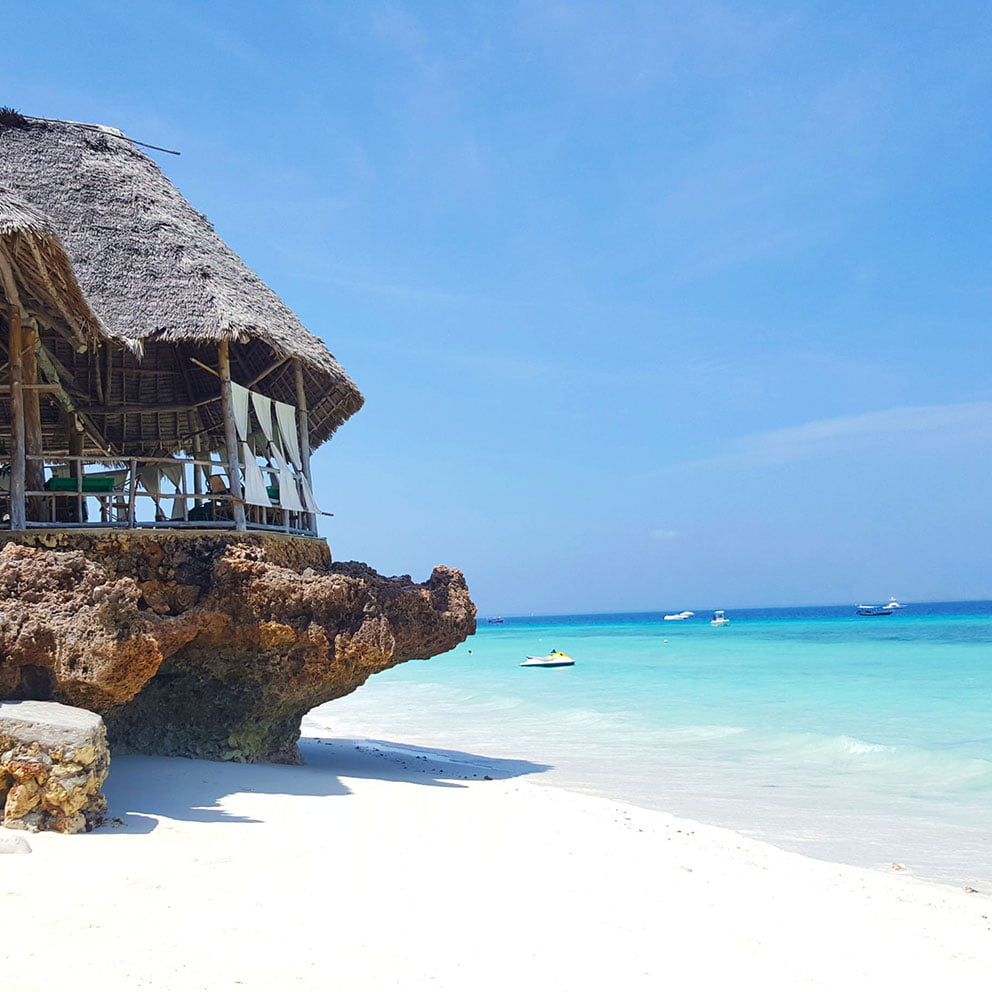
Zanzibar beach holidays offer a tropical paradise experience with year-round warm temperatures, peaking from June to October and December to February. Situated off the Tanzanian coast, popular spots like Nungwi and Kendwa offer stunning white sands, while Stone Town provides rich history. Essential travel tips include needing a tourist visa, packing sunscreen, respecting local culture, and being prepared for significant tidal changes.
7-days-zanzibar-beach-activities-and-chimpanzee-tracking-in-mahale-mountains
7-day-best-zanzibar-beach-holidays-combo-to-ruaha-and-mikumi-safari-parks
6-days-perfect-zanzibar-beach-holiday-tour-package-itinerary
5-days-zanzibar-island-tour-and-zanzibar-beach-holiday-trip
When is the Best Time for Zanzibar Beach Holidays?
The best time for a beach holiday in Zanzibar is primarily from June to October during the dry season when the weather is cooler and more pleasant. This period offers sunny days, lowered humidity, and clear skies that create ideal conditions for beach activities, excursions, and sunbathing. The slightly cooler temperatures, with averages around 27-29°C (81-84°F), make it comfortable for travelers to explore the stunning beaches and partake in various water sports.
Another favorable time for Zanzibar vacations is from December to February, although temperatures can be warmer during this period, often reaching the high 30s°C (mid-90s°F). This time also sees dry weather conditions, making it suitable for beach activities and cultural experiences. However, visitors should be prepared for increased heat, potentially requiring more hydration and sun protection during outdoor excursions.
Travelers might want to avoid visiting during the long rainy season from March to May, as the heavy downpours can disrupt plans and lead to muddy conditions. The short rains in November can also affect trips, but they are often less intense. Overall, planning vacations around the dry seasons ensures an enjoyable beach experience in Zanzibar's idyllic settings, allowing for a variety of adventure and relaxation opportunities.
How Many Days are Needed for a Beach Holiday in Zanzibar?
A beach holiday in Zanzibar is best enjoyed with a duration of 7 to 10 days, providing an ideal balance between relaxation and exploration. This time frame allows visitors to fully unwind on the stunning beaches while also experiencing the rich cultural heritage and natural beauty of the island.
During the initial days, travelers can settle in and relish the tranquil atmosphere, indulging in activities such as sunbathing, swimming, and water sports. The stunning beaches, coupled with crystal-clear waters, create an enticing environment for relaxation. After a couple of days, it is beneficial to embark on various tours to explore the island’s unique offerings.
Day trips can include visiting Stone Town, a UNESCO World Heritage site, to explore its vibrant markets, historical architecture, and cultural landmarks. Additionally, excursions to spice farms, Jozani Forest for red colobus monkeys, and the nearby islands for snorkeling and diving can enrich the experience.
A week-long stay provides enough flexibility to engage in these activities without feeling rushed. For those seeking a more leisurely experience, extending the holiday to 10 days allows for more time to enjoy leisure activities and perhaps indulge in spa treatments or wellness retreats. This balance of relaxation and adventure makes 7 to 10 days the ideal duration for a memorable beach holiday in Zanzibar.
Do I Need a Visa?
Yes, most nationalities require a visa to enter Tanzania, which covers both the mainland and the Zanzibar archipelago. The visa is essential for travelers from various countries, and it is advisable to check specific requirements based on nationality ahead of travel plans.
Visitors can obtain a visa in several ways. The easiest method is to apply online for a Tanzanian e-Visa, which streamlines the process. This online application typically requires basic personal details, travel itinerary, and payment of the visa fee. E-Visas are generally processed within a few days, allowing travelers to enter the country upon arrival if all conditions are met.
Alternatively, visitors can also secure a visa upon arrival at the airport or border crossing, although this method may involve longer waiting times and potential inconveniences. It’s essential to have a valid passport with at least six months of validity remaining and return tickets or proof of accommodation during your stay.
Ensuring that visa requirements are met well in advance helps to eliminate potential travel disruptions. Understanding the visa process enhances the travel experience, allowing for a seamless entry into the captivating landscapes and culture of Zanzibar upon arrival.
How Do I Get to Zanzibar?
Traveling to Zanzibar is primarily accomplished through two main methods: flying directly into Abeid Amani Karume International Airport (ZNZ) or taking a ferry from Dar es Salaam. The most convenient option is to book a direct flight to ZNZ, which connects the island to various international and domestic destinations. This airport serves as the primary gateway for international travelers and often features flights from major cities in East Africa and the Middle East.
For those already in mainland Tanzania, the ferry option offers a scenic transition to the island. Ferries depart frequently from Dar es Salaam and take approximately two hours, providing travelers with stunning views of the Indian Ocean along the journey. This option is often preferred by those wishing to combine their mainland safari or adventure experiences with a beach holiday in Zanzibar.
Upon arriving in Zanzibar, visitors find themselves immersed in a warm, tropical climate, ready to explore the island’s rich cultural heritage, beautiful beaches, and vibrant marine life. It’s advisable to arrange airport transfers or ferry bookings in advance, ensuring a smooth start to a memorable holiday experience. Overall, both the flight and ferry options serve as efficient means for travelers to reach the enchanting allure of Zanzibar.
Is a Safari Combo Possible?
Yes, many tourists opt to combine a mainland Tanzania safari with relaxing beach holidays in Zanzibar, creating a well-rounded travel experience. This combination allows visitors to immerse themselves in Tanzania's diverse wildlife while also enjoying the stunning beaches and rich culture of Zanzibar.
The typical itinerary often includes a safari in iconic national parks, such as Serengeti National Park or Ngorongoro Crater, where spectacular wildlife encounters unfold against breathtaking landscapes. Travelers typically spend several days on safari, engaging in game drives, guided walks, and cultural experiences with local communities.
Following the safari adventure, travelers can easily transition to Zanzibar—whether by booking a direct flight or a ferry from Dar es Salaam. The peaceful island setting provides a rejuvenating counterbalance to the excitement of a safari, allowing visitors to unwind on the beautiful beaches, indulge in water sports, or explore cultural landmarks like Stone Town.
This combination of land and sea enables travelers to enjoy the breadth of Tanzania’s offerings—they can witness the majesty of the "Big Five," relax on the pristine beaches of the Indian Ocean, and experience Zanzibar's rich spice heritage. Tour operators and travel agencies often customize such packages, making it convenient for visitors to experience the best of both worlds during their holiday in Tanzania.
Which are the Best Beaches for Zanzibar Beach Holidays?
Zanzibar is renowned for its breathtaking beaches, each offering unique experiences for holidaymakers. Among the top choices are Nungwi and Kendwa on the north coast, celebrated for their stunning sunsets and exceptional swimming conditions. Nungwi, in particular, is lively with a vibrant beach atmosphere, attracting visitors interested in daytime relaxation and lively beach bars. Its minimal tidal changes make it ideal for swimming year-round, allowing for enjoyable aquatic experiences even at low tide.
Kendwa, located just south of Nungwi, has a more tranquil vibe but is equally stunning. Known for its soft white sands and clear azure waters, it's an excellent choice for those seeking a peaceful retreat. The beach’s shallow waters are perfect for swimming, and the sunsets here are often described as some of the most beautiful in the world.
On the east coast, Paje and Jambiani are excellent spots for kitesurfing and windsurfing, especially during the peak wind season from June to October. Paje’s long stretches of beach and consistent winds attract adventure enthusiasts, while Jambiani offers a more laid-back atmosphere with picturesque views. The dramatic tidal changes on the east coast provide thrilling opportunities for exploring tide pools and enjoying the unique marine ecosystem.
Every beach in Zanzibar has its own charm, making it important for travelers to choose based on their preferred activities and atmosphere—whether it be relaxation, adventure, or a mix of both during their tropical getaway.
What is the Difference Between North and East Coast Beaches?
The beaches of Zanzibar differ significantly between the northern and eastern coasts, primarily in terms of tidal patterns, ambiance, and activities available. The north coast, particularly areas like Nungwi and Kendwa, experiences minimal tidal fluctuations, allowing for consistent swimming conditions throughout the day. This aspect is particularly appealing to visitors looking to spend long hours in the water without worrying about tides. The vibrant atmosphere in the north also attracts a lively crowd, with beach bars and restaurants catering to tourists seeking both relaxation and entertainment.
In contrast, the east coast—including popular beaches like Paje and Jambiani—exhibits dramatic tidal changes that significantly affect beach activities. During low tide, expansive sand flats are revealed, making it an ideal time for walking, exploring tide pools, and engaging in the vibrant marine life. However, swimming may be limited at these times, requiring visitors to plan their water activities around the changing tides.
Each coast also presents different vibes; the north coast is bustling and social, while the east coast tends to be quieter and more suited for those seeking tranquility or adventure sports like kitesurfing and windsurfing.
Travelers should carefully consider their preferences when selecting a beach location, as both the north and east coasts offer distinct yet equally captivating experiences, ensuring that every visitor finds their ideal slice of paradise in Zanzibar.
Are the Beaches Private?
While hotels and resorts in Zanzibar often have designated beach areas for their guests, all beaches in Zanzibar are public. This means that visitors can freely access most stretches of beach, regardless of where they are staying. Public access promotes an inviting atmosphere, allowing both tourists and locals to enjoy the stunning coastal landscapes and warm Indian Ocean waters.
The public nature of these beaches encourages a vibrant interaction among visitors, creating opportunities for cultural exchanges and shared experiences. Beach vendors selling local crafts, fresh seafood, and handmade goods often enhance the lively ambiance, providing a deeper connection to the island's community.
However, travelers should remain mindful of etiquette when sharing beach spaces. While enjoying the public beaches, it is considerate to respect private resort areas and adhere to local customs when interacting with vendors or local beachgoers.
This accessibility enhances the overall experience, as visitors can explore different beach areas, discover hidden gems, and enjoy the various amenities offered by different establishments along the coastline. Ultimately, the combination of public access and local atmosphere makes the beaches of Zanzibar truly special for holidaymakers.
What is Stone Town?
Stone Town is the historical and cultural heart of Zanzibar, known for its intricate architecture, winding alleyways, and rich history that dates back centuries. This UNESCO World Heritage site has garnered attention for its unique blend of Arab, Persian, Indian, and European influences that showcase the island's diverse past as a key trading hub.
Visitors to Stone Town can explore narrow streets lined with beautifully crafted wooden doors and bustling bazaars offering spices, textiles, and handcrafted souvenirs. Significant historical landmarks—including the Old Fort, the House of Wonders, and the Sultan's Palace—afford glimpses into the island's storied past.
Stone Town is also famous for its vibrant culture, reflected in its lively markets, art galleries, and local cuisine. Travelers can sample traditional dishes at local restaurants or street stalls, with options like Zanzibari biryani and fresh seafood enticing visitors’ taste buds. Walking tours often reveal hidden gems, from quaint cafes to intriguing artisanal shops that capture the essence of life on the island.
Moreover, Stone Town serves as a great base for traveling to other areas in Zanzibar. Its proximity to ferry terminals and the airport makes it convenient for visitors looking to explore other parts of the island, such as the pristine beaches along the northern coast or the stunning coral reefs off the eastern shores. Overall, Stone Town is an essential stop for anyone seeking a deeper understanding of Zanzibar’s rich heritage and vibrant culture.
How Do I Get Around?
Getting around Zanzibar can be convenient and enjoyable with various transportation options available. One of the best ways to navigate the island is through pre-arranged taxi transfers, which can be organized through hotels or local tour operators. This option ensures a smooth and efficient transit experience while providing privacy and comfort.
For those seeking a more local experience, Dala-dalas, which are shared minibuses, offer a budget-friendly way to travel around the island. Although they are considerably cheaper, Dala-dalas can be crowded and may not adhere to a strict timetable, so travelers should be prepared for a somewhat adventurous ride.
Bicycle rentals are another popular option, particularly in areas like Stone Town, where cycling offers a great way to explore at your own pace while enjoying the sights. Additionally, hiring a bicycle can allow visitors to access off-the-beaten-path locations that may be overlooked by traditional transportation methods.
For short distances, walking is a wonderful way to immerse oneself in the local culture and scenery. Exploring towns on foot opens up opportunities to encounter local markets, roadside eateries, and stunning views that might be missed from a vehicle.
Ultimately, deciding how to get around Zanzibar will depend on personal preferences and the locations to be explored. Whether opting for private transfers, public transportation, or cycling, each method provides a unique experience of this beautiful island.
What Are the Top Things to Do?
Zanzibar boasts a wealth of activities for visitors, making it an exciting destination for adventure and exploration. One of the top activities is snorkeling at Mnemba Atoll, renowned for its stunning marine life and vibrant coral reefs. The atoll is home to a wide variety of fish species, sea turtles, and, in certain seasons, dolphins. Guided snorkeling tours allow travelers to observe these underwater wonders while enjoying the clear, warm waters surrounding the island.
Another must-visit location is Jozani Forest, a protected area that is home to the endangered red colobus monkeys. Guided tours through the forest offer a chance to learn about the unique ecosystems of Zanzibar, while also providing opportunities to see various plant species and birdlife. The forest's lush greenery and tranquil atmosphere create a memorable experience for nature lovers.
Spice tours are also highly recommended, as Zanzibar has a rich history as a major spice exporter. Visitors can participate in guided tours through spice plantations, where they can learn about the cultivation of various spices like cloves, nutmeg, cinnamon, and vanilla. These tours often include tastings and culinary demonstrations, making them both educational and delicious.
Finally, swimming with dolphins is a magical experience available in nearby Kizimkazi. Tour operators organize boat trips to seek out these playful creatures, allowing visitors to swim alongside them in their natural habitat. Engaging with marine life enhances the holiday experience, providing unforgettable memories of Zanzibar's diverse natural beauty.
Is There Good Diving?
Yes, diving in Zanzibar is exceptional, particularly around Pemba Island and Mnemba Atoll. The waters off these regions are rich in biodiversity, characterized by vibrant coral reefs, various fish species, and exciting underwater topography. Mnemba Atoll is a particularly favored dive site, renowned for its crystal-clear visibility, allowing divers to easily observe the abundant marine life.
Alongside Mnemba Atoll, Pemba Island, located to the north, is also celebrated for its unspoiled diving opportunities. Known for its steep drop-offs, underwater caves, and intact reefs, the diving experiences around Pemba are often considered some of the best in the world. Pemba's remote nature means fewer tourist crowds, allowing divers to enjoy the underwater scenery in tranquility.
Diving conditions in Zanzibar are usually favorable, with warm temperatures and seasonal variations that invite different marine species to visit. The diverse marine habitats attract everything from colorful reef fish to larger species like manta rays and even whale sharks during certain seasons.
Many dive operators in Zanzibar provide all necessary equipment, courses for beginners, and experienced guides for advanced dives. They can also help craft tailored dive packages based on individual skill levels. Overall, the combination of stunning underwater landscapes and abundant marine life makes Zanzibar a desirable destination for diving enthusiasts of all levels.
What Is a Spice Tour?
A spice tour in Zanzibar is an engaging guided excursion that educates visitors about the island's historical significance as a major spice exporter. Zanzibar has long been known as the "Spice Island," and a spice tour provides firsthand insight into the cultivation, harvesting, and processing of various spices, such as cloves, cinnamon, nutmeg, and vanilla.
During the tour, visitors typically explore spice plantations where they can see and smell the spices growing in their natural environment. Local guides share their extensive knowledge about the uses, benefits, and histories of the spices cultivated on the island. Participants may also have the chance to sample fresh spices, learn about their culinary applications, and discover how they have shaped Zanzibar's economy and culture.
The tours often include demonstrations of traditional spice-based products, such as herbal teas and local dishes, which enhance the experience and offer an authentic taste of Zanzibari life. Some tours may also include a visit to local markets, where visitors can purchase spices and products to take home as souvenirs.
Overall, spice tours provide a multi-sensory experience that highlights Zanzibar's rich agricultural heritage, making them a cherished aspect of any trip to the island. This immersive experience fosters a deeper appreciation for Zanzibar's unique contributions to global culinary culture.
What Should I Wear?
Clothing choices while visiting Zanzibar are essential for both comfort and cultural sensitivity. On the beaches and at resorts, beachwear is perfectly acceptable, including swimsuits, cover-ups, flip-flops, and light clothing ideal for warm weather. The laid-back beach atmosphere allows for casual attire, helping visitors enjoy hours of sun and surf in comfort.
However, when venturing into Stone Town or local villages, it is crucial to dress modestly in adherence to the island's cultural norms. In these communal spaces, shoulders and knees should be covered to demonstrate respect for local customs and traditions. Both men and women should opt for lightweight, breathable fabrics that provide coverage while remaining comfortable in the warm climate.
For women, long skirts or loose pants paired with lightweight blouses are appropriate, while men might consider lightweight trousers and short-sleeved shirts. A headscarf may also be useful for women to cover their heads when visiting particularly conservative sites or occasions.
Footwear should be comfortable, particularly for walking on uneven cobblestone streets in Stone Town. Closed-toe sandals or easy-to-wear shoes are ideal for exploring. Travelers should consider packing a light jacket or sweater for cooler evenings, as temperatures can drop after sunset. Overall, dressing appropriately ensures a respectful and enjoyable experience while embracing the beauty and culture of Zanzibar.
Is It Safe?
Zanzibar is generally considered a safe destination for travelers; however, it is essential to exercise caution while exploring the island. Petty crimes like theft or pickpocketing can occur, especially in crowded areas or tourist hotspots. To mitigate risks, travelers should avoid displaying valuable items such as expensive jewelry, cameras, or large sums of cash.
Walking alone at night, particularly in less populated areas, is not advisable. Instead, it is recommended to use pre-arranged taxi transfers or trusted transportation services when venturing out after dark. Such measures contribute to a safer experience while allowing for continued enjoyment of local nightlife and dining options.
Overall, staying aware of your surroundings and trusting local friends' or guides’ advice can provide an extra layer of safety. Engaging in group activities and exploring popular areas with fellow travelers tends to be safer than wandering alone.
Travelers should also take precautions regarding health, such as ensuring that vaccinations are up-to-date and adhering to recommended malaria prevention methods. Maintaining hydration and practicing sun safety is beneficial to ensure a healthy stay. Ultimately, while Zanzibar is generally safe and welcoming to visitors, prioritizing safety and common sense is key to a smooth and enjoyable holiday.
Is a Zanzibar Beach Holiday Expensive?
The cost of a Zanzibar beach holiday can vary widely, accommodating a range of budgets. From budget guesthouses and backpacker lodges to luxurious all-inclusive resorts, there are accommodation options to suit everyone. Budget travelers can find affordable lodging that provides comfortable amenities and access to beautiful beaches, often costing less than mid-range facilities.
Mid-tier hotels offer greater comfort and additional amenities, typically featuring pools, restaurants, and organized activities. Prices for these accommodations can vary depending on the location and the time of year, with premium rates during the peak travel seasons from June to October and December to February.
For those seeking luxury, Zanzibar boasts several high-end resorts with comprehensive facilities, including spa services, gourmet dining, and private beach access. These resorts often provide exceptional experiences at a proportionate price, ensuring guests enjoy the island’s stunning beauty in style.
Dining also varies; budget-friendly local eateries offer authentic Zanzibari dishes at low prices, while fine dining establishments deliver unforgettable culinary experiences. Tour costs for excursions, such as spice tours or snorkeling trips, also vary but generally remain affordable.
Overall, a Zanzibar beach holiday can be tailored to fit various budgets, provided travelers conduct research and make prudent choices while planning their itineraries. Prioritizing thoughtful expenditure while allowing for some indulgence fosters a memorable experience that captures the essence of Zanzibar.
What is the Local Currency?
The local currency in Zanzibar is the Tanzanian Shilling (TZS), which is used for most transactions throughout the island, including shopping, dining, and accommodations. However, the U.S. dollar (USD) is also widely accepted in many tourist areas, hotels, and larger establishments. This dual currency system provides visitors with flexibility; they can convert money at local banks or exchange bureaus or carry USD for convenience.
When traveling to Zanzibar, it is advisable to carry a mix of TZS for everyday expenses, such as local meals or small purchases. Using local currency can often yield better prices at markets or when interacting with local vendors. Credit cards are also accepted in many larger establishments, but it’s prudent to carry cash, particularly when venturing into rural areas or smaller shops.
Visitors should be mindful of currency fluctuations and exchange rates, as they can vary at different exchange points. Double-checking rates and avoiding exchanging large sums at hotels can help travelers get fair prices. It’s also recommended to keep some cash available for tipping local guides and staff, as well as for small transactions that may not accept card payments.
Overall, adapting to the local currency enhances the travel experience in Zanzibar and aids in more significant interactions with the local culture and community.
Do I Need Vaccinations?
Before traveling to Zanzibar, it is essential to consult a travel clinic regarding recommended vaccinations and health precautions. Vaccinations may include routine shots such as measles, mumps, rubella (MMR), and tetanus. Additionally, vaccinations for hepatitis A, hepatitis B, typhoid, and yellow fever are often recommended for travelers to East Africa, including Zanzibar.
Malaria risk exists in Zanzibar, particularly in coastal areas; therefore, it is generally advised to take antimalarial medication as a preventive measure. Travelers should discuss the appropriate time frame and type of medication with their healthcare provider to ensure proper protection during their stay.
Aside from vaccinations, maintaining proper health practices can significantly enhance personal safety. Travelers should ensure that they drink bottled or purified water, consume well-cooked foods, and practice good hygiene. Using mosquito repellents and sleeping under bed nets can further reduce exposure to malaria and other mosquito-borne illnesses.
Most importantly, discussing pre-travel health advice and receiving up-to-date information on health conditions in the region is vital for ensuring a safe journey. By preparing adequately, travelers can focus on enjoying the stunning landscapes and cultural experiences that Zanzibar has to offer.
What Should I Pack?
When preparing for a trip to Zanzibar, packing wisely for the tropical climate and diverse activities is crucial. Light, breathable clothing made from natural fibers such as cotton or linen is ideal for staying cool in warm temperatures. Items like lightweight dresses, shorts, and loose-fitting shirts will keep you comfortable throughout your trip.
Swimming gear, including swimsuits and cover-ups, is essential for enjoying the beautiful beaches and engaging in water sports. Travelers should remember to pack flip-flops or sandals for beach outings, as well as sturdy footwear for exploring Stone Town or embarking on excursions, such as nature walks in Jozani Forest.
As sun protection is vital in Zanzibar, travelers should pack sunscreen—preferably reef-safe—to protect their skin from harmful UV rays. A wide-brimmed hat and sunglasses will further shield against the sun's intensity. Additionally, insect repellent is important for preventing mosquito bites, particularly when venturing into rural areas or forests.
A light jacket or sweater is also advisable, as temperatures may drop in the evenings, especially near the beach. Lastly, having a reusable water bottle is practical for staying hydrated in the warm climate while reducing plastic usage.
By packing thoughtfully for varied activities and weather conditions, travelers can ensure they have a comfortable and enjoyable experience exploring Zanzibar's natural beauty and vibrant culture.
Is Alcohol Allowed?
In Zanzibar, alcohol is available, particularly in tourist hotels, restaurants, and bars. However, it’s important to note that the consumption of alcohol is less culturally common among the local population. As a predominantly Muslim society, many locals abstain from drinking, and public displays of alcohol consumption may not align with cultural norms.
Visitors can enjoy a variety of alcoholic beverages, including local beers and spirits, especially in tourist-oriented areas where establishments cater to international guests. However, during the holy month of Ramadan, it is advisable for tourists to be particularly respectful, as alcohol might be less accessible, and consumption in public settings could be frowned upon.
Travelers wishing to enjoy local nightlife or social scenes should do so discreetly and be aware of local customs. Many hotels provide designated areas where alcohol is served, allowing visitors to enjoy drinks responsibly without impacting local traditions.
Ultimately, while alcohol is available and enjoyed by many tourists, understanding and respecting Zanzibar's cultural context enhances the overall travel experience and fosters a harmonious interaction between visitors and the local community.
Booking Zanzibar beach holiday with us Roads of Adventure safaris
Bookh your unforgettable Zanzibar beach holiday with Roads of Adventure Safaris for a seamless mix of relaxation and adventure. Enjoy pristine beaches, historic Stone Town tours, and vibrant marine life with personalized itineraries. Packages include top-tier accommodation, airport transfers, snorkeling, and spice tours, ensuring a tailored paradise experience. Whether for honeymoons or family escapes, trust us to handle every detail for a memorable island getaway. Contact us to create your bespoke, trip.
