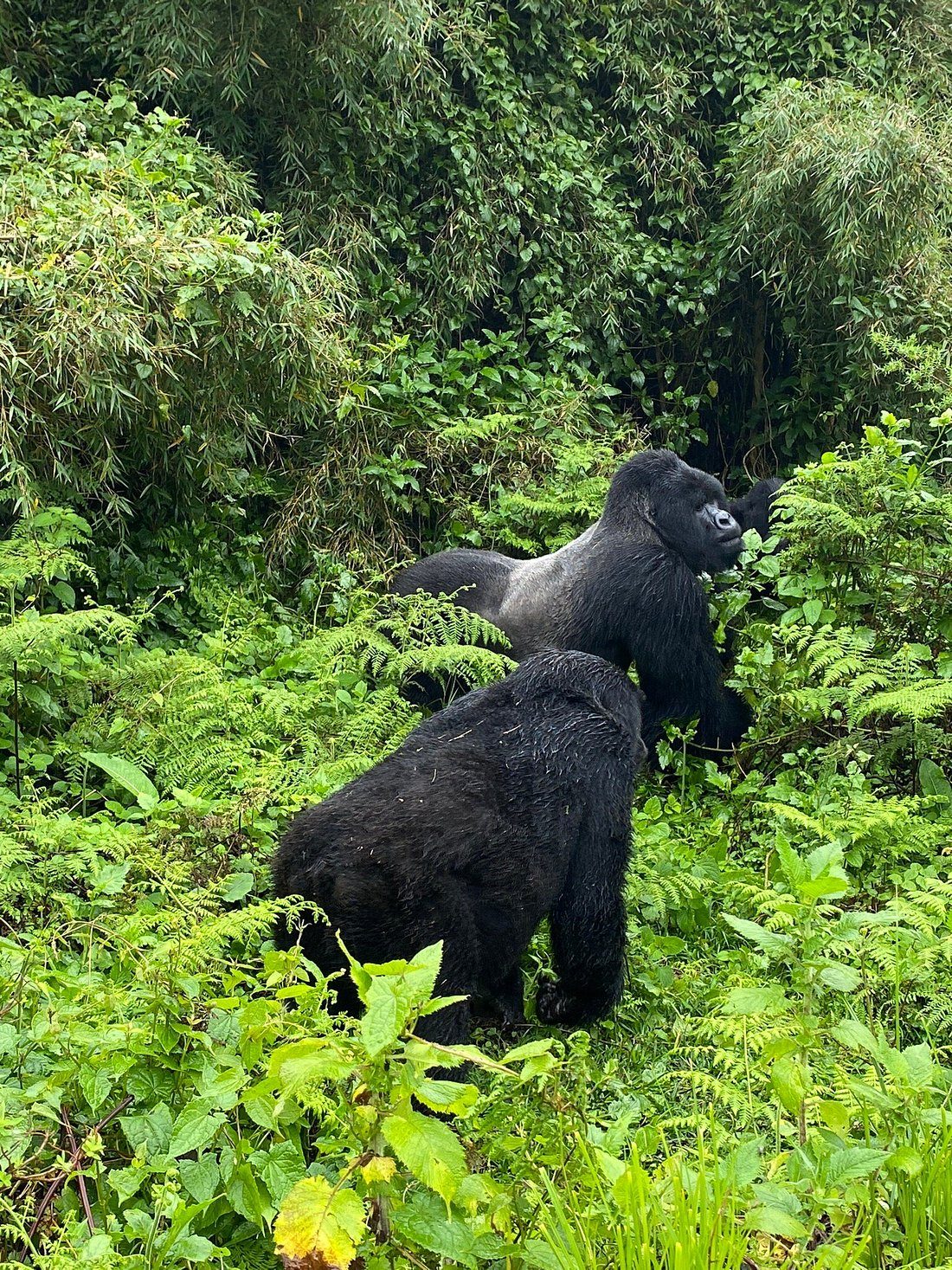
Gishwati-Mukura National Park, Rwanda’s fourth national park (est. 2016/2019), is a high-altitude biodiversity hotspot in the western region. Located near Lake Kivu, this scenic park offers chimpanzee trekking, primate viewing (golden monkeys, blue monkeys), birding, and community-based, eco-friendly experiences. It is a vital conservation area focusing on habitat restoration.
21-days-rwanda-primate-safari-culture-history-and-wildlife-holiday
20-days-complete-rwanda-uganda-safari-tour-combo
14-days-luxury-rwanda-primate-safari-and-uganda-safari-tour-combo
14-days-magical-rwanda-photography-safari
12-days-best-rwanda-wildlife-safari-and-rwanda-primate-safari-vacation
11-days-classic-uganda-rwanda-tour-combined-itinerary
10-days-9-nights-midrange-rwanda-gorilla-trekking-wildlife-and-culture
9-day-romantic-honeymoon-rwanda-wildlife-safari-itinerary
9-days-best-family-rwanda-safari-holiday-big-five-canopy-walk-and-chimpanzee
8-days-best-africa-big-five-rwanda-safari-and-gorilla-trekking
6-days-rwanda-gorilla-trekking-chimpanzee-tracking-and-birdwatching
Where is Gishwati-Mukura National Park located within the diverse landscape of Rwanda?
Gishwati-Mukura National Park is located in the Western Province of Rwanda, nestled within the districts of Rutsiro and Ngororero. It is strategically perched on the Congo-Nile Divide, a prominent ridge that separates the water catchment areas of Africa's two most famous rivers. This geographic position places the park at the heart of the Albertine Rift, a region globally recognized for its high levels of endemism and biodiversity.
The park is composed of two separate forest blocks—the Gishwati Forest to the north and the Mukura Forest to the south. Historically, these forests were part of a massive rainforest system that stretched across central Africa. Today, they represent a remarkable conservation success story, as Rwanda has worked to reconnect and restore these once-fragmented landscapes. Its proximity to Lake Kivu and the popular tourism hubs of Rubavu and Karongi makes it a scenic and accessible addition to any western Rwanda itinerary.
Which primate species can visitors expect to see during a guided trekking safari?
Visitors to Gishwati-Mukura can expect an intimate primate experience centered around a resident, habituated community of approximately 20 chimpanzees. These chimpanzees were once isolated in a shrinking forest patch, but dedicated conservation efforts have allowed them to thrive. Watching them interact in the canopy—grooming, vocalizing, and swinging through the trees—offers a raw look at one of man’s closest relatives in a habitat that feels truly wild.
Beyond the chimpanzees, the park is a haven for several other rare primates. The Golden Monkey, an Albertine Rift endemic with its striking orange-gold fur, is a major highlight. You may also encounter the L’Hoest’s Monkey (also known as the mountain monkey), distinguished by its white "beard" and dark coat, as well as Blue Monkeys and Black-and-white Colobus Monkeys. The variety of primates within such a compact park makes it a concentrated "primate paradise," providing trekkers with multiple sightings often within a single morning’s walk.
What are the primary activities available for tourists visiting this newly established national park?
As Rwanda’s newest national park, Gishwati-Mukura offers a selection of eco-conscious activities designed for immersion. The most sought-after experience is guided chimpanzee tracking, where visitors follow expert rangers into the forest to spend an hour observing the chimps. Following closely in popularity is golden monkey trekking, which provides a faster-paced encounter with these agile, playful primates in the bamboo-rich zones of the forest.
For those who prefer a slower pace, the park is a premier destination for bird watching, with over 230 species to identify. Nature hikes lead visitors through ancient hardwoods and regenerating forest to hidden gems like the Kazenenza Waterfall, where the mist and sound of cascading water provide a perfect spot for reflection. Additionally, community-based tours allow visitors to step outside the forest to engage with local cooperatives, learning about traditional medicine, beekeeping, and Rwandan handcrafts.
When is the best time of year to visit Gishwati-Mukura for wildlife viewing?
The best time to visit Gishwati-Mukura is during the dry seasons, which run from June to September and from December to February. During these months, the forest trails are significantly easier to navigate as the mud is minimized, making the steep volcanic terrain safer and less exhausting for trekkers. Clearer skies also offer better light for photography and clearer panoramic views of the surrounding tea plantations and the distant peaks of the Virunga volcanoes.
While wildlife can be seen year-round, primates like chimpanzees are often easier to track during the dry season when they are less likely to be hiding from heavy downpours. However, the rainy seasons (March–May and October–November) have their own allure. The forest is at its most vibrant green, and many bird species are most active and vocal during these months. For travelers who don’t mind a bit of rain and want a more solitary experience with fewer other tourists, the "green season" can be a beautiful time to visit.
How long does it typically take to drive from Kigali to the park entrance?
The journey from Kigali to the Gishwati sector of the park typically takes between 3 and 4 hours. The route follows well-maintained, paved roads that wind through Rwanda’s mountainous interior, offering spectacular scenery along the way. While the distance is roughly 170 kilometers, the speed limit is strictly enforced at 60 km/h in many areas, and the winding nature of the roads means travelers should plan for a steady, scenic drive rather than a fast one.
For those already exploring the western circuit, the park is even more accessible. It is located only about 1 hour (35 km) from the resort town of Rubavu (Gisenyi) on the shores of Lake Kivu and approximately 2 hours (70 km) from Musanze (Ruhengeri). Because the final kilometer leading to the park reception often requires a 4x4 vehicle, many visitors choose to visit as part of a guided safari tour where transport is provided.
What unique bird species make Gishwati-Mukura a top destination for birding enthusiasts in Africa?
Gishwati-Mukura is a "hotspot" for ornithologists, hosting an impressive 232 bird species in the Gishwati sector and over 160 in the Mukura sector. Its status as an Important Bird Area (IBA) is largely due to the presence of 20 Albertine Rift endemics. The "star" of the park is the Ruwenzori Turaco, a large, spectacularly colored bird with deep blue and red plumage that is frequently seen gliding between the forest canopies.
Other highly sought-after species include the Purple-breasted Sunbird, known for its iridescent feathers, and the Red-throated Alethe. The park is also home to the Grey Crowned Crane, Rwanda’s national bird, which can often be spotted in the wetland areas near the park borders. Because the forest is currently in a state of active regeneration, many of the more secretive "skulking" species are actually easier to spot here than in the denser, older-growth sections of Nyungwe Forest, making it a rewarding destination for both "listers" and casual bird lovers.
Are there any specific accommodation options located directly within or near the park boundaries?
While the park is still developing its tourism infrastructure, there are two primary options that cater to different travel styles. For those seeking a high-end, immersive experience, Gishwati Lodge (operated by Wilderness) is a stunning luxury option nestled within the forest itself. The lodge features six rustic-yet-elegant forest cottages that offer breathtaking views of the canopy, allowing guests to hear the calls of chimpanzees and birds directly from their private decks.
For budget-conscious travelers or those looking for a more community-centric stay, the Forest of Hope Guest House is an excellent choice. Located near the park reception, it provides clean, comfortable rooms and a warm Rwandan welcome. Beyond these two, many visitors choose to stay in the nearby towns of Rubavu or Karongi on the shores of Lake Kivu, where a wider variety of hotels and resorts are available. These locations allow for an easy day trip into the park while providing the evening amenities of a lakeside resort.
Is it mandatory to book a professional guide for all activities within the forest?
Yes, it is strictly mandatory to be accompanied by an official park guide and ranger for any activity within Gishwati-Mukura National Park. This policy is in place for several critical reasons. First is visitor safety; the forest is a dense, wild environment with steep terrain, and it is easy for an unguided hiker to become disorientated. Furthermore, rangers are trained to manage encounters with wild animals, including forest buffaloes and elephants, ensuring that interactions remain safe for everyone involved.
The second reason is conservation and primate welfare. Professional guides are trained to monitor the chimpanzees and monkeys, ensuring that human groups maintain the required distance and follow "gorilla/chimp etiquette." Guides also provide invaluable educational context, sharing their deep knowledge of the forest’s medicinal plants, bird calls, and the complex history of the park’s restoration. By hiring a guide, you are not only ensuring a safe trip but also contributing to the local economy, as many guides are residents of the surrounding communities.
What is the historical significance of the park’s status as a UNESCO Biosphere Reserve?
In 2020, Gishwati-Mukura was officially designated as a UNESCO Biosphere Reserve, a prestigious status that recognizes the park as a global model for balancing conservation with sustainable human development. Historically, the Gishwati and Mukura forests faced devastating degradation. Between the 1930s and 1990s, the forest lost nearly 90% of its cover due to cattle ranching, resettlement after the 1994 genocide, and illegal mining. At one point, it was feared the forest would vanish entirely.
The UNESCO status celebrates the miraculous restoration of this landscape. Over the last decade, the Rwandan government and organizations like the "Forest of Hope" have planted millions of indigenous trees, successfully expanding the forest boundaries and bringing the ecosystem back from the brink of collapse. The designation signifies that Gishwati-Mukura is no longer just a "remnant" of the past, but a living laboratory where reforestation, wildlife protection, and community livelihood programs work in harmony to create a sustainable future for both the people and the primates of Rwanda.
Do I need to purchase a permit in advance for chimpanzee trekking activities?
Yes, you must purchase a permit in advance for chimpanzee trekking. Because the park limits the number of visitors allowed to visit the chimpanzee community each day (typically to a maximum of 8 people), permits are in high demand and can sell out, especially during the peak dry seasons. These permits are the primary way the park manages its ecological footprint and ensures that the chimpanzees do not become over-stressed by human presence.
Permits can be booked through the Rwanda Development Board (RDB) or, more conveniently, through a licensed tour operator. Booking through an operator is often preferred as they can handle the permit logistics alongside your transport and accommodation. The permit fee covers the cost of the trackers who locate the chimps each morning and the guides who accompany your group. It is recommended to book at least 2 to 3 months in advance to secure your preferred date, as this allows you to build your safari itinerary around this centerpiece activity.
What should I pack to ensure a comfortable and safe trekking experience in the rainforest?
Packing correctly is essential for a successful trek in Gishwati-Mukura’s montane environment. Waterproof hiking boots with good ankle support and grip are non-negotiable, as trails can be steep and slippery. You should wear long-sleeved shirts and long trousers to protect your skin from stinging nettles, thorny bushes, and biting insects. Tucking your trousers into your socks is a standard "safari hack" to prevent ants from climbing up your legs.
A lightweight rain jacket or poncho is necessary even in the dry season, as tropical showers can occur at any time. Because you will be viewing primates, you are required to wear a face mask during the actual encounter to prevent the transmission of human respiratory illnesses to the chimpanzees. Don't forget insect repellent with DEET, a hat, and a pair of binoculars to spot birds and monkeys in the high canopy. Finally, carry a small daypack with at least two liters of water and some energy-dense snacks to keep your stamina up during the 2- to 5-hour hike.
Can visitors currently explore both the Gishwati and Mukura forest sectors of the park?
Currently, the vast majority of tourism infrastructure and activities are concentrated in the Gishwati sector of the park. This is where the park reception, the habituated chimpanzee group, and the established trail networks are located. Most of the famous highlights, such as the waterfalls and the primary birding trails, are within Gishwati.
The Mukura sector, located further south, remains largely undeveloped for tourism. While it is a recognized part of the National Park and holds immense ecological value, it does not yet have the same level of habituated primate groups or guided trail systems. However, for the truly adventurous "off-the-beaten-path" traveler, specialized birding excursions into Mukura can sometimes be arranged through local authorities. For most standard safari itineraries, "visiting Gishwati-Mukura" effectively refers to exploring the Gishwati forest, which offers a complete and world-class wildlife experience.
Are there community-based tourism experiences available for those interested in local Rwandan culture?
One of the pillars of Gishwati-Mukura’s management is community integration, and there are several excellent cultural experiences available. Visitors can visit local handcraft cooperatives where they can learn the art of weaving traditional Rwandan baskets or creating "Imigongo" cow-dung art. There are also beekeeping demonstrations where you can see how local honey is produced using traditional hives located on the park's buffer zones.
For a more immersive experience, you can watch (and participate in) traditional dance and drumming performances by local youth groups. Some programs even offer farm visits, where you can spend time with a local family, learn about subsistence farming in the highlands, and share a traditional Rwandan meal. These activities are designed to ensure that the communities living around the park benefit directly from tourism, providing them with a sustainable alternative to using forest resources and creating a deeper bond between visitors and the local culture.
What conservation efforts are being implemented to protect the park's endangered chimpanzee population?
Conservation in Gishwati-Mukura is a multi-faceted mission. The most ambitious project is the creation of a wildlife corridor—a 30-mile strip of restored forest that will eventually connect Gishwati to the much larger Nyungwe National Park to the south. This corridor is vital because it will allow the isolated Gishwati chimpanzees to migrate and interbreed with the Nyungwe population, ensuring genetic diversity and long-term survival.
Other critical efforts include active reforestation, where millions of indigenous trees have been planted to replace the eucalyptus and pine plantations that once dominated the area. The park also employs "eco-guards" from the local community to patrol for illegal activities like logging or gold mining. By providing education and alternative livelihoods (such as beekeeping and tourism jobs), the park has turned former encroachers into "Forest of Hope" guardians. These combined efforts have seen the chimpanzee population stabilize and grow, making the park a global case study in successful ecosystem restoration.
How does the elevation and climate of the park affect the overall trekking experience?
With elevations ranging between 2,000 and 3,000 meters, Gishwati-Mukura has a classic montane climate. This means it is significantly cooler and mistier than the lower-lying regions of Rwanda. When you start your trek in the early morning, temperatures can be quite brisk, often requiring a fleece or light jacket. As you hike and the sun rises, the temperature warms up, but the forest canopy usually keeps the air fresh and cool.
The high elevation also means the air is slightly thinner, which can make steep climbs feel more physically demanding if you are not acclimated. The "misty" nature of the park creates a beautiful, ethereal atmosphere—perfect for landscape photography—but it also means that humidity is high. You should expect damp conditions underfoot and the occasional thick fog. The cool climate is generally a relief for hikers, as it prevents the intense heat often found on savannah safaris, allowing you to trek for several hours without the risk of overheating.
Is Gishwati-Mukura National Park a suitable destination for families traveling with children?
Gishwati-Mukura is considered a highly family-friendly destination, particularly for families with older children or those with a keen interest in nature. While chimpanzee tracking usually has a minimum age limit of 12 (similar to gorilla trekking), the park offers shorter, more accessible nature walks that are suitable for younger children. These walks focus on identifying colorful butterflies, interesting insects, and easy-to-spot monkeys like the Colobus.
The park’s visitor center provides educational opportunities where children can learn about the "Forest of Hope" and the importance of reforestation. Because the park is smaller and less crowded than the more famous destinations, families often appreciate the quiet, private feel of the excursions. Combining a morning walk with a visit to a local craft cooperative or a waterfall hike makes for a well-rounded, educational day that introduces children to the concepts of conservation and community resilience in a fun, active way.
What is the maximum group size allowed for primate tracking and guided hiking tours?
To ensure that the wildlife remains undisturbed and that every visitor has a high-quality, intimate experience, the park strictly limits group sizes. For chimpanzee tracking, the maximum group size is typically 8 people per group. This small size is essential for moving quietly through the forest and ensuring that everyone has an unobstructed view of the chimps during the observation hour.
For general nature hikes and bird-watching tours, group sizes are similarly small, usually capped at 6 to 8 people. This allows the guide to provide personalized attention, answering questions and pointing out subtle forest details that might be missed in a larger crowd. By keeping groups small, the park also minimizes the physical impact on the trails, preventing erosion and protecting the delicate floor of the regenerating rainforest. If you are traveling in a larger group, the park will simply split you into two smaller teams, each with its own dedicated guide.
Can I combine a visit to Gishwati-Mukura with other major parks in Rwanda?
Absolutely. Gishwati-Mukura is perfectly situated for a "Western Circuit" safari. It sits almost exactly halfway between Volcanoes National Park (home of the gorillas) and Nyungwe National Park (famed for its canopy walk and large chimpanzee population). Including Gishwati-Mukura in your itinerary allows you to see the full progression of Rwanda’s forest conservation efforts, from the ancient volcanic peaks in the north to the sprawling primary rainforest in the south.
A typical 7- to 10-day Rwanda safari might begin with gorillas in Musanze, followed by a stop in Gishwati-Mukura for golden monkeys and chimpanzees, and then a final few days in Nyungwe. Its location near the shores of Lake Kivu also makes it easy to add a day of relaxation or kayaking in Rubavu or Karongi. Because Gishwati is smaller and less time-consuming to explore than the larger parks, it acts as a perfect "hidden gem" addition that enriches the overall diversity of a Rwandan wildlife adventure.
What kind of terrain should I expect while hiking through the Gishwati forest trails?
The terrain in Gishwati is best described as montane and moderately challenging. You should expect steep, forested slopes and winding ridges. Because the forest is in a stage of restoration, you will move between areas of thick, ancient hardwoods and sections of younger, regenerating woodland and bamboo. The ground is often covered in a layer of damp leaves and moss, which can make it slippery, especially after a morning mist or rain.
Trails frequently cross small, meandering streams and can lead to steep descents toward the park’s scenic waterfalls. While the park authorities have done an excellent job of maintaining the primary trails, you should still be prepared for some "off-trail" maneuvering if you are tracking chimpanzees, as they don't always stay near the main paths. The variety of the terrain—from high ridges with panoramic views to deep, cool valley floors—makes for a dynamic and visually stimulating hiking experience that rewards physical effort with stunning natural beauty.
Is there a requirement to wear a face mask when viewing primates in the park?
Yes, there is a strict requirement to wear a face mask when you are in the presence of chimpanzees and other primates in Gishwati-Mukura. This rule was implemented to protect the animals from human-borne respiratory diseases, including the common cold, flu, and COVID-19. Because primates share such a high percentage of our DNA, they are extremely susceptible to our illnesses, which can be fatal to an isolated wild community with no natural immunity.
You do not necessarily need to wear the mask during the entire hike through the forest, but your guide will instruct you to put it on as soon as you get within 10 to 15 meters of the primates. The park usually requires a high-quality surgical or N95 mask. This small precaution is a vital part of "Responsible Tourism" and is a standard practice across all of Rwanda’s primate parks. By wearing a mask, you are playing a direct role in the long-term health and survival of the Gishwati chimpanzees, ensuring that these incredible animals remain healthy for generations to come.
Booking Rwanda safari with us Roads of Adventure safaris
Book your Rwanda and Uganda safari with Roads of Adventure Safaris for expert-guided, tailor-made, mid-range to luxury experiences. Specializing in mountain gorilla trekking, chimpanzee tracking, and wildlife adventures, the company handles all logistics, including permits, 4x4 vehicles, and accommodation. Contact them via email (info@roadsofadventuresafaris.com) or WhatsApp (+256 701041637) to plan your trip.
