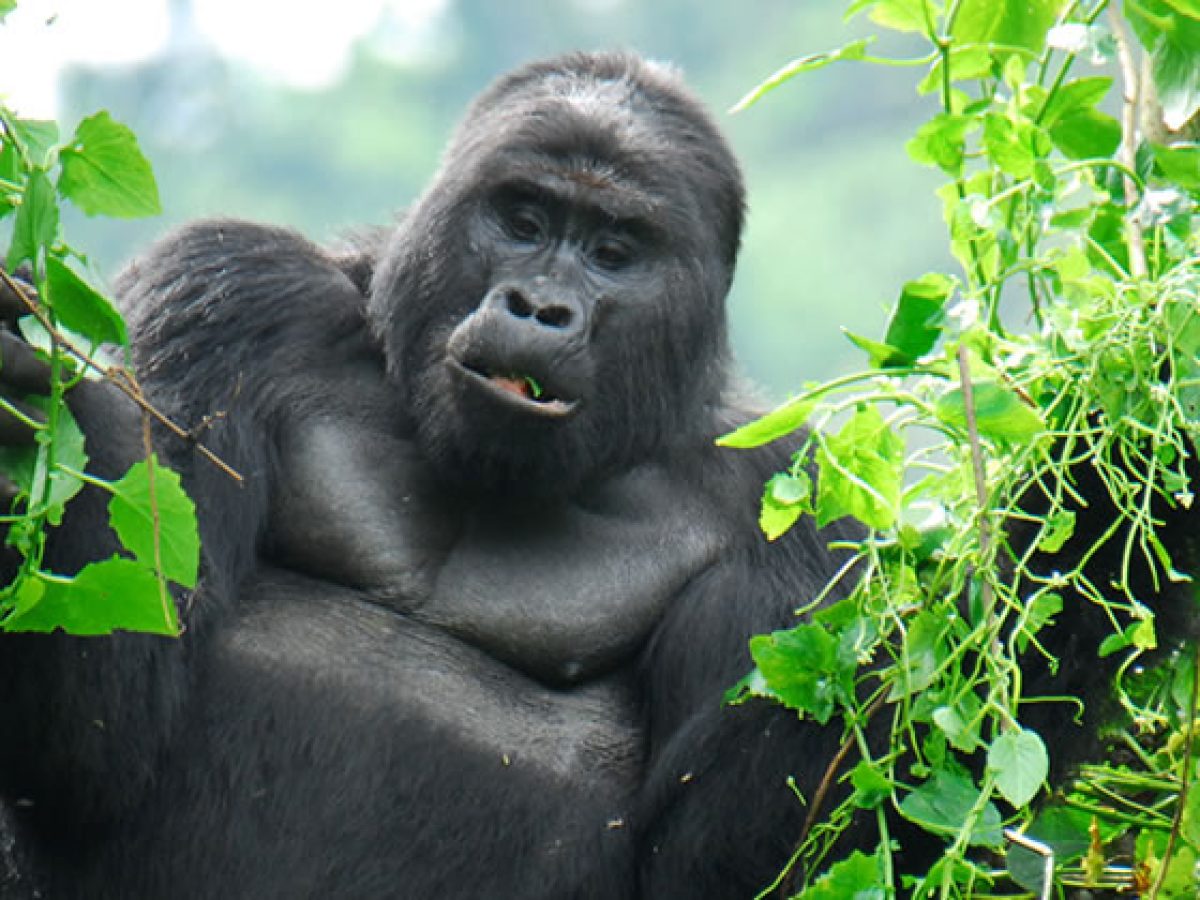
A Rwanda safari holiday offers premium, intimate wildlife experiences, centered on gorilla trekking in Volcanoes National Park and chimpanzee tracking in Nyungwe. Known as the "Land of a Thousand Hills," Rwanda is safe, clean, and requires permits for trekking, with Akagera National Park providing savanna game drives for the Big Five
21-days-rwanda-primate-safari-culture-history-and-wildlife-holiday
20-days-complete-rwanda-uganda-safari-tour-combo
14-days-luxury-rwanda-primate-safari-and-uganda-safari-tour-combo
14-days-magical-rwanda-photography-safari
12-days-best-rwanda-wildlife-safari-and-rwanda-primate-safari-vacation
11-days-classic-uganda-rwanda-tour-combined-itinerary
10-days-9-nights-midrange-rwanda-gorilla-trekking-wildlife-and-culture
9-day-romantic-honeymoon-rwanda-wildlife-safari-itinerary
9-days-best-family-rwanda-safari-holiday-big-five-canopy-walk-and-chimpanzee
8-days-best-africa-big-five-rwanda-safari-and-gorilla-trekking
6-days-rwanda-gorilla-trekking-chimpanzee-tracking-and-birdwatching
Mountain Gorilla Hub: Volcanoes National Park
Volcanoes National Park in northwestern Rwanda is the country’s mountain-gorilla hub and one of only three places on earth (with Uganda and the DRC) where wild mountain gorillas can be tracked. The park, part of the Virunga Massif, protects high‑altitude rainforest, bamboo zones and volcanic slopes that support several habituated gorilla families available for regulated visits. Tracking teams—including rangers, trackers and guides—work daily to locate groups and communicate their positions to trekking parties. Encounters are strictly managed: each visitor receives a permit, attends a briefing, and spends a single hour with a family once found. That hour often yields unforgettable close observations of feeding, grooming, play and social interactions, all in a misty, primeval forest setting. Permit revenue funds conservation, anti‑poaching, veterinary interventions and community projects around the park, aligning tourism with gorilla protection. Accessibility from Kigali is relatively good (about a 2–3-hour drive), enabling short, high‑impact visits or luxury packages centered on gorilla encounters. Because permits are limited, book well ahead if gorilla trekking is central to your trip.
The "Land of a Thousand Hills"
Rwanda’s famous nickname—“Land of a Thousand Hills”—captures the country’s compact, dramatic topography of rolling, steep, and often terraced hills punctuated by volcanic peaks, crater lakes and high-altitude rainforests. The topography shapes climate and biodiversity: cooler, wetter conditions at elevation support unique montane ecosystems such as Nyungwe and Volcanoes National Parks, while valleys and lakes create microclimates for agriculture and settlements. The hilly landscape has influenced Rwandan culture and economy; densely cultivated slopes show intensive smallholder farming, and scenic vistas provide strong appeal for visitors seeking panoramic views, hikes and cultural encounters. Roads can be winding and steep, making travel times longer than straight-line distances suggest; a well-organized transfer and a capable driver are important for multi-park itineraries. The hills also create spectacular sunrise and sunset panoramas and lend Rwanda a photogenic character unmatched by many African destinations, combining verdant vistas with community life. For travelers, the landscape offers accessible trekking, volcano hikes, crater-lake visits and a sense of intimacy with nature that complements wildlife-focused experiences like gorilla trekking.
Mandatory Permits: Gorilla trekking permits
Gorilla trekking in Rwanda is a tightly regulated activity: you must buy an official gorilla trekking permit in advance to join a trek in Volcanoes National Park. Permits control visitor numbers, reduce disease and disturbance risks, and generate critical conservation revenue. They are sold through the Rwanda Development Board (RDB) or licensed operators and are issued for a single day and a specific gorilla family; the permit includes the required briefing and allows a one‑hour viewing once the gorilla family is located. Because permits are limited and high in demand—especially during dry seasons and holiday peaks—booking early (months ahead for peak dates) is strongly advised. Rwanda also operates occasional discounted low‑season rates if paired with additional park stays; rules and prices can change, so confirm current terms with the RDB or your operator when planning. Bear in mind permits are generally non‑transferable and cancellation/refund policies vary, so check those details at purchase. The permit system is central to Rwanda’s conservation-forward tourism model: permit revenue directly supports park management, veterinary care, anti‑poaching efforts and community benefit-sharing programs.
Big Five Safari: Akagera National Park
Akagera National Park, in eastern Rwanda, is the country’s savanna reserve and the primary place to see classic Big Five species—lion, leopard, elephant, buffalo and rhinoceros—within Rwanda. After intensive conservation and reintroduction efforts over recent decades, Akagera has recovered herds, reintroduced lions and restored rhinos, returning to a more complete savanna ecosystem. The park’s mosaic of grassland, woodland and freshwater lakes (notably Lake Ihema) supports game drives, guided walking safaris and boat excursions where hippos, crocodiles and waterbirds congregate. Game-viewing in Akagera is often best in the dry season when animals gather near water; an experienced guide increases the chances of locating predators and the more elusive leopard. Akagera is also Rwanda’s top birding destination, with numerous resident and migratory species. Facilities range from mid‑range camps to luxury lodges and the park is accessible from Kigali in a few hours—making it a convenient savanna complement to gorilla trips in Volcanoes. Good Park management and ranger presence make for safe and rewarding wildlife encounters.
Chimpanzee Tracking: Nyungwe Forest National Park
Nyungwe Forest National Park in southwest Rwanda is a mature montane rainforest famed for its chimpanzee populations and exceptional primate diversity. Tracking chimpanzees in Nyungwe typically starts with a park briefing and then a guided walk-through dense forest along trails where ranger‑trackers locate habituated groups. The experience can be physically demanding—steep slopes, muddy trails and rapid weather shifts—but the payoff is close observation of chimps’ social behaviour, nesting and foraging. Nyungwe hosts many other primates and outstanding birdlife, making it ideal for primate‑focused or birding itineraries. The park’s canopy walkway—which suspends visitors high above the forest—adds a spectacular perspective on the forest canopy and is unique in East Africa. As with gorillas, tracking is regulated to reduce disturbance and disease risk; book chimp permits in advance through park authorities or a licensed operator, and be prepared with appropriate footwear, layered clothing and insect repellent. Nyungwe blends thrilling primate encounters with ancient forest scenery.
Canopy Walkway: Nyungwe’s elevated experience
Nyungwe’s canopy walkway is one of Rwanda’s most distinctive attractions: a suspended bridge system that lifts visitors roughly 70 metres above the forest floor, crossing a valley of mature montane rainforest. The walkway provides panoramic views of the treetops, birdlife and the surrounding highland landscape and is particularly rewarding for birdwatchers, photographers and anyone who wants a rare vantage point into an intact African canopy. Walks are managed by park staff with safety briefings and capacity limits to protect both visitors and the forest. The canopy experience is an accessible way to appreciate Nyungwe’s vertical biodiversity without long hours of strenuous trekking; it complements ground-level activities such as chimpanzee tracking and hiking. Weather can affect openness—mist and rain are common in montane forests—so plan for variable conditions and bring waterproofs and non‑slip footwear. The canopy walkway reinforces Nyungwe’s appeal as a multi‑dimensional forest destination where conservation, research and tourism co-exist.
Golden Monkeys: Volcanoes National Park
Golden monkeys (Cercopithecus kandti) are a striking, endangered primate endemic to the Virunga volcanic forests and a frequent highlight on Volcanoes National Park itineraries. Recognizable by their vivid golden‑orange fur contrasted with darker limbs and face, these social, diurnal monkeys live in bamboo and mixed montane forest bands. Golden monkey treks are typically faster and less demanding than gorilla treks, offering lively troop activity—leaping, play and feeding—that’s excellent for photography and family groups. The species is protected by park regulations and viewing is allowed only with permits and trained guides to reduce disturbance. Permit fees are generally lower than gorilla permits, making golden‑monkey trekking an attractive and affordable primate experience that complements or substitutes for gorilla encounters. Conserving the golden monkey’s fragmented habitat is a priority, and tourism revenue helps fund protection and community programs around Volcanoes.
Strict Plastic Bag Ban
Rwanda enforces one of Africa’s strictest bans on plastic carrier bags: single‑use plastic bags are prohibited nationwide and are routinely confiscated at entry points such as airports. The policy is part of a broader national effort to maintain cleanliness, reduce pollution and protect fragile ecosystems. Visitors should avoid bringing disposable plastic bags, and instead use reusable cloth or biodegradable alternatives for luggage, toiletries and in-country shopping. Many lodges and tour operators are aligned with the ban and promote eco-friendly packing lists; failing to comply can result in confiscation of prohibited items at customs. The plastic‑bag ban complements Rwanda’s clean‑city initiatives, high public standards for waste management, and responsible‑tourism practices—measures that visitors quickly notice and often praise.
Extremely Safe & Clean
Rwanda is widely regarded as one of the safest and cleanest countries in Africa. Strong governance, visible public order, progressive urban planning (especially in Kigali) and community‑driven cleanliness initiatives contribute to low crime rates and tidy public spaces. Kigali’s orderly streets, landscaped roundabouts and efficient services often surprise first‑time visitors to the region. For travellers, this translates into a comfortable and low‑stress experience: reliable transfers, safe pedestrian areas, and courteous, secure tourist services. The controlled, organized approach extends into national-park management and conservation operations, producing dependable logistics for safaris and treks. While normal travel precautions apply (personal belongings, local advisories), many visitors comment that Rwanda’s safety and cleanliness markedly enhance the overall travel experience.
Monthly Community Service (Umuganda)
Umuganda is Rwanda’s nationwide community service day held on the last Saturday of each month from 8:00 to 11:00 a.m., when citizens participate in organized public‑works and neighborhood cleanups. During Umuganda most businesses, government offices and public transportation pause for the morning; visitors should plan around this brief nationwide pause when scheduling departures or services on that day. Umuganda fosters social cohesion, local ownership of public spaces, and the high national standards for cleanliness that visitors notice. For travellers it is also an opportunity to witness a distinctive civic practice and, in some cases, respectfully observe community projects or cultural events. Tour operators often plan around the Umuganda schedule to avoid disruption to transfers and park access.
Best Time to Visit: Dry seasons
The best months for trekking and wildlife viewing in Rwanda are the drier periods—roughly June through mid‑September and December through February—when trails are firmer, visibility is better and wildlife concentrates near water sources. Dry conditions ease access to mountain forests for gorilla and golden monkey treks, reduce mud on steep trails, and make game drives in Akagera more productive. That said, Rwanda’s highland climate can still produce mist or light showers even during dry seasons, so waterproof layers and sturdy boots remain essential. Traveling in shoulder or wet months (March–May, October–November) has advantages—fewer tourists, greener scenery and lower rates—so choose dates based on priorities: easier trekking and peak wildlife activity (dry season) versus quieter parks and lusher landscapes (wet season). Book permits and lodges early for high‑season travel to secure availability.
Malaria Precaution
Malaria risk exists in Rwanda—especially at lower elevations and in rural areas—so take standard precautions before travel. Consult a travel clinician about appropriate antimalarial prophylaxis based on your medical history, itinerary and current local recommendations. Use insect repellent with DEET or picaridin, wear long sleeves and trousers at dusk and dawn, sleep under insecticide‑treated nets where provided, and carry a small first‑aid kit. While higher-altitude destinations like Volcanoes are relatively lower risk, many safari stops and transfers travel through malaria zones. Ensure routine vaccinations are up to date as well and discuss individual risk with your health provider to prepare safely for field activities and evening times when mosquito exposure is higher.
Currency & Cash
Rwanda’s official currency is the Rwandan Franc (RWF), but US dollars (especially bills printed after 2009) are widely accepted for tourism services, park fees and lodges. ATMs and card acceptance are common in Kigali and major hotels, but cash is preferred for tipping, market purchases and transactions in rural areas. Bring a mix of local currency and clean, recent US dollar notes; older or heavily worn US bills may be refused. Currency-exchange services are available at Kigali International Airport and banks in the city; notify your bank before travel and be aware of ATM withdrawal limits. Carry small denominations for park fees, driver tips and local purchases—especially in areas with limited card connectivity.
4WD Vehicles Needed
Although Rwanda’s major routes are paved, many national-park access roads and rural tracks are steep, narrow or unpaved; a 4WD vehicle is strongly recommended for transfers to Volcanoes, Nyungwe and Akagera, particularly in the rainy season. A 4WD improves comfort and safety on muddy, rutted forest approaches and for negotiating steep volcanic slopes and hill roads. Operators typically use rugged minibuses or Land Cruisers with experienced drivers familiar with local conditions—important for timely transfers, luggage handling and emergency contingencies. If you plan self‑drive, rent a suitable 4WD with adequate ground clearance and local insurance, and factor extra travel time for winding hill roads.
Visa Requirements
Many nationalities can obtain a 30‑day tourist visa on arrival at Kigali International Airport for a fee, though policies change and some travelers prefer to apply for an e‑visa in advance. The East African Tourist Visa (EATV) is a convenient multi‑entry option covering Rwanda, Uganda and Kenya for travelers planning multi‑country itineraries. Requirements—passport validity (commonly six months), proof of onward travel, and vaccination certificates—vary by nationality, so confirm current rules with Rwandan immigration or your embassy before departure. Using an e‑visa or the EATV can streamline arrival processing and avoid delays.
Language
Kinyarwanda is Rwanda’s national language and is spoken widely across the country. English and French are official languages; Swahili is also increasingly used, especially in commerce and at border regions. Tourism staff and guides in Kigali and national parks are commonly fluent in English and often in French or other languages, making communication straightforward for many international visitors. Learning a few Kinyarwanda greetings is appreciated by locals and adds warmth to cultural interactions.
Kigali International Airport
Kigali International Airport (KGL) is Rwanda’s main gateway and offers direct and connecting flights to major regional hubs. The airport is well organized and located within a reasonable driving distance to Kigali city and onward transfers to Volcanoes, Akagera and Nyungwe. Many operators arrange meet‑and‑greet services on arrival and efficient onward ground or domestic flight connections. Because Volcanoes National Park is only a few hours’ drive, Kigali is a convenient base for short gorilla itineraries. Allow adequate time for Umuganda mornings or monthly public events if they coincide with arrival/departure dates.
Genocide Memorials
The Kigali Genocide Memorial is an essential, solemn site for visitors seeking to understand Rwanda’s recent history. The memorial offers a deeply moving account of the 1994 genocide against the Tutsi, with exhibits, personal stories, mass‑grave sites and a research center. Visiting provides context for Rwanda’s recovery, reconciliation efforts, and the social resilience visible in the country today. Guided tours are respectful and informative; allow time and emotional space for the experience. Many travelers pair the memorial visit with Kigali city tours to balance historical perspective with other cultural and natural attractions.
Vaccinations
Standard travel advice applies for Rwanda: be up to date with routine immunizations and check destination‑specific requirements. A Yellow Fever vaccination certificate is required if you arrive from a Yellow Fever‑endemic country and is recommended in some cases; carry the official International Certificate of Vaccination. Other recommended vaccines may include hepatitis A, typhoid and routine boosters; consult your travel health clinic well before departure for personalised advice. Keep documentation and follow local health guidance for safe trekking and remote-area activities.
Average Trekking Time
Gorilla treks in Rwanda can vary widely in duration: encounters may take as little as twenty minutes of hiking from the trailhead when a family is nearby, or they can last several hours—sometimes up to half a day—if gorillas are farther afield or moving. Trek length depends on where the gorilla family spent the night, their movement patterns, group fitness, and terrain. Guides move at the pace of the slowest participant, and trackers coordinate to shorten search time. Once a family is located, visitors have a strict one‑hour viewing period. Prepare for variable conditions with sturdy boots, layered clothing, a waterproof outer layer, water, snacks, and a good level of fitness; porters are often available for hire to carry heavy packs and assist on steep sections.
Where can I see mountain gorillas on a Rwanda safari holiday?
Volcanoes National Park in northwestern Rwanda is the premier—and best-known—place to see endangered mountain gorillas in the wild. Part of the Virunga Massif that stretches across Rwanda, Uganda, and the Democratic Republic of Congo, Volcanoes National Park hosts several habituated gorilla families that are open to regulated tourism. The Rwanda Development Board (RDB) manages gorilla permits and daily group allocations to minimize stress on the animals and reduce disease risk. A gorilla-trekking day typically begins with a briefing at the park headquarters where guides outline safety rules—maintain a minimum distance from the gorillas, limit time to one hour, avoid direct eye contact, and do not eat or smoke near the animals. Treks vary in length and difficulty depending on where the family is that day; some hikes are relatively short and gentle, others involve steep, muddy climbs that can last several hours. When a family is located, visitors are escorted by trained rangers to observe the group; the hour you spend watching gorillas feed, groom, play, and interact is widely described as profound and unforgettable. Beyond the direct wildlife encounter, Volcanoes supports conservation, research, and community revenue-sharing programs so tourism directly benefits local livelihoods and habitat protection. Because demand far outstrips permit supply—permits are limited and sell out well in advance—book at least several months ahead, especially for the high seasons (mid-year and December–February). Staying in locally run lodges and traveling with licensed operators ensures compliance with park rules and maximizes the conservation benefit of your visit. Volcanoes National Park offers not only the chance to see mountain gorillas but to participate in a tourism model designed to protect one of the planet’s most threatened great apes.
Can I see the Big Five on a Rwanda safari holiday?
Yes—Akagera National Park in eastern Rwanda is the country’s savanna park where you can potentially see the classic “Big Five” (lion, leopard, elephant, buffalo, and rhinoceros). Unlike Rwanda’s montane parks in the west, Akagera’s mosaic of open grasslands, woodlands, wetlands, and lakes recreates the savanna environment where these species thrive. The park experienced severe wildlife declines in the late 20th century but has rebounded markedly through well-coordinated conservation efforts, including species reintroductions and increased anti-poaching enforcement. Notably, lions were reintroduced successfully, and a rhino reintroduction program—focusing on southern white rhinos—has returned these iconic herbivores to the park. Visitors commonly enjoy game drives along established tracks, guided walking safaris, and boat trips on Lake Ihema where hippos, crocodiles, and numerous waterbirds gather. Elephant sightings are frequent in appropriate habitats, buffalo herds roam the plains, and the more elusive leopard requires patience and luck but is present in the park. Because Akagera’s habitats include wetlands and lakes, it’s also a top destination for birdwatchers. Practical considerations: road conditions can be seasonal, and some sightings are easier during the dry months when animals concentrate near water; traveling with an experienced guide improves the chance of locating big mammals and ensures safe interactions. For visitors combining Rwanda’s famed gorilla treks in Volcanoes with classic savanna viewing, Akagera provides a complementary and rewarding big-game experience within Rwanda’s compact national park system.
Is chimpanzee tracking available on a Rwanda safari holiday?
Yes—Nyungwe National Park and specific forested areas in Rwanda are the main destinations for chimpanzee tracking. Nyungwe, one of East Africa’s oldest and largest montane rainforests, supports a range of primates including habituated chimpanzee communities that can be tracked under park rules. Chimpanzee tracking in Nyungwe typically begins with a morning briefing at the park headquarters followed by a guided walk into the forest to locate a habituated group; the search time varies and can be physically demanding given steep slopes and dense undergrowth. When the group is found, visitors are usually allowed a limited viewing period under ranger supervision—this protocol reduces stress on the chimpanzees and lowers the risk of disease transmission. Nyungwe’s biodiversity extends beyond chimps: the park hosts numerous monkey species, diverse birdlife, and remarkable plant communities. Other nearby forests and habituation projects may also offer chimpanzee experiences, but Nyungwe is the principal site promoted for primate trekking in Rwanda. Because tracking is regulated and permits are limited, book through the Rwanda Development Board or licensed operators ahead of time, especially during high season. Visitors should be prepared for strenuous walking, rapid weather changes, and muddy conditions; proper footwear, layered clothing, and insect repellent are essential. Chimpanzee tracking in Rwanda combines rewarding wildlife observation with forest conservation and research, offering an immersive experience in an ancient rainforest landscape.
What are the four main parks to visit on a Rwanda safari holiday?
Rwanda’s compact protected-area network centers on four primary national parks that together showcase the country’s ecological diversity: Volcanoes, Akagera, Nyungwe, and Gishwati-Mukura. Volcanoes National Park (northwest) is the mountain-gorilla stronghold and also offers golden monkey trekking, scenic volcano hikes, and cultural visits to nearby communities. Akagera National Park (east) provides savanna-style wildlife viewing—game drives, boat safaris on Lake Ihema, and the opportunity to see reintroduced big mammals like lions and rhinos. Nyungwe National Park (southwest) is an ancient montane rainforest with chimpanzee tracking, an iconic canopy walk, extensive hiking trails, and outstanding birdlife. Gishwati-Mukura National Park is a more recent establishment born from the merging and rehabilitation of Gishwati and Mukura forest remnants; it focuses on forest restoration, biodiversity protection, and community-inclusive conservation, and it offers opportunities to see primates and endemic Albertine Rift species in a restored forest setting. Together, these parks span Rwanda’s montane forests, volcanic highlands, savannas, and freshwater ecosystems, enabling a single-country itinerary to include gorillas, primates, savanna wildlife, and high-elevation forest experiences. Logistics-wise, multi-park itineraries require careful planning—transfers between parks take time across hilly terrain—so most visitors combine two or three parks depending on interests (commonly Volcanoes + Nyungwe or Volcanoes + Akagera). Booking permits, accommodations, and internal transfers well in advance is recommended, especially during peak travel periods. Visiting these four parks provides a compact yet rich safari holiday that highlights Rwanda’s recovery, conservation successes, and varied natural heritage.
What is the unique primate found on a Rwanda safari holiday?
The golden monkey (Cercopithecus kandti) is a distinctive primate visitors often seek on Rwanda safaris. Endemic to the Virunga Massif and adjacent mountain forests, the golden monkey earns its name from bright orange-gold fur on its flanks and lower back contrasted with darker limbs and face. These agile, medium-sized monkeys commonly inhabit bamboo-dominated and mixed montane forests within Volcanoes National Park and Mgahinga in Uganda. Golden monkey trekking offers a lively contrast to gorilla encounters: troops move quickly through bamboo and trees, displaying energetic leaping, social grooming, and foraging behaviors that make for excellent photographic opportunities. The species’ conservation status is vulnerable due to habitat fragmentation and past hunting pressure, but continued protection of montane forests and community-linked tourism provide incentives to conserve them. Viewing golden monkeys generally requires a permit—often less expensive than gorilla permits—and guided treks follow regulations to limit disturbance. Trekking difficulty varies; bamboo stands can be dense and steep, so good hiking footwear and a moderate fitness level help. For travelers seeking a primate experience that’s both affordable and dynamic, golden monkey treks are an excellent complement to gorilla safaris in the Virunga region.
Are there boat trips during a Rwanda safari holiday?
Yes—boat trips are popular features of Rwanda safaris and add a relaxed, water-based dimension to wildlife viewing. Akagera National Park’s Lake Ihema is the standout venue for boat safaris: guided launches traverse reed-fringed channels where hippos and crocodiles congregate, waterbirds nest, and elephants or buffalo may come to drink on the banks. Lake cruises in Akagera are especially rewarding during the drier months when animals concentrate near water, and they are excellent for birdwatching—viewing species like fish eagles, herons, and kingfishers. Elsewhere, Lake Kivu (on Rwanda’s western border) offers more recreational boating opportunities: scenic boat rides, island visits, kayaking, and relaxing shoreline excursions with stunning views of the lake’s islands and the surrounding hills. Boat-based activities are generally calm, family-friendly, and accessible to travelers who prefer less strenuous experiences than forest trekking. Safety and environmental considerations mean boats are operated under park or licensed operator standards: life jackets, trained guides, and adherence to wildlife-distance rules are typical. Seasonal variations—wind, rain, and water levels—can alter schedules, so checking ahead is sensible. For a mixed itinerary, combining gorilla trekking in Volcanoes with a calming boat cruise in Akagera or Lake Kivu creates a well-rounded Rwanda safari that showcases both terrestrial and aquatic wildlife.
How much does a gorilla permit cost for a Rwanda safari holiday?
A gorilla-trekking permit in Rwanda currently costs $1,500 per person, as set and administered by the Rwanda Development Board (RDB). This fee grants a single-day permit to visit a habituated mountain gorilla group and includes attendance at the mandatory briefing, the guided trek, and the one-hour observation period with the gorillas. The high cost reflects both the limited daily permit quota (designed to protect gorilla welfare) and the important role tourism revenues play in conservation funding, park management, anti-poaching efforts, veterinary interventions, and community development programs. Because permits are scarce and demand is intense—especially during peak travel months—bookings should be made well in advance (often 6–12 months ahead) through official channels or licensed tour operators. Permit policies are strict: they typically are non-transferable and cancellation or change terms vary, so confirm refund rules at purchase. The permit fee does not typically cover other trip expenses—transport, guide fees, lodging, park entry, or optional park activities are charged separately—so plan a full budget for the trip. Although costly, many travelers view the permit fee as an investment in conservation; the funds provide direct incentives for local communities to protect gorillas and their habitat, while enabling ongoing scientific monitoring and management. If cost is a constraint, consider alternative primate experiences—such as golden monkey trekking or chimpanzee tracking—which generally have lower permit fees but still offer excellent wildlife encounters.
When is the best time to go on a Rwanda safari holiday?
The best time to visit Rwanda for trekking and wildlife viewing is during the drier seasons: roughly June to September and December to February. These months typically bring firmer trails, fewer muddy conditions, and more stable weather—benefits that are particularly important for mountain activities like gorilla and golden monkey treks and Nyungwe canopy and hiking trails. Dry conditions also improve visibility for photography and make game drives in Akagera more comfortable, as animals concentrate around water sources. However, “dry” is relative in Rwanda’s highland areas; mist and light rain can still occur in montane forests, so waterproof gear and layered clothing remain advisable. Traveling in shoulder or wet seasons (March–May, October–November) has advantages: fewer tourists, lower accommodation rates, and especially lush, green scenery—ideal for photographers and birders since migratory patterns and breeding activity may increase. Chimpanzee and gorilla encounters remain possible year-round, but permits and lodge availability can be constrained during peak dry months, so book well in advance. Ultimately choose timing based on your priorities—firmer trail conditions and easier access (drier months) versus quieter parks and greener landscapes (wetter months). Regardless of season, pack for variable mountain climates and coordinate closely with your operator for the most current trail and park conditions.
What is the age limit for trekking on a Rwanda safari holiday?
Rwanda’s standard age limit for participating in gorilla and chimpanzee treks is 15 years and older. This rule—applied by park authorities—reflects concerns about child safety on steep, rugged trails as well as the risk of disease transmission from humans to endangered primates; younger children are more susceptible to spreading and catching respiratory infections. Trekking regulations therefore restrict younger visitors from joining gorilla or chimpanzee observation groups. Exceptions are rarely made, and some operators may offer alternative family-friendly activities—guided nature walks, cultural visits, boat trips, or educational programs—that are safer and more appropriate for children. Families planning a safari should confirm age limits with their tour operator and factor the restriction into itinerary design. For older teenagers, ensure they are briefed on park rules (keeping distance, quiet behavior, not feeding animals) and are fit enough for potentially strenuous hikes. Carry appropriate documentation for minors traveling with guardians, and consider travel insurance that covers adventure activities. Respecting age restrictions protects both children and the vulnerable primates whose conservation depends on strict health and safety measures.
How far in advance should I book my Rwanda safari holiday?
To secure permits, preferred accommodations, and optimal itineraries, book a Rwanda safari 6 to 12 months in advance—especially if gorilla permits are required or you plan to travel during the peak dry seasons (June–September, December–February). Gorilla permits are extremely limited and often sell out many months ahead, so early reservation is essential for those whose primary goal is trekking. Popular lodges and boutique camps near Volcanoes and other parks also fill quickly; early booking guarantees better room choices and the ability to coordinate logistics (internal transfers, guides, park briefings). For less time-sensitive elements—Akagera game drives, Lake Kivu stays, or Nyungwe canopy visits—booking a few months ahead is generally adequate but still recommended in high season. If you travel on shorter notice, work with reputable local operators who can advise on permit availability, last-minute cancellations, and alternative primate experiences. Early planning also helps ensure required vaccinations, visas, travel insurance, and gear are arranged without stress. In sum, 6–12 months’ lead time is a sensible rule of thumb to maximize availability and avoid disappointment.
Do I need a visa for my Rwanda safari holiday?
Many travelers can obtain a 30-day tourist visa on arrival in Rwanda for around $50, though visa rules vary by nationality and can change, so confirm requirements well before travel. Rwanda also participates in the East African Tourist Visa (EATV), a multiple-entry permit valid for travel between Rwanda, Kenya, and Uganda—this can be convenient if you plan a multi-country East African itinerary. Some nationalities qualify for visa-free entry based on bilateral agreements. To be safe, check the Rwanda Directorate General of Immigration and Emigration or your nearest Rwandan diplomatic mission for the most current rules. Prepare to present a passport valid for at least six months beyond your travel dates, proof of onward or return travel, vaccination certificates if required (e.g., Yellow Fever), and sufficient funds for your stay. For travel involving gorilla permits and park visits, carry printed confirmations and contact details for your tour operator or lodge. While many travelers find the visa-on-arrival process straightforward, applying for an e-visa in advance can simplify arrival formalities and provide peace of mind. Always verify updated entry requirements shortly before departure, as immigration policies can change.
Is travel insurance required for a Rwanda safari holiday?
While Rwanda does not universally mandate travel insurance for entry, comprehensive travel insurance is strongly recommended and effectively essential for any safari holiday. Good insurance should cover emergency medical treatment, medical evacuation (airlift) from remote park locations, trip cancellation or interruption, lost or delayed baggage, and coverage for adventure activities such as trekking. Gorilla and chimpanzee trekking occur in remote, rugged terrain where medical facilities are limited; evacuation to Kigali or abroad can be costly without proper coverage. Check that your policy explicitly covers high-altitude and remote-area trekking, rescue operations, and pandemic-related interruptions if relevant. Also confirm any insurer requirements tied to pre-existing conditions or vaccination status. Some tour operators may require proof of insurance that meets certain minimums before confirming bookings—ask your provider. Keep digital and printed copies of your policy, emergency contact numbers, and the insurer’s local assistance details with you while traveling. In short, travel insurance protects your health, finances, and peace of mind on a Rwanda safari, making it a prudent non-negotiable for most travelers.
Booking Rwanda safari holiday with us Roads of Adventure safaris
Roads of Adventure Safaris is a reputable tour operator based in Uganda that specializes in organizing memorable gorilla trekking and wildlife safaris in Rwanda, Uganda, and other East African destinations. They provide customized, private, and mid-range safari packages designed to offer an immersive experience in Rwandan national parks
