Rwanda offers an incredible, diverse safari experience beyond gorillas, featuring world-class primate trekking in Nyungwe, Big Five safaris in Akagera, and rich cultural encounters. Key highlights include mountain gorilla trekking, chimpanzee tracking, canopy walks, cultural village visits, and exploring volcanic landscapes and tranquil lakes.
16-days-exclusive-rwanda-safari-tour-and-gorilla-trekking-tour-package
16-days-rwanda-birding-safari-primates-and-photography-safari
21-days-rwanda-primate-safari-culture-history-and-wildlife-holiday
20-days-complete-rwanda-uganda-safari-tour-combo
14-days-luxury-rwanda-primate-safari-and-uganda-safari-tour-combo
14-days-magical-rwanda-photography-safari
12-days-best-rwanda-wildlife-safari-and-rwanda-primate-safari-vacation
11-days-classic-uganda-rwanda-tour-combined-itinerary
10-days-9-nights-midrange-rwanda-gorilla-trekking-wildlife-and-culture
9-day-romantic-honeymoon-rwanda-wildlife-safari-itinerary
9-days-best-family-rwanda-safari-holiday-big-five-canopy-walk-and-chimpanzee
8-days-best-africa-big-five-rwanda-safari-and-gorilla-trekking
6-days-rwanda-gorilla-trekking-chimpanzee-tracking-and-birdwatching
Mountain gorilla trekking in Volcanoes National Park
Mountain gorilla trekking in Volcanoes National Park is Rwanda’s most iconic wildlife experience. Trekking begins early: you’ll meet your guides at the park headquarters in Kinigi, receive a briefing about safety and gorilla behavior, then set off into the misty slopes of the Virunga Mountains. Treks vary in length and difficulty depending on where the gorilla families are. Some hikes are short and gentle; others are steep and muddy, requiring stamina and sturdy hiking boots. The reward is intimate face-to-face time with a gorilla family—one hour of regulated interaction that allows photography and close observation of their social behavior, from playful juveniles to nurturing mothers and commanding silverbacks.
Guides and trackers use trackers’ knowledge and often radio updates to locate groups, and porters are available to help carry gear or support trekkers on steep sections. Respectful behavior is essential: a minimum distance is maintained, coughing or sneezing protocols are used, and strict hygiene rules help protect gorillas from human diseases. A permit, issued by Rwanda Development Board, is required and often needs advance booking, especially during high season (June–September and December–February).
Beyond the emotional thrill of seeing these magnificent apes in their natural habitat, trekking supports conservation and local communities—permit fees contribute to protection, research, and community development. After the trek, visitors often tour the Dian Fossey grave and Karisoke research center to learn more about gorilla conservation history. Accommodations range from luxury lodges with mountain views to simpler guesthouses, allowing visitors to choose comfort levels. Whether you’re a wildlife photographer, conservation enthusiast, or someone seeking a profound nature encounter, mountain gorilla trekking is a once-in-a-lifetime experience that defines many Rwanda safari itineraries.
Chimpanzee tracking in Nyungwe National Park
Nyungwe National Park offers exceptional chimpanzee tracking set in one of Africa’s largest and most biodiverse montane rainforests. The experience starts at the park’s visitor center where trained guides provide a briefing on tracking etiquette and safety. Trackers use long-term knowledge and field observations to locate chimpanzee groups, and tracking times can range from a few hours to full-day expeditions, depending on chimp movement and terrain. The forest is steep and can be slippery; good hiking boots, rain gear, and stamina are essential. Once a chimpanzee group is found, visitors usually spend an hour observing their complex social interactions—grooming, vocalizing, playing, and foraging—often high in the canopy, which can make viewing an exhilarating challenge.
Nyungwe’s chimp encounters are complemented by a rich biodiversity: visitors may also spot colobus monkeys, various duiker species, abundant birdlife, and a dazzling array of orchids and butterflies. The park’s trails vary from gentle walks to strenuous hikes and include well-maintained forest paths and boardwalks. For those unable to hike long distances, there are also shorter guided walks focusing on birds, monkeys, and plants.
Conservation and scientific research are integral to Nyungwe, with programs supporting habitat protection and community engagement. Local communities benefit from tourism revenue and employment as guides, trackers, and lodge staff. The park’s eco-lodges and camps offer comfortable bases, with opportunities to combine chimp tracking with the stunning canopy walk, waterfall trails, and community visits. Chimpanzee tracking in Nyungwe presents a thrilling, immersive rainforest experience—perfect for primate lovers, birders, and anyone seeking the lush green heart of Rwanda’s highland wilderness.
Canopy walk in Nyungwe Forest
The Nyungwe canopy walk is one of Rwanda’s most spectacular eco-adventures, offering a unique perspective high above the rainforest floor. Suspended by sturdy cables and platforms, the 160-meter (approximately) walkway arcs across a deep forest gorge at about 50 meters above ground. The walk begins at the well-designed canopy entrance where guides brief visitors on safety, the route, and what wildlife to watch for. The sensation of being suspended in the canopy, with panoramic views of rolling hills and endless green, creates an unforgettable sense of immersion in the forest ecosystem.
Early morning visits are ideal—light filters through the trees, bird activity peaks, and the forest is cool and vibrant. The canopy walk is excellent for birdwatchers, with opportunities to spot species such as Albertine Rift endemics, sunbirds, turacos, and raptors perched in the emergent trees. Monkeys, including colobus and vervet species, move through nearby branches and often come into view. Photographers benefit from wide vistas and the interplay of light and mist among the treetops.
The walk is accessible to most visitors with a moderate level of fitness; safety rails and guide assistance make it family-friendly, though those with a fear of heights may find it challenging. Park fees and guided walk charges apply, often bundled with other Nyungwe activities such as chimp tracking or forest hikes. The canopy walk underscores Rwanda’s commitment to sustainable tourism—minimal infrastructure that enables immersive wildlife viewing while protecting the forest. Combining the canopy walk with a guided forest trail, birding excursion, or a visit to nearby waterfalls makes for a full-day of exploration in one of Africa’s most important montane rainforests.
Big Five-style safari in Akagera National Park
Akagera National Park offers Rwanda’s best savanna wildlife experience and the chance to see classic African megafauna in a Big Five-style safari. This park—once restored through intensive conservation and reintroduction programs—now hosts lions, African elephants, buffalo, leopards, and black rhino, alongside giraffes, zebras, hippos, crocodiles, and diverse antelope species. Safaris take place in open 4x4 vehicles, often with experienced guides and rangers who know where to find wildlife based on seasonal water sources and recent sightings.
Game drives are typically early morning and late afternoon when animals are most active. Local guides combine ecological knowledge with tracking skills and often share insights about animal behavior and conservation challenges. Boat safaris on Lake Ihema provide a tranquil, up-close way to view hippos, waterbirds, and crocodiles and can reveal different species than land drives. Night drives—available with park permission—offer chances to observe nocturnal species like bush babies, genets, and occasionally predators on the hunt.
Accommodation ranges from tented camps and mid-range lodges to more luxurious properties offering private game-viewing decks. Park conservation has been boosted by partnerships and anti-poaching efforts; visitor fees and lodge contributions help fund protection and community projects. Compared to larger East African parks, Akagera provides a quieter, more intimate safari experience with excellent photographic opportunities and fewer crowds. The park’s scenic mosaic of savanna, wetlands, and woodland is particularly beautiful at sunrise and sunset, making Akagera a must-visit for those seeking a full-spectrum Rwandan safari beyond the highlands.
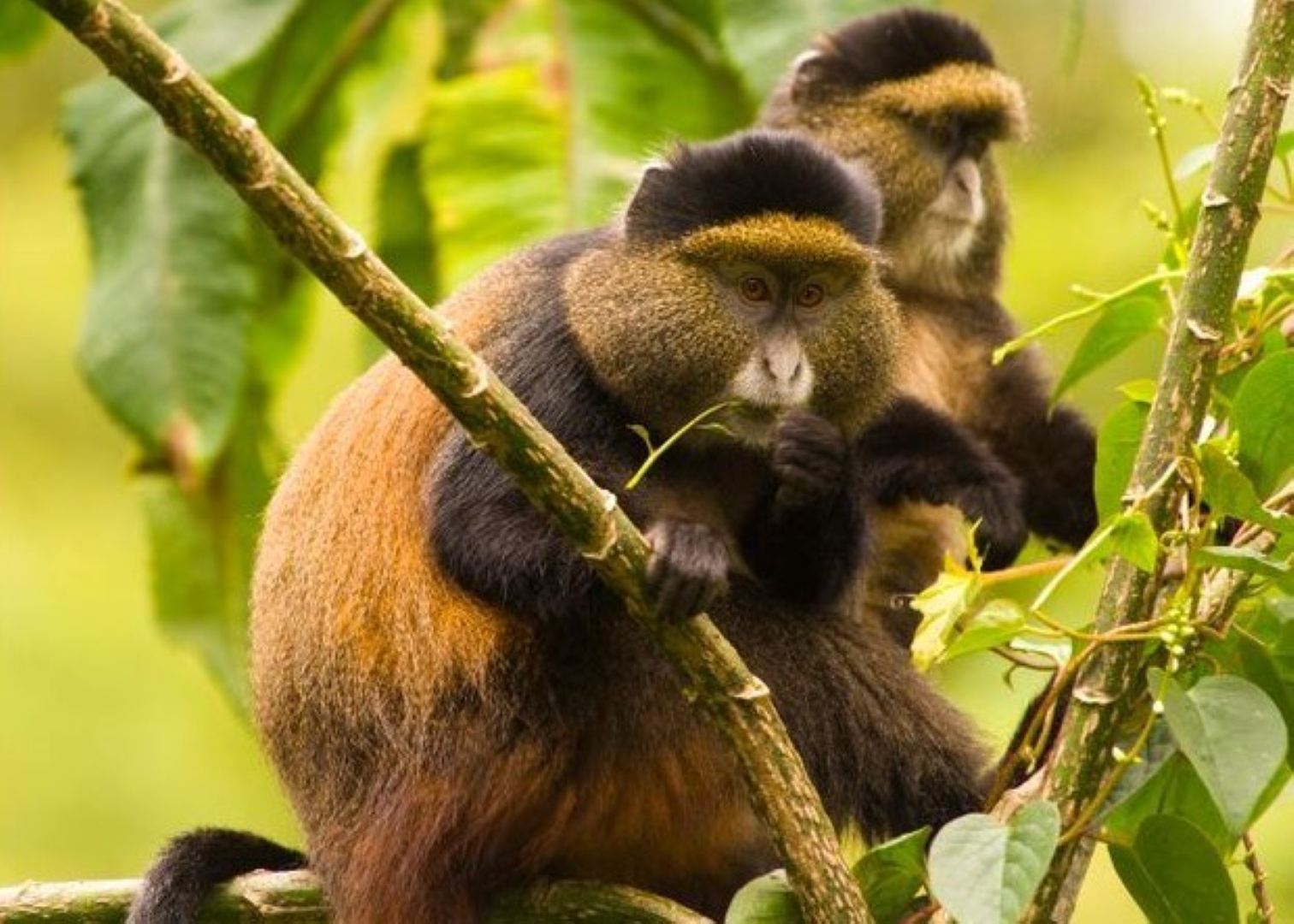
Golden monkey tracking in Volcanoes National Park
Golden monkey tracking in Volcanoes National Park is a delightful, less strenuous primate experience that complements gorilla trekking. Golden monkeys are striking with their vivid orange-golden fur and lively social behavior. Tracking begins at the park offices where guides brief visitors on etiquette and trail conditions. Treks usually involve walking through bamboo forests and montane habitats on the lower slopes of the Virungas, with hikes often shorter and less arduous than gorilla treks, though the terrain can still be steep in places.
Upon finding a troop, visitors typically spend an hour observing their playful interactions—leaping among bamboo stems, grooming, and vocalizing. Golden monkeys move quickly and can be difficult to photograph, but their active behavior makes viewing exciting and dynamic. The contrast of their bright fur against the green bamboo is visually striking, and sightings can be particularly rewarding for families or travelers who prefer a shorter, high-value primate encounter.
Golden monkey tracking supports wildlife research and local communities, with revenue from permits contributing to conservation and community programs in villages around the park. Combining golden monkey tracking with other Volcanoes activities—such as gorilla trekking, cultural visits to Iby’Iwacu village, or hikes to nearby volcanic peaks—creates a diverse day of exploration. Guides are knowledgeable about the ecosystem and often share information about lesser-known forest species, orchids, and the role of bamboo in the landscape. For wildlife lovers, photographers, and families, golden monkey tracking adds a colorful, energetic primate experience to any Rwanda safari.
Visit Iby’Iwacu Cultural Village
A visit to Iby’Iwacu Cultural Village offers immersive cultural insight into Rwanda’s traditions, crafts, and community life. Located near Volcanoes National Park, the village experience is led by local performers, artisans, and cultural guides who present traditional music, dance, storytelling, and explanations of daily life practices. Performances often feature the famous Intore dancers—energetic, rhythmic displays accompanied by drums, traditional songs, and vibrant costumes. Storytelling segments recount Rwandan history, folklore, and clan traditions, offering deeper context to the region beyond wildlife.
The village visit typically includes demonstrations of traditional crafts such as basket weaving, pottery, and traditional cloth making, where visitors can observe artisans at work and sometimes try their hand at techniques. Cooking demonstrations of local dishes, discussions about farming practices, and displays of medicinal plant knowledge provide a holistic understanding of rural livelihoods in the Virunga foothills. Visits are usually conducted in small groups, allowing meaningful interaction between visitors and community members while ensuring respectful cultural exchange.
Revenue from cultural tourism often supports community projects—education, health services, and income-generation—which helps create tangible benefits from visitors’ presence. Visitors should approach the experience with curiosity and cultural sensitivity: ask questions, seek permission before photographing individuals, and consider buying locally made crafts as direct support. Combining a cultural village visit with gorilla or golden monkey trekking makes for a well-rounded day, pairing wildlife encounters with human stories. Iby’Iwacu offers not just performances but an opportunity for genuine connection, helping travelers appreciate how conservation, community resilience, and cultural identity are interwoven in Rwanda.
Hiking Mount Karisimbi
Hiking Mount Karisimbi, the highest of the Virunga volcanoes at 4,507 meters, is a rewarding alpine climb offering dramatic landscapes and panoramic views. The trek commonly starts from the base near Volcanoes National Park and takes one to two days depending on pace and route. Climbers usually camp overnight on or near the mountain, experiencing a mountain sunrise that illuminates Rwanda’s rolling highlands and neighboring Congo. The trail includes bamboo and heath zones before giving way to alpine tussock grasses and volcanic rock. Altitude is a key consideration: climbers should acclimatize properly, monitor for symptoms of altitude sickness, and travel with experienced guides.
While the hike is challenging—requiring good fitness, warm clothing for cold nights, and proper camping gear—the sense of achievement and the vistas from the summit are exceptional. Birdlife along the way includes highland species and raptors, and lucky hikers might spot rare mammals adapted to the high-altitude environment. The volcanic terrain offers geological interest, with lava fields, crater remnants, and rich soils that support unique montane ecosystems.
Guides arrange logistics, from permits and campsite spots to food and porters if desired. Weather can change quickly; prepare for rain, wind, and cold, especially at higher elevations. Many trekkers combine Karisimbi with nearby nature activities—gorilla trekking, golden monkey tracking, or cultural visits—to make the most of the Virunga region. For adventurers and mountain enthusiasts, climbing Mount Karisimbi is a physically demanding but deeply satisfying way to experience Rwanda’s volcanic heart and obtain sweeping views that stretch across national borders.
Lake Kivu relaxation and watersports
Lake Kivu, stretching along Rwanda’s western border, provides a peaceful, scenic complement to safari adventures. The lake’s calm, clear waters and surrounding hills create a relaxing atmosphere ideal for downtime after active trekking. Lakeshore towns such as Gisenyi, Kibuye (now Karongi), and Cyangugu offer waterfront promenades, cafes, and colorful markets. Accommodations range from lakeside resorts and boutique hotels to guesthouses, many with private beaches and boats.
Activities on Lake Kivu include boat cruises to island villages like Napoleon Island, where you can explore sandy beaches and observe birdlife; kayaking and stand-up paddleboarding in sheltered bays; and fishing trips with local fishermen to learn traditional methods. Swimming is popular in calm areas, though caution is advised in deeper or boat-traffic zones. Scenic drives along the lakeshore reveal terraced farmland, small fishing communities, and viewpoints perfect for sunset photography.
Cultural experiences on Lake Kivu include visits to local markets, coffee shops, and craft stalls where artisans sell woven baskets and wood carvings. Food lovers will enjoy fresh fish dishes such as tilapia, often served with local staples. For travelers seeking relaxation after gorilla treks and rainforest hikes, Lake Kivu is an ideal place to unwind, reflect, and enjoy milder tropical weather. Its tranquility, combined with light adventure options and cultural encounters, makes Lake Kivu a versatile and restorative stop on any Rwanda safari itinerary.
Coffee farm tours and tastings
Coffee farm tours around Rwanda’s highland regions offer a flavorful glimpse into one of the country’s most important agricultural exports. Many tours start at smallholder cooperatives or washed-processing stations where guides explain the entire coffee value chain—from planting and picking to processing, drying, and export. Visitors often participate in picking demonstrations during harvest season, inspect the meticulous hand-sorting of cherries, and learn about the wet-processing (washing) technique that contributes to Rwanda’s clean, floral coffee profiles.
Tastings (cuppings) are educational and sensory experiences: trained hosts guide guests through aroma, acidity, body, and flavor notes, highlighting regional differences such as fruity, citrus, floral, or chocolate undertones. Tours commonly discuss fair-trade practices, cooperative models, and how tourism revenue supports farmers’ livelihoods. Some visits include demonstrations of traditional Rwandan coffee ceremonies, allowing for cultural connection and hospitality exchange.
Coffee tourism supports sustainability and community development. Many cooperatives invest in education, health, and farm improvements funded by premium prices for specialty coffee. Visiting a coffee farm gives travelers insight into everyday rural life, and purchasing coffee directly from cooperatives provides tangible economic benefits. For coffee lovers, the tours deepen appreciation for the drink’s origins; for others, they reveal Rwanda’s agricultural resilience and the intimate human stories behind each cup.
Combining a coffee tour with other local experiences—market visits, nature walks, or bike rides through coffee plantations—creates a full-day immersion into Rwanda’s fertile highlands. Whether you’re a barista, specialty coffee consumer, or curious traveler, coffee farm tours are aromatic, informative, and directly connected to Rwanda’s culture and economy.
Birdwatching across multiple habitats
Rwanda is a birdwatcher’s delight despite its small size, offering over 700 recorded species across habitats from montane forests and wetlands to savannas and lake shores. Top birding locations include Nyungwe Forest (for Albertine Rift endemics), Akagera National Park (savanna and wetland species), Volcanoes National Park and Gishwati-Mukura for montane specialties, and Lake Ihema for waterbirds and papyrus specialists. Birding trips typically involve guided walks at dawn when activity peaks; expert local guides know where to find elusive species and can identify calls, increasing sighting success.
Highlights include Albertine Rift endemics such as the Rwenzori turaco, there were also masked apalis, and the handsome francolin; highland species like the mountain masked apalis and the Rwenzori batis; and wetland species including papyrus gonolek, African jacana, and shoebill in rare sightings. Migratory species arrive seasonally, adding to the diversity. Rwanda’s varied topography—lakes, swamps, montane rainforests, and acacia-dotted savannas—means birders can pack many contrasting experiences into a short time.
Equipment tips: bring binoculars, a field guide or app, good walking shoes, and insect repellent. Early starts and patience are rewarded, and combining birding with other activities (chimp tracking, canopy walks, boat safaris) maximizes sighting opportunities. Rwanda’s growing ecotourism infrastructure includes specialized birding lodges and knowledgeable guides, and conservation programs focusing on habitat protection benefit birds directly. For both serious birders and enthusiastic nature lovers, Rwanda’s compact, species-rich landscapes make it easy to encounter rare and colorful birds in breathtaking settings.
Boat safari on Lake Ihema (Akagera)
A boat safari on Lake Ihema in Akagera National Park offers a serene, close-up wildlife viewing experience that contrasts with land-based game drives. The lake’s extensive wetlands and papyrus beds create excellent habitat for hippos, crocodiles, and a rich assemblage of waterbirds including herons, egrets, kingfishers, and African fish eagles. Boat trips are typically led by park rangers or trained guides who navigate quiet channels to reveal wildlife that might be hidden from the road.
At dawn and dusk, hippos are especially active near the water’s edge, offering dramatic photographic moments as they surface and vocalize. Crocodiles sunning on riverbanks and islands add to the safari feel. Birdwatchers will particularly enjoy the diversity and density of species—some endemic to the Albertine Rift or specialized to papyrus swamps. Boat safaris can be combined with short land excursions to view grazing antelope or predators that come to drink.
Safety and conservation are prioritized: boats maintain respectful distances from wildlife, and guides explain park regulations and ecological importance of the wetlands. The flat, reflective water often produces breathtaking sunrises and sunsets, making early or late trips particularly atmospheric. Comfortable boat platforms and knowledgeable commentary enhance enjoyment, and the pace is more relaxed than a land game drive, allowing contemplative observation.
Lake Ihema boat safaris are a must for photographers, birders, and travelers seeking varied perspectives on Akagera’s ecosystems. They showcase the park’s mosaic of habitats—woodland, savanna, and wetland—within one trip, and highlight the important role freshwater ecosystems play in supporting biodiversity in Rwanda.
Night game drives in Akagera
Night game drives in Akagera National Park provide a thrilling look into the park’s nocturnal life and complement daytime game drives. Operated with park permission and led by experienced rangers, night drives use spotlights to locate creatures that are active after dark, from small mammals and nocturnal birds to predators on the prowl. The experience requires strict safety measures and often limited group sizes to minimize disturbance and ensure ranger control.
Expect to encounter species such as genet, bush baby (galago), porcupine, aardvark (rare), and nocturnal antelopes. Predators like lions and hyenas may be observed moving or hunting, and their eyeshine in the beam of a spotlight creates an unforgettable atmosphere. Reptiles and frogs are also more visible at night, with calls and wetland sounds adding to the experience.
Guides share insights about animal behavior, tracking techniques, and the challenges of nocturnal conservation. Night drives can reveal different individual animals and behaviors than daytime drives, offering opportunities for unique photographs under artificial light. The sensory experience—chilly night air, insect songs, and the mystery of unseen movements in the bush—heightens the sense of wildness.
Because night drives can disturb wildlife if mismanaged, they are carefully regulated in Akagera; check availability in advance and ensure operators follow ethical guidelines. Combining night drives with day safaris creates a fuller understanding of the park’s ecology and allows travelers to experience the full cycle of wildlife activity within a 24-hour period.
Hiking to Waterfall trails in Nyungwe
Nyungwe National Park features several scenic waterfall trails, offering refreshing hikes through lush montane rainforest to impressive cascades and plunge pools. Trails such as the Kinyankonge and Gisakura routes wind through diverse vegetation zones, past orchids, moss-covered trees, and rich birdlife. Hikes vary in length and difficulty, with options for shorter walks to easily accessible falls or longer treks for those seeking solitude and deeper forest immersion.
The rainforest climate ensures the falls are often impressive year-round, though flow can increase in the wetter seasons. Along the trails, guides point out medicinal plants, fungi, invertebrates, and bird species, making the hikes both recreational and educational. Swimming in designated safe spots may be possible, but caution is advised due to slippery rocks and unpredictable currents. Photography opportunities are abundant—waterfall compositions with verdant backdrops, rainbow effects in mist, and forest macro shots of fungi and orchids.
Trail accessibility and maintenance are generally good, but sturdy shoes, rain gear, and insect repellent are recommended. Combining waterfall hikes with the canopy walk, chimp tracking, or night forest walks creates a varied Nyungwe itinerary showcasing both the park’s grand features and intimate forest details. For nature lovers, hikers, and photographers, waterfall trails in Nyungwe provide scenic exercise and peaceful moments in one of Africa’s most beautiful montane forests.
Visit the Kigali Genocide Memorial
Visiting the Kigali Genocide Memorial is a solemn, deeply moving experience that provides crucial historical context to Rwanda’s recent past and its remarkable journey toward reconciliation. The memorial serves as a resting place for more than 250,000 victims of the 1994 genocide against the Tutsi and offers well-curated exhibits, personal testimonies, photographs, and artifacts that document the events, causes, and aftermath. Guided tours, often led by trained staff, provide background on Rwanda’s history, the progression of violence, and the post-genocide recovery processes.
Exhibitions are arranged chronologically and thematically, balancing factual documentation with personal narratives that humanize the statistics. Visitors learn about the international response, justice mechanisms such as the Gacaca courts, and the community-based reconciliation efforts that have shaped modern Rwanda. The on-site gardens and remembrance areas offer spaces for reflection and quiet contemplation.
Respectful behavior—observing silence in designated areas, seeking permission before photography, and approaching survivors’ stories with sensitivity—is essential. Many visitors find the experience emotionally intense but profoundly informative, enhancing their understanding of Rwandan society, resilience, and the importance of conflict prevention and human rights.
The memorial also hosts educational programs and resources for researchers and students; proceeds support ongoing memorial maintenance and community outreach. A visit complements other Rwanda experiences by providing critical historical and social perspectives, helping travelers appreciate the country’s transformation and the significance of healing and unity in its national identity.
Explore the calm and culture of Butare (Huye)
Butare, officially known as Huye, is Rwanda’s intellectual and cultural hub, offering museums, historic sites, and lively university-town atmosphere. The National Museum of Rwanda in Butare is one of the country’s best cultural institutions, housing extensive collections of traditional artifacts, royal regalia, and exhibits on Rwandan craftsmanship, music, and social history. The museum’s well-presented displays provide deep insight into pre-colonial cultural practices and material culture.
Butare is home to the historic Ethnographic Museum and La Croix du Butare, plus nearby Inyambo (the royal cow) cultural showcases and craft centers. The town’s colonial-era architecture, botanical gardens, and a bustling market create pleasant walking circuits. The presence of the National University of Rwanda infuses the town with youthful energy, cafes, and cultural events.
Local guides lead tours emphasizing traditional arts, music, and dance, and visitors can often attend performances or workshops. Butare’s quieter atmosphere offers contrast to Kigali’s urban pace and to the wilderness-based activities elsewhere, making it an ideal stop for cultural immersion and relaxed exploration. Accommodations and eateries cater to a range of budgets, and the town serves as a base for nearby historical and natural sites. For travelers wanting to understand Rwanda’s cultural foundations and enjoy museum-grade collections without crowds, Butare is an indispensable cultural waypoint.
Visit the King’s Palace in Nyanza
The King’s Palace in Nyanza is a living museum that brings Rwanda’s royal history to life. This reconstructed traditional royal residence—with its distinctive thatched architecture, royal regalia on display, and historical exhibits—offers insight into pre-colonial governance, social structure, and royal traditions. Visitors explore ceremonial sites, royal compounds, and displays of traditional artifacts, including ornate baskets, ancient tools, and historical documents.
Guided tours often include demonstrations of traditional crafts and discussions about the role of the monarchy in Rwandan society. Nearby attractions include the National Institute of Museums and other heritage sites that reflect the region’s importance as a cultural center. The palace grounds are peaceful and well-maintained, and the site’s interpretive panels and knowledgeable guides help visitors contextualize royal traditions and how they intersect with modern Rwandan identity.
The King’s Palace is especially suitable for travelers seeking historical depth and cultural storytelling. Its proximity to other historical sites and scenic townscapes makes it easy to include in a cultural circuit across southern Rwanda. Respectful behavior, interest in local history, and time for photography all enhance the visit to this evocative site.
Track golden cat and other elusive mammals in Gishwati-Mukura
Gishwati-Mukura National Park, a relatively new protected area, is a critical refuge for rare and elusive mammals including the endangered Angolan colobus, golden monkeys, and potentially the African golden cat. The park is a mosaic of remnant montane forest patches, restored plantations, and regenerating habitats that harbor rich biodiversity despite its small size. Guided tracking expeditions focus on early morning and late afternoon periods when mammal activity increases, and local trackers use knowledge of trails and animal signs to locate species.
Tracking in Gishwati-Mukura involves navigating steep, forested terrain, and hikes can be strenuous but rewarding for wildlife enthusiasts seeking rare sightings off the beaten path. Birds, primates, and small carnivores are well represented, and camera trap studies have revealed interesting nocturnal species. The park’s restoration story—reforestation efforts and community-based conservation—adds a compelling conservation narrative to visits.
Because sightings are unpredictable and populations are often low-density, tracking here appeals to dedicated wildlife watchers who value the rarity of encounters. Small-group visits and experienced guides maximize success and promote minimal disturbance. Combining a Gishwati-Mukura visit with Nyungwe or Volcanoes highlights Rwanda’s range of forest habitats and conservation successes, offering a deeper appreciation for small-scale but high-value biodiversity refuges.
Community-based tourism in rural villages
Big Cat Tracking & Wildebeest Migration (Masai Mara)
A safari to Kenya that centers on the Masai Mara delivers some of East Africa’s most iconic wildlife viewing. Spend 2–3 days here to maximize your chances of seeing lions, leopards, cheetahs, and—seasonally—the Great Wildebeest Migration. Morning and late-afternoon game drives are the best times to observe predators on the hunt, while midday can be used for relaxation at camp or a guided nature talk. During migration season (roughly June–October) focus game drives on river crossing points and open plains where herds gather. Outside migration months the Mara still offers dense predator activity and resident populations of plains game.
Choose lodges or tented camps that place you close to key sighting areas; many camps offer washrooms, power charging, and knowledgeable guides who can track radio-collared animals and share local intelligence. Bring binoculars, a telephoto lens (200–400 mm recommended), neutral clothing, and a vehicle-friendly mindset—vehicles cluster around big sightings, so patience and a cooperative guide improve success. Consider adding an early-morning hot-air balloon flight if you prefer a quieter vantage point for seeing big cats and the plains from above.
Safety and etiquette matter: keep quiet near sightings, follow your guide’s instructions, and avoid sudden movements. The Masai Mara is also home to Maasai communities; if time allows, include a cultural visit to learn about local life, livestock herding, and beadwork. Booking a focused safari to Kenya that includes 2–3 Mara days offers a strong chance of witnessing dramatic predator-prey interactions and, seasonally, the spectacle of millions of migrating ungulates.
Rhino Sanctuary & Chimpanzees (Ol Pejeta Conservancy)
A safari to Kenya that includes Ol Pejeta Conservancy combines important conservation stories with close wildlife encounters. Ol Pejeta is famous for hosting the last two Northern White Rhinos and running a well-respected chimpanzee sanctuary. Spending a full day or two here provides a balanced itinerary: visit the rhino sanctuary and security fences that protect rhinos from poaching, learn about anti-poaching technologies and community programs, then head to the Sweetwaters Chimpanzee Sanctuary to see rescued chimpanzees being rehabilitated.
Ol Pejeta’s mixed habitat of open grassland, riverine corridors, and acacia woodlands supports a wide range of species. Game drives commonly record black rhino, elephant, lion, leopard, and large buffalo herds. One highlight is close-but-respectful viewing of the rhinos at secure enclosures and observation points, where guides explain breeding programs and veterinary care. A guided walk with armed ranger escort is also possible in certain zones, offering track identification and a hands-on conservation perspective.
The chimpanzee sanctuary at Ol Pejeta is a valuable educational component. The rescued chimps—many of whom have been orphaned by the bushmeat trade or kept illegally—are managed in large forested enclosures with ongoing veterinary and behavioral care. Sanctuary visits are usually guided and timed to minimize stress on animals; observers learn about rehabilitation, release programs, and threats facing primates.
Logistics: Ol Pejeta is a 3–4 hour drive from Nairobi or reachable by small charter flights to nearby airstrips. Accommodation ranges from tented camps to comfortable lodges, many of which support local community projects. When booking this safari to Kenya, request guides experienced in conservation interpretation to maximize learning. This itinerary is ideal for travelers interested in species recovery, anti-poaching work, and meaningful wildlife encounters with direct conservation benefits.
Elephant Photography with Mt. Kilimanjaro (Amboseli National Park)
A safari to Kenya that includes Amboseli emphasizes large elephant herds framed by Africa’s highest peak—Mount Kilimanjaro. Spending two full days in Amboseli gives excellent photographic opportunities, especially at dawn and dusk when light reveals the elephants’ textures and Kilimanjaro’s snow-capped slopes. Amboseli’s open plains and wetlands concentrate elephants and other grazers, offering consistent sightings that are ideal for photographers and families alike.
Guides in Amboseli are highly experienced in positioning vehicles for clean, compositional shots of elephants with Kilimanjaro as background. For photography, arrive before sunrise to capture soft light and mountain silhouettes, and use a telephoto lens in the 200–400 mm range for close portraits. Midday light can be harsh, so schedule bush breakfasts, lodge time, or short walks during the brightest hours. Amboseli also supports large numbers of bird species, which provide additional subjects for nature photography.
Amboseli’s ecosystem includes seasonal swamps fed by underground springs; these attract wildlife year-round and support dramatic interactions like elephants bathing or matriarchs leading calves across shallow water. The park is also important culturally; local Maasai communities graze livestock nearby and your visit can include respectful cultural visits to learn about pastoral life.
Logistics: Amboseli is accessible by road from Nairobi (about 4–5 hours) or via short charter flights. Lodges and camps range from basic tent platforms to comfortable midrange properties. Ask for a guide familiar with photography composition and mountain-facing viewpoints. A safari to Kenya that prioritizes Amboseli delivers dependable elephant sightings, clear views of Kilimanjaro on good-weather days, and ample opportunities to practice wildlife photography.
Birding & Rhinos (Lake Nakuru National Park)
A safari to Kenya focused on Lake Nakuru pairs spectacular birdlife with rhino conservation. Lake Nakuru’s alkaline waters attract large flocks of flamingos in the right seasons, producing iconic pink shores that create striking photo opportunities. Beyond flamingos, the park records hundreds of bird species, including pelicans, cormorants, raptors, and waterbirds—making it a top stop for birders on a Kenya itinerary.
Rhino conservation is another core reason to visit. Lake Nakuru National Park is a long-standing sanctuary for both black and white rhinos, with dedicated anti-poaching units and fenced areas that help protect these threatened species. Game drives often include rhino tracking and close-but-respectful viewing at known grazing and wallowing sites. Guides provide insights into conservation successes and ongoing challenges, placing rhino sightings in a broader context.
The park’s mix of wetlands, open plains, and forested ridges supports diverse mammals—buffalo, waterbuck, giraffe, and occasionally lion and leopard. Walking along Nakuru’s elevated viewpoints, such as Baboon Cliff, offers panoramic views of the lake and bird activity patterns. Seasonal water levels affect flamingo concentrations, so timing matters: dry spells can concentrate birds for dramatic displays, while wet seasons may disperse them.
Practical tips: bring a spotting scope or good binoculars, layered clothing for early starts, and waterproof covers for optics. Lake Nakuru is a manageable drive from Nairobi (about 2–3 hours), making it ideal for shorter safari to Kenya options or combined circuit trips. Stay in lodges that encourage early drives and include birding guides to deepen your sightings. This itinerary is excellent for travelers who want a mix of ornithology and rhino conservation within a compact, accessible park.
Walking & Cycling Safari (Hell’s Gate National Park)
A safari to Kenya that includes Hell’s Gate National Park provides an active alternative to vehicle-based game drives. Located near Naivasha, Hell’s Gate is one of the few parks where walking and cycling among wildlife is allowed in designated areas—there are no large predators, making it suitable for guided active exploration. Spend a day here as part of a six-day Kenya route to stretch your legs and observe wildlife up close on foot or by mountain bike.
The park features dramatic gorges, volcanic plugs, and geothermal activity; trails lead through open savannah with sightings of zebra, giraffe, hartebeest, and numerous bird species. Cycling routes take you past herds and geological features with ample photo stops. For walkers, use the services of authorized guides who interpret tracks, plants, and small wildlife behavior. Rock climbing and abseiling are also available for those seeking an adrenaline-free adventure.
Logistics: Hell’s Gate is a short drive from Lake Naivasha and Nairobi, so it fits neatly into short safari to Kenya itineraries. Bring closed-toe shoes, sun protection, water, and a camera. Guides provide helmets and bikes if you choose cycling, and safety briefings are standard. The park’s terrain is generally easy to moderate but can be dusty—plan for early starts to avoid midday heat.
This active safari component complements other game-focused days by adding fitness and close-range observation. It’s ideal for families, small groups, and travelers who prefer moving through the landscape on foot or by bike rather than from inside a vehicle.
Cultural & Urban Wildlife (Nairobi Area)
A safari to Kenya need not be limited to rural parks—Nairobi offers a surprising amount of wildlife and conservation activity within easy urban reach. Spend concentrated time in the Nairobi area to visit the Giraffe Centre, feed Rothschild’s giraffes from raised platforms, and learn about local community conservation programs. The David Sheldrick Wildlife Trust Elephant Orphanage (baby elephant rescue and rehabilitation) runs daily public viewing hours where visitors can watch mud baths and feeding routines for orphaned elephants.
Nairobi National Park remains a unique stop: a protected savannah hosting lions, giraffes, buffalo, and rhinos within sight of the city skyline. Guided drives here are short but rewarding, offering an accessible wildlife sightline that’s easy to fit into the start or end of a safari to Kenya. The Nairobi National Museum and the Karen Blixen Museum add cultural depth, providing background on Kenya’s history, wildlife research, and colonial-era narratives.
Logistics: Nairobi’s attractions are close together, making half-day or full-day visits practical. Book visits to the Sheldrick Trust and Giraffe Centre in advance—these facilities rely on fees and donations to support rescue and education work. For a memorable meal, consider a restaurant near the national park that offers views and wildlife-themed menus.
Combining urban conservation sites with nearby parks creates a rounded safari to Kenya that highlights active rescue work, close animal contact in regulated settings, and the practicality of seeing wildlife even during short stays. This option suits families, travelers with limited time, and those who want conservation-centered visits alongside traditional game viewing.
When is the best time to do activities in Rwanda
Rwanda’s climate and wildlife rhythms make certain months better for specific activities. The clearest period for gorilla trekking, hiking and general safaris is during the two drier seasons: June to September and December to February. Trails are firmer, visibility is higher, and park access is more reliable—ideal for Volcanoes National Park gorilla treks and Nyungwe Forest canopy walks. Birdwatching is excellent year‑round, but the wetter months (March–May and October–November) bring breeding activity, lush scenery and migrant arrivals; expect greener landscapes and more insects. For chimpanzee tracking in Nyungwe and Gishwati‑Mukura, both dry and shoulder seasons work well, though trackers appreciate drier trails. Lake Kivu relaxation and boat trips are pleasant most of the year, with calmer waters in drier months. Also factor in tourism peaks: July and August can be busier and pricier. For the best overall experience, plan gorilla permits and accommodations well in advance during dry months; for lower rates and vibrant greenery, consider short‑rain seasons while accepting occasional trail muddiness and intermittent showers.
Where to stay in Rwanda
Rwanda offers accommodation to match every travel style—luxury lodges, mid‑range hotels and community‑run cottages—many emphasizing sustainability and conservation. For gorilla trekking, high‑end lodges near Volcanoes National Park (e.g., eco‑luxe lodges and boutique forest lodges) provide comfort, knowledgeable guides and quick park access. In Nyungwe, forest lodges and camps cater to chimpanzee tracking and canopy walks with immersive rainforest settings. In and around Kigali, choose between stylish boutique hotels and business hotels located close to the airport, museums and dining spots; these are convenient for pre‑ or post‑trek stays. Lake Kivu offers beachfront resorts, guesthouses and family‑run hotels in Gisenyi and Kibuye for relaxation and boat trips. For budget travelers and community‑minded visitors, homestays and community lodges provide authentic cultural interaction while supporting local livelihoods. Many top properties adhere to eco‑friendly practices—solar energy, water conservation and local procurement—linking stays to conservation efforts. Book early for peak seasons and request rooms that minimize environmental impact if sustainability is a priority.
Booking a Rwanda safari with Roads of Adventure Safaris
Booking a Rwanda safari with Roads of Adventure Safaris is straightforward and tailored to traveler needs. Begin by contacting their reservations team with preferred dates, group size, budget and priority activities (gorilla trekking, chimp tracking, birding, cultural visits, or Lake Kivu relaxation). The operator will propose sample itineraries, combining permits, park fees, transfers and accommodations into transparent package options. Roads of Adventure typically handles gorilla permit procurement—critical given limited daily allocations—so early booking (3–6 months ahead for peak season) is advised. The company arranges experienced local guides, park transfers in comfortable 4x4 vehicles, and optional extras like private porters for treks, cultural village visits, and photography tours. Payment terms usually include a deposit to secure permits and lodge reservations with remaining balance before travel; confirm cancellation and refund policies especially for permits. Roads of Adventure emphasizes safety, knowledgeable guides, and sustainable practices; ask about their community contributions and eco‑standards. Before travel, ensure visas, vaccinations and travel insurance (including emergency evacuation coverage) are in place to enjoy a smooth Rwanda safari experience.
