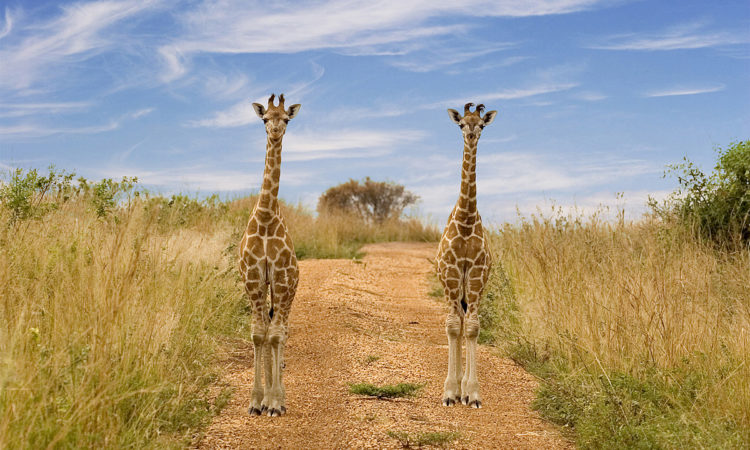
Lake Mburo National Park offers unique Ugandan safaris with walking, boat, and night drives, featuring zebras, impalas (unique to the park), eland, giraffes, and buffalo, plus birding and fishing, with no elephants but returning lions, making it perfect for close-up wildlife encounters through its varied habitats of woodlands, savanna, and lakes
2-days-lake-mburo-national-park-uganda-safari-holiday
3-days-best-of-lake-mburo-national-park-uganda-safari-tour-package
4-days-queen-elizabeth-park-and-lake-mburo-uganda-safari-tour
4-days-perfect-honeymoon-uganda-safari-to-lake-mburo-national-park-and-lake-bunyonyi
4-days-best-gorilla-trekking-and-safari-in-uganda-lake-mburo-national-park
5-days-uganda-safari-to-queen-elizabeth-park-and-lake-mburo-national-park
1. What makes Lake Mburo unique?
Lake Mburo National Park is celebrated as Uganda's smallest savannah park, spanning 370 square kilometers of diverse habitats. The unique mosaic of woodlands, lakes, grassy plains, and rocky outcrops creates an enchanting landscape that supports a variety of wildlife. Notably, Lake Mburo is home to species such as impala and eland, which are rare or absent in other parts of Uganda. Visitors can enjoy the park’s striking scenery while engaging in a variety of activities, from guided walking safaris to thrilling game drives. The serene environment and rich biodiversity make this park a hidden gem for those seeking an authentic Uganda wildlife safari experience, set apart from the busier parks. The tranquil waters of Lake Mburo provide a picturesque backdrop, enhancing the allure of the adventures awaiting visitors.
2. What animals can I see in lake Mburo national park?
During your Uganda wildlife safari in Lake Mburo, you can expect to encounter an array of fascinating wildlife. The park is renowned for its populations of zebras, impalas, topi, waterbuck, and buffalo. Giraffes and eland can also be spotted amidst the lush landscapes. Notably, although lions are not a primary attraction due to their scarcity, they are gradually returning to the area. Additionally, Lake Mburo is home to leopards, hyenas, and various nocturnal creatures. The park’s diverse habitats provide an excellent opportunity for birdwatching, with over 350 species recorded, including acacia-dwelling birds. An Uganda wildlife safari here promises dynamic wildlife encounters, framed by the stunning natural beauty of the region.
3. Are there elephants or lions in lake Mburo national park?
Lake Mburo National Park is unique among Uganda’s savannah parks in that it does not host elephants, which are typically found in larger reserves. However, lions are slowly making their way back into the park, providing hope for increasing big cat sightings over time. Lake Mburo is particularly famed for its walking safaris, allowing visitors to explore the landscape in a more intimate and personal way. The absence of elephants and the limited number of lions make it ideal for close encounters with other wildlife, fostering memorable experiences. Thus, your Uganda wildlife safari at Lake Mburo can focus on the fascinating wildlife that thrives in a peaceful environment, offering a different but equally captivating adventure.
4. What about birds?
Bird enthusiasts will find Lake Mburo to be a remarkable destination during their Uganda wildlife safari, as it supports over 350 bird species. The park’s diverse ecosystems, including wetlands and woodlands, create ideal habitats for various bird species, featuring both resident and migratory birds. Many birds endemic to acacia-dominated areas can be seen throughout the park. Birdwatching opportunities abound, with guided walks and tours available to help identify and learn about the many species present. Notable sightings may include the colorful African fish eagle, crested crane, and various water birds near the lake. This rich avian diversity makes Lake Mburo a paradise for birdwatchers and nature lovers alike.
5. What activities are available in lake Mburo national park?
A Uganda wildlife safari in Lake Mburo offers a plethora of activities to suit varied interests. Game drives, both day and night, provide thrilling opportunities to spot a variety of wildlife in their natural habitats. Guided walking safaris allow for intimate encounters with nature and a deeper understanding of the ecosystem. Additionally, boat cruises on Lake Mburo are a popular option, offering views of hippos, crocodiles, and birdlife from the water. For those seeking adventure, horseback riding and cycling through the park create unique perspectives of the stunning landscapes. Sport fishing is also an option, allowing guests to engage with the lake in a hands-on manner. With so many activities available, a visit to Lake Mburo guarantees a well-rounded safari experience.
6. Can I do a walking safari in Lake Mburo national park?
Yes, walking safaris are among the most celebrated activities offered in Lake Mburo National Park, making it a prime destination for those seeking intimate wildlife encounters. Participating in a guided walking safari during your Uganda wildlife safari allows you to explore the park on foot, providing a unique perspective on the flora and fauna. Experienced guides will lead you, sharing insights about the ecosystem, animal tracks, and behavior, enhancing your connection with the natural world. The tranquility of the surroundings often enables closer wildlife encounters, creating memorable experiences. Walking safaris also emphasize the importance of conservation, allowing you to appreciate the delicate balance of this vibrant ecosystem in a personal and engaging way.
7. Are night game drives offered?
Absolutely! Night game drives in Lake Mburo are a fantastic opportunity to explore the park after dark, providing a rare chance to observe nocturnal wildlife. Many animals, such as leopards, bushbabies, and porcupines, become active during nighttime, offering a unique perspective compared to daytime safaris. During your Uganda wildlife safari, a night drive allows for thrilling encounters in the moonlight, adding excitement to your adventure. Knowledgeable guides will help spot and identify various species, enhancing your understanding of their behaviors. This distinctive experience provides a memorable addition to your safari, showcasing the park's rich biodiversity and offering a chance to see different aspects of its wildlife in a new light.
8. What's the boat cruise like in lake Mburo national park?
A boat cruise on Lake Mburo is a highlight of any Uganda wildlife safari, providing a peaceful and scenic way to experience the park's diverse wildlife from a different vantage point. During the cruise, visitors can spot hippos lounging in the water, crocodiles basking on the banks, and countless bird species frolicking near the shoreline. The tranquil environment allows for close encounters with nature while enjoying stunning views of the surrounding landscapes. Knowledgeable guides accompany you, sharing insights into the ecology and wildlife of the lake. This relaxing activity complements the other adrenaline-filled adventures in the park, offering a holistic safari experience that caters to all interests.
9. Where is lake Mburo national park located?
Lake Mburo National Park is conveniently situated in western Uganda, near the Kampala-Mbarara highway. Its strategic location makes it easily accessible for travelers embarking on a Uganda wildlife safari. Just a few hours' drive from Uganda's capital, Kampala, the park serves as a perfect stopover for travelers en route to other destinations like Bwindi or Queen Elizabeth National Parks. The park's proximity to major routes means that visitors can experience wildlife without straying too far from urban amenities. This combination of accessibility and natural beauty makes Lake Mburo an attractive choice for wildlife enthusiasts seeking a unique adventure in Uganda.
10. How big is lake Mburo national park?
Lake Mburo National Park covers an area of 370 square kilometers, making it the smallest of Uganda's savannah parks. Despite its size, the park is rich in biodiversity and offers a remarkable variety of landscapes, including lakes, plains, and woodlands. During your Uganda wildlife safari, you'll discover that the park's compact nature allows for easier navigation and exploration of its diverse habitats. The park is home to a variety of wildlife, making it an ideal destination for both experienced safari-goers and first-time visitors. This unique blend of size and biodiversity ensures that every safari experience in Lake Mburo remains intimate and engaging.
11. When is the best time to visit Lake Mburo national?
The best time to visit Lake Mburo is during the dry seasons from June to August and December to February. These months provide optimal conditions for wildlife viewing, as animals are more concentrated around water sources, making them easier to spot. However, Lake Mburo offers excellent wildlife experiences year-round, with a diverse range of species to observe at any time. The wet seasons also attract migratory birds, making them a prime time for birdwatching enthusiasts. Depending on your interests—whether it’s larger wildlife encounters or birding opportunities—planning your Uganda wildlife safari accordingly will ensure a fulfilling experience amid the stunning landscapes of Lake Mburo.
12. Is lake Mburo park good for kids?
Yes, Lake Mburo National Park is an excellent destination for families, offering a range of child-friendly activities during your Uganda wildlife safari. The park features guided bush walks specifically designed for families, ensuring that children can engage with nature in a safe and enjoyable manner. Many lodges cater to families, providing amenities and services that make for a comfortable stay. Additionally, the park's relatively smaller size allows for a more manageable experience that keeps kids excited and engaged while exploring the landscapes and wildlife. With many unique activities available, Lake Mburo is well-suited for families eager to enjoy an unforgettable safari adventure together.
13. Is it a 'Big Five' park?
While Lake Mburo National Park does not feature all of the "Big Five," it offers an incredible and unique wildlife experience during your Uganda wildlife safari. The park lacks elephants and rhinos, which are found in other larger reserves. However, its distinct fauna, including zebras, impalas, and elands, presents visitors with the chance to see animals that cannot be found in some other parts of Uganda. The park's focus on walking safaris and intimate wildlife encounters makes it a special experience. With its diverse ecosystems and unique wildlife, Lake Mburo is an enchanting destination even if it doesn't fit the traditional "Big Five" model.
14. What's the "Whispers of the Wild" slogan?
The slogan "Whispers of the Wild" encapsulates the essence of walking safaris in Lake Mburo National Park. This phrase emphasizes the intimate, quiet connections with nature that can be experienced while navigating the park on foot during your Uganda wildlife safari. Walking safaris provide a unique way to engage with the environment, allowing visitors to appreciate the finer details of the ecosystem often missed during vehicle drives. With knowledgeable guides leading the way, participants can learn about animal tracks, plants, and the surrounding sounds of nature. The slogan beautifully conveys the tranquility and wonder of immersing oneself in the wild, fostering a deeper appreciation of Uganda's natural beauty.
15. Can I see giraffes in Lake Mburo national park?
Yes, you can see giraffes in Lake Mburo National Park, particularly along tracks like Kazuma and Ruroko during your Uganda wildlife safari. These majestic animals can often be spotted grazing in the trees or roaming the open plains, providing excellent photographic opportunities for visitors. The park’s diverse ecosystems create suitable habitats for both the giraffes and various other wildlife species. Observing these graceful creatures up close adds to the unique allure of the safari experience. The opportunity to spot giraffes in this stunning landscape is just one of the many reasons travelers choose to visit Lake Mburo.
16. Are there other lakes in lake Mburo national park?
Yes, Lake Mburo National Park hosts several other lakes, including Lake Kigambira and smaller wetland areas, enhancing the park’s ecological diversity. These water bodies contribute to the unique Uganda wildlife safari experience by attracting various wildlife, including birds, hippos, and crocodiles. The wetlands play a crucial role in supporting the park's rich biodiversity, providing habitat for numerous animal and plant species. The interconnected lakes are not only visually appealing but also offer various opportunities for activities, like boat cruises and birdwatching. Exploring these lakes during your safari will enrich your experience and highlight the importance of water ecosystems within the park.
Booking Uganda wildlife safari with us Roads of Adventure safaris
Booking your Uganda wildlife safari with Roads of Adventure Safaris guarantees an unforgettable experience. Our expert team designs tailored itineraries that showcase Uganda's breathtaking landscapes and rich biodiversity, including famous destinations like Bwindi and Lake Mburo. We handle all logistics, ensuring your journey is seamless with comfortable accommodations and knowledgeable guides. Whether you’re interested in gorilla trekking, game drives, or birdwatching, we have the perfect package for you. Committed to sustainable tourism, we aim to protect Uganda's wildlife and support local communities. Let us craft the adventure of a lifetime for you!
