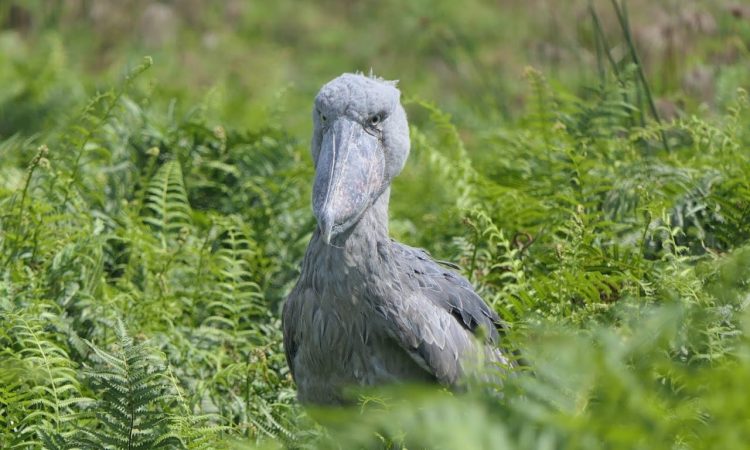
Our 13 Days combined Uganda Rwanda birding safari adventure brings you into some of East Africa's most diverse bird habitats and primate sanctuaries. Spanning two distinct countries, this route covers papyrus swamps, open savanna plains, ancient montane rainforests, and volcanic slopes. Key stops include the Mabamba Wetland for the elusive Shoebill, Queen Elizabeth National Park for tree-climbing lions, and the misty canopies of Bwindi Impenetrable Forest and Volcanoes National Park for mountain gorillas. Over 13 days, you travel from the shores of Lake Victoria into Rwanda's volcanic highlands. Expect high bird counts—including Albertine Rift endemics and seasonal waterfowl—alongside close mammal encounters, experienced local guides, and well-managed border crossings across a varied landscape.
Daily Itinerary
Day 1: Arrival in Entebbe & Botanical Gardens Exploration
Upon landing at Entebbe International Airport (EBB), your guide meets you for the transfer to your lodge. In the afternoon, head to the Entebbe Botanical Gardens along the shores of Lake Victoria. Founded in 1898, these sprawling grounds give you a clear, easy start to regional lowland birding. Walking under tall mahogany trees and thick bamboo groves, look for roosting Bat Hawks, Ross’s Turacos, Great Blue Turacos, African Grey Parrots, and Black-and-white-casqued Hornbills. The coastal reedbeds harbor Slender-billed, Yellow-backed, and Golden-backed Weavers, while Vervet Monkeys and Black-and-white Colobus move through the upper canopy. Wrap up the day with dinner at the lodge as your guide goes over the route for tomorrow's wetland excursion.
Day 2: Mabamba Swamp Shoebill Quest & Transfer Southward
Leave at 6:30 AM for Mabamba Swamp, an International Ramsar Site located 50 kilometers west of Entebbe. Board a traditional wooden canoe to navigate narrow water channels lined with papyrus, water lilies, and tall miscanthus grass. The primary focus here is the giant Shoebill stork, which hunts lungfish in the shallow flooded vegetation. Watch the reed lines for other wetland species, including the Papyrus Gonolek, Lesser Jacana, African Pygmy Goose, Blue-headed Coucal, White-winged Swamp Warbler, and Malachite Kingfisher. After three hours on the water, return to dry land for lunch. In the afternoon, start driving southwest toward Lake Mburo or the Mpigi district, watching for roadside raptors and savanna species before checking in for the night.
Day 3: Journey Westward to Queen Elizabeth National Park
After breakfast, begin the 380-kilometer drive southwest toward Queen Elizabeth National Park, taking about 7 to 8 hours. Stop at the Kayabwe Equator line for photos, quick water demonstrations, and roadside views of Lilac-breasted Rollers and Long-crested Eagles. The road continues past Fort Portal's tea plantations and the outer ridges of the Rwenzori range. Arrive at the park's northern gates in the late afternoon for a preliminary game drive across the Kasenyi plains. Look for Martial Eagles, Crested Francolins, Helmeted Guineafowl, and Temminck’s Coursers. You will also spot typical savanna mammals—including African elephants, Ugandan kob, buffaloes, and lions—before heading to your lodge for dinner.
Day 4: Kasenyi Savanna Game Drive & Kazinga Channel Cruise
Set out at 6:00 AM for a morning drive through the open grasslands of the Kasenyi sector. The early light helps locate raptors like the Black-chested Snake Eagle, Brown Snake Eagle, and Bateleur, as well as Rufous-napped Larks and Flappet Larks. Lions, spotted hyenas, and giant forest hogs are frequently active at this hour. After lunch, head to the Mweya Peninsula for a two-hour boat trip down the Kazinga Channel, which connects Lake George and Lake Edward. Large pods of hippos and Nile crocodiles line the banks. Birding along the shore is productive, featuring African Skimmers, Pink-backed Pelicans, Saddle-billed Storks, Pied and Malachite Kingfishers, African Fish Eagles, and mixed flocks of migratory waders.
Day 5: Ishasha Tree-Climbing Lions to Bwindi Impenetrable Forest
Check out early and head south into the Ishasha sector of Queen Elizabeth National Park. This remote area is well known for its tree-climbing lions, which rest on the lower branches of large fig trees during the hotter hours of the day. Scan the open woodland and riverine vegetation for Broad-billed Rollers, Double-toothed Barbets, Grey Kestrels, and White-headed Barbets. Following lunch in the field, drive up into the cool highlands toward Bwindi Impenetrable National Park—a journey of 4 to 5 hours depending on your assigned gorilla sector. The road climbs quickly from open savanna into dense rainforest. Arrive at your lodge by late afternoon in time for some edge-of-forest birding.
Day 6: Mountain Gorilla Trekking & Montane Forest Birding
Gather at the park headquarters at 7:30 AM for a safety and trekking briefing from the national park rangers. Accompanied by armed trackers, enter the dense mountain forest to locate one of Bwindi's habituated gorilla families. Depending on where the group spent the night, the trek lasts between 2 and 6 hours over steep, muddy slopes. Once you reach the family, spend one full hour watching them feed and interact. Return to the lodge for lunch, then join a guide for an afternoon trail walk targeting Albertine Rift endemics. Search for the rare African Green Broadbill, Handsome Francolin, Regal Sunbird, Ruwenzori Turaco, and Black-billed Turaco along the forest paths.
Day 7: Transfer to Lake Bunyonyi & Island Boat Exploration
Enjoy breakfast before taking a 2.5-hour drive (roughly 85 kilometers) along terraced highland roads to Lake Bunyonyi, one of Africa's deepest body of freshwater lakes. Surrounded by steep cultivated hills, the lake holds 29 small islands. Check in at your resort and eat lunch overlooking the water. In the afternoon, take a motorized boat out to visit key sites, including Punishment Island (Akampene) and Bwama Island. The surrounding reed beds and quiet bays provide views of Malachite and Pied Kingfishers, African Marsh Harriers, Yellow-billed Ducks, Pied Crows, Bronze Sunbirds, and Speckled Mousebirds. The evening is spent relaxing along the peaceful shoreline.
Day 8: Border Crossing to Volcanoes National Park (Rwanda)
Leave Lake Bunyonyi after breakfast and drive south toward the Cyanika border post, entering Rwanda after 3 to 4 hours of travel time. Complete customs and entry procedures, then continue into the Musanze district located along the base of the Virunga Mountains. Dormant volcanic peaks—including Mount Muhabura, Gahinga, and Sabyinyo—rise above the agricultural fields. Arrive at your lodge near Volcanoes National Park and settle in. Sitting above 2,400 meters in elevation, the area features cool mountain air and distinct high-altitude bird life. Take a short walk around the lodge grounds to spot Cinnamon-chested Bee-eaters, Archer's Ground Robins, Streaky Seedeaters, and White-tailed Blue Flycatchers.
Day 9: Golden Monkey Tracking & Bamboo Zone Birding
Report to the Kinigi park headquarters at 7:00 AM for a briefing before entering the lower bamboo forests of Volcanoes National Park to track Golden Monkeys. These active primates live in large troops within the bamboo canopy. The round-trip hike takes about 2 to 4 hours over mostly flat or gently sloped terrain. While tracking through the bamboo belt, watch for specialized montane birds such as the Ruwenzori Batis, Red-faced Woodland Warbler, Strange Weaver, and Ruwenzori Turaco. Return to your lodge for lunch. Late in the afternoon, take a guided walk along the park boundary to search for Handsome Francolins and Dusky Crimsonwings.
Day 10: Volcanoes Birding Excursion & Cultural Immersion
Spend the morning on a targeted birding walk through the lower rainforest zone of Volcanoes National Park or take an optional hike toward Mount Bisoke. Accompanied by a specialized ranger, follow forest trails to search for Albertine Rift endemics. Target species include the Stripe-breasted Tit, Archer’s Robin-Chat, Grauer’s Rush Warbler, Lagden’s Bushshrike, and Kivu Ground Thrush. The thick foliage and moss-covered trees host a wide range of canopy species. In the afternoon, visit the Gorilla Guardians Cultural Village (Iby’iwacu) in Kinigi to see traditional Rwandan drumming, archery, Intore dance performances, and replica royal compound structures built by local community members.
Day 11: Twin Lakes Burera & Ruhondo to Lake Kivu
After breakfast, make the 45-minute drive to the Twin Lakes of Burera and Ruhondo, situated near the base of Mount Muhabura. These deep crater lakes sit among steep, terraced hillsides and support various water birds. Board a boat to tour the quiet waters, looking for White-breasted Cormorants, African Fish Eagles, Little Grebes, African Jacanas, and Malachite Kingfishers along the bank lines. Afterward, take a 3-hour drive through the rolling countryside to Rubavu (Gisenyi) on the northern banks of Lake Kivu. Check into your hotel and spend the late afternoon along the lake shore, watching local fishermen set out in their traditional wooden canoes.
Day 12: Scenic Overland Transfer to Kigali
Eat breakfast by the water, then take a short morning bird walk through the lakeside gardens. Look for African Paradise Flycatchers, Crimson-rumped Waxbills, Speckled Mousebirds, and African Yellow White-eyes in the flowering trees. Mid-morning, check out and start the 3.5-hour drive east to Kigali, Rwanda's capital city. The paved highway winds through valleys, tea plantations, and terraced hillsides. Reach Kigali by late afternoon, check into your hotel, and spend the evening dining at a local restaurant in the city center.
Day 13: Kigali City Tour & Airport Departure
Begin your final day with a guided tour of Kigali after breakfast. Visit the Kigali Genocide Memorial at Gisozi to learn about Rwanda's history and modern recovery efforts. Next, head to the busy Kimironko Market, where vendors sell local fabrics, fresh coffee beans, woven baskets, and wooden crafts. Eat a relaxed lunch at a nearby café before heading back to the hotel to pack. In the late afternoon or evening, your driver takes you directly to Kigali International Airport (KGL) for your flight home, completing your 13 Days combined Uganda Rwanda birding safari adventure.
Here are 20 common questions about planning and executing a 13 Days combined Uganda Rwanda birding safari adventure, complete with detailed responses for each.
What is the best time of year for a 13 Days combined Uganda Rwanda birding safari adventure?
The ideal window runs during the dry seasons: June through August and December through February. During these months, trails through Bwindi Impenetrable Forest and Volcanoes National Park remain firmer, making foot travel easier during gorilla and golden monkey tracking. Additionally, forest canopy clearings present better visibility for spotting fast-moving species like the African Green Broadbill or Ruwenzori Turaco.
However, the wet seasons (March to May and September to November) offer distinct advantages for dedicated birders. European migratory birds arrive between November and April, significantly increasing total species counts across savanna parks like Queen Elizabeth National Park. Rain also triggers breeding plumage and vocalizations in many resident birds, making them easier to locate by call. Wet conditions mean muddy roads, but key sites like Mabamba Swamp remain fully accessible by boat year-round.
How many bird species can I expect to see on this trip?
A focused 13-day itinerary across these specific ecosystems typically yields between 300 and 450 distinct bird species, depending on weather, season, and pace. Uganda boasts a national checklist of over 1,080 species, while Rwanda adds over 700 species within a compact geographic footprint.
Your list will span multiple distinct habitats. In Mabamba Wetland, waterbirds and papyrus specialists dominate. Queen Elizabeth National Park provides open-savanna raptors, plovers, and aquatic species along the Kazinga Channel. Bwindi Impenetrable Forest and Volcanoes National Park harbor prized high-altitude Albertine Rift endemics, such as the Handsome Francolin, Regal Sunbird, and Archer's Ground Robin. Working with specialized local birding guides significantly improves identification rates for skulking species in heavy undergrowth.
What key Albertine Rift endemic birds will we search for?
The Albertine Rift—a dramatic branch of the East African Rift System—is one of Africa's primary centers of avian endemism. Bwindi Impenetrable Forest and Volcanoes National Park protect critical montane habitat for roughly 24 to 27 of these restricted-range species.
Key targets on this route include:
- African Green Broadbill: Located primarily in the high-elevation bamboo and forest zones of Ruhija in Bwindi.
- Ruwenzori Turaco: Striking crimson-winged canopy bird found in high-altitude montane forests.
- Neumann's Warbler & Grauer's Rush Warbler: Skulking understory species found in dense vegetation and high-altitude swamps.
- Handsome Francolin & Red-faced Woodland Warbler: Common targets along the trails of Volcanoes National Park.
- Regal, Blue-headed, and Purple-breasted Sunbirds: High-elevation nectar feeders displaying brilliant metallic plumages.
How difficult is the mountain gorilla trekking portion of the itinerary?
Gorilla trekking in Bwindi Impenetrable Forest and Volcanoes National Park requires a moderate to high level of physical fitness. Unlike savanna drives, gorilla tracking occurs on foot through unpaved, dense forest terrain without clear footpaths. Elevation ranges from 1,150 meters to over 2,500 meters above sea level.
Treks range from 2 to 6 hours round-trip, depending on where the habituated gorilla family slept the previous night. Terrain features steep hillsides, thick underbrush, exposed tree roots, and loose mud. Rangers set a manageable pace and take frequent breaks. Hiring a local porter at the park headquarters is strongly recommended; porters carry daypacks, assist over slippery steps, and support local community livelihoods.
What physical preparation is recommended before departing?
Preparing 4 to 8 weeks before your trip helps ensure comfortable hiking in high-altitude rainforests. Focus on building cardiovascular stamina and leg strength, as gorilla trekking involves sustained climbing on uneven ground.
Recommended preparation steps:
- Hill Walking & Stairs: Practice walking up incline paths or staircases wearing the boots you plan to bring on safari.
- Core & Balance Work: Exercises like lunges, squats, and step-ups help stability on muddy descents.
- Pack Fitness: Carry a daypack weighed to 5–7 kg (containing water, camera equipment, and rain gear) during training walks to replicate real trek conditions.
- Hydration Habituation: Practice drinking steady amounts of water while exercising in humid or warm conditions.
What specialized optics and camera gear should I pack?
Birding in dense rainforests presents unique lighting and distance challenges. A pair of 8x42 or 10x42 waterproof binoculars is essential. The 8x42 configuration offers a wider field of view and brighter image under dense forest canopies, whereas 10x42 provides extra magnification for open savannas and lake shores.
For photography:
- Lenses: A telephoto lens in the 300mm to 600mm range is ideal for bird identification and wildlife.
- Low-Light Capability: Fast lenses (f/2.8 or f/4) handle dark forest understories much better than slower kit lenses.
- Protection: Bring waterproof dry-bags or rain covers for all gear. Humidity and sudden rain showers are common in montane zones.
What clothing is best for rainforest birding and gorilla trekking?
Dressing in practical layers allows quick adjustment to shifting temperatures between early morning drives and midday hikes. Natural, muted tones (khaki, green, tan) are best; bright colors can startle wildlife, while dark blue and black can attract tsetse flies in savanna zones.
Essential clothing items:
- Long-sleeved Shirts & Lightweight Trousers: Protects against stinging nettles, insects, and sharp branches.
- Sturdy Hiking Boots: Waterproof boots with deep tread and strong ankle support are critical for muddy forest trails.
- Gaiters: Keeps mud, ants, and debris out of your boots during off-trail hiking.
- Rain Gear: A breathable, waterproof jacket (Gore-Tex or similar) is essential every day in the highlands.
- Gardening/Work Gloves: Useful for gripping saplings and vines during steep climbs in Bwindi.
How does the border crossing between Uganda and Rwanda work?
The overland transit typically occurs at the Cyanika or Katuna border posts connecting southwestern Uganda to northern Rwanda. The process takes roughly 1 to 2 hours depending on traffic and immigration queues.
Requirements for a smooth crossing:
- East Africa Tourist Visa (EATV): A single $100 USD visa allowing multiple entries between Uganda, Rwanda, and Kenya over 90 days. It must be applied for through the country of first entry.
- Passport Validity: Passports must have at least 6 months of validity remaining from the date of entry.
- Yellow Fever Certificate: Mandatory for border control in both Uganda and Rwanda.
- Vehicle Documentation: Your safari vehicle driver handles cross-border insurance and vehicle permits at customs.
What are the health and vaccination requirements for Uganda and Rwanda?
Travelers should consult a travel medicine clinic 4 to 6 weeks before departure to finalize required and recommended immunizations.
Core medical considerations:
- Yellow Fever: A valid Yellow Fever vaccination certificate is a mandatory requirement for entry into both Uganda and Rwanda.
- Malaria Prophylaxis: Both countries sit in malaria-risk zones. Antimalarial medication (such as Atovaquone/Proguanil or Doxycycline) is strongly advised alongside insect repellent containing DEET.
- Routine Vaccines: Ensure Tetanus, Hepatitis A, Hepatitis B, and Typhoid vaccinations are up to date.
- Water Safety: Drink only bottled or purified water throughout the trip; avoid ice cubes and unpeeled street fruit.
How does birding in Mabamba Swamp work?
Mabamba Swamp is a Ramsar-designated wetland on Lake Victoria, world-famous for reliable Shoebill sightings. Access is via non-motorized or small-engine wooden canoes designed to glide through narrow papyrus channels without disturbing wildlife.
Local boatmen maneuver canoes through channels lined with miscanthus grass and water lilies. The Shoebill hunts by remaining perfectly motionless for long periods, striking suddenly at lungfish or catfish. Canoes approach quietly to maintain a safe, respectful distance that avoids flushing the bird. Aside from the Shoebill, the wetland supports Papyrus Gonoleks, African Pygmy Geese, and Lesser Jacanas along the water margins.
What mammal sightings complement the birding on this route?
While birding remains the main focus, this route passes through major East African big-game habitats. Queen Elizabeth National Park features classic savanna mammals, including African bush elephants, Cape buffaloes, hippos, waterbucks, lions, and leopards.
The Ishasha sector in southern Queen Elizabeth is famous for tree-climbing lions resting in large fig trees. In Bwindi Impenetrable Forest and Volcanoes National Park, primates take center stage with Mountain Gorillas, Golden Monkeys, Black-and-white Colobus, and L'Hoest's Monkeys. Lake Kivu and Lake Mburo areas add zebra, impala, and clawless otters to your trip list.
What are the permit requirements and costs for gorilla and golden monkey tracking?
Primate tracking permits must be secured well in advance due to strict daily visitor caps per habituated group.
Current permit structure:
- Uganda Gorilla Permit (Bwindi): Managed by the Uganda Wildlife Authority (UWA), priced at $800 USD per person for foreign non-residents.
- Rwanda Gorilla Permit (Volcanoes): Managed by the Rwanda Development Board (RDB), priced at $1,500 USD per person.
- Golden Monkey Permit (Volcanoes): Priced at $100 USD per person in Rwanda.
Permits include park entry fees, ranger guide services, and advance tracker teams. Booking 3 to 6 months ahead ensures availability during peak travel months.
How are drive times and road conditions across the route?
Transit days involve long, scenic overland drives through rural landscapes, highland terraces, and mountain passes. Highways connecting main cities (Entebbe, Kampala, Kigali) are fully paved, while park access roads and forest routes consist of dirt or gravel that turns slick during rains.
Typical drive durations:
- Entebbe to Queen Elizabeth NP: 7–8 hours (approx. 380 km).
- Queen Elizabeth to Bwindi: 4–5 hours depending on forest sector.
- Bwindi to Lake Bunyonyi: 2.5 hours.
- Lake Bunyonyi to Volcanoes NP (cross-border): 3–4 hours.
- Volcanoes NP to Kigali: 2.5–3 hours on paved highland roads.
Safari vehicles are 4x4 Land Cruisers equipped with pop-up roofs for clear viewing.
What accommodations are available on this safari?
Accommodations range from mid-range eco-lodges to high-end luxury safari camps. Most properties are sited close to park gates to minimize early-morning transit times before game drives or bird walks.
Lodges along this route typically offer ensuite bathrooms, hot showers, mosquito netting, and power stations for charging camera batteries. In remote forest zones like Bwindi and Volcanoes, lodges supply hot water bottles for beds to offset cool mountain nights. Eco-friendly solar power is standard in rural areas, meaning generator hours may be scheduled during overnight periods. Wi-Fi is generally available in main lodge areas.
What is the policy regarding children on gorilla and monkey tracking?
Strict age limits apply to primate tracking activities to ensure visitor safety and protect wildlife from human disease transmission.
Age thresholds:
- Gorilla Trekking: Minimum age is 15 years old in both Uganda and Rwanda.
- Golden Monkey Tracking: Minimum age is 12 years old in Volcanoes National Park.
- Standard Birding & Savanna Drives: No strict age limits; general nature walks and game drives are open to all ages.
For families traveling with younger children, lodges can arrange supervised cultural visits or nature walks near the lodge while adults trek.
How does cultural tourism integrate into this birding itinerary?
Cultural encounters add human context to the natural landscapes you explore. On Day 10, visiting the Gorilla Guardians Cultural Village (Iby’iwacu) near Volcanoes National Park offers insight into traditional Rwandan heritage. Former poachers now serve as conservation stewards, demonstrating royal history, traditional medicine, archery, and Intore drumming.
In Uganda, community walks around Bwindi introduce the Batwa culture—the indigenous hunter-gatherers who historically inhabited the rainforest before national park status was established. These stops support local economic development, providing direct alternatives to illegal resource extraction in protected zones.
What currency should I bring and how do payments work?
US Dollars (USD) and local currencies (Ugandan Shilling / Rwandan Franc) are both used during the journey.
Payment guidelines:
- US Dollars: Bring cash printed in 2013 or newer, free of tears or stamps. USD is accepted for tips, safari upgrades, and major lodge bills.
- Local Currency: Withdraw Ugandan Shillings (UGX) and Rwandan Francs (RWF) at airport ATMs for small purchases, local crafts, market visits, and tipping porters.
- Credit Cards: Visa and Mastercard are accepted at major hotels, but incur a 3%–5% surcharge. Cash remains essential for rural areas.
Is this safari suitable for solo travelers?
Yes, solo travelers can complete this route either as a private tailored trip or by joining a small group safari. Private tours offer complete flexibility over daily start times, photo stops, and birding targets. Joining a small group helps split 4x4 vehicle costs and accommodation fees.
Security across main tourist circuits in both Uganda and Rwanda is well-established, with tourism police and park rangers present at key destinations. Solo travelers should note that single-supplement fees apply for accommodation rooms, and gorilla permits remain priced per person regardless of group size.
What eco-friendly and ethical guidelines should travelers follow?
Sustainable tourism practices protect delicate habitats and habituated wildlife across both countries.
Core rules to follow:
- Distance Limits: Maintain a minimum 7-meter distance from mountain gorillas and golden monkeys to reduce human disease transmission risks.
- Health Protocols: Do not trek if you carry an active contagious illness (flu, cold, stomach virus).
- Leave No Trace: Stay on marked forest paths to avoid trampling native understory plants. Carry out all trash.
- Flash Photography: Flash is strictly prohibited during primate viewings, as it startles animals.
- Local Direct Economy: Purchase locally made crafts at Kimironko Market or village centers to ensure tourism benefits surrounding communities directly.
How does a combined safari compare to visiting only Uganda or Rwanda?
Combining both countries into a single 13-day itinerary delivers a complete East African Rift experience that neither country provides alone in the same timeframe.
Uganda brings expansive savanna game drives, massive wetland bird populations, lower permit costs, and large forest reserves like Bwindi. Rwanda adds smooth highland road infrastructure, scenic volcano vistas, easy access to Golden Monkeys, and a fast transfer route to Kigali International Airport. Experiencing both countries showcases contrasting landscapes, distinct cultural heritages, and a broader variety of regional bird species across a single continuous travel route.
Booking Uganda Rwanda birding safari with us Roads of Adventure safaris
Choosing Roads of Adventure Safaris for your Uganda and Rwanda birding safari. We are thrilled to guide you through East Africa’s premier avian havens, from Uganda's famous Shoebill in Mabamba Swamp to Rwanda’s Albertine Rift endemics in Nyungwe National Park
