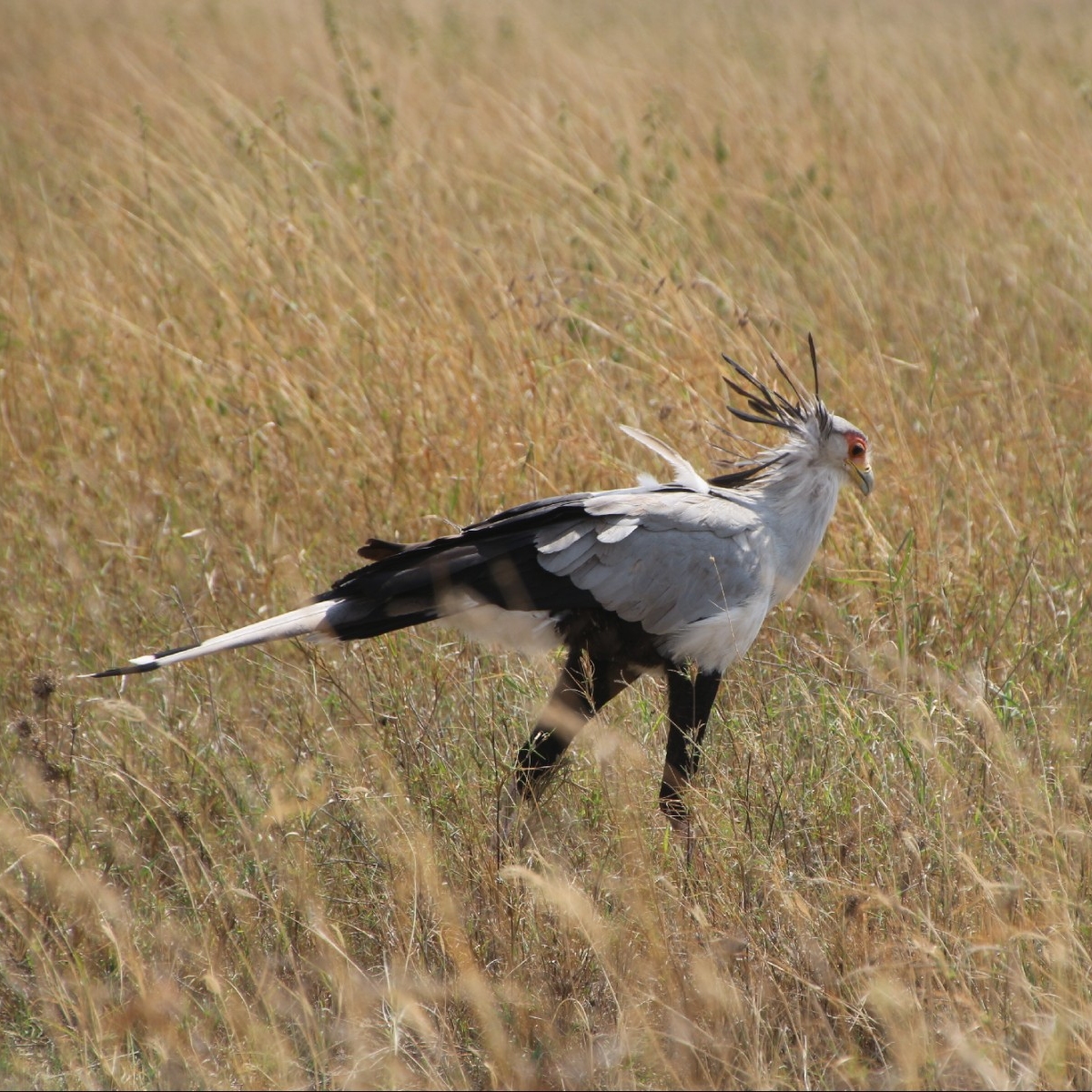
Yes, Queen Elizabeth National Park is an exceptional bird-watching destination in Uganda, boasting over 600+ recorded species—one of the highest counts in East Africa. Its diverse habitats, including savanna, wetlands, and forests, make it ideal for spotting varied species like African Skimmers, Shoebill Storks, and migratory birds.
3-days-trips-to-queen-elizabeth-national-park-for-chimpanzee-tracking-in-kyambura-gorge
3-days-uganda-safari-itinerary-to-queen-elizabeth-national-park
3-days-budget-queen-elizabeth-park-uganda-wildlife-safari-holiday
3-days-fly-luxury-uganda-safari-to-queen-elizabeth-national-park
Key Birding Highlights and Locations
Kazinga Channel: The Waterfront Spectacle
The Kazinga Channel is a premier birding destination, offering an effortless way to view over 60 bird species from the comfort of a boat. As a natural link between Lake Edward and Lake George, it serves as a magnetic focal point for aquatic and semi-aquatic birds. You are almost guaranteed sightings of the iconic African Fish Eagle, often seen perched majestically in the trees along the banks. The channel is also a hub for Pied Kingfishers and Malachite Kingfishers, which can be seen hovering and diving with pinpoint accuracy. Along the muddy shores, various storks—including the Yellow-billed Stork and the Open-billed Stork—frequently forage alongside Great White Pelicans and Pink-backed Pelicans. For many birders, the "holy grail" is the African Skimmer, which can be seen elegantly "skimming" the water's surface. The density of birdlife here is so high that even a short two-hour cruise provides a comprehensive overview of East Africa's most beautiful waterbirds.
Kasenyi Plains: The Savanna Specialist Hub
The Kasenyi Plains are much more than just a place to see lions; they are a vital habitat for grassland specialists and savanna-dwelling birds. The open, sun-drenched landscape is home to a variety of large raptors and ground birds that are rare in other sectors. Birders frequently spot the Martial Eagle, Africa’s largest eagle, surveying the plains for prey. The area is also famous for the White-tailed Lark, a localized specialty often found among the tall grasses. Other notable residents include the Bateleur, Black-crowned Tchagra, and the African Crake. During a game drive, you might encounter the Grey-crowned Crane, Uganda's national bird, often seen in pairs or small groups. The abundance of the Uganda Kob (and the resulting carrion) also attracts various scavengers, including the Lappet-faced Vulture and Ruppell's Griffon Vulture, making it a dynamic location for observing the interactions between the park's avian and mammalian residents.
Maramagambo Forest: The Deep-Forest Retreat
For those looking to tick forest-dwelling species off their list, Maramagambo Forest is an essential stop. This dense central forest reserve offers a stark contrast to the open savanna, hosting over 190 bird species that favor the canopy and shaded undergrowth. Walking the forest trails, you may hear the distinctive call of the Black Bee-eater or spot the vibrant Blue-breasted Kingfisher near the forested crater lakes. Maramagambo is also home to the elusive African Finfoot, which can occasionally be seen gliding across the quiet waters of Lake Nyamusingire. Other highlights include the Blue-throated Roller, Snowy-headed Robin-chat, and various forest Greenbuls and Woodpeckers. The forest provides a cool, shaded environment where the birding is done on foot, allowing for a more intimate and sensory experience as you listen for the rustle of wings among the ancient ironwood trees.
Kyambura Gorge: The "Valley of Apes" Aviary
The Kyambura Gorge offers a unique birding experience within its "sunken forest" ecosystem. Because the gorge acts as a lush island of tropical vegetation in the middle of a dry savanna, it attracts a diverse range of birds that are rarely seen just a few hundred meters away on the plains. It is a known habitat for the Blue-headed Bee-eater and the Martial Eagle, which often nests in the high canopy. Birders descending into the gorge may also encounter the African Broadbill and the White-winged Warbler. The presence of the Kyambura River at the bottom of the gorge adds an aquatic dimension, drawing in Pink-backed Pelicans and kingfishers. The dramatic verticality of the gorge means you are often viewing birds from a different angle—sometimes looking down into the canopy from the rim or looking up from the forest floor—adding a unique layer of excitement to your birdwatching trek.
Lake Kikorongo: A Wader’s Paradise
Lake Kikorongo, a small alkaline crater lake in the northern part of the park, is a top destination for those interested in flamingos and other wading birds. While nearby Lake Munyanyange is currently the primary home for migratory Lesser Flamingos arriving from Kenya, Lake Kikorongo remains a historically and ecologically important spot for these pink-hued waders. The lake’s saline waters and high zooplankton diversity make it an attractive feeding ground for various waders and shorebirds. Visitors can spot Saddle-billed Storks, Common Squacco Herons, and the Sacred Ibis foraging in the shallows. The surrounding vegetation is also a great place to find the Papyrus Gonolek and the White-winged Warbler. Because it is less crowded than the main game tracks, Lake Kikorongo offers a peaceful setting for birders to set up their scopes and observe the delicate movements of flamingos and other specialized waterbirds against the backdrop of the volcanic landscape.
Is Queen Elizabeth National Park good for bird watching?
Queen Elizabeth National Park is not just good for bird watching; it is widely regarded as one of the premier ornithological destinations in Africa. Its reputation is built on its extraordinary ecological diversity, which serves as a crossroads for several distinct biomes. Within its boundaries, you find a seamless blend of East African savanna, central African tropical rainforest, and a vast network of freshwater lakes and saline craters. This unique intersection creates a "magnet effect" for avian life, allowing birders to see species that would typically require travel across multiple countries to find. Whether you are a casual observer or a serious "lister," the sheer density of birds is staggering. On a single afternoon boat cruise, it is possible to identify over 50 species without ever leaving your seat. The park’s status as an Important Bird Area (IBA) by BirdLife International further solidifies its standing as a world-class sanctuary where the air is constantly filled with the calls and colors of a thriving avian population.
How many bird species are in the park?
The species count in Queen Elizabeth National Park is truly record-breaking. It is home to over 600 bird species, with many checklists citing as many as 612 distinct species. To put this in perspective, that is more species than are found in the entire United Kingdom or many other large African parks double its size. This incredible number represents roughly 60% of Uganda’s total bird population and about 6% of the world’s total avian species, all packed into less than 2,000 square kilometers. This density is the result of the park's varied habitats, which include open grasslands, thickets, papyrus swamps, and riverine forests. The checklist includes everything from the tiny, vibrant sunbirds to the massive, prehistoric-looking Shoebill. For birders, this means that every turn in the road or bend in the Kazinga Channel offers a high probability of spotting a new "life bird," making it a high-intensity destination where the birding is constant and rewarding from dawn until dusk.
What is the best time for birding in the park?
While birding in the park is a year-round activity, the "sweet spot" is generally from late May to September. During these months, the park experiences less rainfall, which makes for easier navigation along the forest trails and savanna tracks. The dry weather also means that food sources, particularly for fruit-eating and insect-eating birds, are abundant and predictable. With shorter grass in the savanna sectors like Kasenyi, ground-dwelling birds are much easier to spot. However, if your goal is specifically to see the highest volume of birds, the transition periods between the wet and dry seasons are excellent. During the dry months, the permanent water sources like the Kazinga Channel become even more crowded with avian life, as smaller seasonal pools in the surrounding areas dry up. This period offers the most stable conditions for photography, with clear skies and bright natural light that brings out the iridescent colors of Uganda's many kingfishers and bee-eaters.
Are there migratory birds?
Yes, the park is a vital corridor for migratory birds, and the best time to witness this phenomenon is from November to April. During these months, the resident population is bolstered by thousands of "Palearctic migrants" fleeing the harsh winters of Europe and Northern Asia. These seasonal visitors include various species of sandpipers, plovers, and terns that congregate along the shores of the Kazinga Channel and the saline crater lakes. One of the most spectacular sights is the arrival of the Lesser Flamingos, which can sometimes turn the crater lakes into a sea of pink. There are also intra-African migrants that move according to the rains, ensuring that the park's avian composition is constantly shifting. For a birder, visiting during the northern winter provides the opportunity to see familiar European species alongside exotic African residents, creating a diverse and globally connected birding experience.
Where are the best spots to see birds?
The park features several "birding hotspots" that cater to different interests. The Kazinga Channel is undoubtedly the most famous, offering an incredible array of waterbirds viewable by boat. The Maramagambo Forest is the place to go for forest specialists, such as turacos and forest flycatchers. The Kasenyi Plains are ideal for spotting raptors and grassland specialists like the Grey-crowned Crane and various larks. The Mweya Peninsula, where many lodges are located, is a surprisingly productive area for birding right on your doorstep; the thickets around the peninsula are home to many colorful passerines. Additionally, the Katwe and Kikorongo Crater Lakes are the go-to spots for waders and flamingos. Each of these locations offers a different "soundscape" and visual palette, and a well-rounded 3-day safari will typically visit at least three of these distinct areas to provide a comprehensive birding checklist.
Can you find the Shoebill Stork?
Yes, the rare and elusive Shoebill Stork—often described as a living dinosaur—can indeed be spotted within Queen Elizabeth National Park. While they are most famously associated with the Mabamba Swamp near Entebbe, they are residents of the park’s extensive wetland systems. The best places to look for them are the marshes along the Kazinga Channel and the swampy fringes of Lake Edward and Lake George. Seeing a Shoebill requires a bit of luck and a very sharp-eyed guide, as they tend to stand motionless for hours in the thick papyrus while waiting for lungfish to surface. Most sightings occur during boat safaris or specialized birding excursions into the quieter backwaters of the park. Spotting one of these prehistoric giants, with its massive clog-shaped beak and intense stare, is often the ultimate highlight for any bird enthusiast visiting Uganda.
What birds are found along the Kazinga Channel?
The Kazinga Channel is a 32km long "aviary" that provides some of the most accessible birding in Africa. During a standard boat cruise, common sightings include massive Great White Pelicans and Pink-backed Pelicans. You will see several species of Kingfishers, notably the Pied Kingfisher which is often seen hovering over the water, and the colorful Malachite Kingfisher. Various storks, such as the Saddle-billed Stork and Yellow-billed Stork, forage along the banks. The channel is also a stronghold for the African Fish Eagle, whose haunting cry is the quintessential sound of the African wilderness. Other frequent sightings include Egrets, Herons (such as the Goliath Heron), Cormorants, and the African Skimmer. The proximity of the boat allows for incredible, eye-level views of these birds as they hunt, preen, and socialise alongside hippos and crocodiles.
Are there forest birds in the park?
Yes, the Maramagambo Forest provides a lush, dark-canopy habitat that is home to an entirely different set of species than the surrounding savanna. The most iconic forest resident is the Great Blue Turaco, a large, spectacular bird with vibrant blue plumage and a yellow and red beak. The forest is also home to the Black-bee-eater, Blue-breasted Kingfisher, and various species of forest flycatchers, barbets, and woodpeckers. Birding in the forest is a different challenge than on the plains; it requires patience and a good ear, as many species are heard before they are seen. Guided walks through Maramagambo allow you to search for the African Finfoot on the crater lakes and watch for the sunbirds that flit among the flowering trees. This forest sector adds a "central African" feel to the park's birding, providing a cool, shaded environment that is rich in biodiversity.
What is the best way to watch birds?
There are two primary ways to bird watch in the park, and a combination of both is recommended. The first is a boat safari on the Kazinga Channel. This is the most relaxed method and offers the highest volume of sightings, especially for waterbirds and raptors. The boat allows you to get incredibly close to the birds without disturbing them. The second method is guided nature walks, which are essential for spotting forest and thicket-dwelling species that are missed from a vehicle. Walking with a UWA ranger in Maramagambo or Kyambura Gorge allows you to move slowly and listen for calls. Additionally, birding can be integrated into standard game drives in the Kasenyi Plains, where your guide can stop specifically for grassland birds. For serious birders, a specialized birding guide is highly recommended, as they possess the expert knowledge needed to identify subtle calls and find the park's more elusive "specialties."
Is birding good in the rainy season?
The rainy seasons—April to May and September to November—present a "high risk, high reward" scenario for birders. On the downside, the rains can make forest trails slippery and some savanna tracks difficult to navigate. However, for those willing to brave the weather, the rainy season is spectacular. This is the time when many resident birds are in their brightest breeding plumage and are most active in singing and displaying to attract mates. It also coincides with the arrival of Palearctic and intra-African migratory species, making the total species count at its absolute highest. The park turns into a lush, vibrant green, providing a beautiful backdrop for photography, and the dust-free air results in incredibly crisp photos. If you are prepared with good waterproof gear and a 4x4 vehicle, birding in the wet season can be a profoundly rewarding and solitary experience away from the peak-season crowds.
Are there any endemic species?
While Queen Elizabeth National Park doesn't host species that are strictly endemic only to the park itself, it is a vital habitat for several regional endemics of the Albertine Rift. It serves as a meeting point for East African savanna species and Central African forest species, many of which have a limited range globally. You can find several "Albertine Rift endemics" in the nearby forests and the Kyambura Gorge. Furthermore, it is one of the best places in the region to see the Papyrus Gonolek, a striking bird with a yellow crown and red breast that is restricted to the papyrus swamps of the Great Lakes region. The park’s diverse habitats mean it hosts various species that are characteristic of the "Somali-Masai" and "Guinea-Congo" biomes, making it a critical site for the conservation of birds that are unique to this specific part of the African continent.
Can I bird watch on a game drive?
Absolutely. A game drive in the Kasenyi Plains or the Ishasha Sector is just as much a birding excursion as it is a search for lions. The savanna is home to a host of specialists that are easily viewed from a safari vehicle. You will frequently see raptors like the Martial Eagle, Bateleur, and various vultures perched on acacia trees or soaring overhead. Ground birds like the Grey-crowned Crane, Harlequin Quail, and Red-necked Spurfowl are common sights along the tracks. Your guide can use the vehicle as a mobile "blind," allowing you to get close to these birds without them flying away. Many birders find that the "bycatch" of a game drive—spotting a rare lark or a beautiful sunbird while waiting for a leopard to move—is what makes the savanna drives so engaging. Just be sure to tell your guide that you are interested in birds, as they will then take the time to stop for the smaller, winged wonders of the park.
Is it suitable for avid birders?
Queen Elizabeth National Park is a top-tier destination for avid birders. Its official classification as an Important Birding Area (IBA) means it meets rigorous international criteria for bird conservation and diversity. For those who take birding seriously, the park offers the chance to see a huge variety of families, from crakes and rails to owls and nightjars. The presence of rare species like the Shoebill and the Papyrus Gonolek, combined with the sheer volume of birds, makes it a high-priority "bucket list" location. Avid birders often spend more time in the Maramagambo Forest and the Kyambura Gorge, where the "skulkers" and forest specialists require more time and skill to find. The park’s infrastructure, including well-trained specialist guides and conveniently located lodges, makes it easy to organize a dedicated birding itinerary that focuses on maximizing the species count.
What other wildlife can I see while birding?
One of the greatest joys of birding in this park is that it takes place in the heart of "Big Game" country. While your binoculars might be focused on a Kingfisher, you are likely to have hippos and crocodiles in the same frame. During a boat cruise, birding is punctuated by sightings of elephants and buffaloes coming down to drink. On the plains, your search for grassland birds will inevitably lead you to lions, leopards, and various antelope like the Uganda Kob. In the forests, the birds share the canopy with chimpanzees, Black-and-white Colobus monkeys, and Red-tailed monkeys. This "dual-purpose" nature of the park means that even the most dedicated birder gets to enjoy a world-class mammal safari at the same time. It provides a holistic wilderness experience where the birds are part of a larger, vibrant ecosystem filled with Africa’s most iconic animals.
What are some notable species to look for?
When visiting, there are several "must-see" species that highlight the park's diversity. First is the Papyrus Gonolek, a shy but brilliantly colored resident of the swamps. Next is the Lesser Flamingo, which periodically gathers in the thousands on the saline crater lakes. The African Fish Eagle is the park's most visible raptor, known for its iconic white head and powerful call. Look for the White-winged Warbler in the wetlands and the Great Blue Turaco in the Maramagambo Forest. Other notable species include the Verreaux’s Eagle-Owl, the Martial Eagle, and the Black-bee-eater. And of course, the Shoebill remains the most coveted prize for any visitor. Whether it's the tiny Malachite Kingfisher or the massive Grey-crowned Crane, the park offers a "who's who" of African birdlife, ensuring that every excursion is filled with notable and beautiful sightings.
Booking Uganda birding safari to queen Elizabeth park with us Roads of Adventure safaris
Book a 3-day or longer birding safari to Queen Elizabeth National Park with Roads of Adventure Safaris to explore one of Uganda's premier birding destinations, boasting over 600 species. The tailored itineraries focus on key habitats like the Kazinga Channel (waterbirds/pelicans) and Maramagambo Forest (raptors), offering expert guides for spotting African Fish Eagles and papyrus specials.
