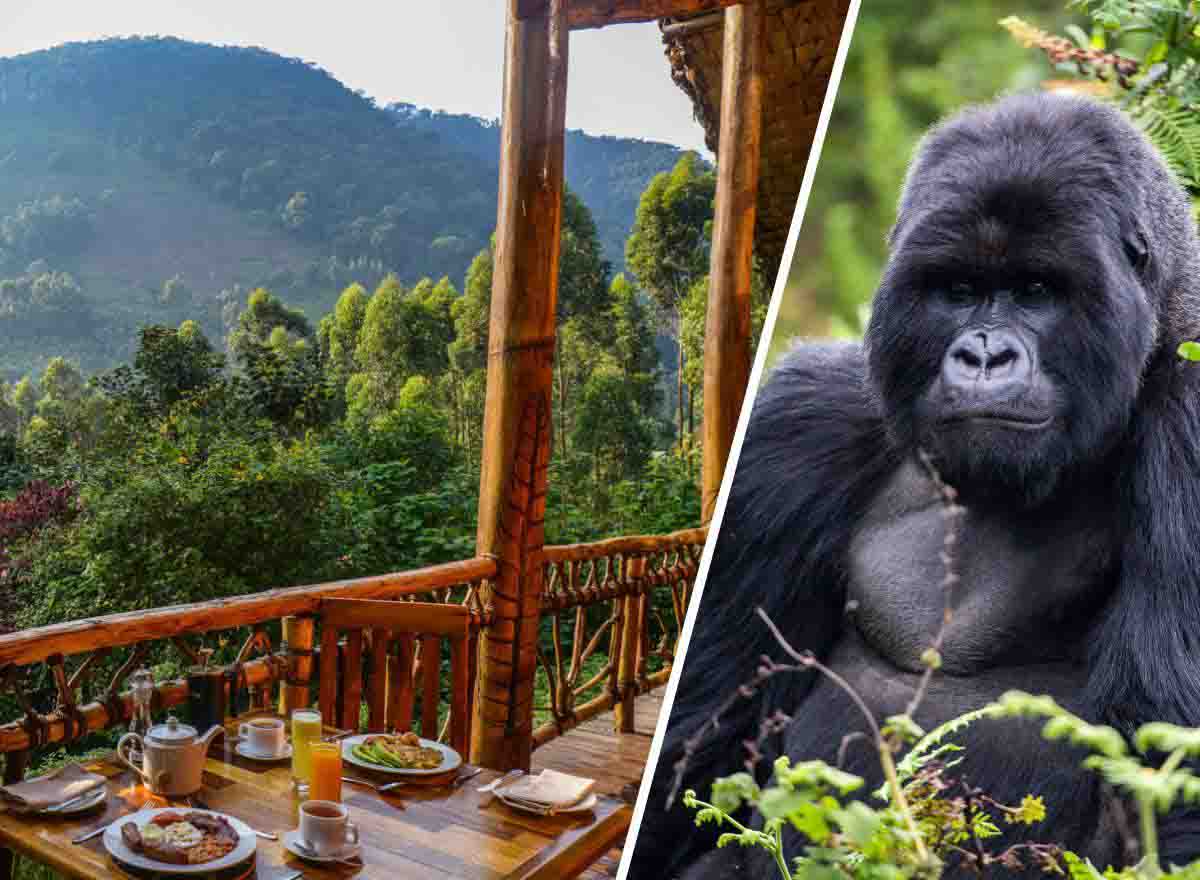
This 12-day budget itinerary provides an affordable route across Uganda's top national parks, wildlife reserves, and scenic landmarks. You will travel in a 4x4 safari vehicle with a professional driver-guide while staying at comfortable, cost-effective lodges and camps. The journey covers classic savanna game drives, primate tracking, and water safaris across diverse ecosystems. Key highlights will include tracking white rhinoceroses at Ziwa, viewing chimpanzees in Kibale Forest, searching for tree-climbing lions in Ishasha, and encountering mountain gorillas in Bwindi. You will also experience scenic boat cruises on the Victoria Nile, Kazinga Channel, and Lake Bunyonyi. This schedule balances reasonable transit times with maximum wildlife exposure to ensure an enriching budget adventure through Uganda.
Day 1: Arrival and Transfer to Entebbe/Kampala
You will arrive at Entebbe International Airport where your safari driver-guide will greet you and provide a brief orientation. You will then transfer to your accommodation in Entebbe or Kampala, covering a distance of 40 kilometers over approximately one hour depending on traffic. You will use this day to rest after your flight, exchange currency to Ugandan shillings, and acquire local SIM cards for communication. You will review the itinerary details with your guide before dinner and prepare your personal items for the upcoming journey north. You will spend the evening relaxing at your budget accommodation while adjusting to the local time zone. You will enjoy a peaceful night ahead of early morning travel. Budget accommodation options for this night will include ViaVia Uganda Entebbe, Bushpig Backpackers Hostel in Kampala, or Entebbe Backpackers.
Day 2: Entebbe to Ziwa Rhino Sanctuary and Murchison Falls
You will depart Entebbe early in the morning and travel north along the Kampala-Gulu highway toward Murchison Falls National Park Click to open side panel for more information . After a drive of 170 kilometers lasting 3.5 hours, you will arrive at Ziwa Rhino Sanctuary Click to open side panel for more information in Nakasongola District. You will join an armed ranger for a 2-hour guided foot trek to observe southern white rhinoceroses in their natural habitat. Following lunch at the sanctuary, you will continue driving 135 kilometers for 2.5 hours through Masindi town to reach the park gates. You will cross the Karuma region and view savanna landscapes along the route. Total travel time for the day will be approximately 6 hours across 305 kilometers. You will check into your accommodation near the Nile riverbank for dinner. Budget accommodation options for this night will include Red Chilli Rest Camp, Heritage Safari Lodge, or Fort Murchison Tents.
Day 3: Game Drive and Victoria Nile Boat Cruise in Murchison Falls
You will start the morning with a 6:30 AM game drive across the northern Buligi sector of Murchison Falls National Park Click to open side panel for more information. Over 3.5 hours, you will spot Rothschild giraffes, African bush elephants, Jackson's hartebeests, oribis, Uganda kobs, and lions. You will return to camp for lunch before heading to Paraa jetty. At 2:00 PM, you will board a 3-hour launch cruise heading upstream along the Victoria Nile to the base of Murchison Falls. You will observe Nile crocodiles, hippopotamuses, and waterbirds like African fish eagles along the riverbanks. You will view the water forcing through a 7-meter-wide gorge with tremendous force. You will return to camp by boat at 5:00 PM for dinner. Budget accommodation options for this night will include Red Chilli Rest Camp, Parkside Safari Lodge, or Shoebill Campsite.
Day 4: Murchison Falls to Kibale National Park
You will check out after breakfast and begin a 360-kilometer journey south from Murchison Falls to Kibale National Park Click to open side panel for more information. You will drive through Hoima and Fort Portal towns over a duration of 7 to 8 hours. The road will take you past countryside agricultural communities, banana plantations, and expansive tea estates below the Rwenzori Mountains. You will stop in Fort Portal for a local lunch and brief stretch break before completing the remaining 30 kilometers to the forest border. You will arrive in the Kibale area in the late afternoon, where the lush tropical rainforest canopy becomes visible. You will check into your lodge and spend the evening preparing for the next morning's primate activity. Budget accommodation options for this night will include Chimpanzee Forest Guest House, Ruwenzori View Guesthouse, or Kibale Forest Camp (tented camp).
Day 5: Chimpanzee Tracking and Bigodi Wetland Walk
You will report to the Kanyanchu Visitor Center at 7:50 AM for a safety briefing before chimpanzee tracking in Kibale National Park Click to open side panel for more information. Guided by park rangers, you will walk through the rainforest for 2 to 4 hours searching for eastern chimpanzee troops. You will spend one hour observing their feeding and social behaviors once located. You will also see red colobus monkeys and L'Hoest's monkeys. In the afternoon at 2:30 PM, you will visit the nearby Bigodi Wetland Sanctuary for a 2-hour guided boardwalk tour. You will spot Great Blue Turacos, papyrus yellow warblers, and sitatungas. You will return to your lodge before sunset for dinner. Budget accommodation options for this night will include Isunga Lodge, Kibale Forest Camp, or Rweteera Safari lodge.
Day 6: Kibale to Queen Elizabeth National Park and Afternoon Game Drive
You will depart Kibale Forest after breakfast and drive 120 kilometers south toward Queen Elizabeth National Park Click to open side panel for more information , taking roughly 2.5 to 3 hours. You will cross the Equator line at Kasese and view crater lakes along the foot of the Rwenzori range. Upon entering the northern Kasenyi sector of the park, you will conduct a 3-hour afternoon game drive across open savannas. You will search for Uganda kobs, waterbucks, giant forest hogs, side-striped jackals, and leopards. You will check into your lodge near the park boundary before dusk and enjoy dinner under the stars. Your guide will review safety measures regarding wildlife movements near the accommodation grounds. Budget accommodation options for this night will include Bush Lodge (tented rooms), Simba Safari Camp, or Pumba Safari Cottages.
Day 7: Kasenyi Game Drive and Kazinga Channel Boat Cruise
You will rise at 6:00 AM for an early game drive in the Kasenyi plains inside Queen Elizabeth National Park Click to open side panel for more information. Over 3 hours, you will track lions returning from nocturnal hunts and observe herds of African buffaloes and elephants. You will head back to your lodge for lunch and rest. At 2:00 PM, you will drive to Mweya peninsula for a 2-hour boat cruise along the 32-kilometer Kazinga Channel. You will observe dense concentrations of hippopotamuses, Nile crocodiles, yellow-billed storks, and pink-backed pelicans lining the shorelines. The boat will return to Mweya at 4:00 PM, after which you will drive back to camp. Budget accommodation options for this night will include Bush Lodge, Kazinga Channel View Resort, or Elephant Hab Lodge budget huts.
Day 8: Ishasha Tree-Climbing Lions to Bwindi Impenetrable Forest
You will depart Northern Queen Elizabeth National Park and drive south toward the Ishasha sector over 2.5 hours (85 kilometers). You will spend 2 hours searching the large fig trees of Ishasha for famous tree-climbing lions resting in the branches. Afterwards, you will proceed south toward Bwindi Impenetrable Forest Click to open side panel for more information across a driving distance of 95 kilometers taking 3 hours. The route will ascend through steep terraced hillsides and Kigezi highlands. Total travel time for the day will be around 6 hours covering 180 kilometers. You will arrive at your park sector lodge in the late afternoon and rest before your trek. Budget accommodation options for this night will include Broadbill Forest Camp, Buhoma Community Rest Camp, or Bwindi Backpackers Lodge.
Day 9: Gorilla Trekking in Bwindi Impenetrable Forest
You will assemble at the park headquarters at 7:30 AM for a gorilla trekking briefing by Uganda Wildlife Authority rangers. At 8:00 AM, you will enter Bwindi Impenetrable Forest Click to open side panel for more information to track habituated mountain gorillas (Gorilla beringei beringei). Depending on gorilla movements, the trek will last between 2 and 7 hours over dense terrain. Upon locating the family, you will spend exactly 1 hour observing them from a distance of 10 meters. You will watch silverbacks, females, and juveniles interact before returning to the headquarters to receive your tracking certificate. You will spend the rest of the afternoon resting at your lodge. Budget accommodation options for this night will include Bwindi Backpackers Lodge, Ride 4 a Woman Guest House, or Gorilla Valley Lodge.
Day 10: Bwindi to Lake Bunyonyi and Island Canoe Tour
You will check out after breakfast and drive 110 kilometers east to Lake Bunyonyi Click to open side panel for more information near Kabale town, taking 3.5 hours along winding mountain roads. You will arrive at the lake around noon and check into your lakeside accommodation. Lake Bunyonyi sits at 1,962 meters elevation and contains 29 islands. At 2:30 PM, you will board a local wooden dugout canoe or motorboat for a 2-hour guided tour. You will visit Punishment Island (Akampene) and Bushara Island while learning about local Bakiga traditions. You will spend the late afternoon swimming in bilharzia-free waters or relaxing by the shore. Budget accommodation options for this night will include Byoona Amagara Island Retreat, Crater Bay Cottage, or Bunyonyi Overland Resort.
Day 11: Lake Bunyonyi to Lake Mburo National Park
You will leave Lake Bunyonyi after breakfast and drive 195 kilometers northeast to Lake Mburo National Park Click to open side panel for more information near Mbarara town. The drive will take approximately 4.5 hours through rolling ranchlands of long-horned Ankole cattle. You will enter Sango gate by 1:30 PM and check into your budget camp. At 3:00 PM, you will conduct a 2.5-hour game drive through acacia woodlands to see Burchell's zebras, impalas, topis, bushbucks, and elands, which are not present in Queen Elizabeth Park. Alternatively, you will join a 2-hour boat trip on Lake Mburo to spot hippos and African finfoots. You will return to camp before dark for dinner. Budget accommodation options for this night will include Eagle's Nest Lodge, Rwakobo Rock (budget rooms), or Mburo Campsite.
Day 12: Morning Walking Safari and Transfer to Entebbe
You will begin the final day at 6:30 AM with a 2-hour guided bush walking safari inside Lake Mburo National Park Click to open side panel for more information alongside an armed ranger. You will examine animal tracks, flora, and graze near zebras and impalas on foot. After breakfast, you will check out and begin the 240-kilometer drive back to Entebbe, taking approximately 5 hours. You will stop at the Kayabwe Equator point for photos, souvenir shopping, and lunch. You will cross back into the northern hemisphere before continuing directly to Entebbe International Airport Click to open side panel for more information for your evening flight home. Total travel time for the day will be around 5 hours. Budget accommodation options if staying overnight will include ViaVia Uganda Entebbe or Entebbe Backpackers.
How much does gorilla trekking in Uganda actually cost on a budget?
The single biggest line item is the official permit from the Uganda Wildlife Authority, which costs $800 for non-resident foreigners. This rate is fixed, regardless of whether you travel in high luxury or on a strict budget. Because the permit fee cannot be discounted, managing your overall trip cost comes down to how you handle transportation, accommodation, and food.
To keep expenses low, stay at basic mid-range or budget lodges near the park gates, such as Buhoma Community Rest Camp or Broadbill Forest Camp, where rooms typically cost between $40 and $80 per night. Sharing vehicle hire and fuel costs with one to three other travelers drops your daily transportation expense dramatically. Additionally, booking your trip during the low-season months (March to May and October to November) often leads to lower lodge rates across the country. Eating at local roadside spots or choosing lodges that include meal plans keeps food costs predictable. All in, a self-planned or basic group-guided 3-day gorilla trip usually ranges from $1,200 to $1,500 total per person, with $800 of that going straight to the permit itself.
Is it safe to travel around Uganda as an independent or budget traveler?
Uganda is generally a safe and welcoming country for independent travelers, couples, and small groups. Ugandan people are known for their hospitality, and english is widely spoken across all regions, which makes asking for directions, ordering food, and organizing logistics easy. Standard precautions apply, especially in busy urban environments like Kampala or Entebbe where petty theft and pickpocketing occur. Keeping valuables hidden, avoiding walking alone late at night, and using reputable taxi services go a long way in ensuring a trouble-free trip.
When traveling between national parks, the main safety factor to consider is road conditions rather than crime. Highways can be congested, and rural dirt tracks near parks like Bwindi or Murchison Falls become rough and slippery after heavy rains. Driving yourself is possible, but hiring a well-maintained 4x4 with an experienced local driver-guide is strongly recommended. A local driver understands the road dynamics, handles unexpected mechanical issues quickly, and knows how to navigate park entrances smoothly. Up-to-date travel advice is monitored by the Uganda Tourism Police, who maintain a visible presence around major park routes and towns to keep visitors safe.
What is the difference between gorilla trekking in Bwindi vs. Volcanoes National Park in Rwanda?
The core experience—standing near a family of wild mountain gorillas—is remarkably similar in both places, but the logistics and costs differ significantly. Rwanda’s Volcanoes National Park charges $1,500 per permit, while Uganda’s Bwindi Impenetrable Forest charges $800. For budget-conscious travelers, this $700 price difference per person makes Uganda the far more accessible destination for gorilla trekking.
Logistically, Rwanda offers a shorter drive time. Volcanoes National Park is about a 2.5-hour drive from Kigali International Airport on smooth paved roads. Bwindi, on the other hand, requires an 8- to 9-hour drive from Entebbe International Airport, or a 4- to 5-hour drive if you land in Kigali and cross the border into southern Uganda. In terms of terrain, Bwindi features dense, rainforest vegetation with steep, muddy ridges and slippery slopes, living up to its "impenetrable" name. Volcanoes National Park generally consists of bamboo forest and open slopes, which can sometimes make walking slightly easier, though both locations demand a baseline level of physical fitness.
When is the best time of year to visit Uganda for budget wildlife safaris?
Uganda is an equatorial destination and can be visited year-round, but conditions vary across its two distinct dry and wet seasons. The primary dry seasons run from June to August and from December to February. During these dry months, forest trails in Bwindi and Kibale are less muddy, making trekking easier. Animals in savanna parks like Queen Elizabeth and Murchison Falls gather around predictable waterholes and rivers, making wildlife viewing easier. However, this is also peak tourism season, so budget lodges fill up months in advance.
The wet seasons occur from March to May and from September to November. Rainy months bring heavy downpours, slippery roads, and denser vegetation. However, traveling during these months offers major perks for budget travelers. Lodges often cut their nightly rates by 20% to 40% to attract guests, and major national parks are far less crowded, giving you a quieter, more personal safari experience. Rain rarely lasts all day; it usually falls in short, intense bursts, leaving clear skies afterward. If you don't mind wearing waterproof gear and navigating muddy trails, the wet season offers excellent value for money.
How physically demanding is gorilla trekking, and how should I prepare?
Gorilla trekking in Bwindi Impenetrable Forest requires a moderate to high level of physical fitness. Unlike standard game drives where you view wildlife from a vehicle, gorilla tracking involves hiking through thick vegetation, climbing steep hills, crossing muddy creek beds, and navigating uneven ground at high elevations (between 1,160 and 2,600 meters above sea level). Depending on where the gorilla family moved overnight, a trek can take anywhere from 2 hours to 7 hours round trip.
To prepare, spend a few weeks before your trip building cardio endurance through walking, jogging, or hiking on uneven trails. Stair-climbing exercises are especially helpful for conditioning your legs for Bwindi’s steep ridges. During the trek, park rangers pace the group to match the slowest hiker, taking regular water breaks. Hiring a local porter at the trailhead for $15 to $20 is one of the best choices you can make. Porters carry your backpack, offer a steady hand on steep or slippery slopes, and help you navigate tough sections. Hiring a porter also directly supports families living in the villages bordering the national park.
What essential gear should I pack for a budget safari and gorilla trek in Uganda?
Packing properly ensures you stay comfortable across different landscapes, from hot savanna plains to cold, damp rainforests. For gorilla trekking, sturdy waterproof hiking boots with good ankle support and tread are essential for walking on slippery slopes. Pair them with long, breathable hiking pants and long-sleeved shirts to protect your skin from sharp nettles, thorny vines, and biting insects like safari ants. Tucking your pants into high socks is a proven trick to keep insects out.
A lightweight waterproof rain jacket or poncho should stay in your daypack at all times, as weather in the forest changes quickly. Bring garden gloves or lightweight work gloves to grab branches and vines for stability without hurting your hands. For savanna game drives in parks like Murchison Falls or Queen Elizabeth, lightweight clothing in neutral colors (khaki, tan, or olive green) works best; avoid dark blue and black, which attract tsetse flies. Don't forget a wide-brimmed hat, sunscreen, insect repellent containing DEET, rehydration salts, a reusable water bottle, and a compact pair of binoculars to spot birds and distant wildlife.
How does public transportation work in Uganda, and can I use it for safaris?
Uganda has an active public transit system consisting of large buses, 14-seater minibuses known locally as matatus, and motorcycle taxis called boda-bodas. Public transit connects almost every town and city in the country and is very inexpensive, making it popular among long-term backpackers. For example, a bus ride from Kampala to towns near national parks, such as Fort Portal or Kabale, costs only $8 to $15.
However, public transportation generally ends at major town hubs and does not run into or through national parks. To conduct game drives inside parks like Murchison Falls or Queen Elizabeth, you need a private vehicle—preferably a 4x4 with a pop-up roof for viewing animals. Attempting a complete safari relying solely on public transport requires hiring local private drivers or motorbikes at every park entrance, which often ends up costing more time and money than renting a 4x4 vehicle with a driver from the start. A popular budget approach is using public buses for long highway legs between major cities, then hiring a local 4x4 driver for the specific park days.
What are the food and water safety guidelines for budget travelers in Uganda?
Staying healthy on a budget safari relies on simple food and water precautions. Never drink untreated tap water in Uganda. Stick strictly to bottled water with intact factory seals, or use a reliable water purification system, such as a UV purifier, filtration bottle, or purification tablets. Use purified water for brushing your teeth as well, and be mindful to keep your mouth closed while showering.
When it comes to food, stick to freshly cooked meals served hot. Lodge restaurants, local eateries, and safari camps prepare standard, filling meals including grilled chicken, beef stew, tilapia fish, rice, potatoes, and matooke (steamed green bananas). Local roadside food like rolex (a rolled chapati filled with an omelet and fresh vegetables) is cheap, delicious, and cooked right in front of you over high heat. Avoid eating raw or unpeeled fruits and vegetables from street stalls unless you can wash and peel them yourself using safe water. Carrying basic over-the-counter stomach remedies, rehydration salts, and hand sanitizer ensures minor digestion issues don't interrupt your daily travel plans.
What immunizations, visas, and health preparations do I need before traveling?
Health and entry requirements for Uganda must be organized well before your departure date. The most critical requirement is the Yellow Fever vaccination certificate. Proof of Yellow Fever vaccination is mandatory for entry into Uganda, and border officials check this document upon arrival at Entebbe International Airport or land crossings. Additionally, speak with a travel clinic about routine vaccines like Hepatitis A, Hepatitis B, Typhoid, Tetanus, and Rabies.
Uganda is located in a high-risk zone for malaria, so taking prescription anti-malarial medication (such as Atovaquone-Proguanil or Doxycycline) is strongly advised. Prevent mosquito bites in the evenings by applying DEET insect repellent, wearing long sleeves and pants, and sleeping under mosquito nets provided by lodges.
For entry, almost all foreign travelers require an e-Visa before boarding their flight. Visas are applied for online through the official Ugandan immigration portal at a cost of $50 for a single-entry tourist visa. If you plan to visit neighboring Rwanda or Kenya on the same trip, consider applying for the East Africa Tourist Visa ($100), which allows unlimited travel between Uganda, Rwanda, and Kenya for up to 90 days.
How do tipping and local currency work on safari in Uganda?
The official local currency is the Ugandan Shilling (UGX). While high-end hotels, park entry fees, and gorilla permits are priced or paid in US Dollars (USD), day-to-day budget expenses—such as local meals, snacks, souvenirs, tips, and drinks at budget lodges—are paid in Ugandan Shillings. Cash is king across rural Uganda; credit cards are accepted at major Entebbe and Kampala hotels, but processors in national parks are rare and often incur extra transaction fees. Withdraw local currency from ATMs in major towns like Entebbe, Kampala, Fort Portal, or Kabale before heading into remote park areas. If carrying USD cash, ensure bills are clean, un-torn, and printed after 2013, as older bills are frequently rejected by local banks and currency exchanges.
Tipping is not strictly mandatory in Uganda, but it is deeply appreciated and forms a crucial part of income for hospitality workers and park staff. As a general guideline:
- Safari Driver-Guide: $10 to $15 per day from the group.
- Gorilla Trekking Lead Ranger: $10 to $15 per tracker from the group.
- Gorilla Trackers & Security Escorts: $5 to $10 per person in the group total.
- Porters: $15 to $20 base fee, plus a $5 tip for good service.
- Lodge Staff & Restaurants: $2 to $5 left in a communal tip box or added to local bills.
Booking 12 Days budget Uganda safari with us Roads of Adventure safaris
Thank you for choosing Roads of Adventure Safaris for your 12-day budget Uganda safari! We are absolutely thrilled to host you in our beautiful country. This incredible journey will take you deep into the heart of Uganda's wild landscapes, from tracking gorillas and chimpanzees to watching savanna wildlife, all while keeping things affordable and highly rewarding.
Our team is already preparing to give you an unforgettable, authentic African experience. We will handle all the logistics so you can focus entirely on the adventure.
To help us finalize your itinerary, could you tell us your preferred travel dates, group size, and if you have any must-see highlights?
