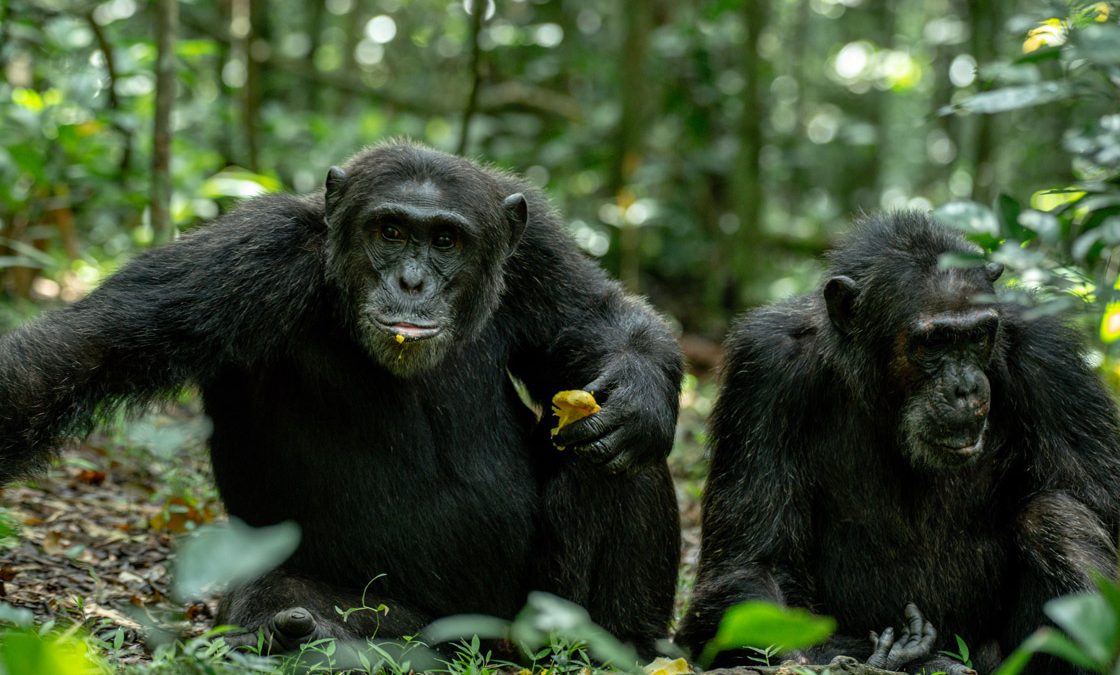
Uganda's top 10 scenic parks and attractions for safari and gorilla trekking include Bwindi Impenetrable (gorillas), Mgahinga (gorillas/golden monkeys), Murchison Falls (waterfalls/game), Queen Elizabeth (tree-climbing lions), and Kibale Forest (chimpanzees). Other highlights are Kidepo Valley, Lake Mburo, Rwenzori Mountains, Semuliki, and the scenic Lake Bunyonyi
19-days-incredible-uganda-safari-tour-big-five-chimpanzees-and-mountain-gorillas
18-days-ultimate-uganda-safari-with-gorilla-trekking-experience
16-days-classic-uganda-wildlife-safari-and-gorilla-trekking-tour
16-days-ultimate-uganda-safari-to-rwanda-safari-tour-package-combo
14-days-uganda-and-rwanda-safari-tour-itinerary
12-days-perfect-rwanda-uganda-gorilla-trekking-safari-holiday-vacation
10-days-best-photography-uganda-wildlife-safari-holiday-and-gorilla-trekking
9-days-best-of-uganda-safari-gorilla-trekking-chimpanzee-tracking-tour-package
8-days-best-uganda-rwanda-safari-holiday-ending-in-kigali
8-days-luxury-uganda-wildlife-safari-tour-package
7-day-ultimate-uganda-primate-safari-chimpanzees-and-game-drives
10 Most Beautiful Parks to Visit in Uganda
1. Bwindi Impenetrable National Park
Bwindi Impenetrable National Park is a UNESCO World Heritage Site located in southwestern Uganda, renowned for harboring nearly half of the world’s remaining mountain gorillas. Trekking in this park is an unparalleled experience, as visitors navigate through dense, ancient rainforests filled with rich biodiversity. The park boasts over 120 species of mammals, including elephants and various primates, along with over 350 bird species.
Treks usually lead to gorilla families, providing a thrilling opportunity to observe these majestic creatures in their natural habitats. The lush green canopy and the sounds of the forest make the experience immersive. In addition to gorilla trekking, visitors can explore numerous hiking trails that offer breathtaking views of the surrounding mountains and valleys.
Accommodations range from luxury lodges to budget options, all designed to allow easy access to trekking sites while providing a comfortable retreat after a day in the wild. The local communities also benefit from eco-tourism initiatives, promoting conservation efforts and enhancing visitor experiences. A visit to Bwindi offers not just an encounter with gorillas but also a chance to experience the unique culture and craftsmanship of the Bakiga and Batwa people.
2. Mgahinga Gorilla National Park
Mgahinga Gorilla National Park is often seen as the serene counterpart to Bwindi. Nestled in the Virunga mountain range, it features spectacular volcanic landscapes, making it a stunning backdrop for trekking mountain gorillas as well as endangered golden monkeys. As Uganda's smallest national park, it offers a more intimate experience while still providing rich biodiversity.
The park's diverse ecosystems include lush forests and bamboo thickets, attracting various wildlife and bird species. Trekking in Mgahinga often feels less commercialized, offering visitors a sense of exclusivity while encountering encouraging eco-tourism. Guides are knowledgeable, adding to the experience with insights into the flora, fauna, and local cultures.
Alongside gorilla trekking, visitors can hike to the summit of the challenging Muhavura Mountains for breathtaking panoramic views or explore the enchanting Ntebeko Valley. The community around the park offers rich cultural experiences that are interwoven with conservation efforts, showcasing the importance of balancing wildlife preservation and local livelihoods.
3. Murchison Falls National Park
As Uganda's largest national park, Murchison Falls National Park is famous for its impressive waterfall, where the Nile River narrows dramatically before cascading spectacularly through a gorge. This natural wonder attracts thousands of visitors each year and serves as a focal point for various safari activities, making it a key highlight of any Ugandan adventure.
The park is diverse in ecosystems, featuring savannah plains, woodlands, and riverine forests. This variety of habitats supports a rich array of wildlife, including elephants, lions, leopards, and numerous bird species. Boat safaris along the Nile offer the chance to spot hippos and crocodiles basking in the sun while enjoying views of the falls.
Visitor accommodations range from luxury lodges to budget options, all strategically located to provide guests with easy access to the park's attractions. Safari enthusiasts can embark on guided game drives or partake in walking safaris that offer a more intimate connection with the savannah. The park is also known for vibrant cultural experiences with local communities, making it a well-rounded destination for nature lovers and adventurers alike.
4. Queen Elizabeth National Park
Queen Elizabeth National Park is celebrated for its stunning landscapes, marked by sprawling savannahs, volcanic craters, and lakes. It is one of Uganda's most popular safari destinations, renowned for its vast biodiversity and rich ecosystems. The park features the famous Kazinga Channel, where visitors can embark on unforgettable boat rides to spot hippos, elephants, and various bird species.
Wildlife enthusiasts will be thrilled by the opportunity to see tree-climbing lions, particularly in the Ishasha sector of the park. The unique behavior of these lions, found lounging on fig trees, makes for stunning photography and a once-in-a-lifetime encounter. The park's wide range of habitats is home to over 600 bird species and various other wildlife, including buffaloes, antelopes, and baboons.
Visitors can enjoy guided game drives during the cooler early mornings or late afternoons, maximizing wildlife sightings. The park also offers unique cultural experiences with local communities, enriching the overall experience. Whether you're seeking adventure or relaxation, Queen Elizabeth National Park is an excellent gateway to explore Uganda's natural beauty.
5. Kibale Forest National Park
Dubbed the "Primate Capital of the World," Kibale Forest National Park is famed for its diverse primate species and vibrant ecosystem. The park is home to over 1,400 chimpanzees, making it one of the best places in East Africa for chimpanzee trekking encounters. The dense rainforest, rich in biodiversity, also supports various monkeys, including red-tailed monkeys, blue monkeys, and the rare L'Hoest's monkey.
Treks through Kibale provide a unique opportunity to observe these primates in their natural habitat, where visitors can learn about their behavior and social structures. Guided walks facilitate interactions with seasoned trackers who offer insights into the forest’s ecology, helping visitors understand its significance and conservation efforts.
Aside from primate trekking, Kibale also features picturesque crater lakes, hiking trails, and exceptional birdwatching opportunities with over 300 recorded species. The nearby communities engage in eco-tourism initiatives, providing cultural interactions that enhance visitors’ experiences. Kibale Forest combines adventure with education, making it an essential stop on any Ugandan safari.
6. Kidepo Valley National Park
Kidepo Valley National Park is a hidden gem located in the remote northeastern part of Uganda. The rugged wilderness features stunning mountainous landscapes and vast savannahs, offering unparalleled views and excellent wildlife encounters. The remoteness of Kidepo ensures a low number of tourists, allowing for an intimate safari experience.
The park is home to various wildlife, including cheetahs, lions, elephants, and large herds of buffalo. Bird enthusiasts will delight in the over 450 bird species found here, including several rare birds. The park's diverse ecosystems make it a haven for eco-tourism, and the chance to see wildlife interacting with the stunning backdrop adds to the adventure.
Kidepo also offers unique cultural experiences with the local Karamojong people, providing insights into their traditional way of life. Guided game drives and nature walks allow visitors to immerse themselves in the wilderness and appreciate Kidepo’s breathtaking landscapes. This park is ideal for those seeking off-the-beaten-path adventures and rewarding encounters with nature.
7. Rwenzori Mountains National Park
Known as the "Mountains of the Moon," Rwenzori Mountains National Park is renowned for its stunning landscapes, high altitudes, and rich biodiversity. This UNESCO World Heritage Site features a unique blend of tropical rainforest, grasslands, and alpine vegetation, offering spectacular trekking opportunities. Hiking in Rwenzori provides not only beautiful views but also a challenging adventure for outdoor enthusiasts.
Mount Stanley, the park's highest peak, features glaciers and lush valleys, making it a prime destination for trekkers looking for a high-altitude experience. Along the way, you may encounter numerous animal species, including various monkeys, bushbucks, and countless endemic plants that make this region unique.
Besides trekking, the park offers opportunities for camping and guided walks, allowing for the immersion in the rich cultural heritage of the local Bakonjo people. This breathtaking park is perfect for those seeking adventure amidst stunning landscapes and ecosystems that showcase Uganda’s incredible natural beauty.
8. Lake Mburo National Park
Lake Mburo National Park is a compact and scenic gem known for its unique landscapes and rich wildlife. Located close to Kampala, it is a convenient destination for travelers seeking a quick escape into nature. The park features a mix of wetlands, acacia woodlands, and savannahs, making it an excellent area for game viewing.
Lake Mburo is particularly famous for being one of the best places to see zebras, impalas, and elands. In addition to traditional game drives, visitors can enjoy horseback riding safaris, allowing for a thrilling and unique approach to exploring the park. The tranquility of riding through the savannah enhances the experience and brings visitors closer to wildlife.
Birdwatchers will appreciate the park's diverse avian population, with over 300 bird species recorded. Lake Mburo's scenic beauty, combined with abundant wildlife and varied activities, makes it an ideal destination for a day trip or a calming getaway in Uganda.
9. Semuliki National Park
Semuliki National Park is unique in Uganda, offering a taste of Central African jungle and rich biodiversity. Nestled in the Albertine Rift, this low-lying park features hot springs at Sempaya and diverse wildlife, making it a captivating destination for nature lovers.
The park is home to various primate species, including the blue monkey and red-tailed monkey, along with a rich array of birds, making it a great spot for birdwatching. The unique lowland tropical rainforest here also supports an incredible range of flora and fauna, some of which are more typical of the Congo Basin than East Africa.
Visitors can explore the hot springs, trek through the jungle on guided walks, and enjoy stunning views of the surrounding landscapes. The park offers a different experience compared to Uganda’s other national parks, making it a must-visit for those seeking a diverse adventure.
10. Mount Elgon National Park
Mount Elgon National Park is known for its majestic caldera, one of the largest in the world, and offers quieter mountain experiences for those seeking adventure. Situated on the border between Uganda and Kenya, the park features a range of ecosystems from lush forests to high alpine plants.
The park provides various hiking opportunities, including routes to the summit at Wagagai, where trekkers are rewarded with breathtaking views and an insight into the volcanic history of the region. Mount Elgon is also home to diverse wildlife, including elephants, monkeys, and a variety of bird species, including the rare Lammergeyer.
Camping and guided treks create unique experiences where visitors can immerse themselves in nature. Mount Elgon is an ideal destination for those seeking to escape the crowds and explore Uganda's natural beauty in a serene and picturesque setting.
Which gorilla families are available for trekking in Bwindi Impenetrable?
Bwindi Impenetrable National Park in Uganda is famed for its gorilla trekking, with several habituated family groups accessible to visitors. The park’s gorilla groups are managed under a permit system that assigns tracking opportunities to each day, depending on the day’s habituation status and group readiness. As of recent seasons, the main habituated families typically open to trekkers include groups like Mubare, Habinyanja, Rushegura, Oruzogo, Bweza, and Mishaya, among others. Availability can hinge on factors such as the day’s conservation requirements, the health and behavior of each group, and the park’s ongoing habituation work. It’s important to note that Bwindi conducts regular updates to which families are open to trekking on any given day, and some groups may be temporarily unavailable due to research projects, disease risk management, or low crowding policies.
When planning a Bwindi gorilla trek, visitors usually coordinate with a licensed safari operator or directly with the Uganda Wildlife Authority (UWA). Trekking permits are time-bound and highly sought after, with a limited number issued daily to reduce stress on the primates and to ensure a meaningful experience for guests. The trekking experience itself is highly dependent on the gorilla family’s location and mood, which can range from a calm, slow ascent through dense rainforest to a more rugged ascent requiring steeper climbs.
Beyond the thrill of tracking, visitors should prepare for varied terrain, humidity, and elevation. Guides and rangers provide safety briefings, interpret the gorilla behavior, and share context about the family’s social structure. While Bwindi’s gorilla families are dynamic in terms of daily access, planning with a reputable operator and having flexible dates increases the likelihood of encountering multiple groups during a stay. Always verify current availability with your travel partner to secure the best chance of encountering a preferred family.
Does Murchison Falls offer boat trips on the Nile River?
Yes, Murchison Falls National Park in Uganda offers boat trips on the Nile River, providing a classic and immersive wildlife experience along the river’s deep, tropical waters. The boat safaris typically depart from Paraa jetty (near the park’s main tourism hub) and travel upstream along the calm stretch of the Nile toward the falls. These boat trips are renowned for close-up views of hippos, crocodiles, and a broad array of waterbirds that congregate along the riverbanks. As the boat glides, guides narrate the wildlife dynamics, the surrounding savanna-forest mosaic, and little-known anecdotes about the park’s history and its conservation efforts.
The river safari is a complementary experience to game drives and gives visitors a different perspective on the park’s ecology. Upstream sections often feature open water and papyrus-studded shores where birds such as African skimmers, kingfishers, herons, and African fish eagles may be spotted diving or perched along dead trees. Depending on the season and water levels, the boat trip may also provide sightings of elephants and other large mammals drinking at the river’s edge or foraging along floodplain edges.
Murchison Falls’ trademark is the dramatic waterfall itself, where the Nile’s waters are forced through a narrow gorge, producing thunderous spray and a powerful cataract. Visitors can combine a boat trip with an optional hike or final view from vantage points near the falls, offering a dramatic cap to a day of riverine exploration. It’s worth noting that weather and water conditions influence trip scheduling; safaris are generally well-coordinated by park authorities and local operators to maximize safety and wildlife viewing opportunities.
Are Queen Elizabeth tree-climbing lions found in the Ishasha sector?
Yes, Queen Elizabeth National Park’s Ishasha sector is famous for its tree-climbing lions, a distinctive behavior that has drawn curiosity and awe from visitors. These lions are most often observed lounging in the branches of fig trees, particularly during the heat of the day. The exact reasons for this arboreal habit remain a topic of study, but it is commonly believed that the trees provide a strategic vantage point, shade, and a cooling respite from the hot savanna floor.
Ishasha’s tree-climbing lions are a standout feature of a broader Queen Elizabeth safari circuit, where visitors can combine a game-drive-focused experience in the Kasenyi and Mweya regions with Ishasha’s unique predator behavior. Sightings are not guaranteed on every drive—nature is inherently dynamic—but Ishasha is widely regarded as one of the best places in East Africa to observe this behavior.
For optimal chances, plan a morning or late-afternoon game drive that includes Ishasha’s southern beech and acacia woodlands. Guides familiar with the sector will know the favored stretches where lion prides have historically shown arboreal activity, and potential sightings can be enhanced by staying in or near Ishasha so you can revisit the area over multiple days.
Beyond lions, Ishasha and the broader park offer a diverse array of wildlife, including elephants, buffalo, hippos, Uganda kob, a variety of antelope species, and a rich birdlife along the riverine and woodland habitats. The combination of Ishasha’s unique lions and Queen Elizabeth’s wider ecosystems makes for a compelling, multi-faceted Uganda safari.
Which Park provides the best chimpanzee tracking experience in Uganda?
Uganda’s best-known chimpanzee tracking experiences are concentrated in two major national parks: Kibale National Park and Bwindi Impenetrable National Park. Each offers a distinct flavor of chimpanzee encounter, appealing to different traveler priorities.
Kibale National Park, often referred to as the “Primate Capital of Uganda,” has one of the highest densities of chimpanzees in East Africa and a well-developed tracking program. The park’s forested habitats host multiple chimpanzee troops with habituated individuals that visitors can observe during morning or afternoon treks. Kibale’s chimp tracking tends to involve longer, more immersive treks through lush tropical forest, with a strong emphasis on close-up views of primate social behavior, vocalizations, and tool use in some contexts. The experience is frequently praised for its opportunities to observe multiple chimpanzee families in a single day, offering a broader comparative perspective on chimpanzee social dynamics.
Bwindi Impenetrable National Park is renowned for its gorilla trekking, but it also offers chimpanzee tracking in some parts of its forested complex, especially in areas adjacent to the park’s forest edges where chimpanzees and other primates reside. The experience here is often more intimate with a focus on forest ecology, with the added allure of encountering rare birds and other wildlife amid the damp, mossy canopy. Treks can be shorter or longer depending on chimpanzee movements that day.
Other parks with chimpanzee encounters in Uganda include Semliki and Queen Elizabeth’s Kyambura Gorge, where guided treks provide a chance to see chimpanzees in mixed habitats, though they may be less predictable than Kibale’s population. If your primary goal is the best chance of seeing a large, interactive chimpanzee group in a dense forest setting, Kibale is typically recommended. For gorilla-plus-chimp itineraries, combining Bwindi with Kibale offers a comprehensive primate experience.
Is Kidepo Valley Park known for its unique, remote wilderness landscape?
Yes, Kidepo Valley National Park is renowned for its remote, rugged, and striking wilderness that stands apart from Uganda’s more visited ecosystems. Located in the northeastern corner of the country, near the borders with South Sudan and Kenya, Kidepo presents a stark, panoramic landscape characterized by expansive savannahs, deep river valleys, dramatic rocky outcrops, and a high degree of isolation from major tourist hubs. The sense of remoteness is part of the park’s appeal, drawing travelers who seek a more off-the-beaten-path safari experience.
The park’s geography contributes to a distinctive wildlife tapestry. The Narus and Kidepo Valleys intersect with grassy plains, acacia woodland, and kopje rock formations that create varied habitats for species such as elephants, buffalo, giraffes, cheetahs, zebras, and a range of antelope. The seasonal migration patterns in this arid-to-semiarid environment add a dynamic dimension to game viewing, providing opportunities to observe extraordinary predator-prey interactions and large carnivore presence in relatively quiet, expansive landscapes.
Kidepo’s remote wilderness also translates into cultural encounters with semi-nomadic or traditional communities in the surrounding Karamoja region. Visitors often engage with local pastoralist traditions, beadwork, and storytelling that reflect a long-standing relationship with the land. The park’s isolation means logistics require careful planning, including flight connections and private road transfers, but many travelers consider the journey worthwhile for the sense of space, the panoramic horizons, and the chance to explore a true wilderness that feels far from the more common safari circuits.
Can visitors hike the Rwenzori mountains to see mountain glaciers?
Yes, the Rwenzori Mountains, often called the “Mountains of the Moon,” offer hiking and trekking routes that allow visitors to experience dramatic alpine scenery, including glacial remnants and high-altitude landscapes. The range features several trekking routes, with the most famous treks typically departing from Kasese or the Nyabitaba/Nganggya sectors on the Ugandan side. Treks ascend through cloud forests, bamboo zones, and rugged rock faces, delivering a sense of scale and isolation that contrasts with Uganda’s savannas.
Glaciers in the Rwenzori are retreating, as in many mountain systems worldwide, due to climate trends. Guides and park authorities provide up-to-date information on glacier visibility and the best seasons for trekking. Treks vary in difficulty and duration—from multi-day expeditions to shorter day hikes that offer glimpses of high-altitude terrain and occasional icy or snow-laden sections at higher elevations. Hikers should be prepared for variable weather, including cold temperatures at night, fog, rain, and potentially slippery conditions on exposed ridges.
Permits, guides, and proper equipment are essential for Rwenzori treks. The ecosystem is culturally rich as well, with local communities and guides offering insights into flora, fauna, and the traditional practices that accompany mountaineering in this region. Because the terrain is demanding and weather can be unpredictable, most travelers join a guided outfit that provides logistics, safety briefings, and acclimatization support to maximize safety and enjoyment while exploring the Mountains of the Moon.
Does Mgahinga Gorilla Park offer both gorilla and monkey tracking?
Mgahinga Gorilla National Park, located in southwestern Uganda, is known primarily for its gorilla trekking experiences on the Virunga Volcanoes massif. The park’s gorilla treks are a major draw, with habituated groups that visitors can track under permit systems administered by Uganda Wildlife Authority (UWA). In addition to gorilla trekking, Mgahinga also offers experiences that focus on other primates and wildlife, including monkey tracking. The park’s diverse habitats—montane forest, bamboo zones, and open moorland—support a variety of primates such as golden monkeys and chimpanzees in some contexts, depending on the season and current research/habituation status.
Monkey tracking typically occurs as part of broader forest walks or specific guided treks that explore Mgahinga’s primate populations and their habitats. The exact availability of “monkey tracking” can vary by season, park management plans, and ongoing habituation work with non-gorilla primates. Visitors should coordinate with UWA-approved operators to confirm which primate groups are accessible during their visit and to arrange the appropriate guides and permits.
Beyond primates, Mgahinga offers scenic volcano crater views, birdlife, and cultural experiences with local communities. The park’s compact size makes it a convenient add-on to gorilla-n tracking itineraries, offering a multi-faceted experience within the Virunga massif’s magical landscape. Always verify current access and species availability with a licensed operator for the most up-to-date trekking options.
Is Lake Mburo National Park ideal for walking safari adventures?
Yes, Lake Mburo National Park is particularly well-suited for walking safaris, making it one of Uganda’s premier destinations for this immersive activity. The park’s relatively compact size, varied ecosystems, and low population density create a safe and accessible environment for guided walking safaris that allow visitors to experience wildlife up close on foot. Walking safaris in Lake Mburo emphasize sightings of herbivores such as zebra, impala, eland, and waterbuck, as well as elusive predators that may be encountered along guided routes with experienced rangers.
Guided walks provide a different dimension of wildlife observation compared to motorized game drives. Rangers offer interpretive insights into animal tracks, signs, and behavior, helping visitors understand the park’s ecological dynamics, including the interdependence of predator and prey species, water resources, and seasonal migrations. The park’s varied landscapes—savanna grasslands, acacia woodlands, and lakeshore habitats—offer diverse vantage points for birdwatching and photography.
In addition to walking safaris, Lake Mburo offers activities such as night drives within controlled zones, boat safaris on the lake, and excellent horseback riding experiences that complement the walking emphasis. The town of Mbarara serves as a convenient base, with logistics and itineraries often tailored to include stops at local cultural communities, ranches, and the broader Western Uganda scenery. For travelers seeking a hands-on, pedestrian way to experience African wildlife, Lake Mburo National Park stands out as a top option.
Are hot springs and diverse birdlife found in Semuliki Park?
Semuliki National Park is celebrated for its remarkable biodiversity, rich birdlife, and unique hot spring phenomena. Located in western Uganda near the border with the Democratic Republic of Congo, the park encompasses a mosaic of lowland tropical forest, savanna grasslands, and swamps that support an exceptionally high density and variety of birds. Birdwatchers often encounter a broad spectrum of species, including forest birds, savannah specialists, and water-associated birds, making Semuliki a prime destination for avian enthusiasts. The park’s birdlife includes shoebills, purple herons, hornbills, turacos, and a plethora of passerines that thrive in the marshy and forested microhabitats. Depending on the season, visitors can expect a dynamic avifauna with opportunities for close-up sightings along forest trails and near water sources.
Hot springs are one of Semuliki’s standout attractions. The Semuliki Hot Springs are found within the park’s terrain, where geothermal activity creates warm to hot mineral-rich pools. The springs are culturally and ecologically interesting, as the mineral pools influence the surrounding flora and attract wildlife that may come to drink or bathe in the warmer areas. The combination of geothermal features and lush biodiversity adds a distinctive dimension to a visit, pairing a wildlife-focused safari with a geological and thermal landscape.
Planning a trip to Semuliki requires proper guidance, as the park’s trails can be challenging and weather conditions may vary. A guided tour typically includes forest walks, birdwatching, and visits to the hot springs, with safety attentiveness toward wildlife and environmental stewardship. For those seeking a rich mix of avifauna and geothermal features in a relatively compact park, Semuliki delivers a compelling, off-the-beaten-path Ugandan wilderness experience.
Is hiking Sipi Falls available near Mount Elgon National Park?
Yes, hiking to Sipi Falls is a popular activity near Mount Elgon National Park, located in eastern Uganda. Sipi Falls comprises a trio of dramatic waterfalls cascading down the cliffs along the climate-rich foothills above the town of Kapchorwa. The area surrounding Sipi is renowned for its scenic beauty, with a backdrop of Mount Elgon’s rugged slopes, green terraces, and dramatic basalt formations. Treks to the falls typically start from Kapchorwa or designated trailheads and involve a variety of routes, ranging from short viewpoints to more extended hikes that traverse the surrounding scenery.
Hiking near Sipi Falls offers several rewards, including spectacular viewpoints, opportunities for rock climbing, and a perspective on local rural life in the foothills. The falls are a magnet for photographers, hikers, and travelers seeking a cooler climate and a sense of highland wilderness. While the primary waterfall is spectacular in its own right, the surrounding landscapes—coffee and banana plantations, terraced hillsides, and panoramic vistas of the Sebei highlands—provide a serene setting for a day trip or a multi-day adventure.
To plan a visit, consider the season and weather, as well as guided trekking options offered by local operators who can provide safety briefings and route recommendations. The Mount Elgon region is known for its rich biodiversity, including birdlife, small mammals, and endemic plant species, which enhances a Sipi Falls hike with additional natural interest beyond the waterfall itself. If you’re seeking a scenic, uplifting highland hike with waterfalls, Sipi Falls near Mount Elgon National Park is an excellent choice.
Booking Uganda safari and gorilla trekking adventure with us Roads of Adventure safaris
Book your unforgettable Uganda safari and gorilla trekking adventure with Roads of Adventure Safaris for tailored, expert-guided tours. We specialize in bespoke itineraries covering Bwindi Impenetrable National Park, Queen Elizabeth, and Murchison Falls. Our packages feature 4x4 transport, expert guides, and secure gorilla permits. Enjoy intimate wildlife encounters, from chimpanzee tracking to Big Five game drives, with high-quality, personalized service. Contact us at info@roadsofadventuresafaris.com or WhatsApp +256 701041637 to plan your dream trip. A 30% deposit secures your
