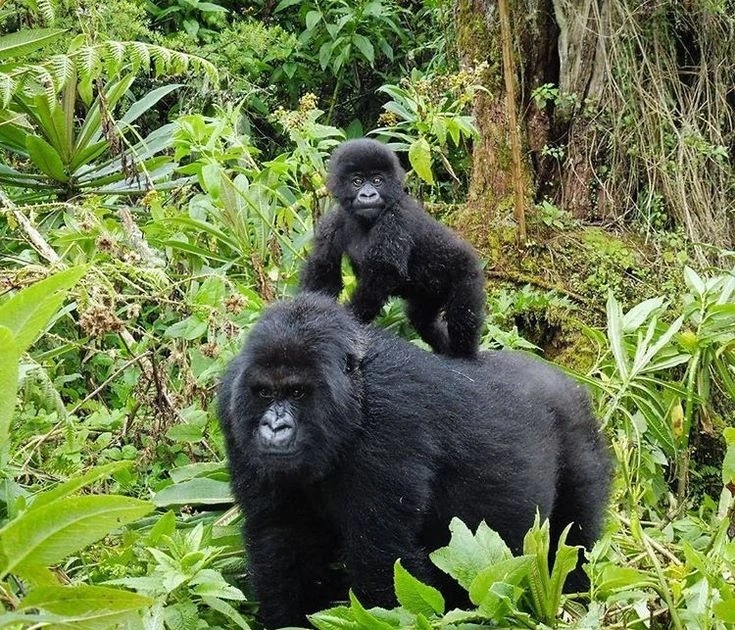
10 Activities on Uganda safari for young travelers, a Uganda safari is an absolute blast for young travelers! From cooking classes featuring the famous "Rolex" to spotting tree-climbing lions, ziplining through ancient forests, and riding quad bikes in the adventure capital, it perfectly blends thrilling wildlife encounters with safe, hands-on cultural adventures
2-days-best-gorilla-trekking-safari-tour-via-kigali-to-bwindi-impenetrable-forest-park
3-days-gorilla-trekking-safari-and-lake-bunyonyi-relaxation-itinerary
3-days-affordable-uganda-budget-gorilla-trekking-via-kigali
4-days-ultimate-gorilla-and-uganda-safari-and-chimpanzee-tracking
4-days-ultimate-gorilla-and-uganda-safari-and-chimpanzee-tracking
4-days-uganda-gorilla-safari-with-golden-monkey-tracking-from-rwanda
4-days-luxury-gorilla-trekking-safari-in-bwindi-fly-in-all-inclusive-tour
5-days-gorilla-and-uganda-safari-and-golden-monkey-trekking-tour-from-kigali
5-days-un-matched-uganda-gorilla-safari-and-chimpanzee-tour-itinerary
7-days-safari-to-uganda-queen-elizabeth-park-gorillas-trekking-and-lake-mburo
7-days-perfect-uganda-primate-safari-itinerary
7-days-uganda-tour-to-murchison-falls-via-ziwa-kibale-and-queen-elizabeth-national-park
7-day-ultimate-uganda-primate-safari-chimpanzees-and-game-drives
7-days-best-uganda-safari-tour-to-popular-safari-parks
7-days-perfect-road-trip-uganda-safari-tour
7-days-best-uganda-birding-safari-tour
7-day-uganda-safari-to-kidepo-valley-via-jinja-and-sipi-falls
7-days-murchison-falls-uganda-safari-trip-via-ziwa-rhinos-kidepo-valley-and-jinja
10-days-uganda-rwanda-primate-safari-vacation-and-game-drive-safari
10-days-best-uganda-big-five-safaris-and-primate-experience
10-days-best-uganda-birding-safari-and-wildlife-experience
10-days-best-of-uganda-and-rwanda-all-big-five-animal-and-gorilla-trekking
10-days-uganda-safari-all-big-five-gorilla-and-chimpanzee-tracking-adventure
10-days-budget-uganda-safari-holiday-vacation-tour-road-trip
10 days Uganda safari
A 10 days Uganda safari delivers an unparalleled journey through East Africa's most contrasting ecosystems, bridging vast, sun-bleached savannahs with ancient, mist-shrouded rainforests. This meticulously planned route minimizes road fatigue while strategically positioning you to capture Africa’s iconic wildlife milestones back-to-back. You will track endangered southern white rhinos on foot, witness the raw, roaring hydraulic power of Murchison Falls, and cruise waterways dense with hippos and elephants. The expedition then plunges into dense jungle canopies for high-energy chimpanzee tracking before reaching the ultimate pinnacle: an intimate, face-to-face encounter with mountain gorillas in a prehistoric forest. Perfect for wildlife enthusiasts, photographers, and adventure seekers alike, this all-inclusive itinerary handles every logistical detail—from mandatory permits to private 4x4 transport. It offers a seamless, deeply moving exploration of the "Pearl of Africa," concluding with peaceful lakeside relaxation before your return across the equator for departure.
Day 1: Entebbe to Murchison Falls via Ziwa Rhino Sanctuary
Your highly anticipated 10 days Uganda safari begins early in the morning as your professional driver-guide picks you up from your Entebbe hotel or airport. Leaving Lake Victoria behind, you journey northward through dynamic town centers and rural landscapes toward Nakasongola. Your first major wildlife milestone is the Ziwa Rhino Sanctuary, a critical conservation center dedicated to reintroducing wild rhinos to Uganda. Accompanied by expert, armed rangers, you will set out on foot into the bush to track prehistoric southern white rhinos, observing these magnificent giants safely from a short distance. After this thrilling encounter, enjoy a hot lunch at the sanctuary before continuing north. You will cross the Nile River and enter Murchison Falls National Park, Uganda's largest and oldest protected reserve. Arrive at your lodge in time for a relaxing dinner, surrounded by the sights and wild sounds of the African bush.
Day 2: Morning Savannah Game Drive and Victoria Nile Launch Cruise
Wake up at dawn to explore the sweeping Borassus palm savannahs of Murchison Falls National Park. As the sun rises over the northern sector, predator activity peaks, offering excellent opportunities to spot lions, elusive leopards, hyenas, and majestic Rothschild's giraffes. Your private 4x4 vehicle's pop-up roof ensures unobstructed photography of massive elephant herds and Cape buffaloes moving across the golden grasslands. Return to the lodge for a hearty midday rest and lunch. In the afternoon, board a classic launch cruise heading upstream on the Victoria Nile toward the base of the waterfall. The riverbanks are packed with yawning hippos, giant Nile crocodiles, and thirsty wildlife coming to drink. The boat drops you near the base of Murchison Falls, where the entire Nile violently forces its way through a narrow 7-meter rock gap, creating a thunderous cascade that shapes this dramatic riverine habitat.
Day 3: Scenic Transit South Along the Albertine Rift to Fort Portal
After an early breakfast, your 10 days Uganda safari steers southward on a long but visually rewarding transit day. You will drive along the scenic Albertine Rift Valley escarpment, enjoying panoramic views of Lake Albert and the distant blue mountains of the Democratic Republic of Congo. The journey takes you through bustling market towns, sprawling sugarcane plantations, and vibrant rural villages, offering an authentic window into everyday Ugandan life. As you approach the clean, welcoming town of Fort Portal, the landscape transforms into endless rolling hills draped in lush, bright green tea plantations. Situated beneath the dramatic, snow-capped peaks of the Rwenzori Mountains, this spectacular crater lakes region serves as the gateway to the primate capital. Arrive at your eco-lodge near Kibale Forest National Park in the late afternoon to unwind, enjoy a multi-course dinner, and prepare for tomorrow's rainforest tracking adventure.
Day 4: High-Energy Chimpanzee Tracking and Bigodi Wetland Walk
Today introduces you to the moist, tropical ecosystem of Kibale Forest National Park, home to the highest density and diversity of primates in East Africa. Following a mandatory safety briefing at the Uganda Wildlife Authority headquarters, enter the dense, ancient canopy with an expert ranger team. Kibale boasts a 95% success rate for locating habituated chimpanzees. As you track their vocal pant-hoots echoing through the forest, you will spend one unforgettable hour observing our closest wild cousins. Watch them groom each other, wrestle, and swing effortlessly through giant mahogany and fig trees. After a lunch break, transfer to the nearby Bigodi Wetland Sanctuary for a guided community walk. This boardwalk trail winds through lush papyrus swamps, offering an exceptional opportunity to spot up to eight distinct primate species, including red colobus monkeys, alongside colorful endemic birds like the striking Great Blue Turaco.
Day 5: Volcanic Crater Lakes Exploration and Kazinga Channel Cruise
Bid farewell to the rainforest as your 10 days Uganda safari routes you deeper into the Albertine Rift toward Queen Elizabeth National Park. The drive features dramatic volcanic topography, taking you past pristine twin crater lakes and vast savannah plains framed beautifully by the Rwenzori Mountains. Enter the park and check in to your lodge for lunch. In the afternoon, experience the legendary boat safari along the Kazinga Channel, a natural 32-kilometer waterway connecting Lake Edward and Lake George. This cruise is an absolute highlight, bringing you safely within meters of one of the world's densest concentrations of hippos. You will cruise past massive Nile crocodiles basking on the muddy banks, multi-generational elephant families bathing in the shallows, and an incredible array of colorful waterbirds, including pelicans and kingfishers, gathering along this essential wildlife lifeline.
Day 6: Predator Tracking and the Tree-Climbing Lions of Ishasha
An early morning rollout takes you onto the scenic game tracks of the Kasenyi plains, a primary breeding ground for Uganda kobs. This high concentration of antelope makes Kasenyi the ideal territory for hunting prides of lions and solitary leopards. Your experienced guide will expertly scan the open savannah and acacia trees, reading the bush to maximize your predator sightings. After the morning drive, pack your bags and journey south toward the remote Ishasha Sector, a distinct region of Queen Elizabeth National Park. Ishasha is globally famous for its unique population of lions that routinely rest high up in the sturdy branches of giant fig trees to escape heat and insects. Spend the afternoon driving beneath these massive trees, searching for the iconic sight of lions lounging lazily above. Afterward, continue driving southward toward the rugged, misty highland borders of Bwindi.
Day 7: Journey Into the Misty Highlands of Bwindi Impenetrable Forest
Leave the flat savannah plains behind as your custom 4x4 vehicle begins scaling the steep, winding mountain roads leading into the Kigezi highlands. The air cools significantly as you approach Bwindi Impenetrable National Park, an ancient, mist-shrouded montane forest that successfully survived the earth's last ice age. This UNESCO World Heritage site forms an incredibly dense, isolated fortress of biodiversity, providing the ultimate sanctuary for roughly half of the world's remaining population of endangered mountain gorillas. The drive itself is spectacular, offering breathtaking views of deep terraced valleys, rushing mountain streams, and thick jungle walls dripping with moss and ferns. Arrive at your cozy forest lodge in your designated tracking sector (Buhoma, Ruhija, Rushaga, or Nkuringo). Spend the evening relaxing by the fireplace, double-checking your tracking gear, and resting up for the physically demanding but deeply rewarding day ahead.
Day 8: The Ultimate Mountain Gorilla Trekking Encounter in Bwindi
This is the undisputed crown jewel of your 10 days Uganda safari. Wake up early for a briefing at the park headquarters, where rangers divide trekkers into intimate groups of eight and assign habituated gorilla families. Accompanied by armed rangers, trackers, and local porters, you step directly into the trackless, dense undergrowth. The trek is a raw, unpredictable foot expedition involving scaling steep, muddy ridges and navigating tangled root systems. The hike can last anywhere from two to seven hours depending on the gorillas' movements. When you finally locate the family, an overwhelming thrill settles over the group. You will spend exactly one hour standing just meters away from these gentle terrestrial giants. Watching a massive 400-pound silverback calmly protect his troop while mothers nurse infants and juveniles wrestle in the vines is a profoundly moving, life-changing experience you will cherish forever.
Day 9: Relaxing Transit to Island-Dotted Lake Bunyonyi
After the intense physical exertion of navigating Bwindi's steep jungle ridges, your itinerary winds down with a short, scenic drive to Lake Bunyonyi. Nestled deeply within the Kigezi hills, Bunyonyi is a spectacular, narrow volcanic lake dotted with 29 terraced islands, each carrying its own unique local history. Known affectionately as the "Place of Many Little Birds," this deep lake is entirely free from bilharzia, hippos, and crocodiles, making it one of the safest natural swimming spots in Uganda. Check in to your lakeside resort for lunch and take in the peaceful, mirror-like water views. Spend your afternoon customizing your relaxation: opt for a tranquil boat cruise, explore the calm waters in a traditional dugout canoe, or take a guided nature walk to spot endemic birds and meet local island communities, enjoying a peaceful change of pace.
Day 10: Equator Crossing and Departure via Entebbe International Airport
On the final day of your 10 days Uganda safari, enjoy a peaceful lakeside breakfast before embarking on your return journey back to Entebbe. The drive takes you through the beautiful rolling hills of Mbarara and the expansive cattle corridors of the Ankole region, famous for its iconic long-horned cows. You will stop at the Uganda Equator line in Kayabwe for a delicious lunch and a fun, classic demonstration showing the Coriolis effect in action. This is the perfect opportunity to stand in both the Northern and Southern hemispheres simultaneously for photos and browse the vibrant local craft markets for authentic hand-carved souvenirs. Continue your drive to Entebbe, arriving in the late afternoon or evening. Your guide will transfer you directly to Entebbe International Airport for your outbound flight, concluding an unforgettable, comprehensive adventure through the wildlife highlights of Uganda.
What are the top budget-friendly highlights for young travelers in Uganda?
Young travelers look for intense adventure without a massive price tag. Uganda offers a perfect mix of affordable public entry, cheap community campsites, and high-adrenaline excursions. To get the best value, your itinerary should prioritize low-cost national park fees combined with community-focused adventures.
The top 10 activities that perfectly balance budget and high-octane thrills include:
- White-water rafting on the River Nile in Jinja.
- Chimpanzee tracking in Kalinzu Forest (a budget-friendly alternative to Kibale).
- Savannah game drives in Queen Elizabeth National Park.
- Boat cruises on the Kazinga Channel to spot massive pods of hippos.
- Canoeing and island-hopping on Lake Bunyonyi.
- Guided cultural walks with the Batwa community near Bwindi.
- Rhino trekking on foot at Ziwa Rhino Sanctuary.
- Hiking to the top of Sipi Falls in Kapchorwa.
- Night game drives in Lake Mburo National Park.
- Quad biking through rural villages along the banks of the Nile.
Choosing Kalinzu Forest over Kibale for chimpanzees saves over $150, while Queen Elizabeth and Lake Mburo offer budget public campsites. Grouping these activities reduces transport costs, and choosing community guides directly supports locals while keeping your wallet happy.
2. Is Uganda safe for solo young travelers and backpackers?
Uganda is widely considered one of the safest and most welcoming countries in East Africa for solo backpackers. The local tourism industry is highly organized, and Ugandans are famously hospitable to visitors. However, solo travelers should practice standard safety precautions: avoid walking alone at night in major cities, secure your valuables, and always use registered guides.
Your safety is heavily built into the 10 core activities you choose:
- Rafting the Nile: Highly trained safety kayakers track you downriver.
- Chimpanzee tracking: Armed Uganda Wildlife Authority (UWA) rangers guide you through the forest.
- Queen Elizabeth game drives: Regulated trails prevent vehicles from getting lost.
- Kazinga Channel boat cruise: Large, stable vessels come fully equipped with life jackets.
- Lake Bunyonyi canoeing: Safe from bilharzia, hippos, and crocodiles, making it a secure swim zone.
- Batwa cultural walks: Organized through community associations with trusted local leaders.
- Ziwa rhino trekking: Expert rangers monitor the rhinos 24/7 and lead you safely on foot.
- Sipi Falls hiking: Local guide cooperatives ensure safe navigation of muddy slopes.
- Lake Mburo night drives: UWA rangers use strong spotlights to track predators safely.
- Nile quad biking: Pre-trip safety briefings and protective gear are mandatory.
By sticking to these established activities, solo travelers remain within secure, well-monitored environments while still enjoying authentic wild adventures.
3. How can young travelers easily get around Uganda?
Navigating Uganda is an adventure in itself. While luxury safaris rely on private 4x4 cruisers, young budget travelers use a mix of shared public transit, safari trucks, and local options. For long distances, public buses link Kampala to major towns like Kasese or Kabale. For short hops, local boda-bodas (motorcycle taxis) are popular, though they require caution.
Here is how your transport connects to the 10 essential activities:
- Jinja Rafting: Free shuttle buses often run directly from backpacker hostels in Kampala.
- Kalinzu Chimps: Easily reached via public buses running along the main Mbarara-Kasese highway.
- Queen Elizabeth Game Drives: Best navigated by joining a shared safari vehicle from a nearby budget lodge.
- Kazinga Channel Cruise: Easily accessible via public transport or a short boda-boda ride to the Mweya peninsular jetty.
- Lake Bunyonyi Canoeing: Motorbike taxis easily take you down the winding ridge from Kabale town to the lakeside.
- Batwa Cultural Walks: Accessible via shared community taxis (matatus) heading toward the park boundaries.
- Ziwa Rhino Trekking: Located just off the main Gulu highway, making it an easy drop-off spot for public buses.
- Sipi Falls Hiking: Shared matatus travel daily from Mbale town directly up into the foothills of Mount Elgon.
- Lake Mburo Night Drives: Requires a pre-arranged vehicle via your budget camp, as public transit does not enter the park gates.
- Nile Quad Biking: Based right in Jinja, a quick and cheap boda-boda trip from any local hostel.
4. What is the best time of year for an active, youth-focused safari?
Uganda is a year-round destination because it sits right on the equator, but the dry seasons are best for intense outdoor activities. The dry windows run from June to August and December to February. During these months, trails are less muddy, wildlife gathers around waterholes, and outdoor sports face fewer rain delays.
Here is how the seasons impact your 10 core activities:
- Nile Rafting: Fantastic year-round, though lower dry-season water levels can make the rapids sharper and more intense.
- Kalinzu Chimps: The dry season keeps forest trails firm, making it much easier to keep up with fast-moving chimpanzees.
- Queen Elizabeth Game Drives: Thinned-out bushes mean much clearer views of lions, leopards, and elephants.
- Kazinga Channel Cruise: Animals line the riverbanks constantly in the dry heat, offering incredible photo opportunities.
- Lake Bunyonyi Canoeing: Clear skies mean calm waters and perfect, smooth rowing conditions.
- Batwa Cultural Walks: Steep forest paths remain dry and safe to walk without slipping.
- Ziwa Rhino Trekking: The grass is shorter, which makes tracking these massive animals on foot much easier.
- Sipi Falls Hiking: The trails are much less muddy, though the waterfalls are most dramatic at the end of the rainy season.
- Lake Mburo Night Drives: Clear, star-filled nights make it easier for spotlights to catch leopard eyes glowing in the dark.
- Nile Quad Biking: Dry trails mean fast, dusty tracks, while the wet season brings fun, messy mud sliding.
5. What are the accommodation options for backpackers and students?
Young travelers do not need $500-a-night luxury lodges to experience Uganda. The country has a booming network of backpacker hostels, lazy camping grounds, and budget eco-cottages. Many sites let you pitch your own tent for as little as $5 to $10 a night, offering clean bathrooms and vibrant social bars.
These budget stays position you perfectly next to the 10 main activities:
- Nile Rafting: Stay at lively overland camps in Jinja that offer cheap dorm beds right over the rapids.
- Kalinzu Chimps: Pitch your tent at the forestry station headquarters or stay in nearby budget guesthouses in Bushenyi.
- Queen Elizabeth Game Drives: Choose budget community camps just outside the park gates in Rubirizi or Katunguru.
- Kazinga Channel Cruise: Use the same nearby community camps, which sit just minutes from the Mweya launch site.
- Lake Bunyonyi Canoeing: Geckos, tortoises, and youth hostels sit directly on the islands, offering cheap hammocks and dorms.
- Batwa Cultural Walks: Stay at budget camps on the edge of the forest run directly by local community conservation groups.
- Ziwa Rhino Trekking: The sanctuary features its own budget campground and affordable guesthouse right on-site.
- Sipi Falls Hiking: Stay at backpacker-friendly lodges perched right on the cliffs overlooking the main waterfall.
- Lake Mburo Night Drives: Sleep at budget eco-tents located just outside the Nshara park gate to avoid high internal lodging fees.
- Nile Quad Biking: Jinja’s central backpacker hostels sit just down the road from the main quad biking trailheads.
6. Can younger travelers under 15 participate in primate tracking?
Age limits are strictly enforced by the Uganda Wildlife Authority (UWA) to protect both the primates and young travelers. For chimpanzee tracking, the official minimum age is 12 years old. For gorilla trekking, the minimum age limit is 15 years old (though a waiver can sometimes be requested for 14-year-olds turning 15 within the calendar year). These rules are firmly checked via passport scans at morning briefings.
If you are traveling as a young family or student group, here is how the age limits interact with the 10 activities:
- Nile Rafting: Minors under 14 can do family floats, while full grade-5 rafting requires ages 14-16+.
- Kalinzu Chimps: Strict 12-year-old cutoff; younger kids can instead do guided forest canopy walks.
- Queen Elizabeth Game Drives: Open to all ages! Perfect for younger teens and children.
- Kazinga Channel Cruise: Entirely safe and highly recommended for all age brackets.
- Lake Bunyonyi Canoeing: Open to all, provided life jackets are worn by younger participants.
- Batwa Cultural Walks: Very family-friendly; all ages can learn how to shoot traditional bows and arrows.
- Ziwa Rhino Trekking: Children under 6 might find it tough, but older kids can easily do the foot trek with rangers.
- Sipi Falls Hiking: Open to all ages, though younger kids may need a hand on the steeper rock scrambles.
- Lake Mburo Night Drives: Open to all ages, keeping everyone safe inside a closed safari vehicle.
- Nile Quad Biking: Offers kids' tracks and smaller buggies, while adults tackle the main trails.
7. What gear should young adventurers pack for a Ugandan safari?
Packing for Uganda requires a mix of sturdy hiking gear and casual, lightweight clothing. Because you will switch rapidly from hot savannahs to cool, high-altitude rainforests, layering your clothing is the best approach. Avoid packing bright blue or black clothes, as they actively attract biting tsetse flies in the wilderness.
Your packing list should directly match the needs of the 10 primary activities:
- Nile Rafting: Boardshorts, a secure swimsuit, and plenty of water-resistant sunscreen.
- Kalinzu Chimps: Sturdy hiking boots, long thick socks to tuck your pants into, and strong insect repellent.
- Queen Elizabeth Game Drives: A wide-brimmed sun hat, sunglasses, and lightweight, neutral-colored clothes (khaki or tan).
- Kazinga Channel Cruise: A light windbreaker or jacket, plus a dry bag to protect your phone and camera from water spray.
- Lake Bunyonyi Canoeing: A quick-dry t-shirt and secure water shoes or sports sandals.
- Batwa Cultural Walks: A durable rain poncho or lightweight waterproof jacket, as mountain weather changes fast.
- Ziwa Rhino Trekking: Long trousers to protect your legs from sharp brush and thorns while walking off-trail.
- Sipi Falls Hiking: Good grip sneakers or trail boots to handle slippery, wet clay paths near the falls.
- Lake Mburo Night Drives: A warm sweater or fleece jacket, as temperatures drop rapidly once the sun goes down.
- Nile Quad Biking: Old clothes that you don't mind getting completely covered in thick red mud or dust.
8. How do these 10 activities promote responsible and sustainable tourism?
Young travelers are highly conscious of their environmental footprint. Uganda's tourism model is heavily anchored in community-based conservation, meaning your trip fees directly fund local communities and wildlife protection. This approach incentivizes communities to protect wildlife rather than resort to poaching or deforestation.
Your participation in the 10 signature activities directly drives local conservation efforts:
- Nile Rafting: Provides steady employment for local safety kayakers, river guides, and community transport crews.
- Kalinzu Chimps: Your entry fees fund the National Forestry Authority to protect the reserve from illegal logging.
- Queen Elizabeth Game Drives: Park fees go directly toward anti-poaching ranger patrols that protect elephants and lions.
- Kazinga Channel Cruise: Supports community-run fishing villages by generating tourism income outside of commercial fishing.
- Lake Bunyonyi Canoeing: Employs local youth boatmen, keeping tourism profits directly inside the indigenous lake communities.
- Batwa Cultural Walks: Provides direct income to the displaced Batwa people, preserving their ancient heritage and ancestral knowledge.
- Ziwa Rhino Trekking: 100% of your tracking fees go toward breeding and reintroducing wild rhinos back into Uganda.
- Sipi Falls Hiking: Run by a local guides' cooperative that funds community schools and clean-water projects.
- Lake Mburo Night Drives: Shows local cattle herders that live predators bring valuable tourism dollars, reducing human-wildlife conflict.
- Nile Quad Biking: Renting quads funds community trail upkeep and village development projects along the route.
9. What are the passport, visa, and health entry rules for Uganda?
Getting into Uganda is straightforward if you plan ahead. Visas on arrival are no longer issued, so you must apply online via the official electronic visa portal before boarding your flight. A standard Single-Entry Tourist Visa costs $50, while an East African Tourist Visa costs $100 and allows you to move freely between Uganda, Rwanda, and Kenya.
Your health and paperwork checks keep you moving smoothly through all 10 major activities:
- Nile Rafting: Requires signing a standard physical fitness waiver before you can hit the water.
- Kalinzu Chimps: You must show your approved UWA permit. You cannot track if you have a cold or flu, as primates easily catch human illnesses.
- Queen Elizabeth Game Drives: Park rangers check vehicle entry permits at the main gates.
- Kazinga Channel Cruise: Your park entrance permit covers this, but keep your passport details handy.
- Lake Bunyonyi Canoeing: No extra permits required, but make sure your personal travel insurance covers non-motorized water sports.
- Batwa Cultural Walks: Permits are easily secured at the park gates or through your local community guide office.
- Ziwa Rhino Trekking: You will need to show your sanctuary entry receipt at the main security checkpoint.
- Sipi Falls Hiking: Local guide fees are paid cash-in-hand to the cooperative office in Sipi village.
- Lake Mburo Night Drives: Requires a night-safari permit from the UWA office, plus hiring an official ranger guide.
- Nile Quad Biking: Requires a valid driver's license from your home country to operate the larger ATVs.
⚠️ Mandatory Health Requirement: You must upload a valid Yellow Fever Vaccination Certificate during your online visa application and present the physical yellow card to immigration officers at Entebbe International Airport.
10. How physically demanding is a youth adventure safari in Uganda?
A Ugandan safari can be as relaxing or as physically intense as you want it to be. For young fitness enthusiasts, the country offers plenty of muscle-burning challenges, but you don't need to be an elite athlete to enjoy the core experiences. Knowing the physical demands helps you pace your energy across the trip.
Here is the fitness breakdown for the 10 core activities:
- Nile Rafting: High intensity. Requires strong swimming capability and core strength to paddle through heavy rapids.
- Kalinzu Chimps: Moderate to high intensity. Involves scrambling through dense bushes and steep, uneven terrain to keep up with the chimps.
- Queen Elizabeth Game Drives: Very low intensity. You will be sitting comfortably inside a 4x4 vehicle for several hours.
- Kazinga Channel Cruise: Very low intensity. A relaxing, seated boat ride with zero physical exertion required.
- Lake Bunyonyi Canoeing: Moderate intensity. Requires decent upper-body strength to paddle across the lake, though you can pace yourself.
- Batwa Cultural Walks: Moderate intensity. A steady walk through hilly terrain, though paths can be steep and slippery.
- Ziwa Rhino Trekking: Moderate intensity. A 1 to 2-hour flat walk across wild, open savannah grasslands.
- Sipi Falls Hiking: Moderate to high intensity. Involves a 3 to 4-hour trek across steep mud hills and rustic wooden ladders.
- Lake Mburo Night Drives: Very low intensity. Safe, relaxed game viewing from the comfort of your safari vehicle.
- Nile Quad Biking: Moderate intensity. Requires solid forearm grip and arm strength to handle the bumpy, unpaved dirt trails.
11. What unique cultural experiences can young travelers enjoy?
Uganda is rich in cultural diversity, with over 50 distinct tribes living across the country. For young travelers, engaging with local communities is often the most rewarding part of the trip. These experiences break down cultural barriers, support local artists, and teach you traditional survival skills.
Cultural discovery is naturally woven into these 10 regional activities:
- Nile Rafting: Introduces you to the local fishermen and river communities along the banks of the Nile.
- Kalinzu Chimps: Guided by local forestry experts who share traditional legends about the forest.
- Queen Elizabeth Game Drives: Passes through historic salt-mining communities around Lake Katwe.
- Kazinga Channel Cruise: Glides past active fishing villages where you can see locals preparing their daily nets.
- Lake Bunyonyi Canoeing: Includes stops on historical islands, like Punishment Island, to learn about ancient local customs.
- Batwa Cultural Walks: An immersive look into the ancient forest-dwelling lifestyle, traditional medicine, and fire-making rituals of the Batwa.
- Ziwa Rhino Trekking: Teaches you about Uganda’s conservation history and the cultural importance of protecting native wildlife.
- Sipi Falls Hiking: Includes walking through local Sabiny coffee plantations, where you can pick, roast, and grind your own cup of coffee.
- Lake Mburo Night Drives: Brings you close to Ankole culture, highlighting how local communities live alongside wild park animals.
- Nile Quad Biking: Takes you directly through remote agricultural villages, where you can wave to kids and see rural Ugandan life up close.
12. How can groups manage food, hydration, and dietary needs on the road?
Eating on a budget in Uganda is easy, delicious, and highly accessible. Local staples include matooke (steamed green bananas), beans, rice, and fresh tropical fruits like avocados, mangoes, and pineapples. For a quick and iconic budget meal, you can find a "Rolex" (a hot chapati rolled with an omelet and fresh veggies) on almost every street corner for less than a dollar.
Here is how you manage food and water across the 10 primary activities:
- Nile Rafting: Most rafting companies include a mid-river fruit snack and a big BBQ buffet with cold drinks at the finish line.
- Kalinzu Chimps: You must pack your own trail mix and at least two liters of bottled water, as there are no shops inside the forest.
- Queen Elizabeth Game Drives: Most budget safari vehicles carry a coolerbox stocked with clean water bottles for long hot drives.
- Kazinga Channel Cruise: You can buy cold sodas and water bottles at the Mweya visitor center before boarding the boat.
- Lake Bunyonyi Canoeing: Island hostels serve up delicious, affordable local crayfish dishes caught fresh from the lake.
- Batwa Cultural Walks: Bring your own water flask; your local community guide fee often includes a fresh fruit snack afterward.
- Ziwa Rhino Trekking: The central restaurant at the sanctuary headquarters serves affordable, hot local and international meals.
- Sipi Falls Hiking: Cafés perched on the cliffs serve fresh, locally grown Arabica coffee alongside standard lunches.
- Lake Mburo Night Drives: Eat a hearty dinner at your campsite before heading out, as food is not allowed inside the vehicle to avoid attracting insects.
- Nile Quad Biking: The main base camp features a cafe where you can grab a cold beer or water after a dusty ride.
13. What wildlife can young travelers expect to see beyond primates?
While gorillas and chimpanzees grab the big headlines, Uganda is one of the top wildlife viewing destinations in the world. It is home to the classic African "Big Five" (lions, leopards, elephants, buffaloes, and rhinos) along with over 1,000 species of birds, making it a dream destination for young wildlife fans.
You will cross paths with this incredible biodiversity across all 10 major activities:
- Nile Rafting: Look up to see majestic African Fish Eagles diving for fish, along with bright, colorful kingfishers.
- Kalinzu Chimps: Keep an eye out for beautiful Black-and-white Colobus monkeys, L'Hoest's monkeys, and olive baboons.
- Queen Elizabeth Game Drives: Spot famous tree-climbing lions, herds of elephants, cape buffaloes, and elegant Uganda Kobs.
- Kazinga Channel Cruise: Float past hundreds of sunbathing hippos, massive Nile crocodiles, and elegant waterbirds like pelicans.
- Lake Bunyonyi Canoeing: Spot playful otters swimming alongside your canoe, surrounded by beautiful weaver bird nests.
- Batwa Cultural Walks: Discover hidden forest life, from unique chameleons to beautiful tropical butterflies.
- Ziwa Rhino Trekking: Offers a guaranteed chance to see Southern White Rhinos roaming on foot, plus bushbucks and mongooses.
- Sipi Falls Hiking: Look out for unique monkeys and beautiful sunbirds fluttering around the mountain waterfalls.
- Lake Mburo Night Drives: Gives you the best chance to spot elusive leopards, spotted hyenas, bush babies, and grazing zebras.
- Nile Quad Biking: Takes you past rural farms where you can spot monkeys playing in the trees and unique lizards along the rocks.
14. What are the best ways for student groups to connect with local youth?
For young students and backpackers, building real connections with local Ugandans adds incredible value to the journey. Ugandans are famously warm, expressive, and love sharing their culture through music, dance, and sports. Breaking away from the standard tourist tracks lets you make lifelong friends along the way.
These meaningful connections are built directly into the 10 activities:
- Nile Rafting: Paddle hard as a team alongside local Ugandan safety kayakers and river guides.
- Kalinzu Chimps: Chat with young, passionate Ugandan forestry students who work at the research station.
- Queen Elizabeth Game Drives: Meet young wildlife conservation rangers during your morning park briefings.
- Kazinga Channel Cruise: Wave and connect with young fishermen working at the lakeside community landing sites.
- Lake Bunyonyi Canoeing: Swap travel stories with local youth boatmen while paddling across the water together.
- Batwa Cultural Walks: Dance and sing alongside young Batwa performers who keep their ancient tribal traditions alive.
- Ziwa Rhino Trekking: Learn directly from young, passionate wildlife rangers who spend their days tracking and protecting rhinos.
- Sipi Falls Hiking: Swap stories with young local guides who grew up exploring the cliffs and waterfalls of Mount Elgon.
- Lake Mburo Night Drives: Meet local eco-guides who are creating new ways for communities and wildlife to live together safely.
- Nile Quad Biking: Drive through local trading centers, where you can chat with village mechanics and youth groups along the route.
15. How should young travelers budget cash, tipping, and daily expenses?
Managing money wisely is key to a smooth trip. Uganda runs primarily on cash using the Ugandan Shilling (UGX) for daily expenses, while major parks and safari companies quote prices in US Dollars (USD). Always carry crisp, clean USD bills printed after 2021, as older or torn bills are rarely accepted by local banks and offices.
Here is how you should budget your cash across the 10 signature activities:
- Nile Rafting: Budget around $140–$160 for the excursion, plus an extra $10–$15 tip for your river guide crew.
- Kalinzu Chimps: The UWA chimp permit is around $50, making it a steal compared to Kibale's $250 fee. Tip your ranger $10.
- Queen Elizabeth Game Drives: Expect to pay a $40 daily park entry fee. Budget $15–$20 per day for your group's driver-guide.
- Kazinga Channel Cruise: The boat cruise costs around $30 per person, which you can pay in cash at the UWA visitor office.
- Lake Bunyonyi Canoeing: Renting a traditional canoe is very cheap, costing about $10–$15 for a full afternoon of paddling.
- Batwa Cultural Walks: Costs roughly $30 per person, which goes directly to the Batwa Community Association.
- Ziwa Rhino Trekking: Entry and ranger tracking costs $50 per person. Leave a $5–$10 tip for your foot ranger.
- Sipi Falls Hiking: A standard guide cooperative fee runs about $15–$20, which covers the full multi-waterfall trek.
- Lake Mburo Night Drives: The UWA night drive permit is around $30, plus an extra $20 to hire the mandatory armed ranger vehicle guide.
- Nile Quad Biking: A 1 to 2-hour guided off-road quad biking tour costs roughly $60–$85, depending on the route length.
Booking Uganda safari activities with us Roads of Adventure safaris
Booking a trip with Roads of Adventure Safaris allows you to experience tailored, expertly guided adventures across Uganda, including gorilla trekking in Bwindi, chimpanzee tracking in Kibale, and game drives in Queen Elizabeth National Park.
