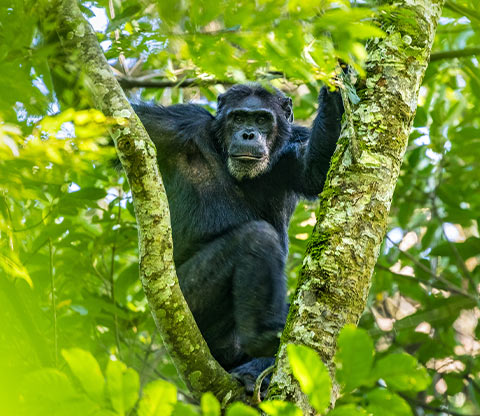
Experience the premier primate adventure with our 1 Day Chimpanzee tracking in Kibale Forest Park from Fort portal town. Designed for travelers with limited time, this high-energy expedition takes you from the charming outskirts of Fort Portal directly into the heart of the world’s primate capital. Kibale Forest is home to an extraordinary density of chimpanzees, offering one of the most reliable and immersive wildlife encounters in East Africa. Your day begins with a scenic, short drive through rolling tea plantations before entering the lush, ancient rainforest. Under the guidance of expert park rangers, you will trek through verdant trails to locate habituated chimpanzee communities. This tour prioritizes efficiency and discovery, ensuring you witness our closest living relatives in their natural habitat while enjoying the breathtaking landscapes of western Uganda. It is the perfect, concentrated nature experience, blending adventure, wildlife education, and conservation in one unforgettable, action-packed day.
Tour highlights
Track wild chimpanzee communities.
Explore Kibale's ancient forest.
Expert guided primate trekking.
Spot diverse forest wildlife.
Scenic Fort Portal drive.
Observe habituated primate behavior.
Immersive nature walk experience.
Unforgettable rainforest wildlife encounter.
Hourly Schedule
06:00 AM: Meet your driver in Fort Portal for a quick breakfast and briefing before departing toward Kibale Forest National Park.
07:00 AM: Enjoy the scenic drive through lush green tea plantations and rural landscapes as you approach the park headquarters today.
08:00 AM: Arrive at the Kanyanchu Visitor Center to register, pay park fees, and receive your mandatory pre-trekking briefing from rangers.
09:00 AM: Begin your immersive guided forest hike, following fresh tracks and listening for chimpanzee calls echoing through the dense canopy.
10:00 AM: Continue trekking deep into the rainforest, observing smaller primates, exotic birds, and unique tree species along the winding trails.
11:00 AM: Finally reach the habituated chimpanzee community and spend one incredible, quiet hour observing their daily social behaviors and interactions.
12:00 PM: Begin your hike back toward the visitor center, reflecting on your magical encounter while walking through the stunning wilderness.
01:00 PM: Enjoy a well-deserved, delicious packed lunch at the forest edge, surrounded by the peaceful sounds of the tropical environment.
02:00 PM: Conclude your trek, receive your tracking certificate, and meet your driver to start the return journey to Fort Portal.
03:00 PM: Arrive back in Fort Portal town, marking the successful end of your thrilling 1 Day Chimpanzee tracking in Kibale Forest.
How much does the Kibale chimpanzee tracking permit cost?
The chimpanzee tracking permit is the core investment for your adventure. As of 2026, the official Uganda Wildlife Authority (UWA) rates are $250 for Foreign Non-Residents, $200 for Foreign Residents, and 180,000 UGX for East African citizens. These permits are in high demand and are strictly limited in number to manage human impact on the forest, so it is crucial to secure yours several months in advance. You can book directly through the UWA reservation office in Kampala or, more conveniently, through a licensed tour operator who will manage the logistics and payment on your behalf. Always verify the current rates at the time of booking, as UWA occasionally updates pricing to support ongoing conservation efforts and community-based projects surrounding the park.
What does the permit price include?
Your permit fee is a comprehensive package designed to provide a safe, educational, and professional experience. It includes your entry fee into the national park, which supports the preservation of the forest's immense biodiversity. More importantly, it covers the expertise of a highly trained UWA ranger guide. These professionals are not only trackers but also educators who will provide the mandatory pre-trek briefing, explain chimpanzee social structures, and help you navigate the dense forest safely. The permit also grants you that coveted hour of direct observation once the chimpanzees are located. This fee directly funds the long-term conservation of Kibale, ensuring that these incredible habitats remain protected for the health of the primate populations and future generations of visitors.
What is the cheapest way to do this from Fort Portal?
For travelers mindful of their budget, the most cost-effective approach is to arrange your own transport and book your permits independently well in advance. From Fort Portal, you can hire a local 4x4, take a shared taxi, or even organize a boda-boda (motorcycle taxi) to reach the Kanyanchu Visitor Center. However, while DIY transport is cheaper, do not compromise on the permit process; ensure you have confirmed your UWA permit slot before finalizing your transport. By staying in a budget guesthouse in Fort Portal and organizing your own logistics, you can significantly reduce costs. Always aim to coordinate your travel the evening before your trek to ensure you are at the visitor center in time for the early morning briefing.
Are there any discounts on chimpanzee permits?
Currently, the Uganda Wildlife Authority does not offer seasonal or off-season discounts on chimpanzee tracking permits in Kibale. The pricing is standardized to ensure consistent support for the high costs of forest patrolling, habituation maintenance, and conservation research. While some lodges or tour operators might offer promotional rates on accommodation or transport during the "low" travel seasons (typically the wettest months), the permit fee remains fixed. It is best to budget for the full cost of the permit regardless of the time of year you choose to visit. This transparency helps ensure that the conservation funds are reliably generated throughout the year, regardless of tourist volume, maintaining the high standards of protection that Kibale’s chimpanzees require.
How far is Kibale National Park from Fort Portal town?
Kibale National Park is remarkably close to Fort Portal, making it one of the most accessible primate destinations in Uganda. The visitor center at Kanyanchu is roughly 26 km (about 16 miles) south of town, a distance that usually takes between 30 to 45 minutes to cover by road. The route takes you through lush landscapes, including parts of the scenic Kabarole tea plantations. Because the drive is so short, Fort Portal serves as an ideal "base camp" for your trek. Many travelers choose to stay in town for the amenities and variety of lodging, then take a quick, early-morning drive to reach the park in plenty of time for the 8:00 AM briefing.
What time does the trek start?
The tracking schedule is strictly regulated to provide the best experience for visitors and to respect the animals' routines. There are two sessions daily. The morning session is the most popular, beginning with a mandatory, highly informative briefing at 8:00 AM. During this session, rangers explain the "rules of the forest," including safety protocols and tracking etiquette. An afternoon session is also available, beginning at 2:00 PM. Arriving early for the briefing is critical; failure to attend the pre-trek instructions may result in being unable to join the group. Always aim to reach the Kanyanchu Visitor Center at least 30 minutes before your scheduled start time to complete registration and pay any final fees.
How long is the chimpanzee trekking experience?
The total duration of your trekking experience can vary, typically lasting between 2 and 5 hours. This range is determined by the natural movements of the chimpanzee community you are tracking. Chimpanzees are wild animals that move through the forest daily in search of ripe fruit, and while the trackers use their extensive knowledge to locate the community's nesting sites from the previous night, finding them can sometimes require a longer hike. Once you locate the group, you spend one dedicated hour observing them. Your patience during the hike is rewarded by the unique privilege of watching their complex social interactions, making even the longer, more strenuous treks an incredibly rewarding part of the adventure.
Will I actually see the chimpanzees?
Thanks to a long-term habituation program that has been in place for decades, Kibale National Park boasts an exceptionally high success rate for chimpanzee sightings, consistently exceeding 90%. Because these communities have become accustomed to the presence of researchers and visitors, they continue their daily activities—such as feeding, playing, and grooming—without being disturbed by your presence. Professional trackers are deployed into the forest ahead of your group every single morning to pinpoint the exact location of the chimpanzees. While they are free-roaming wild animals and absolute guarantees are never possible in nature, the combination of high density, expert tracking, and habituation makes Kibale the most reliable place on earth for this encounter.
Can I visit on the same day I arrive in Fort Portal?
While technically possible if you arrive very early, it is strongly recommended that you arrive in Fort Portal the day before your scheduled trek. Attempting to travel and trek on the same day can lead to unnecessary stress, especially if there are unexpected delays on the road from Kampala or other parts of Uganda. Staying in Fort Portal the night prior allows you to rest, acclimatize, and ensure you are fresh and ready for the early morning briefing at 8:00 AM. It also provides a buffer in case of travel delays, ensuring you do not miss your permit window, which is often difficult to rebook on short notice.
What is the minimum age for chimpanzee trekking?
The minimum age for tracking in Kibale is strictly 15 years. This is a vital conservation policy enacted to protect the health of the chimpanzee communities. Chimpanzees share approximately 98% of human DNA and are extremely vulnerable to human respiratory illnesses, such as the common cold or flu. Younger children are more likely to harbor these infections. Furthermore, the trek involves navigating dense, uneven, and sometimes challenging terrain for several hours, requiring a degree of physical maturity and the ability to follow strict safety rules, such as remaining silent and maintaining a distance. This age restriction is non-negotiable and strictly enforced by park authorities to safeguard both the visitors and the primates.
How close can I get to the chimpanzees?
To ensure the health and safety of both you and the chimpanzees, you must maintain a strict distance of at least 8 to 10 meters (approximately 26 to 33 feet) at all times. This "buffer zone" is essential for preventing the transmission of diseases and ensuring the primates do not feel crowded or threatened. In the wild, if the chimpanzees happen to move toward you, you must remain calm and slowly back away to re-establish the distance. Rangers are there to guide you and will instruct you on how to move safely. By respecting this distance, you demonstrate ethical, responsible tourism, allowing you to observe their natural behaviors without causing them any stress or discomfort.
Can I use a flash camera?
Flash photography is strictly prohibited. You must ensure your camera, phone, or any recording equipment has the flash feature completely disabled before you begin your trek. Chimpanzees are wild creatures, and a sudden, bright flash can be jarring, startling, or even perceived as an act of aggression, potentially leading to defensive behavior or causing them to retreat deep into the forest canopy. Furthermore, the natural light in the rainforest can be dappled and low; instead of using a flash, focus on using a higher ISO setting or a lens with a wider aperture. Respecting this rule protects the animals' well-being and helps keep your encounter peaceful and uninterrupted.
What should I wear on the trek?
Preparation is key to a comfortable and safe trek. Wear long-sleeved shirts and long trousers to protect your skin from thorns, stinging nettles, and insects. Breathable, quick-dry synthetic materials are better than heavy cotton. Sturdy, waterproof hiking boots with good ankle support are essential for navigating the forest floor, which can be slippery, uneven, or muddy. Choose neutral colors like olive, khaki, or forest green to blend in with the environment. Avoid bright, reflective colors, and ensure you wear comfortable, moisture-wicking socks. This attire not only keeps you protected from the forest elements but also helps you remain as unobtrusive as possible in the primates' natural habitat.
What items should I pack in my daypack?
Pack a small, comfortable daypack containing the essentials: at least 1–2 liters of water to stay hydrated during the hike, and a packed lunch or high-energy snacks. Because the weather in a tropical rainforest can change rapidly, include a lightweight, waterproof rain poncho. Pack a high-quality insect repellent (containing DEET) and sunscreen. Do not forget your camera (with the flash disabled) and perhaps a pair of lightweight binoculars for spotting birds or primates high in the canopy. Everything you pack should be in a waterproof bag to protect against sudden downpours, and try to keep your pack as light as possible to make the trek more enjoyable.
Can I hire a porter to help carry my bag?
Yes, hiring a local porter is a highly recommended option. Available at the Kanyanchu Visitor Center for around $20, porters are local community members who know the trails intimately and are expert at navigating the forest. Hiring a porter is a fantastic way to directly support the local community, as the money goes directly to their families. Furthermore, having someone to carry your bag and offer a steadying hand on slippery slopes makes the trekking experience much more enjoyable and less tiring. It allows you to keep your hands free for your camera or binoculars, ensuring you can stay fully focused on the magnificent sights around you.
Booking chimpanzee tracking in Kibale Forest Park with us Roads of Adventure safaris
Book your chimpanzee tracking safari in Kibale Forest National Park with Roads of Adventure Safaris for a fully guided, end-to-end experience that handles all transport, park entry, and local logistics
