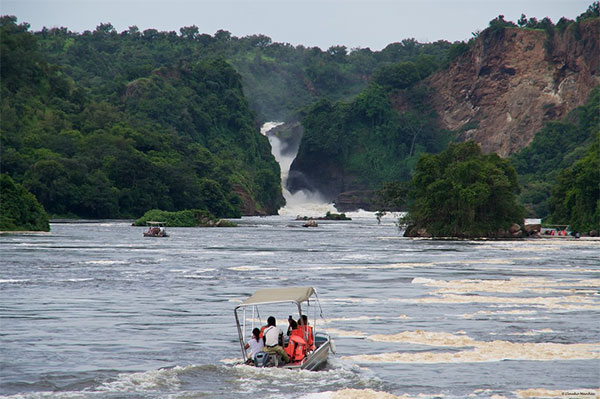
Murchison Falls National Park stands as Uganda’s top destination for a quintessential classic big-game wildlife safari. It features sprawling savannas, huge herds of elephants and Nubian giraffes, lions, leopards, and the legendary River Nile bursting through a narrow 7-meter gorge. If your focus is primates, Bwindi Impenetrable National Park leads for mountain gorilla trekking, while Queen Elizabeth National Park excels in landscape variety and tree-climbing lions.
3-days-affordable-uganda-budget-gorilla-trekking-via-kigali
3-day-budget-gorilla-trekking-safari-in-uganda
2-days-affordable-budget-uganda-safari-to-queen-elizabeth-national-park
2-days-budget-uganda-safari-to-murchison-falls-park
4-days-budget-queen-elizabeth-park-and-chimpanzee-tracking-in-kalinzu-forest
6-days-budget-uganda-safari-and-gorilla-trekking
7-days-budget-uganda-safari-tour-package
10-days-luxury-uganda-gorilla-trekking-safari-and-big-five-safari-vacation
9-days-luxury-gorilla-and-uganda-safari-tour-package
8-days-luxury-uganda-wildlife-safari-tour-package
4-days-luxury-gorilla-trekking-safari-in-bwindi-fly-in-all-inclusive-tour
4-days-luxury-murchison-falls-and-jinja-uganda-safari-vacation
Which Park is best for seeing classic big game in Uganda?
Murchison Falls National Park is widely considered the top choice for classic big game. Its vast, open savannas north of the Victoria Nile host large populations of elephants, Rothschild’s giraffes, Cape buffaloes, lions, and leopards. The open terrain makes game viewing straightforward and rewarding throughout the year. Early morning drives frequently yield sightings of predators returning from nocturnal hunts, while the riverbanks draw massive herds of herbivores seeking water during the heat of the day.
What makes Queen Elizabeth National Park unique for a safari?
Queen Elizabeth offers exceptional biodiversity across varied ecosystems, ranging from open savannas and wetlands to crater lakes and dense forests. It is globally famous for the Ishasha sector’s tree-climbing lions, which rest in the branches of large fig trees. Additionally, the Kazinga Channel boat cruise offers exceptionally close encounters with massive hippo concentrations, bathing elephants, and hundreds of bird species along the shoreline.
Is Bwindi Impenetrable National Park good for general wildlife viewing?
Bwindi is primarily a specialized gorilla trekking destination rather than a traditional vehicle-game-drive park. While it shelters forest elephants, bushbucks, and a wide variety of monkeys and endemic birds, the dense tropical jungle foliage makes spotting traditional savanna wildlife practically impossible. Visitors go to Bwindi specifically to hike through the ancient rainforest and spend a transformative hour with habituated mountain gorilla families.
Why is Kidepo Valley National Park called Uganda’s hidden gem?
Located in the remote far northeast, Kidepo offers raw, untouched wilderness away from crowd paths. Its vast open plains are framed by rugged mountain ranges, creating some of the most striking scenery in East Africa. Because of its isolated location, Kidepo hosts species rare or absent elsewhere in Uganda, including cheetahs, ostriches, caracals, and bat-eared foxes, making the long journey deeply rewarding.
What is the best national park for chimpanzee tracking?
Kibale National Park is the undisputed capital for chimpanzee tracking in East Africa. Protecting a dense evergreen rainforest, Kibale shelters over 1,500 chimpanzees along with 12 other primate species. Guided treks through the forest offer an extraordinary success rate for finding habituated chimpanzee troops, allowing travelers to observe their energetic social interactions, vocalizations, and feeding behaviors up close in their natural habitat.
Where can I see white rhinos in Uganda?
Wild rhinos are viewed at the Ziwa Rhino Sanctuary in Nakasongola. Ziwa serves as the dedicated breeding center restoring southern white rhinos to Uganda after they were driven to local extinction decades ago. Located conveniently along the highway to Murchison Falls, Ziwa offers guided foot tracking, allowing visitors to walk safely within a short distance of these majestic creatures alongside trained rangers.
Which Park is closest to Kampala or Entebbe for a quick safari?
Lake Mburo National Park is the most accessible national park from the capital region, located roughly 3.5 to 4 hours southwest of Kampala. It serves as an ideal destination for short 1- or 2-day itineraries. Lake Mburo features rolling acacia woodlands and lakes, hosting species not easily seen in western parks, such as large herds of impalas, zebra, and eland.
Can I complete a "Big Five" safari in Uganda?
Yes, a full "Big Five" safari is achievable in Uganda by combining destinations. You can track white rhinos on foot at Ziwa Rhino Sanctuary, and then proceed to Murchison Falls or Queen Elizabeth National Park to view lions, leopards, African bush elephants, and Cape buffaloes across the savanna plains. This combination delivers a complete classic African wildlife experience.
What makes the Kazinga Channel boat cruise special?
The Kazinga Channel is a natural 32-kilometer waterway connecting Lake George and Lake Edward. Taking a boat cruise here brings you remarkably close to one of the world's highest concentrations of hippos. Herds of elephants frequently march down to drink and cool off, while giant Nile crocodiles sun themselves on the banks alongside skimmers, pelicans, and fish eagles.
What is the best time of year to go on a Uganda safari?
The primary dry seasons—from June through August and December through February—are ideal for safari travel. During these months, vegetation is thinner, making animals easier to spot in the bush. Wildlife also gathers around permanent rivers and waterholes. Additionally, unpaved park tracks remain dry and easily navigable for safari vehicles.
How do game drives in Murchison Falls compare to Queen Elizabeth?
Murchison Falls generally features larger open savanna expanses and higher concentrations of large mammals like giraffes and elephants on game drives. Queen Elizabeth offers a more varied landscape backdrop with volcanic crater lakes and the snow-capped Rwenzori Mountains, alongside unique highlights like the tree-climbing lions in its southern sector.
What bird species can I see in Uganda’s national parks?
Uganda is an international birdwatching haven, boasting over 1,000 recorded species due to its convergence of East African savanna and West African rainforest biomes. Key highlights include the rare, prehistoric-looking Shoebill stork, the Great Blue Turaco, African Green Broadbill, Flamingos in crater lakes, and dozens of colorful kingfishers and raptors scattered across park wetlands.
Are walking safaris permitted in Uganda?
Yes, guided walking safaris are permitted in select national parks and reserves. Lake Mburo National Park and Kidepo Valley offer excellent bush walks where you can track wildlife on foot. Specialized nature walks are also available in Murchison Falls and Queen Elizabeth. All walking safaris are strictly conducted alongside armed, highly trained Uganda Wildlife Authority rangers for safety.
What is the top park for witnessing the Shoebill stork?
Mabamba Swamp near Entebbe is renowned for Shoebills, but within national park boundaries, the Victoria Nile Delta in Murchison Falls National Park is outstanding. Taking a specialized boat launch downriver toward Lake Albert provides excellent opportunities to spot these solitary, dinosaur-like birds hunting among papyrus reeds.
Is gorilla trekking physically demanding?
Gorilla trekking in Bwindi or Mgahinga requires a moderate to high level of physical fitness. Treks involve hiking through thick jungle, unpaved muddy slopes, and tangled vegetation at altitudes between 1,100 and 2,600 meters. The search can last anywhere from 1 to 6 hours depending on where the gorilla family moved the previous night.
What is the tree-climbing lion phenomenon in Ishasha?
In the Ishasha sector of Queen Elizabeth National Park, resident lion pride members regularly climb into the branches of large sycamore fig trees. They do this to escape the intense afternoon heat, catch cool breezes, and avoid biting insects on the ground. Watching a full-grown lion sprawling comfortably on a tree branch is a breathtaking sight.
What should I pack for a Ugandan game safari?
Pack lightweight, breathable clothing in neutral tones like tan, khaki, and green to blend into the bush. Avoid dark blue or black, which attract tsetse flies. Essential items include sturdy walking shoes, a broad-brimmed hat, sun protection, high-strength insect repellent, good binoculars, a camera, and a light rain jacket for sudden forest showers.
Do I need a 4x4 vehicle for safaris in Uganda?
Yes, a custom-built 4x4 safari vehicle—such as a Land Cruiser or safari van with a pop-up roof—is essential. While main highways between cities are paved, tracks inside national parks consist of dirt, gravel, and sand. Rain can instantly turn these tracks muddy and rough, making four-wheel-drive capabilities necessary to navigate comfortably.
How much does a gorilla trekking permit cost in Uganda?
As of current official rates, a gorilla trekking permit in Uganda costs $800 for foreign non-residents, $700 for foreign residents living in East Africa, and 300,000 UGX for East African Community citizens. The permit covers park entry, armed ranger escort, and exactly one hour spent in the presence of a habituated mountain gorilla family.
What is the difference between gorilla trekking and gorilla habituation?
Standard gorilla trekking grants a group of eight visitors one full hour with a fully habituated gorilla family that is accustomed to human presence. Gorilla habituation permits allow a smaller group of four visitors to spend up to four hours with a gorilla family undergoing the process of becoming habituated, accompanied by researchers and trackers.
Can children go on wildlife safaris in Uganda?
Children are welcome on traditional wildlife safaris, including game drives, boat cruises, and nature walks in parks like Murchison Falls, Queen Elizabeth, and Lake Mburo. However, strict age limits apply for primate activities: children must be at least 15 years old to participate in gorilla trekking or chimpanzee tracking due to safety and health regulations.
What makes Mgahinga Gorilla National Park special?
Mgahinga is Uganda's smallest national park, located in the dramatic Virunga Volcanic Range bordering Rwanda and the DRC. It offers mountain gorilla trekking in a alpine setting, specialized tracking for endangered golden monkeys, and challenging day hikes to the summits of three extinct volcanoes: Mount Gahinga, Mount Sabyinyo, and Mount Muhavura.
Is it safe to visit Uganda’s national parks?
Visiting Uganda's national parks is very safe. Parks are actively protected by trained Uganda Wildlife Authority rangers, tourism police, and security forces. Routine patrols ensure visitor safety within conservation zones. Following your guide's instructions, remaining inside your vehicle during game drives, and respecting wildlife distance ensures a secure and memorable trip.
What accommodation options are available inside the parks?
Ugandan national parks offer diverse lodging suited to every travel budget. Options range from basic community campsites and budget safari lodges to high-end tented camps and luxury boutique lodges. Many lodges are positioned along riverbanks or elevated ridges, providing sweeping wilderness views and frequent visits from wildlife near the property grounds.
What species of monkeys can I see in Kibale National Park?
Kibale National Park protects 13 primate species within its dense canopy. Beyond habituated chimpanzees, visitors frequently spot red-tailed monkeys, L’Hoest’s monkeys, black-and-white colobus, Ugandan red colobus, grey-cheeked mangabeys, and blue monkeys during forest walks, making it a dream location for primate enthusiasts.
Why is Semuliki National Park unique?
Semuliki National Park represents an eastern extension of the vast Ituri Rainforest of the Congo Basin. It features unique biodiversity, including central African bird and mammal species found nowhere else in East Africa. The park is also famous for the powerful Sempaya Hot Springs, where boiling water bubbles up from deep underground rock fissures.
What is the hike to the top of Murchison Falls like?
The hike to the top of Murchison Falls is a scenic 45-minute trek starting from the river boat landing at the base of the falls. The trail winds uphill along the gorge edge, offering vantage points where you can feel the ground vibrate and witness the full force of the Nile squeezing through the rock gap.
Are night game drives allowed in Uganda?
Night game drives are permitted in specific national parks under official ranger supervision, including Lake Mburo, Queen Elizabeth, and Murchison Falls. Guided by powerful spotlights, night drives offer a rare chance to search for elusive nocturnal species such as leopards, spotted hyenas, servals, genets, bushbabies, and nightjars actively hunting after dark.
How many national parks does Uganda have in total?
Uganda features 10 gazetted national parks managed by the Uganda Wildlife Authority. These protected areas span diverse ecological landscapes across the country, ranging from savanna plains and low-altitude rainforests to papyrus swamps, volcanic lakes, and high-altitude glacial peaks in the Rwenzori Mountains.
How many days are recommended for a comprehensive Uganda safari?
A well-rounded safari covering classic savanna game drives, Nile boat cruises, chimpanzee tracking, and mountain gorilla trekking typically requires 7 to 10 days. This timeframe allows for comfortable travel between national parks, adequate rest, and an immersive wilderness experience across Uganda’s varied landscapes
Booking Safari in Uganda with us Roads of Adventure safaris
You can book a custom safari in Uganda by contacting Roads of Adventure Safaris directly via their official website, email at info@roadsofadventuresafaris.com, or phone at +256 701041637
