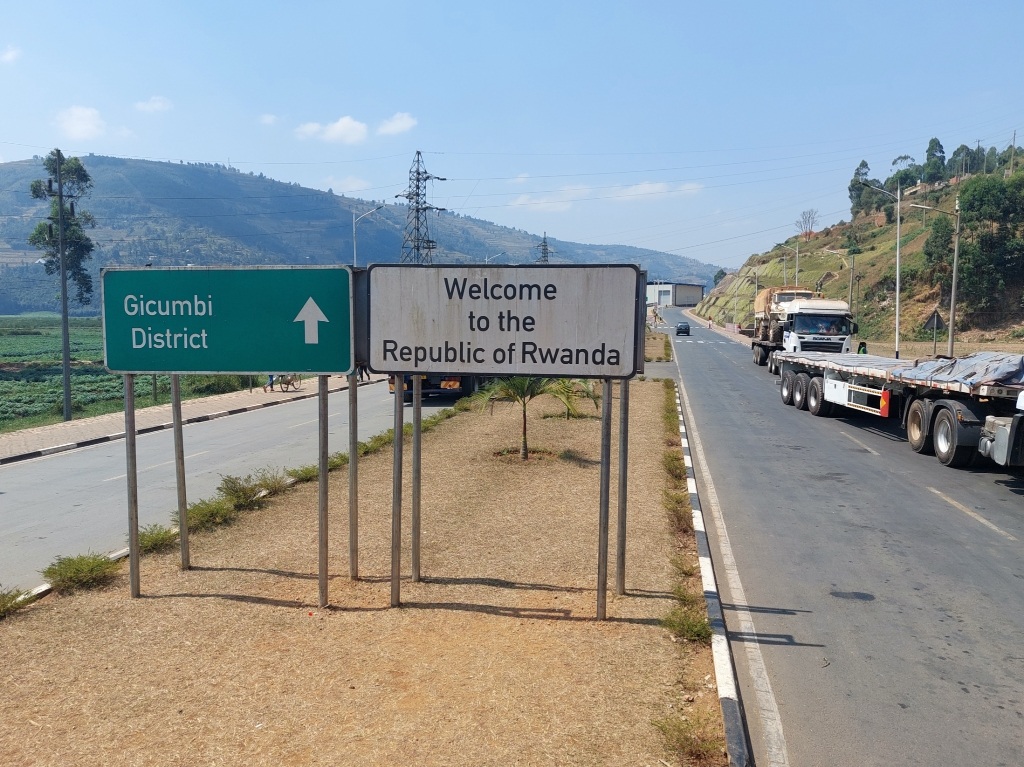
Crossing between Uganda and Rwanda on an overland safari is straightforward, but picking the right border post makes a huge difference in drive times and tour logistics. Depending on which gorilla trekking sectors or wildlife parks you are visiting, your itinerary will route through one of three main border posts: Katuna (Gatuna), Cyanika (Kyanika), or Mirama Hills (Kagitumba).
Popular Uganda Rwanda safari tours
6-days-classic-uganda-rwanda-safari-tour-package-holiday
3-days-rwanda-gorilla-trekking-safari-itinerary-in-volcanoes-park
4-days-rwanda-golden-monkey-tracking-and-bisoke-hiking-tour-package
4-days-best-volcanoes-and-bwindi-impenetrable-national-park-double-gorilla-trekking
4-days-rwanda-primates-safari-gorilla-trekking-and-chimpanzee-all-inclusive-package
5-days-best-chimpanzee-tracking-golden-monkey-tracking-and-visit-to-lake-kivu
5-days-rwanda-double-gorilla-trekking-and-golden-monkey-tracking
5-days-uganda-gorilla-trekking-chimps-and-rwanda-golden-monkey-tracking-combo
6-days-gorillas-trekking-chimpanzee-tracking-and-golden-monkeys-safari-in-rwanda
7-days-best-gorilla-trekking-and-other-highlights-of-rwanda-tour
8-days-best-of-rwanda-uganda-safari-volcanoes-to-best-uganda-safari-parks
1. Katuna / Gatuna Border Crossing
This is the main hub on the Kigali–Kampala highway, connecting Kabale on the Ugandan side with Byumba/Kigali in Rwanda. Because it operates 24/7, it handles the bulk of commercial traffic alongside tour vehicles.
· Best safari route: Ideal if your Uganda Rwanda Safari Tour connects Kigali directly to Lake Bunyonyi or the northern/eastern sectors of Bwindi Impenetrable National Park (Buhoma and Ruhija). It is also the standard transit point when continuing north toward Queen Elizabeth National Park.
2. Cyanika / Kyanika Border Crossing
Nestled in the shadow of the Virunga Volcanoes, Cyanika links Kisoro in southwestern Uganda to Musanze (Ruhengeri) in northern Rwanda. It operates daily from 7:00 AM to 9:00 PM and usually has much lighter freight traffic than Katuna, making border checks relatively fast.
· Best safari route: The ultimate choice for cross-border gorilla tracking. It seamlessly joins Volcanoes National Park in Rwanda with Mgahinga Gorilla National Park and the southern Bwindi sectors (Rushaga and Nkuringo).
3. Mirama Hills / Kagitumba Border Crossing
Located further east near Ntungamo (Uganda) and Nyagatare (Rwanda), Mirama Hills features smooth, fully paved customs facilities and mild border queues.
· Best safari route: Perfect for eastern circuit itineraries that link Akagera National Park in Rwanda directly with Lake Mburo National Park or Murchison Falls National Park in Uganda without pushing through heavy city traffic.
Quick routes overview for Uganda Rwanda Safari Tour
An overland Uganda Rwanda Safari Tour relies on three primary land border crossings, each serving distinct national parks and regions:
Katuna / Gatuna Border Crossing: Connecting Kabale (Uganda) with Kigali (Rwanda) along the busy Kigali–Kampala highway, Katuna is the busiest and only 24/7 route. It is the most direct path if your safari links Kigali with Lake Bunyonyi, Queen Elizabeth National Park, or the northern and eastern sectors of Bwindi Impenetrable National Park (Buhoma and Ruhija).
Cyanika / Kyanika Border Crossing: Situated further west in the scenic Virunga volcanic region, Cyanika links Kisoro (Uganda) to Musanze/Ruhengeri (Rwanda). With lighter freight traffic and operating hours from 7:00 AM to 9:00 PM, it is the premier crossing for primate safaris. It provides a direct link between Rwanda's Volcanoes National Park, Uganda's Mgahinga Gorilla National Park, and Bwindi’s southern gorilla trekking sectors (Rushaga and Nkuringo).
Mirama Hills / Kagitumba Border Crossing: Located in the eastern corridor connecting Ntungamo (Uganda) to Nyagatare (Rwanda), Mirama Hills features modern paved customs infrastructure and minimal traffic congestion. Tour operators favor this route when building circuits that join Rwanda's Akagera National Park directly with Uganda’s Lake Mburo National Park.
Key Tips for a Smooth Overland Crossing
· Grab an East Africa Tourist Visa: If your Uganda Rwanda Safari Tour visits both countries, apply online for the single joint East Africa Tourist Visa ($100 USD). It covers multiple entries between Uganda, Rwanda, and Kenya over 90 days and saves you from paying separate entry fees at the border.
· Mind the 1-Hour Time Gap: Uganda operates on East Africa Time (UTC+3), whereas Rwanda is on Central Africa Time (UTC+2). Crossing into Rwanda gains you an hour; crossing into Uganda loses an hour. Keep this shift in mind so you don't miss morning park briefings or gorilla tracking roll-calls!
· Keep Health Records Handy: Immigration officials at all three land borders require a physical Yellow Fever vaccination certificate along with your passport before clearance.
Which border post is best for gorilla trekking in Bwindi?
It depends entirely on which sector of Bwindi Impenetrable National Park you are visiting. If your permits are for the southern sectors—Rushaga or Nkuringo—the Cyanika (Kyanika) border is your best bet. Crossing from Musanze in Rwanda through Cyanika gets you to Kisoro quickly with minimal commercial traffic delays. On the other hand, if your tracking permit is for the northern or eastern sectors—Buhoma or Ruhija—or if you plan to break up the drive at Lake Bunyonyi, use the Katuna (Gatuna) border. Katuna connects directly to Kabale, putting you on the fastest paved roads toward those specific trailheads. Always double-check your gorilla permit location before setting your border route to avoid unnecessary hours on winding dirt roads.
How long does it usually take to cross the border overland?
Border crossing times vary based on the specific post, time of day, and commercial traffic. Cyanika and Mirama Hills are generally much faster, often taking between 30 and 60 minutes because they handle fewer heavy freight trucks. Katuna, as the primary commercial artery along the Kigali–Kampala highway, can be busier. While Katuna operates 24/7, processing can take anywhere from 45 minutes to over two hours during peak freight or holiday travel times. To ensure a quick clearance, keep your printed visas, Yellow Fever cards, and passports readily accessible in your daypack rather than packed away in locked luggage. Traveling early in the morning also helps you beat tour bus queues.
Do I need a separate visa for Uganda and Rwanda?
Not necessarily! If you plan to visit both countries on the same trip, the smartest option is the East Africa Tourist Visa (EATV). This single joint visa costs $100 USD and allows 90 days of multiple-entry travel between Uganda, Rwanda, and Kenya. You must apply online through the immigration portal of the country you will enter first. If you buy individual single-entry visas instead, you will pay around $50 USD for Uganda and $50 USD for Rwanda, but you lose the flexibility of re-entering if your itinerary crosses back over. Securing the East Africa Tourist Visa ahead of time saves money, cuts down on paperwork at the land border, and keeps your travel plans seamless.
What health and vaccination documents are checked at the land borders?
The most critical health document required by immigration officials at all three border posts—Katuna, Cyanika, and Mirama Hills—is an official Yellow Fever vaccination certificate. You must present a valid physical card (the yellow card) showing you received the vaccine at least 10 days before entry. Officials check this alongside your passport before allowing you to proceed to the immigration desk. While routine COVID-19 health checks have largely relaxed, it is always wise to keep digital and physical copies of your standard travel immunizations handy. Carrying a small health folder with your passport ensures you clear border health desks quickly without any unnecessary holds.
How does the time zone change affect safari schedules across the border?
Uganda operates on East Africa Time (EAT, UTC+3), while Rwanda observes Central Africa Time (CAT, UTC+2), creating a one-hour time difference. When you cross from Uganda into Rwanda, you gain an hour; when traveling from Rwanda into Uganda, you lose an hour. This shift is critical when planning early morning gorilla trekking briefings or game drives. Mandatory gorilla tracking roll-calls at park headquarters usually start around 7:30 AM or 8:00 AM local time. Losing an hour when entering Uganda means you must start your road trip even earlier than expected. Always manually adjust your watch and double-check your driver's schedule upon crossing to avoid missing your morning briefing.
Is it safe to drive across the land borders between Uganda and Rwanda?
Yes, traveling across the land borders between Uganda and Rwanda is safe and widely done by international travelers every day. All three official border points—Katuna, Cyanika, and Mirama Hills—are well-policed, fully staffed, and feature modern customs infrastructure. Roads on both sides are paved and generally well-maintained, though mountain roads around the Virunga region can be steep and winding. For a stress-free experience, travel during daylight hours, use a licensed safari vehicle with an experienced local guide, and keep your valuables secure inside the vehicle during border processing. Registered tour drivers know border officials well and navigate border protocols smoothly.
Which border crossing is closest to Akagera National Park?
If your itinerary links Rwanda’s Akagera National Park with Ugandan destinations like Lake Mburo National Park or Kampala, use the Mirama Hills (Kagitumba) border post. Located in the eastern corridor between Nyagatare in Rwanda and Ntungamo in Uganda, Mirama Hills provides a direct, paved route that bypasses heavy city traffic around Kigali. The modern joint-border facilities here handle lower traffic volumes than Katuna, leading to fast clearance times. This route allows game-viewing circuits in eastern Rwanda to seamlessly connect with savannah parks in southwestern Uganda without forcing long detours through central mountain passes.
What is the road condition like leading to and from these border posts?
The main highways leading to all three major border points are fully paved and in good condition. The route from Kigali to Katuna (via Byumba) and onwards to Kabale is smooth tarmac, though it winds through high hills. The drive to Cyanika from Musanze or Kisoro is scenic and paved, offering views of the Virunga volcanoes. Mirama Hills features modern, high-grade paved highways on both sides. However, once you branch off national highways toward specific gorilla trekking sectors in Bwindi or Mgahinga, expect unpaved dirt roads. A sturdy 4x4 safari vehicle is strongly recommended, especially during rainy seasons when mountain tracks get slippery.
Can I rent a car in Rwanda and drive it across the border into Uganda?
Yes, self-drive overland safaris are possible, but you cannot simply drive across with a standard rental vehicle without prior authorization. You must inform your vehicle rental company in advance so they can provide a COMESA yellow card (regional cross-border motor insurance) and a formal letter of authority allowing the vehicle to cross the border. At immigration and customs, you will need to present the car's logbook, insurance, cross-border permit, and pay temporary road taxes for the host country. Because navigating customs paperwork for a vehicle can be complex, many travelers choose an organized safari with an experienced guide who handles transport logistics.
Can I cross the border on foot if taking public transport?
Yes, crossing on foot is common for independent travelers using long-distance buses between Kigali and Kampala or local taxis between border towns. At Katuna, Cyanika, and Mirama Hills, long-distance buses drop passengers off on one side of the post. You walk through health check points, stamp out at the exit immigration desk, walk across the neutral zone, and stamp in at the entry desk before boarding your connecting bus or taxi on the other side. While walking across is straightforward and safe, carry your luggage securely and keep all essential travel documents in a neck pouch or small daypack for easy access.
What currency should I bring for expenses at the border?
It is best to carry small denominations of US Dollars (USD) printed in 2013 or newer, alongside local cash in Ugandan Shillings (UGX) and Rwandan Francs (RWF). While visa fees and major park permits are paid online or via credit card in advance, minor fees like temporary road taxes, driver tips, snacks, or currency exchanges near the border require cash. Money changers operate at all three borders, but exchange rates right at the crossing can be unfavorable. Exchange small amounts of local cash in main towns like Kigali, Musanze, Kabale, or Kisoro before heading to the border post.
Why choose an overland safari between Uganda and Rwanda instead of flying?
An overland safari connecting Uganda and Rwanda offers incredible value and scenery that flying simply cannot match. Driving between the two countries takes you through the "Switzerland of Africa," featuring terraced hillsides, volcanic peaks, crater lakes, and vibrant rural markets. Crossing land borders allows you to seamlessly combine high-end gorilla tracking in Volcanoes National Park with diverse wildlife drives in Queen Elizabeth National Park or relaxing stays at Lake Bunyonyi—all in one continuous road trip. It also saves you the cost of short regional flights, making your overall multi-country safari budget go much further.
Booking Uganda Rwanda safai tour with us Roads of Adventure safaris
Why Book Your Uganda Rwanda Safari Tour with Roads of Adventure Safaris?
Crossing land borders between Uganda and Rwanda takes precise timing, smart route planning, and hands-on logistics. At Roads of Adventure Safaris, based right here in Kampala, we specialize in organizing seamless, cross-border multi-day itineraries across East Africa.
Whether you want to land in Kigali to shorten your drive to Bwindi's gorilla trailheads, combine primate tracking in Volcanoes National Park with big game drives in Queen Elizabeth National Park, or experience an all-inclusive circuit connecting Akagera and Lake Mburo, our team handles every single detail.