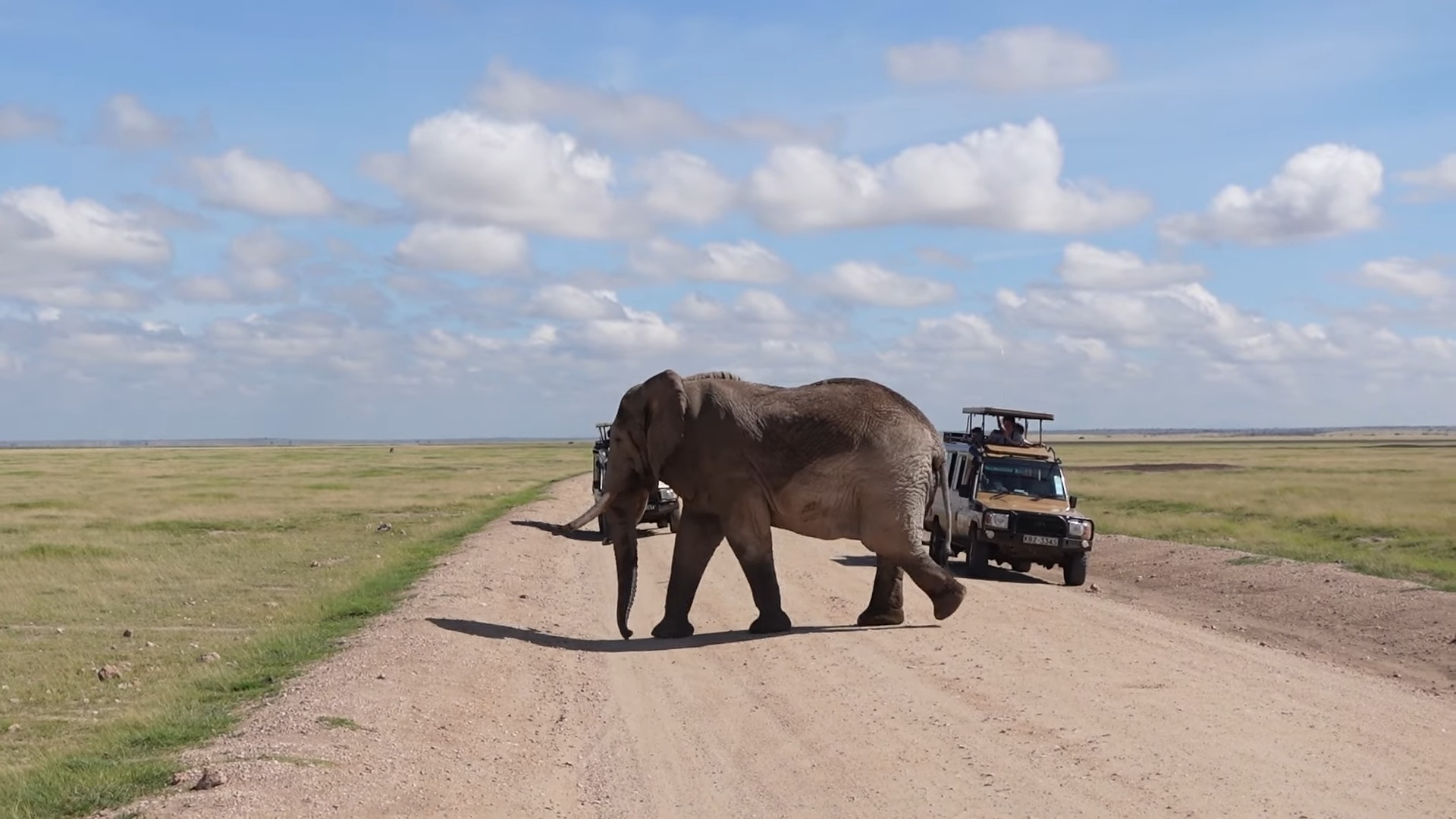
A 12-day Kenya safari typically spans Nairobi, Ol Pejeta, Lake Naivasha, Masai Mara, and Amboseli, offering a mix of luxury and tented camps. Top stays include Hemingways Nairobi or Fairmont The Norfolk (Nairobi), Ol Pejeta Bush Camp (Ol Pejeta), Lake Naivasha Sopa Lodge (Naivasha), Mara Sopa or Ashnil Mara Camp (Masai Mara), and Amboseli Serena Safari Lodge (Amboseli).
12-days-lake-nakuru-masai-mara-central-serengeti-ngorongoro-crater-amboseli-kenya-tanzania-safari
12-days-kenya-tanzania-safari-and-zanzibar-beach-holiday-vacation
12-days-comprehensive-kenya-safari-circuit
12-days-northern-wilderness-and-conservation-focus-kenya-wildlife-safari
12-days-kenya-and-uganda-primate-and-savanna-circuit
Recommended 12-Day Kenya Safari Accommodation Plan
Nairobi (Day 1 & 12): The Gateway to the Savannah
Nairobi serves as the essential bookend for a 12-day Kenya safari, offering a sophisticated transition between international travel and the rugged wilderness. For Day 1, the choice of accommodation sets the tone for the journey. Hemingways Nairobi and House of Waine in the leafy suburb of Karen provide a "boutique" introduction, characterized by plantation-style architecture and personalized butler service. These properties allow travelers to recover from long-haul flights in a tranquil environment, often within earshot of the nearby giraffe sanctuary. For those seeking historical grandeur, Fairmont The Norfolk has been the traditional starting point for explorers since 1904, offering a sense of colonial-era elegance.
On Day 12, as the expedition concludes, proximity to the airport or a final view of the plains becomes the priority. Ole Sereni Hotel is unique in this regard, as it sits on the border of Nairobi National Park. Here, you can enjoy a final sundowner on a terrace while watching wild animals graze against the backdrop of the city skyline—a surreal and fitting end to the trip. Palacina Suites offers a more residential feel, perfect for those who want to repack and unwind in a spacious, stylish apartment-style setting before their flight.
Nairobi’s hospitality sector in 2026 continues to emphasize "Cradle of Mankind" heritage. Most of these top-tier hotels provide seamless airport transfers and "day room" facilities for those with late-night international departures. Whether you are starting your 12-day journey with a visit to the Sheldrick Elephant Orphanage or ending it with a world-class meal at a local steakhouse, these accommodations ensure that the urban portion of your Kenyan holiday is as memorable and comfortable as the time spent in the bush.
Ol Pejeta Conservancy (Day 2-3): Conservation and Connectivity
Moving into the central highlands, the Ol Pejeta Conservancy offers a specialized wildlife experience that focuses heavily on rhinoceros conservation and rare species. Staying at Ol Pejeta Bush Camp provides an authentic "tented" immersion. This camp is situated along the Ewaso Nyiro River and offers an intimate, low-impact environment where the sounds of the African night are separated from you only by canvas walls. It is the ideal choice for those who value an "old-world" safari feel combined with modern sustainability.
For travelers who prefer more traditional amenities, Sweetwaters Serena Camp is a premier choice. This camp is built around a highly active waterhole, meaning you can observe rhinos, buffaloes, and even the occasional lion from the comfort of your private veranda or the camp’s dining terrace. The tents here are permanent structures with solid floors and full en-suite bathrooms, balancing the thrill of sleeping under canvas with the luxuries of a high-end resort.
The primary draw of staying within this 90,000-acre conservancy is the access it provides. Being an Ol Pejeta guest allows for unique activities not found in the national parks, such as visiting the world's last two Northern White Rhinos under 24-hour armed guard or exploring the Sweetwaters Chimpanzee Sanctuary. During your 12-day itinerary, these two days serve as a critical educational pillar, showcasing how private land management and community partnerships are successfully bringing endangered species back from the brink of extinction.
Lake Naivasha (Day 4-5): Lakeside Serenity and Avian Wonders
The Great Rift Valley provides a dramatic shift in scenery as the 12-day Kenya safari moves to the freshwater shores of Lake Naivasha. This stage of the trip is designed for "active relaxation." Lake Naivasha Sopa Lodge and Lake Naivasha Sawela Lodge are expansive properties set within lush, acacia-shaded grounds. It is common to see giraffes, waterbucks, and zebras wandering across the hotel lawns, as there are no fences between the gardens and the wild. These lodges offer large swimming pools and sprawling stone architecture, making them a favorite for families and groups.
For those seeking a more historical and intimate connection to the area, Elsamere Lodge is the former home of Joy and George Adamson, famous for their work with Elsa the lioness. Staying here is like stepping back into a conservationist's memoir; the lodge functions as a study center and museum, serving legendary high tea in the gardens where colobus monkeys frequently play in the canopy.
Activities at Naivasha are centered on the water and the earth. A boat safari from the lodge jetties allows you to see pods of hippos at eye level and watch African fish eagles diving for prey. The proximity to Crescent Island and Hell’s Gate National Park means that Day 4 and 5 are often spent on foot or on bicycles, providing a vital physical break from the 4x4 vehicle. The cool lakeside breeze and the abundance of birdlife provide a tranquil "middle chapter" to the safari, preparing travelers for the high-intensity predator tracking that awaits them in the Maasai Mara.
Maasai Mara National Reserve (Day 6-9): The Heart of the Action
The Maasai Mara is the undisputed highlight of any 12-day Kenya safari, and your choice of camp dictates the "flavor" of your experience. Mara Sopa Lodge and Ashnil Mara Camp are strategically located to provide quick access to the main game-viewing circuits. These are well-established properties that offer reliable luxury, excellent buffet dining, and a vibrant atmosphere. They are particularly well-suited for first-time visitors who want to be in the center of the action during the Great Migration.
For those seeking the pinnacle of Mara heritage, Governor’s Camp sits in a prime location on the banks of the Mara River. Originally reserved for Kenya’s colonial governors, it remains one of the best spots for witnessing dramatic river crossings. If exclusivity is the priority, luxury options in the Mara Triangle or private conservancies—such as Karen Blixen Camp—offer a "low-density" model. Here, you can enjoy off-road driving and night game drives, which are prohibited in the main reserve.
Staying in a luxury tented camp in the Mara is a transformative experience. You wake up to the sound of hippos grunting in the river and end your day with a "sundowner" cocktail overlooking the endless plains. These four days allow for a "deep dive" into animal behavior. Because these camps are located deep within the wildlife corridors, you aren't just visiting the Mara; you are living within it. This duration ensures that even if one day is quiet, you have the "buffer" time to find the elusive leopard or witness a cheetah hunt, fulfilling the primary promise of the 12-day expedition.
Amboseli National Park (Day 10-11): In the Shadow of the Giant
The final wild destination of the 12-day Kenya safari is Amboseli National Park, famous for its iconic views of Mount Kilimanjaro and its massive "tuskers." Amboseli Serena Safari Lodge is a masterpiece of eco-design, influenced by traditional Maasai architecture and blending seamlessly into the acacia groves. It offers a front-row seat to the seasonal marshes where elephants congregate by the hundreds. Amboseli Sopa Lodge provides a more expansive, rustic feel, set within 200 acres of private land that acts as a corridor for wildlife moving between the park and the community lands.
For the most central location, Ol Tukai Lodge is frequently cited as one of the best spots in the world for elephant viewing. The lodge is surrounded by the park’s wetlands, meaning you can often watch elephant families grazing just a few meters from the dining area. The sight of these gentle giants framed against the snow-capped peak of Kilimanjaro is the quintessential image of East Africa.
These final two days are about "contemplative wildlife viewing." After the high-speed drama of the Mara, Amboseli offers a slower, more majestic pace. The clear light of the southern plains is a dream for photographers, and the predictability of the elephant movements ensures that every game drive is successful. As the sun sets on Day 11, the view of the mountain turning purple and gold provides a spiritual and visual crescendo to the 12-day journey, leaving travelers with a profound sense of the scale and beauty of the African continent before they return to Nairobi.
Key Regional Highlights
Ol Pejeta Conservancy: A Beacon of Modern Conservation
Located on the Laikipia Plateau, the Ol Pejeta Conservancy is a groundbreaking 90,000-acre private sanctuary that has become a global leader in innovative wildlife management. For many on a 12-day Kenya safari, this region serves as a critical introduction to the complexities of conservation. It is most famous for being the largest black rhino sanctuary in East Africa. In an era where rhinos face extreme poaching pressure, Ol Pejeta offers a secure haven where these prehistoric giants thrive in high densities. Most notably, it is the home of the world’s last two remaining northern white rhinos, protected 24/7 by armed rangers—a poignant reminder of the urgency of wildlife preservation.
Beyond rhinos, Ol Pejeta hosts the Sweetwaters Chimpanzee Sanctuary, the only place in Kenya where these primates can be seen. Established in partnership with the Jane Goodall Institute, the sanctuary provides a lifelong home for chimpanzees rescued from the black market and abusive conditions. Because chimpanzees are not native to Kenya, this facility offers a unique educational opportunity to understand the plight of our closest biological relatives. The conservancy’s "Big Five" status is also firmly intact, with healthy populations of lions, leopards, and elephants roaming the plains alongside specialized northern species like the Grevy’s zebra.
The "exclusive" nature of Ol Pejeta is what truly sets it apart. Because it is a private conservancy, it is not bound by the strict "road-only" rules of national parks. This allows for specialized activities such as night game drives, which utilize infrared spotlights to find nocturnal hunters, and guided bush walks. Visitors can stay in high-end bush camps that offer a level of intimacy and seclusion rarely found in the busier southern reserves. By visiting Ol Pejeta, travelers are directly contributing to a model where tourism revenue funds cutting-edge anti-poaching technology and community development programs, making it a highlight for the socially conscious adventurer.
Lake Naivasha: The Serene Waters of the Great Rift Valley
As the highest lake in the Great Rift Valley, Lake Naivasha offers a refreshing, aquatic contrast to the dusty savannahs of the Kenyan interior. This freshwater lake is a sensory shift; the air is cooler, the landscape is a lush emerald green, and the soundscape is dominated by the haunting cry of the African fish eagle. For a 12-day Kenya safari, Naivasha serves as a vital "active" stop. Unlike many other regions where you are confined to a vehicle, Naivasha is designed for movement.
The highlight of the region is Crescent Island Game Sanctuary, often called "Naivasha’s best-kept secret." Accessible only by boat, this peninsula allows for incredible walking safaris. Because there are no resident lions or hyenas, you can walk among herds of giraffes, zebras, and waterbucks on foot. This creates an intimate, ground-level perspective that makes you feel like part of the herd rather than a spectator. It is a surreal experience to stand just meters away from a towering giraffe with only the sound of the wind through the yellow-fever acacia trees.
The lake itself is a hub of activity. A boat ride across the water brings you face-to-face with massive pods of hippos, while the papyrus-lined shores are home to over 400 species of birds, including kingfishers, herons, and jacanas. Nearby, the dramatic cliffs of Hell’s Gate National Park offer opportunities for cycling and rock climbing amidst steaming geothermal vents. Whether you are enjoying a traditional high tea at Elsamere—the former home of Joy Adamson—or exploring the volcanic gorges, Lake Naivasha provides a tranquil yet adventurous middle chapter that balances the high-octane game drives of the northern and southern reserves.
Maasai Mara: The Grand Theatre of the Wild
The Maasai Mara National Reserve is the undisputed crown jewel of Kenyan tourism and the primary reason many embark on a 12-day Kenya safari. It is a place of staggering scale and raw biological drama. As part of the greater Serengeti ecosystem, the Mara hosts the Great Wildebeest Migration between July and October, a natural spectacle involving over 1.5 million animals. The "river crossings," where herds brave crocodile-infested waters and steep embankments, are the most sought-after sightings in the world of wildlife photography.
However, the Mara is a year-round powerhouse for game viewing even outside the migration months. Its rolling grasslands support the highest concentration of Big Five animals in the country. It is arguably the best place in Africa to see large prides of lions, often numbering over 20 members, lounging on the granite kopjes. The reserve's open terrain and reliable water sources make it a "cheetah capital," where these high-speed predators use the flat plains to execute their legendary hunts. For the traveler, every game drive in the Mara feels like a scene from a documentary; the visibility is exceptional, and the sheer volume of life—from the smallest dung beetle to the largest bull elephant—is overwhelming.
The Mara experience is enriched by the presence of the Maasai people, the traditional guardians of this land. Many safari packages include visits to local Manyattas (villages), offering a glimpse into a culture that has coexisted with these predators for centuries. The blend of world-class wildlife tracking, legendary sunrises over the savannah, and the vibrant red of the Maasai warriors creates an atmosphere of timeless African magic. Whether you are drifting over the plains in a hot air balloon or tracking a leopard through a riverine forest, the Maasai Mara is the emotional and physical heart of the Kenyan wilderness.
Amboseli: The Land of Giants and Snow-Capped Peaks
Located in southern Kenya near the Tanzania border, Amboseli National Park offers one of the most iconic visual compositions in all of Africa: massive herds of elephants framed against the towering, snow-capped peak of Mount Kilimanjaro. While the mountain is actually across the border in Tanzania, Amboseli provides the best photographic vantage point in the world for capturing its majesty. This "Land of Giants" is famous for its "tuskers"—old bull elephants with ivory that frequently reaches the ground, a sight that is increasingly rare elsewhere on the continent.
Amboseli’s ecosystem is a fascinating study in hydrology. Despite the park's dry, dusty appearance, it is fed by underground springs from Kilimanjaro’s melting snow. these springs create lush, emerald-green swamps that act as magnets for wildlife. During the heat of the day, you can witness hundreds of elephants, buffaloes, and hippos wading deep into the marshes to feed on the succulent grasses. The contrast between the parched, shimmering salt pans and the vibrant green wetlands creates a landscape of striking beauty and high wildlife density.
For a 12-day Kenya safari, Amboseli offers a different pace. It is a compact park, making game spotting highly efficient. Beyond the elephants, the park is home to lions, cheetahs, and over 600 species of birds. The "Observation Hill" provides a 360-degree view of the entire park, allowing you to see the movement of the herds across the plains from above. The sight of a long line of elephants trekking across the dusty horizon at sunset, with the blue silhouette of Kilimanjaro rising behind them, is a spiritual experience that serves as the perfect, powerful finale to a journey through Kenya’s natural wonders.
Top Tips for Choosing Accommodation
- Conservancies vs. Parks: Staying in private conservancies (like those around the Mara) offers exclusive game drives, night drives, and walking safaris, whereas national parks are generally more crowded but offer a more classic game viewing experience.
- Best Time to Visit: The dry seasons (June–October and December–March
12 Days Kenya safari holiday
A 12 Days Kenya safari holiday is a definitive exploration of East Africa’s most celebrated landscapes, offering an immersive journey through the heart of the "Cradle of Mankind." This meticulously paced expedition transcends the typical tourist circuit, guiding you from the urban conservation hubs of Nairobi to the rugged northern frontier of Samburu, and through the dramatic Great Rift Valley to the legendary plains of the Maasai Mara. You will witness the "Samburu Special Five," track rare rhinoceroses in private sanctuaries, and marvel at the massive elephant herds of Amboseli under the watchful eye of Mount Kilimanjaro. This itinerary is designed to showcase the staggering diversity of Kenya’s ecosystems, blending high-octane predator tracking with serene lakeside retreats and rich cultural encounters. Whether witnessing the Great Migration or observing the sunrise from a hot air balloon, this 12 Days Kenya safari holiday provides a transformative connection to the wild, ensuring memories as vast and enduring as the African savanna itself.
Day 1: Arrival in Nairobi
Your 12 Days Kenya safari holiday begins in the vibrant capital of Nairobi, a city that uniquely borders a national park. Upon arrival at Jomo Kenyatta International Airport, you will be met by our professional team and transferred to your boutique hotel. Depending on your flight schedule, you can visit the Giraffe Centre to hand-feed the endangered Rothschild’s giraffes or the Sheldrick Wildlife Trust to meet orphaned elephants. These urban sanctuaries offer an immediate, heartwarming introduction to Kenya’s deep-rooted commitment to conservation. In the evening, enjoy a welcome dinner at a local restaurant or your lodge, where your safari guide will provide a detailed briefing on the adventure ahead. This is a time to adjust to the local rhythm and prepare for your transition from the bustling city to the quiet, majestic wilderness that awaits you in the coming days.
Day 2: Nairobi to Amboseli National Park
Departing Nairobi early, your journey heads south through Maasai country toward Amboseli National Park. As you approach the park, the iconic silhouette of Mount Kilimanjaro—Africa’s highest peak—begins to dominate the horizon. After checking into your lodge and enjoying a late lunch, embark on your first afternoon game drive. Amboseli is world-renowned for its "tuskers," massive bull elephants that roam the dusty plains and emerald-green swamps. The park’s unique hydrology, fed by the melting snows of Kilimanjaro, creates a lush oasis that attracts buffaloes, hippos, and a staggering variety of birdlife. Watching a family of elephants trek across the salt pans with the snow-capped mountain as a backdrop is a quintessential African image. The day concludes with a sundowner, watching the sky turn vibrant shades of pink and gold over the "Roof of Africa."
Day 3: Full Day in Amboseli Exploration
Spend a full day exploring the diverse habitats of Amboseli. An early morning start offers the clearest views of Mount Kilimanjaro before clouds typically gather around its peak. Visit Observation Hill for a panoramic view of the entire park, including the vast Enkongo Narok marshes where wildlife congregates to drink and bathe. Your guide will track lions, cheetahs, and spotted hyenas that frequent the acacia woodlands. Between game drives, you may choose to visit a local Maasai village (Boma) to learn about their ancestral traditions, vibrant beadwork, and modern coexistence with the wild. The park’s compact size ensures high wildlife density, making every drive productive. As the sun sets, the dust kicked up by returning herds creates a magical, golden atmosphere, providing endless opportunities for photography and quiet reflection on the scale of this ancient ecosystem.
Day 4: Amboseli to Lake Naivasha
The 12 Days Kenya safari holiday shifts toward the dramatic scenery of the Great Rift Valley. After breakfast, drive through the central highlands and descend the escarpment to the freshwater shores of Lake Naivasha. This highest lake in the Rift Valley is a haven for hippos and over 400 species of birds. After lunch at your lakefront lodge, enjoy a private boat safari to see enormous pods of hippos and African fish eagles hunting from the yellow-fever acacia trees. Later, take a guided nature walk on Crescent Island Game Sanctuary. Because there are no resident predators on the island, you can walk among giraffes, zebras, and wildebeests on foot, offering a rare and intimate "ground-level" perspective of the bush. The tranquility of the lake and the physical activity of the walk provide a refreshing change of pace from traditional vehicle-based tracking.
Day 5: Lake Naivasha to Lake Nakuru
A short, scenic drive brings you to Lake Nakuru National Park, a premier destination for rhino conservation. Spend the afternoon tracking both black and white rhinoceroses in the acacia forests and grasslands surrounding the alkaline lake. Lake Nakuru offers some of the best chances in East Africa to see these prehistoric giants at close range. The park is also a sanctuary for the rare Rothschild’s giraffe and hosts a healthy population of leopards, often found lounging in the branches of majestic trees. While the lake's famous flamingo populations fluctuate, the shores remain a spectacle of avian life, including pelicans and cormorants. Visit "Baboon Cliff" for a stunning aerial view of the shimmering waters. The combination of rare mammals and spectacular Rift Valley scenery makes Lake Nakuru a vital and visually arresting pillar of your 12-day journey.
Day 6: Lake Nakuru to Maasai Mara
The journey reaches its grandest stage as you enter the world-famous Maasai Mara National Reserve. Traversing the Loita Plains, you will arrive at your luxury tented camp in time for lunch. The Mara is an extension of the Serengeti and hosts the highest concentration of big cats in Kenya. Your afternoon game drive introduces you to the vast, rolling grasslands that define the "African Savannah." Keep your eyes peeled for prides of lions lounging in the sun or a cheetah scanning the plains from a termite mound. The Mara is a place of raw, unfiltered nature where the theater of the wild plays out in every direction. As the sun dips below the horizon, the golden light transforms the landscape, welcoming you to the world's most iconic wildlife destination. Enjoy your first night under canvas, falling asleep to the distant sounds of the wild.
Day 7: Full Day in the Maasai Mara
Dedicate a full, uninterrupted day to the heart of the Mara. With a packed picnic lunch, your guide will head toward the Mara River, the site of the dramatic Great Migration crossings. Even outside migration season, the resident wildlife is staggering; massive herds of buffaloes, elephants, and various antelopes roam the plains. You may witness a lion hunt or a leopard guarding its kill in a secluded thicket. Enjoying a meal under a lone acacia tree surrounded by the sounds of the savanna is the essence of the African safari experience. This day is designed for maximum wildlife immersion, allowing you to explore secluded corners of the reserve far from other vehicles. Your guide's expertise in animal behavior will bring the complex social dynamics of the Mara’s predators and prey to life, providing an intimate look at survival in the African wild.
Day 8: Balloon Safari and Mara Exploration
On this day, you have the option to take a sunrise hot air balloon flight over the Mara. Drifting silently over the plains provides a bird’s-eye view of the winding rivers and animal trails that are invisible from the ground. After a champagne bush breakfast, spend the rest of the day focused on specific animals you haven't seen yet, perhaps the elusive black rhino or the serval cat. In the afternoon, you might visit a traditional Maasai Boma to learn about the vibrant culture and beadwork of the people who have lived alongside these animals for centuries. This blend of aerial adventure, intensive game tracking, and cultural exchange ensures your final full day in the Mara is as diverse as the ecosystem itself. As evening falls, enjoy a final "sundowner" in the reserve, reflecting on the profound beauty of this world-renowned sanctuary.
Day 9: Maasai Mara to Ol Pejeta Conservancy
The 12 Days Kenya safari holiday moves to the Laikipia Plateau to visit the Ol Pejeta Conservancy. This private sanctuary is a global leader in conservation and is famously home to the world’s last two northern white rhinos. After checking into your tented camp, head out for a rhino tracking experience. Ol Pejeta is the largest black rhino sanctuary in East Africa, and seeing these prehistoric giants in such high numbers is a true highlight. You will also visit the Sweetwaters Chimpanzee Sanctuary, providing a home for rescued primates. The afternoon game drive offers a chance to see the "Big Five" against the backdrop of Mount Kenya. This stop highlights the critical role of private land management in species recovery, providing a hopeful and educational narrative that enriches your overall safari experience while offering exclusive, low-crowd wildlife viewing.
Day 10: Ol Pejeta to Samburu National Reserve
Departing the central highlands, your journey heads north into the rugged Samburu National Reserve. This arid landscape of red volcanic soil is home to the "Samburu Special Five"—the Grevy’s zebra, Somali ostrich, reticulated giraffe, gerenuk, and beisa oryx. Upon arrival, embark on an afternoon game drive along the Ewaso Ng'iro River. This river is the lifeblood of the region, attracting large herds of elephants and predators to its shaded banks. Keep your eyes peeled for the rare Grevy’s zebra with its narrow stripes and large ears. The arid atmosphere and the vibrant culture of the local Samburu people create a sense of being in a completely different world, far removed from the lush greenery of the southern parks. The stark beauty of the northern frontier provides a dramatic and visually stunning contrast to the previous days of your safari.
Day 11: Samburu Wilderness and Culture
Spend the day immersed in the unique biodiversity of Samburu. The morning is dedicated to tracking the elusive leopard and the "giraffe-necked" gerenuk, which stands on its hind legs to reach high branches. You will learn about local conservation projects that promote coexistence between predators and pastoralists. In the afternoon, visit a traditional Samburu village to see how their nomadic culture is evolving to include wildlife protection as a core value. The red earth and rugged mountains provide a dramatic backdrop for observing these specialized species in their natural habitat. Between drives, enjoy the tranquility of your lodge overlooking the river, reflecting on the incredible variety of species you have encountered. This deep dive into the northern wilderness reveals a complex social-ecological system where wildlife and people thrive together in a harsh environment, marking a spectacular final day in the bush.
Day 12: Return to Nairobi and Departure
Your 12 Days Kenya safari holiday concludes today. After a final sunrise game drive and a hearty breakfast in Samburu, you will begin the journey back to Nairobi, crossing the equator once more. Alternatively, a "fly-out" option can be arranged to save time and offer a final scenic view of the Rift Valley from the air. Upon arrival in Nairobi, you will have access to a day room to freshen up and relax before your international departure flight. If time permits, stop for a final meal at the famous Carnivore Restaurant or do some last-minute souvenir shopping at a local craft market. As you board your plane, the memories of elephants under Kilimanjaro, the thundering herds of the Mara, and the red dust of Samburu will stay with you forever. You leave with a profound respect for Kenya's natural heritage and its enduring wild spirit.
What types of accommodation are available for a 12-day Kenya safari holiday?
The landscape of Kenyan hospitality is as diverse as its wildlife, offering a spectrum of stays that cater to every sensibility and budget. For a 12-day Kenya safari holiday, the most common and sought-after option is the luxury tented camp. These are far from traditional camping; they feature permanent wooden or stone floors, en-suite bathrooms with hot running water, and plush bedding, all housed under heavy-duty canvas. The "under canvas" experience allows you to hear the nocturnal symphony of the bush—the distant roar of a lion or the grunt of a hippo—while enjoying five-star service.
Alternatively, permanent lodges offer a more traditional hotel-like structure. Often built with local stone and timber, these lodges blend seamlessly into the environment and typically offer more extensive amenities, such as large swimming pools, expansive dining halls, and gift shops. They are ideal for those who prefer the security of solid walls. For the adventurous and budget-conscious, public and private campsites are available. These range from basic sites with shared facilities to "glamping" setups where a crew handles all the logistics. Regardless of the type, Kenyan accommodation focuses on immersion, with many properties designed to overlook waterholes or riverbanks, ensuring that the wildlife viewing never truly stops, even when you are relaxing at your "home" in the wild.
Where should I stay in the Masai Mara for the Great Migration?
To witness the thundering herds of the Great Migration, location is everything. The Maasai Mara National Reserve is roughly divided into the main reserve and several private conservancies. If your primary goal is to see the dramatic river crossings, staying at a lodge like Mara Sopa Lodge or Ashnil Mara Camp within the main reserve is strategic, as they provide quick access to the Mara and Talek Rivers. These established lodges are designed to handle peak-season logistics while keeping you in the thick of the action.
However, for a more exclusive experience, many seasoned travellers opt for luxury tented camps in private conservancies (such as Mara North, Olare Motorogi, or the Mara Triangle). Stays in these areas offer a "low-density" tourism model. While you can still drive into the main reserve for river crossings, the conservancies allow for off-road driving and night game drives, which are prohibited in the national park. This means you can follow a leopard through the brush or sit with a lion pride long after the sun has set. Choosing a camp in a conservancy often provides a more intimate connection to the migration, away from the clusters of vehicles that can sometimes form in the central reserve during the August peak.
What are the best luxury lodges for a Kenya safari holiday?
For those seeking the pinnacle of luxury, Kenya offers properties that consistently rank among the best in the world. Angama Mara is a standout, perched high on the Oloololo Escarpment with glass-fronted suites that offer a "floating" view over the Maasai Mara—this was even a filming location for Out of Africa. It defines high-end safari living with its private airfields and bespoke service. In the northern frontier, Elephant Bedroom Camp in Samburu provides an intimate, boutique feel. Here, the tents are set on the banks of the Ewaso Nyiro River, and it is not uncommon for elephants to wander through the camp to feed on seed pods right outside your deck.
Closer to the capital, Giraffe Manor is perhaps the most Instagrammed hotel in the world. This historic manor allows guests to share their breakfast table with resident Rothschild's giraffes, who poke their long necks through the windows in search of treats. Other notable luxury mentions include Segera Retreat in Laikipia, which blends art and conservation, and Sasaab in Samburu, which offers Moroccan-inspired architecture with views of Mount Kenya. These lodges are not just places to sleep; they are destinations in themselves, offering gourmet dining, private guides, and a level of aesthetic beauty that rivals the landscapes they inhabit.
Are there good budget-friendly places to stay?
A 12-day Kenya safari holiday does not have to be an ultra-luxury expense. There is a robust network of budget-friendly lodges and tented camps that offer clean, safe, and authentic experiences for a fraction of the cost. These properties typically range from $80 to $150 per night and are often located just outside the main park gates. Stays like the Sentrim or Sopa chains offer a "mid-range" comfort that includes en-suite bathrooms, buffet-style meals, and swimming pools, providing excellent value for families and group travellers.
For the true budget traveller, permanent campsites and eco-camps offer the most affordable way to see the Big Five. These camps often use "adventure tents" with twin beds and shared or private exterior bathrooms. While the amenities are simpler, the wildlife experience is identical to that of the luxury camps, as you will be out on the same tracks with the same animals during the day. Many of these budget spots are run by local communities or small-scale entrepreneurs, meaning your stay directly supports the local economy. By choosing these options, you can extend your safari duration or invest more in unique activities like hot air ballooning or cultural visits, making the wild accessible without compromising on the core safari experience.
Where to stay in Amboseli National Park for views of Mt. Kilimanjaro?
Amboseli is defined by the silhouette of Mount Kilimanjaro, and your choice of accommodation can guarantee that you wake up to that iconic view every morning. Amboseli Sopa Lodge is a favourite for its traditional Maasai-style architecture and its sprawling 200-acre grounds. It is positioned to offer some of the most expansive views of the mountain’s snow-capped peak, especially during the clear hours of dawn and dusk. The lodge’s gardens are a haven for birds and monkeys, providing a lush contrast to the park's dusty plains.
Another premier option is the Amboseli Serena Safari Lodge. Set in a grove of acacia trees, it overlooks the Enkongo Narok marshes, where elephant herds congregate throughout the day. The lodge’s design is inspired by a Maasai Manyatta, blending seamlessly into the landscape. For those wanting to be "in the heart" of the action, Ol Tukai Lodge is frequently cited as one of the best spots in the world for elephant viewing. The lodge is located inside the park, and its "Kibo Bar" offers a direct, unobstructed view of Kilimanjaro. Staying at these properties ensures that even during your "down-time" between game drives, you are treated to a visual spectacle that is uniquely Amboseli—the sight of giant "tuskers" silhouetted against the highest mountain in Africa.
What is the best area to stay for a 12-day trip to combine safari and beach?
Combining the dust of the savanna with the white sands of the Indian Ocean is the ultimate way to spend a 12-day Kenya safari holiday. To make this transition seamless, it is best to focus your game viewing in the southern circuit. Staying in Amboseli or Tsavo West/East puts you within easy reach of the coast. After a week of intensive tracking, you can take the "SGR" (Standard Gauge Railway) from the edge of Tsavo directly to Mombasa, or opt for a quick bush flight from a local airstrip.
For the beach portion, Diani Beach is the gold standard. Located south of Mombasa, it offers pristine white sands and turquoise waters. Accommodations here range from boutique hotels like The Sands at Nomad to luxury villas like Almanara. If you prefer a more historical vibe, the town of Malindi or the islands of the Lamu Archipelago offer a blend of Swahili culture and coastal relaxation. By staying in these southern coastal hubs, you can go from watching a lion hunt in the morning to sipping a coconut on the beach by sunset. This "Bush and Beach" combination is the most popular itinerary for honeymooners and families, providing a high-adrenaline start followed by a serene, tropical finish.
Is it better to stay in a tented camp or a permanent lodge?
The choice between a tented camp and a permanent lodge depends entirely on your personal definition of "immersion" versus "solid comfort." Tented camps are widely considered the more authentic safari experience. Because the walls are made of canvas, you are not physically separated from the sounds of the African night. There is a specific romance to sleeping under canvas, often supplemented by the luxury of a "safari shower" and a private deck. These camps are generally smaller and more intimate, catering to fewer guests and offering a more personalized service where the guides and staff become like family over the course of your stay.
Permanent lodges, on the other hand, offer the familiarity of a hotel structure. If the idea of hearing a hyena "whoop" outside your room makes you uneasy, a stone-walled lodge provides a greater sense of security. Lodges are often larger, making them better suited for families with young children who might need more space to run around or those who require specific accessibility features like elevators or paved walkways. They also tend to have more robust electrical systems and faster Wi-Fi. For a 12-day Kenya safari holiday, many travellers choose a "hybrid" approach—staying in a lodge at the start to ease into the environment, and moving to a tented camp in the Maasai Mara for the final, most immersive leg of the journey.
Where should I stay in Nairobi at the start of my 12-day tour?
Nairobi is more than just a transit hub; it is the "Safari Capital of the World." For the start of a 12-day tour, the Southern Sun Mayfair is a perennial favourite. It is a historic property set in beautiful gardens, offering a calm oasis away from the city's hustle. It provides all the modern comforts—excellent Wi-Fi, swimming pools, and a robust breakfast—that help you recover from jet lag before you head into the bush. Its location in the Westlands area also puts you close to great shopping and dining.
For those who want to start their wildlife experience immediately, the Ole Sereni Hotel or Emakoko are fantastic choices. Ole Sereni actually borders Nairobi National Park; you can sit at the bar and watch giraffes and zebras graze just across the fence. If you are looking for a more boutique, high-end start, The Palacina or House of Waine in Karen offer quiet, residential elegance near the Giraffe Centre and the Karen Blixen Museum. Most tour operators recommend staying in the Karen or Westlands areas to avoid the heavy traffic of the central business district. A comfortable first night in Nairobi ensures that you begin your 12-day expedition refreshed and ready for the early morning departures that characterize the safari lifestyle.
Are there family-friendly accommodations on a Kenya safari holiday?
Kenya is an exceptionally welcoming destination for families, and many lodges are specifically designed to cater to younger "explorers." Family-friendly accommodations often feature interconnected tents or large family suites that allow parents and children to stay together while maintaining privacy. Lodges like those in the Serena or Sopa chains are famous for their hospitality toward children, often featuring "Kids' Clubs" or specialized menus. These properties usually have large, fenced-in grounds and swimming pools, providing a safe place for children to play between game drives.
Furthermore, many camps offer specialized guide services for children. Instead of just sitting in a vehicle, kids can join "Young Ranger" programs where they learn to identify animal tracks, use a bow and arrow with Maasai warriors, or learn about local birds and insects. This educational component turns a 12-day Kenya safari holiday into a living classroom. When booking, it is important to check the "age policy" of the camp, as some very remote or intimate tented camps have a minimum age (often 7 or 12 years) to ensure safety and maintain the quiet atmosphere of the bush. However, the majority of Kenyan lodges embrace the "Safari Family" concept, ensuring that travellers of all ages are inspired by the wild.
Where to stay for a close encounter with flamingos at Lake Nakuru?
Lake Nakuru is world-famous for its birdlife and rhino sanctuary, and staying inside the park is the key to seeing the lake at its most beautiful. Lake Nakuru Lodge is a premier choice; it is one of the oldest and most established lodges in the park, offering stunning views over the alkaline waters where flamingos and pelicans congregate. Because it is located within the park boundaries, you can be at the lakeshore within minutes of leaving your room, which is vital for catching the "golden hour" light that bird photographers crave.
Another excellent option is the Sarova Lion Hill Game Lodge. Tucked away on a hill overlooking the lake, it offers a slightly more elevated perspective of the pink-hued shoreline. The lodge is surrounded by acacia trees that are home to a variety of bird species and the occasional leopard. Staying inside the park also means you are already "on-site" for early morning rhino tracking, as Nakuru is one of the best places in Kenya to see both black and white rhinoceroses. Whether the flamingos are present in the millions or have moved to a different Rift Valley lake, these lodges ensure you are in the prime position to experience the unique "pink" energy and diverse wildlife of this essential Rift Valley stop.
Do safari lodges offer full-board meals?
One of the most convenient aspects of a 12-day Kenya safari holiday is that almost all lodges and camps located within national parks and reserves operate on a full-board (FB) or all-inclusive (AI) basis. A full-board stay typically includes breakfast, lunch, and dinner. Breakfast is often served as a "bush breakfast" during a game drive or a hearty buffet at the lodge. Lunch is usually a multi-course affair or a "picnic lunch" if you are spending the whole day in the reserve. Dinner is the highlight, often served under the stars or in a grand dining hall, featuring a mix of international cuisine and local Kenyan dishes.
In luxury camps, "All-Inclusive" often goes a step further by including all soft drinks, local beers, house wines, and sometimes even spirits. This "one-price-covers-all" model is designed for the remote nature of safari; there are no shops or restaurants nearby, so the lodge becomes your sole provider. Most lodges are incredibly accommodating to dietary requirements (vegan, gluten-free, or allergies), provided they are notified in advance. The quality of food in the middle of the Kenyan wilderness is often a surprise to many, with chefs producing fresh bread, soufflés, and gourmet salads using ingredients flown in or grown in local "shambas" (gardens).
Is Wi-Fi available at remote lodges?
In our modern age, the question of connectivity is common, even in the heart of the savannah. Many luxury and mid-range lodges in Kenya do offer Wi-Fi, but it is important to manage your expectations. In remote areas like the Maasai Mara or Samburu, the internet is often provided via satellite or long-range cellular boosters. This means it is usually strong enough for checking emails or sending a few photos to family, but it is rarely suitable for streaming video or making heavy downloads. Often, Wi-Fi is restricted to the main lounge or reception area to encourage a "quiet" atmosphere in the guest tents.
For many, the inconsistent connectivity of a 12-day Kenya safari holiday is seen as a blessing—an opportunity to "digitally detox" and reconnect with nature. If you absolutely must have internet for work, it is worth buying a local Safaricom SIM card at the airport in Nairobi; their 4G/5G coverage is surprisingly good even in remote corners of the country. However, the best advice for a safari is to embrace the "unplugged" lifestyle. Letting go of the digital world allows you to focus on the flickering campfire, the vast starry skies, and the rustle of the wind, which are the true rewards of an African journey.
Where to stay on a 12-day trip that includes Lake Naivasha?
Lake Naivasha is a freshwater gem in the Rift Valley, and the quality of accommodation here is superb. Kiboko Luxury Camp is a premier choice for those seeking a high-end, intimate experience. Located right on the shores, it features only a few tents, ensuring total privacy. The camp is famous for its resident hippos that graze on the lawns at night and its proximity to the boat departure points. It offers a "boutique" lakeside feel that is a perfect contrast to the larger savannah lodges.
For a more traditional lodge experience, Lake Naivasha Sopa Lodge or Enashipai Resort & Spa are excellent choices. Enashipai, in particular, offers a more "resort" feel with a world-class spa and modern suites, making it a great place to rejuvenate in the middle of a 12-day circuit. If you are a bird enthusiast or a fan of conservation history, Elsamere Lodge (the former home of Joy Adamson) offers a charming, nostalgic stay with some of the best high tea in Kenya. No matter where you stay, Naivasha's lodges are characterized by their lush, acacia-shaded grounds and the constant presence of waterbirds, providing a tranquil and green "breather" between the more arid landscapes of Samburu and the Maasai Mara.
How early should I book my 12-day Kenya safari holiday accommodation?
If you are planning a 12-day Kenya safari holiday during the peak season—which encompasses the Great Migration from July to October and the Christmas/New Year period—booking early is essential. Many of the top-rated luxury tented camps have fewer than 10 or 12 tents, and they can fill up 6 to 12 months in advance. This is especially true for properties located near the Mara River or in the private conservancies. Booking early not only guarantees your first choice of accommodation but also often allows you to lock in current year prices before any annual increases.
If you are more flexible with your dates and are travelling during the "Green Season" (November to May, excluding the holidays), you can often book with just 2 or 3 months' notice and sometimes take advantage of "last-minute" or low-season specials. However, for a 12-day multi-destination trip, the logistics of coordinating vehicles, guides, and specific lodges across four or five different parks are complex. To ensure a seamless flow and to secure the best guides, most reputable safari consultants recommend starting the planning process at least 9 months before your intended departure date.
Are private conservancy lodges worth the extra cost?
The short answer is yes. While lodges in private conservancies often come with a higher price tag than those in the national parks, they offer a fundamentally different—and many would say "superior"—safari experience. The primary benefit is exclusivity. In a national park, a lion sighting can sometimes attract dozens of vehicles. In a private conservancy, there is usually a "limit" of three or four vehicles per sighting, ensuring a much more intimate and quieter encounter with the animals.
Furthermore, private conservancies offer activities that are forbidden in national parks. This includes off-road driving, which allows your guide to follow a predator into the bush for a better view, and night game drives, which reveal the fascinating world of nocturnal hunters like leopards and aardvarks. You can also participate in guided bush walks, which are one of the most thrilling ways to experience the savannah. For a 12-day Kenya safari holiday, spending at least a portion of your time in a conservancy like Ol Pejeta or a Mara Conservancy provides a sense of "true wilderness" and personal adventure that is well worth the additional investment.
Booking 12 Days Kenya safari holiday with us Roads of Adventure safaris
For your 12 Days Kenya Safari with Roads of Adventure Safaris, you can choose between several expertly curated itineraries that cover Kenya’s most iconic wildlife destinations, often extending into Tanzania or the Zanzibar coast for a complete East African experience.
