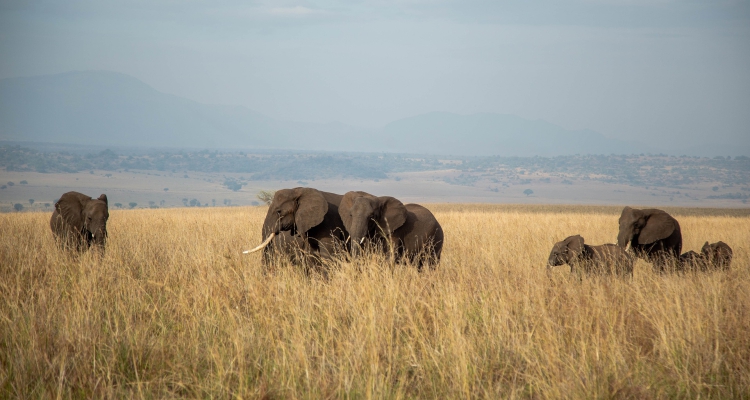
The best time to visit Tarangire National Park for wildlife is during the dry season (June to October), especially September/October, when massive elephant herds gather by the Tarangire River, and other animals are easier to spot due to sparse vegetation and concentrated water sources. For birdwatching and lush green scenery with lower prices, the wet season (November to May) is ideal, though wildlife viewing is less productive as animals disperse
2-days-perfect-lake-manyara-and-tarangire-national-park
5-days-budget-tanzania-safari-tour-package
4-days-best-tarangire-ngorongoro-and-serengeti-safari-itinerary
3-days-amazing-serengeti-safari-to-ngorongoro-crater-tanzania-tour
Dry Season (June – October) - Peak Wildlife Viewing
- Why it's great: Animals concentrate around the Tarangire River, making spotting elephants (hundreds at once!), lions, leopards, and buffalo incredibly easy. Vegetation is thin, and fewer mosquitoes mean less malaria risk.
- Best months: Late June to October for general viewing; September and October for the largest elephant herds.
- Considerations: Peak tourist season, meaning more crowds and potentially higher prices.
Wet Season (November – May) - Birding & Lush Landscapes
- Why it's great: The park is green and beautiful, full of migratory birds (excellent for birdwatchers), and prices are lower as it's the low season.
- When to go: November & December (short rains); March to May (long rains).
- Considerations: Animals disperse, and wildlife viewing is less productive compared to the dry season.
Quick Guide:
- For Big Game/Elephants: June - October (especially Sep/Oct).
- For Birds/Budget: November - May (avoid March-May for wildlife).
Tarangire Monthly Safari Guide
January
This month features lush green landscapes following the short rains. Wildlife is somewhat dispersed but still present, often seen grazing on fresh grass. It is a prime time for birdwatching as migratory species from Europe and Asia are abundant. Temperatures are warm, with daytime highs around 29°C (84°F). Safari-goers can enjoy a more peaceful experience with fewer tourists and lower accommodation rates. The park is vibrant with blooming wildflowers, providing exceptional photography opportunities against the iconic baobab trees.
February: Often the hottest month, February typically sees a short dry spell within the wet season. This break in rain makes game viewing easier as animals move back toward accessible water sources. It is the peak of the calving season for many herbivores, such as zebras and wildebeest, which in turn attracts predators like lions and cheetahs looking for easy prey. The park remains green and beautiful, offering a perfect mix of good game viewing and scenic backdrops without the heavy crowds of the peak dry season.
March
The "long rains" usually begin in mid-March, increasing humidity and rainfall. While mornings may start clear, afternoon thunderstorms become frequent, transforming the park into a vibrant sanctuary. Large migratory herds start moving out of the park toward the surrounding Maasai Steppe as seasonal water becomes available elsewhere. Despite the dispersal of big game, birdwatching remains at its absolute peak. Traveling during this time requires a 4x4 vehicle to navigate increasingly muddy tracks.
April
April is the wettest month, with heavy, frequent rainfall that can make some remote roads impassable. Many camps and lodges may close temporarily due to the conditions. For the adventurous, this low season offers the deepest discounts and absolute solitude in the park. While wildlife is dispersed, resident animals like elephants and lions are still spotted. The lush vegetation is at its thickest, making wildlife spotting more challenging but creating a stunning "Garden of Eden" atmosphere for nature enthusiasts.
May
Rains typically begin to taper off by mid-May, leaving the air clear and free of dust. The park is incredibly lush, providing perfect lighting conditions for photography. Animals slowly begin to return to the park as seasonal water sources outside its boundaries start to dry up. Tourist numbers remain very low, making it an excellent time for those seeking a private safari experience. While big game sightings are less predictable than in the dry season, the emerging greenery against the giant baobabs is visually spectacular.
June
June marks the start of the dry season and is considered a "good" transition month. Vegetation begins to thin out and water becomes scarce, forcing wildlife to move back toward the Tarangire River. Morning and evening game drives can be quite cold, requiring warm layers. It is an excellent time to visit to avoid the peak crowds and higher prices of July and August. Visibility improves daily as the grass dries, and the famous tree-climbing lions are often spotted resting in acacia trees.
July
July begins the peak safari season with "excellent" wildlife viewing ratings. Massive herds of elephants, sometimes numbering in the hundreds, gather along the riverbanks to drink. The "mini-migration" is in full swing as wildebeest, zebras, and buffalo enter the park from the surrounding areas. Weather is sunny and dry with clear blue skies, though mornings remain chilly. Because it is high season, the park becomes busier, particularly around the central river circuits.
August
This is the heart of the dry season and arguably the best month for "big game" action. Predators like lions, leopards, and hyenas are highly active near waterholes where prey is concentrated. The landscape turns a golden brown, and the sparse vegetation makes even the most elusive animals easier to spot. Tourist volume is at its highest, but the sheer density of wildlife near the river ensures spectacular sightings. Malaria risk is at its lowest due to the dry conditions and lack of mosquitoes.
September
Similar to August, September offers world-class wildlife encounters as the park reaches its driest state. The concentration of animals around the Silale Swamp and Tarangire River is immense. Dust levels increase, creating hazy but beautiful golden light for sunset photography. Large herds of buffalo and zebras are common sights, and the competition for water often leads to dramatic predator-prey interactions. Temperatures begin to rise slightly, but the days remain comfortable for extended game drives.
October
October is very dry and can be quite hot before the relief of the short rains. Wildlife viewing remains superb as animals are desperate for the remaining water sources. This is often the best month to see rare species like the fringe-eared oryx and gerenuk. By late October, the first showers may arrive, refreshing the parched earth and bringing a welcome end to the dust. It remains one of the most reliable months for spotting large prides of lions and leopard families.
November
The "short rains" typically arrive in November, triggering a quick transformation of the landscape from brown to green. While rains are usually brief afternoon showers, they cause many migratory animals to begin dispersing away from the river. This month marks the return of migratory bird flocks, making it an excellent time for ornithologists. Safari prices often drop as the park enters the shoulder season. Photography is excellent due to the dramatic storm clouds and vibrant new growth.
December
December offers a "good" safari experience, blending green scenery with respectable wildlife sightings. The short rains often taper off toward the end of the month, followed by a warmer, clearer period. While animals are more spread out than in the peak dry season, the park is less dusty and more visually appealing. It is a popular time for families traveling during the holidays, though it is generally less crowded than the July-August peak. Newborn animals are a common highlight throughout the plains.
Things to Do in Tarangire National Park on Tanzania Wildlife Safari
Tarangire National Park offers a variety of exciting activities for visitors on a Tanzania wildlife safari. One of the park's main attractions is its impressive population of elephants. A game drive provides ample opportunities to see herds of these gentle giants ambling through the acacia woodlands and open savannas. Tarangire is also famous for its spectacular baobab trees, which offer unique photographic opportunities.
Birdwatchers will delight in the park’s birding opportunities, as it is home to over 500 species, including migratory birds during certain seasons. Consider a walking safari led by an experienced guide to immerse yourself in the sights and sounds of the bush, gaining a deeper understanding of the ecosystem. Additionally, the park's diverse landscapes provide opportunities for night drives, allowing you to witness nocturnal wildlife. Cultural visits to nearby Maasai villages can enrich your experience, offering insights into local traditions and lifestyles. Each activity makes Tarangire a must-visit destination on your safari.
Where to Stay in Tarangire National Park on Tanzania Wildlife Safari
Choosing the right accommodation is essential for your Tanzania wildlife safari in Tarangire National Park. The park offers various lodging options catering to different budgets and preferences. For a luxurious experience, consider staying at high-end lodges that provide stunning views of the park, fine dining, and exceptional service. These lodges often feature spacious rooms, private balconies, and swimming pools, making your stay comfortable and memorable.
If you’re looking for a more authentic experience, opt for tented camps that allow you to connect with nature while enjoying essential amenities. Many of these camps offer guided safaris, ensuring you have the chance to spot wildlife right from your doorstep. Regardless of your choice, look for accommodations that prioritize sustainability and support local communities. Proximity to the park entrance is also important, as it allows for easy access to game drives and activities. By selecting the right place to stay, you'll enhance your safari adventure in Tarangire.
Booking Tanzania Wildlife Safari with Us, Roads of Adventure Safaris
When you book your Tanzania wildlife safari with Roads of Adventure Safaris, you’re choosing a trusted partner committed to delivering a memorable experience. Our team specializes in designing tailored itineraries that suit your interests and travel style, ensuring you make the most of your time in Tarangire National Park. We collaborate with top-rated lodges and tented camps to provide you with comfort and convenience during your stay.
Expert guides will accompany you on all game drives, enhancing your understanding of the local wildlife and ecosystem. We handle all logistics, from park fees to transportation, allowing you to focus on enjoying the breathtaking scenery and diverse wildlife. Our emphasis on sustainability and community engagement means your travel supports conservation efforts and local economies. Booking with us guarantees not just a tour, but a lifetime experience filled with adventure, wildlife encounters, and cultural connections. Let us help you create unforgettable memories in Tanzania’s stunning landscapes.
