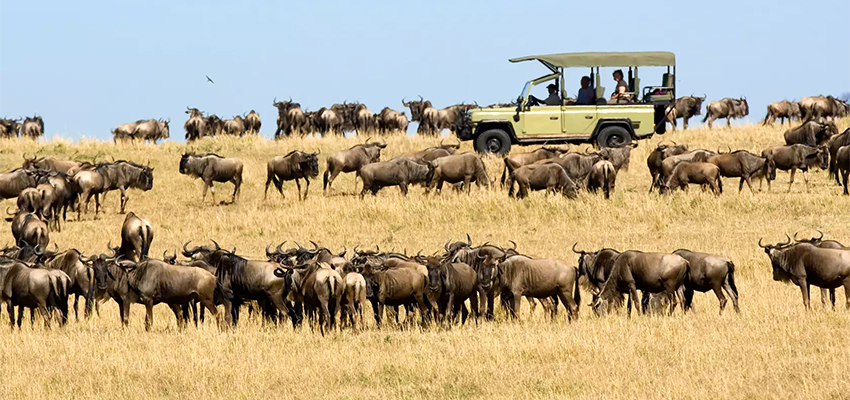
The best time to visit Serengeti depends on your priority: for the ertrfGreat Migration River crossings, aim for June-October, especially July-September in the North. For the calving season (newborns & predators), visit January-February in the southern Ndutu area, offering lush scenery and fewer crowds. The Dry Season (June-October) offers best general viewing as animals gather at waterholes, while the Green Season (Nov-May) provides vibrant landscapes, birding, and lower prices (except peak rainy March/April).
3-days-serengeti-safari-fly-in-ngorongoro-big-five-safari-from-zanzibar-island
3-days-best-of-central-serengeti-safari-begive-spotting-and-game-watching
3-days-ndutu-and-ngorongoro-crater-safari-in-tanzania
3-budget-tanzania-to-safari-serengeti-and-ngorongoro
3-days-southern-serengeti-safari-tour-and-ngorongoro-crater-calving-season-package
3-days-amazing-serengeti-safari-to-ngorongoro-crater-tanzania-tour
4-days-ndutu-and-serengeti-safari-in-tanzania
4-days-tarangire-ngorongoro-and-serengeti-safari-tour
4-days-best-tarangire-ngorongoro-and-serengeti-safari-itinerary
7-days-amboseli-kenya-and-serengeti-fly-in-tanzania-safari
7-days-kenya-safari-in-masai-mara-and-namibia-safari-combo-itinerary
7-days-ultimate-budget-kenya-tanzania-safari-holiday-vacation
Great Migration River Crossings (Dramatic Action)
The period from July to September is one of the most exhilarating times to witness the Great Migration in the Northern Serengeti. This is when thousands of wildebeest, along with zebras, embark on the perilous journey to cross the Mara River, a dramatic event that draws both wildlife enthusiasts and photographers from around the world. The river crossings often showcase intense moments, with herds gathered at the riverbanks, uncertain yet resolute in their attempt to navigate the treacherous waters teeming with crocodiles waiting to strike.
The sight of wildebeests plunging into the river creates a spectacle characterized by chaos, bravery, and instinctual survival. As they cross, you'll see the dramatic interplay of nature as predators like lions and crocodiles take advantage of the vulnerable animals. This time of year, is marked by heightened activity as the wildlife converges around the river, providing exceptional opportunities for game viewing. Not only do you witness the crossing, but the surrounding area also buzzes with life as various animals gather for the water.
For the best experiences, consider staying in lodges or camps close to the river, allowing you to be among the first to witness these thrilling crossings. The Northern Serengeti's stunning landscapes, combined with the electrifying action of the migration, create an unforgettable safari adventure. Witnessing the Great Migration River crossings is not just an event; it's a profound connection to the raw beauty of nature and survival, making it a bucket-list experience for any avid traveler.
Calving Season (Newborns & Predators)
From late January to February, the Ndutu area in the Southern Serengeti transforms into a breathtaking landscape alive with new life during the calving season. This is a prime time to experience one of nature's most awe-inspiring spectacles, as approximately 500,000 wildebeest give birth to their young in the lush, nutrient-rich grasslands. The sheer number of newborns creates an emotional connection to the life cycle in the wild, showcasing the vulnerabilities and survival instincts of both the young and their mothers.
During this season, the plains are bustling with activity as mothers care for their calves, who take their first wobbly steps. The sight of playful newborns stumbling alongside their protective mothers against the striking backdrop of the Serengeti is unforgettable. However, the presence of numerous predators, including lions and hyenas, adds an intense layer of drama to the scene. As newborns attract predators due to their vulnerability, the dynamics of survival unfold, showcasing the delicate balance of life in the wild.
For visitors, this is an excellent opportunity for close wildlife encounters, as the animals are more concentrated in the Ndutu area. The landscape is typically more colorful and vibrant, making photographic opportunities abundant. A trip during this time not only offers the thrill of watching wildlife but also an understanding of the natural rhythms that define life in the Serengeti. Booking a safari during calving season provides an enriching, emotional experience that deepens your appreciation for the breathtaking cycle of wildlife.
General Wildlife Viewing (Dry Season)
The dry season, stretching from June to October, is one of the best times for general wildlife viewing in the Serengeti. During these months, animals begin to concentrate around limited water sources, making them easier to spot. As the dry weather persists, herds of wildebeest, zebras, elephants, and various antelope species migrate toward these watering holes, creating captivating game-viewing opportunities. The visibility and accessibility of wildlife are at their peak, offering visitors a front-row seat to the rich biodiversity the park has to offer.
This season is particularly advantageous for photographers and wildlife enthusiasts, as early morning and late afternoon drives yield the best chances for spotting predators such as lions, leopards, and cheetahs in pursuit of their prey. The dramatic scenery of the Serengeti, marked by golden grasses and open plains, complements the vibrant animal life, making for stunning photographs and unforgettable memories. The absence of rain also means more enjoyable weather conditions for exploring the park, with fewer muddy roads and clearer skies.
In addition to game drives, many lodges offer walking safaris, allowing for a more intimate experience with nature and the opportunity to learn about smaller wildlife and plant life. The abundance of animals and reduced foliage make for memorable encounters, making the dry season one of the prime times to explore the Serengeti. This period encapsulates the essence of the African wilderness, offering an immersive safari experience that resonates long after the journey ends.
June & July: Western Corridor Migration
In June and July, the Serengeti experiences the Western Corridor migration, where large herds of wildebeest and zebra traverse the lush landscapes in search of grazing. During this time, the wildlife becomes increasingly active, making for excellent general viewing opportunities. As the weather cools, particularly at night, the temperatures become more comfortable for exploration, leading to enjoyable days spent game driving or engaging in guided walking safaris.
The Western Corridor is known for its diverse habitats, with a mix of woodlands, open plains, and river systems that attract a variety of wildlife, including hippos and crocodiles. This diverse environment allows visitors to observe a broad spectrum of animals in their natural habitats. As the animals gather around waterholes, the chances of seeing predators increase, adding an extra thrill to daily excursions.
In addition to the wildlife, clear skies and mild temperatures create ideal conditions for photography, particularly during sunrise and sunset. Whether on a game drive or simply enjoying the surroundings from a lodge, the sights and sounds of this period are captivating. Booking your safari during June and July offers a superb chance to witness the unfolding migration while encountering a multitude of wildlife, making it a memorable adventure.
Best time to visit Serengeti national park on Tanzania wildlife safari
August & September: North for Mara River Crossings
August and September represent one of the most dramatic and thrilling times in the Serengeti as the wildebeest migration reaches the Mara River. This period marks the height of the migration's activity, where the herds begin to make their perilous cross from Tanzania to Kenya. Witnessing the river crossings is an iconic safari experience, as wildebeests brave the crocodile-infested waters while navigating treacherous currents. This creates an incredibly dramatic scene that showcases the raw power and instinct of wildlife survival.
While this time is spectacular, it is also quite busy, attracting many tourists eager to experience this natural spectacle. Early morning or late afternoon game drives are the best for avoiding crowds and maximizing your chances of witnessing these breathtaking crossings, which are often characterized by tension, emotion, and sometimes heartbreak as predators lie in wait.
In addition to the migration, August and September provide excellent opportunities to observe general wildlife activity, as various animals congregate near the river. Experienced local guides can enhance your safari experience, providing insights into animal behaviors and the ecosystem. The thrill of witnessing one of nature's greatest events during this period makes it a must-visit for wildlife enthusiasts and photographers.
Best time to visit
October: Transition Month
October serves as a transition month in the Serengeti, as the migration begins to make its way further north while still offering excellent wildlife viewing. The herds slowly start to move towards the northern regions, drawn by changing grazing patterns and the availability of water. This gradual movement often provides fantastic opportunities to observe diverse wildlife interactions, including encounters between predators and the migrating herds.
The weather during October is generally pleasant, characterized by warm daytime temperatures and cooler evenings as the region prepares for the upcoming rainy season. Wildlife remains active, and the chance of encountering lions, leopards, and cheetahs on hunts is heightened as they take advantage of the concentration of prey.
While the migration may not be as intense as it is in August and September, the reduced crowds in October mean you can enjoy a more intimate safari experience. This is an ideal time for wildlife enthusiasts and photographers to explore the stunning landscapes and capture the essence of the Serengeti without the hustle and bustle. Observing the changing dynamics of the migration while appreciating the beauty of the park makes October a rewarding time to visit.
November & December: Green Season Begins
The Green Season begins in November and December, marking a time of rejuvenation and vibrant activity in the Serengeti. Following the dry months, the onset of rains transforms the landscape into a lush paradise, bringing life and color back to the plains. This period is especially beautiful as the park blossoms with wildflowers and rich green grasses, creating a picturesque setting.
During these months, many animals give birth, leading to the appearance of adorable, young calves and lambs. The calving season attracts not only visitors but also predators, creating thrilling wildlife interactions as lions, hyenas, and leopards take advantage of the vulnerable newborns. The lower concentrations of tourists during this time allow for a more peaceful and private experience while exploring the wilderness.
Wildlife viewing during November and December can be rewarding, as animals are more dispersed across the lush landscape, offering various opportunities to experience the park’s diverse ecosystems. Photographers will appreciate the vibrant colors resulting from the rains, adding beauty to their shots. Overall, this is a wonderful time for those looking to witness the circle of life in the Serengeti, making it a captivating time to embark on a safari adventure.
January & February: Calving Season
The months of January and February are synonymous with the calving season in the Southern Serengeti, making it one of the most remarkable periods to visit. During this time, around 500,000 wildebeest calves are born in lush, green pastures, creating a spectacle that highlights the wonders of wildlife reproduction. The sight of numerous newborns standing wobbly on their legs evokes profound emotional responses and captures the essence of life in the wild.
This season not only presents the joy of witnessing new life but also attracts an array of predators looking to capitalize on the vulnerable newborns. This dynamic often leads to dramatic interactions and hunting scenes, enriching your safari experience with adrenaline-pumping moments. Accompanying these events are the vibrant landscapes filled with wildflowers and lush grasses, adding an extra layer of beauty to your journey.
Moreover, the fewer crowds mean you can enjoy a more intimate encounter with nature, allowing for deeper connections with the environment. The cooler temperatures of early mornings and evenings make wildlife viewing particularly pleasant. Engaging with experienced guides during this season can provide further insights into animal behaviors, making your safari an educational adventure. The rich tapestry of life unfolding during calving season ensures an unforgettable experience in the Serengeti.
March & April: Peak Rains
March and April represent the peak rain season in the Serengeti, resulting in a lush yet challenging environment for wildlife viewing. While the rains bring life to the landscape, making it vibrant and green, they also create muddy conditions that can complicate travel and wildlife sightings. Lower visibility and dispersed animal populations during these months mean that fewer tourists venture into the park, resulting in a quieter experience.
Despite some challenges, the ongoing rains are essential for the ecosystem and promote a flourishing environment, enabling the resurgence of plant life and the rejuvenation of animal populations. The landscapes are transformed into stunning vistas filled with meandering rivers and blooming flora. Birdwatchers will find this season especially rewarding as migratory birds return, enriching the vibrant soundscape of the Serengeti with their songs.
Visitors should prepare for unpredictable weather by packing waterproof gear and point out that game viewing may require more patience. While you may not have the traditional extensive wildlife encounters, the beauty of the park during this season offers a unique perspective on its biodiversity. Embracing the challenges of March and April allows travelers to appreciate the raw beauty and resilience of this incredible ecosystem, creating memorable experiences in the heart of the Serengeti.
May: Rains Easing
In May, the rains in the Serengeti begin to ease, signaling the transition from peak rains to a more stable climate. Although the landscape is still lush and green, visitors can expect a gradual return to more favorable conditions for wildlife viewing. This transitional month is advantageous for travelers seeking good value, as fewer tourists are usually present compared to the peak season.
As the migration starts moving north, large herds of wildebeests and zebras can be seen making their way toward the northern plains, following their instinctual patterns in search of fresh grazing. The scenery remains stunning, with verdant landscapes creating a picturesque backdrop for wildlife sightings. The abundance of vegetation provides excellent cover for animals, allowing keen observers to spot various species interacting in their natural habitat.
Wildlife activities can still be prolific, with both prey and predators taking advantage of the environment. The cooler temperatures and gradually clearing skies make for enjoyable game drives as you explore the park. Experienced guides will help you find the best locations for viewing wildlife during this time. Ultimately, May presents an ideal opportunity to enjoy the beauty of the Serengeti while experiencing the beginning of movement in the migration.
Popular Things to Do in Serengeti on a Tanzania Wildlife Safari
A wildlife safari in the Serengeti promises a myriad of unforgettable experiences. Game drives are the most popular activity, allowing visitors to traverse the vast plains in search of iconic animals like lions, elephants, and giraffes. Early morning or late afternoon drives often yield the best sightings. For a unique perspective, consider a hot air balloon safari at dawn, offering breathtaking aerial views of the landscapes and wildlife below, followed by a celebratory champagne breakfast.
Walking safaris provide an intimate exploration of the ecosystem, allowing you to connect with nature on foot while led by experienced guides. Additionally, witness the spectacular Great Migration between July and September, where herds of wildebeest and zebras cross rivers in search of greener pastures. Birdwatching is also exceptional, especially during the green season when migratory species arrive. Whether you seek thrilling encounters or serene moments in nature, the Serengeti offers activities to enthrall every visitor.
Where to Stay in Serengeti on a Tanzania Wildlife Safari
When planning a safari in the Serengeti, choosing the right accommodation is essential for maximizing your experience. Options range from luxurious lodges to intimate tented camps, catering to various budgets and preferences. Luxury lodges, such as Four Seasons Serengeti or Serengeti Migration Camp, offer exceptional amenities and stunning views of the park, ensuring comfort and style during your stay.
If you seek a closer connection to nature, consider tented camps like Serengeti Safari Camp, where you can fall asleep to the sounds of the wild just outside your door. These camps often provide guided walks and unique experiences like bush dinners under the stars.
For visitors looking for budget-friendly options, several public campsites and budget lodges are available, providing basic amenities while still allowing you to immerse yourself in the scenic beauty of the Serengeti. Regardless of where you choose to stay, each option offers unique opportunities to enjoy the captivating wildlife and breathtaking landscapes of this iconic destination.
Booking a Safari in Serengeti with Us at Roads of Adventure Safaris
Booking your Tanzania wildlife safari in the Serengeti with Roads of Adventure Safaris guarantees an expertly crafted experience tailored to your interests. Our team specializes in designing personalized itineraries that encompass the best wildlife viewing opportunities, cultural interactions, and breathtaking landscapes. Whether you're keen on witnessing the Great Migration, participating in walking safaris, or enjoying exhilarating game drives, we ensure every detail is covered for an unforgettable adventure.
Our knowledgeable and passionate local guides are dedicated to maximizing your experience, sharing their insights into the Serengeti's diverse ecosystems and wildlife. We prioritize sustainable tourism practices and work closely with local communities to support conservation efforts, making your journey meaningful.
With a range of accommodations to choose from, whether luxurious lodges or cozy tented camps, we help you find the perfect fit for your needs. Trust Roads of Adventure Safaris to provide seamless logistics and exceptional service while you immerse yourself in the wonders of the Serengeti, creating memories that will last a lifetime.
