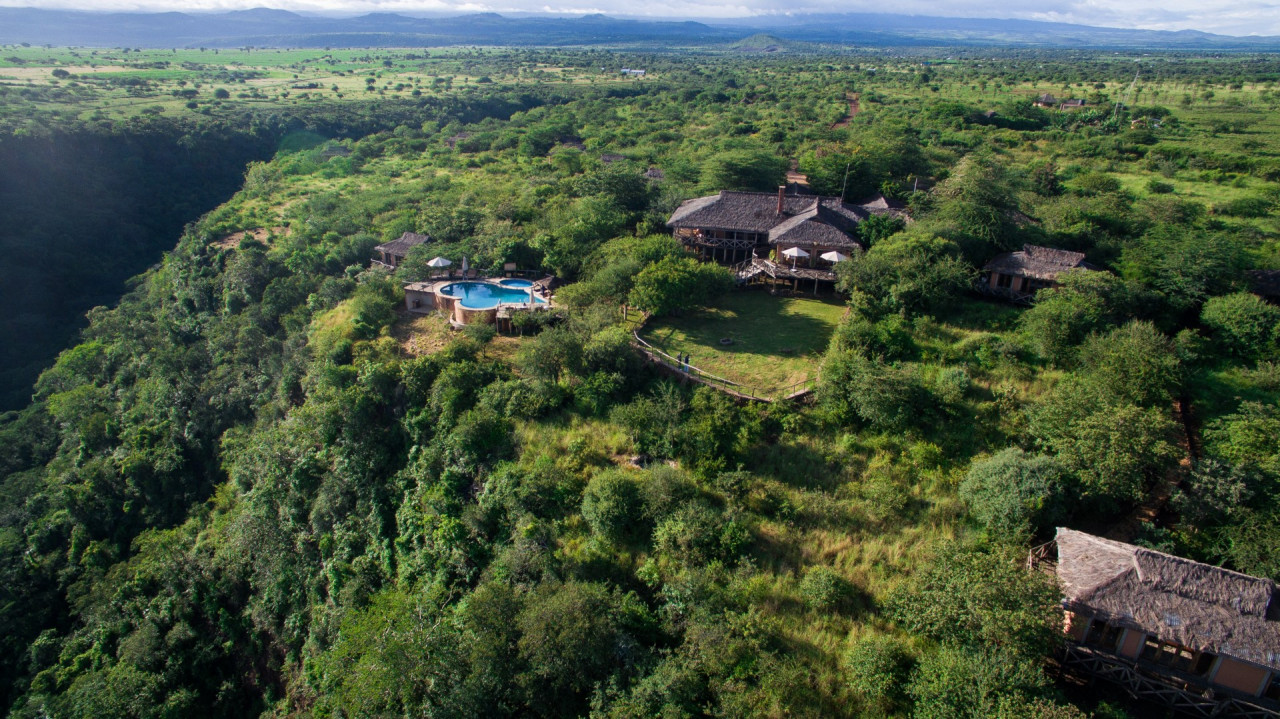
The best time for a Lake Manyara safari is the dry season (June to October) for optimal wildlife viewing as animals gather at water sources, making them easier to spot amidst thinner vegetation, with clear skies and comfortable weather. For birdwatchers, the wet season (November-April) offers lush scenery and migratory birds, while the shoulder months (Nov, Dec, Jan, Feb) offer fewer crowds and good value, though March/April's heavy rains can disrupt travel.
2-days-perfect-lake-manyara-and-tarangire-national-park
5-days-budget-tanzania-safari-tour-package
4-days-best-tarangire-ngorongoro-and-serengeti-safari-itinerary
3-days-amazing-serengeti-safari-to-ngorongoro-crater-tanzania-tour
Dry Season (June - October): Best for Game Viewing
The dry season, running from June to October, is the peak time for traditional wildlife viewing in Lake Manyara. During these months, the primary advantage is the predictable and concentrated animal movement. As natural water sources dwindle, animals are forced to gather around the reliable remaining waterholes, making them easier to find and observe. The thinning vegetation and sparse grass also significantly improve visibility, allowing for clearer sightings of species like elephants, giraffes, and buffalo. The weather is another major draw, characterized by sunny, bright days and lower humidity, which translates to fewer mosquitoes and a reduced risk of malaria.
Considerations: This is the busiest tourist season, especially from July to September, so the northern parts of the park can be crowded, and accommodation prices are higher. Visitors should also pack warm clothes for the chilly early mornings and evenings, particularly in June, July, and August.
Wet Season (November - May): Best for Birdwatching & Lush Scenery
The wet season offers a different, but equally rewarding, experience. The landscape undergoes a dramatic transformation, becoming lush, vibrant, and green, which provides a stunning backdrop for photography. This period is a paradise for birdwatchers, as thousands of migratory birds from Europe and Asia flock to the lake, joining the resident species. Large flocks of flamingos often create a spectacular pink spectacle along the shorelines. This season also coincides with the calving season for many herbivores, offering opportunities to witness newborn animals and associated predator activity.
Considerations: While the scenery is beautiful, the dense foliage can make spotting large mammals more challenging. The long rains, especially heavy in March and April, can make some park roads muddy and difficult to navigate, potentially requiring a good 4x4 vehicle. However, this is the low tourist season, meaning fewer crowds and lower prices for accommodation and safaris.
Shoulder Months (November, December, January, February): A Good Compromise
The shoulder months, specifically the short rains period (November and December) and the short dry spell (January and February), offer a balanced safari experience. In November and December, you can enjoy the beginning of the lush scenery and the arrival of migratory birds, with only occasional afternoon showers that rarely disrupt game drives. January and February are often drier months between the two rainy seasons, with warm days and clear skies. During this time, the landscape is still relatively green, and game viewing is considered good.
Considerations: These months offer a mix of good weather, fewer visitors than the peak dry season, and often better accommodation rates, providing great value for money. It can be an excellent time to visit for those who want a blend of rich scenery, good birdwatching opportunities, and reasonable game viewing conditions without the large crowds of the peak season.
Best time to visit Lake Manyara for Tanzania wildlife safari holiday month by month
Here is a month-by-month guide to visiting Lake Manyara, detailing what you can expect in terms of wildlife, weather, and scenery.
January
January falls into the "short dry spell" between the two rainy seasons, offering a great balance of conditions. The landscape is still lush and green from the November/December rains, providing excellent photographic opportunities. Wildlife viewing is good, as animals are easily spotted, but more dispersed than the main dry season. Birdwatching is a major highlight, with thousands of flamingos and other migratory species present along the lake's edge. The weather is warm and mostly dry, with average high temperatures around 28°C (82°F) and only occasional short afternoon showers that clear quickly. The park is also less crowded than the peak season, ensuring a more peaceful experience.
February
February continues the short dry spell, providing excellent game viewing conditions with clear skies and good visibility. The weather remains warm, averaging highs of 28°C (82°F), and the park is less busy, making it a good time for a more intimate safari. Animals like elephants, zebras, and giraffes are easily spotted, and the famous tree-climbing lions are often more active. Birdwatching is still superb, with the mass of flamingos remaining a major draw. This month is often recommended to combine with a trip to the Southern Serengeti to witness the dramatic calving season of the Great Migration.
March
March marks the transition to the "long rains" season, with cloud cover building and rainfall increasing, particularly towards the latter half of the month. The park becomes even more verdant, and while the thicker vegetation can make spotting some animals challenging, the scenery is stunning. This is an excellent month for birdwatching, as migratory birds are still present. The park is less crowded, and lodge rates are often lower, making it an ideal time for budget travelers and nature lovers who prioritize lush landscapes and fewer vehicles over guaranteed big game sightings.
April
April is the peak of the long rainy season and the wettest month of the year in Lake Manyara. Expect frequent and sometimes heavy showers, which can make some roads muddy and difficult to navigate, potentially limiting access to certain areas. However, the park is at its most beautiful, with waterfalls cascading down the Rift Valley escarpment and vibrant emerald green landscapes. This is the quietest time to visit, with very few tourists and the lowest prices. Birdwatching remains phenomenal, and the soft light after a shower creates magical photography conditions.
May
May sees the long rains begin to ease, with rainfall becoming less frequent as the month progresses towards the dry season. The weather starts to cool slightly, with comfortable daytime temperatures. The park remains lush and green, offering beautiful scenery and good value for money with fewer crowds and lower prices still available. While game viewing can still be challenging due to dense foliage, conditions improve towards the end of the month. May is a peaceful month for a safari, ideal for those seeking a tranquil experience before the peak season begins.
June
June marks the beginning of the dry season and is widely considered an excellent month to visit. The weather is pleasant, with little to no rain, clear blue skies, and cooler mornings and evenings (around 14°C/57°F). As the park starts to dry out, vegetation thins, and animals begin to concentrate around remaining water sources, improving visibility and game viewing. Elephants, buffalo, and the tree-climbing lions are easier to spot. This is the start of the high season, so while it is less crowded than July and August, visitor numbers begin to increase.
July
July is a peak month for safaris in Lake Manyara, offering superb game viewing opportunities. It is cool and dry, with daytime temperatures around 25°C (77°F) and chilly nights, so warm clothing is essential for early morning game drives. The continuous dry weather forces wildlife to gather predictably around the lake and permanent waterholes, making animal sightings frequent. The Great Migration is in full swing in the nearby Serengeti, and Manyara is often combined in a northern circuit itinerary at this time. Expect higher tourist traffic and peak season prices.
August
August is another prime month during the dry season, characterized by warm days and virtually no rain. The conditions for wildlife viewing are excellent, with very sparse vegetation and animals congregating near water, making it easy to spot large herds of elephants and buffalo, as well as predators. Like July, this is a very popular and busy time for tourism, so booking accommodation and safaris well in advance is recommended. It is a reliable choice for families and first-time safari-goers seeking consistent wildlife sightings.
September
September is the tail end of the busiest part of the dry season, maintaining excellent game viewing conditions. The weather is warm and dry, with average highs of 27°C (81°F). Animals remain concentrated near water sources, and the lack of rain means roads are in great condition for game drives. While still a high season month, it can be slightly less crowded than July and August, offering a good balance of superb wildlife viewing and a less congested experience. Opportunities for walking safaris are also ideal at this time.
October
October is the final month of the dry season, but the short rains can sometimes begin towards the end of the month. The weather is hot and often dusty, with daytime highs around 28°C (82°F). Wildlife viewing is still excellent as animals remain reliant on the shrinking water sources, offering dramatic predator-prey interactions. Visibility is high due to the dry landscape. This month provides a final opportunity for optimal general game viewing before the wet season brings changes to animal movements and vegetation density.
November
November marks the beginning of the "short rains" season. Expect short, refreshing afternoon showers that rarely impact morning game drives. These rains transform the landscape, bringing back the lush greenery and attracting thousands of migratory birds from Europe and Asia. This makes November the start of the best season for birdwatching. Wildlife viewing is still good, and the park is less crowded than the peak months, offering better rates and a more intimate experience. The dramatic skies after a shower are also a photographer's dream.
December
December continues the short rains period, with most rainfall occurring in the late afternoon or at night. The park is vibrant and green, offering beautiful scenery and excellent birdwatching as migratory birds are in full force. Game viewing is still enjoyable, with large herds of animals spreading out across the replenished plains. While the beginning of the month is less crowded, visitor numbers increase around the Christmas and New Year holidays, so booking in advance is advisable for that specific period. It is a festive time to experience the park's renewal.
Things to Do on Tanzania Wildlife Safari Holiday in Lake Manyara National Park
A Tanzania wildlife safari holiday in Lake Manyara National Park offers a wealth of exciting activities to engage visitors with nature. Start your adventure with game drives, where you can spot diverse wildlife such as elephants, giraffes, and the iconic tree-climbing lions. These drives provide ample opportunities to view the park's unique ecosystems and witness animal interactions in their natural habitat.
Birdwatching is another highlight, as Lake Manyara is home to over 400 species of birds, including flamingos and various raptors. Guided walking safaris allow for a closer connection to the environment, led by knowledgeable guides who share insights about flora and fauna. For a unique perspective, consider a cultural visit to a nearby Maasai village, where you can learn about their traditions and lifestyle. Don't forget to hike to the Great Rift Valley Escarpment for stunning panoramic views of the park and surrounding areas. Every activity enriches your understanding of this remarkable wildlife haven.
Where to Stay on Tanzania Wildlife Safari Holiday in Lake Manyara National Park
When planning your Tanzania wildlife safari holiday in Lake Manyara National Park, choosing the right accommodation is crucial for a delightful experience. Several luxury lodges and tented camps are located within and around the park, providing varying levels of comfort and unique perspectives on the wildlife.
For an upscale experience, consider staying at lodges that offer stunning views of the park and its diverse ecosystems. Many accommodations feature spacious rooms, private balconies, and gourmet dining experiences focused on local cuisine. If you prefer an adventurous touch, tented camps provide a chance to feel closer to nature while still enjoying essential luxuries, such as comfortable beds and en-suite bathrooms.
Look for properties that embrace environmental sustainability and community engagement. Regardless of where you stay, ensure that your chosen lodge provides excellent access to the park for game drives, a knowledgeable staff, and a focus on quality service. This will enhance your safari holiday and create a memorable experience.
Booking Tanzania Wildlife Safari Holiday in Lake Manyara National Park with Us, Roads of Adventure Safaris
Booking your Tanzania wildlife safari holiday in Lake Manyara National Park with Roads of Adventure Safaris ensures a smooth, personalized experience tailored to your preferences. Our dedicated team specializes in crafting bespoke itineraries that align with your interests, allowing you to maximize your enjoyment during the trip.
From the moment you reach out to us, we focus on understanding your travel needs, whether it’s luxury accommodations or a blend of comfort and adventure. We partner with well-regarded lodges and camps in the Lake Manyara area, where hospitality and quality service meet breathtaking surroundings.
Our logistics are meticulously planned, from game drive schedules to meal arrangements, ensuring that you have seamless transitions throughout your safari. Additionally, our knowledgeable guides enhance your journey by providing insights into the park's wildlife and ecology. By choosing Roads of Adventure Safaris, you’re not just booking a trip; you’re investing in a memorable wildlife adventure that connects you deeply with Tanzania's natural beauty.
