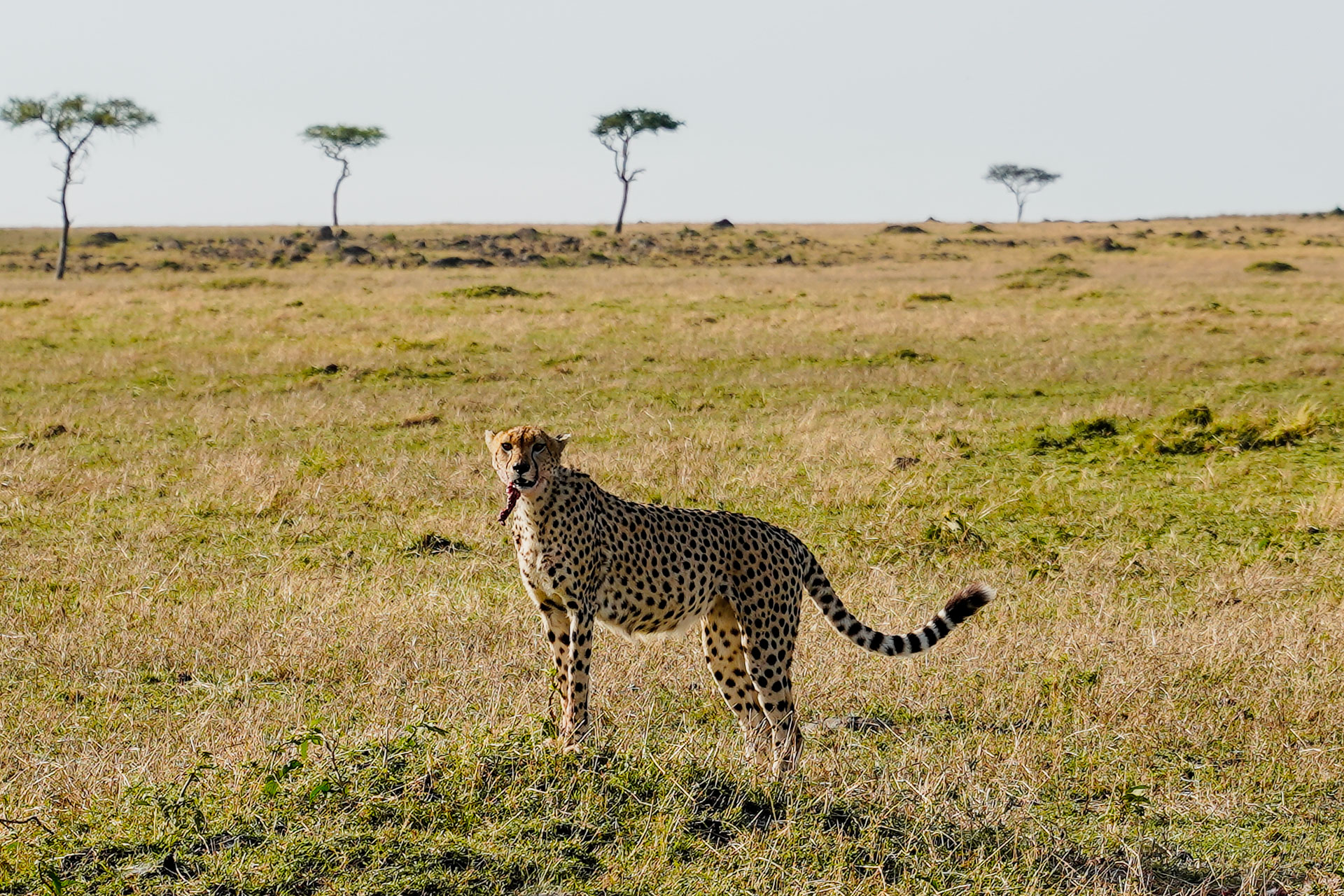
For an 8-day Kenya safari, the Dry Season (June to October) is generally best for excellent wildlife viewing, especially the Great Migration in the Masai Mara (July-October), as animals gather at water sources and vegetation is sparse. Alternatively, the Calving Season (January-February) offers lush landscapes and baby animals, while the Shoulder Seasons (April-June, November) provide fewer crowds and lower costs, but note the long rains (March-May) can impact travel.
8-day-best-kenya-tanzania-safari-vacation
8-days-budget-kenya-tanzania-safari-with-serval-wildlife-and-zanzibar-beach-holiday
8-days-affordable-budget-kenya-safari
8-days-masai-mara-lake-nakuru-amboseli-tsavo-west-taita-sanctuary-tsavo-east-kenya-wildlife-safari
8-days-ol-pejeta-lake-nakuru-masai-mara-lake-naivasha-and-amboseli
8-days-kenya-photography-safari-expedition
8-days-honeymoon-kenya-safari-tour-bush-to-beach-vacation
8-days-masai-mara-lake-nakuru-amboseli-and-mombasa-beach-holidays
8-days-honeymoon-kenya-tanzania-safari-and-optional-hot-air-balloon-safari-for-couples
8-day-africa-safari-tour-to-masai-mara-safari-tour-serengeti-ngorongoro
8-days-samburu-special-five-ol-pejeta-and-masai-mara-safari-tour
For the Great Migration (Late June to October)
The Great Migration is one of nature’s most awe-inspiring events and typically occurs between late June and October. During this time, millions of wildebeest and other animals traverse the Serengeti in search of fresh grazing grounds, culminating in dramatic river crossings, particularly in September and October. Witnessing these crossings as animals’ brave strong currents and predator-laden banks offers photographers and wildlife enthusiasts an unforgettable spectacle. The dry season during this period also enhances wildlife visibility, as animals congregate around dwindling water sources. Parks like the Masai Mara become bustling with activity, providing abundant opportunities for game drives. Keep in mind that this period is popular among tourists, so booking accommodations and tours well in advance is advisable. Expect vibrant grasslands and exciting predator interactions, making this a prime time for viewing the Big Five. Make sure to have a well-planned itinerary to maximize your chances of witnessing this natural phenomenon, and be prepared for potential crowds at peak viewing spots.
For Lush Greenery & Birdlife (November to June)
If your focus is on experiencing lush landscapes and vibrant avian life, the wet season from November to June is the ideal time for your safari. During this period, the rains transform the savannah into a lush paradise, providing favorable conditions for both wildlife and plant life. As vegetation flourishes, various bird species migrate to Kenya, making it a birdwatcher's dream. The vibrant display of greenery creates picturesque settings for photography, allowing you to capture the beauty of wildlife against a lush backdrop. While this season does see some heavy rains, especially from March to May, many travelers enjoy the benefits of fewer crowds and lower accommodation rates. Wildlife can also be seen in abundance, as the rains rejuvenate habitats, offering plenty of opportunities for spotting animals. Just be sure to plan your activities around the rainy days and opt for well-equipped lodges. This season provides a different, yet equally captivating, perspective on Kenya’s diverse ecosystems that should not be missed.
For Calving & Newborns (January to March)
January to March is an extraordinary time for a safari focused on observing calving and newborn wildlife. This period coincides with the peak of the birthing season, particularly in the Serengeti and Masai Mara, where thousands of wildebeest, gazelles, and other species give birth. Witnessing these young animals taking their first steps is a heartwarming experience, as they learn to navigate their surroundings while wary of predators. During this time, you’ll also have the chance to see many other animal behaviors, as mothers protect and nurture their calves. The risk of predator-prey interactions is heightened, adding excitement to your game drives. While the scenery may appear less lush than during the wetter months, the abundance of newborns creates compelling wildlife viewing opportunities. Additionally, traveling in the early calendar year means fewer tourists, allowing for a more intimate experience with nature. It’s advisable to book accommodations and guide services in advance, as tours focused on calving can fill up quickly. This unique experience provides insight into the natural cycle of life in the wild.
For Fewer Crowds & Lower Prices (Shoulder Months: March, April, November)
Traveling during the shoulder months, including March, April, and November, offers an excellent opportunity to enjoy a budget-friendly safari with fewer tourists. During these months, prices for accommodations and park fees are generally lower, making it easier to stick to your budget while still experiencing stunning wildlife. The low season allows for more intimate wildlife encounters, as popular spotting locations are less crowded, providing opportunities for undisturbed views of animals. Although some rain can be expected, particularly in March and April, the wildlife remains active, with lush scenery enhancing your safari experience. Birdwatching is also exceptional during these months, as migratory birds can be seen. With proper planning, this can be a delightful time to take advantage of reduced rates while enjoying the beauty of Kenya's diverse landscapes. It’s wise to be flexible with your itinerary to account for weather changes, but the trade-off of fewer crowds and lower costs can result in a more enjoyable safari experience."
Dry Season (June - October): Peak Safari
Pros: Best for Spotting the Big Five, Iconic Wildebeest Migration, Clear Skies, and Easier Game Viewing
The dry season from June to October is considered peak safari time, making it the ideal period for witnessing the vibrant wildlife of Kenya. During these months, conditions are perfect for spotting the Big Five—lions, leopards, elephants, buffalos, and rhinos. Animals congregate around water sources, making it easier to locate them, as they are more visible against the sparse vegetation. Additionally, the famous wildebeest migration occurs during this period, particularly in the Masai Mara, where you can observe thrilling river crossings and large herds. Clear skies and mild temperatures make for perfect conditions for game drives, allowing for great visibility and photography opportunities. The dry landscape also offers stunning backdrops for wildlife sightings. Overall, the dry season presents an abundance of wildlife activity, making it a prime time for both novice and seasoned safari-goers to immerse themselves in Kenya's rich biodiversity.
Cons: Peak Season Means More Tourists and Higher Prices; Book Well in Advance
Despite the many advantages of the dry season, there are notable downsides to consider. The influx of tourists during this peak season often leads to crowded parks and attractions, which can diminish the sense of tranquility many seek in nature. Popular wildlife viewing spots may feel congested, making it challenging to get clear views of the animals or to enjoy a peaceful experience. Furthermore, with increased demand comes higher prices for accommodations, park fees, and guided tours. To secure the best options, it’s crucial to book your safari well in advance, as popular lodges and camps fill up quickly. This forward planning is essential in ensuring you obtain your preferred choices at a better rate. As you consider a safari during the dry season, weigh these factors against the benefits of exceptional wildlife sightings to make informed decisions about your travel plans.
Wet Season (November - May): Green Season
Pros: Beautiful Green Scenery, Abundant Birdlife, Fewer Crowds, Lower Costs
Traveling during the wet season, particularly from November to early June, offers several appealing advantages for safari-goers. One of the main highlights is the stunning transformation of the landscape. The rains rejuvenate the savannah, bringing vibrant green scenery that creates a breathtaking backdrop for wildlife viewing. This lush environment not only enhances the visual appeal but also supports a wealth of wildlife. Notably, many birds migrate to Kenya during this period, making it an ideal time for birdwatchers to spot diverse species, including migratory ones that escape colder climates.
Additionally, the wet season tends to attract fewer tourists compared to the peak dry season. This means that you can enjoy a more intimate safari experience with less competition for viewing spots and a quieter atmosphere in the parks. Accommodations often lower their rates during this time, allowing for budget-friendly options that may not be available during peak times. Reduced costs for activities and meals can further enhance the economical advantage of a wet-season safari. Overall, the combination of beautiful scenery, abundant birdlife, and the opportunity for a more personal experience makes this a special time to explore the wilderness of Kenya.
Cons: Heavier Rains (Especially April/May) Can Make Roads Muddy and Wildlife More Dispersed
Despite the appealing attributes of the wet season, there are notable challenges that come with heavier rain, particularly during the peak rainy months of April and May. The increased precipitation can lead to muddy and impassable roads, complicating travel plans and limiting accessibility to certain parks or areas. This can hinder game drives and might require adjustments to your itinerary. Depending on the severity of the rains, some lodges may experience disruptions, impacting your planned accommodations.
Furthermore, the heavy rains can drive wildlife into more dispersed areas as animals seek shelter or food. Unlike the dry season, when wildlife is more concentrated around water sources, animal sightings can become less predictable during the wet months. This may require more time spent on game drives in search of animals, which could lead to fewer encounters. Additionally, the frequent rains can disrupt planned activities, particularly outdoor excursions, leading to cancellations or changes. It’s essential to be prepared for these potential inconveniences if you choose to travel during this season. However, understanding these factors allows for a more informed decision, helping you make the most of your safari experience according to your personal preferences.
Best time for 8 Days Kenya wildlife safari holiday tour month by month
January
January is an excellent time for an 8 Days Kenya wildlife safari, especially for those looking to see newborn wildlife. This month falls within the calving season, particularly for wildebeests and other herbivores. The sight of calves taking their first steps is heartwarming and offers unique wildlife interactions. Parks like the Masai Mara and Serengeti are particularly active, providing ample opportunities for game drives. The weather is generally pleasant, with warm temperatures and lower chances of rain, making it ideal for outdoor activities. Birdwatchers will also enjoy the presence of migratory species. To maximize your experience, be prepared for fewer tourists compared to the peak dry season, allowing for a more intimate wildlife viewing experience. Overall, January combines vibrant landscapes with diverse wildlife activity, making it a fantastic start to your Kenyan adventure.
February
February continues to be a great time for wildlife enthusiasts, especially for witnessing calving activities. The conditions remain favorable for spotting various animal species, including migratory birds returning to the region. With many young animals on the move, this month provides unique opportunities for photography and wildlife observation. Temperatures are typically warm, and rainfall is minimal, allowing for comfortable game drives throughout the parks. While the Masai Mara remains a focal point, other areas like Amboseli and Lake Nakuru also offer rich wildlife experiences. Additionally, because the tourist numbers are still relatively low, you can enjoy shorter lines and less crowded experiences in the parks. Planning your safari for February ensures an enjoyable adventure filled with diverse wildlife and beautiful scenery.
March
March marks the transitional phase between the wet and dry seasons, and it's still a good time for an 8 Days Kenya wildlife safari. During this month, the calving season continues, providing an opportunity to see young animals in their natural habitats. The rain begins to increase, which revitalizes flora and enhances the landscape’s beauty. This rejuvenation attracts various wildlife, making animal sightings more plentiful. The birdlife is also spectacular, with migratory birds in full swing. However, it’s essential to be prepared for occasional heavy rains, particularly towards the end of the month, which can affect road conditions. Despite the rain, the overall experience remains rewarding, with fewer crowds in the parks and more opportunities for intimate wildlife encounters. As the scenery transforms, March offers a unique and vibrant safari experience filled with diverse wildlife.
April
April is characterized by heavy rains, making it one of the wettest months in Kenya. While this may discourage some travelers, it also offers unique advantages for a wildlife safari. The countryside transforms into a lush green paradise, providing a stunning backdrop for wildlife viewing. Despite the rain, parks are less crowded during this time, meaning you can enjoy a more personal experience with the wildlife. The heavy rainfall also attracts a myriad of bird species, making it an appealing destination for birdwatchers. However, the wet conditions can make roads muddy and affect access to certain areas, so it’s wise to check with local tour operators for the best routes. Many lodges offer lower prices during this time, providing budget-conscious travelers with excellent opportunities for adventure. Overall, April presents a uniquely beautiful environment for those willing to brave the elements.
May
May continues the trend of heavy rains in Kenya, particularly affecting transportation and accessibility in remote areas. However, this month may be perfect for travelers interested in experiencing the rejuvenated landscape and fewer tourists. The abundant vegetation attracts various wildlife, making this an excellent time for intimate wildlife viewing. While major parks may have compromised access due to wet conditions, many travelers find that the rewards outweigh the inconveniences. Additionally, May can still offer ample opportunities to see migratory bird species as well as resident wildlife. If you are willing to adapt your itinerary for weather changes and road conditions, a safari in May can provide a unique and awe-inspiring perspective on Kenya’s wildlife and ecosystems.
June
June marks the beginning of the dry season, transitioning into peak safari time. This month is an excellent choice for an 8 Days Kenya wildlife safari, as animals begin to gather around water sources, facilitating easier viewing. The landscapes start drying up, which enhances visibility for photographers and wildlife photographers alike. The Great Migration also kicks off in June, with wildebeests beginning their journey toward greener pastures in the Masai Mara. This migratory event is a highlight of the safari experience, offering dramatic scenes of river crossings. With clear skies and more comfortable temperatures, June sets the stage for unforgettable game drives and incredible wildlife encounters. The influx of tourists may start to increase, but the experience remains rewarding. Overall, June provides a thrilling mix of wildlife activity and accessible viewing opportunities, making it a prime month for an unforgettable safari adventure.
July
July is one of the best months for a Kenya wildlife safari, as it coincides with the peak of the Great Migration. Millions of wildebeest and zebras make their way into the Masai Mara, creating one of nature’s most spectacular scenes. River crossings, where herds navigate dangerous waters teeming with crocodiles, become a highlight. The dry season means animals are easier to spot, as they congregate around water holes and remain active throughout the day. With clear skies and moderate temperatures, conditions are perfect for extended game drives. This month also attracts many tourists, so planning and booking in advance is essential to secure the best accommodations and guide services. While crowds can be larger, the thrilling experiences offered during July, coupled with the abundance of wildlife, ensure an unforgettable safari. Whether you are an experienced traveler or a first-time visitor, July sets the stage for a wildlife adventure of a lifetime.
August
August continues to be one of the prime months for wildlife viewing in Kenya. The Great Migration remains a focal point, with dramatic scenes of wildebeest and zebras crossing the Mara River, where predator interactions intensify. This is a thrilling opportunity for photographers and wildlife enthusiasts alike. The dry season ensures that animals are more concentrated around water sources, enhancing the chances of spotting the Big Five—lions, leopards, elephants, buffalos, and rhinos. The weather remains warm and dry, making it ideal for outdoor activities. However, as this month falls within peak tourism season, it is wise to book your safari well in advance. Despite the higher number of visitors, the diverse wildlife activities and stunning scenery create an unforgettable experience. Whether you choose to explore the Masai Mara or other national parks, August offers exciting and rewarding wildlife encounters from dawn to dusk.
September
September is another fantastic month for an 8 Days Kenya wildlife safari, often regarded as one of the best times to witness the Great Migration. The herds of wildebeest and zebras continue their journey across the Masai Mara, especially in search of pasture following the dry season. River crossings remain a highlight, offering thrilling moments as animals navigate hazards while seeking greener pastures. The dry conditions continue to enhance wildlife visibility, allowing for excellent photo opportunities. Temperatures are typically pleasant, making it comfortable for long days spent in the field. September also sees the beginning of slightly lower tourism numbers compared to August, allowing for a more intimate experience with nature. Many lodges offer special deals during this transitional time, making it a potentially budget-friendly option for travelers. Overall, September combines stunning wildlife spectacles with excellent conditions, solidifying it as a prime month for safaris in Kenya.
October
October is a fantastic month to visit Kenya, particularly for wildlife enthusiasts keen on the tail end of the Great Migration. As the herds of wildebeest begin to disperse after their intense journey, you can expect to see a wide array of wildlife throughout the national parks. This period is ideal for spotting predators such as lions and cheetahs, who take advantage of the weakened herds. Additionally, the landscape remains dry, ensuring easier access to various areas and better visibility for spotting wildlife. Temperatures are still mild, making outdoor activities more enjoyable. October tends to attract fewer tourists compared to the peak migration months, allowing for a more tranquil safari experience. Many lodges offer promotional rates as they prepare for the upcoming rainy season, making it an excellent opportunity for budget-conscious travelers. Overall, October provides a balanced combination of exciting wildlife activity and a relaxed atmosphere, perfect for experiencing the beauty of Kenya's natural habitats.
November
November marks the beginning of the short rainy season in Kenya, making it an intriguing month for an 8 Days wildlife safari. While the rains may deter some travelers, this period brings lush greenery back to the savannah, resulting in stunning landscapes. Wildlife activity remains high, with animals continuing to roam freely and rivers swelling with fresh rainwater. Birdwatching is particularly rewarding as migratory species return, adding visual abundance to the avian landscape. Despite occasional rain showers, days are typically warm and pleasant, allowing for comfortable game drives. This time of year usually sees fewer tourists, giving you a more personal and intimate experience with nature. Budget-friendly accommodation options may also be more readily available, making it easier to manage costs. While road conditions may occasionally become challenging due to rain, the overall rewards of witnessing renewed wildlife activity and vibrant scenery in November make it a worthwhile time to explore Kenya’s great outdoors.
December
December is an exciting time for a budget safari in Kenya, as the dry season begins to set in, making wildlife sightings increasingly accessible. This month marks a shift in the landscape, moving from the rainy to a drier environment, revitalizing the flora and attracting animals back to the open plains. As the month progresses, the chances of spotting the Big Five improve, as they congregate around remaining water sources. Additionally, December is a great month for birdwatchers, as migratory birds are still present in various parks. The weather is generally warm and pleasant, making for comfortable safari conditions. Lower tourist numbers compared to the peak months provide an opportunity for more intimate encounters with wildlife. Many lodges and tour operators may also offer special rates during this time, making a December safari an attractive option for budget-conscious travelers. Overall, December combines beautiful landscapes with ample wildlife activity, providing an excellent setting for an unforgettable safari adventure.
8 Days Kenya wildlife safari holiday tour itinerary
An 8 Days Kenya wildlife safari holiday offers an incredible opportunity to explore the diverse habitats of this East African gem. From the iconic Big Five—lions, leopards, elephants, buffalos, and rhinos—to other mesmerizing species like cheetahs, zebras, giraffes, hippos, and various bird species, Kenya is a haven for wildlife enthusiasts. Starting in Nairobi, you'll travel to renowned parks such as Amboseli and Masai Mara, where you can witness the Great Migration and see animals in their natural settings. The adventure allows you to enjoy game drives while spotting wildlife and learning about their behaviors. Each national park has its unique charm, providing ample chances to connect with the natural world. From the thriving herds of wildebeest to the majestic sight of elephants wandering in front of Mount Kilimanjaro, every moment presents opportunities for unforgettable memories. Coupled with the rich culture of local communities, your safari promises to be both educational and engaging. Prepare for a memorable holiday filled with wildlife encounters and captivating stories to share long after the trip.
Day 1: Arrival in Nairobi
Upon arrival at Jomo Kenyatta International Airport, you will be greeted by your guide who will assist you with your luggage and ensure a smooth transfer to a budget-friendly hotel in Nairobi. After checking in, take some time to relax and acclimate to your surroundings. If time permits, consider visiting nearby attractions such as the David Sheldrick Wildlife Trust, where you may see orphaned elephants being fed, or the Giraffe Centre, home to the endangered Rothschild giraffe. Both locations offer the chance to interact with these incredible animals up close. Enjoy a traditional Kenyan dinner at a local restaurant, sampling dishes like ugali and nyama choma. Your guide will review the itinerary, highlighting the exciting wildlife you hope to encounter, including lions, cheetahs, and various bird species. Prepare for an early start the next day as you head to Amboseli National Park, famous for its elephant populations and views of Mount Kilimanjaro.
Day 2: Nairobi to Amboseli National Park
On Day 2, you will travel from Nairobi to Amboseli National Park, a drive of approximately four to five hours. As you journey through the countryside, enjoy the changing scenery, with views of rural communities and farmland. Upon arrival, check into your accommodation and prepare for an afternoon game drive. Amboseli is renowned for its large herds of elephants and remarkable views of Mount Kilimanjaro. During the game drive, you'll have the chance to spot not just elephants, but also lions, giraffes, zebras, and various birds like the secretary bird and African fish eagle. Your guide will provide insights into animal behaviors and the park's unique features. As the sun begins to set, return to your lodge for dinner. Enjoy the serene environment as you reflect on the wildlife sightings from your first day in the park. Rest well to prepare for another day of adventures.
Day 3: Full Day Amboseli
Day 3 is dedicated to exploring Amboseli National Park with both morning and afternoon game drives. Begin your day early to witness the wildlife at its most active. The cool morning air is ideal for spotting large herds of elephants grazing and families of lions lounging in the tall grass. Your guide will help you identify various animals, such as cheetahs stalking their prey or hippos resting in nearby waterholes. Birdwatching enthusiasts will enjoy spotting diverse species, including flamingos and bee-eaters. After an exhilarating morning drive, return to the lodge for a delicious lunch with views of Kilimanjaro. In the afternoon, set out for more wildlife observations. Keep your camera ready as you may encounter buffaloes and more elephants. The dry conditions during this season make wildlife viewing easier, providing fantastic photographic opportunities. After a fulfilling day, return to your lodge for dinner and share stories with fellow travelers about the incredible wildlife you’ve seen.
Day 4: Amboseli to Lake Naivasha
On Day 4, depart Amboseli for Lake Naivasha, a scenic drive of approximately four to five hours through beautiful landscapes. Enjoy glimpses of the Great Rift Valley as you travel. Upon arrival, check into your accommodation and decide between two activities: a boat ride on Lake Naivasha or a visit to nearby Hell’s Gate National Park. If you choose the boat ride, keep an eye out for hippos bathing in the water and various bird species, including African fish eagles. Alternatively, Hell’s Gate offers opportunities for hiking and cycling alongside animals such as giraffes and zebras roaming freely. Both options provide unique insights into Kenya's natural beauty. After enjoying your chosen activity, return to your accommodation for dinner. As the sun sets, enjoy reflections on the day’s wildlife encounters and prepare for the adventures that await in Lake Nakuru the following day.
Day 5: Lake Nakuru to Masai Mara
On Day 5, begin with a morning at Lake Nakuru, known for its flocks of flamingos and the chance to view rhinos. The picturesque lake provides a beautiful experience for wildlife enthusiasts. After spending time at the lake, you will depart for the renowned Masai Mara, a drive lasting approximately five to six hours. Once you've checked into your accommodation, prepare for an afternoon game drive in one of Africa's most iconic wildlife habitats. As you traverse the vast plains, keep your eyes peeled for the Big Five: lions, leopards, buffaloes, elephants, and rhinos. You may also see cheetahs sprinting across the grassland and various antelope species. Your guide will share valuable insights into the animals' behaviors and habitats, enriching your safari experience. After a day of wildlife viewing in Masai Mara, return to your lodge for dinner. Share your sightings with fellow travelers and relax as you prepare for another exciting day ahead.
Day 6: Full Day Masai Mara
Day 6 is dedicated to a full day of exploration in the Masai Mara, maximizing opportunities to spot diverse wildlife. Start your day with an early morning game drive, when animals are most active. Look for prides of lions resting in the tall grass or leopards lounging in trees. The open plains provide an excellent setting for observing large herds of wildebeests and zebras, particularly if you are traveling during the migratory season. Return to your lodge for lunch and enjoy the beautiful surroundings. In the afternoon, set out for another game drive, focusing on different areas of the park. Keep an eye out for jackals, hyenas, and a variety of birds. As the sun sets, return to your lodge, where you can unwind and discuss the day's wildlife interactions with fellow guests. The rich biodiversity of the Masai Mara makes this day a highlight of your safari, filled with memorable encounters.
Day 7: Masai Mara & Maasai Culture
On Day 7, take advantage of a morning game drive to further explore the magnificent wildlife in the Masai Mara. The early hours often yield exciting sightings as animals are more active. Your guide will help identify not only the Big Five but also various species like giraffes and elephants. After the morning drive, enjoy lunch at your lodge before preparing for an afternoon visit to a local Maasai village. This cultural experience offers insights into the traditions, lifestyles, and practices of the Maasai people. Engage in interactions with community members, observing traditional dances and possibly participating in a few customs. This visit deepens your understanding of the relationship between the Maasai and their environment, as well as the importance of wildlife conservation in the area. After your cultural interaction, return to the lodge for dinner and reflect on the rich diversity of wildlife and culture experienced throughout the day.
Day 8: Masai Mara to Nairobi & Departure
On your final day, enjoy an early morning game drive in the Masai Mara, maximizing your chances of spotting any wildlife you may have missed. Keep an eye out for lions returning from the night and elephants grazing peacefully. After a fulfilling morning, return to your lodge for breakfast, and check out as you prepare to head back to Nairobi. The journey will take approximately five to six hours, during which you'll have the chance to appreciate the beautiful Kenyan countryside. Upon arrival in Nairobi, you may have a little time for last-minute shopping or exploration before heading to Jomo Kenyatta International Airport for your departure flight. As you reflect on your 8 Days Kenya wildlife safari holiday, you will carry wonderful memories filled with extraordinary wildlife encounters and cultural experiences. This adventure not only showcases Kenya's rich biodiversity but also leaves you with stories and photographs to cherish for years to come.
Things to Do on an 8 Days Kenya Wildlife Safari Holiday
On your 8 Days Kenya wildlife safari holiday, a wide range of activities awaits. Start with thrilling game drives in iconic national parks like Amboseli and Masai Mara, where you can spot the Big Five—lions, leopards, elephants, buffalos, and rhinos. Enjoy full-day excursions to maximize wildlife viewing opportunities, exploring diverse habitats and witnessing animals in their natural environment. A visit to Lake Nakuru is a must for birdwatchers, as the lake is known for its vibrant flamingos and a variety of other bird species. Cultural experiences, such as interacting with local Maasai communities, provide a deeper understanding of their traditions and coexistence with wildlife. Optional activities like boat rides on Lake Naivasha or guided walks through Hell’s Gate National Park offer unique perspectives on Kenya’s natural beauty. Each day promises exciting wildlife encounters, enriching cultural exchanges, and breathtaking views, ensuring a memorable safari adventure that combines both thrilling moments and peaceful interactions with nature.
Where to Stay on an 8 Days Kenya Wildlife Safari Holiday
During your 8 Days Kenya wildlife safari holiday, accommodating options range from budget-friendly lodges to comfortable tented camps, catering to various preferences and budgets. In Nairobi, you'll find hotels that offer amenities at affordable rates, perfect for resting before your adventure begins. As you travel to Amboseli, Lake Nakuru, and the Masai Mara, many lodges and camps are conveniently located near the parks, providing easy access for daily game drives. Basic lodges often feature cozy rooms and local cuisine, while tented camps offer a unique experience of sleeping in nature’s embrace. Some accommodations even provide meal packages that help you save on dining costs. Make sure to read reviews and check amenities to ensure a satisfying stay. Additionally, staying within or close to the parks enhances your chance of spontaneous wildlife sightings. With careful selection, you can find comfortable and reasonably priced accommodations, allowing you to focus on enjoying the incredible wildlife and natural beauty of Kenya.
Booking 8 Days Kenya Wildlife Safari Holiday with Roads of Adventure Safaris
When you book your 8 Days Kenya wildlife safari holiday with Roads of Adventure Safaris, you embark on a seamless travel experience tailored to your interests. Our dedicated team specializes in creating personalized itineraries that balance wildlife viewing, cultural encounters, and relaxation. From your first inquiry, we guide you through the booking process, offering expert advice on accommodations, transportation, and must-see attractions. We prioritize responsible tourism, ensuring your safari positively impacts local communities and wildlife conservation efforts. Our experienced guides bring a wealth of knowledge about the flora and fauna, enriching your safari with insights that go beyond mere sightings. We handle all logistics, including park permits and transfers, allowing you to focus on the adventure ahead. With our commitment to exceptional service and attention to detail, you can rest assured that every aspect of your safari will be arranged professionally. Choose Roads of Adventure Safaris for an unforgettable exploration of Kenya’s remarkable wildlife and culture."
