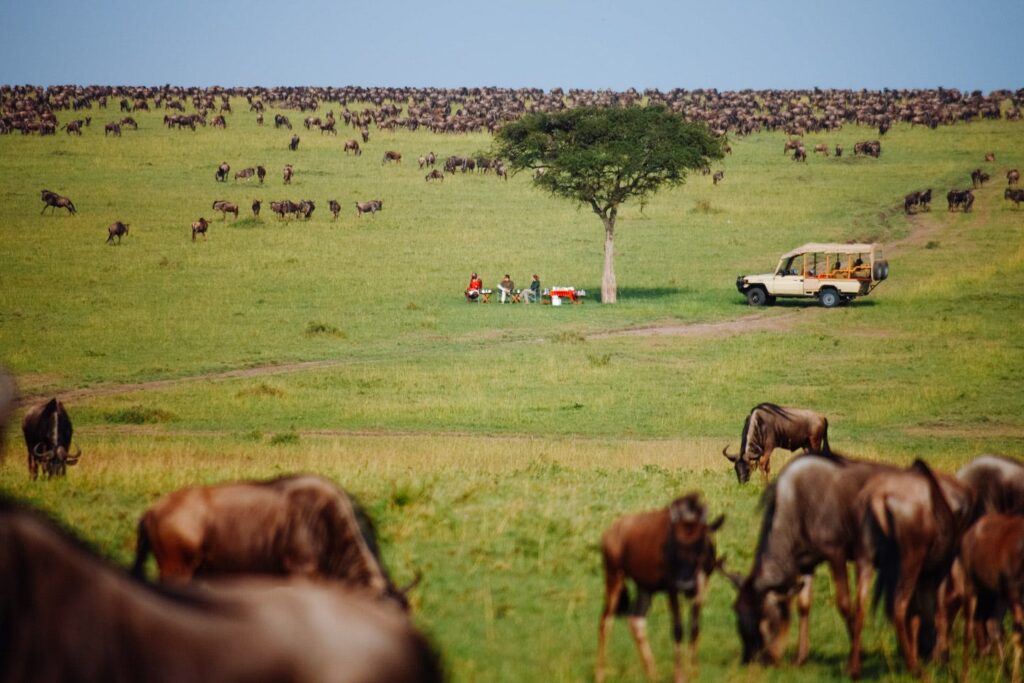
The best time for a 12-day Tanzania wildlife safari is during the dry season from late June to October, offering optimal game viewing, comfortable temperatures, and the Great Migration River crossings in the Serengeti. For calving season, February to March is ideal
Best Time Breakdown
12-days-best-tanzania-and-kenya-safari-combo-itinerary
12-days-perfect-tanzania-zanzibar-beach-holiday-tour-package
12-days-budget-tanzania-safari-itinerary-visiting-tanzania-on-budget
12-days-kilimanjaro-and-safari-in-northern-tanzania-safari-parks
12-days-tanzania-safari-and-culture-experience
12-days-tanzania-photography-safari-capturing-the-wild-with-lenses
- Late June – October (Dry Season/Peak Season): Ideal for wildlife spotting as animals gather around water sources, and vegetation is sparse. This is the best time for the great migration river crossings in the Northern Serengeti.
- January – March (Calving Season): Specifically good for the southern Serengeti and Ngorongoro, where thousands of wildebeest calves are born, attracting predators.
- November – December (Short Rains): A good time for birdwatching, as the landscape is lush and green, though some roads may be challenging.
- April – May (Long Rains): Generally avoided as many roads become impassable, and wildlife is harder to spot.
Key Considerations for a 12-Day Tour:
- Booking Timing: For a 12-day trip in peak season, booking 12–18 months in advance is recommended to secure top lodges.
- Northern Circuit: The 12-day itinerary typically covers the Serengeti, Ngorongoro Crater, Tarangire (great for elephants), and Lake Manyara.
- Weather: June-October is cooler, while January-February is hotter
12 Days Tanzania wildlife safari tour
Embark on an epic 12-day odyssey through the crown jewels of Tanzania’s Northern Circuit, a journey designed to immerse you in the raw rhythm of the African wilderness. This safari offers a front-row seat to the Great Migration, the world’s most spectacular wildlife movement, where millions of wildebeest and zebras brave predator-filled plains in a timeless quest for survival. Beyond the migration, you will explore the "Big Five" sanctuary of the Ngorongoro Crater, the elephant-rich baobab forests of Tarangire, and the lush, flamingo-fringed shores of Lake Manyara. Whether you are witnessing a dramatic river crossing in the Northern Serengeti or walking with the ancient Hadzabe bushmen, this 12 Days Tanzania wildlife safari tour
itinerary balances adrenaline-fueled game drives with profound cultural connections. With expert-guided exploration of UNESCO World Heritage sites and stays in intimate tented camps, this 12-day adventure captures the very essence of Tanzania—vibrant, untamed, and utterly unforgettable. Prepare to be changed by the spirit of the savanna.
Day 1: Arrival in Arusha
Your Tanzanian adventure begins as you touch down at Kilimanjaro International Airport. You will be greeted by your professional guide and transferred to your lodge in Arusha, a vibrant city nestled at the base of Mount Meru. Arusha serves as the gateway to the northern safari circuit, offering a lush, temperate climate to ease you into your journey. Depending on your arrival time, you can relax by the pool, explore the local coffee plantations, or visit a bustling Maasai market to get your first taste of local culture. In the evening, your guide will provide a comprehensive briefing over a welcome dinner, detailing the incredible sights and experiences awaiting you in the days ahead. This is a time to rest, recharge, and prepare your camera gear for the wildlife spectacle that officially kicks off tomorrow morning in the heart of the bush.
Day 2: Tarangire National Park
After an early breakfast, you depart for Tarangire National Park, a landscape defined by its iconic, ancient baobab trees and the winding Tarangire River. This park is world-renowned for hosting one of the highest concentrations of elephants in Africa. As you enter the gates, you’ll immediately notice the red-dust earth and the sheer scale of the herds, often numbering in the hundreds. During the dry season, the river becomes a magnet for wildlife, attracting thirsty zebras, wildebeests, and buffaloes, followed closely by opportunistic lions and leopards. Your afternoon game drive will focus on the riverbanks and the Silale Swamp, a lush sanctuary for birdlife and predators alike. As the sun sets, casting long shadows against the baobabs, you’ll head to your lodge for dinner, falling asleep to the distant trumpeting of elephants under a canopy of brilliant stars.
Day 3: Exploring the Giants of Tarangire
Spend a full, immersive day exploring the deeper reaches of Tarangire. While the elephants are the stars, the park is also home to rare species like the fringe-eared oryx and the long-necked gerenuk. Today, your guide will track the movements of the resident lion prides that often lounge in the shade of large trees to escape the midday heat. You’ll enjoy a scenic picnic lunch at a designated site overlooking the plains, watching giraffes browse on acacia leaves in the distance. The afternoon provides a chance to visit the southern part of the park, which is less frequented by tourists and offers a more rugged, exclusive safari feel. Tarangire’s diverse birdlife, with over 500 recorded species, ensures that every moment is filled with color and song. Return to your lodge in the late afternoon for a sundowner and a relaxed evening by the campfire.
Day 4: Lake Manyara National Park
Leaving Tarangire behind, you head toward the Great Rift Valley to visit Lake Manyara National Park. This park is a "photographer’s playground," offering an incredible variety of habitats in a compact area—from groundwater forests and grassy plains to the alkaline lake itself. Manyara is famous for its unique tree-climbing lions, which can often be spotted draped over the branches of acacia trees. As you drive through the lush forest, keep an eye out for large troops of baboons and playful blue monkeys. The lake’s edge is frequently a sea of pink, thanks to thousands of flamingos that congregate in the shallows alongside hippos and pelicans. After a full day of game viewing and a picnic lunch, you will ascend the rift valley escarpment to your accommodation, which offers breathtaking panoramic views of the lake and the floor of the valley below.
Day 5: Cultural Immersion at Lake Eyasi
Today offers a shift from wildlife to the fascinating human history of Tanzania. You will travel to the rugged shores of Lake Eyasi, home to the Hadzabe people, one of the last remaining hunter-gatherer tribes in the world. This is not a staged performance but a genuine look into an ancient way of life. You’ll have the opportunity to join the Hadzabe on a morning hunt, learning about their incredible tracking skills and their use of traditional bows and arrows. Afterward, visit the Datoga tribe, skilled blacksmiths who still forge arrowheads and jewelry using techniques passed down for generations. These interactions provide a profound perspective on the resilience of human culture. In the afternoon, you can take a gentle walk along the salt-crusted shores of the lake, watching the sunset over the horizon before returning to the Karatu area for your overnight stay.
Day 6: The Ngorongoro Crater
Set off at dawn to descend 600 meters into the Ngorongoro Crater, a UNESCO World Heritage site often referred to as the "Eighth Wonder of the World." This massive, unbroken caldera acts as a natural enclosure for over 25,000 large animals. Within a few hours, it is possible to see the entire "Big Five"—lion, leopard, elephant, buffalo, and the critically endangered black rhino. The crater floor is a mosaic of ecosystems, including Lerai Forest, Lake Magadi, and open grasslands. You’ll witness hippos wallowing in pools and hyenas prowling through the tall grass. Lunch will be a memorable picnic near the hippo pool, surrounded by the stunning walls of the caldera. The high density of predators ensures constant action, making every turn of the road a potential highlight. In the late afternoon, you’ll ascend the rim for a spectacular view of the sunset.
Day 7: Journey to Central Serengeti
After breakfast, you begin the journey toward the legendary Serengeti National Park. En route, you will stop at Olduvai Gorge, known as the "Cradle of Mankind," where the Leakeys discovered some of the earliest human fossils. After this historical detour, you enter the Serengeti, whose name means "endless plains" in the Maasai language. The transition from the highlands to the vast, golden savannah is awe-inspiring. Your first game drive in the Seronera Valley (Central Serengeti) will introduce you to the park’s resident big cats. This area is famous for its high concentration of leopards, often found lounging in the branches of sausage trees, and large prides of lions that claim the granite kopjes as their lookout points. You’ll arrive at your luxury tented camp in time for dinner, surrounded by the sounds of the African night.
Day 8: Central Serengeti & The Big Cats
A full day in the Central Serengeti allows for deep exploration of the Seronera River circuit. This region provides a permanent water source, ensuring excellent wildlife viewing year-round, regardless of the migration’s location. You’ll spend the morning tracking cheetahs on the open plains, where their speed and agility are put to the test. Your guide will also search for the "Kopjes"—massive rock formations that rise like islands from the sea of grass—which serve as vital habitats for caracals, hyraxes, and nesting raptors. If you are traveling between May and June, you may catch the leading edge of the migration moving toward the Western Corridor. The day is flexible; you can opt for a full-day game drive with a packed lunch or return to camp for a midday siesta before heading out for a "sundowner" drive as the predators begin their nocturnal hunt.
Day 9: Following the Great Migration
Today, you head further north or west, depending on the specific month and the movement of the Great Migration. Your goal is to reach the heart of the herds. Witnessing the migration is a sensory overload: the thundering sound of thousands of hooves, the constant low-frequency grunting of wildebeest, and the swirling dust clouds on the horizon. This is nature at its most raw, as the herds navigate the challenges of the terrain while under constant pressure from lions, hyenas, and cheetahs. You will witness the incredible communal spirit of the zebras and wildebeests as they protect their young. Your guide’s expert knowledge of the herds’ patterns will ensure you are in the best possible position to see the sheer scale of this biomass. Evening finds you at a mobile tented camp, positioned strategically to keep you close to the action.
Day 10: The Dramatic River Crossings
If your safari falls between July and October, today is dedicated to the Mara River in the Northern Serengeti. This is the site of the most dramatic "crossings," where the wildebeest must brave crocodile-infested waters and steep embankments to reach the greener pastures of the Masai Mara. Patience is key; you may wait for hours as the herd gathers on the bank, a single "brave" leader finally taking the plunge and triggering a chaotic, heart-pounding surge. Even outside of crossing season, the Northern Serengeti offers an exclusive experience with fewer vehicles and stunning landscapes of rolling hills and hidden valleys. You’ll explore the Kogatende area, looking for the big cats that follow the migration. The intensity of the wildlife interactions here is unparalleled, providing once-in-a-lifetime photographic opportunities of predators and prey in a high-stakes environment.
Day 11: Serengeti Farewell & Return to Highlands
On your final full day in the Serengeti, you’ll enjoy a morning game drive as you begin a slow trek back toward the South or Central regions. This is the perfect time to "fill in the gaps" of your wildlife checklist, perhaps spotting a rare serval cat or a rhino you missed earlier. The morning light on the Serengeti is magical, turning the grass into a sea of gold—ideal for final landscape shots. After a picnic lunch, you will exit the park and head back toward the Ngorongoro Highlands. You might choose to visit a Maasai Boma along the way, where you can learn about the traditional life of these iconic pastoralists, watch their rhythmic jumping dances, and see their unique mud-and-thatch homes. Your final night on safari will be spent at a lodge near Karatu, sharing stories of the journey over a celebratory farewell dinner.
Day 12: Depart via Arusha
Your final morning begins with a relaxed breakfast and a view of the lush, green coffee plantations surrounding the Karatu highlands. You’ll take a scenic drive back toward Arusha, passing through local villages and colorful markets. This is a great opportunity to pick up some last-minute souvenirs, such as Tanzanite gemstones, intricate wood carvings, or hand-woven Maasai blankets. You’ll enjoy a final lunch in Arusha before being transferred to Kilimanjaro International Airport for your departure flight. As you fly over the vast landscapes you just explored, you’ll carry with you the memories of the thundering migration, the silent gaze of a leopard, and the warm smiles of the Tanzanian people. Your 12-day journey through the heart of the wild concludes, leaving you with a deeper connection to the natural world and the spirit of Africa
1. The Optimal Window for a 12-Day Tanzania Safari
The peak dry season, spanning from late June to October, is widely considered the premier time for a comprehensive 12-day safari. During these months, the Tanzanian landscape undergoes a dramatic transformation. As surface water evaporates, the lush greenery of the rainy season recedes, thinning the bush and making it significantly easier to spot elusive predators like leopards and cheetahs. The most compelling reason to visit during this window is the concentration of wildlife. Animals are forced to congregate around the few remaining permanent water sources, such as the Seronera River in the Serengeti and the permanent marshes of Tarangire.
A 12-day itinerary during this period allows for a slow-paced exploration of the "Northern Circuit." You can spend ample time in the Serengeti witnessing the herds moving northward, explore the dense predator populations of the Ngorongoro Crater, and enjoy the massive elephant gatherings in Tarangire. The weather is also a major draw; days are typically clear, sunny, and free of the humidity that characterizes the coastal regions, though early morning game drives can be quite chilly. Because this is the most popular time to visit, planning roughly a year in advance is essential to secure high-quality lodges.
2. Witnessing the Great Migration River Crossings
The river crossing is perhaps the most sought-after spectacle in the natural world, occurring primarily between July and September. During this phase of the Great Migration, hundreds of thousands of wildebeest and zebras face the life-threatening task of crossing the Mara and Grumeti Rivers. A 12-day safari focused on this event typically spends a significant amount of time in the Northern Serengeti (Kogatende or Lamai sectors).
The drama lies in the tension of the "build-up." Herds gather on the banks, sometimes for days, before a single brave individual leaps into the water, triggering a chaotic surge. Beneath the surface, Nile crocodiles lie in wait, while land predators like lions and hyenas patrol the banks. The 12-day timeframe is crucial here because crossings are unpredictable; having four or five nights in the north increases your chances of witnessing multiple crossings. While the Mara River is the most famous site, the Grumeti River crossing earlier in the season (June/July) offers a similarly intense, albeit slightly more wooded, experience with fewer crowds.
3. January to February: The Calving Season
Often referred to as the "short dry season," January and February offer a completely different but equally spectacular experience. This period focuses on the southern plains of the Serengeti and the Ndutu region of the Ngorongoro Conservation Area. This is the peak calving season, where approximately 8,000 wildebeest calves are born every day over a three-week window.
For travelers interested in predator-prey interactions, this is an unrivaled time. The abundance of vulnerable young attracts high concentrations of lions, cheetahs, and spotted hyenas. The landscape is "green" but not overgrown, providing a beautiful emerald backdrop for photography. A 12-day safari during these months is ideal for those who prefer the shorter, greener grass and the sight of massive herds stretching to the horizon. This is also a fantastic time for birders, as many migratory species are present. While it is technically a dry spell, occasional afternoon thundershowers may occur, keeping the dust down and the air crisp.
4. Tarangire’s Elephant Super-Herds
Tarangire National Park is often overshadowed by the Serengeti, but from June to October, it becomes a world-class destination in its own right. As the surrounding Maasai Steppe dries out, the Tarangire River becomes the only reliable water source in the region. This creates a "mini-migration" where thousands of elephants descend upon the park.
On a 12-day safari, including three or four days in Tarangire allows you to see herds of up to 300 elephants at a time. The park’s iconic baobab trees provide a stunning architectural backdrop for photography. Beyond elephants, the dry season brings an influx of migratory wildebeest, zebra, eland, and oryx. The predator sightings—particularly tree-climbing lions and leopards—are excellent during this window because the dry, yellowed grass provides less cover. Tarangire’s atmosphere is distinct from the Serengeti; it feels more rugged and ancient, offering a perfect contrast to the open plains seen later in a 12-day journey.
5. Avoiding the Crowds: The Shoulder Seasons
For those seeking a more intimate connection with the wild, the shoulder seasons of late May to early June and late October are hidden gems. During these periods, the heavy rains have either just ended or haven't fully begun, meaning the landscape is transitionary. You get the benefit of lower visitor numbers and "mid-season" lodge pricing, yet the wildlife remains highly accessible.
In late May, the Serengeti is vibrant and lush, and the herds are beginning their trek through the Western Corridor. In late October, the herds are often making their way back south from the Masai Mara. These windows offer a "private safari" feel; you might find yourself as one of only two vehicles at a high-profile sighting, such as a lion kill or a rare rhino appearance. While there is a slightly higher risk of rain, the showers are usually short and don't disrupt travel. A 12-day trip allows for the flexibility to adjust your route based on where the animals are congregating during these transition periods.
6. Navigating the Long Rainy Season (March–May)
The period from March to May is the "long rains" in Tanzania. This is the most challenging time for a safari, as heavy downpours can turn black cotton soil roads into impassable mud traps. Many seasonal camps and lodges in the Serengeti and Tarangire close during these months for maintenance.
However, for a 12-day trip, this season offers the lowest possible prices and a completely empty wilderness. It is often called the "Green Season" or "Emerald Season." The dust is non-existent, the air is incredibly clear (perfect for long-distance photography), and the scenery is stunningly beautiful. If you choose to travel now, it is best to stick to the "Main Circuit" where roads are better maintained and focus on the Ngorongoro Crater, which remains excellent. You must be prepared for rain and potential logistical changes, but the reward is seeing the Serengeti at its most fertile and tranquil, with no other tourists in sight.
7. The Year-Round Migration Cycle
A common misconception is that the Migration only happens during the river crossings. In reality, it is a perpetual 12-month cycle covering a massive ecosystem. A 12-day safari is the perfect duration to "track" the migration wherever it happens to be.
From December to March, the herds are in the south (Ndutu/Serengeti). By April and May, they move to the Western Corridor. June and July see them heading north, and August to October they are in the far north. In November, they begin their rapid descent south again. Because 12 days allows for multiple locations, your guide can move the base of operations to ensure you are always in the heart of the action. Whether it's the calving in the south or the movement through the central Seronera valley, a 12-day itinerary provides the logistical breathing room to see the sheer scale of the 1.5 million animals involved in this journey.
8. Weather Patterns and Safari Comfort
Weather plays a pivotal role in the comfort and success of a 12-day safari. During the prime season (June–October), the climate is largely predictable. Days are temperate, ranging from 20°C to 27°C (68°F–80°F), making for very comfortable game viewing in open-topped vehicles. The lack of humidity is a significant plus for most travelers.
However, visitors are often surprised by how cold it can get. In high-altitude areas like the rim of the Ngorongoro Crater (which sits at about 2,300 meters), temperatures can drop to near freezing at night and in the early morning. A 12-day trip requires a versatile wardrobe: lightweight, breathable clothing for the afternoons and heavy fleece or "puffer" jackets for the dawn starts. This dry air also means fewer mosquitoes, reducing the nuisance factor during evening sundowners. Understanding these fluctuations ensures that you remain focused on the wildlife rather than the temperature.
9. Peak Birdwatching: November to April
While most people visit Tanzania for the "Big Five," the country is a world-class birding destination, especially from November to April. During these months, resident species are joined by a massive influx of migratory birds from Europe and Northern Africa. The "short rains" in November and December bring the landscape back to life, triggering breeding plumage and nesting behavior.
On a 12-day safari, a birding enthusiast can easily spot over 300 to 400 species. Areas like Lake Manyara are famous for their flamingos and pelicans, while the Serengeti provides a home to raptors, rollers, and the endemic grey-breasted spurfowl. The weather is warmer during this time, and the occasional rains are usually localized, creating dramatic skies for photography. Even for non-birders, the flash of a lilac-breasted roller or the prehistoric silhouette of a ground hornbill adds a layer of depth to the safari experience that is most vibrant during these months.
10. Combining Safari with Zanzibar
Many travelers choose a 12-day duration specifically to split their time between the bush and the beach. The best time for this combination is undoubtedly June to October. This ensures that you get the best wildlife viewing on the mainland and the best weather on the "Spice Island" of Zanzibar.
During these months, the Indian Ocean is calm, the skies are blue, and the humidity is at its lowest. This is the "cool" season for the coast, making it perfect for exploring the historic streets of Stone Town or lounging on the white sands of Nungwi and Kendwa. If you were to visit during the rainy season (April–May), many Zanzibar resorts close, and the sea can be choppy, limiting snorkeling and diving opportunities. A 12-day split—perhaps 8 days of intensive safari followed by 4 days of coastal relaxation—creates a balanced and rejuvenating African holiday.
11. The Year-Round Appeal of Ngorongoro Crater
The Ngorongoro Crater is a unique geological marvel that offers exceptional game viewing regardless of the month. Because it is a self-contained caldera with permanent water sources and lush grazing, the majority of the 25,000 resident animals do not migrate. This means that even in the "off-season," you are almost guaranteed to see lions, hyenas, and the endangered black rhino.
However, the dry season (June–October) provides the most striking visual experience. The crater floor turns a golden yellow, and the lack of haze allows for crystal-clear views from the rim down into the caldera. During the wet season, the crater floor becomes a lush green, and the soda lake (Lake Magadi) fills up, attracting large flocks of flamingos. A 12-day safari usually includes one full day in the crater; while it is the most "crowded" part of any Tanzanian safari, its sheer density of wildlife makes it a non-negotiable stop regardless of the time of year.
12. Planning for Budget and Logistics
Understanding the seasonal pricing of a 12-day safari can save thousands of dollars. The "High Season" (June–October and late December) carries the highest premiums for both lodges and vehicle fees. If budget is a primary concern, the "Green Season" (April–May) offers significant discounts, sometimes up to 40% off standard rates.
The "Shoulder Season" (November to mid-December and March) offers a middle ground. Beyond the cost of the safari itself, logistics like park fees and internal flights remain constant, but lodge availability becomes much more flexible. On a 12-day trip, booking well in advance is not just about price—it’s about location. The best camps are small (often only 8–12 tents) and located in private concessions or "hot spots" for the migration. Booking 8 to 12 months out ensures you aren't stuck with long drives from the park gates to reach the wildlife, maximizing your 12 days in the bush.
Booking 12 Days Tanzania wildlife safari tour with us Roads of Adventure safaris
Book a 12-day Tanzania wildlife safari with Roads of Adventure Safaris for a comprehensive experience of Tarangire, Ngorongoro Crater, and the Serengeti, typically featuring Big Five viewing and cultural experiences. These tailored, full-service itineraries often include luxurious accommodations, expert guides, and potential extensions to Zanzibar
