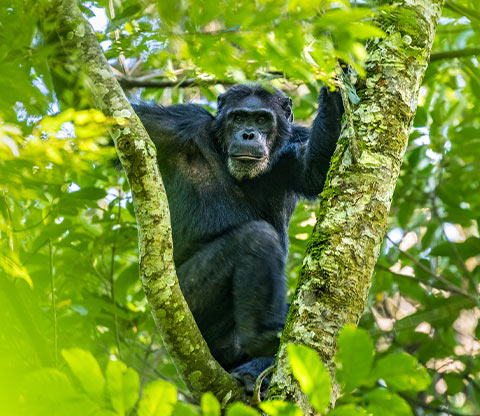
For a 3-day chimpanzee tracking safari in Kibale Forest National Park, pack sturdy hiking boots, long-sleeved shirts/trousers in neutral colors, a waterproof rain jacket, and insect repellent. Key essentials include a waterproof daypack, camera with extra batteries, binoculars, and a hat. Pack light and focus on protection against rain, thorny branches, and insects
3-days-chimpanzee-tracking-to-kibale-forest-national-park
3-days-chimpanzee-habituation-in-kibale-forest-park
3-days-chimpanzee-tracking-in-kibale-forest-park-from-kigali
1. Clothing (Lightweight & Layered)
Choosing the right clothing for chimpanzee tracking is a balance between comfort and protection. Because Kibale is a tropical rainforest, the environment is dense with stinging nettles, thorny branches, and various insects. Long-sleeved shirts and long trousers are mandatory; they act as a physical barrier against scratches and bites. You should prioritize moisture-wicking, lightweight fabrics that dry quickly, as the humidity can be high even when it isn't raining. Neutral colors like khaki, olive green, or tan are highly recommended. These earth tones help you blend into the forest background, which is less intrusive to the primates and other wildlife. Conversely, you should avoid bright colors like blue (which attracts tsetse flies) or red (which can be seen as a threat or alarm color by some animals).
Layering is the key to managing the fluctuating forest temperatures. Early mornings at the Kanyanchu briefing point can be surprisingly chilly, requiring a warm sweater or fleece. However, as you begin the physical exertion of the trek and the sun rises, you will want to shed those layers. A lightweight rain jacket or poncho is arguably the most critical item in your wardrobe; in a rainforest, a heavy downpour can happen in minutes, even during the "dry" season.
Your footwear can make or break the experience. Sturdy, waterproof hiking boots with deep tread and ankle support are essential for navigating slippery roots and uneven mud. A "pro-tip" used by experienced rangers is to wear long socks and tuck your trousers into them. This creates a seal that prevents safari ants—which move in long, biting columns on the forest floor—from crawling up your legs. Finally, gardening gloves might seem unusual, but they are incredibly helpful when you need to grab a branch for balance or move aside thorny vegetation while tracking a fast-moving troop.
2. Essential Trekking Gear
Once you enter the forest, you are away from facilities for several hours, making your waterproof daypack your lifeline. It should be comfortable and well-fitted, as you may be moving through thick undergrowth. Inside, insect repellent with a high DEET concentration is a must-have to protect against mosquitoes and the persistent forest flies. While the chimpanzees are the main event, Kibale is the primate capital of the world and a birder's paradise, so a pair of lightweight binoculars is essential for spotting red-colobus monkeys or Narina Trogons high in the towering mahogany canopy.
For photography, bring a camera with a high-quality zoom lens (at least 200mm to 300mm). Chimpanzees can move rapidly from the ground to the high branches, and a good zoom allows you to capture tight portraits of their expressive faces. Remember that flash photography is strictly prohibited, as it can blind or agitate the primates. Ensure you have extra batteries and high-speed memory cards, as you will likely take hundreds of photos in a single hour.
Hydration is vital. Even a "moderate" trek can be taxing in the humid forest air, so carry at least one to two liters of water. While some sessions are short, others can last up to four hours depending on where the chimps nested the night before. Lastly, do not forget sun protection. Even under the canopy, the African sun is powerful. A wide-brimmed hat, polarized sunglasses, and sweat-resistant sunscreen will protect you during the walk to and from the forest edges and in the more open clearings.
3. Other Recommended Items
To maintain your energy levels during the trek, pack lightweight, high-energy snacks such as granola bars, nuts, or dried fruit. While you aren't allowed to eat or drink in the immediate vicinity of the chimpanzees (to prevent the spread of human diseases and to avoid habituating them to human food), having a snack during a break in the hike can provide the necessary boost for a steep climb. A small personal first-aid kit is also a wise addition. While the guides carry basic supplies, having your own blister pads, antiseptic wipes, and adhesive bandages allows you to address minor irritations immediately.
A walking stick is a simple but transformative tool for forest trekking. These are often provided for free or a small tip at the park headquarters. They provide a "third leg" for stability when crossing muddy patches or navigating tangle-roots. In terms of hygiene, wet wipes and hand sanitizer are invaluable. The forest can be messy, and you'll want to clean your hands before eating your snacks or after using the "bush toilet" (the great outdoors).
Furthermore, consider bringing a small waterproof dry bag specifically for your phone and passport inside your backpack. Even if your backpack has a rain cover, an intense tropical storm can sometimes soak through. Being prepared for the "messy" side of the rainforest—sweat, mud, and rain—ensures that you can stay focused on the incredible sight of a chimpanzee family grooming just meters away from you, rather than worrying about a blister or a wet camera.
4. Documents & Conduct
Before you even arrive at the park, you must ensure your chimpanzee tracking permit is secured. This document is your official authorization to enter the habituated zones. Whether you booked it through a local safari operator or directly with the Uganda Wildlife Authority, you must have the physical or digital confirmation ready for the park wardens. Along with the permit, you are required to present your passport or a valid form of national identification to verify that the permit belongs to you.
Cash is another essential "document" of sorts. While your tour may be pre-paid, you will need small denominations of Ugandan Shillings or US Dollars for tipping. It is customary to tip your head guide and the rangers who spend their lives protecting these primates. If you find the terrain challenging, you can also hire a porter at the trailhead. Porters are local community members who carry your heavy bag and offer a steady hand on slippery slopes; hiring them is a direct and excellent way to support the local economy around Kibale.
Finally, adhere strictly to the "Do Not Bring" list. Strong perfumes or colognes should be avoided as they can interfere with the animals' keen sense of smell and may attract unwanted insects. Flashy jewelry can get caught on branches or, in rare cases, attract the curiosity of a mischievous young chimp. By dressing simply, staying quiet, and following the lead of your rangers, you ensure a respectful and safe encounter. This preparation respects the wild nature of the chimpanzees and ensures that Kibale remains a sanctuary where these incredible great apes can thrive alongside human visitors.
3 Days Chimpanzee tracking in Kibale Forest Park
Venture into the lush heart of the Kibale National Park, a tropical rainforest sanctuary famously known as the "Primate Capital of the World." This 3-day chimpanzee tracking safari offers an intimate immersion into one of Africa’s most biodiverse ecosystems, home to an incredible 13 species of primates. Your journey centers on the thrill of encountering our closest living relatives—the chimpanzees—within their natural habitat, observing their complex social structures and vocal communications firsthand. Beyond the primates, the park is a haven for rare forest birds, vibrant butterflies, and elusive forest elephants. You will also experience the vibrant local culture and the stunning scenery of the Ndali-Kasenda crater lakes. Combining expert-led forest treks with serene community walks through the Bigodi Wetland, this short but intensive safari provides a profound connection to the wild. Prepare for an unforgettable expedition into the misty canopies and ancient trails of Uganda’s premier rainforest destination.
Day 1: Arrival and Crater Lake Exploration
Your journey begins with a scenic drive from Kampala or Entebbe, heading west through the rolling green hills and tea plantations of Fort Portal. After checking into your lodge, located on the fringes of the dense Kibale Forest, you will spend the afternoon exploring the breathtaking Ndali-Kasenda crater lakes. This region features dozens of ancient volcanic calderas that have transformed into stunning, deep-blue lakes surrounded by lush vegetation. A guided hike to the "Top of the World" viewpoint offers a 360-degree panorama of the Rwenzori Mountains and the expansive forest canopy below. As the sun sets, the forest comes alive with the calls of nocturnal insects and birds. Enjoy a quiet dinner at your lodge, breathing in the crisp forest air and preparing for the early morning trek that awaits you in the heart of the primate capital tomorrow.
Day 2: Chimpanzee Tracking and Bigodi Wetland
After an early breakfast, you head to the Kanyanchu Visitors Center for a 7:00 am briefing. Led by expert rangers, you enter the rainforest to track a community of habituated chimpanzees. The forest echoes with their "pant-hoots" as you follow their trails through the undergrowth. Once located, you spend one unforgettable hour observing them as they groom, play, and forage in the canopy or on the forest floor. In the afternoon, the adventure continues at the Bigodi Wetland Sanctuary. This community-run project is a birdwatcher’s paradise, famously home to the Great Blue Turaco. As you traverse the boardwalks, you may also spot several other primate species, including the Grey-cheeked Mangabey and the Red-tailed Monkey. This day perfectly balances the raw excitement of the deep forest with the tranquil beauty of the swamp, concluding with a restful evening at your lodge.
Day 3: Cultural Encounters and Departure
On your final morning, you have the opportunity to engage with the local Batooro and Bakiga communities that live on the edge of the park. A guided village walk offers insight into traditional life, including visits to local primary schools, traditional healers, and women’s craft groups where you can see intricate basket weaving in action. This cultural exchange provides a deeper understanding of the vital relationship between the local people and the conservation of Kibale Forest. Alternatively, you might visit a local tea estate to learn about the production of one of Uganda's primary exports. After a final traditional Ugandan lunch, you begin your return journey. As you leave the emerald shadows of the forest behind, you carry with you the vivid memories of the chimpanzees' soulful gazes and the vibrant spirit of the Ugandan rainforest.
1. What essential waterproof gear should I pack for tracking in Kibale?
Kibale is a tropical rainforest where the weather is famously unpredictable; a clear morning can transform into a torrential downpour within minutes. The most essential waterproof item is a high-quality, breathable rain jacket or poncho. A lightweight, packable jacket with Gore-Tex or similar technology is ideal because it allows perspiration to escape while keeping the rain out—crucial in the humid forest environment. If you opt for a poncho, ensure it is heavy-duty enough not to snag on the dense thorny branches found in the undergrowth.
Equally important is a waterproof rain cover for your daypack. Most modern hiking packs come with a built-in cover, but if yours doesn't, purchasing a separate one is vital to protect your electronics and extra layers. For absolute certainty, use dry bags or heavy-duty Ziploc bags inside your pack for your phone, camera batteries, and passport. Even if the pack stays relatively dry, the high humidity can cause moisture to seep into sensitive gear. Finally, waterproof gaiters are a secret weapon for forest trekking; they prevent rain and mud from running down your legs and soaking into the tops of your boots, keeping your feet dry even when the trails turn into streams.
2. Which, if any, specific clothing colors should I avoid wearing?
When choosing your safari wardrobe, the goal is to blend in and avoid attracting unwanted attention. You should strictly avoid bright colors like red, yellow, and white. These are highly visible to primates and can be perceived as a threat or an alarm signal, potentially causing the chimpanzees to move away or behave unnaturally. Blue and black are also on the "avoid" list, but for a different reason: they are scientifically proven to attract tsetse flies, which have a painful bite and are persistent in certain parts of the forest.
The ideal palette consists of earth tones—khaki, olive green, brown, and tan. These colors help you "disappear" into the forest backdrop, allowing for a more authentic encounter where the animals feel comfortable enough to continue their natural social behaviors. Avoid camouflage patterns, as these are often reserved for military or park ranger personnel in many African countries and can sometimes lead to confusion or restricted access. By sticking to neutral, muted tones, you prioritize the safety and comfort of both the wildlife and yourself.
3. What kind of footwear is best for muddy and uneven terrain?
The terrain in Kibale is a complex network of tangled roots, slippery mud, and steep slopes. Therefore, sturdy, waterproof hiking boots with good ankle support are non-negotiable. Sneakers or low-cut walking shoes do not provide the lateral stability needed when navigating the forest floor, where a single misstep on a mossy root can lead to a twisted ankle. Look for boots with a deep, multi-directional lug pattern on the sole; this "tread" is essential for gripping the slick mud during the wet season.
Before your trip, ensure your boots are well broken-in. A 3-day itinerary is not the time to discover your new boots cause blisters. Pair your boots with moisture-wicking wool or synthetic socks (like Merino wool) to keep your feet dry from sweat. A popular ranger trick is to wear long socks and tuck your trousers into them. This creates a physical seal that prevents "safari ants" or "fire ants" from crawling up your legs. If the ants are on the move, they can be incredibly aggressive, so having your footwear and socks properly configured is your best line of defense.
4. Is insect repellent necessary during the chimpanzee trekking experience?
Insects are an integral part of a healthy rainforest ecosystem, but they can be a major distraction for a trekker. Insect repellent is absolutely necessary. You will encounter mosquitoes, midges, and the notorious tsetse fly. A repellent with a high DEET concentration (at least 30-50%) is generally the most effective for the deep forest. If you prefer natural alternatives, look for products containing Lemon Eucalyptus oil, though these may need to be reapplied more frequently.
Apply your repellent to all exposed skin and even lightly over your clothing, as some insects can bite through thin fabrics. Pay special attention to your ankles and wrists. Beyond the comfort factor, repellent serves a health purpose; while Kibale is not a high-risk malaria zone compared to lower-lying areas, it is always better to prevent bites entirely. It is also wise to carry a small travel-sized spray or stick in your daypack for reapplication during the 3-hour trek, especially if you tend to sweat off the initial layer.
5. Why are long-sleeved shirts and trousers recommended for this trip?
While the tropical heat might tempt you to wear shorts and a t-shirt, the forest environment demands full coverage. Long sleeves and trousers protect you from stinging nettles, which are common in Kibale and can cause a painful, itchy rash that lasts for hours. The forest is also thick with thorny acacia branches and razor-sharp elephant grass that can easily scratch exposed skin as you push through the undergrowth to keep up with the chimpanzees.
Furthermore, long clothing is your primary defense against biting insects and ants. During the trek, you may find yourself sitting on a log or leaning against a tree to get a better view of the primates; full-body coverage prevents direct skin contact with irritating sap or hidden bugs. Choose lightweight, breathable, and quick-drying fabrics (like nylon or polyester blends). These materials allow for airflow to keep you cool during the physical exertion of the hike while providing the essential physical barrier needed to navigate the "Primate Capital of the World" safely.
6. What kind of camera equipment is best for capturing forest moments?
Capturing the beauty of Kibale requires specific gear because of the "green tunnel" effect, where the canopy blocks a significant amount of light. A DSLR or mirrorless camera with good low-light performance (high ISO capability) is ideal. For lenses, a telephoto zoom (such as a 70-200mm or 100-400mm) is the most versatile choice. This allows you to capture intimate portraits of chimps high in the trees while also being able to zoom out for ground-level social interactions.
Remember that flash photography is strictly forbidden, as it can startle or blind the animals. Therefore, a lens with a wide aperture (like f/2.8 or f/4) is a major advantage. Because you will be hiking, a monopod can be more practical than a tripod for stabilizing long shots on uneven ground. Don't forget extra batteries and multiple high-speed memory cards; you will likely find yourself shooting in "burst mode" to capture the fast-paced movements of the chimps, and the humid conditions can sometimes drain batteries faster than expected.
7. What items should go into my daypack for a 3-day trip?
Your daypack should be a 20–30-liter waterproof bag containing only the essentials to keep it lightweight. For a 3-day itinerary, each morning you should pack: your camera and binoculars, a rain jacket, at least 2 liters of water, and your packed lunch/snacks. You should also include your chimpanzee tracking permit and a copy of your passport in a waterproof sleeve.
Other small but vital items include hand sanitizer, wet wipes, and a small bag for your trash (everything you carry in must be carried out). If you have space, a spare pair of socks can be a lifesaver if you accidentally step into a deep puddle or marshy area. Since you will be returning to your lodge each evening, you don't need to carry your entire luggage—just what you need for the 4-6 hours you spend in the forest. Keeping the pack organized and balanced will make the trek much more enjoyable.
8. Should I carry binoculars, and why?
While the chimpanzees are often found on the ground or in the lower branches, they are equally likely to be 30 meters up in the fruiting trees. Binoculars are essential for observing these high-altitude behaviors. They allow you to see the intricate details of their faces, their nimble fingers as they peel fruit, and the subtle grooming gestures that define their social bonds. Without binoculars, a chimp high in the canopy is often just a dark silhouette.
Furthermore, Kibale is a premier birding destination. With over 370 species, including the elusive Green-breasted Pitta, having a good pair of 8x42 or 10x42 binoculars will exponentially increase your enjoyment of the forest. They help you spot smaller primates like the Black-and-white Colobus or the Red-tailed Monkey that might otherwise blend into the foliage. Even if your primary goal is photography, binoculars are much lighter to hold up for long periods of observation than a heavy camera lens.
9. What type of snacks and how much water should I pack?
Chimpanzee tracking can be physically demanding, lasting anywhere from two to five hours. You should pack at least 2 liters of drinking water per person. The humidity will cause you to sweat more than usual, so staying hydrated is critical to avoiding fatigue or heat-related headaches. Some travelers also find it helpful to bring a reusable bottle with built-in filtration or electrolyte tablets to add to their water.
For food, pack high-energy, lightweight snacks such as granola bars, dried fruit, nuts, or chocolate. These provide a quick glucose boost if the trek becomes strenuous. Most lodges will provide a packed lunch if you are doing a full-day habituation experience, but for standard tracking, a few snacks are usually sufficient to bridge the gap until you return to the lodge for lunch. Remember: never eat or drink in front of the chimpanzees. This is a strict park rule to prevent the risk of disease transmission and to keep the animals from associating humans with food.
10. Are garden gloves useful for the trekking activity?
It may sound unusual, but sturdy gardening gloves are a highly recommended "insider" item for Kibale. When you are tracking chimpanzees, you aren't always on a well-maintained path. If the troop moves quickly, you may find yourself scrambling up steep embankments or moving through dense brush. In these moments, you will instinctively reach out to grab branches or vines for balance.
The forest is full of thorns, stinging nettles, and rough bark that can easily scrape or puncture your hands. Gloves allow you to grip supportively without fear of injury. They are also useful if you need to clear a small path of stinging vegetation to get a better view or a clear photo. A simple pair of leather or rubber-palmed garden gloves is lightweight, easy to pack, and can significantly increase your comfort and confidence when moving through the wilder sections of the rainforest.
11. How important is a raincoat or poncho during the hike?
In Kibale, a raincoat or poncho is not just "recommended"—it is a functional necessity. The park receives rainfall throughout the year, and "dry season" simply means it rains less frequently, not that it doesn't rain at all. When a storm hits, it is often heavy and accompanied by a drop in temperature. A breathable raincoat keeps you dry while preventing the internal "sauna" effect caused by sweating during a hike.
A heavy-duty poncho is also a great choice because it can be thrown over both you and your daypack, providing an extra layer of protection for your gear. If you are caught in a downpour without waterproof gear, you risk hypothermia (even in the tropics) and potential damage to your expensive camera equipment. Beyond protection, a raincoat acts as a windbreaker during early morning drives in open-sided vehicles. Never enter the forest without one, regardless of how blue the sky looks at the trailhead.
12. What protective items do I need for sun protection?
Even though you spend much of your time under the forest canopy, the equatorial sun is incredibly strong. You will encounter open clearings, swampy areas, and the walk to and from the forest edge where you are fully exposed. A wide-brimmed hat is essential to protect your face and neck. Polarized sunglasses are also highly recommended to reduce glare, especially if you visit the nearby crater lakes or the Bigodi Wetland.
Apply a water-resistant sunscreen with at least SPF 30 before you start your trek. Because you will be sweating, the water-resistant formula is less likely to run into your eyes. Don't forget to apply it to the backs of your hands and your ears—areas often overlooked but easily burned. Even on "overcast" days, the UV levels in Uganda are high, and a bad sunburn can make carrying a backpack or wearing a camera strap very uncomfortable for the remainder of your 3-day trip.
13. Is a first-aid kit necessary for tracking chimpanzees?
While your UWA ranger guides are trained in basic safety and carry communication devices, having your own personal first-aid kit is a smart move. It doesn't need to be bulky; a small pouch with the essentials will suffice. Include blister pads or moleskin, as the damp conditions and uneven terrain are prime environments for foot irritation. Antiseptic wipes and adhesive bandages are useful for the small scratches or nicks you might get from thorns.
Other helpful additions include anti-histamines (in case of a reaction to an insect bite or stinging plant), pain relievers like Ibuprofen for muscle aches, and a few rehydration salts. If you have any personal medications, ensure you have enough for the duration of the trip plus a 2-day buffer. Having these items on hand means you can treat minor issues immediately and continue enjoying the trek without having to head back to the lodge early.
14. Which items are recommended for protecting camera gear?
The rainforest is a hostile environment for electronics due to the combination of high humidity and potential for sudden rain. To protect your camera gear, always carry a dedicated rain cover for your camera and lens—one that allows you to keep shooting even when it's drizzling. When not in use, keep your camera in a padded, waterproof camera bag or a dry bag inside your backpack.
A crucial but often overlooked item is silica gel packets or a small chamois cloth. Placing silica packets in your camera bag helps absorb excess moisture and prevents fungal growth on your lenses. A microfiber cloth is essential for wiping away condensation or raindrops from the lens element. Be careful when moving from an air-conditioned room or vehicle into the humid forest; your lens will likely fog up immediately. Giving your gear 15-20 minutes to "acclimatize" to the outside temperature before you start the trek can help prevent this.
15. Should I bring cash, and what else for a 3-day itinerary?
For a 3-day itinerary, you should carry a mix of Ugandan Shillings (UGX) and small-denomination US Dollars. While your major costs like permits and lodging are usually pre-paid, you will need cash for tipping. It is customary to tip your tracking guide (approx. $10-$20 per person), the rangers, and the porters if you hire one. Porters are locals who carry your bags and help you navigate the trails; hiring them for about $15-$20 is a fantastic way to support the local community directly.
Beyond cash, ensure you have your yellow fever vaccination certificate and your passport (or a clear color copy). For the itinerary itself, bring a portable power bank to keep your phone and camera batteries charged, as some eco-lodges rely on solar power and may have limited charging windows. Lastly, bring a journal or a small notebook; after your 1-hour encounter with the chimpanzees, you’ll want to write down your observations of their unique personalities and behaviors while the memory is still fresh.
Booking 3 Days chimpanzee tracking with us Roads of Adventure safaris
Book a 3-day chimpanzee tracking safari to Kibale National Park with Roads of Adventure Safaris to explore the "primate capital of the world," home to over 1,500 chimpanzees. The package typically includes trekking in Kibale Forest, Bigodi Wetland sanctuary walks, and cultural experiences, with accommodation and 4x4 transport included
