Packing for a 7-day Uganda safari requires a versatile mix of "savannah-ready" and "rainforest-essential" gear. Uganda’s equatorial climate features warm days (to), but mornings and evenings in high-altitude areas like Bwindi or Mgahinga can drop to
7-days-murchison-falls-uganda-safari-trip-via-ziwa-rhinos-kidepo-valley-and-jinja
7-days-best-family-uganda-safari-with-primates-and-big-five
7-days-photography-uganda-safari-all-big-five-chimpanzee-and-gorillas
7-days-uganda-tour-to-murchison-falls-via-ziwa-kibale-and-queen-elizabeth-national-park
7-days-best-uganda-birding-safari-tour
7-days-perfect-uganda-primate-safari-itinerary
7-days-uganda-honeymoon-safari-holiday-vacation
7-days-best-uganda-wildlife-safari-and-culture
7-days-best-gorilla-trekking-and-safari-in-uganda-to-see-big-fives
7-days-safari-to-uganda-queen-elizabeth-park-gorillas-trekking-and-lake-mburo
7-day-best-uganda-safari-holiday-true-escape
7-days-budget-uganda-safari-tour-package
7-days-honeymoon-uganda-safari-and-primate-tour-vacation-holiday
7-days-perfect-road-trip-uganda-safari-tour
7-days-best-uganda-safari-tour-to-popular-safari-parks
7-day-uganda-safari-to-kidepo-valley-via-jinja-and-sipi-falls
7-day-uganda-gorilla-trekking-chimpanzee-wildlife-safari-tour-and-culture
7-days-uganda-safari-chimpanzee-tracking-and-jinja-white-water-rafting
7-day-ultimate-uganda-primate-safari-chimpanzees-and-game-drives
1. Colors and Fabrics
Choosing the right color palette for your safari is not about fashion; it is about blending in and staying safe. Neutral earth tones like khaki, olive, and tan are the gold standard. These colors reflect heat well and do not startle wildlife. Crucially, you must avoid bright blue and black, as these colors are scientifically proven to attract tsetse flies, which carry a nasty bite and can transmit sleeping sickness. Additionally, bright whites are impractical as the red African dust will turn them orange within hours.
Regarding fabrics, long sleeves and trousers are essential for both trekking and evening game drives. They provide a physical barrier against the sun, stinging nettles in Bwindi, and the notorious "safari ants" found on forest trails. Opt for lightweight, moisture-wicking, and quick-drying fabrics (like nylon or polyester blends). Avoid denim at all costs; if jeans get wet during a rainforest downpour, they become heavy, take days to dry, and can cause severe chafing during a long trek.
2. Temperature Control: Layers, Rain Gear, and Swimwear
Uganda’s equatorial climate is deceptive. While the afternoons are hot, early morning game drives in Queen Elizabeth Park and nights in the high-altitude Bwindi forest can be surprisingly chilly. Pack a warm fleece or a medium-weight sweater to layer over your shirts. A "layering" approach allows you to peel off clothing as the sun rises, ensuring you remain comfortable throughout the day's fluctuating temperatures.
A high-quality waterproof jacket or breathable poncho is arguably the most important item in your bag. Bwindi and Kibale are tropical rainforests where it can rain at any moment, regardless of the season. Without a waterproof layer, you risk hypothermia or simply a miserable experience during your one hour with the gorillas. Finally, don't forget swimwear. Many luxury lodges feature pools with stunning views of the Rift Valley, and a dip in the bilharzia-free waters of Lake Bunyonyi is the perfect way to end a dusty safari.
3. Footwear and Socks
Your choice of footwear can make or break your primate trekking experience. Sturdy, waterproof hiking boots with deep treads and excellent ankle support are non-negotiable. You will be navigating steep, slippery slopes and tangled roots; a twisted ankle in the middle of the "Impenetrable Forest" is a logistical nightmare. Ensure your boots are well broken-in before you arrive in Uganda to avoid debilitating blisters.
For life at the lodge, bring a pair of comfortable sneakers or sandals to give your feet a break. When it comes to socks, pack several pairs of long, moisture-wicking trekking socks. A vital "pro-tip" used by rangers and seasoned guides is to tuck your trousers into your socks during the trek. This creates a seal that prevents safari ants and other stinging insects from crawling up your legs—a common and painful occurrence for those who leave their ankles exposed.
4. Specialized Trekking Gear
There are a few "secret" items that seasoned trekkers always carry. Gardening gloves are highly recommended for gorilla trekking. You will often need to grab onto vines, branches, and even stinging nettles for balance on steep, muddy terrain. A simple pair of rubber-palmed gloves protects your hands from thorns and blisters. Gaiters are also incredibly useful; they wrap around your lower leg and the top of your boot to keep mud, pebbles, and biting insects out of your footwear.
Finally, a face mask is a mandatory conservation requirement. Because mountain gorillas share approximately 98% of our DNA, they are highly susceptible to human respiratory diseases. To protect these endangered giants, the Uganda Wildlife Authority requires all visitors to wear a mask during the actual hour spent in the presence of the gorillas. Carrying a few spare surgical or N95 masks ensures you comply with regulations and help safeguard the primates' future.
5. Health and Personal Items
Health is paramount when traveling to East Africa. Insect repellent with a high DEET concentration (30–50%) is your primary defense against malaria-carrying mosquitoes and tsetse flies. Apply it to your skin and clothes regularly. For sun protection, bring high-SPF sunscreen, polarized sunglasses to cut the glare on the savannah, and a wide-brimmed hat with a chin strap to ensure it doesn't blow away during a game drive in an open-top vehicle.
Your personal medical kit should be comprehensive. Aside from personal prescriptions, include anti-malarial tablets, rehydration salts (essential for the humid treks), and a basic first-aid kit with plasters and antiseptic. Hydration is key; you will need at least 2 liters of water for a gorilla trek. Carrying a reusable, filtered water bottle is an eco-friendly way to stay hydrated without contributing to the plastic waste that can plague sensitive ecosystems.
6. Gadgets and Documents
To capture the memories of your safari, a camera with a good zoom lens is essential, but don't forget extra batteries and high-capacity memory cards. Charging can be limited to common areas in solar-powered lodges, so a high-capacity power bank is a lifesaver. Binoculars are often overlooked but are vital for spotting leopards in trees or identifying Uganda's 1,000+ bird species. Note that Uganda uses Type G (UK-style) plugs, so bring a universal adapter if needed.
Regarding documentation, you must have your passport (valid for 6 months), your eVisa printout, and your Yellow Fever vaccination certificate, which is a mandatory entry requirement. For finances, cash is king in rural Uganda. Bring US Dollars printed after 2009 (older bills are often rejected due to forgery concerns) or withdraw local Shillings at the airport. Cash is necessary for tipping your guides, porters, and lodge staff, as well as for purchasing exquisite local crafts at the Equator stop.
7-day Uganda safari holiday
A 7-day Uganda safari holiday is a transformative journey into the heart of the Albertine Rift, offering a profound encounter with the world’s most iconic primates and diverse wildlife. This "Pearl of Africa" expedition is expertly designed to maximize your time in the wild, transitioning seamlessly from the lush, tropical rainforests of Kibale to the golden, predator-rich savannahs of Queen Elizabeth National Park. The journey reaches its emotional peak in the prehistoric Bwindi Impenetrable Forest, where you will stand mere meters from the majestic mountain gorillas. Throughout the week, you will navigate shimmering crater lakes, cruise along channels teeming with hippos, and engage with the vibrant cultures of the local communities. This itinerary is more than a vacation; it is a sensory-rich odyssey that balances the adrenaline of forest trekking with the tranquil beauty of the African bush, leaving you with an indelible connection to the natural world.
Day 1: Arrival and Entebbe Exploration
Your Ugandan adventure begins at Entebbe International Airport, situated on the tranquil shores of Lake Victoria. Upon arrival, you will be met by your guide and transferred to your hotel. If you arrive early, the afternoon is perfect for a visit to the Entebbe Botanical Gardens, where you can spot Great Blue Turacos and Vervet monkeys among century-old trees. Alternatively, a boat trip to Ngamba Island Chimpanzee Sanctuary offers an early look at primate conservation. As evening falls, enjoy a sunset dinner overlooking the lake, watching the traditional wooden fishing boats head out for the night. This first day is about acclimatizing to the tropical air and the gentle rhythm of Ugandan life, providing a peaceful prelude to the high-energy trekking and expansive savannah landscapes that await you in the days ahead.
Day 2: Journey to the Primate Capital
After an early breakfast, you begin the scenic drive west toward Kibale National Park. The journey takes you through the heart of Uganda’s agricultural belt, where vibrant markets and sprawling tea estates carpet the rolling hills of Fort Portal in brilliant shades of emerald. As the jagged "Mountains of the Moon" appear on the horizon, the air turns cool and fragrant, signaling your arrival in the primate capital of the world. Kibale is home to thirteen primate species and the highest density of chimpanzees in East Africa. After checking into your forest lodge, you can spend the late afternoon relaxing on your balcony, listening to the vocalizations of Red Colobus monkeys. The day concludes with a delicious meal and a briefing on the chimpanzee tracking protocols for the following morning.
Day 3: Chimpanzees and Bigodi Wetland
The morning begins with the echoing "pant-hoots" of chimpanzees. Led by expert rangers, you will head into the dense forest canopy to track a habituated troop. Watching our closest relatives groom, play, and swing through the branches is a thrilling, high-energy encounter that provides a window into our own social evolution. In the afternoon, you will visit the Bigodi Wetland Sanctuary for a guided nature walk. This community-run project is a haven for birders and primate enthusiasts alike; you will navigate boardwalks through the tropical swamp, searching for the rare Papyrus Gonolek and the stunning Great Blue Turaco. This day highlights the staggering biodiversity of the rainforest and the success of local conservation efforts, offering a perfect blend of adrenaline-fueled wildlife sightings and serene, educational walks through the lush wetland ecosystem.
Day 4: Savannah Plains of Queen Elizabeth
Leaving the rainforest, you head south to Queen Elizabeth National Park, crossing the Equator as you descend onto the Rift Valley floor. The landscape shifts dramatically from dense jungle to open savannah dotted with candelabra trees. After lunch, you will embark on an afternoon game drive across the Kasenyi Plains. This is the park's primary breeding ground for Uganda kobs, making it a high-traffic area for lions, leopards, and hyenas. You will scan the horizon for massive herds of Cape buffalo and savannah elephants moving toward water sources. The drive offers a classic African safari experience, framed by the towering Rwenzori Mountains. As the sun sets, the golden light transforms the plains into a photographer's dream, marking your transition from the world of primates to the domain of the "Big Four."
Day 5: Kazinga Channel and Ishasha Lions
Dawn brings you to the Kazinga Channel for a spectacular boat safari. This natural waterway hosts one of the world's highest concentrations of hippos and enormous Nile crocodiles. From the water, you will see elephants and buffaloes bathing on the banks and a dazzling array of waterbirds. Afterward, you drive south toward the remote Ishasha sector. This area is world-renowned for its unique tree-climbing lions, which lounge in the massive limbs of sycamore fig trees during the heat of the day. Seeing a 400-pound lion draped over a branch is a surreal wildlife highlight. Continuing south, you begin the ascent into the Kigezi Highlands, often called the "Switzerland of Africa." By evening, you reach the edge of Bwindi Impenetrable National Park, where the cool mountain air and misty ridges set the stage for your gorilla encounter.
Day 6: The Ultimate Gorilla Trek
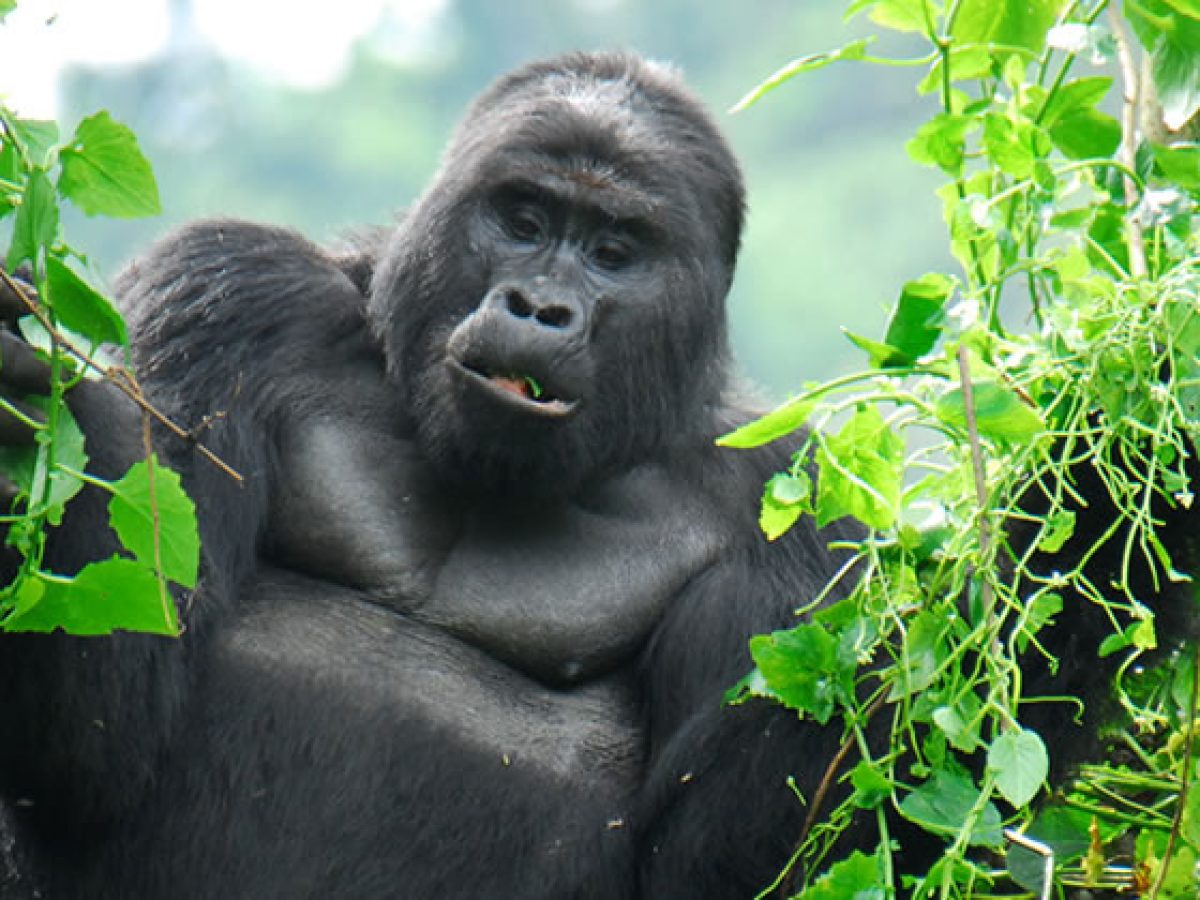
This is the pinnacle of your holiday. After a briefing at the park headquarters, you will enter the ancient, high-altitude rainforest in search of a mountain gorilla family. The trek is physically demanding, involving steep ridges and thick brush, but the moment you find them, the world goes silent. You are granted one hour to observe these gentle giants from just a few meters away. Watching a Silverback calmly oversee his troop while infants play in the vines is a profound, soul-stirring experience that defies description. You will see the human-like expressions in their eyes and hear their deep, guttural vocalizations. This intimate connection with our wild relatives is life-changing, leaving an indelible mark on your soul. After the trek, return to your lodge to celebrate and reflect on one of the greatest wildlife encounters on Earth.
Day 7: The Equator and the Final Return
Your final day involves a scenic drive back toward Entebbe, marking the end of your loop through western Uganda. The route takes you through the rolling cattle country of the Ankole people, where you can see the famous long-horned cows grazing along the roadside. You will make a definitive stop at the Equator crossing in Kayabwe for photographs and the famous Coriolis effect water demonstration. This is also the perfect opportunity for last-minute souvenir shopping, selecting hand-woven baskets or colorful African fabrics from local craft stalls. After a final safari lunch, you continue to Entebbe International Airport for your evening departure. as you fly out over the shimmering waters of Lake Victoria, you carry the wild spirit of the rainforest and the memory of the "Pearl of Africa’s" magnificent landscapes with you.
1. What are the best colors to wear on a Uganda safari?
Color choice is a matter of both safety and stealth. Neutral earth tones—khaki, beige, tan, and olive green—are the gold standard because they don’t startle wildlife and they hide the ubiquitous red African dust. You should strictly avoid bright blue and black; these colors are known to attract tsetse flies, which have a painful bite and can carry sleeping sickness. Similarly, avoid bright whites, which will be ruined by dust within minutes, and high-visibility "neon" colors that make you stand out like a beacon to the animals you are trying to observe quietly.
2. Is camouflage clothing allowed in Uganda?
This is a critical rule: do not pack camouflage. In Uganda, as in many African nations, camouflage patterns are reserved exclusively for the military and specialized park rangers. Civilians wearing "camo"—even if it is just a fashion statement or a designer hat—can be stopped, questioned, or have the items confiscated by local authorities. To stay respectful and avoid any legal misunderstandings or delays at checkpoints, stick to solid neutral tones for all your forest and savannah gear.
3. What kind of shoes are necessary for a 7-day trip?
You need two distinct types of footwear. For trekking, sturdy, waterproof hiking boots with high ankle support and deep treads are non-negotiable. You will be navigating steep, slippery slopes and tangled vines; a twisted ankle is the quickest way to end a safari. Ensure they are well broken-in before you arrive. For your time at the lodge or in the vehicle, bring a pair of comfortable sneakers or sports sandals. Your feet will need a break after hours of heavy trekking, and sandals are perfect for the warmer afternoons in Queen Elizabeth Park.
4. Do I need a raincoat, even in the dry season?
Absolutely. The "Impenetrable" in Bwindi Impenetrable Forest refers partly to the dense canopy, which creates its own microclimate. Rain can occur at any time of year, and when it rains in a tropical forest, it is often a heavy downpour. A lightweight, breathable waterproof jacket or a sturdy poncho is essential. Without it, you risk getting soaked and chilled, which can turn a magical one-hour gorilla encounter into an uncomfortable struggle. A poncho is particularly useful as it can also cover your daypack and camera gear.
5. What should I pack for Gorilla Trekking?
Gorilla trekking gear is about protection. You need long trousers and long-sleeved shirts to protect against stinging nettles and thorny branches. A vital "pro-tip" is to bring gardening gloves; you will frequently need to grab onto vegetation for balance, and gloves prevent stings and scratches. Also, pack long socks to tuck your trousers into—this prevents "safari ants" from crawling up your legs. A wide-brimmed hat, waterproof jacket, and a daypack for your 2 liters of water and packed lunch complete the ensemble.
6. How many sets of clothes should I pack?
A 7-day trip usually requires about 5 to 6 sets of clothes. You don’t need a fresh set for every single day because most lodges offer laundry services (often for a small fee, though sometimes included in luxury stays). However, keep in mind that laundry is usually sun-dried, so it may take 24 hours to return. Pack lightweight, quick-drying fabrics rather than heavy cotton or denim. This ensures that if you get caught in a storm or sweat through a shirt during a chimp trek, your clothes will be ready to wear again sooner.
7. What items are essential for morning game drives?
Many travelers are shocked by how cold it is at 6:00 AM on the savannah. Because you are often in an open-top vehicle moving at speed, the wind chill is significant. A warm fleece, windbreaker, or sweater is vital. You will likely start the drive bundled up, then peel off layers as the equatorial sun heats the plains by 10:00 AM. A "buff" or scarf is also helpful to protect your neck from the wind and keep dust out of your nose and mouth.
8. Should I bring a camera?
While smartphone cameras are great, a dedicated camera with a telephoto/zoom lens (at least 200mm to 300mm) will transform your safari photos. Wildlife is often at a distance, and a zoom lens allows you to capture the detail of a leopard’s spots or a gorilla’s expression without intruding on their space. Bring extra memory cards and at least one spare battery. Many lodges are solar-powered and may only offer charging in the main lounge, so having a backup battery ensures you never miss a shot because of a dead camera.
9. Do I need binoculars?
Yes, binoculars are perhaps the most underrated safari tool. While you might see the "Big Five" with your naked eye, binoculars allow you to witness the details of animal behavior—the flick of a lion's ear, the colorful plumage of a Kingfisher, or the way a chimpanzee uses a tool. They are also essential for birdwatching, which is world-class in Uganda. A pair of 8x42 or 10x42 binoculars is the ideal balance of magnification and light entry for both forest and savannah environments.
10. What toiletries and medicines are must-haves?
Health is your priority. You must pack strong insect repellent (30-50% DEET) and take your anti-malarial medication as prescribed. High-SPF sunscreen and lip balm are necessary for the intense equatorial sun. Include rehydration salts, which are a lifesaver if you get dehydrated during a humid trek. Finally, a basic personal first-aid kit with Ibuprofen, antiseptic cream, plasters, and any personal prescriptions is essential, as pharmacies are non-existent once you enter the national parks.
11. What is the best luggage to bring?
Leave the hard-shell, four-wheeled suitcases at home. Soft-sided duffel bags are the best choice for Uganda. Safari vehicle trunks and domestic bush planes have limited, awkwardly shaped cargo holds; soft bags can be squished and stacked much more efficiently. If you are taking a domestic flight to Bwindi, there is often a strict 15kg (33lb) weight limit, and hard suitcases are heavy even when empty. A bag with "backpack straps" is even better for navigating the uneven paths at bush lodges.
12. Do I need to bring a power adapter?
Uganda uses the Type G plug (the British-style three-square-pin plug), and the standard voltage is 240V. If your devices use a different plug, you will need a universal adapter. It is highly recommended to bring a multi-point power strip if you have many gadgets, as some lodge rooms may only have one or two available outlets. Additionally, a power bank is a smart inclusion for charging your phone or camera on the go, especially since solar power at lodges can sometimes be limited during cloudy weather.
13. What is a "daypack" and why do I need one?
A daypack is a small, lightweight backpack (20–30 liters) that you carry personally during activities. On a gorilla trek, your daypack will hold your rain gear, camera, binoculars, sunscreen, and the 2 liters of water required by the park. It also holds your packed lunch. Ensure your daypack is waterproof or comes with a rain cover. During game drives, it keeps your essentials organized in the vehicle. If you hire a porter (which we highly recommend), they will carry this pack for you, making your trek much easier.
14. Are there any local customs to consider for clothing?
Ugandans are generally conservative and modest in their dress. While "safari gear" (shorts and tanks) is perfectly acceptable within the national parks and lodges, it is respectful to dress more modestly when visiting local communities or walking through towns. For women, skirts or trousers that cover the knee are appreciated. For men, long trousers are often seen as more "professional" than shorts. Dressing respectfully is a simple way to foster positive interactions and show appreciation for the local culture.
15. Can I bring items for donation?
Yes, and this is a wonderful way to give back. However, avoid handing out candy or money on the street, as this encourages begging. Instead, bring educational supplies like pencils, notebooks, or solar calculators, and donate them to a local school or a community leader. Clothes and sturdy shoes are also highly valued. Many tour operators have partnerships with specific community projects; ask your guide where your donation can have the most sustainable and positive impact.
Booking 7 days Uganda safari holiday vacation with us Roads of Adventure safaris
Book a 7-day Uganda safari with Roads of Adventure Safaris for a personalized, seamless experience featuring gorilla trekking, chimpanzee tracking, and scenic game drives. The tailored itineraries include 4x4 transport, permits, and accommodation. Contact them via email at info@roadsofadventuresafaris.com or call/WhatsApp +256 701041637.
