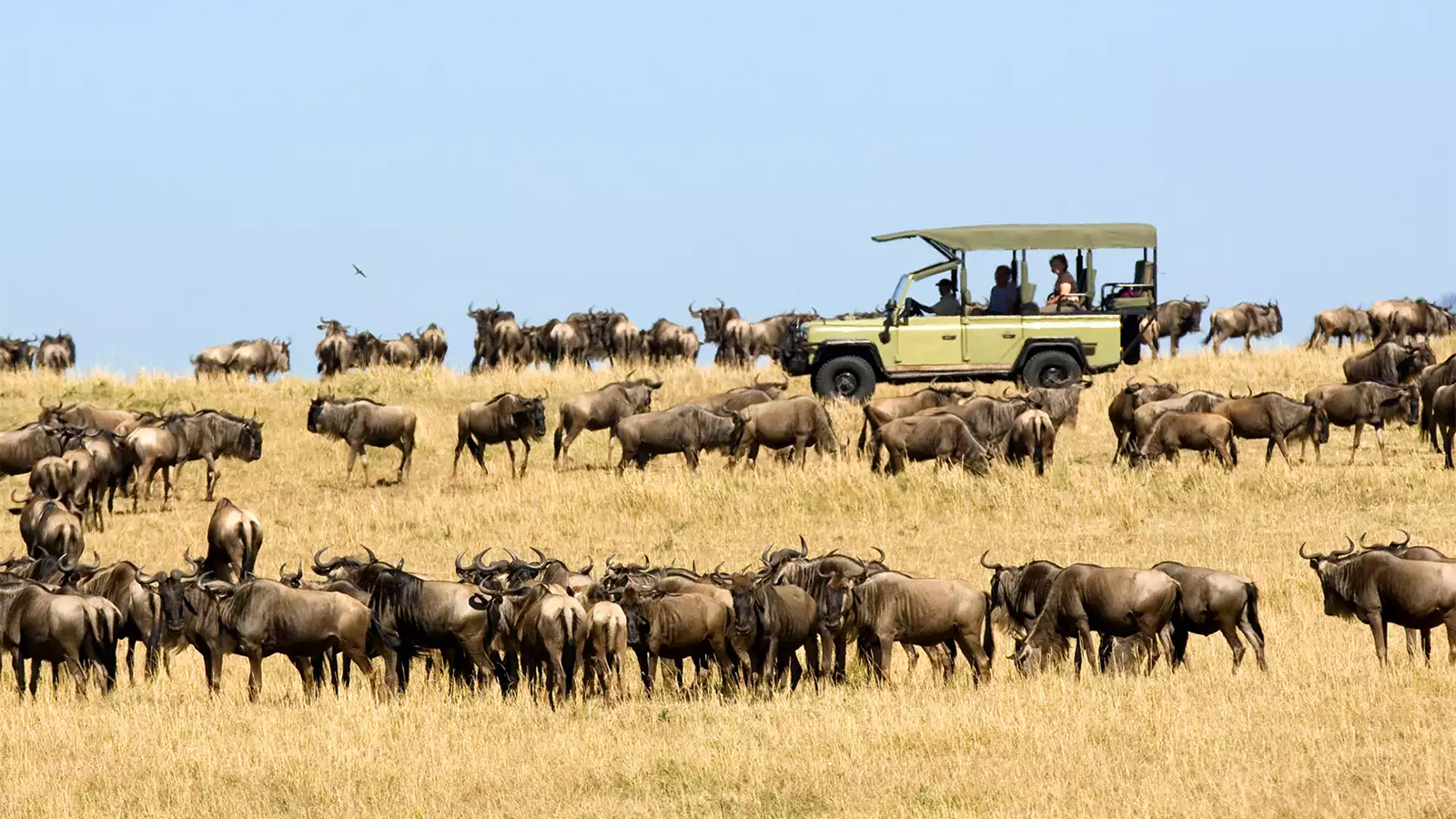
For a 3-day Masai Mara safari, pack lightweight, neutral-colored clothing (khaki, beige, olive) in layers, including a warm fleece for cold mornings, a waterproof jacket, and comfortable, closed shoes. Essential gear includes a camera with zoom, binoculars, sun protection, insect repellent, and a daypack. Pack in soft-sided bags.
3-days-budget-masai-mara-safari-tour-package-itinerary
3-days-masai-mara-national-reserve-kenya-safari-tour-package
3-days-fly-in-masai-mara-safari-tour-package
3-days-luxury-masai-mara-kenya-honeymoon-safari-vacation
Clothing Essentials (Layers are Key)
The Masai Mara’s weather is famously variable, swinging from chilly dawn temperatures to scorching midday sun. The secret to comfort is layering. Your base should consist of moisture-wicking T-shirts or tops, topped with long-sleeved shirts and trousers to provide a physical barrier against both the intense equatorial sun and biting insects like tsetse flies. Neutral tones—khaki, beige, and olive—are the gold standard; they help you blend into the savannah and don't show the fine red dust of the Mara roads.
As the sun sets or before it rises, the temperature drops significantly. A warm fleece or heavy sweater is non-negotiable for those open-air vehicle drives. Even in the dry season, a lightweight waterproof poncho is a smart addition for unexpected afternoon showers. Footwear should be practical; while you’ll spend most of your time in the vehicle, comfortable closed-toe sneakers or sturdy walking shoes are essential for navigating camp unevenness or participating in a nature walk. Don't forget a wide-brimmed hat to prevent sunstroke and a buff or scarf to breathe comfortably when the trails get dusty.
Gear and Equipment
To truly capture the magic of the Mara, your gear must be up to the task. A camera with a telephoto lens (ideally 300mm or higher) is the difference between a blurry brown speck and a majestic portrait of a leopard. Because wildlife often stays at a respectful distance, binoculars are perhaps the most underrated piece of equipment; they allow you to see the flick of a lion’s ear or the vibrant plumage of a Lilac-breasted Roller in high definition.
Power is a precious commodity in the bush. Many budget and eco-camps rely on solar energy and may only provide charging stations in common areas at specific times. Bringing a high-capacity portable power bank ensures your phone and camera stay charged during long game drives. Extra memory cards and spare batteries are vital, as you will likely take hundreds of photos a day. Finally, a small headlamp or torch is essential for navigating your tent or the camp pathways at night, as many camps turn off their generators or solar grids after 10:00 PM to preserve energy and the natural atmosphere.
Toiletries and Personal Health
Staying healthy in the wild requires a proactive approach. The African sun is incredibly strong, so high-SPF sunscreen and polarized sunglasses are mandatory to prevent burns and eye strain. To combat the risk of insect-borne illnesses, an insect repellent with at least 30% DEET is recommended, especially for use at dawn and dusk. Regarding malaria, it is essential to consult a travel clinic before departure to secure the appropriate prophylactics for Kenya.
A compact personal first aid kit should be tucked into your daypack. Include basics like plasters, antiseptic wipes, and rehydration salts—the latter is crucial if the heat or a change in diet affects your hydration levels. Because water is a limited resource and dusty conditions are common, hand sanitizer and wet wipes are "safari gold." They allow you to freshen up and clean your hands before a picnic lunch in the middle of the reserve. Always carry any personal daily medications in their original packaging to avoid issues at customs and ensure you have enough to last the duration of your trip.
Documents and Other Essentials
Organized documentation is the foundation of a stress-free safari. Your passport (valid for at least six months) and a printed copy of your e-Visa should be kept in a waterproof folder. Depending on your country of origin or recent travel history, a Yellow Fever Certificate may be a mandatory requirement for entry into Kenya; always check the latest health regulations 4–6 weeks before flying.
While many lodges accept cards, the "bush economy" runs on cash. Carry a mix of US Dollars (printed after 2006) and Kenyan Shillings for tipping your guide, camp staff, and purchasing handmade crafts at Maasai villages. Small denominations are best. Additionally, carrying a physical safari guidebook or a map of the Mara adds an educational layer to your trip, allowing you to track your route and identify species alongside your guide. Keeping digital copies of all these documents on a secure cloud drive or your phone serves as a vital backup in case the physical versions are lost or damaged during your travels.
What to Avoid
Packing for a safari is as much about what you leave behind as what you bring. Avoid bright, "neon" colors like red or bright yellow, as these can be distracting to wildlife and may prevent you from getting close to shy animals. Perhaps more importantly, stay away from dark blue and black clothing. These colors are scientifically proven to attract tsetse flies, whose bites are painful and can occasionally carry sleeping sickness.
Camouflage or military-style patterns should also be avoided; in many East African countries, including Kenya, "camo" is reserved strictly for the military and police, and wearing it as a civilian can lead to uncomfortable questioning at checkpoints. Leave your heavy denim jeans at home; they are bulky, take forever to dry if they get wet, and offer little breathability in the heat. Lastly, avoid bringing expensive jewelry or irreplaceable valuables. A safari is a rugged, dusty, and outdoorsy experience where the focus should be on the horizon, not on worrying about your accessories.
Packing Tips
Efficiency is key when space is at a premium. Most safari vehicles and small bush planes have strict weight and size limits, making soft-sided duffel bags much better than hard-shell suitcases. Duffels can be squashed into tight luggage compartments, whereas a rigid suitcase might be rejected on a domestic flight. To stay organized within a soft bag, use packing cubes. They allow you to separate your "dusty" game drive clothes from your clean evening attire and make finding your fleece in the dark much easier.
Always pack a "survival" kit in your carry-on luggage. This should include your daily medications, camera, binoculars, and a single change of clothes. In the rare event that your checked luggage is delayed, having these essentials ensures you don't miss out on your first game drive. Finally, remember that most lodges offer a laundry service (sometimes for a small fee), so you don't need to pack a fresh outfit for every single day. Packing light not only makes your transit easier but also leaves extra room in your bag for those beautiful Maasai blankets and carvings you’ll inevitably want to bring home.
3 Days Masai Mara safari in Kenya
Embark on the ultimate African odyssey with a 3-day Masai Mara safari, a compact yet high-impact journey into the heart of Kenya’s most iconic wilderness. This expedition is meticulously designed to showcase the staggering biodiversity of the Mara, a land of endless golden savannahs, dramatic acacia silhouettes, and the world’s most concentrated predator populations. Whether you are seeking the "Big Five" or hoping to witness the thundering hooves of the Great Migration, this safari offers a front-row seat to nature’s greatest theatre. Over three days, you will transition from the urban energy of Nairobi to the rhythmic, untamed heartbeat of the bush. This adventure blends expert-led game drives with deep cultural insights, offering a profound connection to both the wildlife and the legendary Maasai people. Perfect for those with limited time but a grand sense of adventure, this safari delivers a life-changing encounter with the raw beauty of the wild.
Day 1: The Descent into the Great Rift Valley
Your adventure begins with an early morning departure from Nairobi, driving toward the Great Rift Valley escarpment. After pausing for breathtaking photographs of the valley floor, you continue to the Masai Mara, arriving at your camp in time for a traditional Kenyan lunch. As the midday heat dissipates, you head out for your first late-afternoon game drive. This is the perfect time to spot elephants moving toward waterholes or giraffes silhouetted against the horizon. Your expert guide will navigate the rolling grasslands to find the Mara’s famous lions as they begin to stir for their evening hunt. As the sun dips below the horizon, painting the sky in fiery oranges, you return to the camp for dinner under the stars, falling asleep to the distant, haunting calls of the African night.
Day 2: Full-Day Immersion in the Heart of the Mara
Today is dedicated to a deep exploration of the reserve’s diverse ecosystems with a full-day game drive and a picnic lunch. You will traverse the vast plains toward the Mara River, the iconic site of the Great Migration crossings. Here, you can observe massive pods of hippos and Nile crocodiles basking on the banks. The high density of prey attracts the Mara’s top predators; it is common to witness a cheetah scanning the plains or a leopard draped over a tree limb. In the late afternoon, you have the option to visit a Maasai Manyatta. This cultural exchange allows you to meet the local community, learn about their pastoralist lifestyle, and witness the famous adumu (jumping dance), providing a rich human context to the surrounding wilderness before returning for your final bush dinner.
Day 3: The Dawn Patrol and Journey Home
Your final day starts at the break of dawn, the most magical and active time in the bush. An early morning "dawn patrol" game drive offers the best chance to see the big cats finishing their nocturnal hunts before the sun gets too high. The soft morning light provides spectacular opportunities for photography, illuminating the dew on the grass and the vibrant birdlife waking in the canopy. Alternatively, you may opt for a majestic hot air balloon safari to float silently over the plains at sunrise. After a hearty bush breakfast and a final sweep of the reserve to spot any missing members of the "Big Five," you begin the journey back to Nairobi. You arrive in the capital by late afternoon, carrying with you a stunning gallery of photos and the enduring spirit of the wild.
1. What clothing is essential for a 3-Day Masai Mara safari in Kenya?
When packing for the Mara, the goal is to balance protection, comfort, and stealth. Breathable, lightweight fabrics like cotton or linen are best for the heat of the day. You should prioritize neutral-colored clothing—think beige, khaki, tan, or olive green. These shades serve a dual purpose: they help you blend into the savannah, making you less conspicuous to the animals, and they are excellent at hiding the fine, reddish-brown dust that inevitably kicks up during game drives.
Essential pieces include T-shirts for midday and long-sleeved shirts to protect your arms from the intense equatorial sun. Light trousers are preferable over shorts for afternoon drives, as they provide an extra layer of defense against biting insects and thorny bushes if you step out for a sundowner. Avoid camouflage patterns, as these are reserved for the military in Kenya and can lead to unnecessary delays at security checkpoints.
2. Do I need warm clothing for a 3-Day Masai Mara safari in Kenya?
One of the most common mistakes first-time safari-goers make is assuming Kenya is always hot. Because the Masai Mara sits at an elevation of about 1,500 to 2,100 meters, temperatures plummet as soon as the sun goes down. Early morning game drives usually begin at 6:00 AM in open-sided vehicles, where the wind chill can make it feel quite biting.
You absolutely need warm layers, such as a high-quality fleece, a windbreaker, or a medium-weight sweater. A "puffer" jacket that can be compressed into a small bag is an excellent space-saving option. Layering is key: you will likely start the morning in a heavy jacket and a scarf, peel down to a fleece by 9:00 AM, and be in a T-shirt by noon. Don't forget a warm pair of socks; cold feet can quickly dampen the excitement of a sunrise lion sighting.
3. What type of footwear should I pack for a 3-Day Masai Mara safari in Kenya?
For most of your 3-day safari, you will be inside a vehicle, so heavy-duty hiking boots aren't strictly necessary unless you've booked a guided bush walk. Instead, pack comfortable, closed-toe walking shoes or sneakers with good grip. Closed shoes are essential for keeping dust and insects away from your feet.
Sturdy boots are a plus if you plan on exploring around the camp or if your itinerary includes a visit to a Maasai village, where the ground can be uneven and rocky. Additionally, bring a pair of lightweight sandals or flip-flops for lounging around the lodge or tented camp. After a long day of game drives, letting your feet breathe while you sit by the campfire is a small luxury that makes a big difference.
4. What kind of luggage is best for a 3-Day Masai Mara safari in Kenya?
If you are taking a "fly-in" safari from Nairobi’s Wilson Airport, the type of luggage you bring is dictated by the aircraft. The small bush planes used for these transfers have very limited cargo holds and require soft-sided bags or duffel bags. Hard-shell suitcases are often rejected because they cannot be "squished" to fit the aircraft’s configuration.
Most domestic airlines in Kenya enforce a strict 15kg (33lbs) weight limit, which includes your hand luggage. If you are driving to the Mara, you have a bit more flexibility, but space in a safari jeep is still shared with other passengers and their gear. A durable, water-resistant duffel bag is the best choice for both scenarios, as it handles the dust and rugged handling of the bush better than traditional luggage.
5. Do I need special sun protection for a 3-Day Masai Mara safari in Kenya?
The sun in the Masai Mara is exceptionally strong due to the high altitude and the reserve's proximity to the equator. Even on overcast days, the UV index remains high. You must pack high-SPF sunscreen (30+) and apply it liberally to your face, neck, and arms before every game drive.
A wide-brimmed hat is another non-negotiable item; it protects your scalp and provides shade for your eyes, which helps reduce the glare when you're scanning the horizon for predators. Polarized sunglasses are highly recommended to protect your eyes from the intense light and to help you see through the heat haze on the plains. Many travelers also find that a lip balm with SPF is essential to prevent painful chapped lips caused by the combination of sun and wind in open vehicles.
6. Are insects a problem during a 3-Day Masai Mara safari in Kenya?
Insects are a natural part of the Mara ecosystem. While the reserve isn't always "swarming" with bugs, you will encounter mosquitoes (especially at dusk) and occasionally tsetse flies in more wooded areas. To stay comfortable, bring a strong insect repellent containing at least 30% DEET.
For added protection, some travelers choose to treat their clothing with permethrin before they leave home. Tsetse flies are famously attracted to dark blue and black colors, so wearing your neutral-colored, long-sleeved clothing is your first line of defense. Most camps and lodges provide mosquito nets over the beds and spray the rooms during dinner, but having your own repellent ensures you stay bite-free while enjoying your evening meal or sitting by the fire.
7. What camera gear should I bring for a 3-Day Masai Mara safari in Kenya?
The Masai Mara is a photographer's paradise, but to get those iconic close-up shots of a leopard's spots or a lion's mane, your phone camera may not be enough. A DSLR or mirrorless camera paired with a telephoto or zoom lens is highly recommended. A lens with a focal length of 100–400mm is the "sweet spot" for safari photography, providing enough reach for distant animals while remaining versatile for closer encounters.
If you aren't a professional, even a "bridge" camera with a high optical zoom will produce significantly better results than a smartphone. Don't forget a beanbag or a small travel tripod to steady your shots from the vehicle. Most importantly, bring plenty of extra memory cards. You will be surprised at how quickly you can fill a 64GB card when a cheetah starts hunting or a herd of elephants crosses the path right in front of you.
8. Are binoculars necessary for a 3-Day Masai Mara safari in Kenya?
While your guide will likely have a pair of binoculars to share, having your own is crucial for an immersive experience. Wildlife sightings don't always happen right next to the road; often, the most exciting action—like a leopard guarding its kill high in a tree or a distant rhino—requires magnification to see clearly.
Binoculars also allow you to appreciate the Mara’s incredible birdlife, from the colorful Lilac-breasted Roller to majestic ostriches. When shopping for binoculars, look for a pair with 8x42 or 10x42 magnification, which offers a good balance between zoom and a steady field of view. Having your own set means you won't miss a single second of the action while waiting for your turn to use the guide's pair.
9. Should I bring a day pack for a 3-Day Masai Mara safari in Kenya?
A small, lightweight backpack (day pack) is one of the most useful items you can bring. During your game drives, you’ll want a central place to keep your water bottle, binoculars, camera, sunscreen, and that extra fleece you’ll shed as the day warms up.
A day pack keeps your essentials organized and off the dusty floor of the safari vehicle. It’s also handy if you decide to take a guided nature walk or visit a Maasai village. Look for a pack with comfortable straps and perhaps a rain cover if you are traveling during the wet season. Having everything in one bag makes it much easier to hop in and out of the vehicle and ensures you don't accidentally leave your expensive sunglasses or power bank behind at the lodge.
10. What toiletries should I pack for a 3-Day Masai Mara safari in Kenya?
Pharmacies and shops are nonexistent once you enter the reserve, so you must arrive fully prepared. Beyond the basics, pack heavy-duty lip balm, wet wipes, and hand sanitizer. The Mara is incredibly dusty, and a quick wipe-down with a wet towel after a game drive feels incredibly refreshing.
Your personal medical kit should include any prescription medications, anti-diarrheal tablets, painkillers, and rehydration salts. If you wear contact lenses, bring plenty of rewetting drops and a pair of backup glasses, as the dust can be very irritating to the eyes. Most camps provide basic soap and shampoo, but if you have specific preferences, bring travel-sized versions of your own. Finally, don't forget your malaria prophylactics, as the Mara is a malaria-risk zone.
11. Is a raincoat needed for a 3-Day Masai Mara safari in Kenya?
Even if you are traveling during the "dry" season, weather in the Mara can be unpredictable. A short, sharp afternoon thunderstorm can happen at any time. A lightweight, packable waterproof jacket or poncho is an essential "just in case" item.
In the rainy seasons (March–May and November–December), a raincoat is a daily necessity. A poncho is often preferred because it can fit over you and your camera gear, keeping everything dry if the vehicle's canopy doesn't provide full coverage. Choose a jacket in a neutral color if possible. Not only will it keep you dry, but it also acts as an extra wind-breaking layer during those chilly early morning drives, making it a versatile addition to your limited luggage space.
12. What documents are essential for a 3-Day Masai Mara safari in Kenya?
Before you leave Nairobi, ensure you have all your paperwork in order. You must have your passport with at least six months of validity and at least two blank pages. Most nationalities require an eVisa, which should be applied for well in advance and printed out.
You should also carry a Yellow Fever Certificate, especially if you are traveling from or through a country with a risk of yellow fever (this is strictly checked at the border/airport). Additionally, have a digital and physical copy of your travel insurance policy and your safari itinerary. While many things are becoming digital, having a physical folder for these documents is much more reliable in areas where internet connectivity can be spotty.
13. Do I need to bring snacks for a 3-Day Masai Mara safari in Kenya?
While most safari packages are "full board" and provide three hearty meals a day, bringing your own high-energy snacks is a great idea. Game drives can be long and unpredictable; you might spend an extra two hours waiting for a leopard to climb down from a tree, pushing your lunch back significantly.
Pack snacks that won't melt or crush easily, such as nuts, dried fruit, energy bars, or crackers. These are especially useful during full-day game drives where you'll be eating a picnic lunch in the middle of the reserve. Having a few treats from home can also be a nice comfort in the evenings. Just remember to keep all food in sealed containers to avoid attracting insects or small animals to your tent!
14. Are there electricity shortages during a 3-Day Masai Mara safari in Kenya?
Many camps and lodges in the Masai Mara operate on solar power or generators and may only provide electricity during specific "charging hours" (typically early morning and evening). To avoid being caught with a dead camera battery during a lion hunt, you must be prepared.
Bring at least two extra camera batteries and a high-capacity portable power bank for your phone. A multi-plug travel adapter (Type G, the British-style three-pin plug) is standard in Kenya. If you rely on a CPAP machine or other medical device, inform your operator in advance so they can ensure your camp has 24-hour power. Having your own power bank gives you the freedom to charge your devices inside your tent without worrying about the camp’s power schedule.
15. What is the dress code for dinner during a 3-Day Masai Mara safari in Kenya?
The dress code for safari dinners is almost always "safari casual." There is no need for formal wear, suits, or high heels. Most guests simply freshen up after their afternoon game drive and wear clean, comfortable clothes to the dining area.
Because temperatures drop rapidly after dark, the best strategy is to wear layers. A clean pair of trousers and a long-sleeved shirt, topped with a sweater or fleece, will keep you comfortable during dinner. Many lodges have an outdoor campfire area where guests gather for drinks before or after the meal; wearing long sleeves and trousers also provides extra protection against evening mosquitoes. The vibe is relaxed and focused on sharing stories from the day's sightings, so prioritize warmth and comfort over fashion.
Booking 3 Days Masai mara with us Roads of Adventure safaris
You can book a 3-day Masai Mara safari with Roads of Adventure Safaris for an immersive experience in one of Kenya's most iconic wildlife reserves. They offer multiple packages, including budget-friendly road trips and convenient fly-in options.
