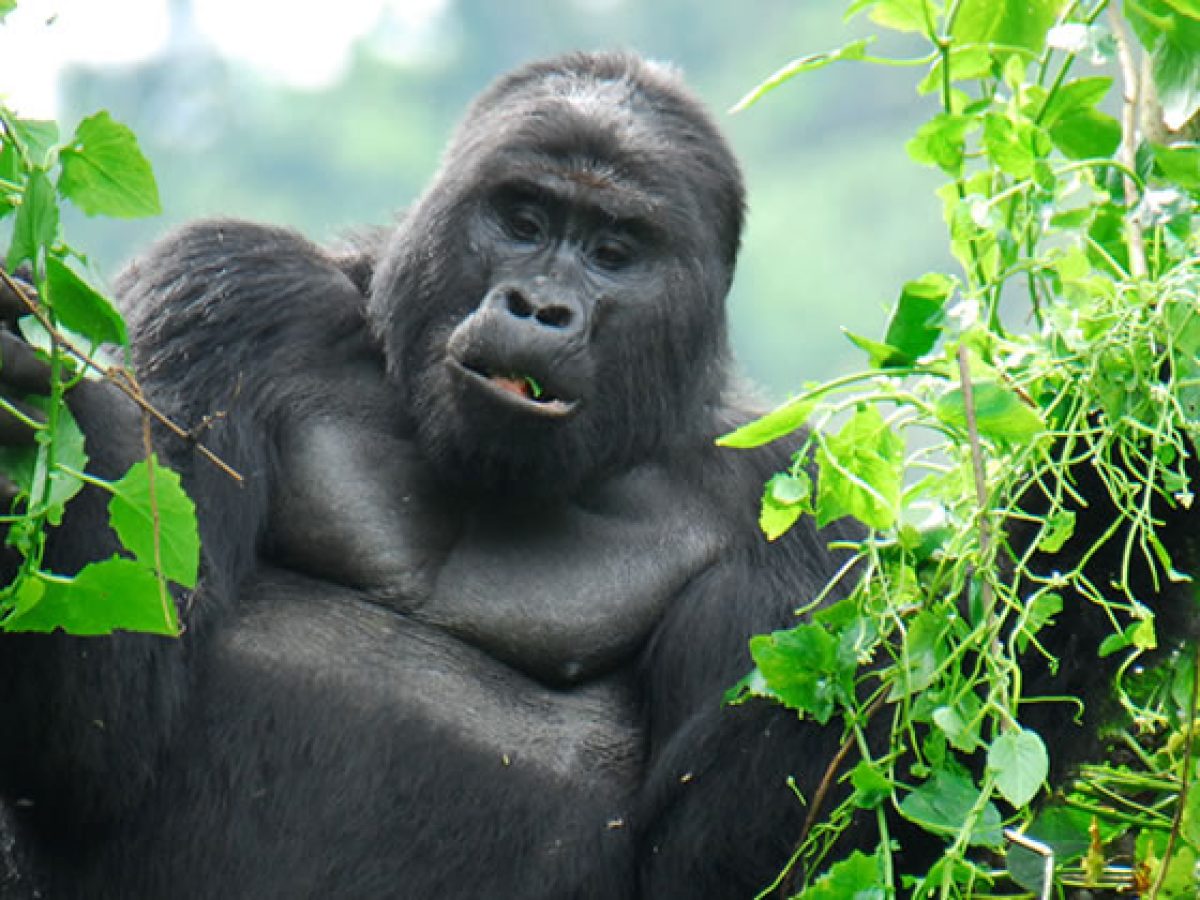
For a 14-day Rwanda safari and gorilla trekking, pack layers for shifting temperatures (hot plains to cold mountains) in neutral colors (khaki, beige, green). Essential gear includes broken-in waterproof hiking boots, long-sleeved shirts/pants, gardening gloves, a rain jacket, a daypack, and high-SPF sunscreen. The trip requires quick-dry clothing, insect repellent, trekking socks, and a camera with extra batteries.
14-days-luxury-rwanda-primate-safari-and-uganda-safari-tour-combo
14-days-magical-rwanda-photography-safari
14-days-uganda-and-rwanda-safari-tour-itinerary
14-days-of-rwanda-uganda-gorilla-safari-and-zanzibar-beach-holidays
Gorilla Trekking Essentials
Mountain gorillas reside in high-altitude rainforests where the terrain is notoriously difficult. Waterproof hiking boots with deep tread are non-negotiable; they provide the ankle support and traction needed for slippery, 45-degree inclines. To navigate the "Impenetrable" forest, you must wear long-sleeved shirts and trousers tucked into your socks to create a barrier against stinging nettles and safari ants. Garden gloves are a "pro-tip" for these treks, as you will frequently need to grab onto thorny vines or branches for balance.
Furthermore, gaiters are invaluable for keeping mud and debris out of your boots, while a high-quality rain jacket ensures that a sudden downpour doesn't turn your trek into an endurance test. Because these treks can last anywhere from two to seven hours, a small daypack is required to carry your packed lunch, two liters of water, and energy snacks like nuts or protein bars. Maintaining your stamina is key, as the altitude can make even a moderate hike feel significantly more taxing.
Clothing
The golden rule for an East African safari is layering. Mornings in places like the Ngorongoro Crater or Volcanoes National Park can be surprisingly cold (around 10°C/50°F), but by midday, the equatorial sun can push temperatures above 25°C (77°F). Pack neutral colors—khaki, olive green, and beige—to blend into the environment and avoid attracting tsetse flies, which are notoriously drawn to bright blue and black.
While in the bush, prioritize utility and comfort with breathable trousers and moisture-wicking fabrics. However, when transitioning to towns or local villages in Rwanda and Uganda, it is important to have modest clothing (covering shoulders and knees) to respect local cultural norms. Don't forget a swimsuit; many luxury lodges in the Serengeti or the Mara feature pools that provide a much-needed respite after a dusty afternoon game drive. Having a "clean" set of clothes for dinner at the lodge is also recommended to feel refreshed after a day in the field.
Gear & Electronics
To document a 14-day journey, your camera equipment must be robust. Bring a zoom lens (at least 300mm) to capture clear shots of distant lions or birds, and always carry extra batteries and high-capacity memory cards; the cold mountain air and high-volume shooting can drain power quickly. Binoculars are equally important, especially for spotting elusive leopards or identifying the hundreds of bird species you will encounter.
Since you will be away from power outlets during long game drives, a high-capacity power bank is vital to keep your phone and GPS functional. Regarding power, Rwanda and its neighbors primarily use Type C and Type G plugs with a 230V system. A universal travel adapter is a must-have to ensure your devices remain charged. If you are a serious photographer, consider a "bean bag" or a monopod for stability within the safari vehicle, as tripod legs are often too cumbersome for the cramped space of a 4x4.
Toiletries & Personal Items
Health and hygiene in the bush require proactive planning. A high-DEET insect repellent is your primary defense against mosquitoes, while a high-SPF sunscreen protects against the intense equatorial sun. Your first-aid kit should be tailored for "forest and field"—include antiseptic wipes, rehydration salts, and especially blister pads (Compeed), which can save your trek if your boots start to rub during a long gorilla search.
Hand sanitizer and wet wipes are crucial for hygiene during bush lunches where running water is unavailable. For sun protection, a wide-brimmed hat with a chin strap (to prevent it from blowing off in an open-top vehicle) and polarized sunglasses are essential to reduce the glare of the savanna. Finally, pack a small bottle of biodegradable soap; if you are on a 14-day trip, you may need to do a quick "sink wash" of your trekking socks or undergarments to keep your luggage weight down.
Documents & Money
Logistical preparedness is the foundation of a stress-free safari. Your passport must have at least six months of validity and several blank pages for visas. If you are crossing between Kenya, Uganda, and Rwanda, the East Africa Tourist Visa is the most cost-effective and efficient option. You must also carry physical copies of your Gorilla Permits and your Yellow Fever vaccination card, as these will be checked at borders and park headquarters.
When it comes to currency, cash is king for tipping and small souvenir purchases. While credit cards are accepted at major lodges, you will need US Dollars for most transactions. Crucially, these bills must be printed after 2009 and be in pristine condition (no tears or heavy folds), as many African banks and rangers will reject older or damaged currency. It is also wise to exchange a small amount into local Shillings or Francs for use in local markets or for tipping porters, as this often provides a better exchange rate for smaller items.
14-day Rwanda safari
This 14-day Rwanda safari is a definitive exploration of the "Land of a Thousand Hills," designed to showcase the country’s remarkable recovery, its profound natural beauty, and its status as a premier conservation destination. This journey transitions from the vibrant, clean streets of Kigali to the savanna plains of Akagera, the ancient mountain rainforests of Nyungwe, and the misty volcanic peaks of the Virungas. You will engage in deeply moving cultural exchanges, witness the "Big Five" in the east, and stand in the presence of mountain gorillas and chimpanzees in the west. This itinerary is expertly paced to allow for both high-adrenaline trekking and tranquil moments along the shores of Lake Kivu. By visiting Rwanda’s three distinct national parks, you gain a comprehensive understanding of the diverse ecosystems and successful community-led conservation models that define modern Rwanda. Prepare for a transformative journey through one of Africa’s most resilient and breathtaking landscapes.
Day 1: Arrival in Kigali
Your Rwandan odyssey begins at Kigali International Airport, where you will be met by your private guide. Kigali is widely regarded as Africa’s cleanest and safest capital, and your first day is dedicated to understanding its history and heartbeat. After settling into your hotel, you will take a city tour that includes the Kigali Genocide Memorial. While solemn, this visit is essential for understanding the resilience and unity of the Rwandan people today. You will also visit local markets and the Inema Arts Center to see the city's thriving contemporary art scene. The evening features a welcome dinner at a local restaurant, offering your first taste of Rwandan hospitality and cuisine, such as brochettes (grilled meat skewers). This day sets the cultural context for the wildlife and nature experiences that follow in the coming two weeks.
Day 2: Transfer to Akagera National Park
After breakfast, you head east toward Akagera National Park, located along the border with Tanzania. The landscape shifts from the hilly interior to low-lying plains and sprawling wetlands. Akagera is Rwanda's only savanna park and has undergone a massive restoration, including the reintroduction of lions and rhinos. Upon arrival, you will check into your lodge and head out for an afternoon game drive. The park is characterized by acacia woodlands and open grasslands, offering clear sightings of giraffes, zebras, and various antelope species like the impala and topi. As the sun sets, you may spot elephants heading toward the water. This transition to the savanna highlights the ecological diversity of Rwanda, which many travelers overlook in favor of the mountains, providing a classic African safari start to your trip.
Day 3: Full Day Game Drives in Akagera
Today is dedicated to exploring the northern reaches of Akagera, where wildlife density is highest. You will embark on a full-day game drive with a picnic lunch, searching for the "Big Five." The park's diverse habitats—from rocky outcrops to marshes—support a wide range of predators, including lions and leopards. You will navigate the park’s network of tracks, stopping at various lookout points over the vast savanna. In the afternoon, you will head to the southern sector for a boat safari on Lake Ihema. This is a highlight for birdwatchers and offers close-up views of large pods of hippos and massive Nile crocodiles basking on the banks. The combination of land and water safaris provides a comprehensive view of Akagera’s thriving ecosystem, which has become a model for conservation in East Africa.
Day 4: Akagera to Kigali and Cultural Immersion
You will enjoy one last early morning game drive in Akagera before beginning the journey back to Kigali. This "bonus" drive often yields sightings of nocturnal animals returning to their burrows. Upon returning to the capital, you will delve deeper into Rwandan culture. You will visit Nyamirambo, the city's most vibrant neighborhood, for a walking tour led by local women. You’ll learn about the area's history, visit a local hair salon, and participate in a traditional cooking class using fresh market ingredients. This afternoon provides a bridge between the wild savanna and the upcoming mountain rainforests. It is an opportunity to connect with the local community and understand the social fabric of the country, ensuring your 14-day safari is as much about the people as it is about the animals.
Day 5: Journey to Nyungwe National Park
The journey now turns toward the southwest, heading to Nyungwe National Park, one of the oldest and best-preserved mountain rainforests in Africa. The drive is scenic, passing through the southern highlands and rolling tea plantations. Along the way, you will stop in Huye (formerly Butare) to visit the Ethnographic Museum, which houses one of Africa's finest ethnographic collections. This provides deep insights into pre-colonial Rwandan life, including traditional architecture and royal history. As you approach Nyungwe, the air becomes cooler and the vegetation more dense. You will arrive at your lodge, which often sits right on the edge of the forest or within a tea estate, offering panoramic views of the canopy. The sounds of the forest replace those of the city, marking the beginning of your primate-focused leg of the safari.
Day 6: Chimpanzee Tracking in Nyungwe
Your day begins before dawn as you head into the forest to track chimpanzees. Nyungwe is home to a significant population of these intelligent primates. Following the calls of the chimps, you will trek through the dense undergrowth guided by expert trackers. Seeing chimpanzees in their natural habitat is a dynamic experience; unlike gorillas, they are often on the move, swinging through the high canopy or foraging on the forest floor. You will spend an hour observing their social interactions and vocalizations. In the afternoon, you will experience the famous Nyungwe Canopy Walk. Suspended 70 meters above the forest floor on a metal bridge, you will have a bird’s-eye view of the ancient trees and colorful birdlife. This perspective allows you to appreciate the vastness of the 1,000-square-kilometer forest from a unique vantage point.
Day 7: Colobus Monkey Trekking and Tea Experience
Nyungwe is famous for its 13 species of primates, and today you will search for the Black-and-White Colobus monkeys. These primates are known for their striking long white tails and are often found in large "mega-troops" of up to 300 individuals. The trek to find them is usually less strenuous than chimp tracking and offers excellent photographic opportunities as they leap between branches. In the afternoon, you will visit a local tea plantation. Rwanda produces some of the world's finest tea, and you will walk through the emerald-green fields to learn about the picking and processing methods. You’ll engage with the farmers and enjoy a professional tea-tasting session. This day highlights the harmony between the protected forest and the agricultural communities that surround it, showing the importance of tea as a buffer zone for conservation.
Day 8: Transfer to Lake Kivu (Kibuye)
Leaving the rainforest behind, you drive toward the shores of Lake Kivu, one of Africa's Great Lakes. Your destination is the town of Kibuye, often cited as the most beautiful point on the lake due to its many forested islands and steep hills. This is the "relaxation" phase of your 14-day journey. Upon arrival, you will take a boat trip out onto the lake to visit Napoleon Island—named for its shape—which is home to a massive colony of fruit bats. You can hike to the top of the island for a 360-degree view of the lake and the distant volcanoes. The evening is spent at a lakeside resort, where you can watch the "singing fishermen" paddle out in their unique three-hulled boats, chanting rhythmically as they head out for their nightly catch of sambaza (small sardine-like fish).
Day 9: Coastal Drive to Gisenyi
Today you follow the scenic "Congo Nile Trail" along the coastline of Lake Kivu to the northern town of Gisenyi (Rubavu). This drive is one of the most beautiful in Africa, winding through small villages and offering constant views of the turquoise water. You will see local life unfolding along the road—farmers carrying produce and children playing. Upon reaching Gisenyi, you will notice the landscape change as the massive Virunga Volcanoes begin to loom in the distance. Gisenyi is a bustling border town with a Mediterranean feel, featuring sandy beaches and palm trees. You can relax by the water or visit the local hot springs, which are believed to have healing properties. This day serves as the final transition before you head into the high-altitude territory of the mountain gorillas.
Day 10: Transfer to Volcanoes National Park
After a relaxed morning by the lake, you make the short drive (about 1.5 hours) to the Volcanoes National Park headquarters in Kinigi. The scenery becomes more dramatic as the five Rwandan volcanoes—Karisimbi, Bisoke, Muhabura, Gahinga, and Sabyinyo—come into full view. This is the heart of gorilla conservation, made famous by the work of Dian Fossey. You will check into your lodge, which is likely nestled on the slopes with views of the peaks. In the afternoon, you will visit the Ellen DeGeneres Campus of the Dian Fossey Gorilla Fund. This world-class research facility offers interactive exhibits on gorilla behavior, Fossey’s legacy, and the science of protecting these Great Apes. It is the perfect intellectual preparation for your encounter with the gorillas the following morning, providing context for the conservation success story you are about to witness.
Day 11: Gorilla Trekking Experience
This is the pinnacle of your 14-day safari. After an early breakfast, you head to the park headquarters for a briefing and to be assigned a gorilla family. Accompanied by expert rangers and armed guards, you enter the thick bamboo forest. The trek can take anywhere from 30 minutes to several hours. Once the gorillas are located, you will spend one hour standing just meters away from them. Watching a silverback lead his family or infants playing is a profound experience that defies description. The silence of the forest is broken only by the gorillas' grunts and the rustle of leaves. After the trek, you return to the lodge for a late lunch and a "gorilla certificate" ceremony. The afternoon is spent resting and reflecting on this life-changing encounter, perhaps with a traditional Rwandan massage to soothe your muscles.
Day 12: Golden Monkey Trekking and Iby’iwacu Village
Today you return to the forest to track the rare and playful Golden Monkeys. These primates are endemic to the high-altitude forests of the Virungas and are known for their striking orange-gold fur. They live in large groups in the bamboo zones and are much more active than the gorillas, often leaping through the trees or foraging on the ground nearby. It is a lighter, more energetic trek that complements the gravity of the gorilla experience. In the afternoon, you will visit the Iby’iwacu Cultural Village (Gorilla Guardians Village). This community project is run by former poachers who have turned to conservation and tourism. You will participate in traditional dancing, learn how to shoot a bow and arrow, and see a demonstration of a traditional Rwandan wedding. It is a joyful celebration of Rwandan heritage and community-led conservation.
Day 13: Twin Lakes and Musanze Exploration
Your second-to-last day is spent exploring the scenic beauty around Musanze. You will visit the Twin Lakes, Burera and Ruhondo, which sit at the base of the volcanoes. A boat ride on these deep blue lakes offers spectacular views of the volcanic chain and a chance to meet local fishing communities who live on the islands. Afterward, you can explore the Musanze Caves, formed by volcanic activity millions of years ago. These massive underground tunnels provide a different perspective on the geological history of the region. The rest of the afternoon is free for souvenir shopping at local craft cooperatives in Musanze town, where you can find high-quality "Agaseke" peace baskets and wood carvings. Your final evening in the mountains is celebrated with a farewell dinner, reminiscing about the highlights of the past two weeks.
Day 14: Return to Kigali and Departure
After a final breakfast overlooking the volcanoes, you begin the three-hour drive back to Kigali. The road winds through the heart of the "thousand hills," offering plenty of photo opportunities of the terraced agriculture that defines the landscape. Upon arrival in Kigali, you will have time for any last-minute shopping at the Caplaki Craft Village or a coffee at a local cafe to experience Rwanda's famous beans one last time. Depending on your flight schedule, you will be transferred to Kigali International Airport for your departure. As you leave, you carry with you a complete picture of Rwanda—from its savanna giants and mountain primates to its resilient people and stunning landscapes. This 14-day journey concludes with a deep appreciation for the profound beauty and progress of this remarkable African nation.
What is the single most important item to pack?
If there is one item that can make or break your Rwandan experience, it is a high-quality, breathable rain jacket. Regardless of whether you visit during the "dry" or "wet" season, the tropical rainforests of Volcanoes and Nyungwe National Parks are effectively giant water catchment areas. It can rain at any moment, and once you are wet at high altitudes, the drop in body temperature happens rapidly.
A jacket made from a membrane like GORE-TEX is ideal because it allows sweat to escape while keeping the rain out; a cheap plastic poncho will often leave you soaked from the inside due to condensation as you hike. This jacket also acts as a vital windbreaker during early morning game drives in Akagera or boat trips on Lake Kivu. For a 14-day trip, your rain shell is your primary shield against the elements, ensuring you stay comfortable enough to focus on the wildlife rather than your own discomfort.
What shoes are best for gorilla trekking?
Footwear is the foundation of a successful trek. You need waterproof, sturdy hiking boots that offer high ankle support and deep "lugs" (tread) for grip. The terrain in Volcanoes National Park is rarely level; you will be walking over tangled vines, slippery moss-covered stones, and deep, thick mud. Sneakers or low-cut trail runners do not provide the stability needed to prevent ankle rolls on these steep, uneven inclines.
It is crucial to "break in" your boots at least a month before your 14-day safari begins. Brand-new boots are the most common cause of painful blisters, which can ruin subsequent days of your trip. Ensure they are treated with a waterproof spray before you arrive. While the rangers and porters are incredibly agile, having confidence in your own footing allows you to enjoy the scenery rather than staring constantly at your feet.
What should I wear to protect against stingy plants and ants?
To survive the "Impenetrable" forest, you must adopt a "full-coverage" strategy. Wear long-sleeved shirts and long trousers made of tough, moisture-wicking fabric. The primary antagonist in the forest is the stinging nettle, which can penetrate thin leggings or light cotton with ease. These nettles cause a sharp, burning sensation that can last for hours.
Additionally, you may encounter "safari ants" (Dorylus), which move in massive columns and climb anything in their path. The standard safari "fashion move" is to tuck your trousers into your socks or use gaiters. This creates a physical seal that prevents ants from crawling up your legs. While it might not look stylish, this level of protection is essential for your comfort. By covering your skin, you also reduce the risk of scratches from thorny branches as you move through the dense undergrowth.
Are gardening gloves necessary?
Yes, gardening gloves are a secret weapon for gorilla trekking. Throughout the hike, the terrain is so steep and the vegetation so thick that you will naturally reach out to grab branches, vines, and bamboo stalks for balance. Many of these plants are covered in small thorns or sharp edges that can cause painful micro-cuts.
Simple, lightweight gardening gloves with a rubberized palm provide the protection and grip needed to navigate the forest safely. They also keep your hands clean if you have to scramble on all fours up a particularly muddy slope. While they are not needed for the one hour you spend sitting with the gorillas, they are indispensable for the hours spent reaching them. It is one of the most frequently forgotten items on packing lists, but one that travelers are most grateful for once they enter the forest.
What kind of backpack do I need?
For a 14-day safari, you need a waterproof daypack with a 20–30 liter capacity. This size is large enough to carry your essentials for a full day away from the vehicle or lodge without being so heavy that it becomes a burden during a long trek. Look for a pack with a supportive waist belt and chest strap; this redistributes the weight from your shoulders to your hips, which is vital when hiking up volcanic slopes.
A pack with a built-in rain cover is a major advantage, as it provides an extra layer of protection for your electronics. You should avoid backpacks with too many external "dangling" straps, as these can easily get caught on vines and branches in the thick forest. Your daypack will become your constant companion, holding everything from your camera to your lunch, so prioritize comfort and durability.
What should I keep in my daypack?
Your daypack should be organized for quick access to essentials. It must contain at least two liters of water, your packed lunch (provided by your lodge), and high-energy snacks like trail mix or protein bars. You will also need your rain jacket, a light fleece layer, sunscreen, and insect repellent.
From a technical standpoint, keep your camera and binoculars in waterproof dry bags within the pack. It is also wise to carry a small "hygiene kit" with wet wipes and hand sanitizer, especially for use before eating your lunch in the bush. If you take any personal medication, such as asthma inhalers or allergy pills, these must always be in your daypack, not in your main luggage at the lodge. Remember that once you leave the park headquarters, there are no facilities, so your daypack must contain everything you need to be self-sufficient for up to eight hours.
What colors should I wear?
When on safari, you should wear neutral colors such as khaki, olive green, tan, or brown. These shades serve two purposes: they help you blend into the natural environment, which is less disruptive to the wildlife, and they are excellent at hiding the inevitable dust and mud of the African bush.
It is important to avoid bright colors like red or yellow, which can be perceived as a threat or a distraction by some animals. More importantly, avoid dark blue and black, especially in savanna areas like Akagera, as these colors are highly attractive to tsetse flies, which have a painful bite. Camouflage patterns are also a "no-go"; in many African countries, including Rwanda, camouflage is reserved strictly for the military, and wearing it as a civilian can lead to uncomfortable questioning at security checkpoints.
Is special gear needed for my camera?
Yes, photography in the rainforest requires preparation. The mist and high humidity can cause condensation inside your lenses, and sudden rain can damage electronics. Always carry silica gel packets in your camera bag to absorb moisture and keep your gear in waterproof dry bags when not in use.
Additionally, the cold mountain air drains batteries significantly faster than usual. You should bring at least two or three extra batteries and keep them in an internal pocket close to your body to keep them warm. Since flash photography is strictly forbidden when visiting gorillas and chimpanzees, you will need a camera that performs well in low-light conditions (high ISO). A fast lens (f/2.8 or lower) is highly recommended to capture clear images under the dense forest canopy without the need for a flash.
Should I bring insect repellent?
A strong, DEET-based insect repellent is a mandatory item for any 14-day East African safari. While Rwanda has made great strides in malaria control, mosquitoes are still present, particularly in lower-altitude areas like Akagera and Lake Kivu. Repellent also helps protect against biting flies and safari ants.
For maximum effectiveness, apply repellent to your skin and consider treating your trekking clothes with permethrin before you leave home. Permethrin is a fabric treatment that remains effective through several washes and provides a powerful second layer of defense. In the forest, you may also encounter "sweat bees," which are harmless but can be annoying; a good repellent helps keep the general insect population at bay so you can focus on the primates.
What clothes are best for the evenings?
While your days will be active and warm, your evenings—especially in Volcanoes National Park—will be surprisingly cold. The park sits at a high altitude, and once the sun goes down, temperatures can drop to 10°C (50°F) or lower. Most luxury lodges provide fireplaces or hot water bottles, but you still need warm clothing like a fleece jacket, a sweater, or a lightweight down vest.
For a 14-day trip, "lodge casual" is the standard. You don’t need formal attire, but having a clean, warm pair of trousers and a long-sleeved shirt for dinner is a great way to end the day. A pair of warm socks and comfortable "camp shoes" or slippers are also highly recommended to give your feet a rest from your heavy hiking boots. This thermal layer is essential for enjoying the "sundowner" experience and sitting by the fire to discuss the day's sightings.
Do I need to carry my own water?
Yes, maintaining hydration is critical, especially when hiking at high altitudes where you lose moisture faster through respiration. You should carry at least 1–2 liters of water for a standard gorilla trek. A reusable water bottle or a hydration bladder (like a CamelBak) is the best option; Rwanda has a very strict policy against single-use plastics, and you should avoid bringing disposable plastic bottles into the national parks.
Most lodges provide filtered or bottled water for you to refill your containers each morning. Drinking small, frequent sips throughout the trek is better than gulping large amounts at once. Remember that the physical exertion of the hike, combined with the humidity, means you will be sweating more than usual, making consistent water intake vital to prevent altitude-related headaches and fatigue.
What personal care items are necessary?
Beyond the basics, several personal care items will significantly improve your comfort. High-SPF sunscreen and polarized sunglasses are essential for game drives and boat trips, as the equatorial sun is intense even when it’s cloudy. Wet wipes and hand sanitizer are necessary for hygiene in the bush.
A small pack of blister plasters (like Compeed) is a lifesaver if your boots begin to rub. I also recommend a good lip balm with SPF, as the wind and sun can quickly lead to chapped lips. For the 14-day duration, a small bottle of moisturizing lotion is helpful, as the dust of the savanna and the mountain air can dry out your skin. These small items take up very little space but provide a high level of daily relief.
Are walking sticks provided?
Yes, walking sticks are almost always provided for free or a small tip at the park headquarters before you start your trek. These are usually hand-carved wooden poles that provide vital "third-point" stability on the slippery slopes. Even if you are an experienced hiker who doesn't usually use poles, I highly recommend taking one.
The sticks are particularly useful for testing the depth of mud before you step and for clearing stinging nettles out of your path. If you have your own high-tech collapsible trekking poles, you are welcome to bring them, but ensure they have rubber tips to protect the forest floor. However, many travelers find that using the local wooden sticks adds to the authenticity of the experience and supports the local craftsmen who make them.
Is it necessary to pack medicines?
A basic first-aid kit is a vital part of your 14-day safari. While your guide will carry a professional medical kit, having your own supply of "everyday" medicines is much more convenient. Include painkillers (Ibuprofen or Paracetamol) for muscle soreness after trekking, anti-diarrheal medication, and rehydration salts.
If you are prone to motion sickness, bring medication for the winding, hilly roads of the "Thousand Hills." Antiseptic cream and a few adhesive bandages are useful for minor scratches. Most importantly, consult your doctor about malaria prophylaxis before you travel. Having these items on hand means you can quickly treat minor ailments and continue enjoying your safari without having to search for a pharmacy in remote areas.
What do I need to pack for the 14-day safari part?
For the "savanna" and "city" portions of your 14-day journey, you need comfortable, casual clothing. Lightweight, long trousers and cotton shirts are perfect for game drives in Akagera. A wide-brimmed hat with a chin strap is essential to protect your face and neck from the sun when the roof of the safari vehicle is open.
Binoculars are a must-have for birdwatching and for spotting distant predators; while your guide will have a pair, having your own means you don't have to wait to see the action. Don't forget a power bank to keep your phone charged for photos and a light sweater for the breezes on Lake Kivu. This mix of technical trekking gear and comfortable safari wear ensures you are prepared for every environment Rwanda has to offer over two weeks.
Booking 14 Days Rwanda safari with us Roads of Adventure safaris
To book a 14-day safari with Roads of Adventure Safaris, you can contact them directly through their official website or by emailing info@roadsofadventuresafaris.com
