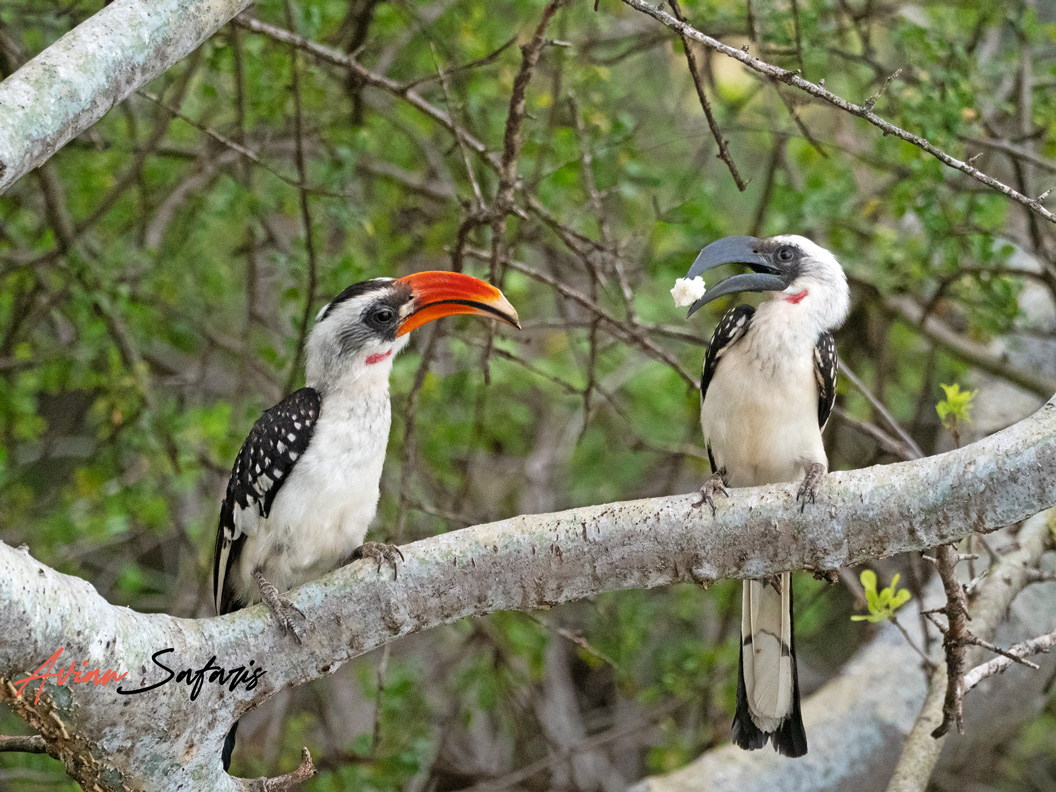
A birding safari in Kidepo Valley National Park offers the chance to spot over 476 bird species—including 60 found nowhere else in Uganda—within a stunning arid landscape. Expect to see iconic dry-country species like the Common Ostrich, Secretary Bird, and Karamoja Apalis, particularly around the Narus and Kidepo Valleys, best viewed from March to April.
36-days-grand-uganda-bird-watching-safari
30-days-best-uganda-birding-safari-extravaganza-and-wildlife-safari
25-days-complete-uganda-birding-safari-extravaganza-with-wildlife-viewing
25-days-complete-uganda-birding-safari-extravaganza-with-wildlife-viewing
21-days-uganda-birding-safari-extravaganza-to-best-uganda-safari-parks
20-days-uganda-birding-safari-wildlife-gorilla-and-chimpanzee-tracking
19-days-best-photography-uganda-birding-safari-and-wildlife-adventure
17-days-uganda-birding-safari-itinerary
16-days-best-of-uganda-birding-safari-holiday-extravaganza
10-days-best-uganda-birding-safari-and-wildlife-experience
What to Expect on a Kidepo Birding Safari
1. Unique Species Checklist
A Uganda birding safari in Kidepo is fundamentally defined by its geographical position at the crossroads of East Africa and the arid Horn of Africa. This unique positioning creates a checklist that is unlike any other in the country, boasting a high concentration of Somali-Masai biome birds and specialized arid-zone inhabitants. For travelers on a Uganda bird watching safari, the primary draw is the opportunity to see species that simply do not exist in the wetter, forested regions of the south or west. This includes the massive Common Ostrich and the Kori Bustard, alongside a staggering array of raptors that take advantage of the park's powerful thermal currents.
The checklist is further enhanced by the presence of birds that are restricted to this specific semi-desert environment. When you embark on a Uganda birding safari, you are looking for more than just volume; you are looking for rarity. The park hosts over 475 recorded species, and for many birders, the goal is to find the "Karamoja specials"—birds that have adapted to the whistling thorn acacias and the seasonal sand rivers. The sheer diversity of the raptor population alone, which includes over 50 species of eagles, vultures, and hawks, makes every game drive a high-stakes adventure. Whether you are a casual observer or a serious "lister," the unique species checklist provided by a Uganda bird watching safari in Kidepo ensures that your notebook will be filled with names that are rare, beautiful, and ecologically significant.
2. Key Bird Species
The "must-see" list for a Uganda birding safari is dominated by charismatic giants and localized gems. The Common Ostrich is the undisputed headliner, as Kidepo is the only national park in Uganda where these birds roam wild. Seeing them stride across the golden plains is a quintessential part of any Uganda bird watching safari. Joining the Ostrich in the "heavyweight" category is the Kori Bustard, the world's heaviest flying bird, which is frequently spotted in the shorter grasslands of the Narus Valley. The Secretary Bird also stalks these plains, providing a unique silhouette as it hunts for snakes on foot, a sight that never fails to impress those on a Uganda birding safari.
For those who appreciate color and detail, the Abyssinian Roller adds a vibrant shock of turquoise to the dry scrub, while the Red-throated Bee-eater is often seen perched near water sources. A Uganda bird watching safari would also be incomplete without seeking out the Abyssinian Ground Hornbill and the striking Black-breasted Barbet. However, for the true specialist, the Karamoja Apalis remains the ultimate prize. This small, globally threatened bird is a localized endemic that requires a keen eye and a patient guide to find. Each of these key species represents a different facet of Kidepo's complex ecosystem, ensuring that every hour of your Uganda birding safari offers a new and exciting encounter with the wonders of the avian world.
3. Prime Birding Areas
Navigating the vast landscapes of Kidepo requires a strategic approach to hit the prime birding spots. The Narus Valley is the biological heart of the park and a focal point for any Uganda birding safari. Because it holds water year-round, it attracts a massive density of life, including water birds and raptors that come to hunt thirsty prey. In contrast, the Kidepo Valley near the South Sudanese border offers a drier, palm-fringed landscape that is the best place to find the Ostrich and Rose-ringed Parakeet. This area provides a rugged, frontier-style experience that is a highlight of a Uganda bird watching safari, where the silence of the wilderness is only broken by the calls of arid-country specialists.
The Namamukweny Valley, which ironically means "place with no birds" in the local language, is actually one of the most bird-rich corners of the park. It is a hidden gem for those on a Uganda birding safari, offering a chance to see the White-crested Turaco in a more secluded setting. Additionally, the area around Apoka Rest Camp proves that you don't always have to travel far; many species like the Silverbird and various starlings are "residents" of the camp itself. By exploring these diverse locations—from the lush wetlands of the Narus to the scorched sands of the north—your Uganda bird watching safari will cover the full breadth of the park’s habitats, maximizing your chances of seeing both the common and the critically rare.
4. Best Time to Visit
Timing is everything when planning a Uganda birding safari to maximize your sightings and enjoy the best weather. The window between March and April is often considered the "Golden Period" for residents. During these months, the first rains trigger the breeding season, meaning birds are in their most vibrant plumage and are highly vocal as they establish territories. This is the best time for photography on a Uganda bird watching safari, as the birds are active and their colors are at their peak. The landscape also begins to turn green, providing a stunning backdrop for every sighting.
If your goal is to see the highest possible species count, the months between November and April are essential for your Uganda birding safari. This is when Palearctic migrants from Europe and Northern Africa arrive in the park, joining the local residents. Seeing a blend of familiar European species alongside exotic African residents is a fascinating aspect of Uganda bird watching safari during this time. Conversely, the height of the dry season (December to February) makes spotting smaller, ground-dwelling birds much easier as the grass is shorter and thinner. Whether you choose the breeding season for color or the migratory window for diversity, Kidepo offers a world-class experience, though the heat of the dry months is something every traveler on a Uganda birding safari should be prepared for.
5. Activities
A Uganda birding safari is rarely just about the birds; it is an integrated wilderness experience. Most birding activities are conducted during early morning or late evening guided game drives. This is when avian activity is at its highest and the light is perfect for photography. A unique advantage of a Uganda bird watching safari in Kidepo is the seamless combination with big game viewing. While you scan the acacia for a Karamoja Apalis, you are just as likely to spot a pride of lions resting on a nearby kopje or a cheetah scanning the horizon for prey. This "multi-tasking" makes the park an incredible destination for all-around nature lovers.
Beyond the vehicle, guided nature walks are a core activity of a Uganda birding safari. Walking allows for a much more intimate encounter with smaller species that are often missed from a car, such as sunbirds and weavers. For those who want a cultural touch, visiting the local Karamojong communities can be integrated into your Uganda bird watching safari, providing context to the landscape you are exploring. Night drives are another option, offering the chance to spot nocturnal species like nightjars and owls. This variety of activities ensures that every day of your Uganda birding safari is different, offering a balance of high-octane predator sightings and the quiet, focused joy of identifying a rare bird in the African bush.
6. Expert Guides
The success of a Uganda birding safari often hinges on the expertise of the people leading the way. The ranger guides from the Apoka Tourism Office are among the most knowledgeable in the country. These experts live and work in the park, meaning they have an intimate understanding of the birds' seasonal movements and specific nesting sites. For a visitor on a Uganda bird watching safari, a good guide is the difference between seeing a "grey bird in a bush" and identifying a rare Karamoja Apalis. They can recognize hundreds of calls, allowing them to locate elusive species long before they are actually seen.
Moreover, these guides provide valuable historical and ecological context that enriches the Uganda birding safari experience. They can explain the symbiotic relationship between the birds and the local wildlife or the cultural significance of certain species to the Karamojong people. When you hire an expert guide for your Uganda bird watching safari, you are also ensuring your safety in a park that is home to large buffalo herds and predators. Their ability to track and find "specials" in the vastness of the Narus and Kidepo valleys is a skill honed over years of field experience. For anyone serious about their list, investing in the services of a specialist guide is the best way to ensure your Uganda birding safari is both productive and profoundly educational.
What is the best time for a bird watching safari in Uganda's Kidepo Valley?
While Kidepo Valley National Park is accessible year-round, timing your visit can significantly influence the variety and behavior of the birds you encounter. The park’s unique semi-arid climate creates distinct seasons that cater to different birding interests. For those specifically interested in seeing birds in their most vibrant state, the period from March to April is highly recommended. During these months, many resident species display their stunning breeding plumage and engage in elaborate courtship rituals, making for spectacular sightings and high-quality photography.
If your goal is to witness the sheer diversity brought by global movements, the window from November to April is unparalleled. This is the time when Palearctic migrants escape the northern winter, joining the local residents to swell the park's avian population. During this period, you can find a mix of European and North African species coexisting with the local dry-country specialists.
Weather-wise, the dry season (December to February) makes birds easier to spot as they congregate around the remaining water sources in the Narus Valley. However, the heat can be intense. Conversely, the "green" season (April to August) brings lush landscapes and plenty of food, which keeps the birds active and singing, though some tracks can become more challenging to navigate. Ultimately, the "best" time depends on whether you prefer the concentrated sightings of the dry season or the diversity and activity of the migratory and breeding months. Regardless of the month, early morning and late afternoon remain the golden hours for birding in this remote wilderness.
How many bird species can I expect to see on a bird watching safari in Uganda's Kidepo?
Kidepo Valley National Park is an avian powerhouse, boasting a checklist of over 475 recorded bird species. This impressive number makes it the second-highest birding diversity in Uganda, surpassed only by Queen Elizabeth National Park. What truly sets Kidepo apart, however, isn't just the quantity, but the exclusivity of its residents. The park serves as a vital sanctuary for approximately 60 species that are not found in any other Ugandan park.
This exclusivity is due to Kidepo's location in the far northeast corner of the country, where the landscape transitions into the Somali-Masai biome. You are essentially birding in a habitat that feels more like the arid regions of Kenya or Ethiopia than the lush forests typically associated with Uganda. On a typical three-to-four-day safari, a keen birder can realistically expect to tick off anywhere from 100 to 200 species, depending on the pace of the trip and the expertise of the guide.
The variety spans across numerous families, from massive ground-dwellers like the Ostrich to tiny, colorful sunbirds and waxbills. Because the park features a mosaic of ecosystems—including montane forest in the Morungole Mountains, open savannah, and borassus palm forests along the riverbanks—the species turnover as you move through the park is remarkably high. Whether you are scanning the skies for one of the 56 different raptors or searching the scrub for elusive apalises, the sheer volume of life ensures that your binoculars are rarely down.
What are the must-see bird species during a bird watching safari in Uganda's Kidepo?
In a park with nearly 500 species, certain "celebrities" of the bird world stand out as essential sightings. At the top of the list is the Common Ostrich, the world’s largest bird. Kidepo is the only place in Uganda where you can see this giant roaming wild across the plains. Another charismatic giant is the Secretary Bird, often seen "marching" through the grass on its long legs as it hunts for snakes and rodents.
For those who love birds of prey, the Pygmy Falcon is a must-see. As Africa's smallest raptor, it is often found perched near white-headed buffalo-weaver nests, which it sometimes inhabits. The Black-breasted Barbet is another crown jewel; this large, striking barbet is a Kidepo specialty and a frequent target for serious birders due to its limited range and bold colors.
Perhaps the most sought-after "small" bird is the Karamoja Apalis. This shy, localized warbler is globally threatened and extremely hard to find elsewhere, making Kidepo one of the best places in the world to catch a glimpse of it in the whistling thorn acacia. Other notable mentions include the Abyssinian Roller with its brilliant blue feathers, the Abyssinian Ground Hornbill, and the Jackson’s Hornbill. Each of these species represents the unique arid-savannah character of Kidepo, offering a birding experience that contrasts sharply with the rest of East Africa’s more humid parks.
Are there endemic species to look for on a bird watching safari in Uganda's Kidepo?
While Uganda’s true national endemics are mostly found in the Albertine Rift forests, Kidepo is the stronghold for several regional endemics and "Ugandan specials"—birds that, within the country, are found only here. The most famous is the Karamoja Apalis. This bird is so specialized to the northeastern region that it is named after the Karamoja sub-region. Finding it requires patience and a good guide who can recognize its specific call within the acacia thickets.
Another rarity to keep an eye out for is the Fox Kestrel. While it has a wider range across the Sahel, in Uganda, it is almost exclusively seen in Kidepo, often hovering over the rocky outcrops or "kopjes" that dot the landscape. The Golden Pipit, with its radiant yellow underparts, is another dry-country gem that rarely ventures further south into Uganda’s more common park circuits.
The park also provides a home for the Clapperton’s Francolin, which is quite common here but absent in the rest of the country. These species represent a specialized group of birds adapted to the semi-arid conditions of the Somali-Masai biome. For a birder who has already visited Murchison Falls or Bwindi, these Kidepo-specific residents are the primary draw, filling those elusive gaps in a Ugandan birding life list. Seeing these birds is not just about checking a box; it’s about appreciating the unique evolutionary adaptations required to survive in one of Africa's most rugged and beautiful landscapes.
Where are the top birding locations for a bird watching safari in Uganda's Kidepo?
The layout of Kidepo Valley National Park offers several distinct hotspots, each favoring different types of birds. The Narus Valley is undoubtedly the most popular. Because it contains the only permanent water points in the park for much of the year, it attracts a massive concentration of birds (and big game). The valley's grasslands and marshes are excellent for spotting the Abyssinian Ground Hornbill, various herons, and the elegant Grey Crowned Crane (Uganda’s national bird).
The Apoka Tourism Zone, located on a ridge overlooking the Narus Valley, is an easy and rewarding spot. You can often see a variety of species right from the veranda of the lodge or around the visitor center, including the Silverbird and various colorful starlings. It is also a great starting point for guided walks that explore the nearby acacia woodlands.
For those looking for drier-country specialists, the Namamukweny Valley is essential. Located in the north of the park, "Namamukweny" translates to "a place with no birds" in the local language—an ironic name, as it is actually teeming with life, including the White-crested Turaco and the Abyssinian Roller. Finally, the Kidepo River area, with its sandy bed and borassus palm forest, is the place to look for the Common Ostrich and various sandgrouse. Each location offers a different backdrop, from lush valley floors to stark, sandy riverbeds, ensuring a diverse birding itinerary.
Can I find raptors on a bird watching safari in Uganda's Kidepo?
Kidepo is arguably the best place in Uganda, and one of the best in East Africa, for watching birds of prey. The park boasts an incredible record of over 56 raptor species. The combination of open savannah, which provides excellent hunting visibility, and the rugged mountain thermals makes it a paradise for eagles, vultures, and falcons.
Among the most iconic is the Bateleur Eagle, easily recognized in flight by its extremely short tail and rocking, unstable-looking glide. You are also likely to spot the Egyptian Vulture, a rare sight in other parts of the country, and the massive Lappet-faced Vulture. In the rocky hills, look for the Verreaux's Eagle, a specialist hunter of hyraxes.
Smaller but no less impressive are the falcons. Kidepo is home to the Pygmy Falcon, the smallest on the continent, as well as the Fox Kestrel and the Amur Falcon (during migration). The park is also a great place to see the Pale Chanting Goshawk, often seen perched prominently on the tops of acacia trees. Whether they are soaring high on the heat of the midday sun or perched silently in a dead tree scanning the grass for movement, the raptors of Kidepo are a constant and thrilling presence. Their diversity here is a testament to the health of the ecosystem and the abundance of prey, from small reptiles to large mammals.
What is the terrain like on a bird watching safari in Uganda's Kidepo?
The terrain of Kidepo is often described as "stunningly cinematic." It is a vast, semi-arid wilderness framed by the Morungole Mountains to the north and the Napore-Nyagia Mountain range to the west. The heart of the park is divided into two main river valleys: the Narus and the Kidepo.
The Narus Valley features rolling savannah grasslands punctuated by whistling thorn acacias and sausage trees. This area stays relatively green and contains many swamps and waterholes. In contrast, the Kidepo Valley is much drier and flatter. The Kidepo River itself is a broad, sandy bed that remains dry for most of the year, lined with majestic Borassus palms. Walking across the white sand of the dry riverbed feels more like being in a desert than the middle of Africa.
Scattered throughout these plains are granite kopjes (rocky outcrops). these provide vital lookout points for raptors and nesting sites for species like the Rock Cisticola. The altitude varies from 914m on the valley floor to 2,750m at the peak of Mount Morungole. This altitudinal range, combined with the mix of open plains, thorny scrub, and montane forest, creates a variety of niches. This allows you to experience everything from "big game" birding on the flat savannah to searching for specialized forest birds in the mountain foothills, all within a relatively small geographic area.
Is it better to do walking or driving for a bird watching safari in Uganda's Kidepo?
To truly experience the birdlife of Kidepo, a combination of driving and walking is the best approach. Each method offers distinct advantages for different types of birding.
Driving is the most effective way to cover the vast distances of the Narus and Kidepo valleys. Using a 4x4 game drive vehicle allows you to get close to large ground birds like the Ostrich, Secretary Bird, and Kori Bustard without scaring them off. It also provides a stable platform for photographing raptors perched on trees or scanning the horizon. Many of the park's "big" sightings occur along the well-maintained loop trails that traverse the primary hunting grounds of the park's predators.
However, guided nature walks are indispensable for spotting the smaller, more "fidgety" species. Walking allows you to enter the acacia thickets and scrub where birds like the Karamoja Apalis, various sunbirds, and warblers hide. The pace is slower, allowing you to listen for calls and observe behaviors that you would miss from a moving vehicle. Popular walking areas include the hills around Apoka and the banks of the Kidepo River. It is important to note that all walks must be accompanied by an armed park ranger for safety, as Kidepo is home to large populations of buffalo and lions. This blend of methods ensures you see the spectacular "macro" birds of the plains and the intricate "micro" birds of the bush.
What should I pack for a bird watching safari in Uganda's Kidepo?
Packing correctly is essential for a comfortable and successful birding trip in Kidepo’s remote and hot environment. Your most important tool is a high-quality pair of binoculars (8x42 is generally the "sweet spot" for birding). Given the vast open plains, a spotting scope can also be incredibly useful for scanning distant waterholes or identifying raptors on far-off peaks.
For documentation, bring a camera with a long lens (at least 400mm) to capture shots of birds that might be wary of human presence. A comprehensive field guide, such as The Birds of East Africa by Terry Stevenson and John Fanshawe, is the gold standard for identification in the field.
Because Kidepo is semi-arid and very hot, pack lightweight, breathable, neutral-colored clothing (khaki, tan, or olive). Avoid bright colors that might startle the birds and blue/black colors which can attract tsetse flies. A wide-brimmed hat, high-SPF sunscreen, and plenty of rehydration salts are vital to combat the sun. Don't forget sturdy, closed-toe walking shoes for nature walks. Finally, since the park is remote with limited electricity in some camps, bring extra batteries or a high-capacity power bank to keep your gear charged. A small notebook and pen are also handy for keeping a "trip list" as you go.
Do I need a guide for a bird watching safari in Uganda's Kidepo?
Yes, having a guide is not only a safety requirement but a massive advantage for any birder. Kidepo is a wild, unfenced park with a high density of buffalo, elephants, and lions. For this reason, the Uganda Wildlife Authority (UWA) requires that an armed park ranger accompany you on any nature walk or hike. These rangers are highly trained in animal behavior and ensure you can focus on your binoculars without worrying about what might be behind the next bush.
Beyond safety, a specialized birding guide is highly recommended. While general safari guides are great at finding lions, a dedicated birding guide knows the specific calls, nesting sites, and seasonal movements of the 475+ species in the park. They can distinguish between the many "LBJs" (Little Brown Jobs) that often confuse amateur birders and know exactly which whistling thorn bush the Karamoja Apalis was last seen in.
Many birders choose to hire a professional birding guide from Kampala who travels with them throughout the trip, or they utilize the local UWA guides at Apoka who have intimate daily knowledge of the park’s residents. Their "ear birding" skills alone—identifying a bird by a single chirp—will easily double or triple the number of species you successfully identify during your stay.
How does the climate affect a bird watching safari in Uganda's Kidepo?
The climate in Kidepo is semi-arid, meaning it is generally much hotter and drier than the rest of Uganda. This has a direct impact on bird activity. The most important rule for birding here is to start early. Birds are most active and vocal at dawn (around 6:30 AM) when the air is still cool. By mid-morning (around 11:00 AM), the temperature often soars, causing many birds to seek shade and go quiet.
The midday heat is usually the best time for "raptor watching," as large birds of prey like vultures and eagles use the rising hot air currents (thermals) to soar with minimal effort. You can often see dozens of raptors circling high above the valley floors during the hottest part of the day.
The two rainy seasons (April-May and September-November) bring dramatic changes. While the rain can make some roads muddy, it triggers "flush" events where insects emerge in massive numbers, leading to a frenzy of feeding activity among insectivorous birds. The rain also turns the brown landscape into a vibrant green, providing a beautiful backdrop for photography. However, for the most comfortable experience, birders often prefer the slightly cooler "shoulder" months at the start or end of the dry season, ensuring they can spend long hours in the field without the risk of heat exhaustion.
Can I combine a bird watching safari in Uganda's Kidepo with other activities?
Absolutely. One of the greatest things about Kidepo is that it is a multi-faceted destination. While your primary focus may be the birds, the park offers some of the best big-game viewing in Africa. The Narus Valley is famous for its massive herds of Cape Buffalo (sometimes numbering over 1,000), as well as elephants, giraffes, lions, and leopards. It is also the only park in Uganda where you can see the Cheetah and the Bat-eared Fox.
For those who enjoy physical activity, hiking the Morungole Mountains is a popular option. This trek leads you to the home of the Ik people, one of the smallest and most isolated ethnic groups in Uganda. The hike provides not only a fascinating cultural insight but also the chance to see montane bird species that aren't found on the valley floor.
Cultural visits to the local Karamojong communities (Manyattas) are another highlight. Learning about their traditional pastoralist lifestyle, dancing, and unique architecture adds a rich human element to your trip. Because Kidepo is so remote, many visitors also choose to stop at Sipi Falls or Pian Upe Wildlife Reserve on the way back to Kampala, both of which offer additional, distinct birding habitats and stunning scenery.
Are there any unique, hidden species for a bird watching safari in Uganda's Kidepo?
Beyond the "famous" residents, Kidepo hides several elusive species that are a thrill for experienced birders to find. The Rose-ringed Parakeet is one such prize. While common in some parts of the world, in Uganda, it is a rare find specifically linked to the northern savannahs. Another visual treat is the Red-throated Bee-eater, often found nesting in sandbanks along the riverbeds; their vibrant colors are a highlight for any photographer.
Keep a sharp eye out for the Heuglin's Wheatear and the Black-headed Plover, both of which blend perfectly into the dry grass and stony ground. The park is also home to the Four-banded Sandgrouse, which are most easily seen at dusk when they fly in large numbers to waterholes to drink.
Another "hidden" gem is the Stone Partridge, which frequents the rocky slopes of the kopjes. Because these birds are often cryptically colored and shy, they require a patient approach and a keen eye. Finding these less-common species often involves exploring the quieter corners of the park, away from the main game-drive loops. It is these "deep cuts" of the bird checklist that make Kidepo a place where you can visit multiple times and still find something new and surprising on every trip.
Is a bird watching safari in Uganda's Kidepo good for bird photography?
Kidepo is arguably one of the best locations in Africa for bird photography. The primary reason is the openness of the terrain. Unlike the dense forests of western Uganda where birds are often obscured by thick canopy and low light, Kidepo’s savannah and scrub offer clear sightlines and abundant natural light.
The birds here are often quite bold, especially around the Apoka ridge, allowing for relatively close-up shots without the need for extreme stealth. The scenic backdrops are also unparalleled; a photo of an Ostrich or a Secretary Bird is elevated significantly when framed by the dramatic, jagged peaks of the Morungole Mountains.
For the best results, photographers should take advantage of the "Golden Hour"—the first and last hour of sunlight—when the light is soft and warm. The dry season (December to February) provides the most predictable light, but the "green season" (starting in April) offers more interesting skies and vibrant, colorful backgrounds. Using a beanbag or a window mount in your safari vehicle will help stabilize your long lens for those crisp shots of raptors or distant bustards. Whether you are a professional or an amateur with a smartphone, the sheer visibility and dramatic landscapes of Kidepo make it easy to bring home stunning images.
How long should I stay for a bird watching safari in Uganda's Kidepo?
To truly appreciate the diversity and beauty of Kidepo, a stay of 3 to 4 days is highly recommended. Because of the park's remote location—it is a long drive or a specialized flight from Entebbe—a shorter trip would result in too much travel time and not enough time in the field.
A four-day itinerary allows you to divide your time effectively between the two main ecosystems. You can spend two days exploring the Narus Valley, focusing on water-associated birds, large raptors, and the park's famous big game. The remaining two days can be dedicated to the Kidepo Valley and the Namamukweny region to search for dry-country specialists like the Ostrich and various sandgrouse.
This duration also gives you the flexibility to include a guided nature walk and perhaps a cultural visit or a hike, without feeling rushed. Birding requires patience; some of the park's rarest residents, like the Karamoja Apalis, may not show themselves on the first attempt. A longer stay increases your "luck" window, ensuring that you can revisit hotspots at different times of the day to catch species you might have missed. Given the effort it takes to reach this "hidden gem" of Africa, giving yourself at least four days ensures the experience is immersive and deeply rewarding.
Booking bird watching safari with us Roads of Adventure safaris
Booking a bird-watching safari with Roads of Adventure Safaris offers specialized, custom-tailored itineraries focusing on Uganda's, and East Africa's, rich avian diversity. They are a Uganda-based operator recognized for expert-guided tours that often combine birding with gorilla trekking and wildlife safaris
