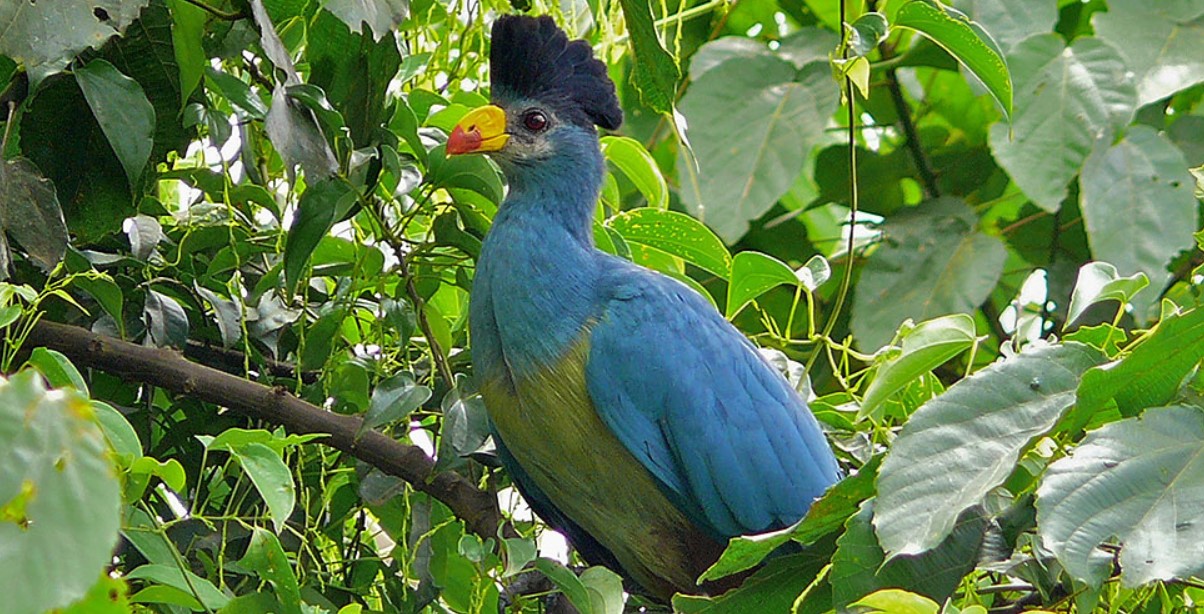
This 36 Days Grand Uganda bird watching safari trip is a comprehensive circuit designed for those serious about seeing Uganda’s birds and wildlife. You will cover the full range of the country’s habitats, beginning with the Lake Victoria basin and moving through the central forests. From there, the route heads into the dry, rugged landscapes of the north and Karamoja, home to species found nowhere else in the country. You then follow the Albertine Rift southwards, exploring the diverse altitudes of the western rainforests and volcanic mountains. While the primary focus is on reaching a high species count—including the Shoebill, Green-breasted Pitta, and many regional endemics—this 36 Days Grand Uganda bird watching safari itinerary also includes time for mountain gorillas, chimpanzees, and the classic big game of the savannahs. It is a long, rewarding loop that provides a practical and deep look at the biodiversity of the region, led by guides who know these specific ecosystems and their resident birds.
This 36 Days Grand Uganda bird watching safari begins at these historic gardens on the northern shores of Lake Victoria. Spread across 40 hectares, the area offers a relaxed introduction to the country’s birdlife. You will spend the morning and afternoon walking the trails to find the Splendid Starling and the Eastern Plantain-eater. The canopy is usually active with Gray Parrots and Black-and-white-casqued Hornbills, while the undergrowth holds Snowy-crowned Robin-chats. You should also watch for the Bat Hawk and various sunbirds, such as the Scarlet-chested and Red-chested varieties. Beyond the birds, the gardens are a good place to see Vervet Monkeys and Mantled Guerezas. It is an easy start to the trip, allowing you to get used to the equatorial climate and the common species found in the forest edge and lakeside habitats before heading further inland tomorrow.
Today is centered on the search for the Shoebill. You will head to the Mabamba Ramsar site and take a community-led boat through the narrow papyrus channels. This wetland is one of the most reliable places to see this prehistoric-looking bird. While navigating the swamp, you will also look for the Malachite Kingfisher, Blue-breasted Bee-eater, and Long-toed Lapwing. After the boat trip, the tour moves to Nkima Forest. This area provides a different environment, focusing on forest and woodland birds like the Purple-throated Cuckooshrike and the African Paradise Flycatcher. The forest trails offer a quiet atmosphere for spotting the Brown-throated Wattle-eye and various sunbirds. The late afternoon light here is often helpful for those interested in bird photography, as the birds become more active in the cooler parts of the day before you retire.
The morning is spent in Mpanga Forest, a compact but ancient forest that hosts over 300 species. The goal here is to find the Narina Trogon and the Blue-breasted Kingfisher within the thick canopy. You will also keep an eye out for the Western Nicator and the Red-headed Malimbe. Because it is a closed-canopy forest, spotting smaller birds like the Fire-crested Alethe or the White-spotted Flufftail requires patience and a good ear for calls. Later, the journey continues toward Mabira Forest. During the transfer, you should watch the sky and roadside trees for raptors, including the African Harrier-Hawk and the Palm-nut Vulture. This day serves as a bridge between the Lake Victoria basin and the larger forest blocks of the central region, showing how the bird communities shift as the forest structures become more complex.
You have a full day to explore Mabira, one of the largest remaining natural forests in central Uganda. The primary target is the Nahan’s Francolin, a species that is both endangered and restricted in its range. You will walk trails like the Red-tailed Monkey and Buttress trails, looking through the towering hardwoods for the Great Blue Turaco and the Lowland Sooty Boubou. In the mid-canopy, the search continues for the Buff-spotted Woodpecker and Jameson’s Wattle-eye. Mabira is also an excellent location to find the Uganda Woodland Warbler and the Lesser Bristlebill. The forest is quite dense, so much of the day involves slow, quiet movement to catch glimpses of birds in the thick vines and undergrowth. It is a productive environment that rewards those who spend time looking for the specialists hidden in the Guinea-Congo forest biome.
The morning involves a final walk through Mabira to look for species that might have been missed, such as the African Dwarf Kingfisher or the Grey Longbill. This is also a good time to scan for raptors like the African Crowned Eagle and the Cassin’s Hawk-Eagle, which are often seen soaring as the morning warms up. After finishing in the forest, you begin the drive toward Soroti in Eastern Uganda. As you move away from the central forest block, the landscape opens up and becomes noticeably drier. You will pass through agricultural areas and seasonal swamps, which offer a different set of birds from the deep forest. This transition marks the start of the northern and eastern portion of the trip, where you will soon encounter species adapted to semi-arid scrub and acacia savannah.
Today the focus shifts to Uganda’s only true endemic bird, the Fox’s Weaver. You will visit Pakwi Wetland in the Kumi district to find them nesting in the whistling thorn acacia. While in this semi-arid area, you will also search for the localized Karamoja Apalis. The dry scrubland is home to several other species, including the Clapperton’s Francolin, Northern Red-billed Hornbill, and the White-headed Buffalo-Weaver. You should also watch the skies for the Bateleur and Wahlberg’s Eagle. In the afternoon, you will drive to the cooler, higher slopes of Sipi Falls at the base of Mount Elgon. The change in altitude and temperature is sudden, providing a break from the heat of the plains and a completely different backdrop of waterfalls and volcanic cliffs for the next stage of the birding circuit.
The day is spent on the forested trails of Mount Elgon, exploring altitudes up to 2,200 meters. This Afro-montane environment is home to specialized birds like the Hartlaub’s Turaco and the Abyssinian Ground Thrush. You will walk through moss-draped trees and ferns, listening for the Black-collared Apalis and the Scaly-throated Honeyguide. Sunbirds are a major highlight here, and you will likely see the Golden-winged and Amethyst Sunbirds feeding on highland flowers. Other targets include the Abyssinian Crimsonwing and the Lemon Dove. The forest is quiet and cool, offering a peaceful atmosphere for birding. Keep an eye out for Blue Monkeys and Black-and-white Colobus, which are common in the canopy. This high-altitude stop provides a good contrast to the wetlands and dry plains you have visited so far, showing the diversity of Uganda's eastern highlands.
You will travel northeast into the remote and expansive Pian Upe Wildlife Reserve. This is one of the largest protected areas in the country, characterized by vast grasslands and rocky outcrops. The birding here focuses on dry-country specialists. You will search for the Common Ostrich, the Secretary Bird, and the Yellow-throated Bush Sparrow. The acacia thickets are also another good place to look for the Karamoja Apalis. Other birds to find include the Stone Partridge, Foxy Lark, and Reichnow’s Seed-eater. The landscape is very open, which makes it easier to spot large raptors like the Bateleur or Wahlberg’s Eagle from a distance. Because Pian Upe is so isolated, the birding is quiet and focused, offering a sense of what the northern plains were like before modern development. It is a rugged and wild part of the route.
A full day is dedicated to driving through the various habitats within Pian Upe. You will move between the wide-open grasslands and the denser acacia woodlands to find a variety of specialized birds. Targets for the day include the Red-winged Pytilia and the Red-fronted Tinkerbird. The open savannah allows for clear views of the Abyssinian Ground Hornbill and various bustards, such as the White-bellied and Hartlaub's. While looking for birds, you may also encounter some of the reserve’s mammals, including the Cheetah or the Roan Antelope, which are rare in other parts of Uganda. The day is spent exploring different tracks to ensure a good representation of the northern dry-land species. The vast scale of the landscape and the constant presence of birds of prey make for a productive day in this untamed corner of the country.
Leaving Pian Upe, the drive continues north toward Moroto in the Karamoja region. You will pass the dramatic Mount Kadam and travel through acacia-dotted savannahs. This area is home to the Rufous Chatterer and d’Arnaud’s Barbet. It is also an excellent region for whydahs; keep an eye out for the Blue-capped and Steel-blue Whydahs in the scrub. The dry landscape also supports the Yellow-necked Spurfowl and various raptors like the Lanner Falcon and Dark Chanting Goshawk. You will arrive at the town of Moroto, which sits at the base of the mountain. The environment here is rugged, with thorny thickets and steep slopes that host a different set of birds from the southern plains. It is a frontier for birding, offering a look at species that are often restricted to the Somali-Masai biome.
The day is spent on the lower slopes of Mount Moroto, reaching close to the border with Kenya. This rocky and dry terrain is the place to find several localized birds, including the Little Rock Thrush and the Bristle-crowned Starling. You will also search the thickets for the Brown-tailed Rock Chat and the Red-and-yellow Barbet. Sunbirds are again a focus, with the Shining, Hunter’s, and Tacazze Sunbirds often seen among the flowering shrubs. High above the cliffs, you should watch for the Red-footed Falcon and the Peregrine Falcon. The birding here is unique because many of these species are hard to find anywhere else in Uganda. The scenery is stark and impressive, with the mountain rising sharply above the dry plains, providing a rewarding day for those looking for restricted-range birds in a remote setting.
Today involves a scenic drive through the northern wilderness toward Kidepo Valley National Park. The route passes through ancient rocky hills and open savannah, offering plenty of birding opportunities from the vehicle. You will scan for the Foxy Kestrel, Pygmy Falcon, and the Grey Wren-Warbler. The dry bush along the road also holds the Harlequin Quail and Yellow-necked Spurfowl. As you get closer to the park, the likelihood of seeing large mammals increases. You may see Lions, Buffalo, and the unique Maneless Zebra. Kidepo is often described as one of the most wild and unspoiled parks in Africa, and the transition into this remote valley feels like stepping into a different era. The day concludes as you enter the park, ready for several days of intensive birding in this Somali-Masai biome hotspot.
This is the first of three days exploring the diverse habitats of Kidepo. You will move through the Narus Valley, where the water attracts large numbers of animals and birds. The birding here is fast-paced, with targets including the Black-breasted Barbet and the Rose-ringed Parakeet. Kidepo is also an excellent place for bustards; you will look for the Kori, Hartlaub's, and Denham's Bustards in the open grass. Hornbills are very common here, and you should see Jackson’s and Hemprich’s varieties. While birding, you will also have frequent encounters with big game, including Elephants and Giraffes. The open vistas make it easy to spot raptors on the granite kopjes. It is a high-density wildlife environment where the birds and mammals are often seen together in the same frame, providing excellent opportunities for observation and photography.
The second day in Kidepo takes you further into the drier Kidepo Valley, characterized by Borassus palm forests and sandy riverbeds. This area offers a different set of birds from the Narus Valley. You will search for the Eastern Paradise Whydah, the Straw-tailed Whydah, and the African Silverbill. The acacia woodlands are home to the Red-fronted Barbet and various eremomelas. You will also keep an eye out for more elusive mammals like the Cheetah or the Caracal, which favor the drier parts of the park. The landscape is dominated by the Morungole Mountains on the horizon, creating a dramatic backdrop for the day's drive. Whether you are focused on the smaller finches or the larger birds of prey, the variety of life in this remote valley is consistent and impressive throughout the day’s exploration.
On your final day in Kidepo, you will visit different corners of the park to find any species still missing from the list. This might include searching the rugged kopjes for the White-fronted Black Chat or checking the scrub for the Yellow-bellied Eremomela. You will also spend time watching the larger raptors that use the morning thermals, such as the Lappet-faced Vulture and the Martial Eagle. The day provides a chance to appreciate the sheer scale and isolation of the park one last time. You might spend the afternoon near a waterhole, observing the interaction between the birds and the resident herds of Buffalo and Zebra. Kidepo’s combination of rare Somali-Masai birds and a high concentration of big game makes it one of the most memorable stops on the entire cross-country birding circuit.
You leave the far north behind and begin a long drive southwest toward Murchison Falls National Park. The journey takes you through the towns of Kitgum and Gulu, passing through a variety of northern habitats. Roadside birding can be very productive; you will look for the Abyssinian Ground Hornbill, which is a common sight in this region, as well as the Yellow Bishop and the Red-faced Cisticola. Keep an eye out for the Swallow-tailed Bee-eater and various raptors like the Brown Snake Eagle perched on the power lines or trees. By the time you reach the gates of Murchison Falls, the vegetation will have changed back to more moist savannah and woodlands. The day ends as you settle in near the Nile, ready for the different riverine and savannah species that dominate this massive park.
A full day of birding in Murchison Falls focuses on the northern savannah tracks. This is the place to find the Speckle-fronted Weaver, Denham’s Bustard, and the colorful Northern Carmine Bee-eater. The open plains are also home to the Black-headed Lapwing and the Foxy Cisticola. With some luck, you might spot the critically endangered White-headed Vulture. The park’s wildlife is also a major feature, with frequent sightings of Giraffes, Elephants, and Lions. In the late afternoon, you can head out for an evening drive to look for nocturnal birds. The goal is to find various nightjars, including the Long-tailed and Square-tailed varieties. It is a busy day that covers a lot of ground, showing the richness of the savannah ecosystem and the role the Nile plays in supporting such a high density of both birds and large mammals.
Today’s highlight is a boat cruise on the Victoria Nile toward the base of the falls. From the water, you get close views of riverine birds like the Giant Kingfisher, the Rock Pratincole, and various herons. With patience, you may even find the Pel’s Fishing Owl in the overhanging trees. The banks are also populated by large numbers of Hippos and Nile Crocodiles. In the afternoon, you will explore the woodland areas of the park, searching for the White-crested Turaco and the Silverbird. The park’s birdlife is varied, with over 450 species recorded, so there is always something to look for. The day provides a good mix of water-based birding and land drives, capturing the unique atmosphere of the Nile as it forces its way through the landscape before spreading out into the delta.
After breakfast, you visit the top of Murchison Falls, where the entire Nile squeezes through a seven-meter gap. It is a powerful sight and offers a different perspective on the river. Afterward, you leave the park and drive toward Masindi. The route takes you down the Butiaba Escarpment, which offers wide views over Lake Albert and the Rift Valley floor. This escarpment is a good spot for rift valley birds like the Mocking Cliff Chat, Black-faced Waxbill, and various kestrels. You will also search for the Shelley’s Rufous Sparrow and the Beautiful Sunbird in the drier scrub. The drive ends in the town of Masindi, which serves as the base for visiting the Budongo Forest. This transition day moves you from the open savannah into the edge of one of Uganda’s most important forest blocks.
The Royal Mile is one of the most famous birding tracks in Africa. It is a wide, flat road through the primary forest of Budongo, which makes it much easier to see forest birds than on narrow trails. The main targets are three specific kingfishers: the Chocolate-backed, Blue-breasted, and African Dwarf Kingfishers. You will also look for the White-thighed Hornbill and the Cassin’s Honeyguide in the tall mahogany trees. The mid-canopy often holds the Chestnut-capped Flycatcher and the Ituri Batis. Before entering the forest, you will check the surrounding cultivation and edge habitats for the Cabanis’s Bunting and Brown Twinspot. It is a high-intensity birding day where the focus is entirely on the Guinea-Congo forest specialists. The combination of easy walking and high species diversity makes it a highlight for any serious birder on this tour.
The morning begins in Kaniyo Pabidi, another sector of the Budongo Forest. The primary goal is to find the Puvel’s Illadopsis, a range-restricted bird that lives in the undergrowth and is known for its secretive nature. You will also look for the White-naped Pigeon and other forest specialists like the Scaly-breasted Illadopsis. After finishing in the forest, you begin the drive toward Fort Portal. The route is scenic, passing through a mix of tea plantations and small villages with the Rwenzori Mountains rising in the background. Along the way, you will stop at different wetlands and forest patches to look for the Brown Babbler and the Red-backed Scrub-Robin. You will arrive in Fort Portal by late afternoon, placing you in a lush, mountainous region that serves as the gateway to several other major birding and primate sites.
You have the first of two days to explore Semuliki National Park. This park is an eastern extension of the huge Ituri Forest from the DR Congo, which means it contains many species not found elsewhere in East Africa. It is particularly famous for its hornbills; you will search for the Piping, Black-casqued, and Red-billed Dwarf Hornbills. Walking the Kirumia Trail, the focus is on finding forest specialists like the Yellow-footed Flycatcher and the Nkulengu Rail. The forest is hot and humid, but the birding is rewarding. You will also look for the Congo Serpent Eagle and the Lyre-tailed Honeyguide. The dense, lowland rainforest environment here is a stark contrast to the savannahs of the north, and the sheer number of restricted-range species makes Semuliki a critical stop for anyone looking to build a comprehensive Uganda bird list.
A second day in Semuliki allows you to visit different areas, including the Sempaya Hot Springs and the surrounding swampy forest. This habitat is excellent for the Shining-blue Kingfisher and Hartlaub’s Duck. You will continue the search for elusive birds like the Grant’s Bluebill and the various malimbes that inhabit the thick vines. The forest is alive with the calls of turacos and greenbuls, and you will spend time sorting through the different species, such as Xavier’s and Red-tailed Greenbuls. Because the park is so diverse, having a second day ensures you have the best chance to see the more secretive residents. It is an immersive experience in a true equatorial rainforest, where the birding is challenging but the variety of species is among the highest in the region. You will return to Fort Portal in the evening.
The morning in Kibale Forest is focused on one of the most sought-after birds in Africa: the Green-breasted Pitta. It is a difficult bird to find, requiring an early start and plenty of patience as you scan the forest floor. Alongside the pitta, you will look for the White-throated Greenbul and the Crowned Eagle. In the afternoon, you have the option to join a chimpanzee tracking excursion. Kibale is known as the primate capital of the world, and seeing a group of chimps in their natural habitat is a significant experience that balances the birding. Whether you are following the birds or the primates, the forest is full of life, with 13 different primate species and over 300 bird species recorded. It is a busy day that combines high-stakes birding with one of Uganda’s most famous wildlife encounters.
The day starts with a walk at the Bigodi Wetland Sanctuary, a project managed by the local community. The boardwalks through the swamp and forest edge provide great views of the Great Blue Turaco and the Blue-throated Roller. You will search for the Papyrus Gonolek and the Speckle-breasted Woodpecker. The area is also excellent for spotting primates like the Uganda Red Colobus and L’Hoest’s Monkey. After lunch, the tour moves south toward Queen Elizabeth National Park. You will cross the Equator and pass through a landscape of crater lakes and savannah. As you enter the park, keep an eye out for the Martial Eagle and other birds of prey. This transition day moves you back into the Rift Valley floor, where the habitat becomes a mix of open grass and water-rich channels, perfect for a different set of birds.
The morning game drive across the Kasenyi Plains offers a mix of big game and savannah birds. You will look for Lions and Buffalo while birding for the Temminck’s Courser, Verreaux’s Eagle-Owl, and various larks. In the afternoon, you take a boat safari on the Kazinga Channel. This waterway connects Lake George and Lake Edward and is one of the best birding spots in the country. From the boat, you will see large numbers of African Skimmers, Pelicans, and Terns. The banks are lined with Kingfishers and Bee-eaters, and you will get very close to Hippos and Elephants. An optional evening drive might reveal the Square-tailed Nightjar. It is a day that provides a high volume of sightings with relatively little effort, making it a favorite for both birders and general wildlife enthusiasts on the tour.
You head south through the Ishasha sector of Queen Elizabeth National Park. This area is famous for its tree-climbing lions, which often rest in the large fig trees. While looking for the cats, you will bird the savannah for the White-headed Vulture and the Banded Snake-Eagle. The marshy spots may hold the Greater Painted-Snipe and the Malagasy Pond-Heron. After exploring the plains, the route begins to climb into the mountains of Bwindi Impenetrable National Park. The temperature drops and the landscape changes into thick, mist-covered rainforest. You will arrive at the Buhoma sector, which is the gateway to the primary forest. This shift from the Rift Valley floor to the high-altitude montane forest is the start of the final, intensive birding stage focused on the endemics of the Albertine Rift mountains.
Buhoma sits at a transition point between lowland and montane forest, which means it has a very diverse bird list. You will spend the day on the Buhoma Main Trail, a wide path that offers good visibility into the canopy. The search focuses on several Robin-Chats and a variety of Apalises. Deeper in the forest, you will look for the African Broadbill, the Red-throated Alethe, and the elusive Neumann’s Warbler. The forest is also home to the Golden-crowned Woodpecker and the recently recognized Willard’s Sooty Boubou. Walking through Bwindi is a sensory experience, with the constant calls of Turacos and the dense, green landscape surrounding you. It is a slow, methodical day of birding, as many of the forest specialists are well-camouflaged and require careful observation to see clearly in the thick vegetation of the primary forest.
Today you bird through "The Neck," a narrow corridor of forest that connects the lower and higher parts of Bwindi. This mid-altitude zone is very productive. You will look for the Mountain Wagtail and Cassin’s Flycatcher along the river, and search the canopy for the Black Bee-eater and Many-colored Bush-Shrike. It is also a good place to find different Greenbuls, such as Shelley’s and Ansorge’s. After finishing at The Neck, you continue the climb to Ruhija, which sits at over 2,300 meters. The air is thin and cold, and the birdlife changes to high-altitude specialists. Ruhija is widely considered one of the best birding spots in Africa, and as you arrive, you will begin to see the different endemics that make this part of the Albertine Rift so important for biodiversity and conservation.
The morning is dedicated to tracking Mountain Gorillas. This is often the emotional highlight of the trip, involving a hike through the steep, thick forest to spend an hour with a gorilla family. It is a unique experience to see these animals in their natural habitat. In the afternoon, the focus returns to birding with a walk in the community forest. You will look for the Barred Long-tailed Cuckoo and the Grauer’s Warbler. Other targets include the Strange Weaver and the Mountain Yellow Warbler. The high-altitude environment is also home to the Banded Prinia and the Red-throated Alethe. It is a day that balances the once-in-a-lifetime gorilla encounter with the technical pursuit of rare highland birds, all set against the dramatic, rugged mountains of the Bwindi highlands, which offer some of the most impressive scenery of the trip.
Ruhija is home to some of the rarest birds in Africa, and today you head down to the Mubwindi Swamp to find them. The primary target is the Grauer’s Broadbill, a bird that is very difficult to find and is a top priority for most birders. While in the swamp area, you will also search for the Grauer’s Rush Warbler, the Yellow-eyed Black Flycatcher, and the Dusky Crimsonwing. The trails through the forest are also excellent for the White-tailed Blue Flycatcher and the Narina Trogon. You will look for the Waller’s and Sharpe’s Starlings in the canopy and keep an eye out for the Grey-chested Babbler. It is a long day on your feet, as the hike back up from the swamp is steep, but the opportunity to see such a high concentration of Albertine Rift endemics makes it one of the most rewarding days.
You journey further south to Mgahinga, Uganda’s smallest national park. This park is part of the Virunga Mountains and is dominated by three dormant volcanoes. The dramatic landscape provides a different backdrop for birding. Mgahinga is the best place to find the Rwenzori Turaco and the Rwenzori Double-collared Sunbird. You will also search the montane forest and bamboo zones for the Handsome Francolin and the Stripe-breasted Tit. Other birds to look for include the Rwenzori Batis and the White-browed Crombec. Overhead, the White-naped Raven is a common sight. The air is crisp and the vegetation is unique, featuring giant lobelias and groundsel in the higher zones. This stop is essential for anyone looking to complete their list of Albertine Rift endemics, as several species here are much easier to find than in other parts of the country.
A full day is spent exploring the slopes of the volcanoes in Mgahinga. You will move through the bamboo and alpine zones, searching for the Kivu Ground Thrush and the Ruwenzori Nightjar. The area is also home to the Dwarf Honeyguide and the Lagden’s Bush-shrike. While birding, you have a good chance of seeing Golden Monkeys, which are endemic to these mountains. Their bright coats and active behavior make them a highlight of the day. The birding can be challenging due to the altitude and the terrain, but the species you find are highly specialized for this volcanic environment. Watching the Purple-breasted Sunbird feeding on highland flowers with the volcanoes in the background is a great experience. The day offers a raw look at high-altitude life in the Virungas before you begin the final leg of the tour.
You leave the high mountains and head to the acacia woodlands of Lake Mburo National Park. This is a very different habitat, being the only place in Uganda where you can reliably see the Red-faced Barbet. As you enter the park, you will notice animals like the Impala, Eland, and Plains Zebra, which are not found in the western forests. The birding is excellent, with species like the Crested Francolin and the Emerald-spotted Wood-Dove common in the woodlands. The park feels more like the traditional East African savannah, but with more trees. It is a relaxed environment for the end of the trip, allowing you to catch up on any savannah and woodland species you might have missed earlier. The transition from the mist-covered volcanoes to the sun-drenched acacia hills is a good reminder of the country’s ecological diversity.
The day starts with a boat trip on Lake Mburo, which is one of the best ways to find the African Finfoot and the White-backed Night Heron. The lake’s edge is also home to the Black Crake and various kingfishers. In the afternoon, you will drive through the park to look for the Tabora Cisticola and the Bare-faced Go-away-bird. This is also your last chance to see big game, and you might encounter Leopards, which are frequently spotted here in the late afternoon or during night drives. The birding is steady and productive, and the evening often brings the sound of the Pennant-winged Nightjar. It is a quiet way to spend the penultimate day of the tour, consolidating your bird list while enjoying the wildlife of one of Uganda’s most scenic and accessible national parks before the final journey back.
On the final day, you have a last morning birding session in Lake Mburo, perhaps finding the White-winged Swamp Warbler or the Lesser Masked Weaver. Afterward, you begin the drive back to Entebbe. You will stop at the Equator for a final break and some photos. The journey takes you back through the rolling hills of central Uganda, giving you one last look at the roadside birds like the Long-crested Eagle. You will arrive in Entebbe in time for your flight. This 36-day tour has covered every major habitat in the country, from the dry north to the high volcanoes and the deep western forests. You finish the trip with a comprehensive understanding of Uganda’s biodiversity and a bird list that includes most of the region’s most important and sought-after species, marking the end of a very thorough grand safari.
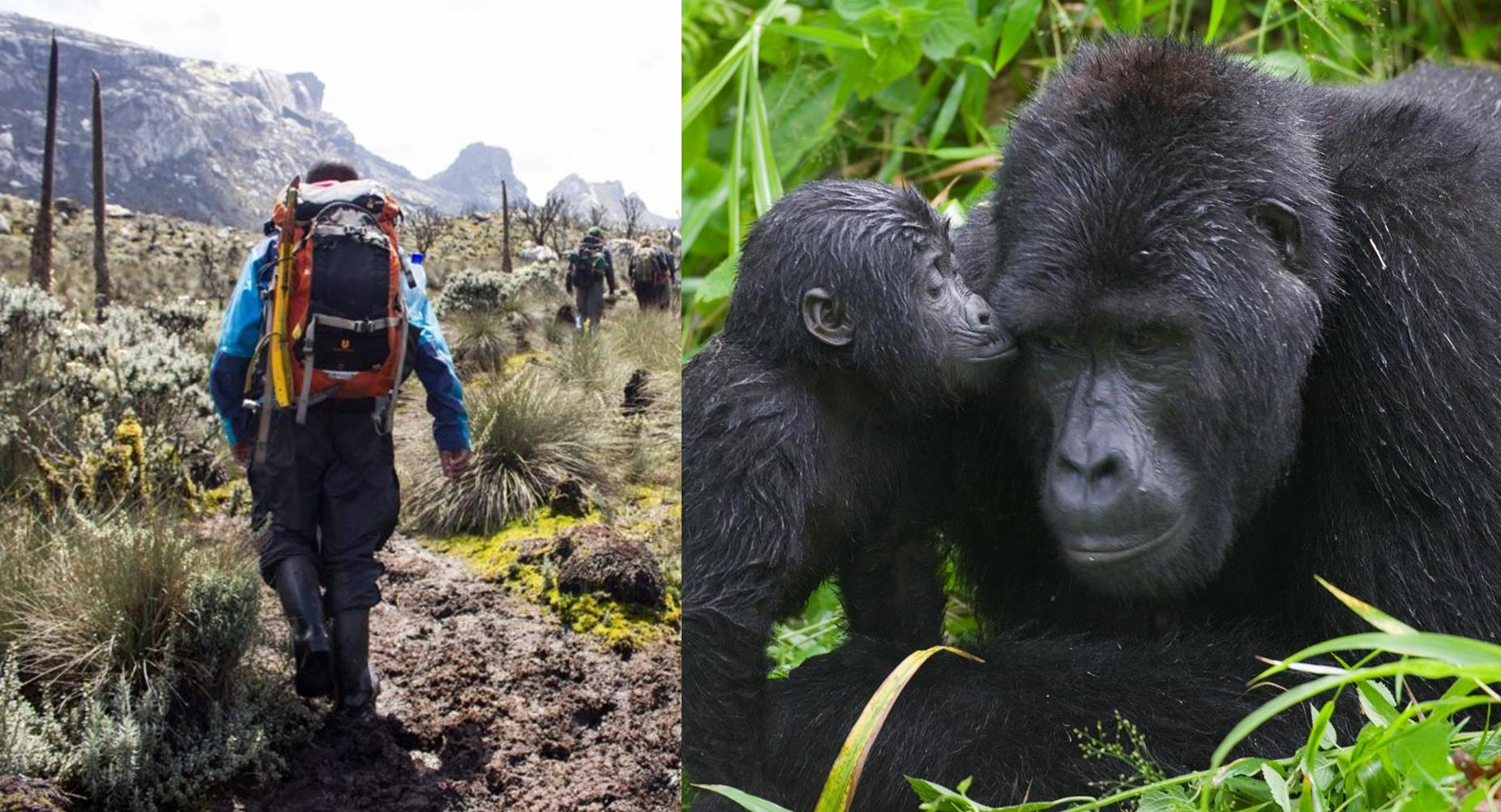
This 7-day adventure perfectly combines tracking gorillas in Bwindi Impenetrable National Park, chimpanzees in Kibale, and a 2-day Rwenzori hike. Your...
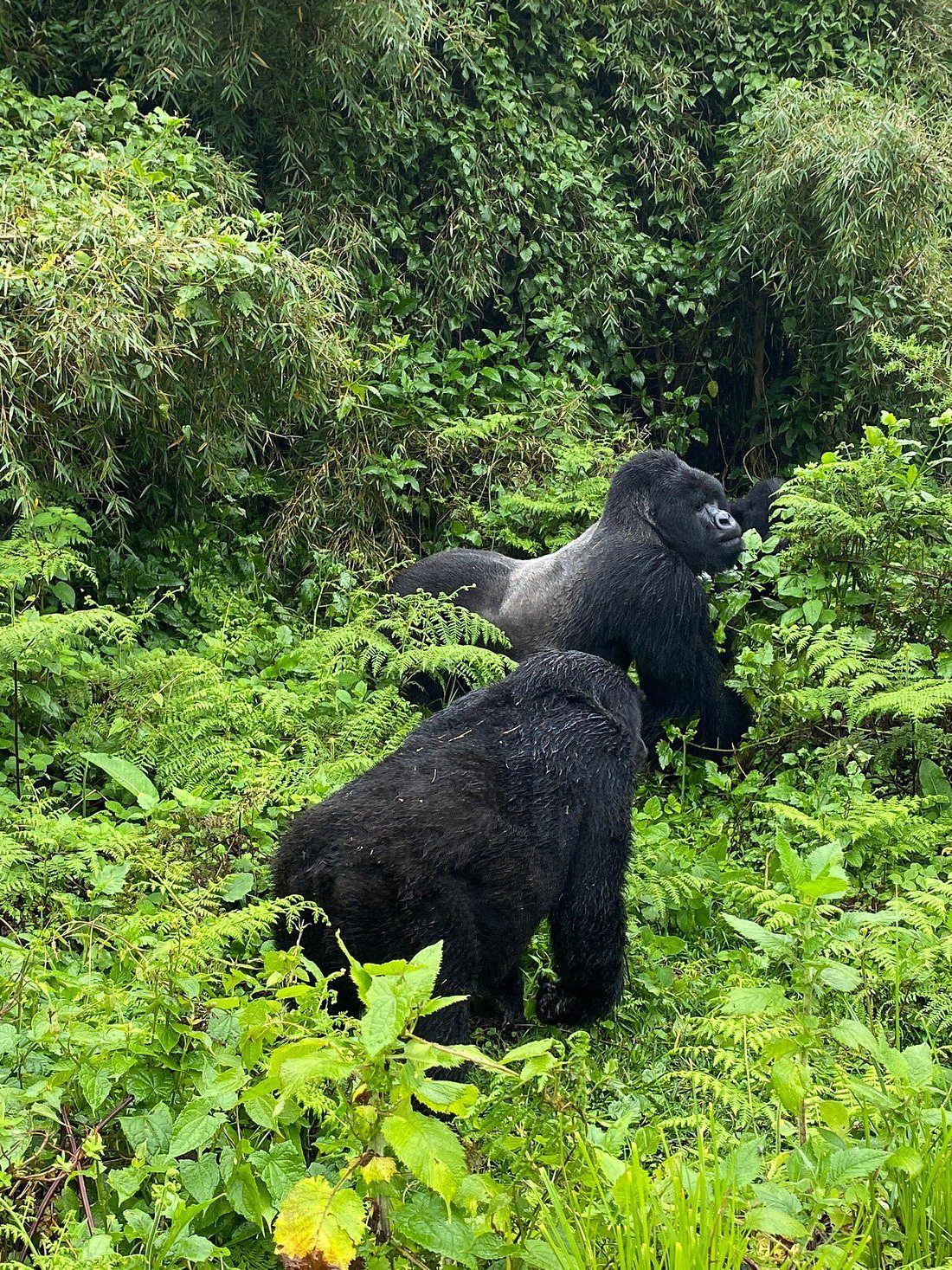
2 Days / 1 Night: Nyungwe National Park (from Kigali)
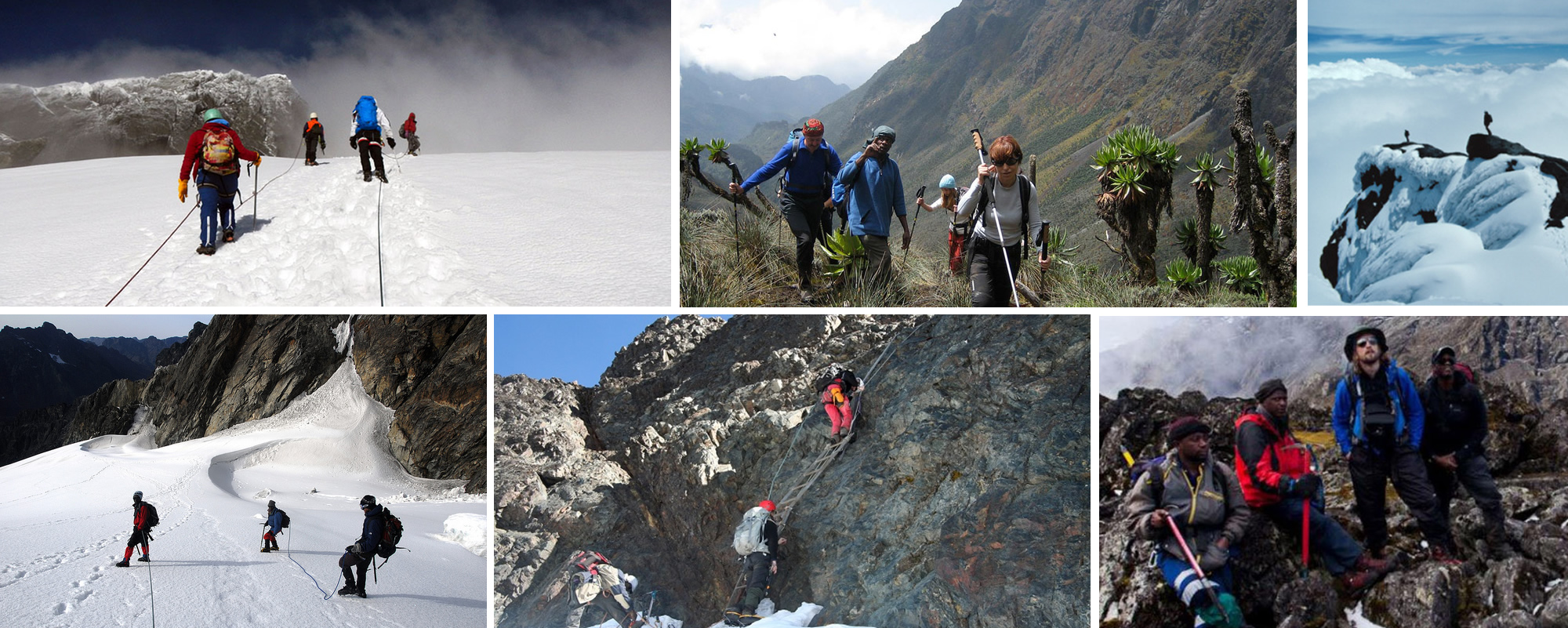
Conquering the Mountain Rwenzori hike via the rugged Kilembe Trail is a grueling, world-class alpine expedition that demands peak physical conditionin...
Copyright © 2026 Roads of Adventure Safaris. All Rights Reserved.
Designed by aHUBUg
