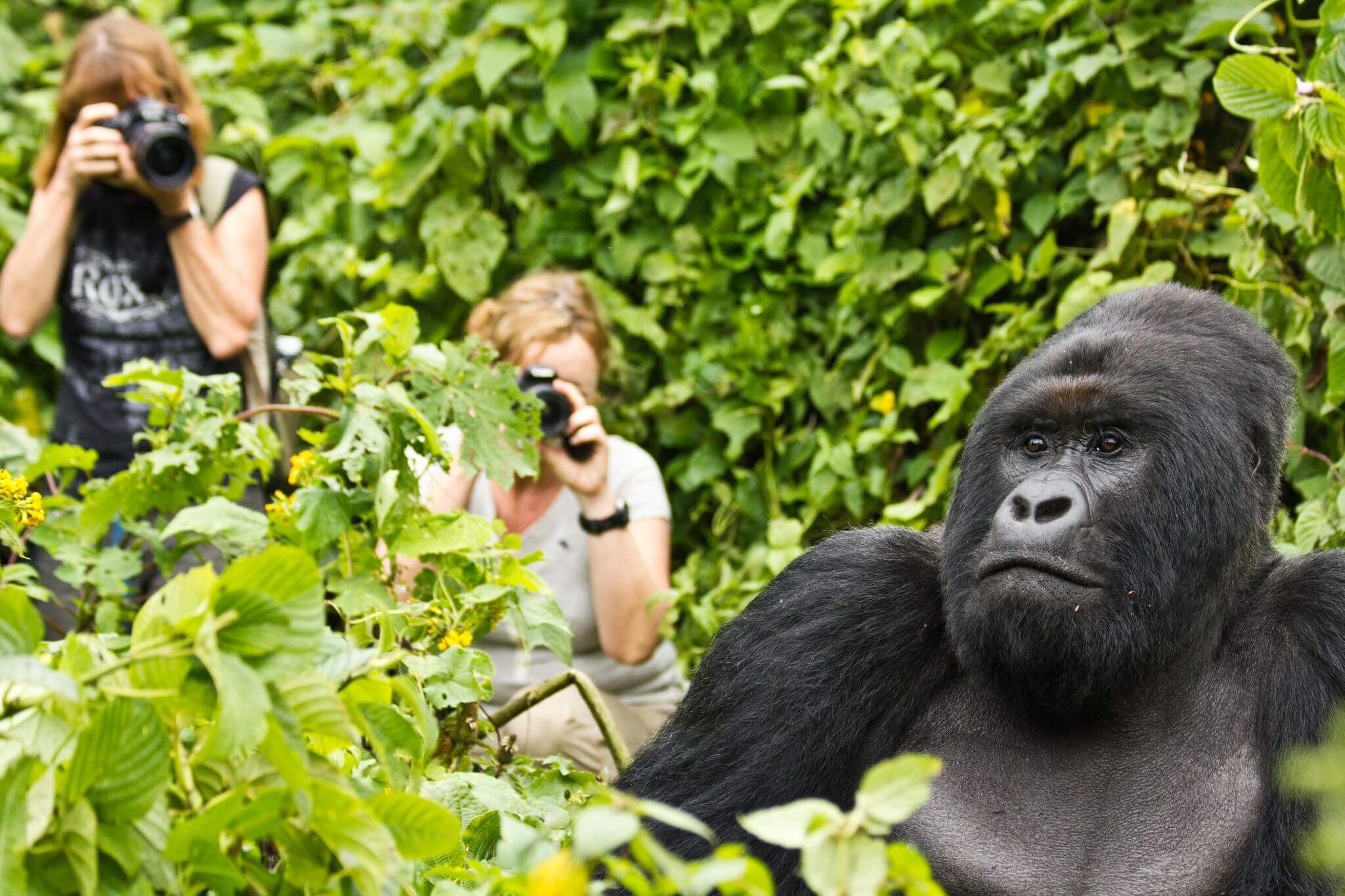
A 6-day Rwanda gorilla trekking trip is a fantastic mix of Rwanda’s culture, beautiful scenery, and real adventure in the forest. You’ll start in Kigali, then head to Volcanoes National Park where your main experience will be finding and spending time with mountain gorillas. Along the way, you’ll also have the chance to see golden monkeys and visit local community projects—so the trip doesn’t feel like “just trekking” the whole time.
You should also be ready for some early starts and proper walking. The gorilla experience is memorable, but getting to the gorillas requires patience, stamina, and being comfortable on uneven forest paths.
Daily 6-day Rwanda gorilla trekking Itinerary Expectations
- Day 1: Arrive at Kigali International Airport, meet your driver-guide, and take a city tour including the genocide memorial.
- Day 2: Drive north from Kigali to the foothills of Volcanoes National Park, passing through scenic terraced farmlands.
- Day 3: Attend a mandatory 7:00 AM orientation at park headquarters, then complete your guided mountain gorilla trek.
- Day 4: Track active golden monkeys through the bamboo forests of the national park.
- Day 5: Participate in a community excursion at the Iby'iwacu Cultural Village to watch local dances and craft demonstrations.
- Day 6: Drive back to Kigali for last-minute souvenir shopping and drop-off at the airport for your flight home.
What are the gorilla trekking group sizes like, and how is the pace managed on the hike?
Gorilla trekking groups are typically kept manageable so you’re not overwhelmed on the trail. Your guides help organize everyone and set a pace that works for the group. If the forest is busy or the trail is steep, the pace slows down and you’ll move in sections—no one is expected to sprint. You’ll often pause to listen and follow the clues your trackers pick up. The goal is to stay together, stay safe, and reach the gorillas calmly.
How difficult is the trek realistically for different fitness levels (beginner vs. active travelers)?
Even if you’re not an athlete, you can still do gorilla trekking, but it’s not a casual walk. The trek is uneven and can be muddy or steep, so people with lower stamina might feel it more. Active travelers usually enjoy the challenge and can move faster, but everyone goes at their own comfort level with support from the team. If you’re a beginner, take it slowly, wear good shoes, and stay hydrated. Your guides adjust expectations based on trail conditions and your group needs.
What should I pack for gorilla trekking and forest walks (boots, rain gear, gloves, etc.)?
Pack practical items for forest conditions: sturdy trekking shoes or boots with grip, a waterproof jacket, and a light rain poncho for sudden weather. Bring long sleeves and long pants to protect from vegetation, plus a small daypack for water and snacks. Work gloves can help if trails are rough, and a hat protects you from sun and rain. Don’t forget a reusable water bottle, wet wipes, and a light towel. If you can, carry a small plastic bag for trash and for keeping your phone protected.
What happens if it rains heavily or the forest conditions become challenging on trek day?
Rain can affect the trail—sometimes it’s slippery, and visibility can change—but your guides handle these conditions every day. Trekking usually continues because the forest is part of the experience. If it’s unsafe or conditions become too extreme, your team will guide you on the best course of action, including possible adjustments. Expect more mud, slower movement, and extra need for careful footing. A waterproof layer and grip-focused footwear make a big difference. The most important thing is listening to your guide and moving steadily through the terrain.
Are there bathroom and water options available during the trek and long drive days?
During the trek, bathroom stops aren’t something you should assume at every moment, so it’s best to plan ahead and follow your guide’s cues. Water is typically the responsibility of travelers to bring, so carry enough for the day based on what your team recommends. For long drive days, you’ll usually stop at safe places along the route, often for refreshments and restroom breaks. Your driver-guide will plan convenient stops so you’re comfortable. Bringing a reusable bottle, wipes, and a small snack helps you stay fresh.
How do the permits work—what’s included in the price, and what might require extra payment?
Gorilla trekking permits are essential, and most safari packages include the permit fee in the overall cost. However, it’s important to confirm exactly what’s covered—some prices include all park fees, transfers, meals, and activities, while others may exclude certain add-ons. Golden monkey activities and community visits may also be included, depending on the itinerary. You should ask for a full breakdown so there are no surprises. If anything is separate—like optional upgrades or extra experiences—your team should clearly explain it before booking.
What type of accommodation should I expect each night, and is it comfortable enough after trekking days?
Accommodation can range from comfortable lodges to more basic but clean stays, depending on your budget and the season. After a trek, you’ll be thankful for hot showers, a comfortable bed, and meals that are ready when you are tired. Many safari nights are designed to help you rest properly—so you can recover for the next day. Your itinerary should specify the exact property or at least the accommodation style. Ask what’s included, like meals, bedding quality, and whether rooms have private bathrooms. Comfort matters after long walking days.
Can you share how the golden monkey experience is guided—how long do we usually spend looking, and what time of day?
Golden monkey tracking is usually done earlier in the day when trails are clearer and the monkeys are more active. Your guides and trackers use their local knowledge to follow signs and sounds, then help you find the best viewing moments when the monkeys are moving nearby. The looking time can vary depending on where the monkeys are that day, but it’s generally structured so you can enjoy the experience without rushing. Expect short walking segments, pauses for viewing, and guidance on staying respectful and at a safe distance.
What are the most common health or safety rules visitors should follow during the gorilla encounter?
There are clear rules to keep both visitors and gorillas safe and healthy. You’ll be briefed before the trek on what to do when you reach the gorillas, including staying calm and quiet, not making sudden movements, and keeping the required distance. Illness rules are strict—if someone is sick, they may not be allowed to trek to protect the animals. Your guide will also explain how to behave if you need to take photos or adjust your position. Follow instructions closely, listen to your guide, and prioritize safety over anything else.
Booking with Roads of Adventure Safaris
When you book through Roads of Adventure Safaris, the goal is to handle the logistics so you can focus on enjoying your trip. That usually includes confirming availability, organizing permits and activities, arranging transport from Kigali to Volcanoes, planning the day-to-day schedule, and helping you prepare what to bring. You should receive clear communication on what’s included, what’s optional, and what to expect each day. Before departure, you’ll also get guidance on timing, packing, and any important reminders so nothing feels stressful.
