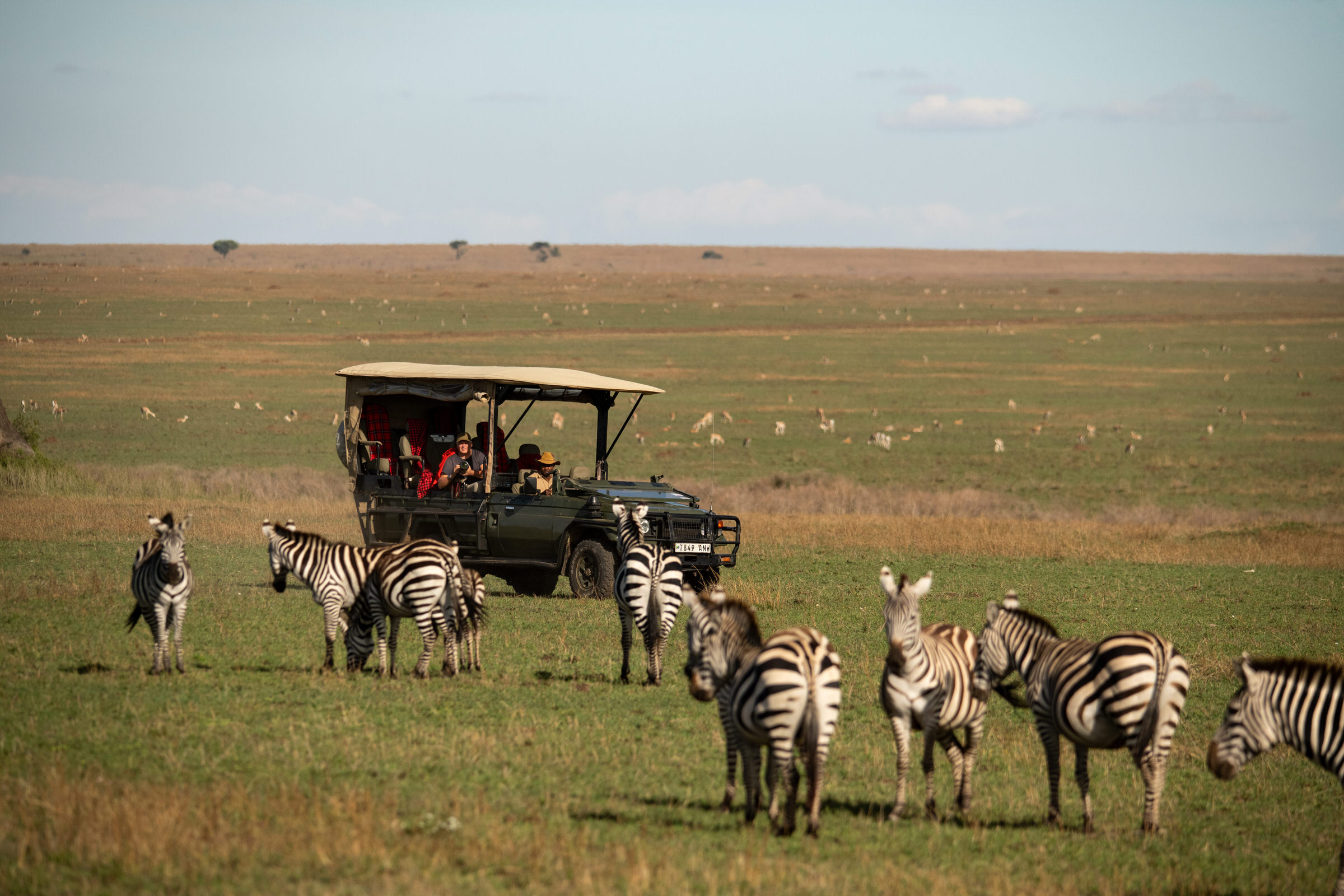
A 9-day Kenya and Tanzania safari combo offers an intensive, multi-country experience featuring iconic wildlife, the Great Migration (season-dependent), and Big Five spotting in renowned parks like Masai Mara, Serengeti, and Ngorongoro Crater. Expect daily 4x4 game drives, sweeping savannah landscapes, cultural Masai village visits, and comfortable lodge or tented camp accommodations.
9-days-exclusive-luxury-safari-in-kenya-masai-mara-solio-game-reserve-and-amboseli
9-days-kenya-tanzania-safari-and-zanzibar-beach-holidays
9-days-photography-kenya-tanzania-safari-holiday-vacation
9-days-kenya-wildlife-safari-in-masai-mara-and-uganda-primate-safari-tour
9-days-budget-kenya-wildlife-safari-holiday-vacation-trip
9-days-luxury-africa-big-five-kenya-safari-itinerary
9-days-8-nights-midrange-kenya-safari-tour-africa-safari-holiday
9-days-8-nights-midrange-safari-in-tanzania-east-africa-safari
Top Wildlife Destinations
A premier East African safari is defined by its visits to a "golden quartet" of ecosystems that offer the world’s most intense wildlife viewing. In Kenya, the journey begins with the Masai Mara National Reserve, a sprawling land of rolling grasslands and umbrella-shaped acacia trees. It is essentially the northern extension of the Serengeti, hosting the highest density of lions and leopards in the country. To the south lies Amboseli National Park, famous for being the "Land of Giants." Here, massive herds of elephants wander through the marshes of Enkongo Narok, framed perfectly by the snow-capped peak of Mount Kilimanjaro.
Across the border in Tanzania, the scale becomes truly "cinematic." The Serengeti National Park offers an endless sea of grass where horizons seem to melt into the sky. It is a wilderness of epic proportions, home to massive prides of lions and the legendary kopjes (rocky outcrops) where cheetahs often stand sentinel. The journey usually culminates at the Ngorongoro Crater, a UNESCO World Heritage site and a natural wonder of the world. Formed by a collapsed volcano, this 600-meter-deep caldera creates a self-contained Eden. On its floor, a permanent population of nearly 25,000 large mammals thrives, including the rare black rhino and some of Africa’s largest tuskers. Together, these destinations represent the ultimate "bucket list" for any nature enthusiast, providing a diverse range of habitats from high-altitude craters to low-lying savannahs, ensuring that every game drive feels like a new chapter in a grand nature documentary.
The Great Migration
Often hailed as the "Eighth Wonder of the World," the Great Wildebeest Migration is a year-round, circular journey of over 1.5 million wildebeest, 200,000 zebras, and thousands of gazelles. This is not a single event but a relentless quest for fresh grazing and water driven by the seasonal rains. While many associate the migration only with the dramatic river crossings, the spectacle unfolds differently depending on the month. From July to October, the herds are typically concentrated in the Masai Mara, where they face the ultimate test: crossing the Mara and Talek Rivers. These crossings are visceral and high-stakes, as crocodiles lie in wait and lions prowl the banks, creating some of the most intense wildlife photography opportunities on earth.
For the remainder of the year, the herds occupy the Serengeti. Between January and March, the migration settles in the southern Serengeti and the Ngdutu area for the calving season. During this brief window, roughly 8,000 wildebeest calves are born every day, attracting an incredible concentration of predators including hyenas, cheetahs, and wild dogs. As the rains cease in May and June, the herds begin their "Great Trek" through the Western Corridor, crossing the Grumeti River before heading north again. Witnessing this migration is a sensory experience—the thunder of thousands of hooves, the constant low-frequency grunting of the wildebeest, and the dust clouds rising against the orange sunset. It is a profound reminder of the raw, cyclical power of the natural world.
Big Five Focus
While modern safaris celebrate all biodiversity, the quest to see the Big Five—Lion, Leopard, African Elephant, Cape Buffalo, and Rhino—remains a central theme. Originally a term used by hunters to describe the five most dangerous animals to track on foot, it has been repurposed as a hallmark of conservation success. Lions are the most social of the bunch, and in the Mara and Serengeti, you will often find them in prides of twenty or more, lounging in the shade or scanning the plains for their next meal. Leopards, the most elusive of the quintet, require a keen eye; they are solitary masters of camouflage, often found draped over the sturdy branches of a sausage tree or lurking in riverine thickets.
The African Elephant and Cape Buffalo are seen in abundance, particularly in Amboseli and Tarangire, where their sheer size and complex social structures are a joy to observe. However, the Rhino remains the most difficult "tick" on the list. Because they are critically endangered, spotting a black rhino is a rare privilege. The Ngorongoro Crater is one of the best places in East Africa to see them, as the crater’s enclosed walls offer a protected sanctuary. In Kenya, private conservancies like Ol Pejeta or the Lewa Downs are also renowned for their rhino conservation efforts. A "Big Five Safari" is a lesson in patience and tracking; it’s about the thrill of the search—the moment the guide kills the engine, the binoculars go up, and a leopard's tail twitches in the high grass.
Diverse Scenery
The landscapes of East Africa are as varied as the wildlife they support, providing a stunning visual backdrop that changes almost daily. In the Masai Mara, the scenery is iconic: the classic "Lion King" vista of golden grasslands dotted with flat-topped acacia trees. As you move toward Amboseli, the environment shifts dramatically. The park is dominated by dry, dusty plains that contrast sharply with the lush, green swamps fed by underground springs from Kilimanjaro. Watching an elephant emerge from a vibrant green marsh with the white dome of the mountain behind it is one of the most iconic images in all of travel.
Tanzania offers a sense of "endless" geography. The Serengeti name itself comes from the Maasai word Siringet, meaning "the place where the land moves on forever." The central plains are open and vast, while the northern regions feature hilly woodlands and the dramatic cliffs of the Mara River. The Ngorongoro Crater provides a totally different aesthetic—a lush, misty rim that drops into a flat, sun-drenched floor containing a soda lake, a forest, and open plains all within a few miles of each other. Beyond the parks, you may encounter the dramatic Great Rift Valley escarpment, where the earth literally falls away to reveal ancient lakes like Manyara or Nakuru, often turned pink by millions of flamingos. This geographical diversity ensures that a safari is never repetitive; it is a journey through multiple biomes, each with its own light, color, and atmosphere.
Logistics and Transportation
A multi-country safari across Kenya and Tanzania is a feat of logistics that blends rugged adventure with modern comfort. The primary mode of transport is the specialized 4x4 Land Cruiser, the "workhorse" of the African bush. These vehicles are custom-built with heavy-duty suspension and pop-up roofs, allowing travelers to stand and enjoy 360-degree views for photography without leaving the safety of the vehicle. Most units are equipped with high-powered radios, charging ports for cameras, and cool boxes for refreshments. Because the terrain can be challenging—ranging from "African massage" dirt roads to muddy river crossings—having a skilled driver-guide who is also a mechanic and a naturalist is essential.
The journey often involves border crossings, most commonly at Namanga (near Amboseli) or Isebania (between the Mara and Serengeti). These transitions require switching vehicles and guides at the border due to national transport regulations, a process that offers a brief, fascinating glimpse into local life. For those looking to maximize their time in the parks, bush flights are a popular alternative. These "puddle jumpers" take off from dusty airstrips and offer incredible aerial views of the migration and the Rift Valley, turning a six-hour drive into a forty-minute scenic flight. Whether by road or air, the logistics are designed to be seamless, ensuring you spend less time worrying about the map and more time focused on the horizon, waiting for the next great wildlife encounter.
Cultural Immersion
A safari is incomplete without acknowledging the human history of the land, specifically the Maasai people, who have coexisted with wildlife for centuries. A standard part of the itinerary is a visit to a Maasai Boma, a traditional village enclosed by a circular fence of thorny branches to protect livestock from predators. These visits are not just "tours"; they are opportunities for genuine cultural exchange. Upon arrival, you are often greeted by the Adumu, or "jumping dance," where young warriors compete to see who can jump the highest from a standing position to show their strength. The rhythmic call-and-response singing creates a powerful, grounding atmosphere.
Inside the boma, you’ll learn about the architecture of their homes—low structures made of mud, sticks, and cow dung, which remain surprisingly cool in the midday heat. The women of the village are master artisans, and you can see them at work on intricate beaded jewelry, where every color has a specific meaning: red for bravery, blue for energy, and green for the land. You’ll learn about their nomadic pastoralist lifestyle and how their wealth is measured in cattle and children. This cultural immersion provides a vital perspective on the modern challenges of conservation and land use. It humanizes the landscape, reminding you that the Serengeti and the Mara are not just "parks," but ancestral lands where a vibrant, ancient culture continues to thrive alongside the wild herds.
9 days Kenya wildlife safari combo with Tanzania parks
This 9 days Kenya wildlife safari combo with Tanzania parks is a masterfully crafted odyssey that bridges two of the world’s most iconic wildlife havens. Your journey begins in the legendary Masai Mara, where the sweeping savannahs of Kenya set the stage for encounters with the Big Five and the thundering herds of the Great Migration. From there, you will cross the historical borders into Tanzania’s crown jewels: the endless plains of the Serengeti and the prehistoric wonder of the Ngorongoro Crater. This 9 days Kenya wildlife safari combo with Tanzania parks is designed for those who seek the quintessential East African experience, blending high-octane predator sightings with the serene beauty of the Rift Valley. Every day offers a new horizon, from the acacia-dotted Mara to the ancient caldera walls of Ngorongoro, ensuring a deeply immersive and humanized connection with the rawest rhythms of nature.
Day 1: Journey to the Masai Mara
Your adventure begins with a scenic drive from Nairobi, descending the dramatic Great Rift Valley escarpment. As you enter the Masai Mara National Reserve, the vastness of the golden plains immediately captures the soul. This afternoon, your first game drive introduces you to the Mara’s famous residents, including lions lounging in the shade and towering giraffes silhouetted against the sky. The air is fresh, filled with the scent of wild sage and the distant calls of savanna birds. After a sunset that paints the horizon in shades of violet and orange, you’ll settle into your lodge. This first evening is a time for anticipation, as the sounds of the African night begin to surround you, marking the true start of your immersive wildlife journey in one of the most celebrated ecosystems on the planet.
Day 2: Full Day in the Heart of the Mara
Today is dedicated to exploring the hidden corners of the Masai Mara. We venture deep into the reserve, following the winding Mara River where hippos wallow and crocodiles bask on the muddy banks. Depending on the season, you may witness the sheer scale of the Great Migration, a moving carpet of wildebeest and zebra. We’ll stop for a picnic lunch under a solitary acacia tree, surrounded by the sights and sounds of the wild. Our focus remains on the "Big Five," with our expert guide tracking elusive leopards in riverine forests and scanning for rhinos in the thickets. The humanized pace allows for quiet moments of observation, watching elephant families interact or a cheetah cub practicing its hunt. The day concludes with a sense of profound connection to this untamed paradise.
Day 3: Maasai Culture and Lake Naivasha
We begin with a sunrise game drive, catching predators while they are still active. Following breakfast, we visit a traditional Maasai Boma to learn about the vibrant heritage and survival skills of these iconic pastoralists. After this cultural immersion, we drive toward the freshwater sanctuary of Lake Naivasha. In the afternoon, a tranquil boat safari takes you past pods of snorting hippos and provides spectacular views of African Fish Eagles diving for prey. We’ll also enjoy a walking safari on Crescent Island, where you can stroll among giraffes, zebras, and waterbucks without the confines of a vehicle. This intimate encounter with nature offers a refreshing change of pace, allowing you to appreciate the smaller details of the ecosystem before we prepare to cross the border into Tanzania tomorrow morning.
Day 4: Crossing Borders to the Serengeti
An early start takes us toward the Isebania border, the gateway between Kenya and Tanzania. After clearing customs, we switch to our Tanzanian vehicle and enter the world-renowned Serengeti National Park. The transition is seamless, and as we head toward our camp, the "endless plains" reveal their staggering scale. The Serengeti offers a raw, prehistoric beauty that feels entirely different from the Mara. On our en-route game drive, we scan the horizon for the park’s famous prides of lions and the solitary leopards that haunt the rocky kopjes. The landscape is vast and humbling, a sea of grass that seems to ripple like the ocean. As dusk falls, we arrive at our lodge in the heart of the wilderness, ready to fall asleep to the distant, rhythmic whoop of spotted hyenas.
Day 5: The Endless Plains of Serengeti
The entire day is spent traversing the Central Serengeti, an area famed for its high predator density. We navigate the Seronera Valley, where the life-giving river attracts a constant parade of wildlife. You’ll have the chance to see lions perched atop granite kopjes, surveying their kingdom with regal indifference. We’ll also search for cheetahs on the open plains, using their incredible speed to hunt gazelles. The Serengeti’s beauty lies in its diversity—from the riverine forests to the iconic umbrella thorns that dot the landscape. A picnic lunch in the bush allows you to soak in the atmosphere of the wild. Whether it’s watching a secretary bird stalking through the grass or a dung beetle rolling its prize, the day is filled with the intricate, fascinating stories of survival that define the African savanna.
Day 6: Northward Bound and Migration Trails
Today we move toward the northern or western corridors, following the movement of the Great Migration. The Serengeti is a dynamic stage, and our route is dictated by the latest wildlife sightings. We spend our time tracking the massive herds as they move in search of greener pastures, a sight that defines the raw power of nature. We’ll keep a sharp eye out for the "Big Cats" that follow the migration, looking for lions and leopards lurking near the herds. The sense of space here is unparalleled; you can drive for miles without seeing another soul, just the rhythm of the wind and the grunting of wildebeest. In the evening, we find a quiet spot for sundowners, reflecting on the incredible journey that has taken us from the hills of Kenya to the heart of Tanzania.
Day 7: Serengeti to the Ngorongoro Highlands
After a final morning game drive in the Serengeti, we bid farewell to the plains and ascend toward the Ngorongoro Conservation Area. The drive takes us through the mist-shrouded rainforests of the crater rim, a sharp contrast to the dry plains below. Along the way, we stop at the famous Olduvai Gorge, the "Cradle of Mankind," to learn about the archaeological discoveries that shaped our understanding of human evolution. As we reach the highlands, the air becomes cool and crisp. We’ll settle into a lodge perched on the rim, offering breathtaking views of the caldera below. The sight of the sun setting over the crater floor is a spiritual experience, a quiet moment of awe before we descend into this natural wonder of the world early tomorrow morning.
Day 8: The Wonder of Ngorongoro Crater
At dawn, we descend 600 meters into the Ngorongoro Crater, a self-contained Eden often called the "Garden of Eden." This 20-kilometer-wide caldera hosts an incredible concentration of wildlife in a very small area. Within hours, you can see lions, elephants, buffaloes, and if luck is on our side, the rare black rhino. The crater floor features a soda lake pink with flamingos, a lush Lerai forest, and open grasslands, all teeming with life. We’ll enjoy a picnic lunch by a hippo pool, watching the giants splash while we dine. The enclosed nature of the crater makes for exceptionally close wildlife encounters and stunning photography. In the afternoon, we ascend the crater walls and drive toward Arusha, passing through the colorful market town of Mto Wa Mbu and lush coffee plantations.
Day 9: Arusha and Departure
On our final day, we enjoy a leisurely breakfast in Arusha, the gateway to Tanzania’s northern safari circuit. Depending on your flight schedule, you may have time to explore the local Maasai markets, where you can find handcrafted beadwork, wood carvings, and vibrant Tanzanian textiles. This is the perfect opportunity to pick up a few souvenirs that carry the spirit of your journey. After a final lunch with your guide, we transfer you to Kilimanjaro International Airport for your departure. As you board your flight, you leave with more than just photographs; you carry the memories of the sunrise over the Mara, the vastness of the Serengeti, and the prehistoric magic of Ngorongoro. This 9-day odyssey has been a profound journey through the wild heart of East Africa, leaving a permanent mark on your soul.
What is the best time of year to book this combined wildlife safari?
The timing of your safari is perhaps the most critical decision you will make, as it dictates the behaviors of the animals and the accessibility of the roads. The dry season, spanning from late June to October, is universally regarded as the "Golden Window" for East African travel. During these months, the vegetation is sparse and the grass is short, making it significantly easier to spot elusive predators like leopards and cheetahs. Furthermore, as water sources dry up, animals congregate in massive numbers around permanent rivers and waterholes, creating a theater of wildlife activity. This period also coincides with the world-famous Great Migration, specifically the dramatic river crossings in the Masai Mara and Northern Serengeti. While the "Green Season" (November to May) offers lush, photogenic landscapes and lower prices, the dry season remains the pinnacle for those seeking high-density wildlife viewing and the quintessential African sun.
How far in advance should I start planning my nine-day East African adventure?
Planning an East African safari is not a last-minute endeavor. To ensure a seamless experience, you should ideally begin your preparations six to twelve months in advance. The primary reason for this long lead time is the limited capacity of the most sought-after lodges. Many boutique camps in the Masai Mara and Serengeti have fewer than ten tents, and they are often booked out a year in advance by repeat travelers and global agencies. Additionally, securing high-quality, experienced guides and specialized 4x4 vehicles is easier when you plan ahead. If you are targeting the peak migration months (July through September), twelve months is the safest buffer. Early planning also gives you ample time to manage administrative requirements, such as health consultations for vaccinations and the processing of international visas, ensuring that by the time you land, your only focus is the horizon.
Which international airports are most commonly used for arriving and departing on this trip?
The logistical backbone of a dual-country safari is its international entry and exit points. Most itineraries are designed as a "Linear Route" to minimize backtracking. Typically, you will arrive at Jomo Kenyatta International Airport (NBO) in Nairobi, Kenya. Nairobi is the hub of East African aviation, making it easy to find competitive flights from Europe, North America, and Asia. From Nairobi, you move southwest into the Mara, cross into Tanzania, and conclude your journey in the "Safari Capital" of Arusha. For your departure, Kilimanjaro International Airport (JRO) is the primary gateway. Located between Arusha and Moshi, this airport is well-served by major international carriers. Using this "In Nairobi, Out Arusha" strategy saves you a full day of driving back to your starting point, allowing for a more relaxed and immersive final few days in the Tanzanian highlands.
Do I need to obtain separate visas for both Kenya and Tanzania during travel?
Navigating the bureaucracy of international borders is a necessary part of a cross-border safari. Traditionally, travelers were required to apply for two separate visas. However, the most efficient solution for this itinerary is the East Africa Tourist Visa. This is a joint visa that covers Kenya, Rwanda, and Uganda for a single fee (currently $100 USD), allowing for multiple entries between these three countries. It is important to note that while Tanzania is a member of the East African Community, it does not currently participate in this specific joint visa scheme. Therefore, you will still need to obtain a separate Tanzanian tourist visa. Most travelers find it easiest to apply for the Kenya/Joint visa and the Tanzania visa online via their respective "e-visa" portals at least a month before travel, though visas are often available upon arrival at major border posts like Namanga or Isebania.
What are the primary border crossing points between Kenya and Tanzania for these safaris?
The transition between Kenya and Tanzania occurs at one of two primary "Gateway" borders. For itineraries focusing on the Masai Mara and the Serengeti, the Isebania/Sirari border is the most common crossing. This post is situated in the western part of the countries and connects the two great savanna ecosystems. If your itinerary combines Kenya’s Amboseli National Park with Tanzania’s Northern Circuit (Tarangire, Manyara, or Ngorongoro), you will likely use the Namanga border. Namanga is located directly in the shadow of Mount Kilimanjaro and offers a more paved, direct route to Arusha. Both borders are bustling hubs of activity where you will clear customs, have your passport stamped, and meet your new vehicle. While the process can take anywhere from forty-five minutes to two hours depending on the season, it serves as a fascinating cultural bridge between these two neighboring nations.
How much time should I expect to spend driving between the different national parks?
It is important to embrace the concept of "The African Massage"—a playful term for the bumpy, unpaved roads that lead to the heart of the wilderness. Distances in East Africa are deceptive; what looks like a short distance on a map can take several hours due to terrain and wildlife speed limits. On average, expect to spend five to eight hours traveling between major parks. For example, the drive from Nairobi to the Masai Mara is roughly six hours, and the journey from the Serengeti to the Ngorongoro highlands can take a full day. However, these drives are rarely "wasted" time. They offer a window into the rural heart of Africa, passing through vibrant Maasai villages, colorful markets, and sprawling tea and coffee plantations. These journeys are part of the adventure, providing a sense of scale and geography that you simply cannot get from the air.
Are there flight options available to reduce the time spent traveling on rugged roads?
If you prefer to skip the long drives and maximize your time viewing animals, "Fly-in Safaris" are an excellent, albeit more expensive, alternative. Both Kenya and Tanzania have sophisticated networks of domestic bush airlines (such as Airkenya or Regional Air) that utilize small, nimble aircraft to land on dirt airstrips inside the national parks. A six-hour drive can often be reduced to a forty-five-minute scenic flight. These flights offer the added benefit of spectacular aerial views of the Great Rift Valley, the migration herds, and even the peaks of Kilimanjaro or Mount Meru. While this option increases the cost of the safari, many travelers choose to "mix and match"—driving some segments to experience the culture and flying others to avoid fatigue, creating a balanced itinerary that respects both the clock and the budget.
Will I need to change vehicles and guides when crossing the international border?
A unique aspect of a dual-country safari is the "Vehicle Swap" at the border. Due to national transport and licensing regulations, Kenyan safari vehicles are generally not permitted to operate commercially in Tanzania, and vice-versa. When you reach the border (such as Isebania or Namanga), you will bid farewell to your Kenyan guide and vehicle, walk through customs, and be met on the other side by your Tanzanian guide and a fresh Land Cruiser. While this may sound like a hassle, it is actually a benefit. Each guide is a specialist in their own country’s parks, local birdlife, and regional history. This transition ensures you always have an expert who is intimately familiar with the specific terrain you are entering. Your tour operator will coordinate the timing to ensure that your new guide is waiting for you the moment you clear the passport window.
What specific wildlife species can I expect to see during this nine-day journey?
The sheer volume of wildlife on this itinerary is staggering, often exceeding the expectations of even the most seasoned travelers. The primary focus for many is the Big Five: the African elephant, Cape buffalo, lion, leopard, and the rare black rhino. Beyond these icons, you will encounter a vast supporting cast. The plains are home to "The Special Six"—including the reticulated giraffe, Grevy's zebra, and Somali ostrich. You will see massive pods of hippos in the Mara and Grumeti rivers, and Nile crocodiles basking on the banks. The birdlife is equally impressive, with over 1,000 species recorded, ranging from the giant ostrich to the tiny, iridescent sunbird. Whether it’s a cheetah sprinting across the Serengeti or a troop of baboons playing in the Ngorongoro forest, the diversity ensures that every game drive feels like an entirely new discovery.
Is it possible to witness the Great Migration River crossings on this itinerary?
Witnessing a river crossing is often described as the "Holy Grail" of wildlife photography. It is indeed possible on this nine-day journey, provided your travel dates align with the herds' movements. Typically, from July to October, the migration is centered around the Mara River, which straddles the border of Kenya and Tanzania. This is the period of high drama, where wildebeests must run the gauntlet of massive crocodiles and lurking predators to reach fresh grazing. However, nature is unpredictable; a crossing can happen in a flash or take days of waiting. To see this, your itinerary must include several days in either the Northern Serengeti or the Masai Mara. Even if you miss a crossing, you will certainly see the "Mega-Herds"—vast, noisy columns of animals stretching from horizon to horizon, a spectacle of life that is just as moving as the crossings themselves.
What are the unique wildlife highlights of visiting the famous Ngorongoro Crater floor?
The Ngorongoro Crater is a biological anomaly—a self-contained world where wildlife thrives in a confined, 260-square-kilometer space. One of its most significant highlights is the chance to see the critically endangered black rhino, which is easier to spot here than anywhere else in East Africa due to the open terrain and the protection of the crater walls. The crater also hosts one of the highest densities of lions in the world, many of whom have become famous for their unique "crater-pride" dynamics. You will find massive "Tusker" elephants (old bulls with enormous ivory) and large pods of hippos in the Magadi soda lake. Because the animals do not migrate out of the crater, the wildlife viewing is superb year-round, offering a "theatrical" experience where predators and prey are constantly within sight of one another.
How many game drives are typically included in a standard daily safari schedule?
A typical day on safari is structured around the natural rhythms of the animals, which are most active when the temperatures are cool. Most itineraries include two primary game drives per day. The first begins at dawn, often with a quick coffee before heading out at 6:30 AM. This is the best time to see predators like lions and leopards before they retreat into the shade for the afternoon. You return to the lodge for a late breakfast and a few hours of relaxation. The second game drive takes place in the late afternoon, usually starting around 3:30 or 4:00 PM and lasting until sunset. This "Golden Hour" provides the best light for photography and a second surge of animal activity. Occasionally, you may opt for a "Full Day Game Drive," where you take a picnic lunch and spend eight hours exploring deeper into the park, a great option for tracking the migration.
Can I participate in cultural visits with local communities like the Masai people?
Yes, and many travelers find these visits to be the most impactful part of their journey. Most itineraries include an optional visit to a Maasai Boma (village). Here, you are invited into the circular kraals to see the traditional mud-and-stick homes and learn about the tribe’s semi-nomadic lifestyle. You will witness the iconic "Adumu" (jumping dance) and hear the rhythmic chanting of the warriors. These visits provide a human context to the wilderness, explaining how the Maasai have coexisted with lions and elephants for generations. While these visits are structured for tourism, they provide vital income to local communities and fund schools and clinics. It is a chance to see a way of life that has remained remarkably resilient in the face of the modern world, offering a profound lesson in heritage and community.
Are there optional activities like hot air balloon safaris available during the trip?
For those looking for a truly "bucket list" experience, a hot air balloon safari is highly recommended. These are typically available in both the Masai Mara and the Serengeti. The experience begins before dawn, with a silent ascent as the sun begins to peak over the horizon. From the air, you gain a perspective of the migration that is impossible to get from the ground—watching the herds move like a giant, living organism across the plains. The flight usually lasts about an hour and concludes with a traditional "Champagne Bush Breakfast" served in the middle of the savanna. While it is an expensive addition (usually around $450-$500 USD per person), the silence of the flight and the panoramic views of the African sunrise make it a transformative experience that most travelers consider the highlight of their entire trip.
What kind of landscape and scenery will I experience across these two countries?
The visual diversity of this nine-day journey is one of its most underrated features. You will start in the rolling golden savannas of the Masai Mara, dotted with the iconic flat-topped acacia trees. As you move toward the Great Rift Valley, the terrain becomes more rugged, featuring steep escarpments and dramatic cliffs. In the Serengeti, the landscape opens up into vast, treeless plains that truly live up to the name "endless." In the Ngorongoro Highlands, the environment shifts again to lush, mist-shrouded montane forests and ancient volcanic craters. You will also encounter soda lakes like Lake Manyara or Lake Magadi, which are often transformed into a shimmering pink by thousands of flamingos. This constant shift in scenery—from dry scrub to emerald forests—ensures that the journey is a feast for the eyes, providing a stunning variety of backdrops for your wildlife photography.
What vaccinations are mandatory or highly recommended for travelers visiting East Africa?
Health is a primary consideration for any tropical journey. The most important administrative requirement is the Yellow Fever vaccination. While not always checked, many border officials (especially when crossing from Kenya to Tanzania) will demand to see your "Yellow Card" certificate. It must be administered at least ten days before arrival. Additionally, vaccinations for Hepatitis A and B, Typhoid, and Tetanus are highly recommended. Malaria prophylaxis is also a critical discussion to have with your doctor. Most of the safari regions are in malaria-prone zones, and taking a preventative medication (such as Malarone or Doxycycline) is the standard safety protocol. Remember to also pack a high-quality insect repellent containing DEET. Consulting a specialized travel clinic six weeks before your departure is the best way to ensure you are fully prepared for the specific regions on your itinerary.
What type of clothing should I pack for varying temperatures on the savanna?
The key to packing for a safari is layering. Many travelers are surprised to find that the African savanna can be quite cold, especially during early morning game drives in an open-sided vehicle. A typical morning starts at 50°F (10°C) and can rise to 85°F (30°C) by noon. You should pack:
- Neutral Colors: Khaki, tan, and olive green are best. Avoid bright colors (which distract animals) and dark blue or black (which attract Tsetse flies).
- Layers: A warm fleece or lightweight down jacket for the mornings, which can be peeled off as the sun rises.
- Sun Protection: A wide-brimmed hat, sunglasses, and high-SPF sunscreen are non-negotiable.
- Comfortable Shoes: While you spend most of your time in the vehicle, a pair of sturdy walking shoes or light hikers is essential for camp walks and cultural visits.
What are the luggage restrictions for travelers using domestic flights or safari vehicles?
If your itinerary involves small bush planes, you must adhere to very strict luggage rules. Most charter airlines have a limit of 15kg (33lbs) per person, and this must be packed in soft-sided bags (duffels). The reason is that the luggage compartments on these small aircraft are irregular in shape and cannot accommodate hard-shell suitcases with wheels. Even if you are driving the entire way, soft bags are preferred because they are easier to stack and fit into the limited space of a 4x4 Land Cruiser along with the gear of other passengers. Most high-end lodges offer laundry services (often included or for a small fee), so you can afford to pack light and re-wear items. Think of your packing list as a functional kit rather than a wardrobe; utility and comfort should always take priority over fashion.
Is it safe to consume the local food and water provided during safari?
Lodges and safari camps in Kenya and Tanzania take food safety very seriously, as their reputations depend on the health of their guests. You can expect high-quality, international-standard meals, often featuring fresh produce from the lodge's own gardens. However, water safety is the one area where you must be vigilant. You should never drink tap water. Lodges will provide plenty of bottled or treated mineral water for drinking and brushing your teeth. When it comes to food, "Boil it, cook it, peel it, or forget it" is a good general rule for markets, but inside your lodges, salads and fruits are generally washed in treated water and are safe to consume. If you have a sensitive stomach, avoiding ice in your drinks is a wise precaution. Following these simple steps will ensure you spend your time behind a camera rather than in your tent.
Are there opportunities to extend this safari with a relaxing beach holiday destination?
One of the most popular ways to conclude a nine-day "Dusty Safari" is with a few days of "Salt and Sand." East Africa boasts some of the world's most beautiful coastlines. The most common extension is a short flight from Arusha to the island of Zanzibar. Known as the "Spice Island," it offers turquoise waters, white sand beaches, and the historic charm of Stone Town. Alternatively, the Kenyan coast—specifically Diani Beach south of Mombasa—is famous for its world-class resorts and kitesurfing. These extensions provide a much-needed period of "decompression" after the early wake-up calls and long drives of the savanna. Most travelers find that 3 to 4 days on the coast is the perfect way to process the incredible sights of the safari before heading back to the reality of home.
Booking 9 Days Kenya Tanzania safari with us Roads of Adventure safaris
Book a 9-day Kenya and Tanzania safari with Roads of Adventure Safaris to experience iconic wildlife, including the Serengeti's Great Migration and Masai Mara, through bespoke luxury or mid-range packages. These tailored tours include 4x4 transport, expert guides, and high-end accommodation. For personalized itineraries and bookings, contact Roads of Adventure Safaris directly.
