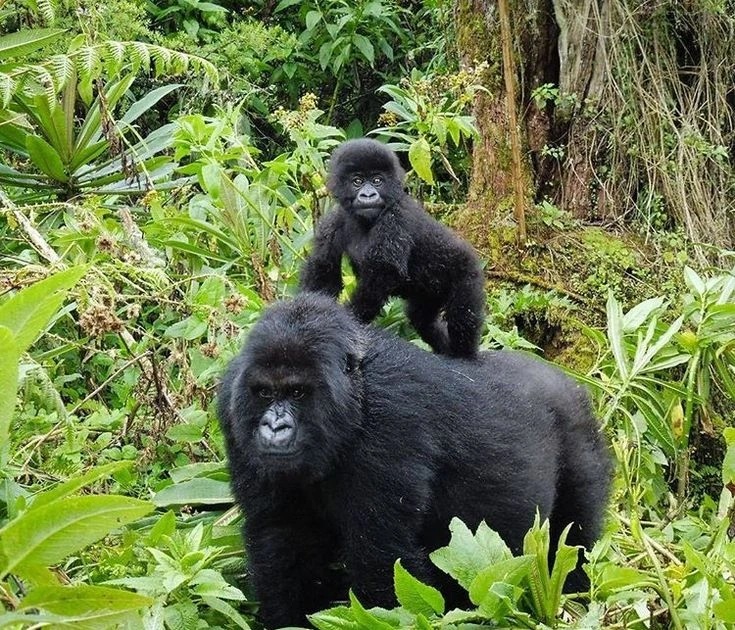
A 3-day Uganda gorilla trekking safari to Bwindi Impenetrable National Park offers a thrilling, high-intensity adventure featuring a scenic drive (or flight) from Kampala/Entebbe, a full-day jungle hike to find habituated mountain gorillas, and one hour of direct observation with them in their natural habitat. Expect physically demanding terrain, early mornings, a maximum group size of eight, and a profound experience with endangered species
3-days-affordable-uganda-budget-gorilla-trekking-via-kigali
3-day-budget-gorilla-trekking-safari-in-uganda
3-days-gorilla-trekking-safari-and-lake-bunyonyi-relaxation-itinerary
3-days-gorilla-habituation-in-bwindi-impenetrable-forest-park
3-days-fly-in-uganda-gorilla-habituation-africa-safari-tour-package
Key Expectations & Tips
1. Gorilla Permit
The gorilla permit is the most essential document of your safari, serving as your official authorization to enter the protected habitat of these endangered primates. In Uganda, permits are issued by the Uganda Wildlife Authority (UWA) and are strictly limited to eight people per habituated gorilla family per day. This regulation is designed to minimize human impact and protect the gorillas from stress and potential disease transmission. Your permit grants you access to one specific sector of Bwindi or Mgahinga and guarantees exactly sixty minutes of face-to-face observation time once the gorillas are located.
As of 2026, the demand for these permits remains exceptionally high, often necessitating bookings several months in advance. The permit fee is a significant investment, but it is important to understand that this revenue is the primary lifeline for mountain gorilla conservation. A portion of the fee goes directly toward the high-tech 24/7 monitoring of the families by rangers, veterinary care for injured animals, and community development projects in the surrounding villages. When you receive your permit, it will be linked to your passport details and cannot be transferred to another person. It is your "golden ticket" to one of the most exclusive wildlife encounters on Earth, and without it, entry into the forest for tracking is strictly prohibited.
2. Physical Demand
Gorilla trekking is often described as "the most rewarding workout in the world." The physical demand arises from the fact that Bwindi is a prehistoric, "impenetrable" rainforest with no set trails. You will be hiking through thick undergrowth, stepping over massive roots, and navigating steep, muddy ridges at altitudes ranging from 2,000 to 2,500 meters. The air is thinner at this elevation, which can make the climb feel significantly more strenuous than a typical hike at sea level. Because gorillas are mobile, the duration of the trek is unpredictable; you might find your assigned family in two hours, or it could take six hours of intense exertion.
To ensure you enjoy the experience rather than just enduring it, a moderate level of cardiovascular fitness is highly recommended. Preparing with hill walks or stair-climbing in the weeks prior to your trip will pay dividends once you are in the forest. It is also important to be mentally prepared for the humidity and potential rain, which can make the slopes slippery. The park rangers are excellent at pacing the group to accommodate the slowest member, but having the stamina to stay on your feet for half a day is vital. For those with significant mobility concerns, the "sedan chair" service (carried by local porters) is an available option that ensures this once-in-a-lifetime experience remains accessible to everyone.
3. What to Wear/Pack
Dressing for the rainforest is about protection from the elements and the environment. Long trousers and long-sleeved shirts are mandatory, not for the temperature, but to shield your skin from stinging nettles, thorny branches, and biting insects. A key tip is to tuck your trousers into your thick socks; this prevents safari ants from crawling up your legs. Your footwear is the most important piece of gear—you need sturdy, waterproof hiking boots with excellent ankle support and deep "lug" soles for traction on muddy inclines. Using a pair of boots you have already "broken in" will prevent blisters on the trail.
Additionally, gardening gloves are a secret weapon for successful trekking. You will often need to grab onto vines, branches, and roots to pull yourself up steep sections, and gloves protect your hands from scratches and thorns. A wide-brimmed hat and a lightweight, breathable rain jacket are also essential, as the weather in Bwindi can change from bright sunshine to a tropical downpour in minutes. In your daypack, carry at least two liters of water, a packed lunch, and high-energy snacks. By packing "smart" with moisture-wicking fabrics rather than heavy cotton, you stay light on your feet and prepared for the variable conditions of the Albertine Rift.
4. Support & Services
One of the most impactful decisions you can make during your safari is to hire a local porter at the start of your trek. For a fee of roughly $15 to $20, a porter will carry your daypack, allowing you to focus entirely on your footing and the scenery. More importantly, porters provide physical stability; they are experts at navigating the terrain and will offer a steady hand during steep climbs or a stabilizing anchor on slippery descents. Many trekkers find that the physical support of a porter makes the difference between a grueling struggle and a truly immersive adventure.
Beyond the personal convenience, hiring a porter is a vital component of community-led conservation. Most porters are residents of the local villages, and many were formerly involved in illegal forest activities like poaching or logging. By providing them with a dignified, well-paying alternative through tourism, the park ensures that the local community sees the gorillas as an economic asset to be protected rather than a competitor for land. This income directly supports local households, paying for school fees, healthcare, and small businesses. When you engage these services, you are participating in a sustainable tourism model that directly benefits the people living on the front lines of wildlife protection.
5. Safety & Logistics
Safety on a gorilla safari is managed with military precision. You will be accompanied by specialized rangers and armed trackers who are in constant radio communication. The trackers head out into the forest at dawn to locate the gorilla families from where they nested the night before, ensuring a success rate of over 95% for sightings. These rangers are also experts in gorilla behavior; they use a series of vocalizations (grunts and hums) to signal to the silverback that the group is friendly. As long as you follow your guide’s instructions—such as maintaining a 7-meter distance and avoiding direct eye contact—the experience is incredibly safe.
Regarding logistics, photography is encouraged, but flash is strictly prohibited. The sudden burst of light can startle the gorillas or be perceived as a threat by the silverback. It is also important to remember that your time with the family is limited to exactly one hour. Your guides will help position you for the best views while ensuring the gorillas have enough space. In terms of health safety, you will be asked to sanitize your hands and may be required to wear a mask during the encounter to prevent the transmission of human respiratory illnesses to the primates. These logistical layers are all designed to ensure that your "one hour in the mist" is both a personal highlight and a win for conservation.
3-Day Uganda Gorilla Trekking in Bwindi: A Journey Into the Mist
The 3-day Uganda gorilla trekking safari is a profound pilgrimage into the heart of Bwindi Impenetrable National Park, a prehistoric rainforest harboring half of the world's remaining mountain gorillas. This itinerary is expertly crafted for those seeking a high-impact wildlife encounter within a compact timeframe. Your journey begins with a scenic traverse across the Equator, winding through the "Switzerland of Africa," where terraced emerald hills meet the clouds. The pinnacle of the expedition is a guided trek through dense, ancient foliage to stand mere meters away from a majestic silverback and his family. Beyond the primates, this tour offers a deep dive into the soul of Uganda, from its vibrant local markets to the ancestral stories of the Batwa people. By participating in this trek, you aren't just a spectator; you become a vital contributor to one of the most successful conservation stories in modern history, ensuring these gentle giants thrive for generations.
Day 1: Kampala to Bwindi Impenetrable National Park
Your adventure begins with an early morning departure from Kampala, heading southwest toward the edge of the Albertine Rift. The drive is a visual feast, featuring a primary stop at the Uganda Equator in Mpambire for photos and a demonstration of the Coriolis effect. After a traditional lunch in Mbarara, the landscape shifts dramatically into the steep, terraced ridges of the Kigezi Highlands. As you ascend toward Bwindi, the air becomes cooler and the vegetation more lush. You will reach your lodge in the late afternoon, nestled right on the fringe of the ancient forest. This evening is dedicated to a pre-trek briefing and a hearty dinner, as you prepare for the physical challenge of the following day. The sounds of the jungle—the calls of turacos and the rustle of the canopy—provide a hauntingly beautiful soundtrack to your first night in the wild.
Day 2: The Gorilla Trekking Experience
Today is the centerpiece of your safari. After an early breakfast, you head to the park headquarters for a 7:30 AM briefing where you are assigned to a habituated gorilla family. Led by expert rangers and armed trackers, you will plunge into the "Impenetrable" forest. The hike can last between two to seven hours, navigating steep slopes and tangled vines. Once the family is located, the forest falls silent as you spend one unforgettable hour observing the gorillas. Witnessing a silverback’s quiet power or the playful antics of juveniles is a life-altering experience. In the afternoon, once you have returned from the forest, you can opt for a Batwa Cultural Walk. This visit offers a glimpse into the lives of the forest's original inhabitants, showcasing their ancient hunter-gatherer survival skills, traditional songs, and deep spiritual connection to the Bwindi ecosystem.
Day 3: Return Journey to Kampala or Entebbe
On your final day, you enjoy a leisurely breakfast overlooking the mist-covered forest before beginning the scenic drive back to central Uganda. The return leg offers a different perspective of the countryside, passing through the lush wetlands of the Lake Mburo ecosystem and the bustling agricultural towns of the central region. You will stop for a final lunch in Masaka before making a second brief stop at the Equator for any last-minute souvenir shopping, such as hand-carved gorilla figurines or local textiles. This journey provides time to reflect on the profound connection made with the mountain gorillas and the impact of your visit on their continued survival. You will arrive back in Kampala or Entebbe in the late evening, just in time for your departure flight or an overnight stay, concluding an extraordinary three-day journey into the heart of Africa.
1. When is the overall best time for a 12-day Tanzania safari?
The late June to October window is widely considered the "Golden Era" for a 12-day Tanzania safari because it aligns with the peak dry season. During this period, the humidity drops, and the vast landscapes of the Serengeti and Tarangire begin to desiccate. As a result, the dense vegetation thins out significantly, making it much easier to spot elusive predators like leopards and lions from a distance. More importantly, as smaller water holes dry up, wildlife is forced to congregate around permanent water sources, such as the Seronera River or the Silale Swamp. This creates a "theatre of nature" where animal density is at its highest, providing spectacular viewing opportunities with minimal effort.
For a 12-day itinerary, this timing allows you to traverse the "Northern Circuit" with nearly guaranteed sightings. You can spend ample time in the Ngorongoro Crater, where the clear, blue skies provide a stunning backdrop for photography against the crater walls. Because the roads are dry, travel between parks is faster and more comfortable, ensuring you maximize your time on game drives rather than navigating mud. While this is the busiest time for tourism, the sheer volume of animals—from the massive elephant herds to the prowling big cats—makes it the most rewarding timeframe for those seeking the quintessential African safari experience.
2. When can I see the Great Migration river crossings?
The dramatic river crossings, often cited as the "World Cup of Wildlife," typically reach their zenith between July and September, with June occasionally marking the start of the northern movement. This is when the massive wildebeest and zebra herds reach the Mara River in the Northern Serengeti. A 12-day safari during this window is highly sought after because it offers the best chance to witness the high-stakes battle for survival as thousands of animals plunge into crocodile-infested waters. Because the herds are unpredictable, having a longer 12-day trip provides the necessary "buffer time" to spend multiple days in the Kogatende or Lamai sectors, increasing your odds of catching a crossing.
During this time, the Northern Serengeti becomes the focal point of the migration. The atmosphere is electric, characterized by the dust of thousands of hooves and the opportunistic presence of lions and hyenas waiting on the riverbanks. Witnessing a crossing requires patience; herds may gather at the water's edge for hours or even days before the first animal takes the leap. With a 12-day itinerary, you can balance the intensity of the migration with visits to the Central Serengeti for big cats and the Ngorongoro Crater for rhinos, creating a comprehensive journey that captures the full spectrum of the migration’s most violent and beautiful chapter.
3. Is January to February a good time for a 12-day safari?
January and February represent the "short dry season" and are arguably some of the most underrated months for a 12-day Tanzania safari. This period coincides with the Calving Season in the Southern Serengeti and the Ndutu region. Within a few weeks, approximately 500,000 wildebeest calves are born, often at a rate of 8,000 per day. For travelers, this is a time of incredible abundance and high-octane predator action. The vulnerable calves attract a staggering number of lions, cheetahs, and hyenas, making it the best time of year to witness a hunt in the open, short-grass plains.
For a 12-day trip, this season offers a unique "green" beauty. The landscape is lush and emerald after the short rains of November and December, providing stunning contrast for photography. The air is crisp and clear, washed clean of dust, which makes the horizons of the Serengeti feel endless. While the migration isn't moving as rapidly as it does during the river crossings, the sheer concentration of life in the south is breathtaking. It is also an excellent time for bird watching, as migratory species from Europe and North Africa are present. If you prefer the spectacle of new life and the raw drama of predator-prey interactions over the chaos of river crossings, this is the perfect time for your safari.
4. When is the best time to see large elephant herds in Tarangire?
If your primary goal is to see elephants, the dry season months of June to October are non-negotiable for a visit to Tarangire National Park. Known as the "Land of Giants," Tarangire undergoes a dramatic transformation during these months. As the surrounding Maasai Steppe dries out, the Tarangire River becomes the only reliable source of water for thousands of square miles. This triggers a massive internal migration, drawing up to 3,000 elephants to the river valley. Seeing hundreds of elephants silhouetted against the park's iconic, ancient baobab trees is one of the most majestic sights in all of Africa.
A 12-day safari allows you to spend 2 or 3 days in Tarangire, which is essential to truly appreciate its diversity. During the peak dry season, the elephant families often congregate in large "super-herds," providing a fascinating look at their complex social structures and maternal bonds. The heat of the day often drives them to the riverbanks to bathe and drink, offering incredible close-up encounters. Beyond elephants, this is also the best time to see Tarangire's tree-climbing lions and the rare fringe-eared oryx. The park's distinct landscape—dominated by river loops and prehistoric trees—provides a stark and beautiful contrast to the endless plains of the Serengeti, making it a vital pillar of a July-to-October itinerary.
5. What is the best time to avoid crowds but still see wildlife?
The "shoulder seasons" of late May to early June and late October to early November are the secret sweet spots for a 12-day Tanzania safari. During these windows, you can enjoy the best of both worlds: excellent wildlife viewing and a significantly lower volume of tourist vehicles. In late May, the "long rains" have usually subsided, leaving the parks vibrant, green, and dust-free. The animals are well-fed and healthy, and the predators are easy to spot against the lush backdrop. This is an ideal time for travelers who value solitude and a sense of "exclusive" wilderness.
In late October, the dry season is at its peak, so animal concentrations around water holes remain high, yet many of the "Migration chasers" have departed. This allows for a much more relaxed experience in high-traffic areas like the Seronera Valley or the Ngorongoro Crater floor. Because there is less demand, you may find better availability at top-tier boutique camps and more flexibility with your daily schedule. For a 12-day trip, the shoulder season also offers better value; many lodges shift from "Peak" to "High" or "Mid" season rates, allowing you to stretch your budget further while still enjoying world-class wildlife encounters in a much more peaceful setting.
6. Which months should I avoid for a safari?
The months of March, April, and May are generally considered the "long rainy season" in Tanzania and are the least favorable for a traditional safari. During this time, the country receives heavy, sustained downpours that can last for hours. From a logistical standpoint, the rains can turn the black cotton soil of the Serengeti into impassable mud, making travel between camps slow and potentially frustrating. Many of the smaller, mobile tented camps that follow the migration close down entirely during these months for maintenance and to avoid the logistical nightmare of the floods.
From a wildlife viewing perspective, the "long rains" allow animals to disperse far and wide. Since water is available in every puddle and depression, wildlife is no longer concentrated around permanent rivers or holes, making game drives more of a "treasure hunt" through tall, thick grass. While the landscape is stunningly beautiful and the "Green Season" prices are at their lowest, the high humidity and prevalence of mosquitoes can be a deterrent for many. If you have 12 days to spend, you want a high success rate for sightings; during these months, the risk of getting stuck in the mud or missing out on the big cats due to thick cover is simply too high for most first-time visitors.
7. Can I see the Migration on a 12-day trip year-round?
Yes, the Great Migration is not a single event but a continuous, year-round cycle of movement driven by the search for fresh grass and water. On a 12-day safari, you have more than enough time to reach whichever sector the herds are currently occupying. From January to March, the herds are in the southern Serengeti/Ndutu for calving. From April to June, they move through the Western Corridor and the Grumeti region. From July to October, they are in the Northern Serengeti for the river crossings, and from November to December, they begin their trek back south through the eastern limits of the park.
A 12-day itinerary is particularly advantageous for "migration tracking" because it allows for multi-stop journeys. For example, in June, you can split your time between the Central Serengeti (where predators are resident) and the Western Corridor (where the herds are moving). In September, you can spend significant time in the north without feeling rushed. A professional safari operator will tailor your 12-day route based on the current rainfall patterns and herd movements, ensuring that you are always in the "right place at the right time." The migration is always happening; you just need enough time and the right guide to find the heart of the action.
8. What is the weather like during the prime safari season (June–Oct)?
During the prime safari season, the weather is characterized by dry, clear, and sunny days with very low humidity. Daytime temperatures are generally very comfortable, typically ranging between 20°C and 28°C (68°F to 82°F), making it perfect for long days spent in an open-roof safari vehicle. You can expect blue skies and excellent visibility, which is a dream for photographers. Because it is the dry season, the air is often dusty, so many travelers find that a light scarf or "buff" is essential for protection during game drives.
However, the "safari paradox" is that while days are warm, the mornings and evenings are surprisingly cold. This is particularly true in higher-altitude areas like the rim of the Ngorongoro Crater, where temperatures can drop toward freezing at night. For a 12-day trip, you must pack in layers. You will likely start your 6:00 AM game drive wearing a fleece and a warm jacket, only to be in a t-shirt by 11:00 AM. Many high-end camps provide "bush waistcoats" or blankets in the vehicles, and hot water bottles (known as "bush babies") are often placed in your bed at night. Understanding this temperature swing is key to staying comfortable throughout your 12-day adventure.
9. When is the best time for birdwatching?
While Tanzania is a year-round birding destination, the absolute best time for a 12-day birdwatching-focused safari is from November to April. This coincides with the arrival of migratory birds from the Northern Hemisphere, which join Tanzania’s already impressive list of over 1,100 resident species. During these months, many resident birds are also in their vibrant breeding plumage and are actively engaged in nesting and elaborate courtship displays. The "short rains" of November and December make the landscape lush and full of insects and seeds, creating a feast for avian life.
A 12-day itinerary during this "Green Season" allows you to visit diverse habitats, from the soda lakes of Manyara and Natron (home to millions of flamingos) to the highland forests of Ngorongoro and the riverine woodlands of the Serengeti. You can expect to see an incredible array of raptors, sunbirds, weavers, and kingfishers. While the grass might be longer for spotting big cats, the "birding game" is at its peak. This is also a time of beautiful light and dramatic afternoon thunderstorms, which provide a spectacular backdrop for capturing images of birds in flight. For the dedicated "birder," the biodiversity found during these months is nothing short of world-class.
10. When is the best time to combine a safari with Zanzibar beaches?
The best time to combine a 12-day Tanzania safari with a beach extension in Zanzibar is during the dry season months of June to October. During this period, the weather on the mainland is perfect for wildlife viewing, while the coast of Zanzibar enjoys clear blue skies, low humidity, and a refreshing sea breeze. The ocean is calm and clear, providing ideal conditions for snorkeling, diving, and sailing in traditional dhows. This "Double Dry" window ensures that you won't have your beach time interrupted by the heavy rains that can plague the island during other parts of the year.
A 12-day split typically allocates 7 to 8 days for the Northern Circuit (Serengeti, Ngorongoro, Tarangire) and 4 to 5 days for the white-sand beaches of Zanzibar. Another excellent window is January and February, which is the "hot dry season" on the coast. While it can be quite humid in Zanzibar during these months, the sea temperatures are warm and inviting, making it a popular escape for those fleeing the northern winter. Avoiding the long rains of April and May is crucial for a beach combo, as many island resorts close for renovations and the high winds can make water activities unpleasant. By booking between June and October, you ensure a seamless transition from the dusty plains to the turquoise waters of the Indian Ocean.
11. Is the Ngorongoro Crater better in the dry or wet season?
The Ngorongoro Crater is a unique self-contained ecosystem that offers exceptional wildlife viewing year-round. Because the 2,000-foot-high walls create a natural enclosure and the crater floor has permanent water sources, the resident population of approximately 25,000 large mammals (including the Big Five) does not migrate. However, the dry season (June to October) is often considered "better" for first-time visitors because the thinning vegetation makes the endangered black rhinos easier to spot against the short yellow grass. The clear weather also ensures that the views from the crater rim are sharp and unobstructed.
On the other hand, the wet season (November to May) transforms the crater into a lush, Eden-like paradise. The floor becomes a carpet of green grass and wildflowers, and the soda lake (Lake Magadi) fills up, attracting large flocks of flamingos. During these months, there are significantly fewer vehicles on the crater floor, offering a much more intimate and quiet experience. For a 12-day safari, the crater is a mandatory stop regardless of the season. If you prioritize "clear views and rhinos," choose the dry season. If you prefer "lush landscapes and solitude," the wet season will not disappoint, as the resident lions, hyenas, and old "tusker" elephants are always there to be found.
12. When are safari prices lower?
Safari prices in Tanzania are generally at their lowest during the "Green Season," which encompasses April and May, and to a lesser extent, November. During these months, many luxury lodges and tented camps offer "low season" rates, which can be 30% to 50% cheaper than their peak August prices. This is because demand drops significantly due to the rains. For a budget-conscious traveler, a 12-day safari during the green season allows for an "upgrade" in accommodation—you might be able to stay in a world-class luxury lodge that would be financially out of reach during the high season.
In addition to lower nightly rates, many operators waive "single supplements," making it the best time for solo travelers. Some lodges also offer "stay 4, pay 3" deals to encourage bookings. While you do have to contend with the possibility of rain and thicker vegetation, the trade-off is a much more exclusive experience. You will have fewer vehicles at sightings, and the service at the lodges is often more personalized as the staff-to-guest ratio is higher. If you are prepared for the logistics of the rain, the green season offers the best "value for money" for a comprehensive 12-day exploration of Tanzania’s national parks.
13. Do I need to book in advance for peak season?
Yes, for a 12-day Tanzania safari during the peak season (June to October and late December), it is essential to book 8 to 12 months in advance. Tanzania follows a "low density, high value" tourism model, meaning that many of the best boutique lodges and mobile tented camps have only 8 to 12 rooms. These premier spots, particularly those located in prime migration areas like the Northern Serengeti or on the rim of the Ngorongoro Crater, are the first to fill up. If you wait until 3 or 4 months before your trip, you may find yourself forced into larger, less intimate hotels or staying far outside the park gates.
Booking in advance is also crucial for securing the best guides and specific logistics, such as internal "bush flights" which have limited seating. A 12-day trip is a significant investment, and early planning ensures that every piece of the puzzle—from the specific camp that overlooks a migration crossing point to the private 4x4 vehicle—is perfectly aligned. Furthermore, early booking often allows you to secure current year pricing before annual increases take effect. For the "trip of a lifetime" during the Great Migration, the peace of mind that comes with having your top-choice accommodations locked in a year ahead of time is well worth the early commitment.
Booking 3Days Uganda gorilla tracking with us Roads of Adventure safaris
Booking a 3-day gorilla tracking safari with Roads of Adventure Safaris offers a tailored, seamless experience, typically covering transport, accommodation, and the crucial $800 gorilla permit for Bwindi Impenetrable Forest. The package usually includes a 1-hour encounter with endangered mountain gorillas, guided by local experts, plus options for Batwa cultural experiences.
