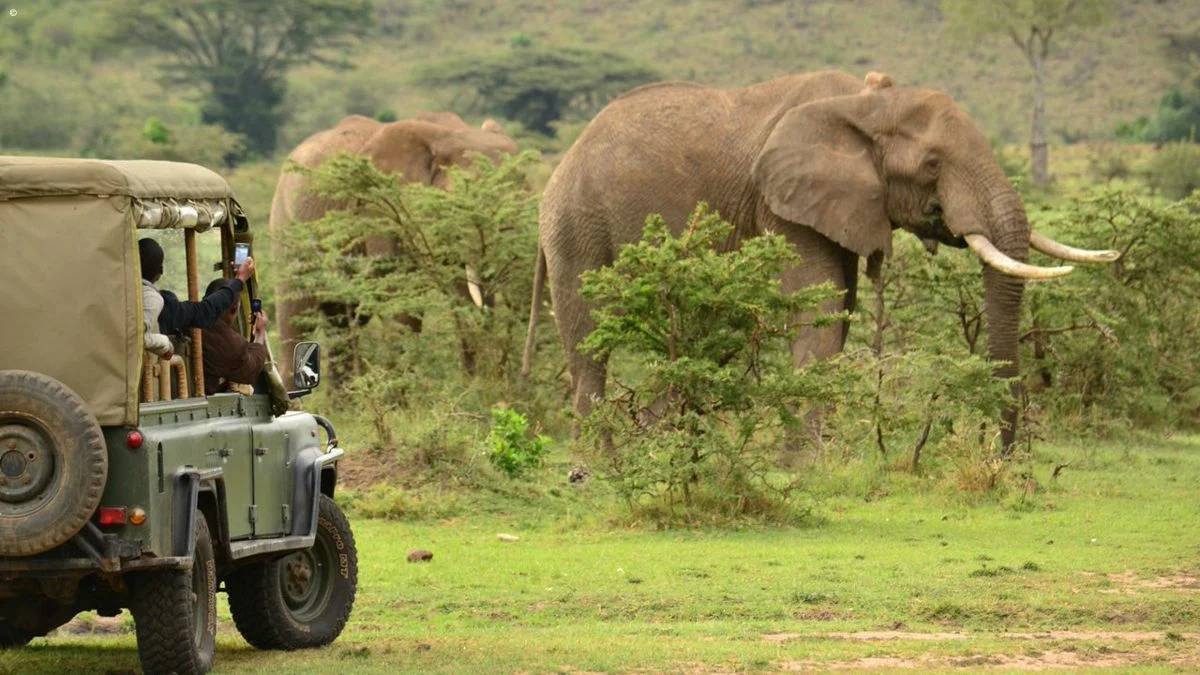
A 14-day Africa safari in Kenya offers an in-depth, immersive adventure across the country's top wildlife, cultural, and scenic destinations. You can expect daily game drives in renowned parks like the Maasai Mara, Amboseli, and Samburu, witnessing the Big Five, vast herds, and diverse birdlife. The trip usually combines intense wildlife viewing with relaxing, including a final few days at the Indian Ocean coast (Diani Beach) or lake explorations (Naivasha/Nakuru)
14-days-2-week-exclusive-kenya-tanzania-safari-tour-holiday-combined-vacation
14-days-ultimate-kenya-tanzania-safari-to-zanzibar-beach-beach-holidays
14-days-kenya-birding-safari-and-wildlife-watching
14-days-best-of-kenya-safari-holiday-2-weeks-africa-kenya-safari-vacation
Wildlife Viewing (The Big Five)
The pursuit of the Big Five—lion, leopard, rhinoceros, elephant, and Cape buffalo—is the heartbeat of a 14-day Kenyan safari. This duration allows for a deep dive into different territories where these species thrive in unique ways. In the Maasai Mara, the focus is primarily on the big cats; the open plains provide a theater for lion prides and the elusive cheetah. In Amboseli, the experience shifts to the "Land of Giants," where massive elephant herds with tusks reaching the ground graze against the iconic, snow-capped backdrop of Mount Kilimanjaro.
Further north, Lake Nakuru serves as a specialized sanctuary for both black and white rhinos, offering some of the most consistent sightings of these prehistoric creatures in Africa. Because you have 14 days, you aren't just "checking boxes"; you are observing behavior. You might spend an entire afternoon watching a leopard protect its kill in a tree or following a buffalo herd as it navigates a river. This extended time allows for multiple game drives across varying terrains, significantly increasing the probability of witnessing rare predatory interactions and ensuring that every member of the Big Five is seen in its natural, untamed habitat.
The Great Migration (Seasonal)
For those who time their 14-day safari between July and October, the experience is dominated by the Great Wildebeest Migration. This is often described as the "Greatest Show on Earth," where over 1.5 million wildebeest, accompanied by hundreds of thousands of zebras and gazelles, thunder across the plains from the Serengeti into the Maasai Mara. A 14-day itinerary is crucial here, as it allows you to spend 3 to 4 nights in the Mara alone, providing the patience required to witness a dramatic river crossing.
Standing on the banks of the Mara River, you feel the vibration of thousands of hooves and the tension in the air as the herds hesitate before plunging into crocodile-infested waters. The migration isn't just about the movement; it’s about the aftermath. The abundance of prey triggers peak activity among lions, hyenas, and Nile crocodiles, creating a raw and visceral display of life and death. Having a two-week window ensures that even if the herds are a day's march away when you arrive, you have the logistical flexibility to find them and witness this ancient, cyclical journey in all its chaotic glory.
Diverse Landscapes
One of the most surprising elements of a 14-day tour is the radical shift in scenery. You begin in the savannas of the Mara, defined by golden grasses and lone acacia trees. However, as you travel north, the landscape transforms into the arid, rugged terrain of Samburu. Here, the earth turns a vibrant ochre-red, and the vegetation becomes sparse, dominated by Doum palms and desert scrub. This environment is home to the "Samburu Special Five"—the reticulated giraffe, Grevy’s zebra, Somali ostrich, Beisa oryx, and the long-necked gerenuk—species specifically adapted to the parched northern frontier.
The journey continues through the Great Rift Valley, where the scenery shifts again to the dramatic escarpments and shimmering soda lakes like Nakuru and Elementaita. You may even traverse the lush, high-altitude forests of the Aberdares or the volcanic, "red-dust" plains of Tsavo. The final transition takes you to the tropical coastline, where the dust of the savanna is replaced by the turquoise waters of the Indian Ocean and ancient baobab trees. This geographical diversity ensures that every few days feel like a brand-new adventure, preventing "safari fatigue" by constantly refreshing your visual and ecological surroundings.
Cultural Immersion
A 14-day safari provides the necessary time to move beyond the vehicle and engage with the people who have co-existed with Kenya’s wildlife for millennia. Cultural immersion is woven into the itinerary through visits to traditional Maasai or Samburu villages. These are not merely tourist stops but educational exchanges where you can learn about the semi-nomadic lifestyle, the intricate symbolic meaning of beadwork, and the traditional rites of passage for warriors.
You will witness the "Adumu" (the jumping dance) and perhaps learn how to start a fire using only sticks and dry dung. These interactions provide a human context to conservation; you begin to understand the challenges and triumphs of communities living on the front lines of the human-wildlife interface. Many lodges in a 14-day circuit are partnered with local communities, meaning your stay directly supports schools, water projects, and healthcare. This ongoing cultural thread reminds you that Kenya is a living, breathing landscape where ancient traditions remain a vital part of the modern conservation narrative, adding a layer of emotional depth to the wildlife sightings.
Activities Beyond Game Drives
To break up the long hours in a 4x4 vehicle, a 14-day safari includes several active and unique adventures. On Lake Naivasha, you trade the engine for a silent boat ride, gliding past pods of hippos and spotting African fish eagles. This is often followed by a walking safari on Crescent Island, where you can walk among giraffes, zebras, and waterbucks. Because there are no resident predators on the island, you can experience the thrill of being at eye level with a giraffe, a perspective that is impossible from a car.
For those seeking a "bucket list" moment, an optional hot-air balloon safari in the Maasai Mara offers a silent, bird’s-eye view of the plains at sunrise. Drifting with the wind as the sun crests the horizon reveals the vastness of the savanna and the intricate trails made by wildlife over centuries. Other activities might include guided bush walks to learn about "the little five" (insects and small mammals), night game drives to spot aardvarks and genets, or even horseback riding in private conservancies. these varied activities ensure that the safari remains physically engaging and offers multiple ways to connect with the African bush.
Accommodation Variety
The 14-day experience is defined by a curated mix of luxury tented camps and safari lodges, each offering a different atmosphere. Tented camps provide the quintessential "Out of Africa" feel; while they feature canvas walls, they are often more luxurious than five-star hotels, boasting mahogany floors, brass fixtures, and private decks. Sleeping under canvas allows you to stay connected to the wilderness; you will fall asleep to the distant whoop of a hyena and wake to the rhythmic chorus of tropical birds.
In contrast, the larger safari lodges often feature dramatic architecture built into the landscape, such as lodges perched on the edge of the Ngorongoro Crater or overlooking active watering holes in Tsavo. Many of these accommodations are eco-friendly, utilizing solar power and supporting local employment. On a 14-day tour, you might spend three nights in a remote, intimate camp followed by two nights in a historic lodge with a swimming pool and spa. This variety ensures that your "home" in the bush is as much a part of the adventure as the wildlife outside your door, providing comfort, safety, and a sense of place.
Coastal Relaxation
After nearly two weeks of early 5:30 AM starts and dusty game drives, the finale at Diani Beach is a strategic and welcome relief. Diani is consistently voted the best beach in Africa, featuring shimmering white sands and the warm, turquoise waters of the Indian Ocean. This transition from "Bush to Beach" allows you to process the intensity of the safari in a tranquil environment.
The activities here shift toward the marine world. You can enjoy snorkeling or diving at the vibrant coral reefs, take a traditional dhow boat trip to search for dolphins, or explore the sacred Kaya Kinondo Forest with local guides. For many, the highlight is simply the "Pole Pole" (slowly slowly) lifestyle—enjoying fresh-caught seafood under a palm tree and watching the sunrise over the ocean. Ending the trip with 2 to 3 days on the coast ensures that you return home not just with stories of lions and elephants, but with a deep sense of rejuvenation, having experienced the full spectrum of Kenya’s natural beauty from its rugged interior to its pristine shores.
14 Days Africa Safari in Kenya
This 14 Days Africa Safari in Kenya is a masterfully curated odyssey that traverses the full spectrum of East Africa’s natural splendor. From the arid northern frontier of Samburu, where specialized desert species thrive, to the lush, emerald forests of the Aberdares and the iconic, golden plains of the Maasai Mara, this journey offers an exhaustive exploration of Kenya's biodiversity. You will witness the legendary "Big Five" and the "Special Five" of the north, navigate the volcanic wonders of the Great Rift Valley, and gaze upon the snow-capped majesty of Mount Kilimanjaro in Amboseli. This two-week expedition is designed to provide a deep, unhurried immersion into the wild, blending high-octane predator action with tranquil boat safaris and meaningful cultural encounters. It is more than a tour; it is a profound narrative of conservation, drama, and the enduring spirit of the African savanna.
Day 1: Arrival in Nairobi
Your 14 Days Africa Safari in Kenya begins in the vibrant capital of Nairobi. Upon arrival at Jomo Kenyatta International Airport, you will be met and transferred to your boutique hotel. The afternoon is dedicated to the city’s renowned conservation hubs: the David Sheldrick Elephant Orphanage, where you can watch orphaned calves being bottle-fed, and the Giraffe Centre, home to the endangered Rothschild’s giraffes. These visits offer an intimate introduction to Kenya's wildlife protection efforts before you head into the deep wilderness. Evening is spent enjoying a welcome dinner at a high-end restaurant, providing a perfect opportunity to brief you on the upcoming route. This first day is essential for acclimating to the African air and preparing for the early morning departure into the rugged northern frontier, marking the true start of your grand Kenyan adventure.
Day 2: Journey to Samburu Reserve
Heading north from the capital, the landscape transforms as you cross the Equator, watching the fertile highlands give way to the arid, red-earth terrain of the Samburu National Reserve. This rugged wilderness is the lifeblood of the Ewaso Ng’iro River, which attracts an incredible density of wildlife. After a scenic drive, you will arrive at your riverfront lodge in time for an afternoon game drive. Samburu is famous for its unique "Special Five" species, including the reticulated giraffe and Grevy’s zebra, which are rarely found in the southern parks. The harsh beauty of the northern frontier provides a striking contrast to the lush valleys you will visit later. As the sun sets over the Doum palms, you’ll enjoy a communal dinner, listening to the nocturnal calls of leopards that frequent the riverine thickets.
Day 3: The Special Five of Samburu
A full day in Samburu allows for deep exploration of its semi-desert ecosystem. During early morning and late afternoon game drives, you will search for the gerenuk, a long-necked antelope that stands on its hind legs to reach high branches, and the Somali ostrich. The river is a magnet for massive elephant herds, which often bathe and play in the water to escape the heat. Samburu is also one of the best places in Kenya to spot leopards and lions lounging in the shade of acacia trees. Between drives, relax at the lodge and enjoy the sights of crocodiles basking on the riverbanks. This day highlights the remarkable adaptations of animals in arid environments, providing a specialized wildlife experience that is a cornerstone of the northern segment of your comprehensive 14 Days Africa Safari in Kenya.
Day 4: Ol Pejeta Conservancy
Leaving the desert behind, you travel to the private Ol Pejeta Conservancy, home to the Sweetwaters Chimpanzee Sanctuary. This is the only place in Kenya where you can see these primates, many of whom were rescued from the bushmeat trade. Ol Pejeta is also a global leader in rhino conservation, hosting the world’s last remaining northern white rhinos under 24-hour protection. Your afternoon game drive offers excellent chances to see both black and white rhinos, alongside predators like lions and cheetahs. The conservancy’s focus on integrated wildlife management and community support adds a layer of depth to your journey. The evening concludes with a night game drive, a rare opportunity to spot nocturnal species like aardvarks and bat-eared foxes before retreating to your luxury tented camp in the foothills of Mount Kenya.
Day 5: Aberdare National Park
Today you ascend into the lush, mist-shrouded highlands of the Aberdare National Park. This park offers a dramatic change in scenery, with deep ravines, waterfalls, and thick moorlands. You will stay at a unique "tree-hotel" such as The Ark, where you can watch wildlife from the comfort of the lodge’s balconies as they visit the floodlit salt lick and waterhole below. The park is home to elephants, buffaloes, and the elusive bongo antelope. The cool mountain air and the sight of leopards emerging from the forest fringes at dusk provide a mystical atmosphere. This highland stop provides a vital "montane" chapter to your safari, showcasing a different facet of Kenya's biodiversity. The quiet beauty of the forest at night, with the calls of hyenas in the air, is a peaceful highlight.
Day 6: Lake Nakuru Rhino Sanctuary
You descend back into the Great Rift Valley to reach Lake Nakuru National Park, a stunning soda lake famous for its vibrant birdlife and its status as a specialized rhino sanctuary. The park’s acacia woodlands and grassy plains provide the perfect habitat for both black and white rhinos, which are frequently spotted grazing near the water. You will also look for the rare Rothschild’s giraffe and the tree-climbing lions that inhabit the park’s forest fringes. A drive to Baboon Cliff offers a panoramic view of the lake, which is often fringed with the pink hue of thousands of flamingos. Lake Nakuru’s compact size ensures high-density wildlife viewing, making every game drive productive. This stop is essential for checking off your "Big Five" list, particularly the elusive rhinos, in a setting of immense geological beauty.
Day 7: The Maasai Mara Arrival
The seventh day marks your arrival in the legendary Maasai Mara National Reserve, the crown jewel of African safaris. The drive across the Loita Plains brings you to the rolling golden savannas that host the world’s most famous wildlife spectacle. You will arrive in time for a gourmet lunch and an afternoon game drive in search of the big cats. The Mara is where the "Kingdom of Lions" truly comes alive, and you are likely to encounter prides within your first few hours on the plains. You will check into a luxury tented camp, where the sounds of the African night provide a primal soundtrack to your evening. The sheer scale of the landscape and the abundance of herbivores create an atmosphere of primal energy that defines the heart of your 14 Days Africa Safari in Kenya.
Day 8: Big Cats and the Mara River
A full day in the Maasai Mara allows for an extensive exploration of the various sectors, including the banks of the Mara River. Your guide will track the "Big Five," with a special focus on the elusive leopards and cheetahs that dominate these plains. If visiting during the migration season (July–October), you will witness the dramatic movement of thousands of wildebeest and zebras risking crocodile-infested waters. The Mara offers a front-row seat to the rawest forms of nature, from high-speed hunts to the complex social dynamics of the prides. Between drives, enjoy a luxury bush picnic under a lone acacia tree, fully immersed in the wilderness. This day represents the peak of predator viewing, delivering high-octane wildlife drama with the highest level of personal service and comfort in the field.
Day 9: Mara Cultural Discovery
Today you explore the more exclusive Mara North Conservancy or revisit favorite spots in the main reserve. This allows for a more private wildlife experience, often resulting in spectacular sightings of cheetahs and leopards. In the afternoon, you will visit a traditional Maasai Manyatta to learn about the ancient culture that has coexisted with these predators for centuries. You will witness their traditional jumping dance and gain insight into their warrior traditions, beadwork, and medicinal plants. This interaction provides a human dimension to the landscape, highlighting the delicate balance between ancient human traditions and modern wildlife conservation. The day ends with a sunset "sundowner" on a ridge overlooking the vast plains, a classic safari tradition that allows you to reflect on the immense beauty of the African savanna.
Day 10: Lake Naivasha Serenity
Transitioning from the savanna, you head back into the Rift Valley to the freshwater shores of Lake Naivasha. This is the highest lake in the valley and offers a serene, cooling break from the heat of the plains. You will enjoy a private boat safari, gliding past pods of hippos and watching fish eagles hunt. The highlight is a walking safari on Crescent Island, a private sanctuary where you can walk among giraffes, zebras, and waterbucks without the confines of a vehicle. This "on-foot" experience provides a tactile connection to the landscape that isn't possible in the larger parks. The lush, manicured gardens of your lakeside lodge and the absence of vehicle noise provide a restorative atmosphere, preparing you for the final southern leg of your adventure.
Day 11: Amboseli and Kilimanjaro
Your journey heads toward the border with Tanzania to Amboseli National Park, world-renowned for its large herds of free-ranging elephants and the iconic backdrop of Mount Kilimanjaro. As you enter the park, the snow-capped peak of Africa’s highest mountain provides a breathtaking silhouette against the plains. Your afternoon game drive focuses on the elephants that frequent the park’s permanent swamps, often seen wallowing in the water or walking in single-file lines across the dusty lakebed. Amboseli’s open terrain makes wildlife spotting exceptionally easy, and you are likely to see buffaloes, hippos, and various bird species. The blend of massive tuskers and the majestic mountain creates a sensory experience that is unique to southern Kenya. You will stay at a lodge with panoramic views of the "Roof of Africa," enjoying the twilight glow.
Day 12: Tsavo West Volcanic Wonders
Your safari enters its final chapter as you move into Tsavo West National Park, a rugged landscape of ancient lava flows and volcanic hills. You will visit Mzima Springs, where crystal-clear water gushes from underground, creating a sanctuary for hippos and crocodiles that can be viewed from an underwater observatory. The park’s geography is dramatic, featuring the Shetani lava flow and the "Roaring Rocks" vantage points. Tsavo West is also home to the Ngulia Rhino Sanctuary, providing another chance to see these rare creatures. The dense vegetation and hilly terrain make game spotting more of a challenge, but the rewards are sightings of "red elephants"—colored by the park's vibrant volcanic soil. The evening is spent at a lodge perched on a rocky outcrop, offering a bird's-eye view of the vast wilderness.
Day 13: Tsavo East Red Savanna
The penultimate day takes you across the highway into Tsavo East National Park, one of the largest and oldest parks in the world. Known for its flat, expansive plains and the Yatta Plateau, Tsavo East offers a sense of total isolation. You will search for the famous "man-eaters of Tsavo" lion prides and the large herds of buffalo that roam the Galana River banks. The park’s red earth provides a striking backdrop for photography, especially when capturing the elephants that have become synonymous with this region. You will visit Aruba Dam, a popular watering hole for a variety of game. This final savanna experience in your 14 Days Africa Safari in Kenya captures the raw, untamed spirit of the African bush, providing a rugged and authentic conclusion to your big-game viewing adventure.
Day 14: Return to Nairobi
On the final day of your 14 Days Africa Safari in Kenya, you will enjoy a final early morning game drive in Tsavo East, catching the last glimpses of the savanna’s inhabitants. After a hearty breakfast, you begin the drive back to Nairobi, or alternatively, board the Madaraka Express train for a scenic rail journey through the park. You will arrive in the capital by late afternoon, where a farewell dinner at a famous restaurant allows you to reminisce about the incredible journey through Kenya's premier parks. Your guide will provide a transfer to Jomo Kenyatta International Airport for your evening flight. You depart with a full camera, a deep appreciation for Kenya’s conservation efforts, and memories of the Big Five, the migration, and the majestic Kilimanjaro that will stay with you forever.
What type of wildlife viewing should I expect on 14 days Africa safari in Kenya?
A 14-day itinerary offers the luxury of time, allowing for a deep dive into Kenya’s most famous ecosystems and their specialized inhabitants. You should expect twice-daily game drives—one at dawn and one in the late afternoon—to track the Big Five (lion, leopard, elephant, buffalo, and rhino). While the Maasai Mara is unrivaled for predator action and the "Great Migration," a 14-day trip typically includes the northern frontier of Samburu, where you will see the "Special Five" (Grevy’s zebra, reticulated giraffe, gerenuk, Beisa oryx, and Somali ostrich).
In Amboseli, you will find massive elephant herds against the backdrop of Mount Kilimanjaro, while Lake Nakuru and Ol Pejeta provide some of the best rhino sightings in East Africa. Beyond the famous mammals, Kenya is a birdwatcher's paradise; you can expect to see everything from the majestic African fish eagle to vibrant kingfishers and thousands of flamingos. The extended duration of your safari ensures that even if a specific predator is elusive one day, you have multiple opportunities to witness the raw drama of a hunt or a mother cheetah with her cubs.
What is the daily schedule like on 14 days Africa safari in Kenya?
The rhythm of a 14-day safari is dictated by the sun and animal behavior. A typical day starts with a 5:30 AM wake-up call, followed by coffee and a light snack before heading out on a dawn game drive. This is when the air is cool and predators like lions and leopards are most active before the heat of the day. You will return to the lodge or camp around 9:00 AM for a hearty breakfast.
The middle of the day (11:00 AM to 3:30 PM) is for relaxation; you might enjoy a swim, a nap, or a photography workshop while the animals seek shade. After afternoon tea, you head out for the evening game drive, which often culminates in a "sundowner"—stopping at a scenic viewpoint for drinks as the sun sets. You return to camp for a multi-course dinner and campfire stories. This schedule is designed to maximize wildlife viewing while providing enough downtime to absorb the tranquility of the bush.
What does a 14 days Africa safari in Kenya cost?
In 2026, a 14-day Kenya safari remains a significant investment, with costs varying based on your desired level of luxury and exclusivity. On average, mid-range safaris typically range from $350 to $1,000 per person, per day, totaling between $4,900 and $14,000 for the full trip. These packages generally include 4x4 road transfers, comfortable lodges, and all park fees.
For those seeking high-end or "ultra-luxury" experiences, costs can range from $1,100 to $4,000 per person, per day. These premier safaris often utilize private light aircraft to jump between parks, bypassing long road transfers, and feature stays in world-class boutique camps with private butlers and exclusive conservancy access. Regardless of the price point, the cost is largely "all-inclusive," covering meals, guiding, and park entries, though it typically excludes international flights, premium drinks, and tipping.
What kind of accommodation is used on 14 days Africa safari in Kenya?
Accommodation is a highlight of the 14-day experience, ranging from rustic-chic to opulent luxury. Luxury tented camps are the gold standard; these are not "camping" in the traditional sense, but permanent structures with canvas walls, hardwood floors, en-suite bathrooms, and private decks. They allow you to hear the nocturnal sounds of the savanna while enjoying the comforts of a five-star hotel.
Alternatively, safari lodges are solid-structure buildings, often featuring dramatic African-inspired architecture and large swimming pools overlooking active watering holes. Many 14-day itineraries will use a mix of both, perhaps staying in a historic lodge in the Aberdares and a private, intimate tented camp in the Maasai Mara. Many of these properties are located directly inside the national parks or private conservancies, ensuring that your wildlife experience continues even after you’ve returned from your game drive.
How do I travel between locations?
Travel between Kenya's diverse reserves is primarily done via two methods: road transfers or domestic flights. Most standard 14-day itineraries utilize a 4x4 Land Cruiser with a pop-up roof for 360-degree viewing. While driving allows you to see the changing landscape and local villages, it involves "African massages"—a local term for navigating long, bumpy, and dusty roads.
To maximize time and comfort, many modern itineraries now include domestic flights via light aircraft (such as Safarilink or AirKenya). These flights take you from Nairobi or the Mara directly to bush airstrips in minutes, offering spectacular aerial views of the Rift Valley. A popular hybrid approach involves driving for the first half of the trip to see the countryside and flying the longer legs, such as the hop from the savanna to the coast, to ensure you spend more time with wildlife and less time in transit.
What is the food like on 14 days Africa safari in Kenya?
The culinary experience on a 14-day safari is surprisingly sophisticated and diverse. Lodges and camps typically operate on a full-board basis, offering three gourmet meals a day. Breakfasts are often a mix of buffet and made-to-order eggs, while lunches are light and fresh. Dinners are frequently three-course affairs, blending international favorites with local Swahili-inspired flavors, such as grilled tilapia, coconut curries, or ugali.
For days when you are tracking wildlife deep in the park, you will be provided with packed lunches (picnic hampers), allowing you to dine under an acacia tree in the heart of the savanna. Dietary requirements, including vegan, gluten-free, and halal, are widely accommodated if communicated in advance. The quality of food is exceptionally high, with many luxury camps growing their own organic vegetables and baking fresh bread daily in the bush.
What is the best time to book?
The timing of your booking is crucial for both wildlife sightings and cost. The dry season (July to October) is widely considered the best time for game viewing, as the vegetation is thin and animals congregate around permanent water sources. This also coincides with the Great Wildebeest Migration in the Maasai Mara, making it the most popular and expensive time to visit.
The "Short Dry Season" in January and February is another excellent window, offering clear skies and great birdwatching. For those looking for better value and fewer crowds, the "Shoulder Season" (June or November) offers beautiful green landscapes and lower lodge rates. It is recommended to book your 14-day safari at least 6 to 9 months in advance, especially if you plan to travel during the migration, as the best-located camps fill up quickly.
Do I need special vaccinations?
Health preparation is essential for any 14-day Kenyan adventure. In 2026, a Yellow Fever vaccination remains a requirement if you are entering from a country where it is endemic, and it is generally recommended for all safari travelers. Other commonly advised routine vaccinations include Hepatitis A & B, Typhoid, Tetanus, and Polio.
Because most of Kenya's premier safari destinations (like the Mara and Samburu) are located in malaria-prone areas, a malaria prophylaxis (such as Malarone or Doxycycline) is strongly recommended. You should consult a travel clinic or your doctor at least 6-8 weeks before departure to ensure you are up to date on all shots and have the correct medication. Additionally, it is wise to carry a basic personal first-aid kit with sunblock, insect repellent (containing DEET), and treatments for minor stomach upsets.
What should I pack for 14 days Africa safari in Kenya?
Packing for a 14-day safari requires a "less is more" philosophy, particularly as light aircraft have strict weight limits (usually 15kg/33lbs in soft-sided bags). You should focus on lightweight, breathable, and neutral-colored clothing—khaki, tan, and olive are best for blending into the environment and avoiding tsetse flies.
Essential items include a warm jacket or fleece for chilly early morning drives, a wide-brimmed hat, and sturdy, closed-toe walking shoes. High-quality binoculars are a must for every traveler to spot distant leopards or birds. A camera with a zoom lens (at least 300mm) is recommended for capturing wildlife without disturbing them. Most lodges offer daily laundry services, so you only need to pack enough for 4-5 days and rotate your wardrobe.
How safe is it?
Kenya is a well-established and generally safe destination for safaris. When you are in the national parks, you are accompanied by professional, licensed guides who are trained in animal behavior and safety protocols. The most important rule is to always stay in your vehicle unless your guide tells you otherwise and to never approach animals on foot.
In the camps, safety is prioritized through the use of Maasai or Samburu askaris (guards), who patrol the grounds at night and escort guests to their tents. While Nairobi and other urban centers require the same standard precautions you would take in any large city—such as avoiding walking at night and keeping valuables out of sight—the safari environment itself is a controlled and secure experience. Reputable tour operators provide 24/7 support and are equipped with radio links for any emergencies.
Will I have internet access?
In 2026, connectivity in the Kenyan bush has significantly improved, but it remains variable. Most lodges and tented camps offer Wi-Fi, usually restricted to the common areas like the lounge or dining hall rather than individual tents. While speeds are generally sufficient for checking emails or posting photos to social media, they may not support high-bandwidth video streaming.
Some modern safari vehicles are now equipped with onboard Wi-Fi, though signal strength can drop in remote valleys or deep inside parks like Tsavo. If you require constant connectivity, you can purchase a local Safaricom SIM card at the airport, which offers surprisingly good 4G coverage even in some remote areas. However, many travelers find that a 14-day safari is the perfect opportunity to "digitally detox" and reconnect with nature.
What is the terrain like?
The terrain of a 14-day safari is as varied as the wildlife. You will experience everything from the flat, golden savannas of the Mara to the volcanic rock and ancient lava flows of Tsavo West. The northern regions of Samburu are characterized by dry, red-earth plains and rocky outcrops (kopjes).
Logistically, you should expect to spend a significant amount of time on rough and dusty roads. These are often unpaved and can be quite bumpy, a sensation often joked about as the "African massage." During the rainy season, some tracks can become muddy and challenging, requiring the use of a 4x4 Land Cruiser. While the main highways between cities are paved, the "off-road" nature of the game drives is part of the authentic safari experience, bringing you into the heart of the wild.
What is the tipping etiquette?
Tipping is a customary and deeply appreciated way to show gratitude for the hard work of your safari team. In 2026, the standard practice is to tip your safari guide/driver separately from the rest of the lodge staff. A general guideline is $10 to $20 per guest, per day for your guide, usually presented in an envelope at the end of your time with them.
For the lodge staff (housekeeping, kitchen, and porters), most camps have a "general tip box" in the main lounge, where a contribution of $5 to $10 per guest, per day is appropriate and is shared among the behind-the-scenes team. Tipping is best done in US Dollars (clean, new bills) or Kenya Shillings. While tipping is not compulsory, it is an important part of the local tourism economy and recognizes the 24/7 dedication of the staff who make your 14-day journey possible.
Can I combine safari and beach?
Combining a safari with a beach vacation is one of the most popular ways to structure a 14-day trip. A "best of both worlds" itinerary typically involves 10-11 days of intense wildlife viewing in the national parks followed by 3-4 days of relaxation on the coast.
Diani Beach, south of Mombasa, is the premier choice, offering white sands and turquoise waters perfect for snorkeling, diving, or simply decompressing after early morning game drives. Other options include the historic island of Lamu or the marine parks of Watamu. Most travelers choose to fly directly from the Maasai Mara to the coast (a 90-minute flight) to maximize their relaxation time. This combination ensures you return home feeling both exhilarated by the wild and physically rejuvenated by the ocean.
Will I see the Wildebeest Migration?
If your 14-day safari takes place between July and October, you have a very high probability of witnessing the Great Wildebeest Migration. This is the time when over 1.5 million wildebeest and zebras move from the Serengeti into the Maasai Mara in search of greener pastures.
While the exact timing of the river crossings can never be guaranteed, a 14-day itinerary allows you to spend 3 to 4 nights in the Mara, significantly increasing your chances of seeing the herds congregate or cross the Mara River. Even if you miss a crossing, the sheer volume of animals on the plains is a staggering sight. Outside of these months, you will still see incredible resident wildlife, but the specific "mega-herd" experience is a seasonal highlight that requires planning your two-week window for the Northern summer months.
Booking 14 days Africa safari in Kenya with us Roads of Adventure safaris
Book a 14-day "Best of Kenya" safari with Roads of Adventure Safaris to experience major parks like Masai Mara, Amboseli, and Samburu, plus coastal relaxation at Diani Beach. The comprehensive package (approx. $2,650–$10,000+) includes 4WD transport, expert guides, full-board accommodation, and park fees, focusing on the Big Five and cultural visits.
