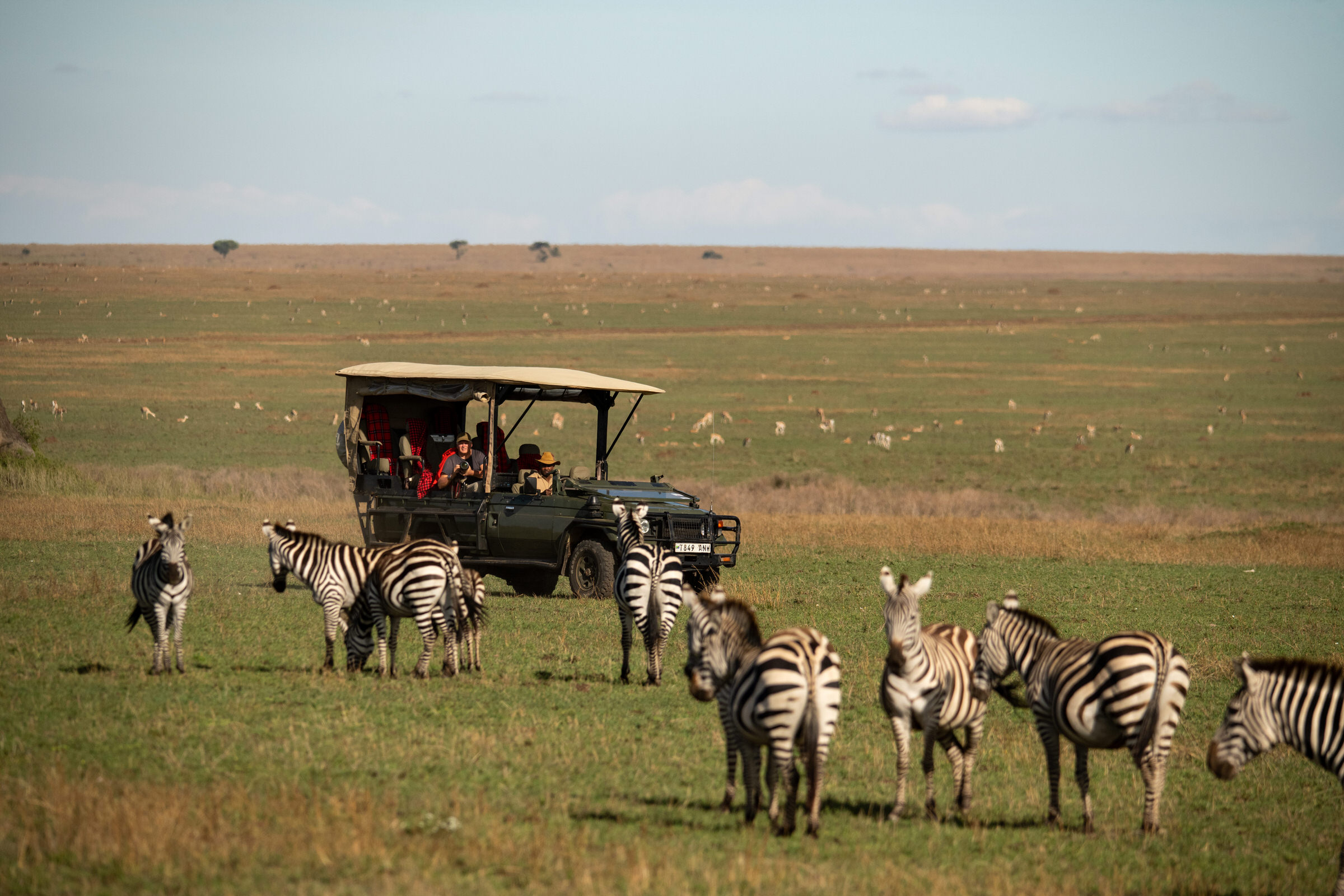
An 11-day Kenya and Tanzania safari offers an intensive, wildlife-focused experience, typically featuring daily game drives in premier locations like the Maasai Mara, Serengeti, and Ngorongoro Crater. Expect to see the Big Five—lion, leopard, buffalo, rhino, and elephant—alongside the Great Migration (season-dependent). Accommodation ranges from luxury lodges to tented camps, often featuring cultural Maasai village visits and optional hot air balloon rides
11-days-10-nights-midrange-kenya-wildlife-safari-holiday-vacation
11-days-best-kenya-wildlife-safaris-and-kenya-beach-holiday-combo
11-days-gorilla-trekking-and-kenya-safari-in-masai-mara-to-zanzibar-beach-holiday
11-days-ultimate-kenya-tanzania-safari-combined-tour
11-day-tanzania-safari-to-tarangire-lake-naron-serengeti-ngorongoro-and-lake-eyasi
11-day-budget-kenya-and-tanzania-wildlife-safari-holiday-vacation
11-day10-night-mid-range-tanzania-wildlife-safari-holiday
Wildlife Viewing
Wildlife viewing on this 11-day odyssey is designed to be an immersive, "sun-up to sun-down" experience. In the Serengeti and Maasai Mara, the focus is on full-day game drives that allow you to venture deep into the remote reaches of the savanna, far from the main gate crowds. This approach is essential for witnessing complex animal behaviors, such as a pride of lions strategizing a hunt or a leopard hauling its kill into the safety of an acacia tree. The day typically begins with a "dawn patrol," catching the final moments of nocturnal activity before the African sun takes its toll.
For those with specialized interests, this itinerary is a dream. Birdwatching enthusiasts can expect to check off hundreds of species, from the giant Kori Bustard—the world's heaviest flying bird—to the vibrant Lilac-breasted Roller. The driver-guides are experts at identifying avian residents by both sight and call, particularly in the riverine forests and marshlands. Wildlife photography is also a primary pillar of the tour. Vehicles are equipped with pop-up roofs and beanbags for camera stability, and guides are trained to position the vehicle according to the "Golden Hour" light. Whether you are aiming for a wide-angle shot of the endless horizon or a macro-style portrait of a Cheetah's tear marks, the pace of the drives is dictated by your lens, ensuring you never feel rushed when a masterpiece is in the making.
Iconic Locations
The itinerary traverses a "Greatest Hits" list of East African geography. The Ngorongoro Crater is the crown jewel; a 600-meter-deep volcanic caldera that serves as a natural enclosure for nearly 25,000 large mammals. It offers perhaps the most reliable sightings of the Black Rhino in Africa. Lake Manyara National Park, nestled at the base of the Great Rift Valley escarpment, provides a lush contrast with its groundwater forests and "tree-climbing lions" that lounge on ancient mahogany branches.
Moving into Tarangire National Park, the landscape becomes dominated by the iconic "upside-down" Baobab trees and some of the largest elephant herds in Tanzania. During the dry season, the Tarangire River becomes a life-giving artery that draws thousands of animals to its banks. Crossing into Kenya, Amboseli National Park offers the quintessential African vista: massive "Tusker" elephants wandering through emerald swamps with the snow-capped dome of Mount Kilimanjaro towering in the background. Each location is chosen not just for its wildlife density, but for its unique aesthetic, providing a visual journey through soda lakes, prehistoric craters, and dusty, elephant-rich plains that define the spirit of the Rift Valley.
The Great Migration
From July to October, the Great Migration becomes the gravitational center of the safari. This is the period when the vast herds of over 1.5 million wildebeest and 200,000 zebras make their perilous journey north from the Serengeti into the Maasai Mara. The focus of these four months is on "The Crossing"—the high-drama moments at the Mara and Talek Rivers where the herds must navigate steep banks and Nile crocodiles. Tracking these large herds requires a blend of guide intuition and real-time radio communication, as the movement of the migration is dictated by localized rainfall and can shift overnight.
Witnessing the migration is a sensory assault; the air is thick with dust and the constant, low-frequency grunting of the wildebeest. Beyond the river crossings, the tour focuses on the "Predator-Prey" dynamic. The massive influx of herbivores creates a feast for lions, hyenas, and cheetahs, leading to some of the most intense predatory interactions ever recorded. This is nature in its rawest, most unscripted form. Even outside the river-crossing window, the "Mega-Herds" dominate the landscape, creating a living carpet of animals that stretches from one horizon to the other, a testament to the sheer, relentless scale of life on the African savanna.
Cultural Immersion
A safari is as much about the people of the land as it is about the animals. This itinerary provides dedicated time for Cultural Immersion, specifically with the Maasai people, who have been the guardians of these plains for centuries. A visit to a traditional Maasai Boma (village) is a highlight. These villages are built in a circular fashion, with houses made of mud, sticks, and cow dung, protected by a perimeter of thorny acacia branches to keep livestock safe from predators. You will learn about their age-old traditions, from the "Adumu" jumping dance to the complex social structures of the warriors and elders.
These interactions are designed to be respectful and humanized, moving beyond a simple "photo op." You will gain insights into their nomadic pastoralist lifestyle and how they manage to coexist with lions and elephants in a modernizing world. You might see the intricate beadwork produced by the village women—where every color signifies a different element of their culture, such as red for bravery or blue for water. Many travelers find that these moments of connection—sitting inside a cool, dim hut or hearing the rhythmic chanting of the community—provide a vital perspective, reminding them that the "wild" landscapes they have been photographing are also ancestral homes rich with history and vibrant, living traditions.
Logistics & Comfort
The logistical backbone of the 11-day journey is designed to handle the complexities of East African travel so you don't have to. Travelers can choose between mid-range and luxury tiers, ensuring the experience matches their comfort preferences. Luxury options feature world-class permanent tented camps and lodges with fine dining, en-suite baths, and even infinity pools overlooking the plains. Mid-range options provide high-quality, authentic bush camps that prioritize proximity to wildlife and a classic "under canvas" feel without the five-star price tag.
Standard in both options is the presence of a knowledgeable local driver-guide. These guides are the heart of the safari; they are naturalists, historians, and skilled off-road drivers all in one. The tour includes all airport transfers, removing the stress of navigating Nairobi or Arusha upon arrival. Transportation is conducted in specialized 4x4 Land Cruisers with pop-up roofs, ensuring every passenger has a "window seat" for viewing. The itinerary also handles the "Invisible Logistics"—park entrance fees, conservation levies, and border crossing permits between Kenya and Tanzania. Whether you are flying between parks to save time or driving to soak in the rural scenery, the logistics are optimized for "Maximum Wildlife, Minimum Friction," allowing you to remain fully present in every moment of the adventure.
11 Days Kenya Tanzania safari holiday
This 11 Days Kenya Tanzania safari holiday is an epic odyssey through the most legendary landscapes of East Africa. From the world-famous plains of the Masai Mara to the "endless horizons" of the Serengeti and the prehistoric floor of the Ngorongoro Crater, this journey is designed to showcase the pinnacle of African biodiversity. Your adventure begins in the bustling capital of Nairobi before descending into the dramatic Great Rift Valley to explore freshwater lakes and soda-rimmed shores teeming with birdlife. As you move across international borders, the scenery shifts from acacia-dotted savannas to lush highland forests and massive volcanic calderas. This meticulously planned route ensures you witness the Big Five in their natural habitats and offers front-row seats to the Great Migration. Whether you are marvelling at Mount Kilimanjaro from Amboseli or tracking leopards in the Mara, every day provides a humanized, deeply immersive connection to the raw and untamed spirit of the wild.
Day 1: Arrival and Transfer to Lake Naivasha
Upon arrival at Jomo Kenyatta International Airport, your safari begins with a scenic drive toward Lake Naivasha. Descending the Great Rift Valley escarpment, you’ll enjoy a boat safari across the freshwater lake, passing pods of snorting hippos and African Fish Eagles. The afternoon features a walking safari on Crescent Island, where you can stroll among giraffes and zebras without the confines of a vehicle. This gentle introduction allows you to stretch your legs and breathe in the fresh highland air, setting a peaceful tone for the adventures ahead.
Day 2: Lake Nakuru National Park Expedition
Today we travel to Lake Nakuru National Park, a birdwatcher’s paradise famous for its flamingo-lined shores. The park is also a critical sanctuary for both Black and White Rhinos, and we spend the afternoon tracking these prehistoric giants along the lakeside forests. You’ll likely spot herds of waterbucks, Cape buffalo, and perhaps a leopard lounging in an acacia tree. The contrast between the sparkling pink soda lake and the surrounding rocky escarpments makes for some of the most stunning landscape photography of the entire trip.
Day 3: Journey to the Masai Mara
We depart the Rift Valley lakes and head into the legendary Masai Mara National Reserve. As you enter the park, the vastness of the golden savanna immediately captures the soul. An afternoon game drive introduces you to the Mara’s high density of predators, particularly its famous lion prides. The landscape here is iconic—the "Lion King" vista of rolling grasslands and lone umbrella trees. We arrive at our lodge as the sun dips below the horizon, painting the sky in deep shades of violet.
Day 4: Full Day in the Heart of the Mara
Today is dedicated to exploring the hidden corners of the Masai Mara. We venture toward the Mara River, where the high stakes of the Great Migration often unfold. Your guide will help you track the "Big Five," focusing on the elusive leopards and cheetahs that hunt in the open plains. We’ll enjoy a picnic lunch under a solitary tree, surrounded by the sights and sounds of the wild. The day is unhurried, allowing for quiet moments to observe elephant families and the complex social lives of baboons.
Day 5: Crossing Borders to the Serengeti
An early start takes us to the Isebania border, where we transition from Kenya into Tanzania. After clearing customs, you’ll meet your Tanzanian guide and enter the Northern Serengeti. The scale of the park is humbling; it is an endless sea of grass that seems to ripple like the ocean. As we game drive toward our central camp, you’ll begin to see the staggering volume of wildlife that calls these plains home. The evening is spent around a campfire, sharing stories under a vast, star-studded African sky.
Day 6: Exploring Central Serengeti
We spend the entire day in the Seronera Valley, the "cat capital" of the Serengeti. This area is renowned for its resident prides of lions and leopards that frequent the granite kopjes. We navigate the riverine circuits where life-giving water attracts a constant parade of zebras, gazelles, and giraffes. Whether it’s watching a secretary bird stalking through the grass or a pride of lions guarding a recent kill, the day is filled with the intricate stories of survival. The afternoon light over the plains provides a magical glow for photography.
Day 7: Migration Tracking and Remote Plains
Depending on the season, we move toward the migration's current location, tracking the thunderous herds of wildebeest. The Serengeti is a dynamic stage, and our route is dictated by the latest wildlife movements. We may explore the Western Corridor or the northern hills, following the rhythmic grunting and dust clouds of the herds. The sense of space here is unparalleled; you can drive for miles without seeing another vehicle, just the raw power of nature. We return to camp for a sundowner, reflecting on the day's epic encounters.
Day 8: Serengeti to Ngorongoro Highlands
After a final sunrise game drive in the Serengeti, we ascend toward the Ngorongoro Conservation Area. The air becomes crisp and cool as we climb the highlands. Along the way, we visit the Olduvai Gorge, the "Cradle of Mankind," to learn about the archaeological discoveries that shaped our understanding of human history. We arrive at a lodge perched on the crater rim, offering a breathtaking panoramic view of the 600-meter-deep caldera below. It is a moment of pure awe before our descent tomorrow.
Day 9: The Eden of Ngorongoro Crater
At dawn, we descend into the Ngorongoro Crater, a self-contained paradise often called the "Garden of Eden." Within the 20-kilometer-wide floor, you can see lions, elephants, and the rare black rhino in a single morning. The crater’s unique ecosystem includes a soda lake, a lush forest, and open grasslands, all teeming with life. We enjoy a picnic lunch by the hippo pool, watching the giants splash while we dine. In the afternoon, we ascend and drive toward the vibrant market town of Arusha for a restful night.
Day 10: Amboseli and the View of Kilimanjaro
Crossing back into Kenya via the Namanga border, we head to Amboseli National Park. Known as the "Land of Giants," Amboseli is famous for its massive elephant herds that wander through emerald green swamps. The park’s defining feature is the backdrop of Mount Kilimanjaro, Africa’s highest peak. Watching an elephant family move through the marshes with the snow-capped mountain behind them is an iconic safari moment. We spend the afternoon exploring the park's diverse habitats, from dry lake beds to lush springs.
Day 11: Final Game Drive and Return to Nairobi
Our final morning starts with a sunrise game drive, capturing the clearest views of Kilimanjaro before the clouds move in. We bid farewell to the elephants and begin our journey back to Nairobi. Along the way, we stop for a final lunch and a visit to a local market to pick up handcrafted souvenirs. We arrive in the capital in the late afternoon, transferring you to the airport for your departure. You leave with a soul full of memories and a deep appreciation for the wild heart of East Africa.
What is the typical itinerary for an 11-day safari covering both Kenya and Tanzania?
An 11-day itinerary is often considered the "perfect" duration for an East African circuit, as it allows for a comprehensive loop without the fatigue of constant travel. Typically, the journey begins in Nairobi, Kenya. From the capital, you head southwest into the Masai Mara National Reserve for a three-night stay. This allows enough time to explore different sectors of the park, from the riverine forests to the open plains. After the Mara, the route proceeds to the Isebania border. Here, you transition into the Serengeti National Park in Tanzania. Given the Serengeti's massive scale, most itineraries dedicate at least three to four nights here, often splitting time between the central Seronera Valley and the northern or western corridors depending on the seasonal movement of the Great Migration.
The journey then shifts toward the Ngorongoro Conservation Area. You will spend a full day descending into the world-famous crater floor, followed by a visit to Lake Manyara National Park or Tarangire National Park. Lake Manyara is famed for its soda lake and groundwater forests, while Tarangire offers a rugged landscape dominated by ancient baobabs. The expedition usually concludes in Arusha, Tanzania’s safari hub, where you can fly out of Kilimanjaro International Airport. This "linear" flow—starting in Kenya and ending in Tanzania—is the most logistically sound method, as it eliminates backtracking and ensures a diverse progression of ecosystems, from the volcanic highlands to the endless savannas.
Which wildlife species am I guaranteed to see during this 11-day East African safari?
While "guaranteed" is a word used cautiously in nature, the sheer animal density of the Mara-Serengeti ecosystem makes certain sightings nearly certain. You are essentially guaranteed to see elephants, giraffes, zebras, and Cape buffaloes every single day. The plains are also home to hundreds of thousands of antelopes, including impalas, Thompson’s gazelles, and the massive eland. If your route includes the Rift Valley lakes like Manyara or Naivasha, sightings of hippos and hundreds of bird species, such as the African Fish Eagle and flamingos, are also a certainty.
The Big Five (Lion, Leopard, Elephant, Buffalo, and Rhino) are the primary goal for most, but they require a bit more tactical searching. Lions are highly social and common in the Mara and Serengeti; you will likely see multiple prides. Leopards, however, are solitary and masters of camouflage, usually requiring a guide’s keen eye to spot one draped over a tree limb. The Black Rhino is the rarest; the Ngorongoro Crater is the most reliable place to find them, as the crater walls provide a natural sanctuary for a protected population. While no guide can control animal movements, an 11-day trip provides dozens of game drives, which statistically makes a "clean sweep" of the Big Five very likely for most travelers.
Will I need to change vehicles when crossing the border from Kenya into Tanzania?
Yes, changing vehicles at the border is a standard logistical requirement for cross-border safaris. Due to national transport regulations and commercial licensing laws, Kenyan-registered safari vehicles are generally not permitted to carry paying passengers for tours within Tanzania, and the same applies to Tanzanian vehicles in Kenya. When you reach a border post like Isebania (near the Mara) or Namanga (near Amboseli), your Kenyan guide will assist you through the customs and immigration process. Once you cross the "No Man's Land" into the neighboring country, your new Tanzanian guide will be waiting with a fresh 4x4 Land Cruiser.
This transition is actually a significant benefit to the traveler. Each guide is a specialist in their own country's geography, park rules, and specific wildlife hotspots. While your Kenyan guide is an expert on the Mara's river crossings, your Tanzanian guide will have the "local's edge" on the Serengeti’s hidden kopjes. Your tour operator handles the synchronization of this "handshake" at the border, ensuring that the transition is seamless. It also provides a brief but interesting opportunity to experience the atmosphere of an African border town, stretch your legs, and perhaps browse a few local stalls while the paperwork is finalized.
How long are the daily game drives during an 11-day safari package?
The rhythm of a safari is dictated by the sun and the behavior of the animals. Typically, you will engage in two game drives per day. The first begins at the crack of dawn, often around 6:30 AM. This is the most critical time for wildlife viewing, as predators are still active before the midday heat forces them into the shade. These morning drives usually last about three to four hours, returning to the lodge for a late breakfast and a period of relaxation. The second game drive begins in the late afternoon, around 3:30 or 4:00 PM, and lasts until sunset. This "Golden Hour" offers the best lighting for photography and a second peak in animal activity as the temperature drops.
On certain days, particularly when tracking the Great Migration or exploring the vast Serengeti, you may opt for a Full-Day Game Drive. In this scenario, you leave after an early breakfast with a "Bush Lunch" packed in the vehicle. This allows you to venture much deeper into the parks, reaching remote areas that are inaccessible on shorter drives. You might spend eight to ten hours in the field, returning to the lodge just as the sun sets. While these days can be physically demanding due to the bumpy "African Massage" roads, they are incredibly rewarding, offering a sense of total immersion in the wilderness that shorter drives cannot match.
What type of clothing should I pack for both chilly mornings and hot afternoons?
The golden rule for safari packing is layering. Because of the high altitude of many parks—especially the Ngorongoro Crater rim and the Mara—mornings can be surprisingly cold, with temperatures dropping as low as 10°C (50°F). However, the equatorial sun is strong, and by midday, temperatures often soar to 30°C (86°F). You should pack lightweight, breathable base layers, a warm fleece or sweater, and a windproof jacket. This allows you to peel off layers as the day warms up and put them back on during the evening game drives.
Color choice is equally important. You should stick to neutral earth tones like khaki, tan, olive, and brown. These colors not only help you blend into the savanna but also show less dust. Critically, you should avoid dark blue and black, as these colors are scientifically proven to attract Tsetse flies in certain wooded regions. Bright white is also discouraged as it makes you highly visible to wildlife and gets dirty almost instantly. Don't forget a wide-brimmed hat, sunglasses with high UV protection, and sturdy, closed-toe walking shoes. Even if you aren't on a walking safari, the terrain around camps and in the vehicles requires supportive footwear.
Are the accommodations on this 11-day trip comfortable lodges or traditional tented camps? Accommodation on an 11-day safari is one of the most memorable parts of the journey, offering a blend of luxury lodges and authentic tented camps. Tented camps are the classic choice; these are not "camping" in the traditional sense, but large, permanent canvas structures built on wooden or stone platforms. They feature "real" beds with fine linens, private en-suite bathrooms with flushing toilets, and hot showers. Many travelers prefer these because the canvas walls allow you to hear the nocturnal sounds of the bush—the distant roar of a lion or the "whoop" of a hyena—while remaining in total comfort and safety.
Modern safari lodges, conversely, are solid-structure boutique hotels. They are often built from local materials to blend into the landscape and feature amenities like swimming pools, spas, and extensive dining decks. Many are strategically positioned on the rims of craters or hillsides to offer panoramic views. During an 11-day trip, your itinerary will likely feature a mix of both. Whether it’s a high-end lodge in Arusha or a "glamping" experience in the heart of the Serengeti, the hospitality is world-class. After a day of adventure, returning to a camp for a three-course dinner and a "sundowner" drink by the fire is the quintessential end to an African day.
What specific vaccination and health requirements must I fulfill before traveling to East Africa?
Health preparation is the most important "behind the scenes" part of your safari. The most critical requirement is the Yellow Fever vaccination. While not always checked at international airports for Western travelers, it is strictly required when crossing the border between Kenya and Tanzania. You must carry your "Yellow Card" (International Certificate of Vaccination) as proof. Other highly recommended vaccinations include Hepatitis A, Typhoid, and Tetanus. These should be administered at least four to six weeks before your departure to ensure they are fully effective.
Equally vital is Malaria prophylaxis. Most safari destinations in Kenya and Tanzania are located in malaria-risk zones. You should consult a travel clinic to find a preventative medication (such as Malarone or Doxycycline) that suits your health profile. In addition to medication, the "best defense is a good offense": use insect repellent with DEET, wear long sleeves and pants in the evenings, and always sleep under the mosquito nets provided by your lodges. Finally, ensure you have comprehensive travel insurance that includes medical evacuation, as the parks are remote and specialized care may require a flight to Nairobi or beyond.
Is it safe to visit the Serengeti and Maasai Mara during these 11 days?
Yes, visiting these iconic parks is remarkably safe, provided you adhere to the established safety protocols of the safari industry. The primary "risk" is the wildlife, but animals in these parks are habituated to the presence of safari vehicles. They generally view a Land Cruiser as a single, neutral object that is not a threat and not a food source. As long as you stay inside the vehicle, keep your limbs inside, and follow your guide’s instructions, you are perfectly secure. Professional guides undergo years of training in animal behavior, ensuring they maintain a respectful and safe distance during encounters.
From a security standpoint, the "Safari Circuit" is well-regulated. Your tour operator manages all transport and logistics, so you are rarely in a position where you are "lost" in an unfamiliar area. Lodges and camps are guarded 24/7, often by local Maasai warriors who are experts at detecting animal movement near the camp perimeter at night. While you should always exercise standard "traveler’s caution" in cities like Nairobi or Arusha (avoiding flashy jewelry and walking at night), the wilderness portions of the 11-day trip are incredibly peaceful and offer a level of security that allows you to focus entirely on the natural world.
What kind of meals can I expect while on safari in the bush?
The food on safari is frequently cited by travelers as one of the biggest surprises of the trip. Most lodges and camps offer a high standard of international and local cuisine. Breakfast is usually a hearty spread of eggs, bacon, fresh tropical fruits, and "Mandazi" (local doughnuts). Lunch is often served as a buffet at the lodge or as a high-quality "Picnic Box" if you are on a full-day game drive. These boxes are a far cry from a simple sandwich; they typically include grilled chicken, fresh salads, fruit, juice, and a dessert.
Dinner is the main event—a multi-course meal served in a communal dining tent or on an outdoor deck under the stars. You will find familiar dishes like grilled beef, pasta, and fresh fish, alongside Kenyan and Tanzanian specialties like Ugali (maize porridge) and flavorful curries. The lodges are exceptionally good at handling dietary requirements, including vegan, gluten-free, and halal diets, provided you inform them in advance. Water safety is the only area for caution: you should never drink tap water. Lodges provide ample bottled or filtered water for drinking and even for brushing your teeth, ensuring your digestive health remains as robust as your sense of adventure.
How does the wildebeest migration affect my 11-day safari experience in these countries?
The Great Migration is the heartbeat of East Africa and will significantly influence the "vibe" of your 11-day safari. If you travel between July and October, the migration is concentrated in the Northern Serengeti and the Masai Mara. This is the season of high drama—dust, noise, and the famous river crossings. If you travel between January and March, the herds are in the Southern Serengeti for the calving season. This is a time of "abundance," with thousands of calves being born daily, which in turn attracts a massive concentration of predators like cheetahs and lions.
Even if you travel during the "off-peak" months (April to June or November to December), the migration still influences the ecosystem. However, it is a common misconception that there is "no wildlife" when the migration isn't there. In fact, many travelers prefer the "Secret Season" because the resident wildlife—lions, leopards, elephants, and giraffes—do not migrate. During these times, the parks are much quieter, prices are lower, and the landscapes are lush and green. Your 11-day itinerary is designed to put you in the best position to see wildlife regardless of the month, but knowing the migration cycle helps you set your expectations for what kind of "action" you will see.
Do I need to carry a lot of cash for tipping or buying souvenirs?
Yes, carrying US Dollar cash is a logistical necessity for a safari in Kenya and Tanzania. While major hotels in cities and large souvenir "Curio" shops accept credit cards, the bush economy runs on cash. You will need cash primarily for tipping. It is customary to tip your driver-guide (roughly $10–$15 per person per day) and the general lodge staff ($5–$10 per person per day). Tipping is a vital part of the local economy and ensures that the people who make your safari possible are well-compensated for their expertise and hard work.
You will also want cash for buying souvenirs, particularly if you visit a Maasai Boma or a roadside market. Items like beaded jewelry, traditional "Shukas" (blankets), and hand-carved ebony statues are best bought with small-denomination bills. A very important note: when bringing US Dollars, ensure the bills are dated 2013 or newer. Due to past issues with counterfeiting in the region, older "small-head" bills are often rejected by banks and businesses. Having a stash of $1, $5, and $10 bills will make your daily interactions much smoother and allow you to support local artisans directly without the hassle of looking for a card machine in the middle of the savanna.
Booking 11 Days Kenya Tanzania safari with us Roads of Adventure safaris
Roads of Adventure Safaris offers comprehensive 11-day Kenya and Tanzania combined safari tours, featuring iconic wildlife in Masai Mara, Serengeti, Amboseli, and Ngorongoro. These curated tours include 4x4 transport, professional guides, and full-board accommodation, typically starting with airport transfers in Kenya. Specialized itineraries include options for family-friendly, group, or scenic adventures, designed for optimal wildlife viewing during high season.
