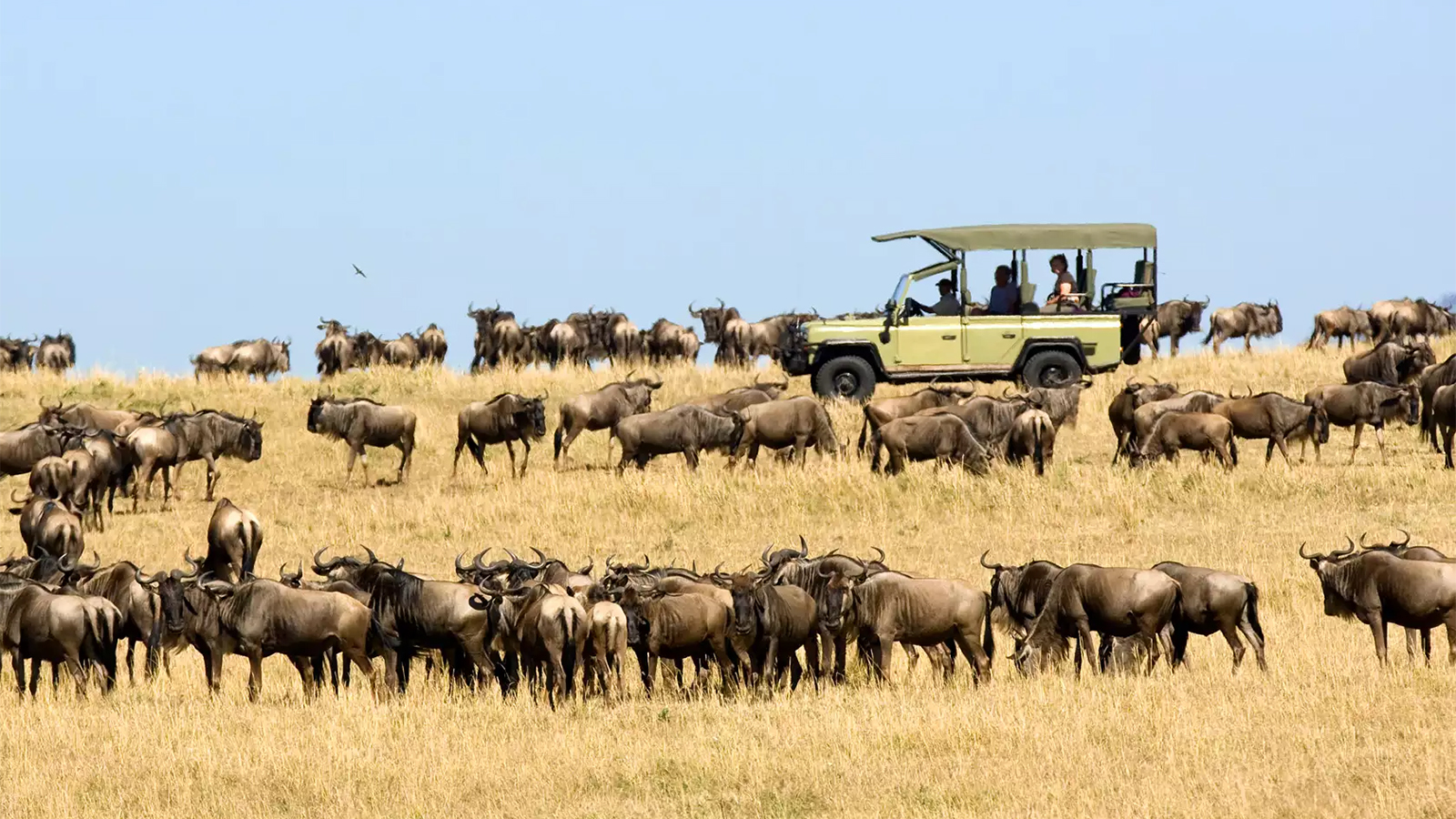
A 10-day Tanzania safari typically offers an immersive northern circuit experience, featuring daily game drives, the Big Five, and iconic landscapes like the Serengeti, Ngorongoro Crater, and Tarangire. Expect high-quality wildlife viewing (including the Great Migration, depending on the season), stays in luxury tented camps or lodges, and cultural experiences, with options to extend to Zanzibar for beaches
A 10-day Tanzania safari is the definitive way to experience the "Northern Circuit." This duration allows you to move beyond the surface-level highlights and truly immerse yourself in the varying rhythms of the African bush. By spending ten days in the field, you transition from being a mere observer to a participant in the ancient narrative of the savanna, witnessing everything from the micro-details of the insect world to the monumental movements of the Great Migration.
10-days-best-kilimanjaro-hike-serengeti-safari-tour-and-ngorongoro-tour-combo
10-days-perfect-tanzania-safari-itinerary
10-days-tanzania-safari-and-zanzibar-beach-holiday-gateway
10-days-incredible-tanzania-wildlife-safari-and-cultural-experience
10-days-luxury-gorilla-trekking-masai-mara-serengeti-and-ngorongoro-crater
10-days-ultimate-budget-tanzania-safari-holiday-vacation
10-days-family-tanzania-safari-tour-to-lake-manyara-serengeti-ngorongoro-crater-and-tarangire
10-days-tanzania-safari-to-all-northern-circuit-safari-parks-expedition
10-days-tanzania-wildlife-safari-and-optional-visit-to-masai-tribe-or-hadzabe
10-days-best-tanzania-safari-tour-and-zanzibar-beach-holiday-itinerary
10-days-best-tanzania-honeymoon-safari-with-3-days-zanzibar-beach-holidays
Diverse Wildlife & the Big Five
Tanzania's Northern Circuit is arguably the most reliable region in Africa for viewing the "Big Five" (lion, leopard, rhino, elephant, and buffalo). Over ten days, you will witness the unique personalities of different parks. In Tarangire, the landscape is dominated by colossal baobab trees and massive elephant families that congregate around the river. Moving to Lake Manyara, the ecology shifts to groundwater forests where you search for the park’s famous tree-climbing lions—a rare behavioral adaptation seen in few other places. The journey culminates in the Ngorongoro Crater, where the natural enclosure of the caldera walls creates a high-density sanctuary. Here, the sight of a prehistoric black rhino grazing near a pride of lions is not just a possibility, but a frequent reality. This diversity ensures that your wildlife "checklist" is not just about quantity, but about observing rare behaviors in vastly different environments.
The Serengeti Experience
The Serengeti is the emotional heart of any Tanzanian safari, and a 10-day itinerary allows you the luxury of time to explore its many faces. Rather than a quick "fly-in, fly-out" visit, you will spend several days traversing its "endless plains." You will explore the Central Seronera Valley, a predator stronghold where leopards drape themselves over acacia branches and lions sunbathe on granite kopjes (rock outcrops). With multiple days, you can venture into the more remote western or northern corridors, following the seasonal patterns of the predators. A typical day involves heading out at sunrise with a picnic lunch, allowing you to stay in the field for eight or nine hours. This patience often pays off with sightings of a cheetah beginning its high-speed sprint or a leopard guarding a kill—moments that require time and a quiet engine to witness undisturbed.
The Great Migration
A 10-day window is the "sweet spot" for witnessing the Great Migration, the largest terrestrial mammal movement on earth. Because the migration is a fluid, rain-dependent event, having extra days provides the flexibility your guide needs to find the heart of the herds. From December to March, you might focus on the southern plains (Ndutu) for the calving season, where thousands of wildebeest are born daily. From July to October, the focus shifts to the northern Serengeti for the perilous Mara River crossings. Witnessing a "sea" of wildebeest and zebras stretching to the horizon is a staggering experience that humbles the soul. Ten days ensures you aren't just checking a box; you are following the rhythm of the herds, understanding the pressure they face from predators, and appreciating the sheer scale of this prehistoric struggle for survival.
The Ngorongoro Crater
Often described as a "Natural Eden" or the "8th Wonder of the World," the Ngorongoro Crater is a self-contained ecosystem within a 600-meter-deep volcanic caldera. Because the wildlife here is largely resident, the concentration of animals is the highest in Africa. On a 10-day tour, the Crater descent is often the most intensive game drive of the trip. Within a single morning, you can traverse the Lerai fever tree forest, the alkaline shores of Lake Magadi, and the open savanna of the crater floor. You are almost guaranteed to see massive "tusker" elephants, pods of hippos, and the endangered black rhino. The crater provides a "high-definition" safari experience where the animals are habituated to vehicles, allowing for close-up photography and a front-row seat to the constant interaction between the resident lion prides and the thousands of grazing herbivores.
Varied Accommodations
One of the most exciting aspects of a 10-day tour is the variety of "home bases" you will experience. Tanzania offers a spectrum of lodging that enhances the adventure. You might spend a night in a luxury lodge on the crater rim, where stone fireplaces and infinity pools overlook the caldera. This might be followed by a stay in an authentic mobile tented camp in the Serengeti. These "glamping" sites are moved seasonally to follow the migration, putting you in the middle of the action; here, you sleep under canvas with the sounds of hyenas and lions as your nighttime soundtrack. For those seeking a more rugged experience, rustic budget camping allows you to sit around a communal campfire under the vast African stars. Each style of accommodation provides a different sensory connection to the bush, from the refined elegance of a bush villa to the raw, immersive thrill of a tent in the wild.
Cultural & Active Experiences
A 10-day itinerary provides the necessary "breathing room" to include cultural and active components that go beyond the 4x4 vehicle. You can spend a morning with the Hadzabe bushmen at Lake Eyasi, learning about their ancient hunter-gatherer lifestyle and unique click language. You might tour Olduvai Gorge, the "Cradle of Mankind," to see where the earliest human fossils were discovered. For those who want to be active, a walking safari on the crater rim or a canoeing excursion on Lake Manyara offers a tactile connection to nature. You can feel the crunch of the earth under your boots and smell the wild sage, experiences that are often missed during standard game drives. These activities add a profound humanistic and physical dimension to the trip, ensuring you return home with a deep understanding of Tanzania’s history, culture, and ecology.
10 Days Safari in Tanzania
10 Days Safari in Tanzania is a definitive exploration of the "Northern Circuit," a region boasting the world’s most iconic wildlife landscapes. This journey is masterfully paced to balance high-octane adventure with moments of profound serenity, moving from the elephant-rich woodlands of Tarangire to the volcanic wonder of the Ngorongoro Crater and the legendary, endless plains of the Serengeti. Over ten days, you will witness the raw mechanics of the "Big Five" and the Great Migration while immersing yourself in the ancient cultures of the Maasai and Hadzabe tribes. Whether you are observing a lion pride on the hunt or watching a golden sunset behind a solitary baobab, this itinerary provides a front-row seat to the rhythms of the wild. It is a transformative odyssey that blends world-class game viewing with sophisticated bush hospitality, leaving you with a deep, soulful connection to the untamed beauty of East Africa’s premier safari destination.
Day 1: Arrival in Arusha
Your journey begins in Arusha, the gateway to Tanzania’s northern wilderness. After a warm welcome at Kilimanjaro International Airport, you will be transferred to a quiet, lush lodge nestled among coffee plantations. This first day is dedicated to relaxation and acclimatization, allowing you to shake off travel fatigue while enjoying the crisp air and views of Mount Meru. You will meet your expert safari guide for a comprehensive briefing, ensuring your gear and expectations are perfectly aligned for the days ahead. The evening is spent enjoying a fresh, locally sourced meal and the quiet sounds of the tropical gardens. It is a peaceful introduction to the East African highlands, providing a necessary moment of stillness before the high-energy adventure into the deep bush begins tomorrow morning.
Day 2: Tarangire National Park
The adventure officially starts with a drive to Tarangire National Park, a land of ancient baobab trees and massive elephant herds. Tarangire is world-renowned for its high concentration of "tuskers," which often congregate around the life-giving Tarangire River. Your first game drive will reveal a rugged landscape where you can spot lions, leopards, and unique species like the fringe-eared oryx. The park's prehistoric beauty provides a distinct contrast to the open plains you will see later in the week. You will spend the afternoon exploring the riverbanks and vast swamps, watching multi-generational elephant families interact and bathe. As the sun sets, you will head to your lodge overlooking the park, where the sounds of the African night—the distant hoot of an owl and the rustle of dry grass—set a thrilling tone.
Day 3: Lake Manyara National Park
Today, you head to Lake Manyara National Park, a jewel nestled at the base of the Great Rift Valley escarpment. This park is famous for its unique tree-climbing lions and massive troops of baboons that thrive in the lush groundwater forests. You will navigate through dense jungle-like vegetation before the landscape opens up to a vast alkaline lake, often fringed with thousands of pink flamingos. The birdlife here is staggering, ranging from pelicans to kingfishers. You will also look for hippos wallowing in the Simba River and giraffes browsing among the acacia trees. The park’s compact size allows for a highly concentrated viewing experience, making it a perfect transition before you head into the vastness of the Serengeti. The vibrant, green atmosphere offers a refreshing change of scenery and a sense of intimate discovery.
Day 4: Journey to Central Serengeti
You now ascend the Ngorongoro Highlands and descend into the legendary Serengeti National Park. The "endless plains" are the quintessential image of Africa, and as you head toward the Seronera Valley, the scale of the landscape becomes truly breathtaking. This central region is a year-round predator stronghold; it is common to see lions lounging on granite "kopjes" or a leopard draped in a sausage tree. Your afternoon game drive focuses on the riverine areas where wildlife is most active. Staying in the heart of the park allows you to fully experience the raw spirit of the savanna, with the evening air filled with the calls of hyenas. It is a day of monumental scale and high-stakes wildlife action, marking the start of your deep immersion into the world’s most famous wildlife sanctuary.
Day 5: The Great Migration Experience
This day is dedicated to tracking the world-famous Great Migration. Depending on the season, your guide will navigate toward the massive herds of wildebeest and zebras as they follow the rains in their prehistoric cycle. Witnessing a "sea" of animals stretching to the horizon is a humbling experience that defines the Serengeti. You will spend the entire day in the field, carrying a picnic lunch to maximize your time in the most active zones. Whether you are watching a mother wildebeest protect her newborn or seeing a cheetah scan the plains for a target, the migratory corridors offer a front-row seat to the survival of the fittest. The sheer volume of life in motion is a spectacle that stays with you forever, embodying the untamed power and resilience of the African wild.
Day 6: Northern Serengeti and Big Cats
Continuing through the Serengeti, you move into the more remote northern or western corridors. This region offers a more exclusive safari experience, characterized by rolling hills and riverine forests. The focus remains on the predators that follow the migration, and the rocky outcrops provide perfect vantage points for lions and leopards. You will explore hidden valleys and riverbanks, looking for rare species like the serval cat or the bat-eared fox. The Serengeti’s beauty is ever-changing, and the northern reaches offer a rugged, wilder aesthetic that contrasts beautifully with the central plains. By evening, you will return to your luxury tented camp, where a "bush dinner" under the stars allows you to recount the day's sightings while being immersed in the profound, unpolluted silence of the deep African wilderness.
Day 7: Serengeti Sunrise and Highlands
Your final morning in the Serengeti begins with a sunrise game drive, the most magical time of day on the savanna. The soft golden light provides perfect conditions for photography as predators return from their nightly hunts. You might spot a pride of lions guarding a fresh kill or a leopard descending from its tree to drink. After a hearty breakfast, you begin your journey back toward the Ngorongoro Conservation Area. The drive is a "game drive in transit," allowing for last-minute sightings of cheetahs or rare birds across the plains. As the altitude increases, the air becomes cooler and the vegetation more lush. You will arrive at the crater rim in the late afternoon, where the first glimpse into the ancient volcanic bowl below marks a dramatic shift in your safari experience.
Day 8: The Ngorongoro Crater Floor
Today is dedicated to a full-day exploration of the Ngorongoro Crater floor. After an early descent into the caldera, you will enter a prehistoric world where the "Big Five" are often seen in a single morning. This is one of the best places in Africa to spot the endangered black rhino grazing in the open. You will traverse the Lerai Fever Tree forest, search for massive "tusker" elephants, and observe hippos congregating in the swamps. The crater is a self-contained "Eden" where the wildlife is resident year-round, ensuring high-density encounters. After a picnic lunch by the hippo pool, you will ascend the crater walls and head to the nearby town of Karatu. This high-impact day of wildlife viewing provides a dense and monumental conclusion to your terrestrial safari adventures.
Day 9: Lake Eyasi Cultural Encounter
The penultimate day focuses on the human history of the Rift Valley. You will visit Lake Eyasi, the home of the Hadzabe people, one of the last true hunter-gatherer tribes in Africa. You have the rare opportunity to join the men on a morning hunt or watch the women gather tubers, gaining a profound respect for their ancient survival skills and unique click language. You will also visit the Datoga tribe, skilled blacksmiths who have forged tools and jewelry for centuries. This cultural exchange provides a deep, humanistic balance to the wildlife-heavy days of the safari. In the afternoon, you return to your lodge in the highlands to enjoy a final "farewell dinner," reflecting on the incredible diversity of landscapes and ancient cultures you have encountered across the majestic Tanzanian Northern Circuit.
Day 10: Arusha and Departure
On the final day of your safari, you enjoy a leisurely breakfast before driving back toward Arusha. You will stop at the Cultural Heritage Centre, an impressive gallery where you can purchase authentic Tanzanite gemstones, wood carvings, and vibrant paintings as souvenirs. After a final lunch in Arusha, you will be transferred back to Kilimanjaro International Airport for your departure flight. As you fly over the African continent, the memories of the Serengeti’s endless horizons, the elephants of Tarangire, and the amber eyes of a hunting lion remain with you. You leave Tanzania not just with photographs, but with a transformed perspective on the resilience of nature and the timeless beauty of the wild, concluding an epic ten-day odyssey through the heart of the world's most spectacular wilderness.
What wildlife can I expect to see on a 10-day safari in Tanzania?
Tanzania is arguably the best place on Earth to view the "Big Five" (lion, leopard, rhino, elephant, and buffalo). Over ten days, your sightings will be diverse and high-volume. You will encounter massive elephant herds in Tarangire, while the Ngorongoro Crater provides your best chance to spot the endangered black rhino. Predatory sightings are a major focus; you will likely see multiple lion prides, solitary leopards draped in acacia branches, and cheetahs using the vast Serengeti horizons to scan for prey. Beyond the icons, the savanna is alive with "supporting actors": towering giraffes, dazzles of zebras, and hundreds of thousands of wildebeests. In the waterways of Manyara and the Serengeti, you will find enormous pods of hippos and prehistoric-looking Nile crocodiles.
What is the accommodation like on a safari in Tanzania?
Accommodation in Tanzania is a spectrum of "bush luxury" designed to keep you connected to nature. Luxury Lodges are permanent structures, often featuring infinity pools, fine dining, and stone fireplaces. Comfortable Tented Camps (or "glamping") are the most popular choice; these are large, walk-in canvas tents with wooden floors, real beds, and en-suite bathrooms with hot showers. Many are mobile and move with the migration. For the adventurous, Rustic Camping involve smaller tents in public campsites. Regardless of the level, most are eco-conscious, utilizing solar energy for power and water heating. The goal is to provide a sanctuary where you can hear the roar of a lion from your bed while enjoying the comforts of a boutique hotel.
Will I see the Great Migration on my safari in Tanzania?
With ten days, your chances of witnessing the Great Wildebeest Migration are exceptionally high. This is a year-round event, but its location is rain-dependent. From January to March, the herds are in the Southern Serengeti for the calving season—a time of abundance and high predator action. From July to October, the herds move to the North, where you can witness the perilous Mara River crossings. A 10-day itinerary provides the flexibility your guide needs to navigate toward the densest parts of the herd. Even if your trip falls during the "shoulder" seasons, the Serengeti’s resident wildlife is so prolific that the absence of the "mega-herd" in a specific area is barely noticeable.
What kind of vehicle is used for a safari in Tanzania?
The workhorse of the Tanzanian safari is the 4x4 Land Cruiser. These vehicles are specially modified for the rugged terrain of the Rift Valley. They feature heavy-duty suspension, long-range fuel tanks, and—most importantly—a pop-up roof. This design allows you to stand up and enjoy 360-degree, unobstructed views for photography and wildlife spotting while remaining safe inside the vehicle. Most cruisers are equipped with high-powered binoculars, charging ports for your cameras, and a fridge stocked with cold water. The 4x4 capability is essential, as it allows your guide to navigate the muddy tracks and sandy riverbeds that lead to the best wildlife sightings.
How long are the drives on a safari in Tanzania?
In Tanzania, the journey is truly part of the destination. Travel between major hubs like Tarangire and the Serengeti can take between 3 to 5 hours. These drives occur on a mix of paved roads and "African massage" dirt tracks. While they can be bumpy and dusty, they offer a fascinating look at Tanzanian life. You will pass through colorful Maasai villages, see bustling local markets, and witness the changing vegetation of the Great Rift Valley. A 10-day trip is designed to minimize "dead travel" by including game drives along the way, turning a transit day into an extended wildlife-viewing opportunity. The vastness of the landscape is what makes the final arrival at a remote camp feel so rewarding.
What should I pack for a 10-day safari in Tanzania?
Packing for a safari requires a "less is more" approach, focusing on utility. Neutral-colored clothing (khaki, tan, and olive) is essential to blend into the environment and avoid attracting Tsetse flies (which are attracted to dark blue and black). Layers are vital; the savanna is surprisingly cold at dawn (10°C) but can reach 30°C by noon. You will need a warm fleece or light down jacket for early morning drives. Essential gear includes high-SPF sunscreen, a wide-brimmed hat, and insect repellent with DEET. For photography, bring a camera with a telephoto lens (at least 300mm). Most small safari planes have a strict 15kg luggage limit in soft-sided bags, so prioritize versatile pieces that can be hand-washed if needed.
Is it safe to go on a safari in Tanzania?
Tanzania is one of the safest and most stable countries in Africa for tourism. On safari, your safety is managed by professional, highly trained guides. These experts understand animal behavior and know exactly how close a vehicle can get without causing stress to the wildlife. While you are in an open-topped vehicle near predators, the animals generally perceive the vehicle as a single, large, non-threatening object. You are strictly required to stay inside the vehicle unless at designated "stretch points" or picnic areas. Most lodges are unfenced, meaning wildlife can wander through; however, at night, you are always escorted to and from your tent by armed guards or Maasai "askaris" to ensure total security.
Will I have access to electricity and internet during my safari in Tanzania?
A safari offers a chance to "unplug," but you won't be entirely cut off. Most lodges and tented camps have 24-hour electricity, often powered by sophisticated solar arrays with generator backups. You will be able to charge your phones, cameras, and laptops in your room or at a central charging station. Wi-Fi is common in the main lounge areas of most lodges, though the connection can be slow and intermittent due to the remote locations. Some of the most remote "bush camps" may only provide power in the mornings and evenings and may have no internet at all. It is best to handle any urgent business before heading into the deep Serengeti and embrace the digital detox.
What is the food like on a safari in Tanzania?
You will likely be surprised by the high quality of food in such remote locations. Lodges and camps provide three hearty meals a day. Breakfast is often a buffet with eggs made to order. Lunch is either served at the lodge or provided as a "picnic box" (sandwiches, chicken, fruit, and juice) to be enjoyed at a scenic spot in the park. Dinner is usually a three-course affair featuring international favorites (pasta, beef, fish) alongside local staples like Ugali (maize porridge) and Nyama Choma (grilled meat). Most operators are excellent at catering to dietary requirements (vegan, gluten-free, or allergies) if notified in advance. Fresh tropical fruits like mango, pineapple, and papaya are staples at every meal.
How does a 10-day safari in Tanzania differ from a shorter trip?
The primary difference is depth and pacing. On a 3 or 5-day trip, you are often limited to the parks closest to Arusha and spend much of your time in transit. A 10-day itinerary allows you to reach the remote corners of the Serengeti, where there are fewer vehicles and more exclusive sightings. It also provides the time to visit varied ecosystems like the baobab forests of Tarangire and the groundwater forests of Manyara. Crucially, a longer trip allows for active experiences that shorter ones skip—such as a dedicated half-day walking safari or a visit to the Hadzabe hunter-gatherers at Lake Eyasi. You return home feeling you have "lived" in the bush rather than just visited it.
Do I need to take malaria medication on a safari in Tanzania?
Yes, malaria prophylaxis is strongly recommended. Tanzania is a high-risk zone for malaria, particularly in the lower-altitude areas and near water. You should consult a travel clinic or your doctor at least four weeks before departure to discuss which medication (such as Malarone, Doxycycline, or Lariam) is right for you. In addition to medication, the best defense is prevention: wear long sleeves and trousers after dusk, use insect repellent, and always sleep under the mosquito nets provided by the lodges. Most luxury lodges also perform "turn-down" services where they spray the rooms with insecticide while you are at dinner to ensure a bug-free environment.
What to expect from a typical day on a safari in Tanzania?
The rhythm of the safari follows the sun. A typical day starts with a 5:30 AM wake-up call and quick coffee. You head out at dawn—this is the "golden hour" when predators are most active and the light is perfect for photography. You return to camp for a late, hearty breakfast around 10:00 AM. The midday hours (the "siesta") are spent relaxing by the pool or reading, as the animals hide in the shade during the heat. After afternoon tea at 3:30 PM, you head out for a second game drive, often including a "sundowner" (drinks in the bush as the sun sets). You return to camp for a campfire session and a multi-course dinner under the stars, usually retiring early to prepare for the next dawn.
Is it worth visiting the Ngorongoro Crater on a safari in Tanzania?
The Ngorongoro Crater is a non-negotiable highlight of any Tanzanian journey. As a UNESCO World Heritage site and the largest unbroken caldera in the world, it acts as a natural zoo. The concentration of wildlife on the crater floor is the highest in Africa, with over 25,000 large mammals living within its 600-meter-high walls. It offers the most reliable "Big Five" viewing in the country; you are almost guaranteed to see lions, buffaloes, and elephants in a single morning. Most importantly, it is the best place to see the black rhino in its natural habitat. The sheer scale of the landscape, with the blue walls of the caldera framing the golden grasslands, is one of the most breathtaking sights in the world.
What is the tipping etiquette for staff on a safari in Tanzania?
Tipping is a customary and significant part of the safari economy, reflecting the high level of personal service provided. While it is always at your discretion, the standard industry guidelines are:
- Safari Guide: $20 – $30 per vehicle, per day. This is usually given at the end of the trip.
- General Camp Staff: $10 – $15 per guest, per day. Most camps have a "communal tip box" in the lobby that is shared among the chefs, cleaners, and guards. It is best to tip in US Dollars (printed after 2013) or Tanzanian Shillings. These tips are deeply appreciated and acknowledge the long hours and expertise the staff dedicate to making your 10-day adventure successful.
What is the best time of year for a safari in Tanzania?
Tanzania is a year-round destination, but your experience will change with the seasons.
- Dry Season (June – October): This is widely considered the best time for game viewing. Vegetation is thin, and animals congregate around permanent water sources, making them easy to spot. This is also the time for the spectacular Mara River crossings.
- Calving Season (January – March): The Southern Serengeti is lush and green. Over 8,000 wildebeest are born every day, attracting an incredible number of predators.
- Green Season (April – May): This is the time of "long rains." While some lodges close, the landscape is stunningly green, birdwatching is at its peak, and you can enjoy luxury lodges at significantly lower prices with almost no other tourists around.
Booking 10 Days Tanzania safari with us Roads of Adventure safaris
Booking a 10-day Tanzania safari with Roads of Adventure Safaris typically focuses on the world-renowned Northern Circuit, covering iconic parks like the Serengeti and Ngorongoro Crater
