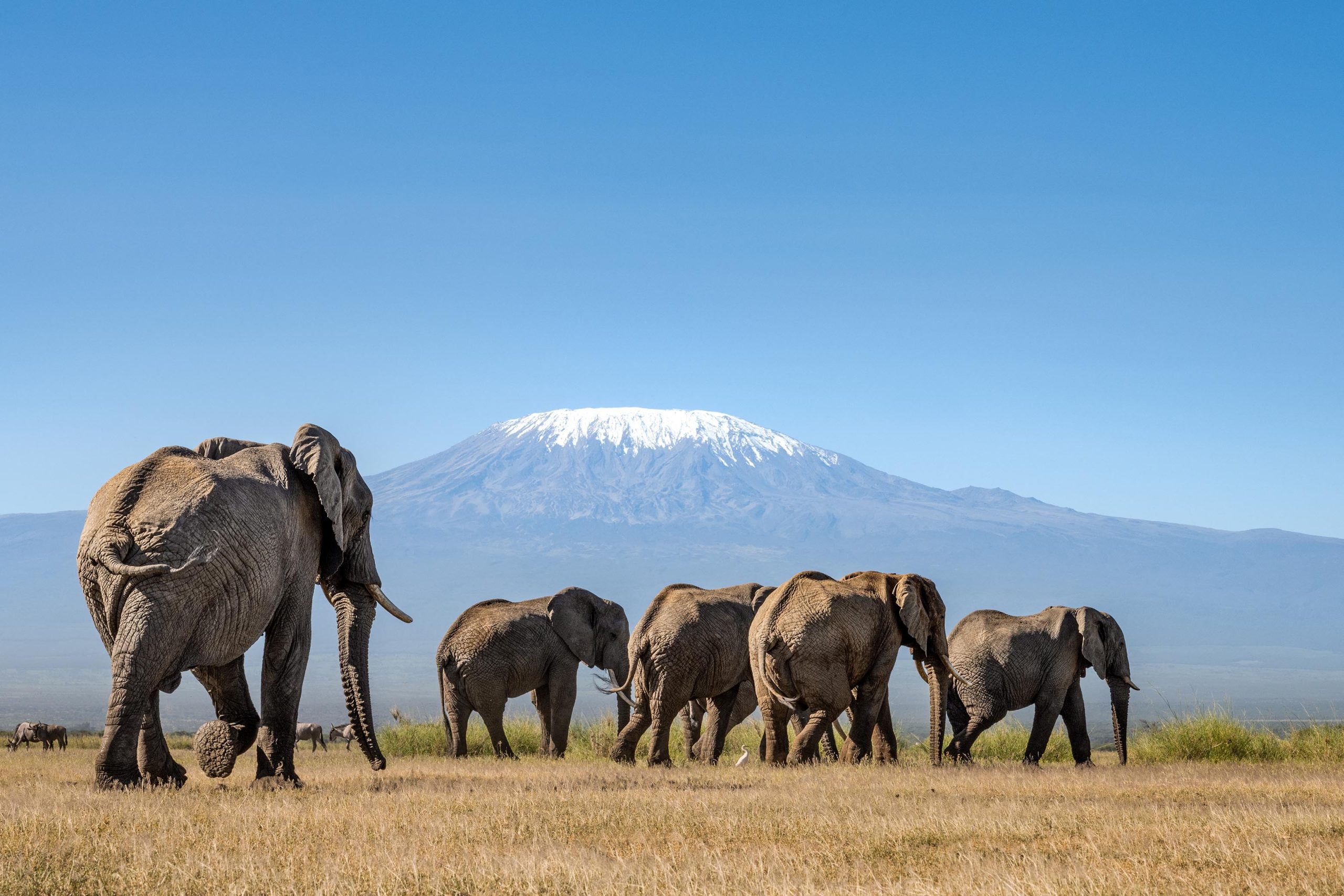
An 8-day Kenya wildlife safari offers an intensive experience covering top destinations like Masai Mara, Amboseli, Lake Nakuru, and Naivasha, usually starting from Nairobi. You should expect daily game drives to spot the Big Five (lions, leopards, rhinos, elephants, buffaloes), scenic landscapes of the Great Rift Valley, and potential cultural visits to the Maasai people
8-day-best-kenya-tanzania-safari-vacation
8-days-masai-mara-lake-nakuru-amboseli-tsavo-west-taita-sanctuary-tsavo-east-kenya-wildlife-safari
8-days-ol-pejeta-lake-nakuru-masai-mara-lake-naivasha-and-amboseli
8-day-7-nights-midrange-africa-kenya-safari-holiday
8-days-kenya-family-safari-vacation-and-wildlife-viewing
8-days-kenya-photography-safari-expedition
8-days-masai-mara-lake-nakuru-amboseli-and-mombasa-beach-holidays
8-days-affordable-budget-kenya-safari
8-days-samburu-special-five-ol-pejeta-and-masai-mara-safari-tour
8-days-honeymoon-kenya-safari-tour-bush-to-beach-vacation
8-days-honeymoon-kenya-tanzania-safari-and-optional-hot-air-balloon-safari-for-couples
8-day-africa-safari-tour-to-masai-mara-safari-tour-serengeti-ngorongoro
- Wildlife Spectacle
A defining lure of East African safaris is the wildlife spectacle—large, dynamic animal congregations and high predator activity that create dramatic, edge-of-the-seat wildlife viewing. The Great Wildebeest Migration is the continent’s most famous wildlife spectacle: from roughly July through October huge herds move northward across the Serengeti–Mara ecosystem, often culminating in tense river crossings where thousands of wildebeest and zebras risk crocodile ambushes and drownings. Outside migration months the plains still teem with resident herbivores and predators; big cats (lions, cheetahs, leopards) exploit abundant prey across habitat types. Lions are relatively easy to find in pride-rich areas—on kopje outcrops, in shaded thickets, or lazing by rivers—while cheetahs prefer open plains where they can sprint; finding them rewards patience and quick camera work. Leopards are solitary and secretive but can often be spotted resting in trees or shaded with a kill. Skilled guides use park radio networks, knowledge of animal movements, and tracking skills to position vehicles for the best views without disturbing animals. Dawn and dusk are peak activity periods—cooler temperatures motivate predators to hunt, and the light quality is spectacular for photography. Beyond big cats, the spectacle includes large grazers churning the plains, flocks of migratory birds darkening the skies, and dramatic interspecies interactions—crocodile ambushes at riverbanks, hyena–lion skirmishes over carcasses, and elephant family groups moving through baobab-studded landscapes. Wildlife spectacles are inherently unpredictable; patience, flexibility, and spending multiple days in well-situated areas dramatically increase encounter odds. For visitors focused on spectacular moments, time your trip to coincide with migration peaks, prioritize guides with excellent local knowledge, and allow multiple game-drive windows to capture the drama as it unfolds.
- Big Five & Specialty Wildlife
Seeking the “Big Five” (lion, leopard, elephant, buffalo, rhino) remains a top safari ambition and East Africa delivers strong chances for many of these species across key parks. Each species favors different habitats: lions thrive in open savannahs and kopjes where hunting is easier; leopards prefer denser woodlands and rocky outcrops where stealth is possible; elephants roam woodlands and riverine areas in family herds; buffalo prefer grasslands near water; and rhinos (black and white) are concentrated in protected pockets where anti-poaching efforts are strong. Parks like Ngorongoro Crater and parts of the Serengeti offer strong odds for seeing most Big Five members, while Lake Nakuru in Kenya is notable for rhino sightings due to focused conservation. Amboseli in Kenya is famous for large-tusked “tusker” elephants framed against the majestic backdrop of Mount Kilimanjaro—these iconic images are a highlight for wildlife photographers and enthusiasts alike. Specialty wildlife adds local flavor: reticulated giraffes in certain ranges, Grevy’s zebra in northern Kenya, or the endemic species and subspecies across East Africa. Smaller carnivores (jackals, bat-eared foxes, honey badgers) and rare nocturnal mammals sometimes appear on night drives or in targeted searches. Raptors and scavengers—vultures, martial eagles, and bateleurs—play important ecological roles and are frequent photographic subjects. Conservation-minded travelers should note that rhino sightings depend heavily on anti-poaching protection; viewing often occurs in managed areas with restricted access to minimize disturbance. To maximize odds of seeing the Big Five and specialty species, choose parks known for those animals, allow multiple game-drive sessions, and use guides who actively track focal individuals. Combining parks—Tarangire for elephants, Ngorongoro for rhino and dense wildlife, and the Serengeti for big cats and migration—creates the best overall chance of ticking all the Big Five and enjoying unique regional species.
- Birding & Scenic Lakes
East Africa’s lakes, floodplains, and river systems create some of the continent’s richest birding habitats, attracting both resident species and seasonal migrants. Sites such as Lake Nakuru and Lake Naivasha (Kenya) or the shallow soda lakes and crater lakes of Tanzania are famous for prolific birdlife, including spectacular flocks of flamingos that, when conditions are right, turn shorelines pink. Lake Nakuru National Park is often celebrated for flocks numbering in the thousands, feeding on microscopic algae; these vivid aggregations make dramatic photographic scenes and are an ornithologist’s delight. Beyond flamingos, these wetland systems host a diverse suite of waterbirds—pelicans, cormorants, herons, egrets, and storks—alongside kingfishers, grebes, and stilts. Raptor diversity is high in open-country parks and escarpments, with sightings possible of martial eagles, secretary birds, bateleurs, and fish eagles. Woodlands and acacia savannahs add passerines—sunbirds, weavers, shrikes, and colorful rollers—to a visitor’s checklist, and migratory species from Europe and Asia arrive seasonally to breed or feed. Lake-side boat trips (for example on Lake Naivasha) provide close access to waterbird colonies and allow observation of hippos and aquatic life while scanning for birds along reed beds and shoreline vegetation. Birding is rewarding year-round, but abundance and species mix vary with seasons—post-rain months often bring bursts of migrants and breeding plumage. For serious birders, bringing a good pair of binoculars (8x42), a field guide, and a notebook is essential; hiring a specialist birding guide can reveal cryptic and range-restricted species. Small, local conservation efforts protect key bird habitats, and supporting ethical operators helps sustain both avifauna and local livelihoods tied to healthy lake ecosystems. Whether a casual enthusiast or dedicated birder, the lake landscapes offer serene settings rich in color and song.
- Diverse Activities
A typical East African safari offers a diverse menu of activities designed to showcase wildlife, landscapes, and culture from multiple perspectives. Game drives—morning and late-afternoon sessions in open 4x4s—remain the backbone of most itineraries, maximizing predator and general wildlife sightings during cooler hours. Full-day drives are common in expansive reserves like the Serengeti to follow migration or track predator movements. Boat rides add a different dimension: on lakes such as Naivasha, boat trips allow close-up viewing of hippos and waterbirds, and provide peaceful, photogenic waterlines and papyrus-fringed habitats that contrast with land-based drives. Guided walking safaris—led by trained guides and often accompanied by an armed ranger—offer intimate, slow-paced encounters with smaller fauna, tracks, and plant ecology, revealing the subtle details missed from vehicles. For those seeking height and panoramas, hot-air balloon safaris over the Serengeti or Masai Mara are iconic: they provide an expansive aerial viewpoint at sunrise, often followed by a champagne breakfast in the bush. Night drives in conservancies and some private reserves reveal nocturnal species—genets, civets, porcupines—and showcase star-filled African skies; note that national parks sometimes prohibit night driving for safety and conservation reasons. Cultural activities—village visits, market tours, coffee farm stops—provide local context and hands-on learning. Conservation-focused experiences, such as visiting wildlife rehabilitation centers or community conservation projects, connect travelers to local preservation efforts. Many lodges offer additional recreational options—guided photography workshops, stargazing, spa treatments, and even short cycling trips near camp. Activity choice depends on park regulations, seasonality, and lodge offerings; discuss preferences with your operator ahead of time to include special interests (birding, photography, walking) and optional extras like ballooning, which often require advance booking and extra fees.
- Culture
Cultural experiences complement wildlife viewing by revealing how local people live, work, and conserve landscapes. In many safari regions, the Maasai are the most recognizable cultural hosts: pastoralists with a rich tradition of music, dance, beadwork, and livestock-centered livelihoods. Maasai village visits (bomas) commonly feature guided introductions by community leaders, demonstrations of traditional dress and beading, and energetic song-and-dance performances. Ethical visits emphasize mutual respect, fair compensation, and community control over the visit format so interactions support livelihoods rather than exploit traditions. Near areas such as Lake Eyasi, encounters with Hadzabe hunter-gatherer communities offer a different cultural lens—participatory demonstrations of tracking, hunting techniques, and foraging that reflect a deep knowledge of bush ecology. Coffee-cooperative visits, town-market walks, and school or health-project tours show contemporary community life and how tourism revenue supports local development. When planning cultural stops, choose operators who work transparently with communities, channel fees into development, and avoid commodifying sacred or private practices. Cultural learning also includes conversations about land tenure, pastoralist–conservation relationships, and how local communities navigate tourism, climate variability, and wildlife conflict. Visitors should observe basic etiquette: ask permission before photographing individuals, dress modestly, refrain from offering money directly (use recommended donation channels), and follow the lead of local hosts. Genuine cultural exchange is two-way—travelers learn, and communities gain income and a platform for sharing knowledge. These experiences deepen appreciation for the human dimensions of conservation and underscore that wildlife-rich landscapes are also cultural landscapes shaped by generations of coexistence.
- Comfort
Comfort on an East African safari range widely, but operators structure logistics to keep travel manageable and enjoyable. Overland travel typically uses purpose-built 4x4 Land Cruisers or safari vans fitted with pop-up roofs, comfortable seating, and large windows for unobstructed viewing. Vehicles are maintained for rough tracks and have storage for camera gear, water, and binoculars. For longer transfers, many travelers choose scheduled bush flights to reduce road time; these flights land on small airstrips and require soft-sided luggage and strict weight limits. Accommodation options span budget campsites and basic lodges to mid-range tented camps and high-end luxury properties. Mid-range tented camps offer comfortable beds, en-suite facilities, hot showers, and communal dining areas, providing an authentic bush feel without sacrificing essentials. Luxury lodges add spacious suites, gourmet meals, staff service, and extras such as private guides, heated pools, and wellness services. In all categories, expect early-morning wake-ups and flexible meal times to sync with game drives. Electricity and Wi‑Fi availability varies: luxury camps often provide reliable power and connectivity, while remote tented camps may have limited or solar-based electricity and intermittent internet—this is sometimes welcomed as an opportunity to disconnect. Climatic comfort varies by region; Ngorongoro rim lodges can be chilly, so warm layers are recommended for evenings. Many camps prioritize guest comfort with warm water bottles, hot showers when available, and cozy dining tents. Food quality ranges from hearty buffet fare to fine dining menus featuring local ingredients; dietary requirements can usually be accommodated with advance notice. Overall, comfort on safari is about balancing authenticity with convenience—select accommodation and transport levels that align with your tolerance for rustic charm versus high-end amenities, and discuss specific needs (mobility, family rooms, dietary restrictions) with your operator to ensure a comfortable, well-paced 8-day wildlife and cultural experience.
8-day Kenya wildlife safari
An 8-day Kenya wildlife safari is an immersive journey into East Africa’s most iconic landscapes and wildlife encounters, designed to balance thrilling game drives, cultural experiences, and comfortable bush accommodation. Over eight days you’ll visit a selection of premier reserves—commonly the Masai Mara, Amboseli, and the Rift Valley lakes (Naivasha or Nakuru)—each offering distinct ecosystems and signature sightings: big cats and the wildebeest migration in the Mara, elephant herds framed by Mount Kilimanjaro in Amboseli, and waterbird spectacles and rhino conservation at the Rift Valley lakes. Daily schedules are built around dawn and dusk game drives when animals are most active, with time for guided nature walks, community visits to Maasai bomas, and optional activities like a boat trip on Lake Naivasha or a hot-air balloon over the Mara. Travel is by pop-up-roof 4x4 Land Cruiser and, where helpful, short bush flights to save road time. The result is a well-paced itinerary that maximizes wildlife viewing while offering cultural insight and moments of relaxation beneath African skies.
Day 1 — Nairobi to Amboseli
Depart Nairobi after breakfast and head southeast toward Amboseli National Park, a drive of roughly 4–5 hours with scenic highland-to-plains transitions. Arrive at your lodge or camp before afternoon game drive; after lunch and a short rest, set out across open savannah dotted with acacia and marshy pans. Amboseli is famed for its large elephant families and the iconic views of Mount Kilimanjaro on clear days—photographers should be ready for dramatic silhouettes at golden hour. During the evening drive and at sunset, watch for herds of elephants, buffalo, zebra, and grazers drawn to the park’s water sources; predators such as lions and hyenas may become active. Return to camp for dinner and an optional evening briefing on the next day’s schedule. Early wake-up calls ensure you catch dawn activity tomorrow when animal behavior intensifies.
Day 2 — Full day Amboseli
Spend a full day exploring Amboseli’s varied habitats with morning and late-afternoon game drives. Begin at first light when elephants often move toward water and predators return from nocturnal hunts—your guide will track family groups and seek out bull tuskers famed in the region. Midday, relax at the lodge or enjoy a guided nature walk near the camp to learn about local flora, birdlife, and conservation efforts. Amboseli’s marshes attract numerous waterbirds and provide rich photographic foregrounds against Kilimanjaro’s slopes when clouds permit. Late afternoon yields superb light for silhouette shots and close-up encounters with grazers and browsers. Return for sundowners at a scenic viewpoint before dinner. The day’s rhythm—active drives bookending a restful midday—maximizes wildlife sightings while avoiding midday heat.
Day 3 — Amboseli to Lake Naivasha/Nakuru
After an early breakfast and final morning drive, depart Amboseli for the Rift Valley lakes region—either Lake Naivasha or Lake Nakuru—depending on your chosen route and interests (birdlife and hippos at Naivasha; flamingos and rhinos at Nakuru). The drive typically takes 5–6 hours with scenic stops and a picnic en route. Arrive at your lodge in the afternoon and take a short orientation or boat trip (if at Naivasha) to see hippos, waterbirds, and lakeside scenery. If at Nakuru, expect an afternoon game drive focusing on rhino tracking and flamingo-flushed shorelines when water levels allow. Evening at the lodge offers a chance to relax, enjoy local cuisine, and review the next day’s plans. This travel day balances transit with an initial wildlife introduction in a contrasting wetland environment.
Day 4 — Full day Lake Naivasha/Nakuru
Spend a full day discovering the Rift Valley lake’s wildlife and birdlife. At Lake Naivasha, morning activities include a guided boat cruise to view hippos, cormorants, fish eagles, and papyrus-lined shores, followed by a nature walk on Crescent Island for close, vehicle-free encounters with giraffes, zebras, and antelopes. At Lake Nakuru, morning and afternoon game drives focus on rhino sightings in protected enclosures and flamingo gatherings on the soda lake; woodland areas host baboons, buffalo, and leopard sightings if fortunate. Midday offers downtime at your lodge before an afternoon drive or birdwatching session—this region is a paradise for ornithologists and photographers. Evening brings calm relaxation and the opportunity to learn about local conservation initiatives protecting rhinos and lake ecosystems.
Day 5 — Transfer to Masai Mara
After breakfast, leave the Rift Valley lakes and journey southwest to the Masai Mara—a drive of around 5–6 hours or a short bush flight if preferred to save time. Arrive at your Mara camp in the afternoon, settle into your tent or lodge, and head out for an introductory game drive once refreshed. The Mara’s rolling grasslands teem with wildlife; your guide will seek out big cat activity, grazing herds, and early migration concentrations depending on season. The evening game drive can reveal lions returning to vantage points and hyena activity. Enjoy dinner at camp under the vast African sky and consider an early start the next morning when predator-prey dynamics are most dramatic. If time allows, arrange an optional cultural visit to a nearby Maasai village.
Day 6 — Full day Masai Mara
Dedicate a full day to the Masai Mara with morning and late-afternoon game drives maximizing sightings of big cats, elephants, giraffes, and, in season, migrating wildebeest and zebras. Early morning drives often uncover predators actively hunting and provide exceptional photographic light; return to camp mid-morning for lunch and rest. In the Mara you can also opt for a hot-air balloon sunrise (advance booking required) for sweeping aerial views of wildlife and landscape, followed by a champagne bush breakfast. Afternoon drives explore different sectors of the reserve or adjacent conservancies where private guides may secure exclusive sightings. Evening sundowners atop a kopje offer iconic sunset panoramas. Guides use radio networks to locate rare species and prides, increasing chances of witnessing dramatic interactions. The Mara’s diversity and density make it the safari’s wildlife climax.
Day 7 — Masai Mara
Use a second full day in the Masai Mara to deepen your wildlife experience—track known predator prides, seek out elusive leopards in woodland patches, or spend extended time observing a single animal’s behavior. If the migration is active, positioning near riverlines or in conservancies improves your chances of river-crossing spectacles; outside migration season, focus on resident herds and territorial lion activity. Consider a guided walking safari in designated areas for a different perspective on tracks, dung, and small mammals—these are led by armed rangers for safety. Photography enthusiasts appreciate the Mara’s light and frequent close encounters; guides will often spend time with a sighting to let you absorb behaviors. End the day with a relaxed dinner at camp, recounting memorable sightings and preparing for the return journey to Nairobi.
Day 8 — Return to Nairobi and depart
On your final morning, enjoy an early game drive to catch last glimpses of Mara wildlife before breakfast and departure. After packing, travel back to Nairobi by road (4–6 hours) or take a scheduled bush flight to Wilson or Jomo Kenyatta for a quicker return. If time allows in Nairobi, visit a local craft market for souvenirs or stop at the Karen Blixen Museum or a city viewpoint before your onward flight. Ensure arrival times align with your international departure; many operators provide airport transfers. Reflect on the week’s highlights—from Amboseli’s elephants beneath Kilimanjaro to Mara’s big-cat dramas and the Rift Valley’s bird spectacles—cementing memories and photos of Kenya’s extraordinary biodiversity. Safe onward travel, and consider a beach extension on the coast if you desire a relaxing post-safari finale.
Main highlights of an 8-day Kenya wildlife safari
An 8-day Kenya wildlife safari typically strings together a handful of the country’s most iconic reserves and experiences, delivering a compact but richly varied overview of East African wildlife, landscapes, and culture. Most itineraries concentrate on three to four premier destinations—Masai Mara National Reserve, Amboseli National Park, and the Lake Nakuru/Naivasha area are classic choices—each offering distinct photo opportunities and wildlife mixes. The Masai Mara is the star for big cat action and, in season, the dramatic Great Wildebeest Migration; it’s where persistent predator-prey dynamics and sweeping grasslands combine for frequently spectacular sightings. Amboseli’s claim to fame is the large elephant herds often framed against the panoramic backdrop of Mount Kilimanjaro; the park’s open plains and swampy areas provide scenic, close-up elephant encounters and beautiful early-morning light for photographers. Lake Nakuru and Lake Naivasha deliver a contrasting water-side experience—pink flamingo flocks, diverse waterbirds, and rhino-focused conservation areas (Lake Nakuru National Park is well-known for black and white rhino sightings). An 8-day route balances early-morning and late-afternoon game drives—peak wildlife activity windows—with travel days and possible short bush flights to minimize long road transfers. Optional add-ons frequently include a hot-air balloon sunrise over the Mara, a boat trip on Lake Naivasha, or a guided nature walk in a conservancy. Cultural elements—most commonly a visit to a Maasai village—provide human context and a chance to learn traditional lifestyles, beadwork, and dances. Logistic highlights include accommodation choices spanning luxury tented camps, mid-range lodges, or budget campsites; transport by pop-up-roof 4x4 Land Cruisers or short bush flights; and an experienced driver-guide who tracks animals, navigates park rules, and enhances sightings. Overall, an 8-day safari is an efficient but rewarding window into Kenya’s biodiversity and landscapes, best suited to travelers seeking a concentrated combination of wildlife spectacle, scenic variety, and cultural contact within a single, well-paced trip.
What wildlife you will see on an 8-day Kenya wildlife safari
An 8-day Kenya safari offers strong chances to encounter a broad cross-section of East African wildlife, from the iconic “Big Five” to abundant plains species and rarer specials. The Big Five—lion, leopard, African elephant, African buffalo, and rhino—are prime targets on many itineraries. Lions are widespread across major reserves and are often sighted lounging on kopjes or hunting at dusk; guided tracking in the Masai Mara and other reserves raises your odds. Leopards are more secretive but can be encountered in woodlands, acacia clumps, and rocky outcrops, especially with an observant guide. Amboseli’s large elephant families, sometimes featuring impressive tuskers, are a highlight, while rhinos are reliably seen in protected pockets like Lake Nakuru’s rhino sanctuary. Beyond the Big Five, expect abundant grazers and browsers: wildebeest and zebra are staples on Mara plains (and central to migration spectacles in season), giraffes browse acacia woodlands, and impalas, gazelles, hartebeests, elands, and waterbucks populate varied habitats. Predators beyond lions and leopards include cheetahs—often visible in open grassland where they hunt by day—spotted hyenas, jackals, and smaller nocturnal carnivores encountered on night drives or around camp. Birdlife is rich and diverse: waterbodies support flamingos, pelicans, kingfishers, and fish eagles; grasslands and woodlands bring raptors, rollers, and weavers. Wetland areas and lakes introduce hippos and crocodiles to the wildlife mix. Specialty and endemic species vary by park—Tarangire and Amboseli are famed for elephant concentrations, Lake Nakuru for flamingos and rhinos, and Tsavo for large herds and unique landscapes. Sightings are never guaranteed; success depends on season, time spent in top areas, guide skill, and patience. To maximize wildlife encounters, plan multiple game-drive windows (dawn and dusk), spend at least two nights in prime reserves, and choose guides with strong local knowledge and communication networks to locate focal animals.
Best time for an 8-day Kenya wildlife safari
Choosing the best time for an 8-day Kenya safari depends on priorities—peak wildlife visibility, migration spectacle, birding, or fewer crowds—and Kenya’s two principal dry windows generally offer the most favorable conditions. The long dry season from June through October is widely considered the prime time for wildlife viewing. Vegetation thins, water concentrates in rivers and permanent pools, and wildlife congregates—making animals easier to find. Importantly, July to October includes the peak of the Great Wildebeest Migration in the Masai Mara and southern Serengeti ecosystem, with dramatic river crossings that draw intense predator activity and are a once-in-a-lifetime spectacle for many travelers. Visibility for photography is excellent during these months, and road conditions are typically better for game drives. A secondary, drier window runs from late December through February. This period features relatively warm and dry weather, lush scenery following short rains, excellent newborn wildlife sightings (many species give birth around this time), and good birding as migrants may still be present. Short rains (usually in November and April–May) make some tracks muddy and can limit vehicle access in remote areas, but these rainy seasons also bring vivid green landscapes, fewer tourists, and excellent birding and newborn wildlife viewing—appealing to travelers who prioritize scenery and solitude. Some activities, such as hot-air ballooning in the Mara, operate year-round but may be weather-sensitive. For beach extensions to the coast (Mombasa, Diani), the drier months align well with safari timing but coast-specific weather patterns apply. Ultimately, for an 8-day trip focused on maximizing iconic sightings and reliable road conditions, plan for June–October; for lower prices, greener landscapes, and great birthing-season wildlife, consider December–February or the shoulder months while being prepared for occasional showers.
Transport used during an 8-day Kenya wildlife safari
Transport on an 8-day Kenya wildlife safari is arranged to combine comfort, visibility, and access to remote wildlife areas; the two primary modes are customized 4x4 vehicles and small bush aircraft for longer transfers. The most common land option is a purpose-built 4x4 Land Cruiser or safari van with a pop-up roof, designed to maximize wildlife viewing and photography. These vehicles have raised seating, large windows, and swivel seats so passengers get unobstructed lines of sight; they are also robust enough to handle unpaved and often rutted tracks connecting lodges and game-viewing areas. Drivers are typically experienced, multilingual guides who double as naturalists, using their knowledge and park radio networks to locate animals and ensure safety. For multi-park itineraries with significant distances—such as Nairobi–Amboseli–Masai Mara transfers—many travelers choose scheduled or chartered bush flights to save travel time and reduce road fatigue. Bush flights use small aircraft that land on short airstrips located near major camps; they require adherence to baggage weight limits and often have strict luggage size rules. Road transfers remain valuable for scenic enjoyment, flexible schedules, and visiting roadside communities. Within parks, transfers between camps and game-drive departures are by 4x4; game drives follow established tracks to minimize environmental impact and respect park regulations. For coastal extensions or airport transfers, chartered vehicles or standard taxis are used. Safety features include seat belts, experienced drivers, and adherence to park rules (staying inside vehicles except in designated areas). For mobile activities like guided walks, short, controlled walks are led on foot with armed rangers in some reserves for added safety. When booking, verify vehicle type (pop-up roof), seat availability (safaris often limit passengers per vehicle for comfort), domestic flight schedules, baggage restrictions, and whether transfers are private or shared—these choices affect convenience, cost, and overall comfort on an 8-day safari.
Accommodation on an 8-day Kenya wildlife safari
Accommodation options on an 8-day Kenya safari cater to a wide range of budgets and preferences, from basic campsites to high-end luxury lodges. Most safaris mix accommodation categories to balance cost, comfort, and proximity to wildlife areas—spending nights within or adjacent to parks optimizes morning and evening game drives when animals are most active. Budget travelers often choose basic campsites, rustic tented camps, or community-run bandas. These provide essential amenities—simple beds, shared ablutions, and communal dining—while keeping you close to nature and offering genuine bush atmosphere. Mid-range tented camps and lodges step up comfort with en-suite facilities (or private bathroom tents), hot showers, mosquito-proofing, charged common areas, and improved dining. These camps often blend canvas accommodations with sturdy permanent structures to provide an authentic safari feel with reliable comfort. Luxury lodges and high-end tented camps deliver premium service: spacious private suites or villas, large beds, en-suite bathrooms with hot running water, private verandas, heated pools, personalized guiding, gourmet meals, and often extras like spa treatments, laundry service, and private dining. Some top-end properties also provide private conservancy access for exclusive game drives and walking safaris. Many camps include full-board meal plans—breakfast, lunch, dinner—and packed lunches for full-day drives; dietary requirements are typically accommodated with advance notice. Facilities such as Wi‑Fi and electricity vary: remote camps may rely on solar power with intermittent connectivity, while luxury lodges usually offer reliable power and internet. Expect early wake-ups for game drives, with hot water bottles or warm blankets in cooler highland areas. When planning, consider proximity to the parks you intend to visit (reducing transfer time), the experience you want (rustic bush vs. indulgent comfort), and any specific needs (family rooms, accessibility). Booking through a reputable operator helps match lodges to your budget and ensures permits and park access are handled smoothly.
Can you witness the Great Migration on an 8-day Kenya wildlife safari?
Yes — if your 8-day Kenya safari is timed and routed appropriately, you can witness significant elements of the Great Wildebeest Migration. The migration is a large-scale, seasonal movement of wildebeest, zebra, and gazelle across the Serengeti–Masai Mara ecosystem, driven by rainfall patterns and the search for fresh grazing. The Masai Mara (Kenya) hosts the northernmost stage of the migration, and from July through October the herds often concentrate in large numbers across Mara grasslands. This period is the peak season to experience dramatic river crossings where animals brave crocodile-infested waters and treacherous currents—images that define the migration spectacle. An 8-day safari focused on the Mara during July–October can place you in areas where crossings and dense herds occur, especially if your itinerary allows multiple days within the reserve and includes conservancies and riverline vantage points. However, the migration is dynamic and unpredictable—river crossings depend on rainfall timing, herd movement, and river conditions—so sightings cannot be guaranteed on any single day. To maximize odds during an 8-day window, spend several consecutive days in the Mara and neighboring conservancies (Mara Triangle, private conservancies like Olare Motorogi, or Naboisho) rather than splitting time across too many distant parks. Working with an experienced guide and operator who monitor migration movements daily, use park radio networks, and position vehicles at likely crossing points improves the chance of witnessing crossings. Consider balloon safaris and extended morning/afternoon drives to catch migration activity at its best. If your 8-day trip falls outside July–October, you can still see large concentrations of wildebeest and the broader migration cycle in other regions of the Serengeti–Mara ecosystem depending on timing; otherwise, focus on resident wildlife and other seasonal highlights. In short, an 8-day safari can capture the migration’s drama if scheduled in the migration window and planned with local expertise and flexibility.
How much daily driving is involved in an 8-day Kenya wildlife safari?
Daily driving on an 8-day Kenya safari varies with itinerary layout, park spacing, and whether you include domestic flights. Internal game drives within parks are generally relaxed and measured—morning and late-afternoon drives typically last three to six hours (with breaks), combining periods of slow, observational driving and short sprints to reach active animal sightings. Full-day game drives, common in expansive reserves like the Serengeti or Masai Mara, can run 6–9 hours with a picnic lunch, allowing deeper exploration and higher encounter rates. Road transfer times between parks depend on distances and road conditions: Nairobi to Amboseli is roughly 4–5 hours by road; Nairobi to the Masai Mara is commonly 4–6 hours depending on the gate and road quality; Nairobi to Lake Nakuru or Naivasha can range 2–4 hours. Transfers to Tsavo or more remote areas often take longer. To minimize long road days, many itineraries incorporate short bush flights between airstrips—these reduce travel hours but introduce luggage weight limits and schedule constraints. On travel days, expect a combination of early departures and afternoon arrivals; operators often plan game stops en route to break the journey and provide wildlife viewing. Within conservancies and national parks, vehicles stick to park tracks and designated routes to protect wildlife and habitat. Guest comfort is a priority: modern safari vehicles are designed for long hours with cushioned seating and pop-up roofs for standing observation. If you’re sensitive to long drives, request itineraries with a mix of short transfers and flight options or stay longer in fewer parks to reduce transit frequency. Discuss with your tour operator how many hours you’re comfortable driving each day, and they can tailor routes (private transfers, bush flights, or focused multi-night stays) to keep daily driving within your preferred limits.
Is an 8-day Kenya wildlife safari suitable for children?
Yes—an 8-day Kenya wildlife safari can be very family-friendly and rewarding for children when designed with their needs in mind. Many lodges and camps welcome families and offer family tents, connecting rooms, or family suites. The Mara Triangle and several private conservancies are often highlighted for being particularly suitable for children due to well-managed wildlife viewing, secure camps, and family-oriented activities. Safaris offer memorable, educational experiences for children: seeing elephants, lions, zebras, and giraffes in the wild builds environmental awareness and excitement for conservation. However, planning is key. Choose an operator experienced with family travel to ensure appropriate pace, accommodation, and activities. Shorter game-drive sessions or flexible timing help prevent fatigue—early-morning and late-afternoon drives are wildlife-rich but can be long; operators can tailor drives to children’s energy levels and offer mid-day downtime at the lodge with activities suited to younger guests. Safety is paramount: children should remain in vehicles during game drives unless a lodge specifically offers supervised walking activities in secure areas with armed rangers. Many camps offer child-friendly meals, babysitting on request, and educational programming such as junior ranger experiences, cultural visits with safe, guided interaction, or nature walks adapted to younger ages. Consider health and immunization needs (malaria prophylaxis may be recommended in some areas), and consult a pediatrician before travel. Road transfer durations and rough tracks can be challenging for very young children—where possible, opt for shorter transfers or include bush flights to reduce driving time. Age policies vary by camp—some luxury tented camps have minimum age restrictions for guest safety. Finally, engage children with simple pre-trip preparation—picture books, wildlife guides, and basic rules for safe viewing—to enhance their engagement and enjoyment. With thoughtful planning, an 8-day safari can be a safe, comfortable, and unforgettable family adventure.
What is included in the cost of an 8-day Kenya wildlife safari?
Costs for an 8-day Kenya safari vary by operator and package level, but most standard safari prices include several core components while leaving optional extras as add-ons. Typical inclusions are park entrance fees or national park conservancy fees for the parks on your itinerary, ground transportation in a designated safari vehicle (pop-up-roof 4x4 Land Cruiser or safari van), airport transfers to/from major arrival points, accommodation (usually full board in lodges or camps with packed lunches for full-day drives), and the services of an English-speaking driver-guide. Many packages also cover scheduled bush flights when indicated in the itinerary, though these often come with baggage restrictions. Other commonly included items are bottled water during drives, selected guided activities (standard game drives and possibly nature walks), and sometimes scheduled airport transfers between Nairobi’s Wilson or Jomo Kenyatta airports. Not included items typically are international flights to and from Kenya, travel insurance, visa fees, personal items (alcoholic beverages, phone calls, laundry), gratuities for guides and lodge staff, optional activities (balloon safaris, private night drives in conservancies, spa treatments), and tips. Some packages exclude or separately price park fees for non-residents versus residents—verify whether quoted rates apply to foreign nationals or East Africans. Special dietary needs are usually accommodated but should be communicated in advance and may incur extra costs. Optional conservation or community-visit fees (donations to local projects) are also often separate. To avoid surprises, request a clear cost breakdown listing inclusions, exclusions, single-supplement policies, child rates, and cancellation or amendment terms. Additionally, confirm tax and government levy treatment—some operators add VAT or tourism levies at booking or check-in. A reputable operator provides a detailed booking terms page and will clarify what’s covered so you can compare packages accurately and budget for optional activities and gratuities.
Do I need a visa for an 8-day Kenya wildlife safari?
Most international visitors to Kenya require a visa, and the country has streamlined the application process through an Electronic Travel Authorization (eTA) system. Before traveling, check your nationality’s specific requirements on official Kenyan government portals or with your nearest Kenyan embassy. For many passport holders, the eTA (commonly called the visa on arrival replaced by an online system) is applied for online prior to departure—applicants submit passport details, travel plans, and make payment, then receive authorization to present on arrival. The eTA typically covers short tourist stays and is valid for specified periods; be sure your passport validity meets Kenya’s minimum requirement (often at least six months from the date of entry) and that you have at least one blank page for entry stamps if needed. Some nationalities may still require an in-person visa application at an embassy—verify this well in advance. For travelers transiting through neighboring countries or planning multi-country East Africa trips, consider the East African Tourist Visa (EATV) if applicable; it allows multiple entries for travel within Kenya, Rwanda, and Uganda for eligible nationalities and simplifies cross-border itineraries. In addition to the visa, have documentation handy on arrival: return or onward flight confirmation, proof of accommodation (booking confirmations for lodges or camps), and sufficient funds for your stay. Vaccination requirements also apply—Kenya may request proof of yellow fever vaccination if you are arriving from a high-risk country. COVID-19 regulations have generally relaxed, but check current testing/vaccination requirements close to departure. Because visa rules change, consult official government websites or your travel agent to confirm the latest requirements and apply for the eTA or visa with enough lead time to avoid delays before your 8-day wildlife safari.
What to pack for an 8-day Kenya wildlife safari
Packing for an 8-day Kenya safari balances comfort, practicality, and respect for the environment and local customs. Clothing should be lightweight, breathable, and neutral-toned (khaki, olive, browns) to avoid startling wildlife and to blend with the bush landscape—avoid bright colors and camouflage. Bring long-sleeved shirts and long trousers for sun protection and for evenings to reduce insect bites; layers are essential as mornings and nights can be cool while daytime temperatures warm considerably. A warm fleece or lightweight jacket is recommended for early-morning game drives, plus a hat, sunglasses, and a scarf or buff to block dust. Footwear should be sturdy walking shoes or boots for guided walks and comfortable sandals for camp life. Essential gear includes a good pair of binoculars (8x42), a camera with spare batteries and memory cards, a comfortable camera strap, and any telephoto lenses if you’re a serious photographer. Bring a small daypack for game drives and walks, a reusable water bottle, and sunscreen (high SPF) and insect repellent (DEET-based for effectiveness). Health and safety items include a basic first-aid kit, motion-sickness remedies if prone, any prescription medications, hand sanitizer, and malaria prophylaxis if advised by your doctor. Toiletries and personal items are useful, but many lodges provide soaps and towels; quick-dry travel towels are handy for budget camps. For accommodations with limited power, bring a universal power adapter, a portable battery pack, and adapt to any luggage weight limits for bush flights—soft-sided bags are often required. Respectful cultural packing includes modest clothing for village visits. Don’t forget copies of important documents (passport, eTA confirmation, travel insurance, vaccination records) stored separately from originals and digital backups stored securely. Finally, pack light and leave room for souvenirs: many travelers find that a well-organized, minimal kit improves mobility and comfort across diverse safari environments during an exciting 8-day adventure.
What is a "sundowner" on an 8-day Kenya wildlife safari?
A “sundowner” is a quintessential safari ritual—an informal, relaxed break at sunset where travelers pause during or at the end of an afternoon game drive to enjoy drinks, snacks, and the changing colors of the African sky. Typically held at a scenic vantage point—a kopje, riverbank, hilltop, or clearing—the sundowner offers guests a moment to stretch, swap sightings with fellow passengers, and savor the atmosphere as daylight fades and nocturnal sounds intensify. The experience is often enhanced with light refreshments: cold beverages (soft drinks, water), beer, wine, or a signature cocktail, along with savory snacks. In many private conservancies and some lodges, sundowners may be more elaborate, featuring champagne, canapés, or a small spread prepared by camp staff. The timing is purposeful: sunset is a prime wildlife window as predators grow active and grazers move to water, so the break often coincides with continued wildlife observation opportunities. Sundowners are typically conducted with safety in mind—vehicles remain positioned to allow a quick return to camp, and guides maintain vigilance for nearby wildlife. In national parks with stricter rules, open alcohol consumption or off-road stops may be restricted, so sundowner practices vary by location and operator; private conservancies are more flexible and commonly host these stops. Beyond the practical, sundowners are a social ritual that embodies the safari rhythm: the gentle cooldown after a day of tracking wildlife, the shared excitement of sightings, and a chance for guests and guides to connect and debrief. Photographers love the golden-hour light for silhouettes and landscape shots, while nature lovers appreciate the sensory shift—the sounds, smells, and colors unique to the bush at dusk. For many travelers, an African sundowner becomes a highlight—an evocative pause that crystallizes the mood of the safari and creates lasting memories of being present in wild places.
Safety precautions for an 8-day Kenya wildlife safari
Safety on an 8-day Kenya safari is managed through a combination of experienced guides, park regulations, and traveler awareness. Professional driver-guides are the primary safety resource: they know animal behavior, park rules, and emergency procedures, and they maintain safe distances from wildlife to avoid startling animals or provoking defensive behavior. In vehicles, passengers should follow the guide’s instructions—remain seated during drives, keep limbs inside the vehicle, and avoid loud noises or flash photography near animals. Parks also enforce rules such as staying on designated tracks, not feeding wildlife, and specific guidelines for parking or disembarking only in approved areas. For walking safaris or visits to places like Hell’s Gate, guided walks are conducted with trained rangers and sometimes armed escorts for protection; follow ranger instructions closely and maintain group cohesion. Health safety includes carrying travel insurance that covers medical evacuation, checking recommended vaccinations and malaria prophylaxis with a healthcare provider, and bringing a personal first-aid kit and any prescription medications. Road safety is addressed by using reputable operators who maintain vehicles and hire experienced drivers; road transfers are planned with realistic timeframes and rest stops. Night-time safety in parks varies—many national parks prohibit night drives due to risks to wildlife and guests; private conservancies may permit guided night drives with specialist vehicles and spotlights. When visiting local communities, respect cultural norms and follow guidance from hosts and operators to avoid misunderstandings. Keep valuables secure, carry minimal cash, and use lodge safes for passports and electronics. Finally, environmental safety practices—such as packing out waste, minimizing single-use plastics, and respecting fire safety rules at camps—protect both visitors and the ecosystem. By traveling with licensed operators, following guide instructions, and preparing health and travel documents beforehand, an 8-day safari can be a safe, well-managed adventure.
Visiting local communities on an 8-day Kenya wildlife safari
Visiting local communities is a valuable complement to wildlife viewing on an 8-day Kenya safari, offering cultural context, income for residents, and a chance for meaningful exchange. The Maasai are among the most visited groups; community visits (bomas) often include guided introductions from village leaders, demonstrations of traditional beadwork, and energetic song-and-dance performances. Ethical community visits emphasize consent, fair compensation, and community-managed programs—look for operators who partner directly with local groups and who channel fees into community projects like schools, health clinics, or conservation initiatives. Beyond the Maasai, you may encounter agricultural communities, coffee cooperatives, or coastal fishing villages depending on your route and extensions. Participatory experiences can include led walks, craft workshops, traditional cooking demonstrations, or visits to community-run conservation projects that demonstrate how residents manage wildlife-human conflict and income from tourism. When engaging in community visits, follow local customs: ask before photographing people, dress modestly, avoid giving money directly to individuals (which can create dependency), and consider donating to community funds or buying authentic crafts sold by community cooperatives. Educate children about respectful behavior and use the opportunity to discuss conservation, land-use, and livelihoods—these visits can broaden travelers’ understanding of how local people live alongside wild landscapes. Community tourism benefits when it is sustainable: choose operators with transparent benefit-sharing models and small-group visit formats that minimize disruption. Timing matters—coordinate visits with host communities’ schedules and be mindful of ceremonies or private events that may not be appropriate for tourists. Ultimately, thoughtfully organized community visits humanize the safari experience, underscore the links between people and wildlife, and support local stewardship by directing tourism revenue where hosts themselves prioritize it.
Adding a beach extension to an 8-day Kenya wildlife safari
Adding a beach extension to an 8-day Kenya safari is a popular way to round out the trip with relaxation after active wildlife days. Kenya’s coastline—Diani Beach, Watamu, Malindi, and Lamu among the best-known spots—offers white-sand beaches, warm Indian Ocean waters, coral reefs for snorkeling and diving, and a mellow contrast to inland safari landscapes. Logistically, many operators arrange a short domestic flight from Nairobi to coastal airports (Ukunda for Diani, Mombasa for broader access) or a road transfer if preferred; flights are efficient and commonly timed to follow your final safari morning or an overnight in Nairobi. Beach extensions vary in length—two to five days is typical—allowing time for rest, water sports, or cultural exploration of coastal towns. Activities include snorkeling or scuba diving on fringing reefs, kite-surfing, dhow cruises at sunset, deep-sea fishing, and visits to Marine Protected Areas. For a cultural twist, consider exploring historic Stone Town in Lamu or visiting local Swahili villages and marketplaces. Weather considerations matter: coastal rainfall patterns differ from highland and park seasons, so check local forecasts when booking. Accommodations range from budget beach cottages to luxury beachfront resorts offering spa services, fine dining, and private beach villas. If you’re concerned about logistics, many operators provide combined safari-and-beach packages that include transfers, domestic flight arrangements, and luggage handling. Health precautions are straightforward—sun protection, staying hydrated, and standard tropical travel vaccinations; malaria risk varies by coastal area, so consult a travel physician. A beach extension is an ideal way to decompress, enjoy marine biodiversity, and extend your Kenyan itinerary with a relaxing finale—combining adrenaline-filled game drives with sun, sea, and cultural richness on the coast.
Booking 8 days Kenya wildlife safari with us Roads of Adventure safaris
Book an unforgettable 8-day Kenya wildlife safari with Roads of Adventure Safaris to explore iconic destinations like Masai Mara, Lake Nakuru, and Samburu. Witness the Big Five, vast savannahs, and diverse birdlife in a thrilling adventure featuring guided game drives, this 8-day Kenya safari with Roads of Adventure Safaris and rich cultural experiences. Experience the best of Kenya’s landscapes with expert guides and comfortable, immersive accommodations tailored to your budget or luxury preferences, including both this budget option and luxurious tented camps. Book your spot today
